amarchinthevines

Learning about wine, vines and vignerons whilst living in the Languedoc


2 Comments

Snails, sprays and screen star

En français

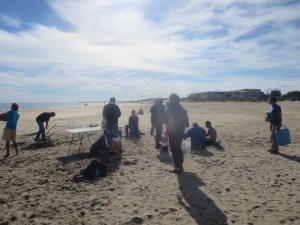
April 27th saw a number of visitors to Font D’Oulette (Chemin De Pailhès), home of Flower Power where we grafted vines recently.

France 3 television were here to record some footage for a report on biodiversity, so who better than Jeff to describe and demonstrate how he has worked to bring life to the vineyards around Puimisson.

Rather less welcome was the invasion of snails, I spent all morning removing thousands of them from the vines. They clearly enjoy the organic greenery and, in particular, the young buds. It was noticeable that where the vine had grown more fully the snails were few in number, instead they were grouped on the slower growing vines where the buds were small and fresh. Bullies.

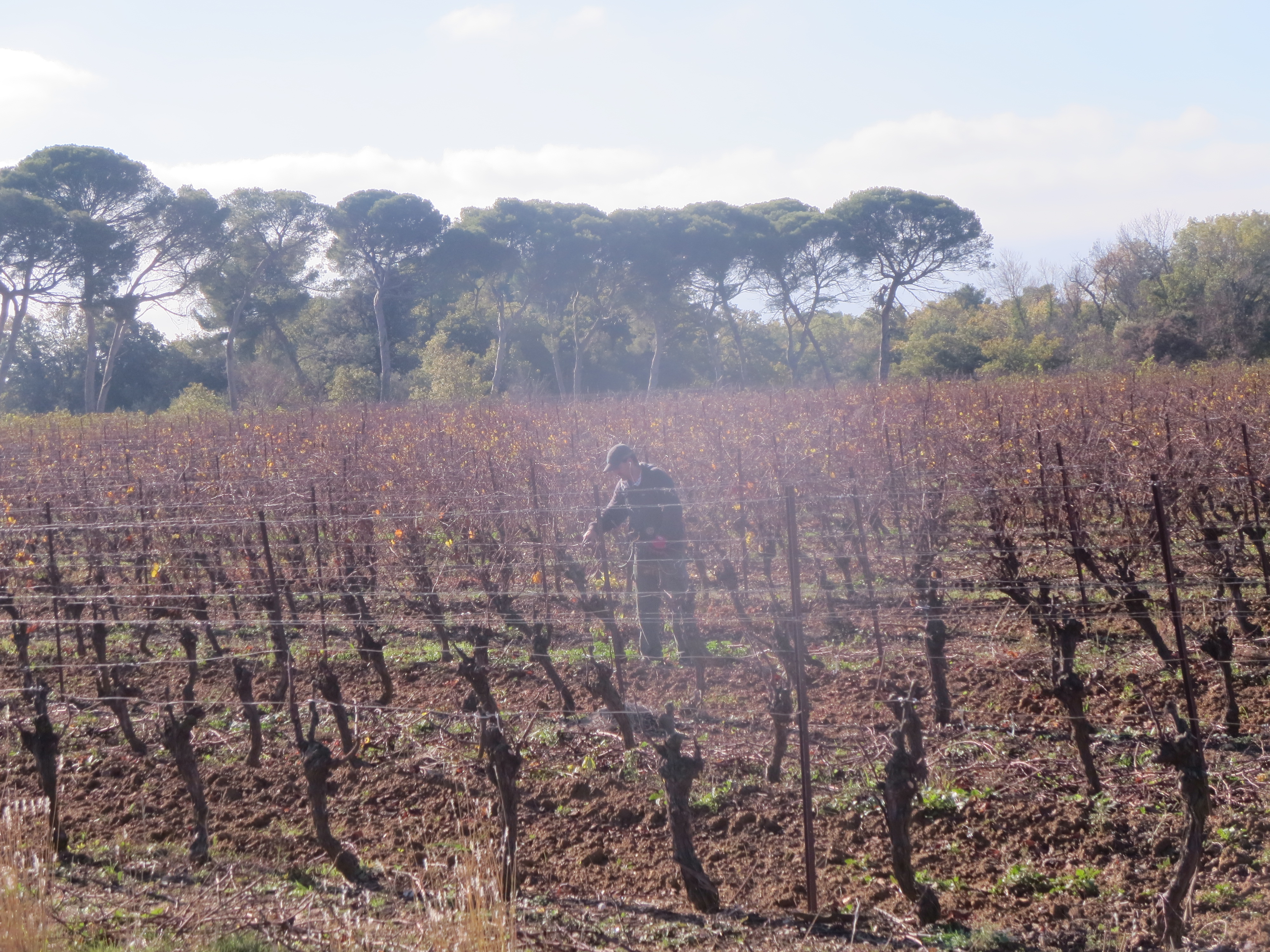
As the days warm up the risk of diseases such as oïdium and mildew increases. Therefore, it was time to spray the vines to help them resist these damaging diseases. However, being organic, there is no question of synthetic chemicals. This was a spray of nettles, comfrey, ferns and seaweed mixed with rain water; organic, natural products. Julien sprayed on foot and then Jeff and he rode on the tractor to spray two rows at once in Rec D’Oulette, home of Flambadou.

P1000948

Oy watch where you’re spraying!

Across the vineyards the vines are maturing rapidly. The buds are separating showing the future grapes and bunches. Tendrils are pushing skywards, remember that vines are climbing plants. The leaves are now of good size, soaking up the sunlight to help photosynthesis and provide energy to encourage the growth of the vine.

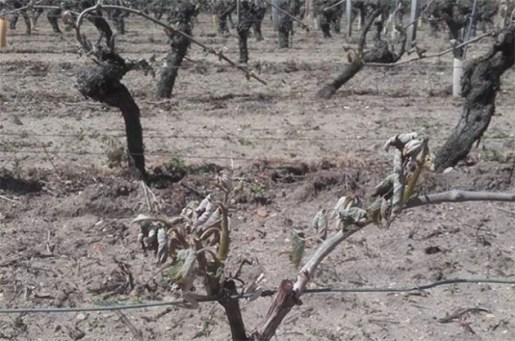
The soils remain dry and the leaves are a little brittle in places, this has been a very dry winter. More rain would be welcome. However, that night and the next there were reminders that the situation elsewhere can be much worse. The Loire valley and parts of Burgundy were hit by sudden, severe frosts which have devastated vines and mean that some vignerons face a bleak year with little or no wine to be made. The photograph below Credit: Sabrina Cyprien Caslot-Bourdin via Jim Budd / Facebook

Loire-vineyards-630x418

The sunshine and drying winds may not be perfect but the vineyards of Mas Coutelou remain small havens of flora and fauna.


4 Comments

The story of a wine – we can’t really say

IMG_3752

En francais

On Peut Pas Vraiment Dire Que * is a new cuvée from Mas Coutelou in 2015. So how is a new cuvée born? This is its story.

Untitled

My favourite Jeff  wine over the years has been La Vigne Haute, a pure Syrah coming from the vineyard La Garrigue. This vineyard has a small ridge running west to east meaning that part of it faces north and part faces south. Jeff planted Grenache on the southward side as Grenache is a Mediterranean grape and likes the heat. On the north side is Syrah, a grape from the Rhone, which likes heat but not too much if it is to reveal its best.

La Vigne Haute is a wine of subtle Syrah. Perfumed with red fruits and tasting of silky smooth red and black fruits it carries elegance and restraint. However, in 2015 Jeff took the decision at the last minute not to make La Vigne Haute but rather to change the whole vinification of the grapes which were harvested. Here is the story in his own words, as told to Paco Mora a caviste in Ivry sur Seine. Jeff kindly gave me permission to reproduce it here.

“To thank you [for a generous comment on Facebook], I’d like to take a few minutes to tell you the story of “On Peut Pas Vraiment Dire Que.” A story which confirms that to make wine, we must first know, love and pamper both vineyards and grapes.

It comes from the parcel “La Garrigue”, my only parcel on villafranchien soil, which I planted:
 On the north side: Syrah (planted north / south) to be always caressed but never assaulted by the sun.
 On the south side: Grenache as it is not afraid of the heat.

IMG_0763

The buffer zones in Garrigue

This decision made me lose 10 vine stocks per row of vines (300 in total) to leave a buffer zone between the two varieties but it was a decision which seemed most suited to making the Syrah I dreamed of. It normally makes “La Vigne Haute” but also produced “PAF La Syrah” in 2012. This plot has a vein of water running underneath which the presence of horsetail fern confirms. This year, even during the heat wave, it never suffered and continued to push …. It was the most beautiful vineyard at harvest time.

The day of the harvest, we had planned to make Vigne Haute by implementing the classic method; destemmed grapes, putting it into tank, maceration of 2 to 3 weeks with little pumping, to encourage infusion and not to seek extraction.

The vineyard was beautiful, beautiful grapes, everyone at the winery was excited that this would be a great vintage. The first grapes arrived, and as son as I saw them, I thought I had to change everything … ..
The fact that they had not suffered from the July heat wave but instead had profited from it (because of the sun caressing that north facing slope, the heat effect lessened because of that vein of water). It had produced berries more swollen than usual … and I could really see that when they arrived in the cellar.

IMG_2359

After an hour, I said to myself “if you do as usual, you will not get to do what you want.” The fact that the liquid / solid ratio is different, if I had made a classic wine, I would have to extend the maceration time to extract enough material relative to the juice and in that case, there is also the risk of extracting good but also the less good.

So within 10 minutes I decided to change everything.

We continued by putting whole bunches into tank with the idea of making a short vinification. On that day, everyone was down in the mouth in the cellar because I had told them that there would be no Vigne Haute …. But I trusted my grapes and they told me that they would repay my faith in them .

We just left the grapes in vats for 7 days without any intervention and then pressed. So there was almost no exchange between the skins and juice in tank. The tannins and colour were extracted because of pressing the skins, which were ripe, and released them after their short stay in the vat.

In the end, it’s just the juice of the vine and the terroir that you have in the bottle ….
Nothing technical, just grapes that were cared for and nursed from their birth to their maturity ….”

So that is the story of On Peut Pas Vraiment Dire Que. I was one of those who was ‘down in the mouth’ on that day when Jeff changed everything. Yet it was, of course, the right thing to do. The wine is very like the Paf of 2012, fruity but with a lovely vein of soft tannin and bite running through it. It is elegant above all, a Syrah worthy of the great Rhone appelations but with Languedoc warmth and fruit.

And OPPVDQ is a tribute to the talent, intuition and knowledge of Jeff Coutelou. He knows his vines, his grapes and how to help them to express themselves to maximum advantage. I can’t really tell you how he does it… it’s natural.

A phrase which can be translated as ‘we can’t really say’.


Leave a comment

Vineyard, vinification and VAT

There are three main aspects to the life of a winemaker and it’s time to bring you up to date with all three.

Vineyard work. 

It is a lovely time of year to be in the vines as they start their growth for the year, buds of striking colour, first leaves and greenery. 

In Rome vineyard on April 10th there were butterflies, birdsong and bees, beautiful.

P1000840

Rome through a new Coeur de Pigeon cherry tree

Taille is complete, ploughing completed (for the moment) and we have even had some rain at last which has encouraged the growth we see in the vines. However, it’s not all green for go. The buds are fragile and any more high winds could cause some damage to them leading to reduced yields in September. Moreover, Jeff pointed out another problem. Some of the buds are actually auxiliary buds (contre bourgeons) which would reduce yields further. The contre bourgeons generally don’t yield fruit and also take energy from the main buds so these don’t grow to full height.

labelled

The winter saw not one single day of frost in Puimisson, the vines were restless and unable to sleep in the face of cold weather. Therefore sap, which should be still, continued to flow and with mild temperatures in January and February the sap nudged the buds. However, a cooler spell at the end of February and March meant that the sap retreated a little and the buds were left stirred but not able to unveil themselves. As warmer weather returned the sap nudged auxiliary buds as the main buds had already seemingly started. In fact they may not now emerge at all and it is these auxiliary buds which will be left. Something to raise concern at a preliminary stage of the season. The vines generally are starting well but a few have this issue. More importantly the vines have had little rest, will they be able to offer their best in 2016?

 P1000829

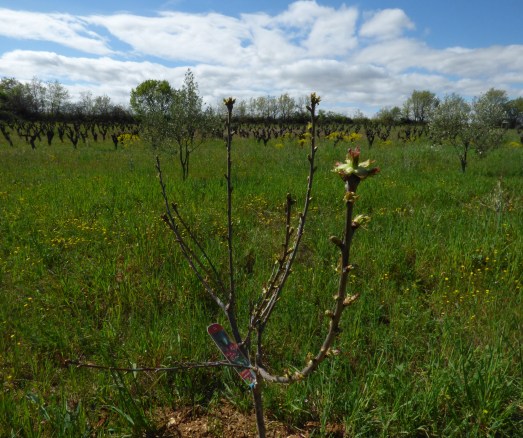
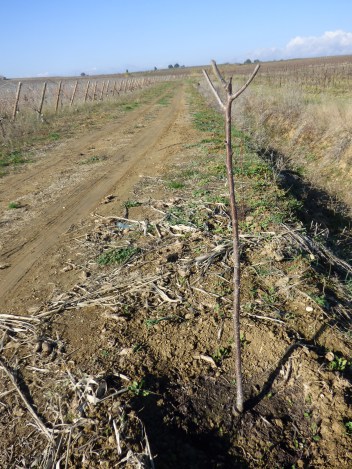
Nonetheless it was good to see the newly planted vines in Font D’Oulette are already budding, a promising start.

P1000794

Vinification

The 2015 wines made for early drinking, e.g. Vin Des Amis, PM Rosé and Classe, have been bottled and dressed (habillage) with their labels. Other cuvées are still in tank resting after fermentation, maturing towards wines such as Flambadou. 

P1000759

Soutirage was carried out on some of these more complex wines as reported in the last article. Meanwhile Jeff continues to taste and to check their progress, to ensure the quality and health of the wines. 

Some wines from previous vintages have been bottled, for example the new barrel aged Maccabeu / Grenache Gris wine ‘5J’. New labels have been designed for these and they will eventually become rare treasures for followers of Mas Coutelou wines. One new wine is the Syrah ‘On Peut Pas Vraiment Dire Que’ and I will be narrating its story in a coming article, a story which reveals again the vinification skills of M. Coutelou.

VAT, sales

It is all  very well making good wines but, if you are to continue as a winemaker, you must be able to sell them. Jeff is in the position of being able to sell all of his wines and he could sell much more if he had it. That is the result of years of great wines which people want but also his ability to sell it. He has built loyal buyers around the world, often former students from his days as a teacher in Paris, for example his importers to Paris and New York, Fleur Godart and Camille Rivière. 

2016-04-04

However, Jeff still attends salons such as Les Affranchis in Montpellier, La Dive Bouteille in the Loire and, last week, La Remise in Arles (again more about La Remise soon). He was very happy with the salon and sold more wine, Vincent was regularly spotted carrying cases from the van to various cars!

Last Wednesday palettes of wine were sent to Paris and it was good to see Paco Mora, whose Cave d’Ivry is a loyal customer, publish some photos of their arrival. He looked happy and was very complimentary about Jeff’s skills and the new syrah.

So, there we are. It’s a busy life being a vigneron. Jeff has lots of paper work and admin to carry out this week as well as spending time in the vines. All with a bad back which he has nursed for several weeks. As you sip, or quaff, your Mas Coutelou wine (hopefully) spare a thought for the work which has gone into the wine in your glass.

P1000850

Paperwork? Count me out


7 Comments

Grafting vines

P1000577

On March 17th we were in Font D’Oulette vineyard which, at just over 0,6 ha, is a small parcel replanted around 6 years ago with a variety of old Languedoc cépages such as Aramon Noir, Aramon Gris, Oeillade and the very rare Clairette Musquée. The grapes are picked together to make a single cuvée representing the parcel , Flower Power. This first appeared in 2014 and has made an impact already, selected by La Revue Du Vin De France as one of the Languedoc’s top 50 wines. As the vines age we can only anticipate eagerly what they will produce in future.


However, not all young vines thrive and some needed to be replaced. Two alternatives were in place this day as the rain fell steadily.

The first is to plant vines which are pre-grafted in the conservatory / nursery. These are covered in wax to protect the graft, the wax will fall away in a few weeks. I described this process last March with the new plantation in Peilhan vineyard.

The second method was to graft onto the root stocks already in situ, something I had not seen before. The American root stock has to be used to protect against phylloxera which destroyed much of France’s vineyards in the 19th century. There are different methods of grafting such as ‘chip and bud’ but Jeff brought in a specialist, Tanguy, who uses a method known as ‘greffe en fente’.

The old vine is cut away to reveal the root stock. A very sharp knife, repeatedly sharpened through the day, cleans the surface and then inserts a cut through the wood revealing its core.

The cut is supported by tying string around it. The vine wood is also cut, as if sharpening it to make a thin wedge which is inserted into the cut root stock. The idea is to get the core of the two pieces as close as possible. This is then fastened tightly with the string. The graft is complete.

It looks simple but isn’t that the mark of a skilful worker, making something complicated look easy? Have a look at the video below to see the process in one go.

The vine is staked for support, always to the side which will help the vine against the prevailing north westerly winds. Jeff had brought some basalt soil from the Auvergne and this was then placed around the grafted vine poured into the body of a plastic bottle placed around the vine .

Basalt is one of the oldest forms of rock, roche mère (mother earth or bedrock) and is packed with nutrients. This will help the vine to grow well and by filling the bottle around the vine it is surrounded with top quality soil. Organic compost is added to the hole and then the earth is hoed back over it all, removing the bottle of course.

There is a risk. Up to 20% of vine grafts do not take in theory and with greffe en fente the whole vine would have to be grubbed up next year and replanted. Other methods can simply replace the graft. However, this method is the best for the vine itself and the most likely to take.

So what were the vines? Cinsault, Aramon Noir and Inconnue No.3. Inconnue means unknown, so why is it called this? The original vine was found in an old vineyard where it had never been catalogued. It was taken by the organic nursery where Jeff buys his vines and it was studied but was discovered to have never been indexed. it is unique, unknown, hence its name. One of its benefits is that it is resistant to oidium and it will also add diversity to this complanted vineyard with about 100 of the Inconnue No.3 vines being added. A hint of mystery to the blend.

P1000516

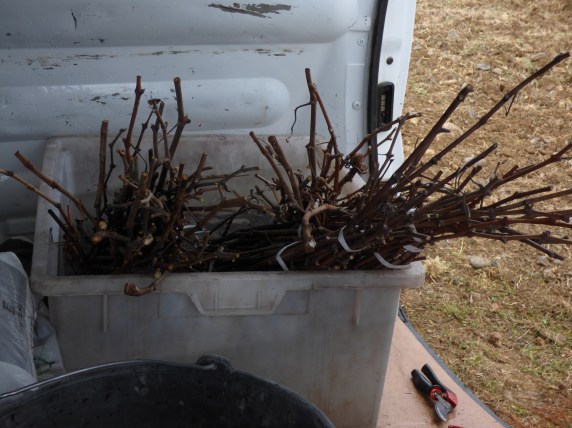
The vine canes, only about 7-8 cm will be used

A fascinating day despite the rain which soaked us all to the skin. It was hard graft but a rich, rewarding day celebrated at lunchtime with a magnum of… well it had to be Flower Power.

P1000597

A damp guardian of the new vines


Leave a comment

New life at Easter

P1000699

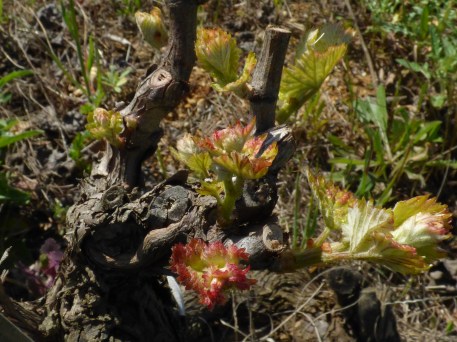
Easter is about new life. No bunnies or chicks in the vines this Good Friday, though there were some partridges at Peilhan, but plenty of signs of the vines coming back to life. Some vines are further advanced than others so I want to show how the buds and leaves emerge.

P1000700

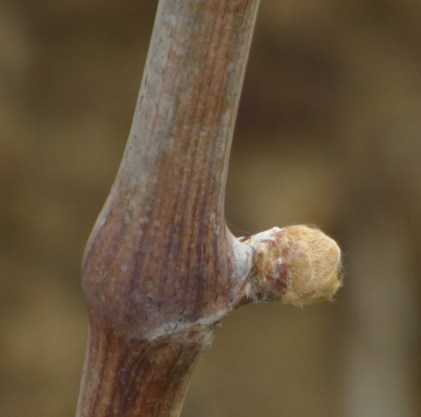
Bud emerging (débourrement)

The buds are covered in a cotton like substance to protect them at first.


P1000708

Buds on a Terret Blanc vine planted March 6th 2015

 The leaves begin to unfold.


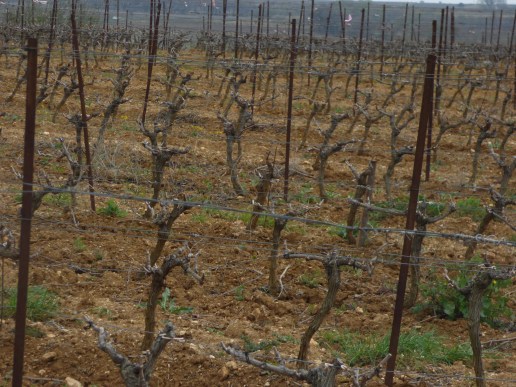
All of these photos were taken on Friday, showing how the vines develop at different speeds. Indeed most vines are still dormant as can be seen in Sainte Suzanne vineyard below.

P1000680

And it’s not just vines, the final photo shows a quince tree planted over the winter at Peilhan vineyard with the first wild irises just a few metres away.

Happy Easter!


Leave a comment

Coutelou catch-up

It’s been a few weeks since I updated about events at Mas Coutelou, partly due to Millésime Bio and, partly, because it’s a relatively quiet time. That is not to say nothing has been happening, far from it.

Millésime Bio and Le Salon des Vins De Loire are two huge events in France attracting many thousands of trade visitors. As you have seen with Millésime Bio these salons also attract satellite events and Jeff takes part in those. Les Affranchis in Montpellier and La Dive Bouteille in Saumur last two days each and so adequate samples of the wines need to be prepared, transported and poured for guests to taste. Those events alone take about 7 days of the last month. I know from feedback from various people who sampled Mas Coutelou wines at both events that they enjoyed the wines which were samples from cuve (tank) of the 2015 cuvées such as Vin Des Amis, Classe, Syrah, PM Blanc and Flower Power. Hopefully the salons will spread the word about how good they are, the elegance and finesse of the vintage is obvious as you taste it.

IMG_3564

Bottles of the 2015 wines made specially for the salons

Those visitors were also presented with Jeff’s annual Carte Des Voeux, his new year greetings card, together with his summary of the last year’s events, weather, vintage and cuvées. The Carte’s original is printed by hand and this year’s was especially complicated to print because of the different colours used. The message is worth the hard work.

IMG_3581 IMG_3583

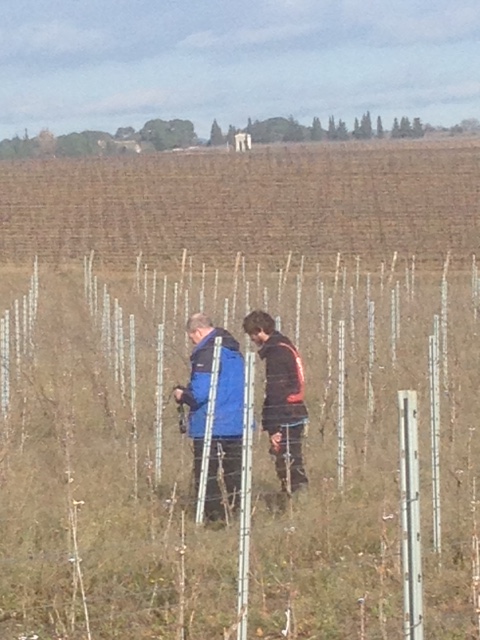
For the last several weeks pruning (taille) has continued. Julien is leading the work this year and his back must be getting sore by now. It is hard work! The importance of good pruning should not be underestimated. It maintains the health of the vines, removing damaged or sick wood. It reduces the number of canes which will grow grapes so that the vine’s energy will produce quality rather than quantity, probably reducing potential yields by half. It also shapes the vine so that future work such as ploughing and harvesting will be more straightforward. I wrote about pruning last year describing the different methods.

I visited Julien in Peilhan vineyard on Monday, the same day as I saw a pruning machine at work in a nearby vineyard. It certainly does the job quickly and more cheaply but looking at the vines afterwards it was hard not to think that the machine did not reduce the number of canes to limit yields and, of course, cannot check the health of the vines. Julien and his fellow tailleurs are more costly but, to my mind, essential for good vineyard management and, ultimately, good wines.

P1000146

P1000156

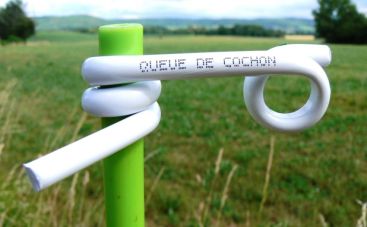
Michel was also in Peilhan, making sure that the pruned vines were tied to their trellis. If the vine is not straight he might stake itfor support and then tie the vine to the stake using a fastener called a ‘queue de cochon’ as it resembles a pig’s curly tail. This will help to avoid the vine being knocked during ploughing or other work.

P1000162

Michel and Julien hard at work

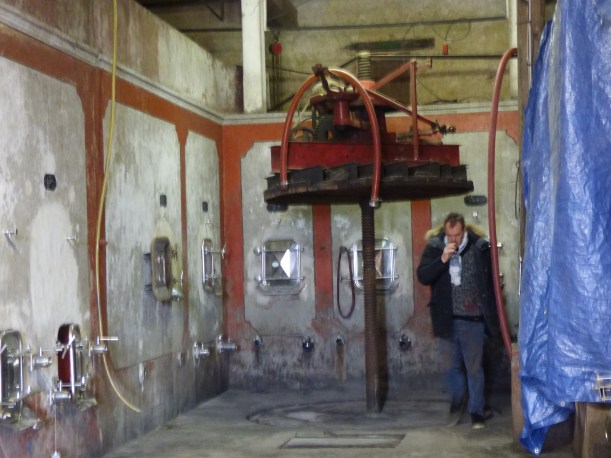
Meanwhile, in the cellar it has been a hive of activity. One of the features of the cellar has been a large basket press which has been used by the Coutelou family for generations.

IMG_3560

Sadly, it has been out of use for many years and became something of an obstacle as work was done, especially during the vendanges. Jeff reluctantly decided to remove it, I know this was a difficult choice for him. It proved to be a much more difficult task than anticipated as the press screw went deep into the ground and a massive hole still didn’t get to the bottom of it so, eventually, it was sawn through to enable the whole press to be moved.

The story does have a happy ending though as the press is on its way to Jeff’s friend Didier Barral where it will be put to good use. The result is certainly more space in the cellar, even if a part of the domaine’s history has disappeared.

Another big tank (cuve) has also been split into two. Jeff will be able to vinify smaller quantities of wine and have more choices about the most suitable cuve for grapes as they come in at harvest time.

P1000160

Finally, for those of you who want to find out more about Mas Coutelou a new website is available. I have included a link at the top of my page and invite you to have a look at the site.

website

Jeff wrote the text for it (I did the English translation) and it will inform you about the philosophy, methods and wines of the domaine. And it is those wines, the different cuvées, that I shall be writing about next time.

Pour les lecteurs français je m’excuse, j’ai des grandes difficultés de mettre à jour la page en français. J’ai demandé à WordPress pour résoudre le problème.


2 Comments

Taille, tasting and temperatures


P1000106

One of the new fruit trees planted at Peilhan

DDFCE457-16D5-4DCF-9236-AFCB4C40987B

First visit of 2016 to Mas Coutelou this morning. We tasted the 2015 wines, now mostly assembled, and whilst I am sworn to secrecy about what they will be I can confirm that the cuvées are looking excellent. There is a real elegance and refinement to them already, Jeff has compared them to Rhone and Loire wines rather than the typical, fuller Languedoc wines. They are still in their infancy of course, tasted from tank, and in midwinter they are still coming around. However, the structure, aromas and flavours are in place for wines of real quality.

P1000096

The weather was much discussed as the temperatures in Puimisson and the Languedoc remain above average (see last post). The effect on the wines can be important, the wines restive, troubled in warm conditions, for example they don’t clarify. A few colder days early this week has helped them to settle a little more, Jeff has already noted changes.

The warm temperatures were evident in the vineyard too. I went to see Julien who is carrying out la taille (pruning) this year. He showed me how some of the precocious vines, such as Muscat, are showing signs of the buds swelling already, way too early. This fits in with the wider vegetation, fruit trees showing signs of blossom, even our tomato plants have flowers!

P1000100

Bud swelling in the vine

Julien was busy in Peilhan vineyard and explained how he was trying to prune the Muscat in a gobelet sur fil style, rather like guyot, pruning to create two main canes for growth in 2016.

This weekend sees a huge wine salon, Millésime Bio, in Montpellier. Nine hundred domaines represented with many more at various ‘off’ events around the city. Jeff will be preparing bottles for Les Affranchis. Then it’s on to the Loire for more salons. So the cuvées will make their first public appearance. I shall be explaining some of the different Coutelou cuvées in my next couple of posts as well as reporting on the Montpellier salons.

P1000094

Icare playing with his Christmas present from Pat, a toy sheep

554C7130-3A7D-40DA-AEDB-E0A25F50057F


2 Comments

The Falling Leaves

IMG_3133

Vine leaves which will become compost in the vineyard

Version française

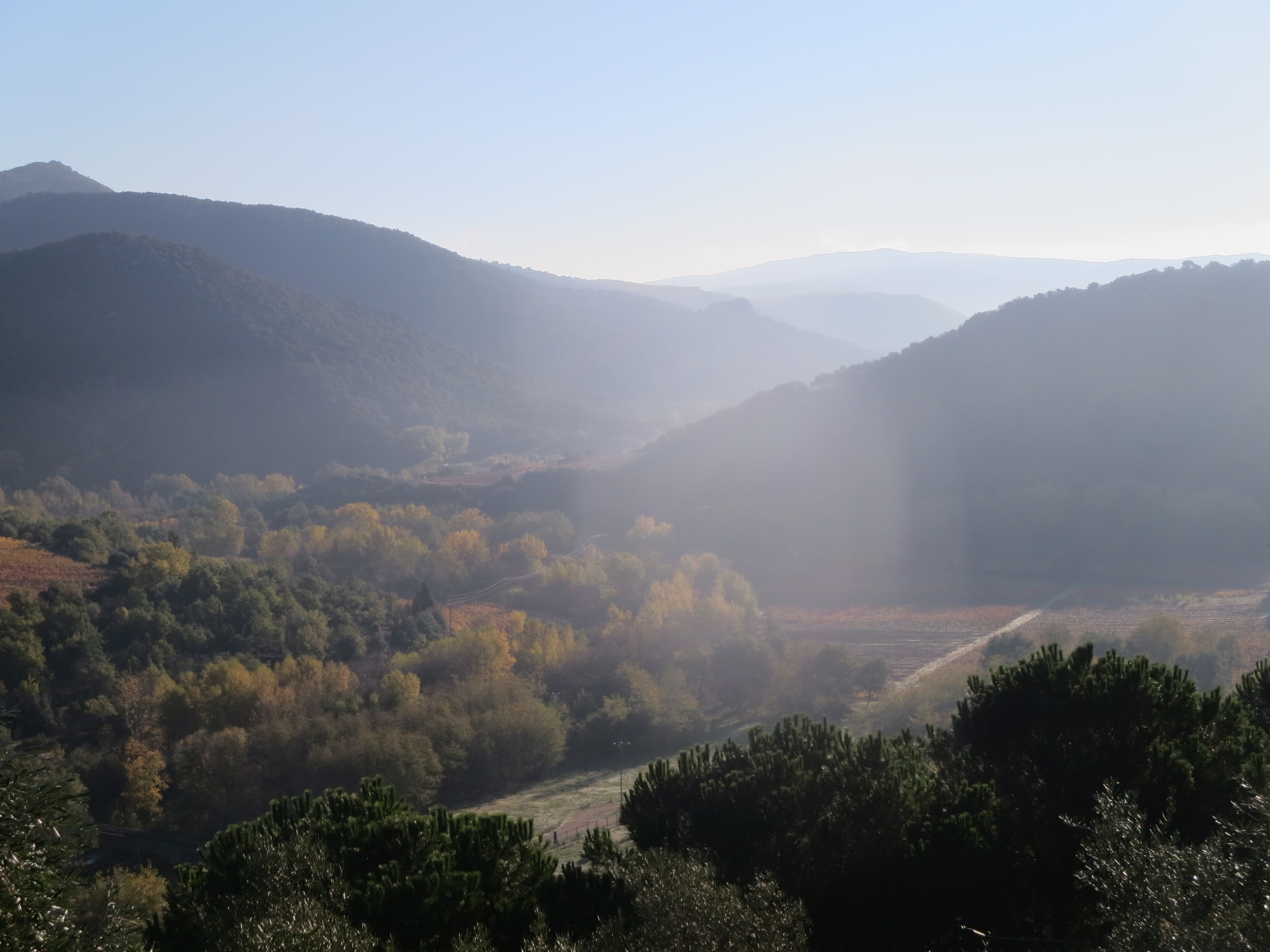
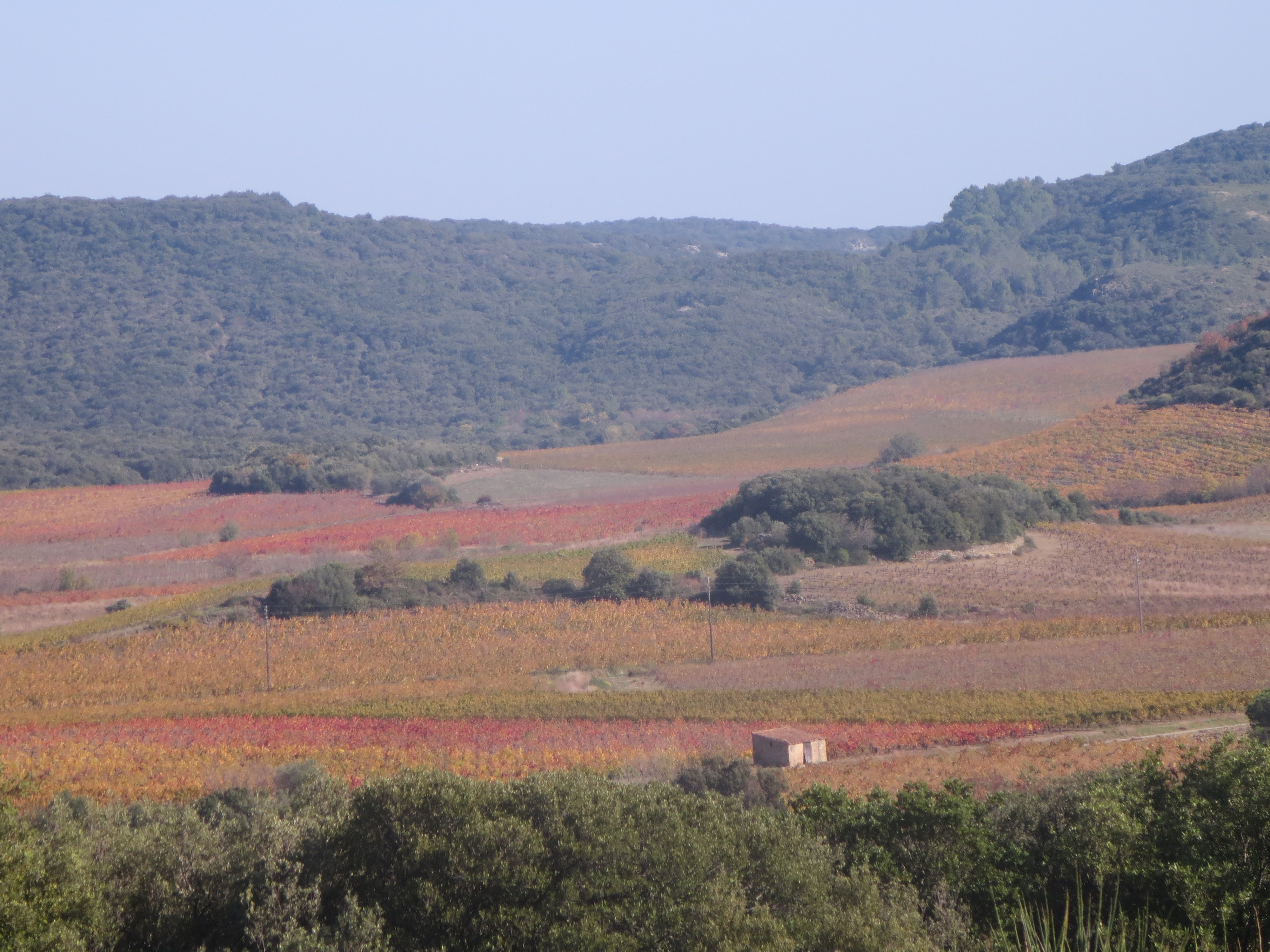
Autumn is often a melancholy time as the days shorten, temperatures drop and the first signs of winter approach. And yet 2015 in the Languedoc has seen a most untypical autumn. Last week the warmest November day ever was recorded and we have enjoyed blue skies, warm sunshine and hot afternoons, 26°C has been regularly seen on our garden thermometer. The resulting sunshine has produced the most breathtaking scenery, with colours across a wide spectrum of autumn. As I wrote on the Out And About page, every time you turn a corner there is another heart stopping view.

IMG_3220 IMG_3096

The vines are now closing down, preparing for winter. Their fruit has gone except for a few overlooked grapes which the birds, wasps and insects have been enjoying. Their leaves are shedding and the skeleton of the vine stands out again for the first time since early May, their form revealed, cordon or guyot for example.

     IMG_3119   IMG_3123

IMG_3225

       First taille of autumn 2015, guyot vines

Indeed, some vignerons have actually started to prune again ready for 2016. I suspect they are working to a pre-prepared timetable as the vines have been slow to lose their leaves and still show some life. At Mas Coutelou the taille will not take place until next year and most top vignerons will leave it until then, just before the growing season. The extra wood helps to protect against frosts for example. Some vignerons are starting to cavailloner, in other words to move earth from between the rows of vines towards the plants themselves, the extra soils will again act as a blanket against the frosts.

IMG_3130

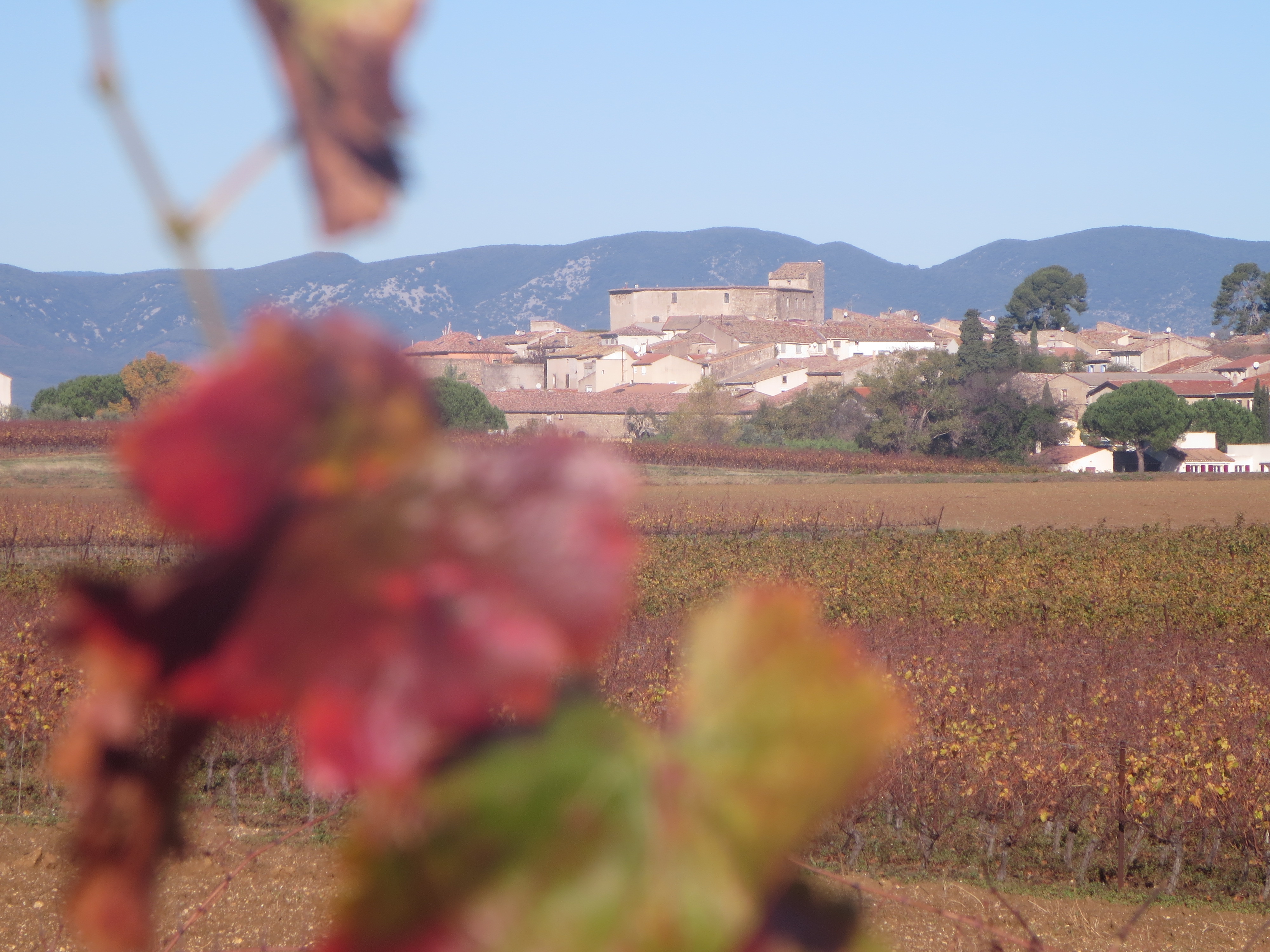
       Puimisson basks in autumn sunshine

IMG_3125

Dew on some Grenache Blanc grapes left behind in Rome

Other jobs remain to be done. After the months of busy vineyard work and harvest it is a time for sending wine to be sold. Pallets have left Puimisson to cavistes and restaurants around the world. Last Friday, November 6th, they set off to Germany, Finland and various regions of France. More have already gone to New York, London, Melbourne amongst many cities.

 IMG_0488

The season of salons has started in earnest too. This weekend I was in the Roussillon for La Bande De Latour, highlighting many of the best natural wines of the Roussillon and elsewhere.

IMG_3200

The following day I was in Autignac for a tasting of some of the best Faugères wines and also their fines or brandies. I shall post about these soon. I was talking to the excellent Hausherrs, vignerons who had driven to the Pyrenees from Alsace for La Bande, a long, long way. Hard work.

In the next few weeks Jeff will be starting to assemble the wines for the main cuvées of 2015, the likes of Classe and Vin Des Amis. Decisions to be made about what proportions of which cuves to blend for the wines. Sadly, I shall miss this process as we head back to the UK for a wedding. Into every life a little rain must fall.

It has been a beautiful autumn, the weather and the vendanges have made it a magical time. Thanks as ever to Jeff for allowing me to share the experiences and insights of the season.

IMG_3135

IMG_3115


10 Comments

Domaine Vassal – wine world’s heritage site

IMG_2736

Messrs Coutelou, Aubry, Poujol, Bellahsen and Prufer

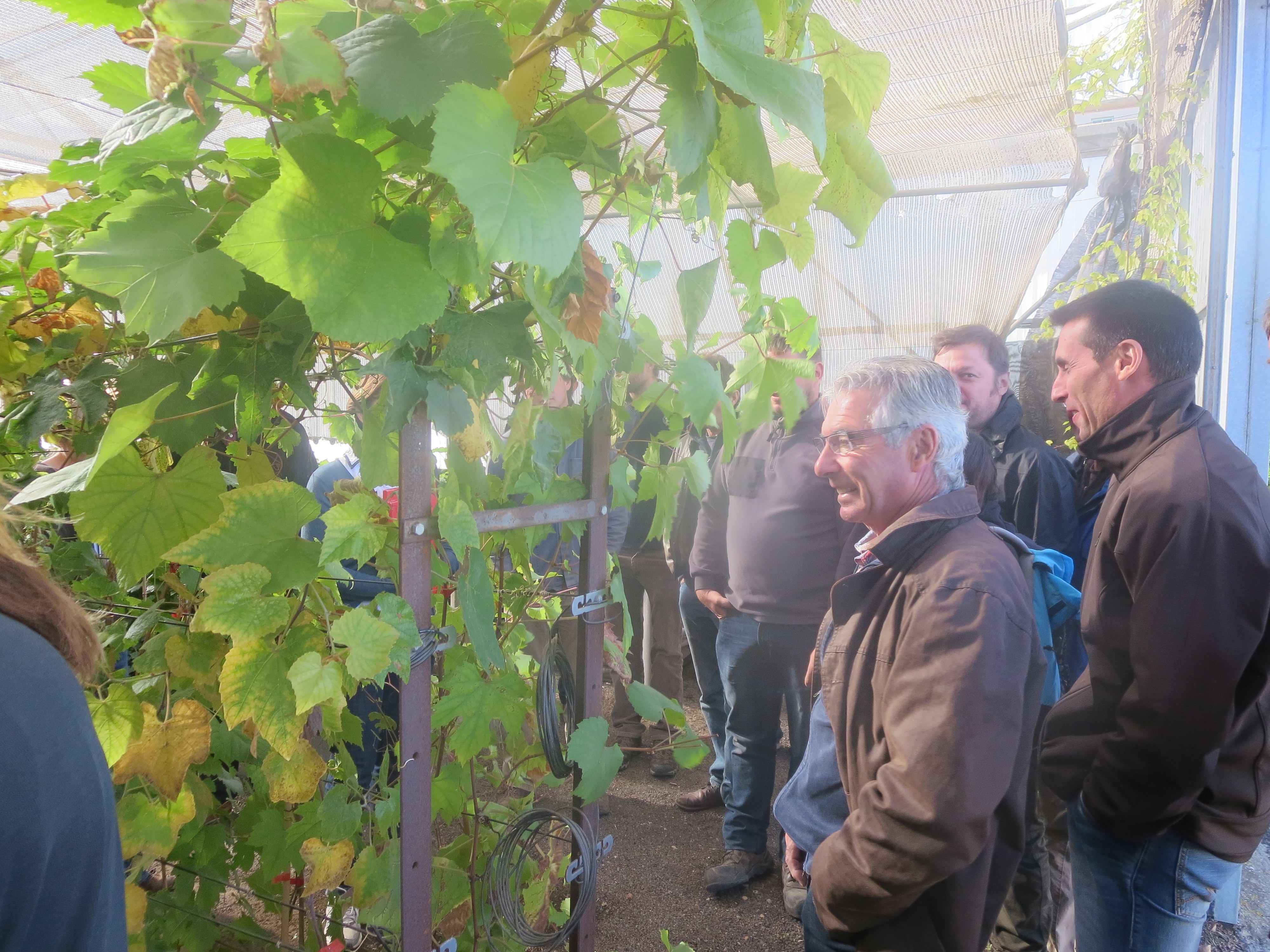
On October 8th a group of vignerons paid a visit to Domaine Vassal in Marseillan Plage, I was happy to be invited to join them. The visit boosted my growing interest in ampelography as well as being great fun, of which more later.

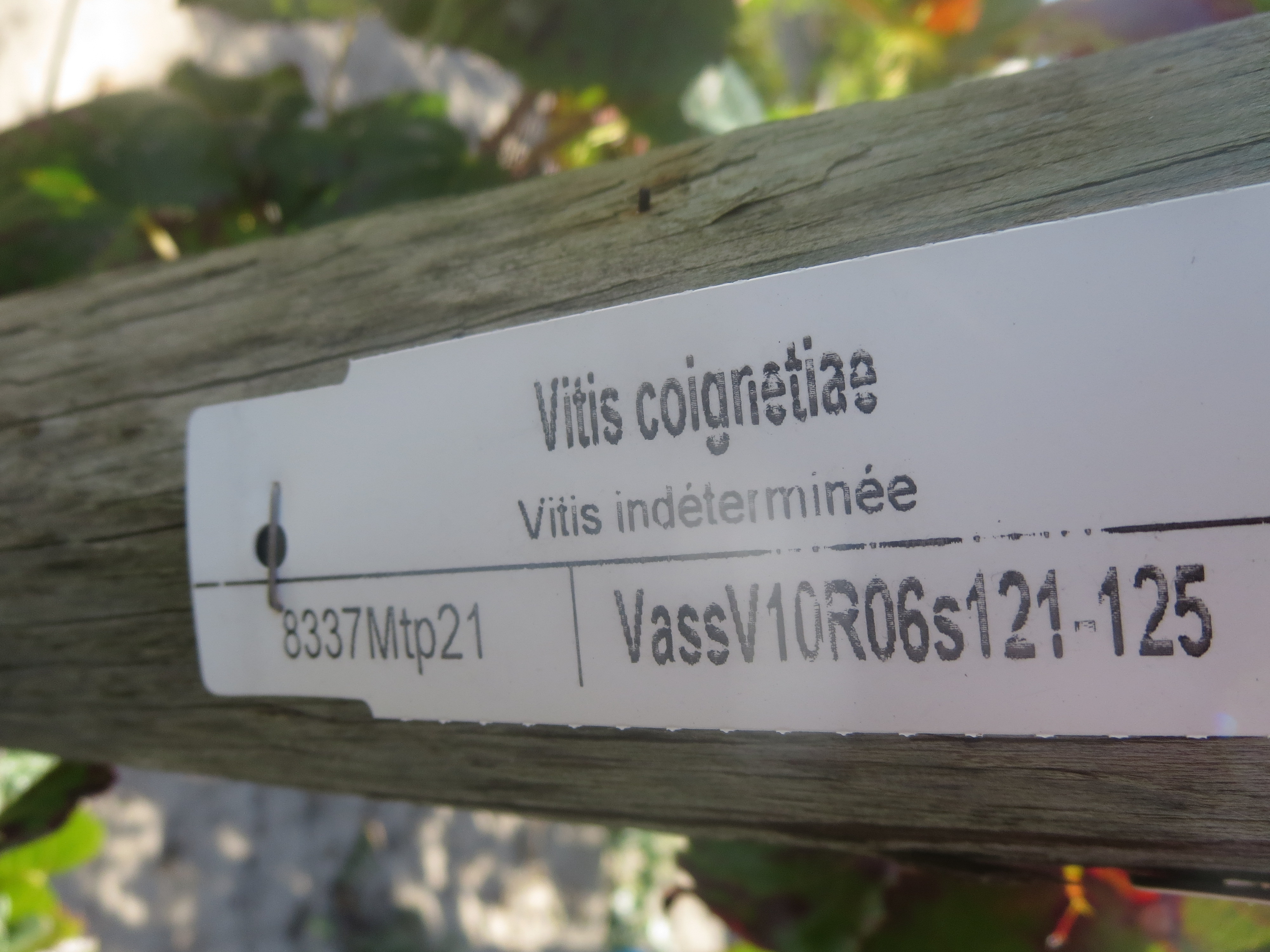
Domaine Vassal was founded in 1949 and is the largest collection of resources about grapes and vines in the world. Its own roots (apologies for the pun) lie in a collection gathered in Montpellier University after the outbreak of phylloxera. This was the disease which almost wiped out the wine industry in France when it arrived in 1863. It is the work of an aphid which lives in the roots of vitis vinifera the original vines of France and Europe including the cépages with which we are familiar such as Chardonnay, Syrah and Cabernet). Sadly, this aphid arrived from the USA, via England (those Anglo-Saxons!), and ate its way through France’s vineyards. Montpellier started to conserve vitis vinifera and to study it and found the cause of phylloxera by doing so. It was also discovered that American rootstock was resistant to the aphid so, by grafting vitis vinifera onto American rootstock, vignerons could grow the traditional cépages rather than hybrid vines of lesser quality.

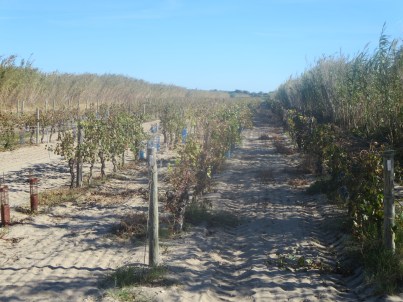
The other feature noticed about the aphid was that it could not live in sand and so the decision was taken to transfer the collection from Montpellier to Marseillan, Domaine Vassal’s grounds are sand. This means that the vines which are grown there can be grown directly from the sand, no grafting onto American rootstock is needed. Since 1949 some 14,000 species of vine have been collected together.
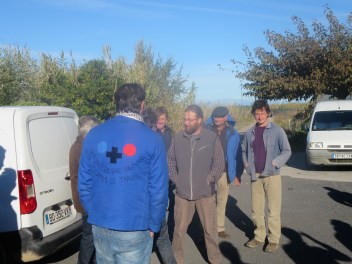
IMG_2741

                                    The sands of Vassal

Genetics now means that they can be identified more accurately and 7,700 species remain, many of the species having been shown to be doubles. Cépages are frequently called by different names in different parts of France let alone different countries so it is easy to think of cépages as being different when in fact they are the same. (For example, Cinsault has over 40 different names around the world according to Pierre Galet’s authoritative Dictionnaire des Cépages.)

IMG_3107

The aim of Vassal is to:

  • Acquire
  • Conserve
  • Classify
  • Valorise (ie develop and show the worth of the vines)

The Domaine receives donations of vines every year, five examples are required for each arrival. Last year there was a higher than average number of arrivals (up to 900 plants), indicating that new varieties are still waiting to be added to our knowledge. Researchers also go out to old vineyards to see if other vines can be found. These acquisitions are then planted. At first they may be placed in insect proof greenhouses to protect them and to be nursed.

IMG_2737

IMG_2739

The plants are then placed on one of the fifteen parcels of land at the Domaine which covers around 27 hectares. Most of these are vitis vinifera but there are also hybrids, wild vines and rootstocks.

IMG_2761

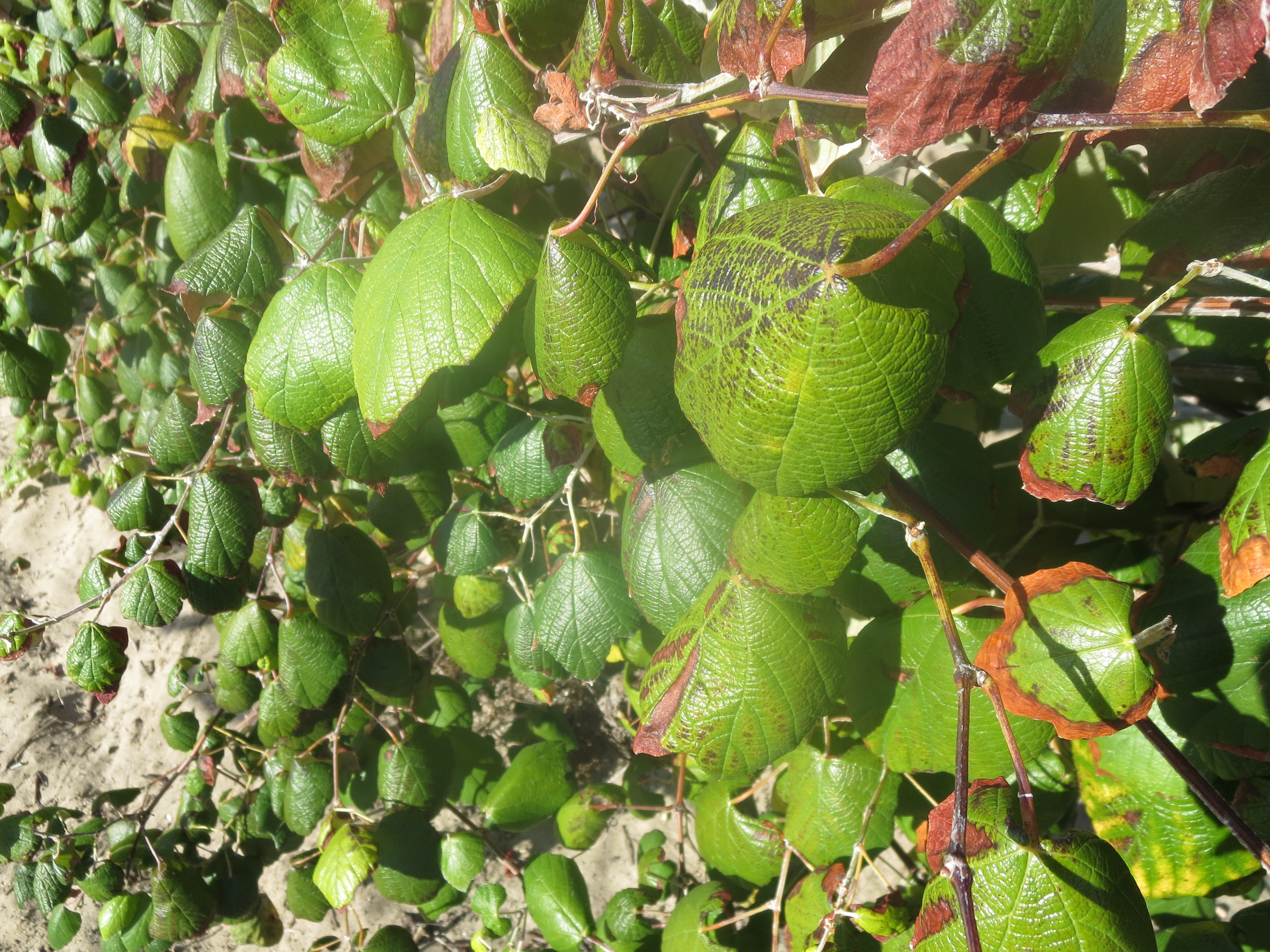
                             Hybrid

The vines are studied carefully by genetics and by identification through the leaves, grapes and other features so that they can be classified as new or doubles of already recognised vines. Samples of all aspects are taken and preserved in files to make a unique collection which is being digitised. Further studies look to reveal how the cépage might be best grown, what yields it might offer, would they be commercial?
IMG_2760

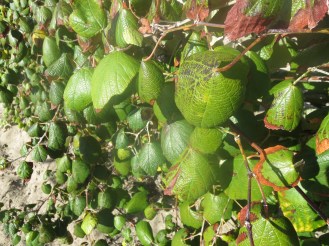
             Hybrid vines with waxy leaves

With so many vines there are losses, but very few, and replacement plants are grown in the nurseries, almost 6,000 were planted last year. This is a vast undertaking and a hugely valuable resource. Vignerons are encouraged to visit and see whether they would like to trial some of the cépages in Vassal, trials which will run with a few plants and over 3 years.

IMG_2742

              Joe Jefferies takes an interest

Jeff Coutelou is keen to do just that and is looking at what cépages might mix well into the array of different vines which he already grows. Indeed, when talking with staff at Vassal, he discovered that he might have one or two cépages which are not in their collection! This could be mutually beneficial.
IMG_2755

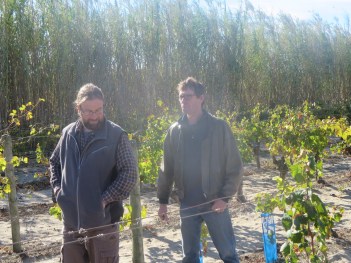
Remi Poujol and Francois Aubry amongst the vines

It was a fascinating place to visit and I applaud the work of Domaine Vassal. Unfortunately there is a cloud on the horizon, the collection is going to have to move. A site has been identified at Pech Rouge near Gruissan but every vine will need to be transferred and, as the new site will not be sandy, will also have to be grafted. This is a massive undertaking which will take a few years to accomplish and the staff are determined that no species will be lost. The professionalism and skill I see at Vassal will be tested, I am sure they will pass that test.

IMG_2748

               Messrs White, Poujol and Maurel

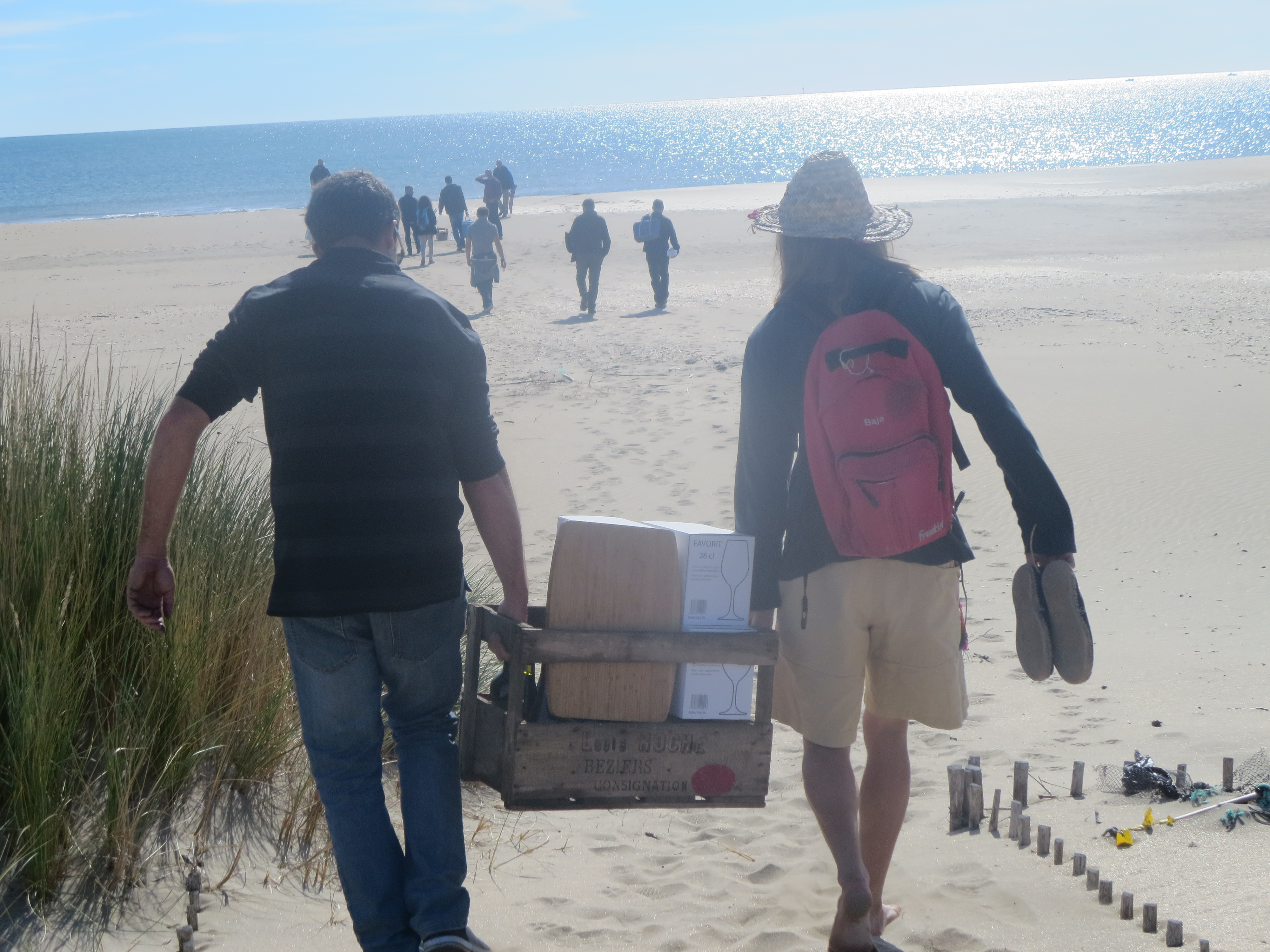
After the visit the vignerons decamped to the nearby beach, a fire was lit and a barbecue enjoyed. Accompanied, of course, by examples of many excellent wines appropriately from many cépages. There was no cloud on the horizon here. As well as Mas Coutelou there was Mas D’Agalis (Lionel Maurel), Fontedicto (Bernard Bellahsen), Julien Peyras, Grégory White, Yannick Pelletier, Fontude (Francois Aubry), Le Temps Des Cerises (Axel Prufer), Remi Poujol, Bories Jefferies (Joe Jefferies), Clos Fantine (Olivier Andrieu). In other words the great and the good of Languedoc natural winemakers. It is interesting to see that this group is to the fore in promoting and conserving old and rare cépages, a natural fit.

IMG_2763 IMG_2767

IMG_2772

IMG_2766

For a fuller account of Domaine Vassal’s work read this article by Ken Payton.

2 Comments

Work life balance – soutirage, surchargé

Soutirage? It’s where you take wine from one container and move it to another. Traditionally this was done from barrel to barrel by gravity but these days it applies to moving the wine by other methods too. Why? Well the wine has been fermenting on lees, the dead yeast cells and other parts of the grapes. The wine needs to be removed from these as they cause cloudiness and you don’t want to drink wine full of lees. The lees can also cause off flavours in the wine so once they have served their purpose in helping to ferment and flavour the wine in a positive way they need to be separated.

IMG_3042

                         All pumps to the full

By moving the wine you also add oxygen to it and remove the risk of carbon dioxide building too much in the cuve which might cause issues such as reduction, a wine fault leading to odours of rotten eggs, rubber, struck matches or worse. That oxygen acts as a kind of inoculation too, a little bit helps to reduce the risk of wine oxidising later.

IMG_3052

IMG_3046

Julien checking the level of wine in the recipient cuve

Therefore, on Friday 30th October, Jeff decided to carry out soutirage. Also, as the weather has been very warm they will continue to ferment a little longer in their new home before the colder weather does arrive. This means that there will still be some CO2 in the wine. Too much is bad but a little is good and this is the core of winemaking – finding the balance between all these different pros and cons. CO2 in small quantities helps to stabilise a wine and makes not using SO2 easier (important at Mas Coutelou) and also adds a little freshness and sense of texture, possibly a sense of acidity too. Oxygen, carbon dioxide, lees – you want to get just the right amount but no more.

IMG_3047

               Cuve being emptied to another

What this did mean was more planning and more of the puzzles of what wine goes where. My last post showed how complex this is. And here we bring in the surchargé part of the title. Jeff has had a busy week with lots of paperwork, orders to sort, bottles to label, package and get ready for sending out to cavistes around the world. Add in administration work for customs, taxes and many other agencies. The side of being a winemaker that people don’t really see.

IMG_3038

Same wine before (left) and after (right) soutirage, there was a noticeable difference in taste

I went to the vineyards on Thursday to take some photos of the beautiful colours in the vine leaves, unexpectedly I found Jeff in Peilhan digging out cannes de provence near a stream with a pick. He said this was his break from the paperwork, he needed some fresh air.

IMG_2998

Looked like more hard work to me, and people ask me if I would not want to become a vigneron!

Please note that I have updated the Out And About and Tastings pages recently, click the links at the top of the page to see what’s been happening.

IMG_3011

     The last leaf on a Grenache vine in Rome

IMG_3004

                        There’s always one

IMG_2993

Peilhan, wild rocket growing between the vines

IMG_3015

                              Cinsault in Rome