amarchinthevines

Learning about wine, vines and vignerons whilst living in the Languedoc


Leave a comment

Mas Coutelou – vineyard portrait

Version francaise

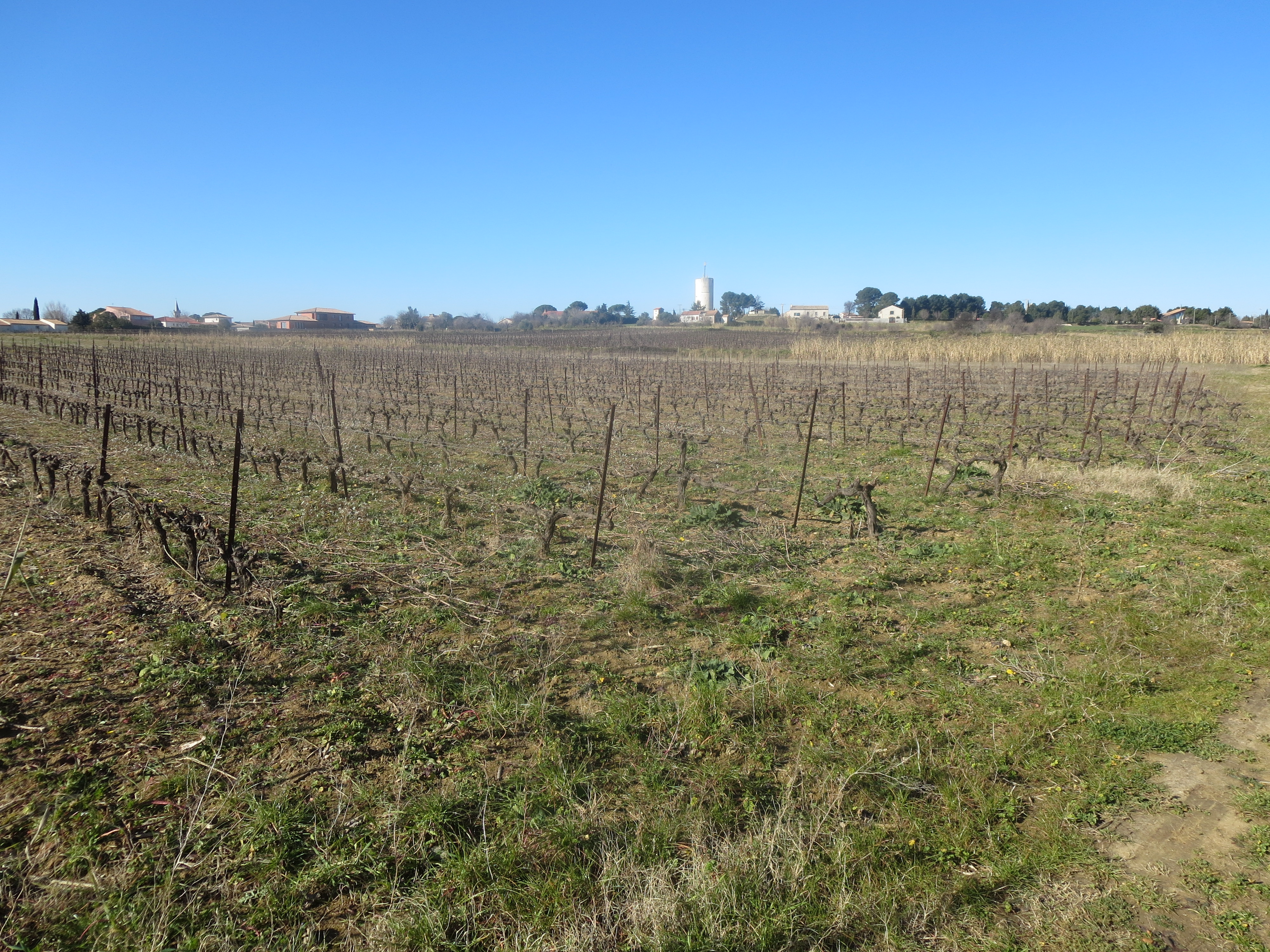
The traditional image of a vineyard is that of one big parcel of vines surrounding a chateau as in Bordeaux, with its smart house and cellar buildings for making and storing wine. However, that is not the reality for most vineyard owners. Jeff Coutelou has his home and his cellars in the centre of Puimisson in the Hérault, surrounded by a childrens’ nursery, houses and work buildings. The vineyard itself surrounds the village but comes in a number of small parcels rather than one big vineyard. Each brings its own characteristics in terms of soil, surroundings and exposure to the elements, ie its own terroir. The parcels have been accumulated over the years by Jeff’s grandfather, father and himself. In the satellite photograph below you will see the parcels and how they relate to the village. Vineyards are shown in green, olive groves in red.

satellite

(Photo taken from Rapport Biodiversité d’Exploitation Mas Coutelou produced by Agrifaune)

There are about 17.5 hectares (43 acres) of land though olive trees occupy about 2.5ha (6.7 acres) and well over 1 ha (3 acres) is fallow land or has other trees, hedges and plants. The soil is virtually all clay and limestone. As you may be able to see in the satellite photograph much of the land to the south of Puimisson is vineyard, to the point of monoculture. Jeff wants to use his land to produce biodiversity so olives, figs, roses and hedges help to create little oases of wildlife. More details are outlined at the end of this post.

Untitled

Segrairals and Caraillet (6.8ha, 5.7 under vines)

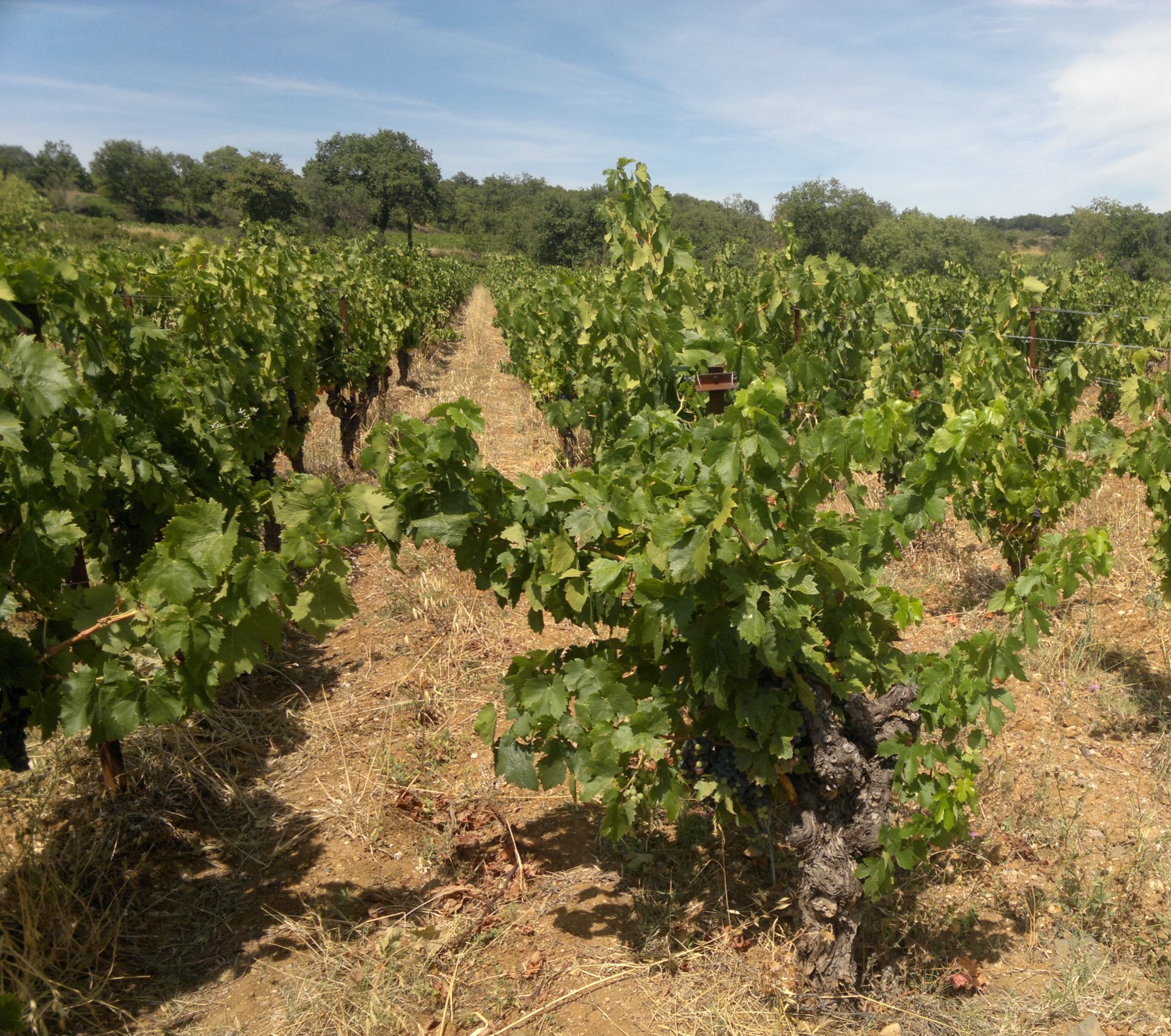
This is the biggest of the parcels and the only one situated to the north of the village and closest to it. Surrounded by the village and a couple of roads it is well protected by trees and hedges, including figs and olives. A variety of grapes are planted with the oldest being some Syrah planted in 1993, Cabernet Sauvignon planted 1998 and younger plantings of Mourvedre, Syrah and especially Cinsault. The Syrah goes into bottles such as Classe and 7, Rue De La Pompe. Mourvedre goes into Sauvé De La Citerne and the Cinsault into 5SO. The Cabernet grapes will be used for blending in various cuvées or sold to the UK to make the new London Cru Cabernet Sauvignon, a project run by Roberson in London.
Main body of Syrah and Cabernet grapes

Main body of Syrah and Cabernet grapes

Planted olive trees in the foreground with some younger Cinsault and Syrah vines in the background

Planted olive trees in the foreground with some younger Cinsault and Syrah vines in the background


La Prairie (0.5ha)

To the west of Puimisson La Prairie is an olive grove in a very pleasant area with an official ecology walk going past it. No vineyard planted.

Mountains seen from La Prairie

Mountains seen from La Prairie

Prairie olive plantation

Prairie olive plantation

Le Colombié (0.6ha)

Just at the southern tip of the village Le Colombié is planted entirely with Merlot vines. These will produce grapes used to blend for cuvées prepared for restaurants, bag in box etc. Merlot is not a typical Languedoc variety, these were planted in 1999.

Colombié - Merlot vines

Le Colombié – Merlot vines

Rome (0.7ha)

Possibly my personal favourite vineyard of them all. It is quite isolated even though there are other vineyards around. Isolated, because there is a wood which shelters it. The gobelet Cinsault vines date back to 1966 and 1975 and go into the Copains or,in some years, Vin Des Amis or Classe. These old vines are also surrounded with young olive trees and the parcel is an attractive and quiet haven. There is also a planting of some 20 different varieties of grapes including various types of Muscat which are used in a solera system. This was started many years ago by Jeff’s grandfather and ever since wines have been used to top up the old barrels to make Vieux Grenache and Vieux Muscat. Sensational wines. The added benefit is that because there are so many different types of vine they cross pollinate and this adds an extra layer of complexity to the Cinsault in the Rome vineyard.

All vines lead to Rome
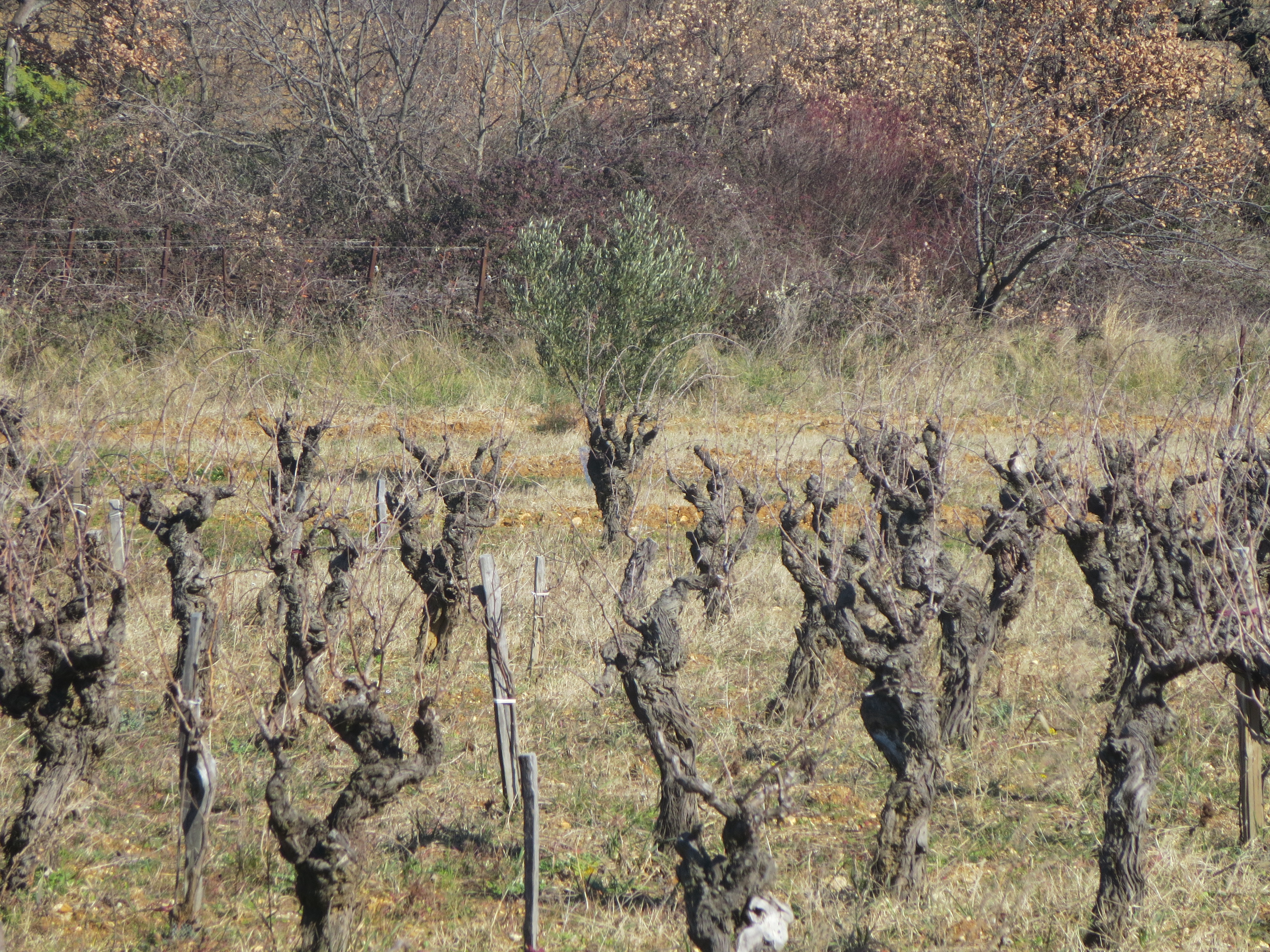
All vines lead to Rome


Gobelet Cinsault vines, olive trees and the surrounding woods

Gobelet Cinsault vines, olive trees and the surrounding woods

Metaierie (2.3ha)

The parcel which was the basis of my post One Day Like This when we harvested the last grapes of 2014, some Grenache. There are a few older Merlot vines (to be replaced in 2015) but the parcel is mainly the home of Grenache and Syrah grapes which are used to make the ever popular Vin Des Amis.
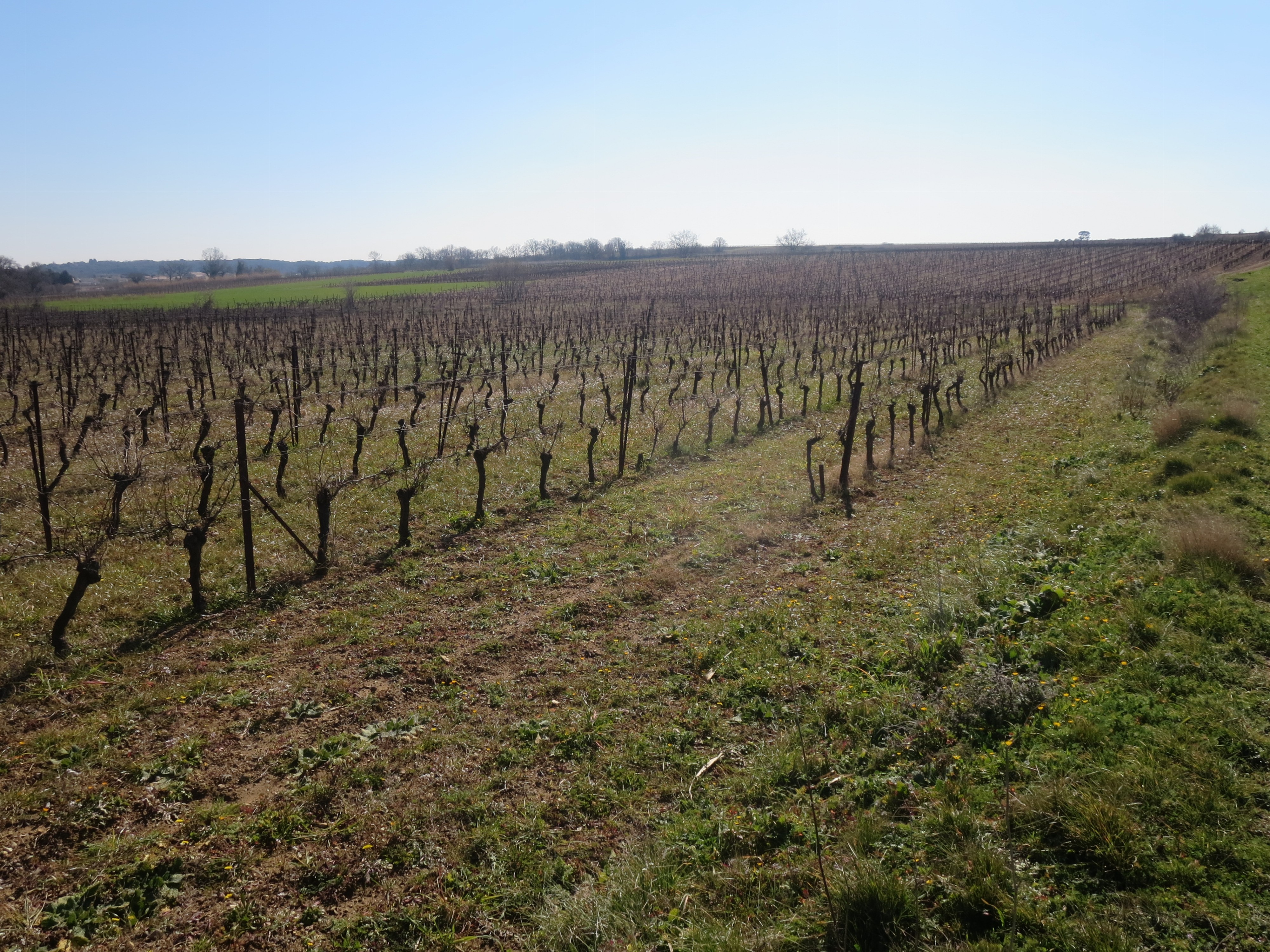
Smaller Metaierie parcel

Smaller Metaierie parcel

Main Metaierie vineyard, home of Vin Des Amis

Main Metaierie vineyard, home of Vin Des Amis

La Garrigue (1.8ha)

Described in some detail in the post Working In The Vineyards (January). Made up of three sections: some younger Syrah facing north for freshness, a section of Grenache facing south, as it likes the heat and some 20 year old Sauvignon Blanc vines too. The Sauvignon is used to make the white blend PM or other white cuvées, the Syrah goes into my favourite La Vigne Haute and the Grenache is used to make Classe along with the Syrah from Segrairals.

IMG_0763

Grenache

IMG_0764

Sauvignon Blanc


La Grangette (0.5ha)

A parcel of half a hectare (just over an acre) surrounded by vines, Jeff decided that it is compromised in terms of quality grapes so he planted 112 olive trees in 2011 to provide contrast to the fairly barren land and vines surrounding Grangette.

Rec D’Oulette (1ha plus a smaller, separate parcel of 0.3ha)

Actually made up of two parcels of land. This has seen a lot of work in recent years as Jeff has tried to diversify it. The central block is half a hectare of 30 year old Carignan, used in making Flambadou, a wine which is really improving and was one of the stars of 2013. Surrounding these vines Jeff has planted half a hectare of olive trees to keep them away from the chemicals of neighbouring vineyards. The second part of Rec resembles Grangette as an isolated small parcel and again Jeff has planted olive trees to diversify as it is too small and isolated in its organic nature for grapes.
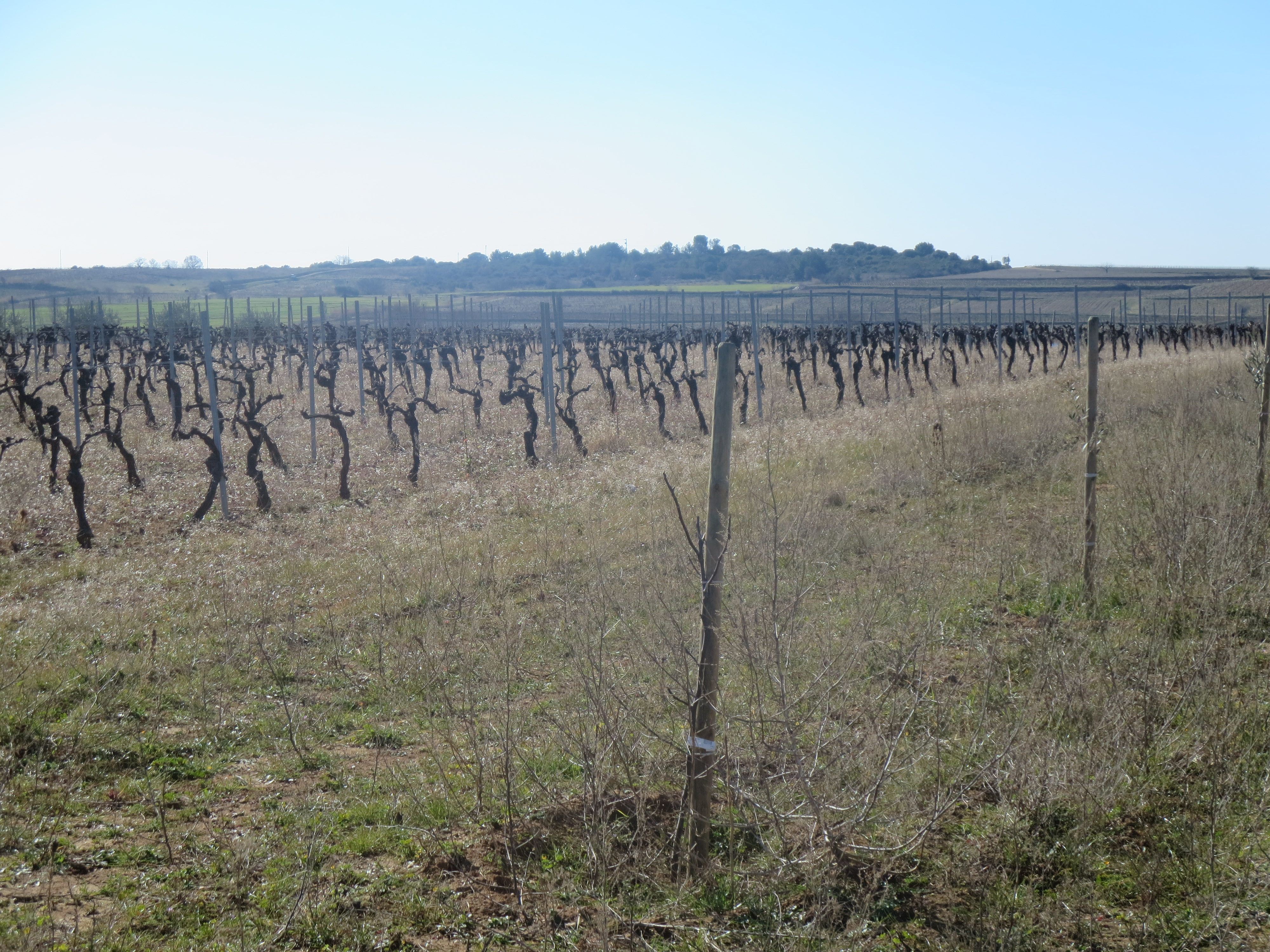
IMG_0743

Carignan vines for Flambadou

  IMG_0744


Font D’Oulette (0.65ha)

A parcel where Jeff has worked hard in recent years. More olive trees planted in 2011 as were those in the small section of Rec. In addition he has grafted an older variety Aramon into the vineyard covering over half a hectare. These grapes will be used to create new cuvées and the first blend of grapes produced in 2014 is highly promising tasted from tank.

IMG_0766

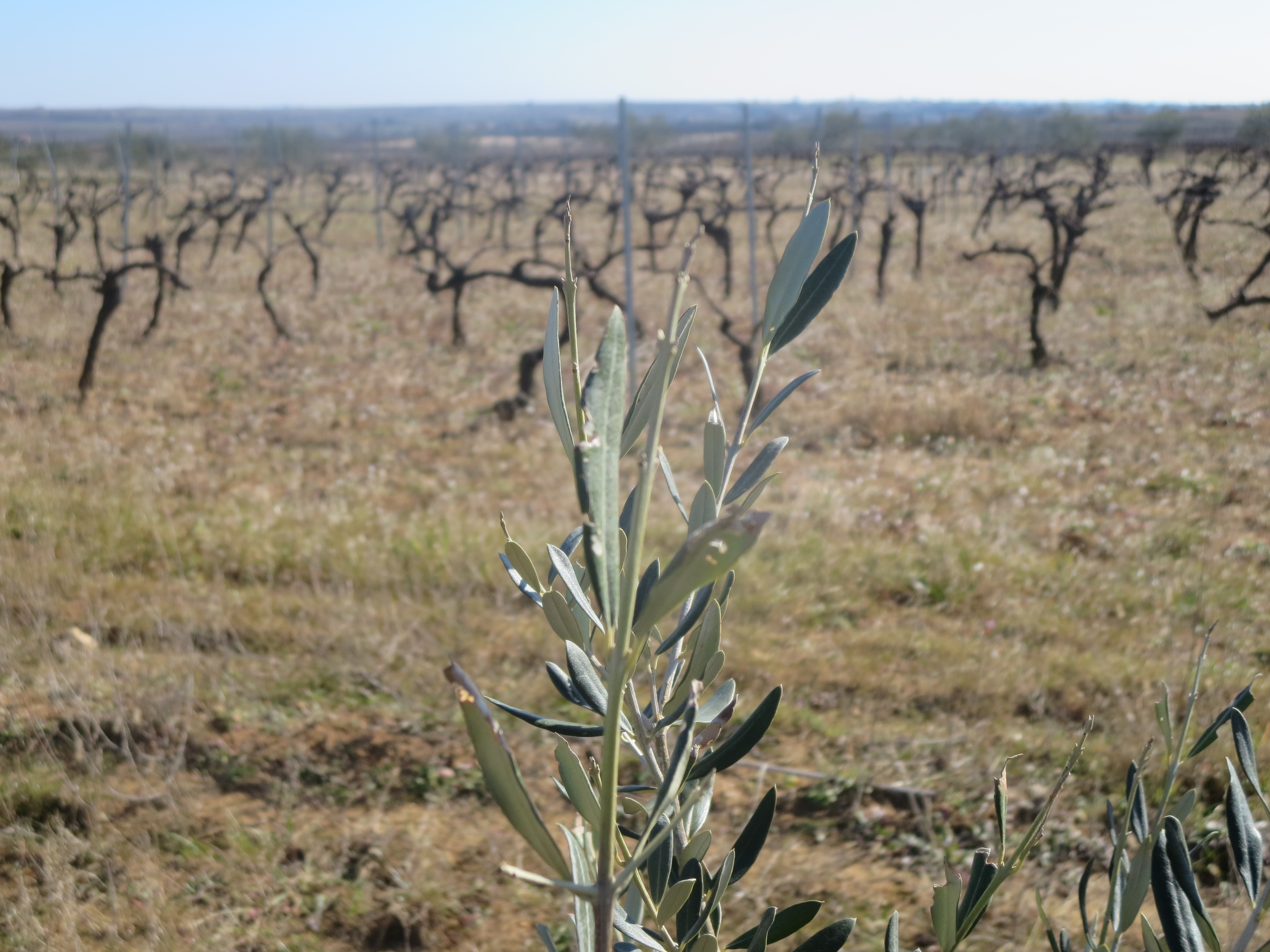
Olive trees to protect the new Aramon vines

IMG_0770

Aramon vines

Les Roques (1ha, not on satellite photo)

One hectare of land to the south east of the village heading into Lieuran-les-Béziers, this was the vineyard I showed after the storms of November 28th 2014 when it was flooded. In fact the vines have been grubbed up and there is a programme in place to plant trees and to provide a barrier to the Libron river in case it should flood gain.

Les Roques shortly after the November storms

Les Roques shortly after the November storms

Peilhan (2.2ha)

An attractive vineyard nicely protected. About a hectare is planted with white grape varieties, including a section of Carignan Blanc which has been used to make a cuvée all on its own. Maccabeu, Grenache Gris and different types of Muscat make up the other white varieties and these are usually picked, assembled and vinified together as part of the PM white blend. This also the home of the Castets vines I have written about a lot, one of only two Castets vineyards in France. More Carignan vines are joined by another interesting grape variety, Clairette Musquée which was blended with the Aramon from Font D’Oulette last year. This is the vineyard where a recent plantation took place to bring back older varieties to the area. Terret Blanc, Riveyrenc Gris and Piquepoul Gris were planted along with Terret Noir, Morastel and Riveyrenc Noir. picked, assembled and vinified together as part of the PM white blend. This also the home of the Castets vines I have written about a lot, one of only two Castets vineyards in France. More Carignan vines are joined by another interesting grape variety, Clairette Musquée which was blended with the Aramon from Font D’Oulette last year. This is the vineyard where a recent plantation took place to bring back older varieties to the area. Terret Blanc, Riveyrenc Gris and Piquepoul Gris were planted along with Terret Noir, Morastel and Riveyrenc Noir.
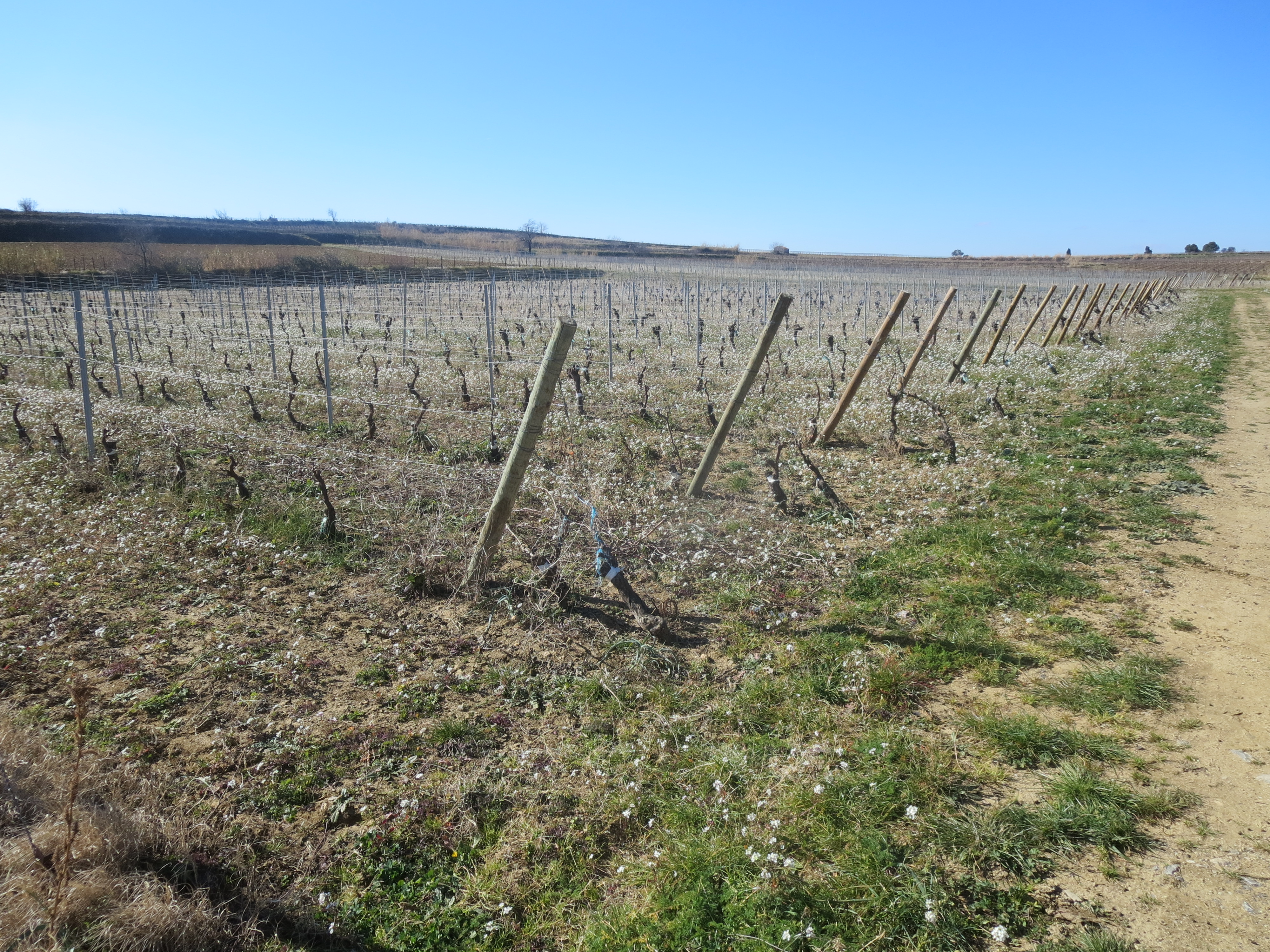
IMG_0774

Main parcel with white vines, Castets, Carignan and Clairette Musquée

IMG_0886

Planting the new parcel of Peilhan

The domaine

Overall Syrah is the predominant grape variety making up around one third of production, although 2014 saw a big reduction in the harvest due to the dry spring and early summer. Red grapes dominate with well over 90% of production.

Jeff et ses Castets

Jeff and his Castets

(g-d) Vin Des Amis, & Rue De La Pompe, Paf

(L-R) Vin Des Amis, 7 Rue De La Pompe, Paf
   015

Organic since 1987, no synthetic chemical products have been used on the soils for over 25 years now. No artificial yeasts are added in the winemaking process, the grapes produce healthy yeasts themselves to stimulate fermentation. Grapes also naturally produce tiny quantities of sulphites but Jeff has been experimenting with using no added sulphur since 2003 and has successfully completed the last three harvests without adding any sulphur to the wines. This dedication to producing wines which are as natural as possible, made with as little intervention as possible means that Jeff is restless in seeking to improve the quality of his soils and in protecting them from the non-organic practices of neighbouring vineyards. He has also brought in Agrifaune to put together a project to plant over I kilometre of hedges. These will help to prevent soil erosion, protect Coutelou vines from surrounding vineyards and also provide shelter to wildlife which in turn will help to protect the vines, for example by eating damaging insects. Trees such as oak, laurel and elder are being planted along with plants such as agrypis and wild rose. Around the vineyards wider borders of grasses and wild plants are being allowed to grow even if that means that vines have to be scrubbed up. Similarly ditches and fallow land will be used to encourage biodiversity. So in an area of monoculture these oases of biodiversity and wildlife will help to enrich nature, the vineyards and, ultimately, the wines.

IMG_0879


Leave a comment

Site update

IMG_0837

I am trying to regularly update the Out and About page with photos and thoughts about my travels and experiences (often not wine related believe it or not). So please click on there from time to time and have a look. As ever any comments and thoughts will be gratefully received. There are two photos which need explaining on today’s update, and I admit one of them is wine related! The photo above contains one of the questions on the Out and About page.

The other big change is the addition of a tastings page. Rather than post lots of notes about wines I drink on the main page I will post on that page if you are interested in my amateur opinions. Starting with a very enjoyable tasting at Le Wine Shop in Pézenas.


3 Comments

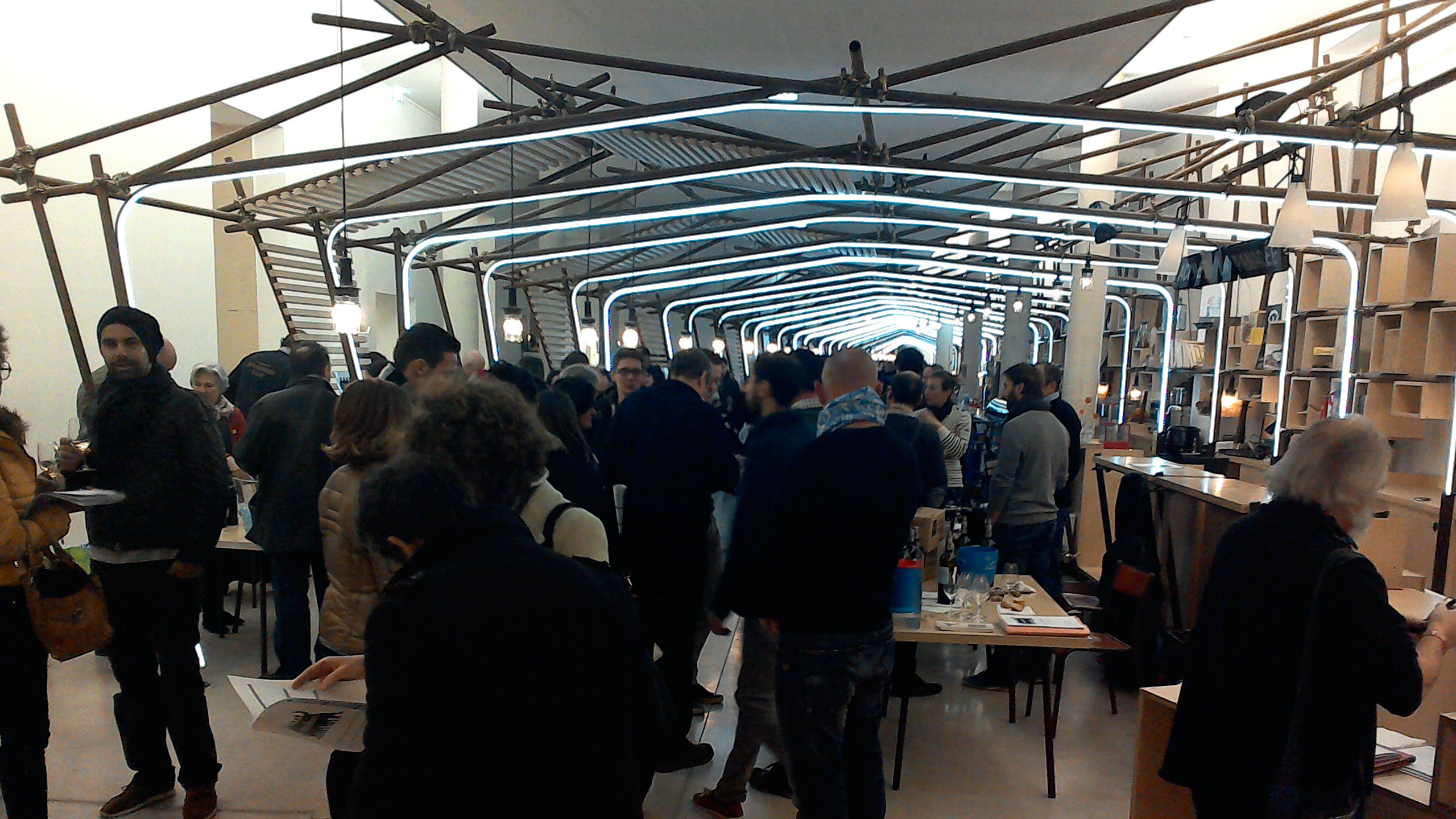
Millésime Bio – salon

2015-01-26 15.08.37

     Jpeg


The main salon of Millésime Bio took place in Montpellier from January 26 to 28th. It was a fun event with a huge range of winemakers. I had long lists of the I hoped to taste from but sadly didn’t get near completing it. I took the opportunity to try wines from outside the Languedoc Roussillon though I tasted many of those too. It was good to renew my love of Alsace and Burgundy, to remember why Champagne is very much the best sparkling wine and to enjoy delicious white wines and, especially, sweet wines from the Loire. I hadn’t expected Italy to provide some of my highlights but you will see that it did indeed, I must visit more Italian wines and the vineyards themselves!

A personal highlight was seeing Mas Gabriel win a Gold medal for Clos Des Lievres 2012, Peter and Deborah Core make lovely, rich, fruity wines and it is a range which gets better and better as their work on the land shows through increasingly. A new Grenache Gris white wine was a worthy addition. Congratulations.

Jpeg

What follows is a list of producers I particularly enjoyed visiting. There were many other individual wines but they would make this post even longer. I heartily recommend these producers and if you get the chance try their wines.

Italy

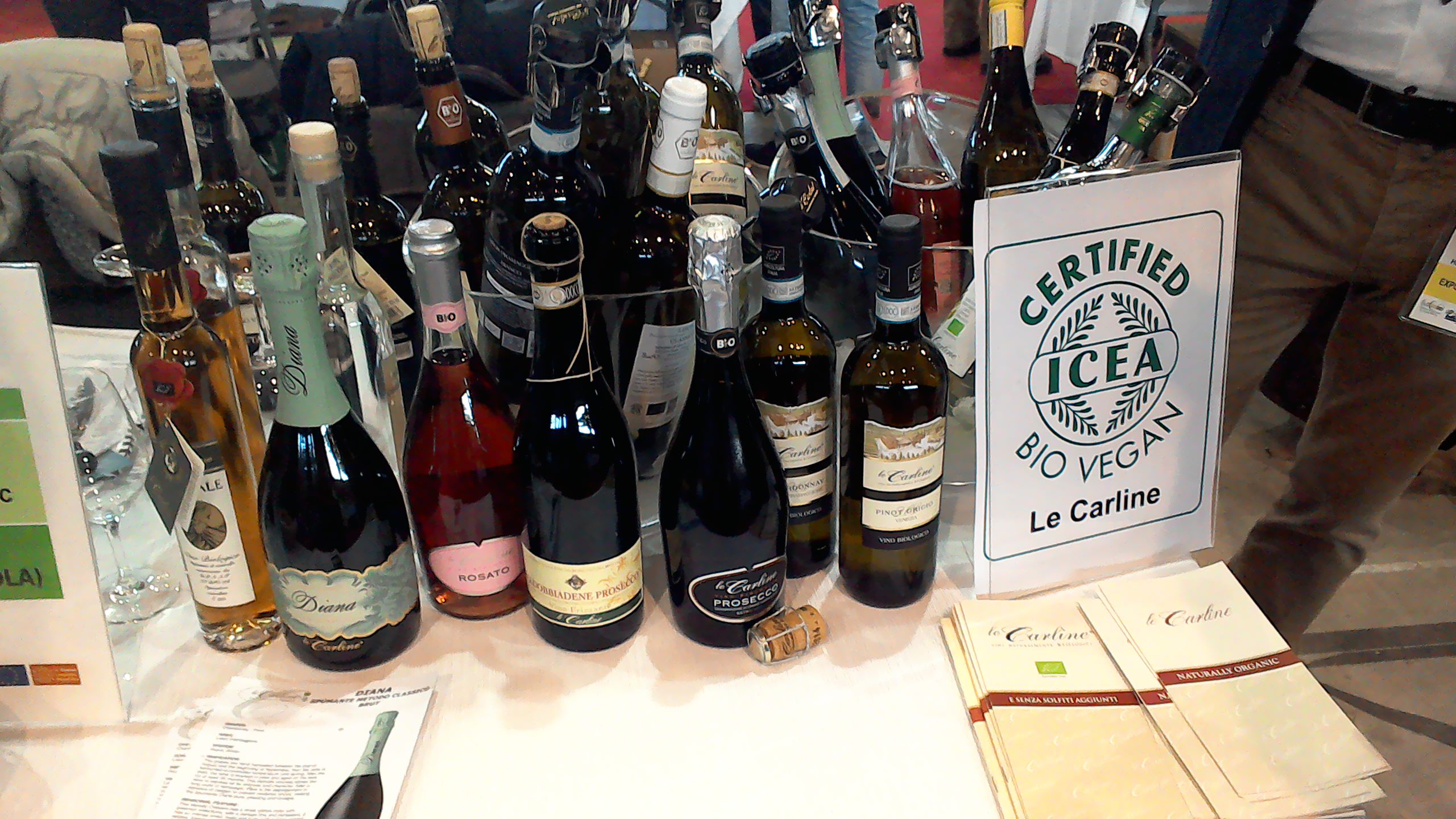
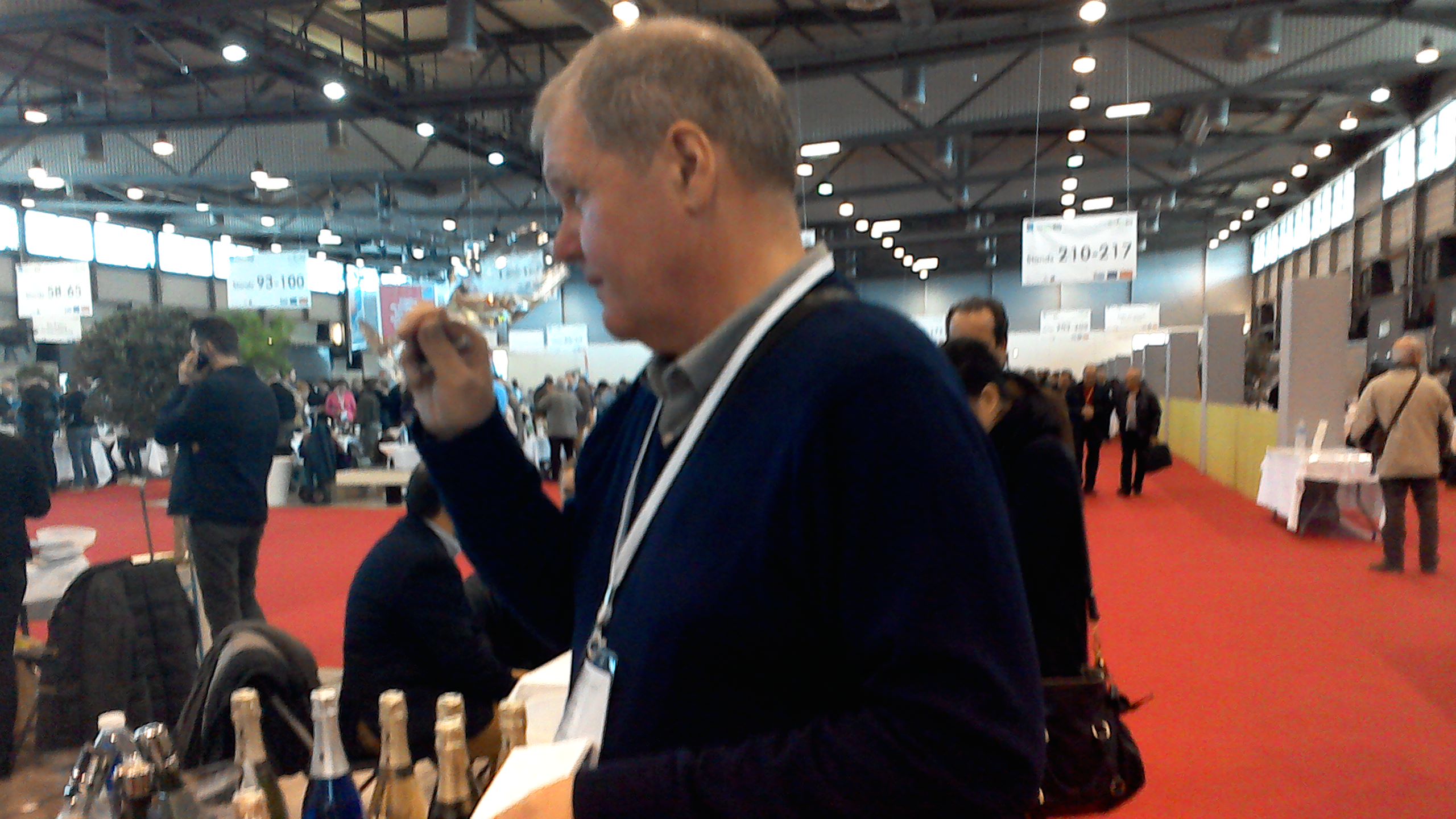
Az Ag Le Carline (Venezia) I have to say that this was my favourite tasting of the whole event. I knew nothing about Daniele Piccinin’s Azienda beforehand other than reading a little in Isabelle Legeron’s book. Daniele was helpful, enthusiastic and is a top class winemaker.

Daniele explaining his terrific wines

Daniele explaining his terrific wines

Jpeg

There were lots of wines on offer but the highlights for me were

  • Pinot Grigio, clear direct and flavoursome

  • Lison, a new grape to me and a lovely, refreshing but full white

  • Amicitia, Chardonnay aged for 6 months in barrel and a rich but clean wine,certainly a Burgundy rival, 2008 but still felt very young and expressive

  • Lison Pramaggiore, no sulphites and this was a full wine, lots of fruit with a clean, refreshing edge

  • Merlot, no sulphites. I am not particularly a fan of the grape but this was rich,, expressive red fruit and lovely to drink

  • Refosco, another new variety to me and I loved it. It carries fruit and rich flavours but with a classic Italian acidity to refresh

  • Cabernet Franc, now if there is a grape I find hard to like it is this. But this was lively, clean and full not the lean, green wines I am used to from CF. Aged 2 months in oak and then 2 years in barrel but felt freshness

  • Carline Rosso, a stunning wine. Cabernet, Merlot and Refosco, aged for 3 years in barrel but so clean, lively and beautifully balanced totally delicious

You had no reason to look worried Daniele, everything I wrote was complimentary

You had no reason to look worried Daniele, everything I wrote was complimentary

Cascina Zerbetta (Piemonte)

Jpeg

  • Quattrocento Sauvignon Blanc was classic but there was a version which had been macerated on skins and had lovely apricotty aromas and flavours, lovely

  • Barbera del Monferrato 13 – rich classic barbera with dark fruits, lively acidity and very enjoyable fruit

  • Piangalardo 09 -Rich stewed dark fruits with refreshing acidity, felt like a very young wine. Excellent

Champagne Leclerc Briant – another good champagne range especially the vintage 06 clean and refreshing and the special cuvée Les Chèvres Pierreuses which was deep, biscuity and very fine

Jpeg

Rhone

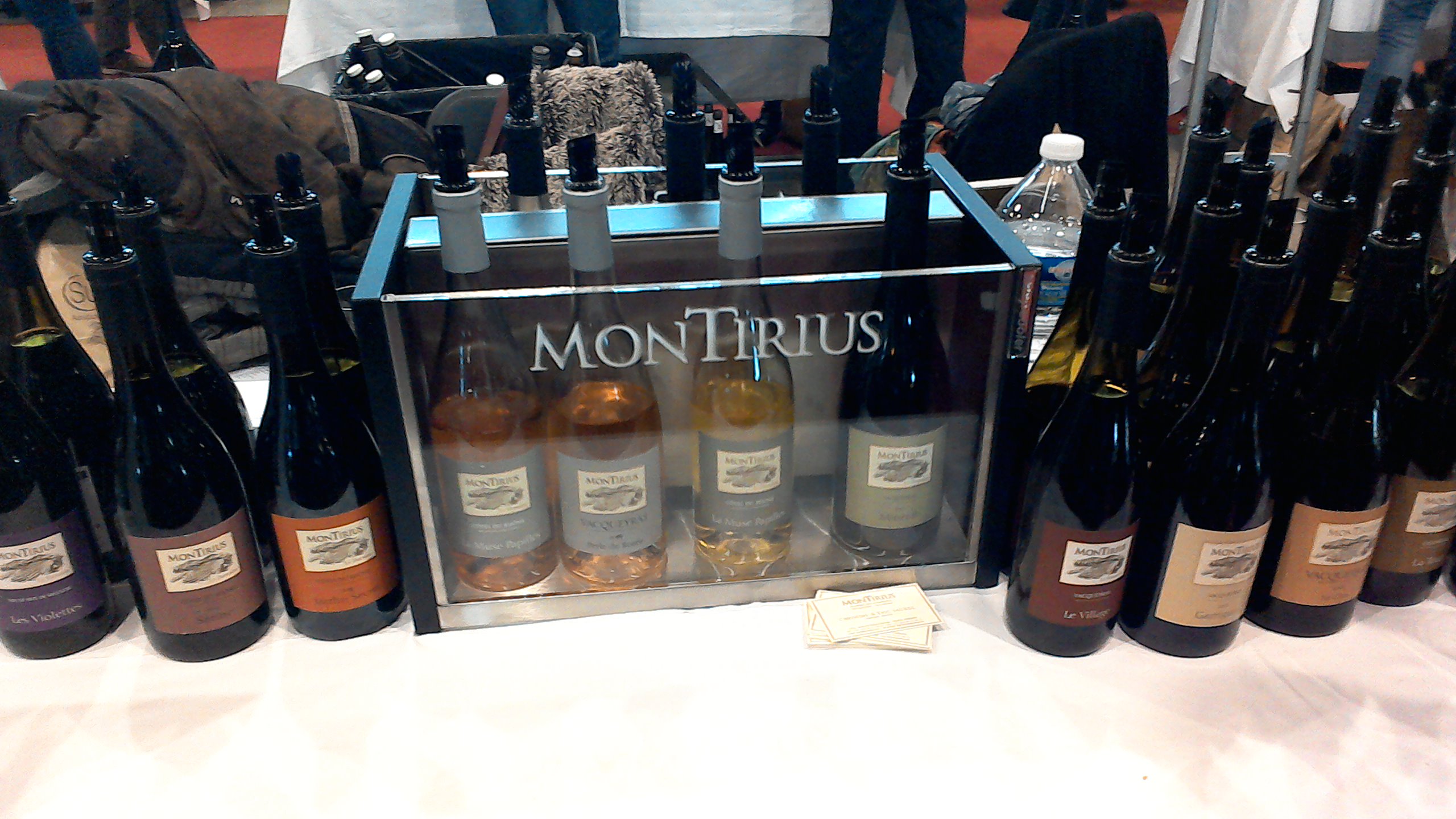
Montirius – some lovely wines made with a natural style

  • Cotes du Rhone La Muse Papilles in white and red

  • Minéral Vacqueyras Blanc (Bourboulenc 50%) and the Vacqueyras Garrigues

Jpeg

Vincent Achard – I hadn’t expected Clairette De Die to figure amongst my favourites but these were lovely, refreshing and fruity sparkling wines especially

  • Bio Sûre which grew in flavour in the mouth and lasted long

  • P’tite Gaby a sulphite free version which had lots of fruity, floral pleasures and a great balance of sweetness and dry finish.

Austria

Sepp Moser – after the excellent Austrian wines tasted at offlines here was another this time from Kremstal. A very ripe Zweigelt Reserve 2011 which was all red fruits and refreshment. It was the whites which shone bright though

  • Grüner Veltliner von den Terrassen 13 – good, mineral and refreshing

  • Grüner Veltliner Gebling Erste Lage 13 – clean, direct and mineral

  • Grüner Veltliner Breiter Rain Erste Lage 12 – richer, oak aged and even drier

  • Grüner Veltliner Schnabel Erste Lage 12 – good, refreshing and long

  • Riesling Gebling Erste Lage 13 – Very clean, dry and mineral. Lovely.

Jpeg

Languedoc

Grand Guilhem – some nice clean white and rosé wine but the reds stood out

  • Fitou 13 was rich and dark,needing time but very deep fruit

  • Angels 13 with its Carignan majority was deep and dark but red fruits were clear and enjoyable

  • Le Pointilliste is a blend of Grenache, Syrah and Maccabeu which is aged in concrete eggs. Very complex and rich in flavours, hugely interesting

Deux Ânes (Corbières) A domaine situated near the sea and I am sure it is a coincidence but there is a refreshing, cleaning finish to these wines like a sea breeze blowing through them.

Jpeg

  • Premiers Pas – Carignan dominant, excellent balance of freshness and rich spicy fruit

  • Fontanilles – the wine which first got me interested in 2 Anes, more Gren / Syrah but still Carignan domainant. Lovely

  • L’Enclos – Grenache led and extra warmth and spice but still fresh and balanced

  • Les Cabrioles – Mourvedre / Carignan and all the depth that implies with a hint of sweet ripeness cleansed by the freshness

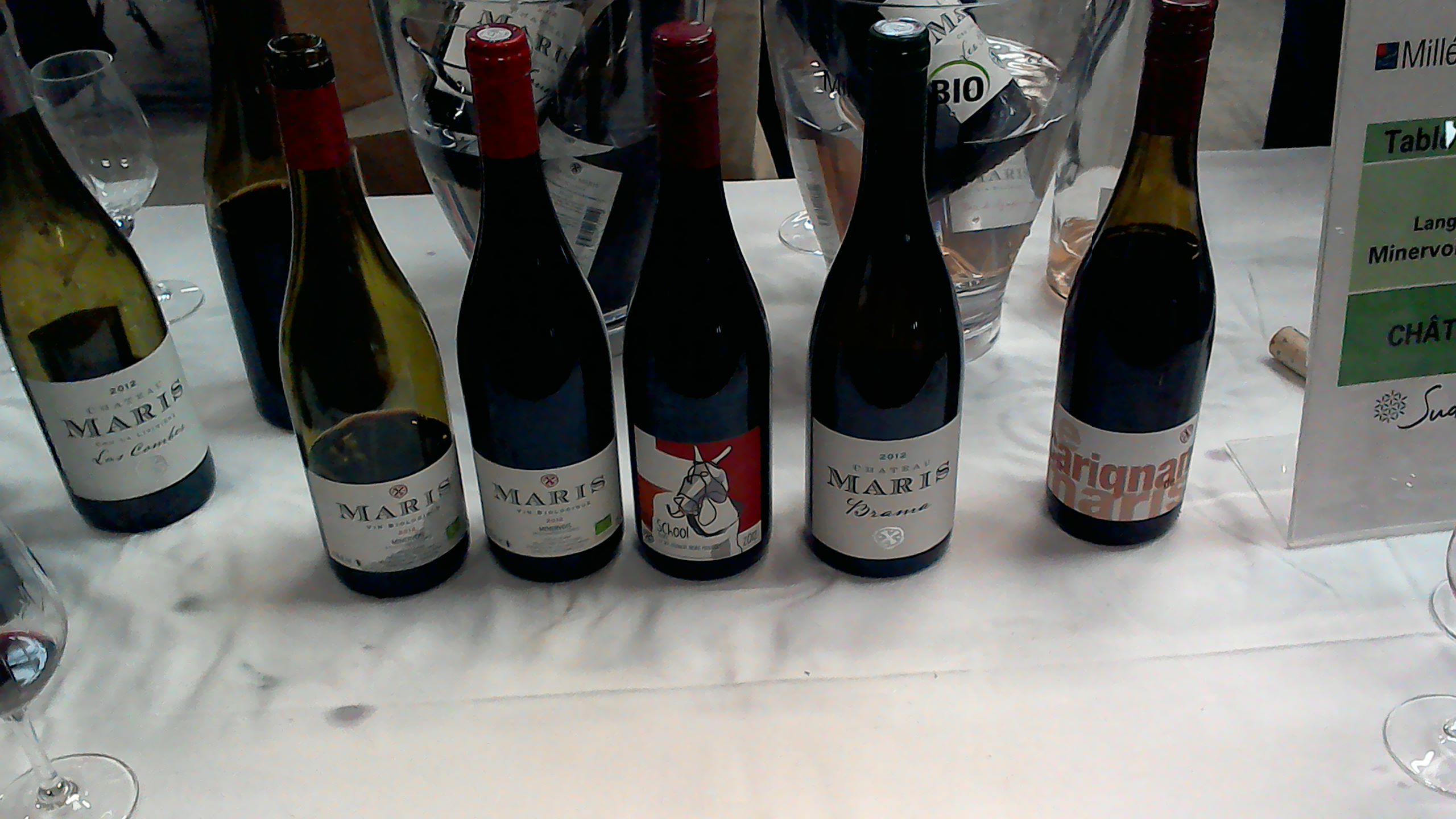
Chateau Maris All good especially
Minervois13 – classic clear
Le Carignan 13. – really good balanced and long
La Touge – lovely clear expression of syrah fruity but serious
Planels – oak aged syrah should be heavier than Touge but actually delivered a strawberry and cream lick with power behind
Anciens – mainly Carignan and the dark fruits were there but with really smooth, creamy delivery. Lovely

Jpeg

Vignerons d’ Estézargues – an innovative co-operative in the east of the Languedoc where local producers’ wines are made separately (as well as some joint blends) according to their wishes, but often in a natural style.

  • Domaine Fées – rich Grenache/Syrah, ripe and good

  • Bacchantes – Syrah / Grenache – good

  • Sarrelon – Grenache dominated with some striking red fruits and strawberry notes, lovely

Jpeg

La Baronne Corbières, yet another interesting Corbières estate. Interesting and fresh white wines especially the pure Grenache Gris which is partly macerated on skins and very expressive.

  • Las Vals pure Mourvèdre was lovely with classic leather and dark fruit

  • Les Chemins was a classic Languedoc blend, restrained and refreshing dark fruits

  • Les Chemins De Traverse waspure Cinsault with no sulphites and a lovely, red fruit and refreshing wine

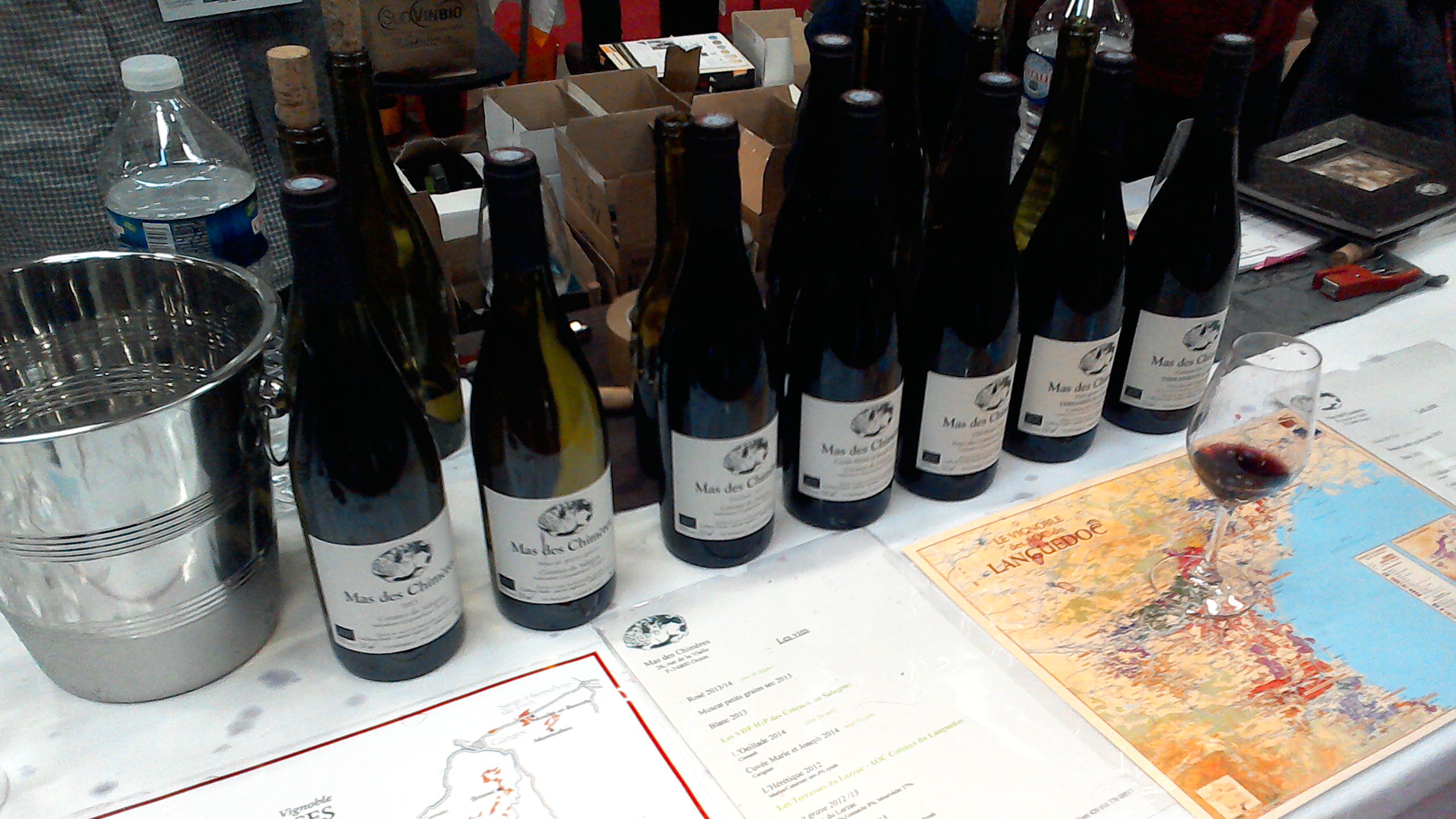
Mas des Chimères – a long time favourite of mine for its cuvée L’Oeillade a great summer red

  • L’Oeillade 14 – sampled from tank but already rich, round and refreshing. I love this cuvée.

  • Terrasses de Larzac Nuit Grave 13 – such a great balance between rich, ripe and refreshing

  • Terrasses De Larzac Caminarèm 13 – an equal blend of 5 grapes and a lovely wine

Jpeg

Terre des Chardons from eastern Languedoc, a range I know from Leon Stolarski. I have always liked the freshness of these wines, they are rich but so well made they leave you always wanting more

  • Bien Luné 14 – often my favourite in the range and this from tank was up to the usual high standard

  • Marginal 13 – lovely ripe fruit, dense and still that refreshing balance

  • Chardon Marie 12 – rich and dense but lovely again

Domaine Réveille (Roussillon)a natural style of winemaking and full of wild, exciting flavours

  • The rosé Herbes Folles 14 is Cab Sauvignon first press with no sulphites, bright, floral and dry, a food wine

  • Herbes Folles 13 was more settled and excellent, probably my favourite rosé of the salon

  • Peau Rouge 12 Syrah and Carignan was wild in aromas, amazing aromas. Dry, steely but fruit balanced. Lovely. The 13 was darker and more acid but nice.

  • Ultra Violet is a pure Syrah. The 12 was a little too wild and animal but the 13 was amazing. Tannic yes but fruit aromas and flavours leapt out of the glass and in the mouth these just exploded into something exciting

Mas Des Agrunelles – an isolated domaine allowing real control of their land and organic grapes.I only tasted the whites and they were very good, even a 100% viognier was fresh and clean. I must taste the reds soon.

  • La Fleur Blanche 13 was lovely, a blend of Chardonnay and Roussanne with length and citrussy flavours. Good

Zélige – Caravent

  • Ikabena – a lovely Cinsault dominated wine, full ripe and enjoyable

Burgundy

Moreau – a clear reminder of how Chablis is such a great white wine area with richness and fruit bit always that clean, refreshing balance and, yes, minerality. Tasting took off beyond the merely good at the 1er and Grand Cru levels.

  • Vaillons 1er Cru 13 – some grapes oak aged adding hints of richness to a delicious, clean and mineral wine

  • Vaudésir grand Cru 12 – more oak but so well judged to add richness but allow the refreshing mineral acidity to cleansed

  • Valmur Grand Cru 12 – my favourite, clean, direct and refreshing

  • Les Clos Grand Cru 12 – slightly more rich and less mineral but still lovely

Domaine d’ Ardhuy – a big range of wines on offer, some average but really enjoyed these

  • Ladoix Le Rognet 1er Cru Blanc 12 – open with lovely oak and refreshing clean fruit

  • Corton Charlemagne Grand Cru 12 – wonderful already with long flavours but there is a restraint here suggesting a full life ahead

  • Corton Clos Du Roi Grand Cru 12 – still closed and tannic but the fruit does open up and there is such beautiful Pinot power and elegance. I can only imagine how lovely this will turn into

Jpeg

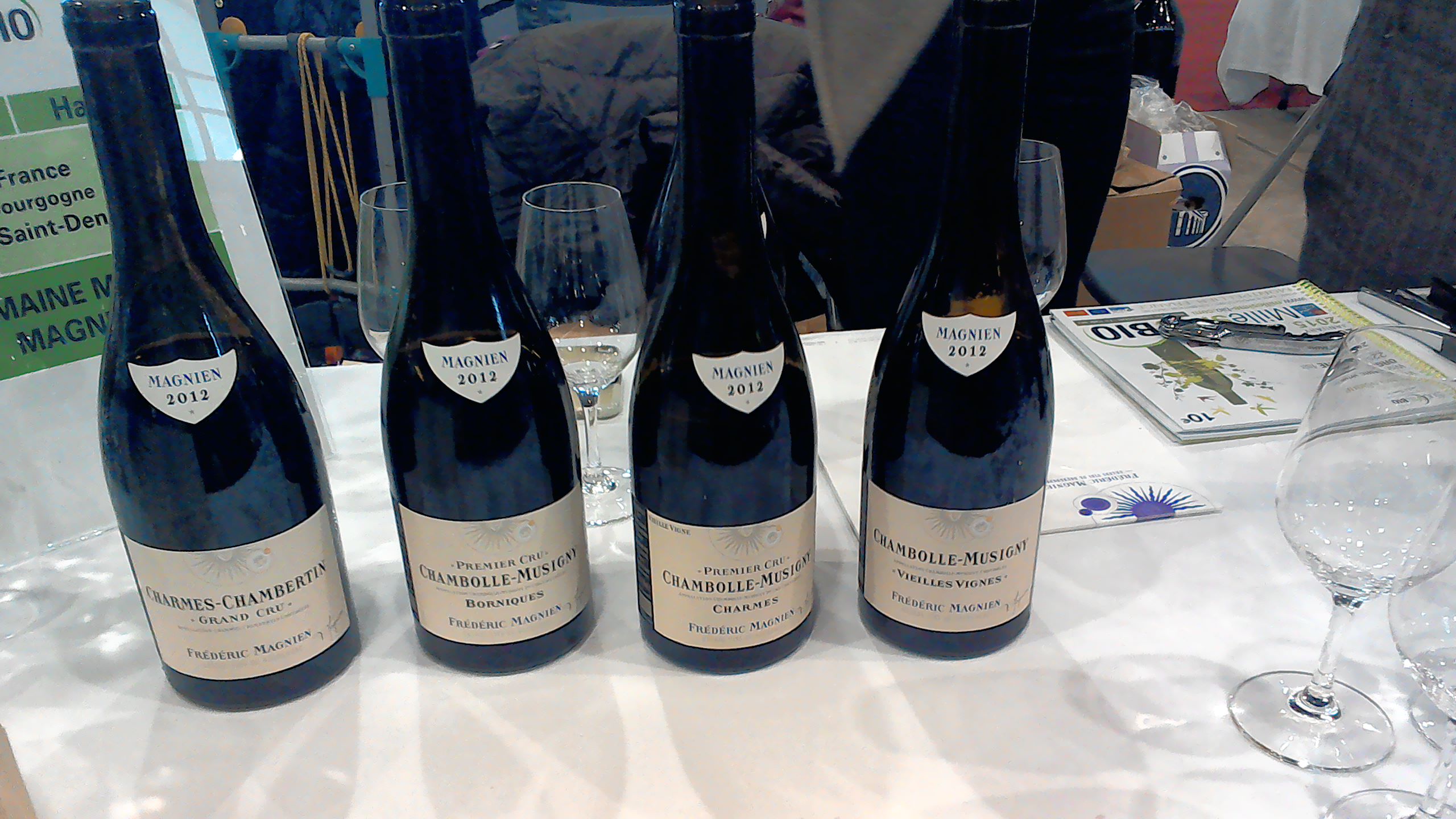
Michel Magnien -nice range but gets really interesting above village level. All 2012. Great balance between freshness and rich Pinot fruit. Lively aromas too.

Jpeg

  • Morey Saint Denis Les |Millandes 1er Cru was full rich and just lovely

  • Morey Saint Denis Les Chaffots 1er Cru even richer, ripe and round, Lovely.

  • Gevrey Chambertin Les Seuvrées Vieilles Vignes was still closed, naturally, but ripe and rich

  • Chambolle Musigny Charmes 1er Cru was indeed charming and rich

  • Chambolle Musigny Bornigues 1er Cru – direct at first but then blossoms in the mouth

  • Clos De La Roche – just a terrific glass of wine even now but with such power and elegance that I can only imagine how it will develop beautifully over the years.

Loire

Domaine de Reuilly – Eastern Loire

  • Reuilly Les Fossiles 2012 – everything you want from Sauvignon Blanc, clean, green and fresh. Lovely.

I was also offered a Pinot Gris macerated longer on skins than usual, a vineyard in process of conversion to bio, and lovely it was too

Vincent Carème – I’m a big fan of Vouvray, my first real experience of French wine. These were lovely.

  • Peu Morier 13 – clean, direct full dry Vouvray

  • Le Clos 13 – rich, mouthfilling lots of fruit and lingering. Oaked but just hints showing.

  • L’Ancestrale – Pétillant, lovely, fresh mouth filling pleasure. My favourite non Champagne sparkling wine of the salon

Pithon Paillé – lovely Anjou dry wines, lovely sweet wines

  • The Anjou dry wines were clean, direct and full of lovely fruit especially Pierrebise 12 and Coteaux De Treilles 11. Nice Savennières too.

  • Coteaux Du Layon 13 was rich, with clean acidity to balance

  • Quarts De Chaume 13 was even better, with concentrated honey, rich flavours but a clean finish

Clos De la Briderie Nice whites including a Sauvignon Gris and restrained Sauvignon Blanc. However the reds shone brightest
1877 Gamay sans sulfites 13
a Gamay / Cot blend sans sulfites 14 rich and deep
Cot single variety again 2014 so young but fruity, ripe and lovely

Bordeaux

Clos Puy Arnaud – Bordeaux is not often my thing these days and I usually prefer left bank Cabernet Sauvignon to right bank Merlot yet these were lovely Merlot dominated wines, another prejudice blown away.

  • Pervenches 13 was enjoyable, a good food wine

  • Cuvée Bistrot 13 was made using natural methods and I liked the extra edge

  • Grand Vin 11 was rich, lively and lovely

New Zealand

Clos Henri – New Zealand and a different take to most wines on offer. No worse for that.

  • Sauvignon Blanc 13 – classic NZ full.

  • Bel Echo 13 Sauvignon Blanc – riper with passion fruit flavours, so rich and v enjoyable

  • Petit Clos Pinot Noir 13 – ripe fruit and rich sweet yet clean, nice

Alsace

Faller, Henri et Luc – an unsung domaine but a lovely range fro simple varietal wines to gorgeous sweet wines.

Jpeg

  • Sylvaner Vieilles Vignes 12, rich, grapey and full from a variety which is not known for being so

  • Pinot Blanc, mineral and fine. The En Barrique version was lovely with rich flavours

  • Pinot Gris 13, restrained and delicate,lovely balance. En Barrique, full and rich yet still restrained and hints of things to come

  • Riesling 13, classic steely, minerally, young. The Vieilles Vignes Fruehmess 11 was lovely, complex and classy Riesling.

  • Muscat Vieilles Vignes and Gewurztraminer VV were both restrained and full of fresh fruity flavours rather than the blousy style we often see

  • Vendanges Tardives Cuvée Matthieu and VT Gewurz, both delicious, sweet but no stickiness, fruit, and a clean finish

  • Muscat Selection De Grains Nobles, fantastic. Sweet wines often get an easy ride but this really was special. A sweet, clean and fresh delight

Barmès Beucher – another good flight of wines

  • Rieslings shone, Clos Sand was classic Riesling, Leimenthal was richer and rounder but still restrained and fine. Hengst was lovely with classic mineral flavours hinting at sweet notes.

  • Gewurztraminer Steingrubler was a gorgeous wine with some typical flavours which were restrained with a dryness to balance

Jura

Champ Divin – I tasted a few Jura wines in the main salon and this was easily my favourite especially the whites wines though there was also a very fruity Pinot Noir

  • Champ d’ Etoiles 11 a mix of Chardonnay and Savaginin had classic fruit with oxidative notes adding to the complexity, lovely

  • Champ d’ Etoiles 12 was just as good but lighter

  • Champ d’ Etoiles 10 was better still with age adding richness and complexity

Jpeg

Remember that there were even nore delicious wines at the offline events which, if you haven’t read before, are described here.

Jpeg


12 Comments

Millésime Bio Offlines

Version francaise

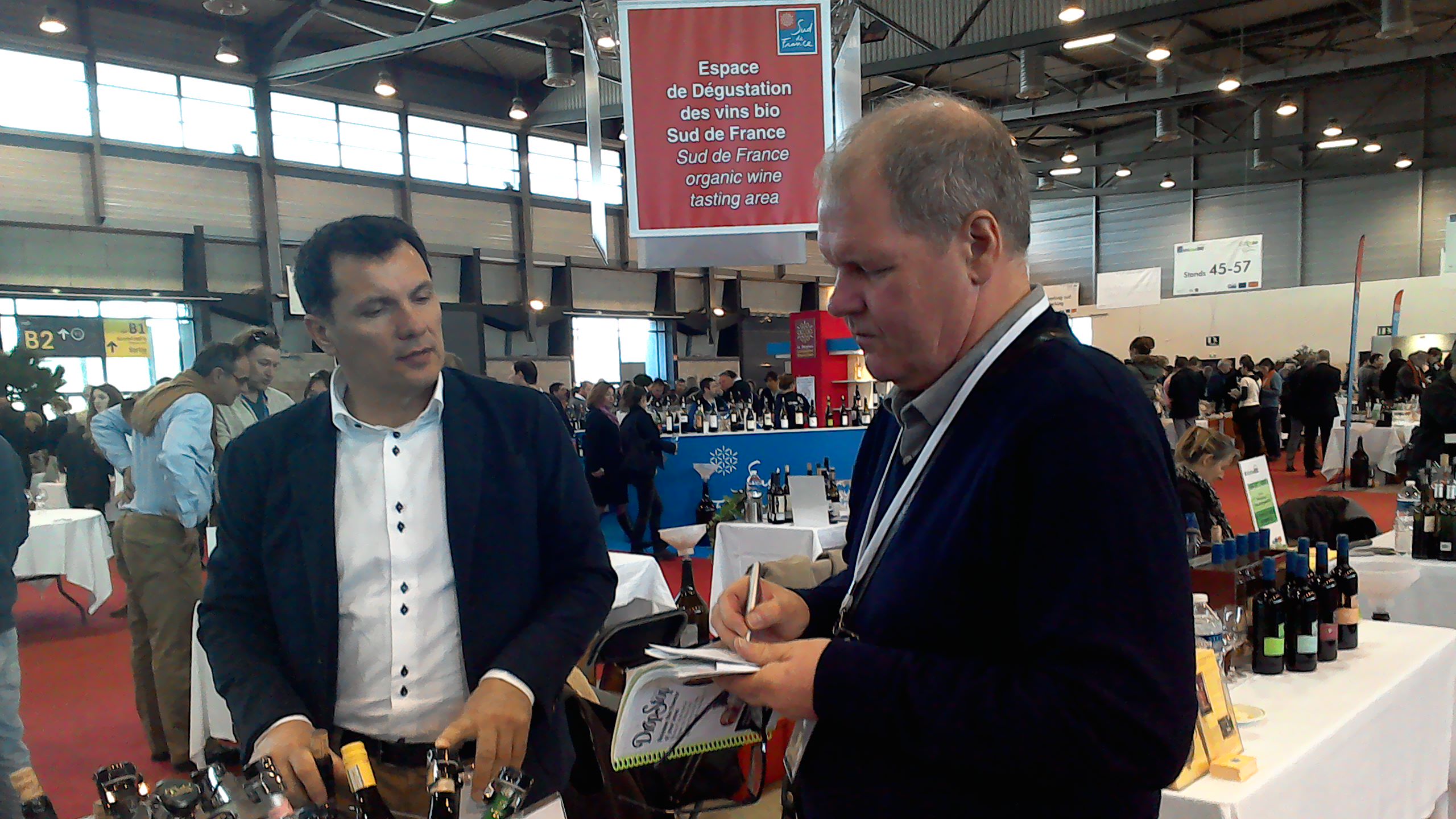
Millésime Bio is the world’s largest wine event for organic wine producers. There were around 800 producers at this year’s event in Montpellier, most in the main salon across 3 huge halls. Each was given the same size table on which to present their wines so that there were no big displays, a nod to equality which I find refreshing. In addition there are a number of ‘offline’ events rather like the Fringe at the Edinburgh Festival. Even over 3 days of tasting I did not get to sample wines from all the producers I wanted to visit.

I attended 4 offline events though sadly missed some I would have liked to attend such as ‘Vin de mes amis’ with producers such as Didier Barral, Yannick Pelletier and Maxime Magnon. However, I greatly appreciated those I did attend and thank those responsible for organising them.

Biodyvin was held next to the Etang des Moures, a lovely location and featured an excellent buffet. The event is based around biodynamic producers and some of the very best wine domaines of France were represented. There were some stunning wines on offer, these were amongst my favourites;

 Zind Humbrecht (Alsace) – Olivier Humbrecht was present to explain 5 fantastic wines including a very good Muscat Goldert 2012, a stunning Riesling Clos Windsbuhl 2011 and equally stunning Pinot Gris Rangen Clos St Urbain 2011 all of which are Grand Crus and worthy of the name. Brilliant wines.

Talking with Olivier Humbrecht, great winemaker, nice man

Talking with Olivier Humbrecht, great winemaker, nice man

Huet (Vouvray) – a good range of styles with a Le Mont Sec, 2005 Clos Du Bourg Demi Sec, 2008 Le Haut Lieu Moelleux and 2005 Le Mont Premiėre Trie. All were excellent with thrilling minerality and great balance between richness and freshness.

IMG_0926

Other great white wines came from:

  • Marc Kreydenweiss (Alsace) with his Riesling Grand Crus, Wiebelsberg and Kastelberg from 2008
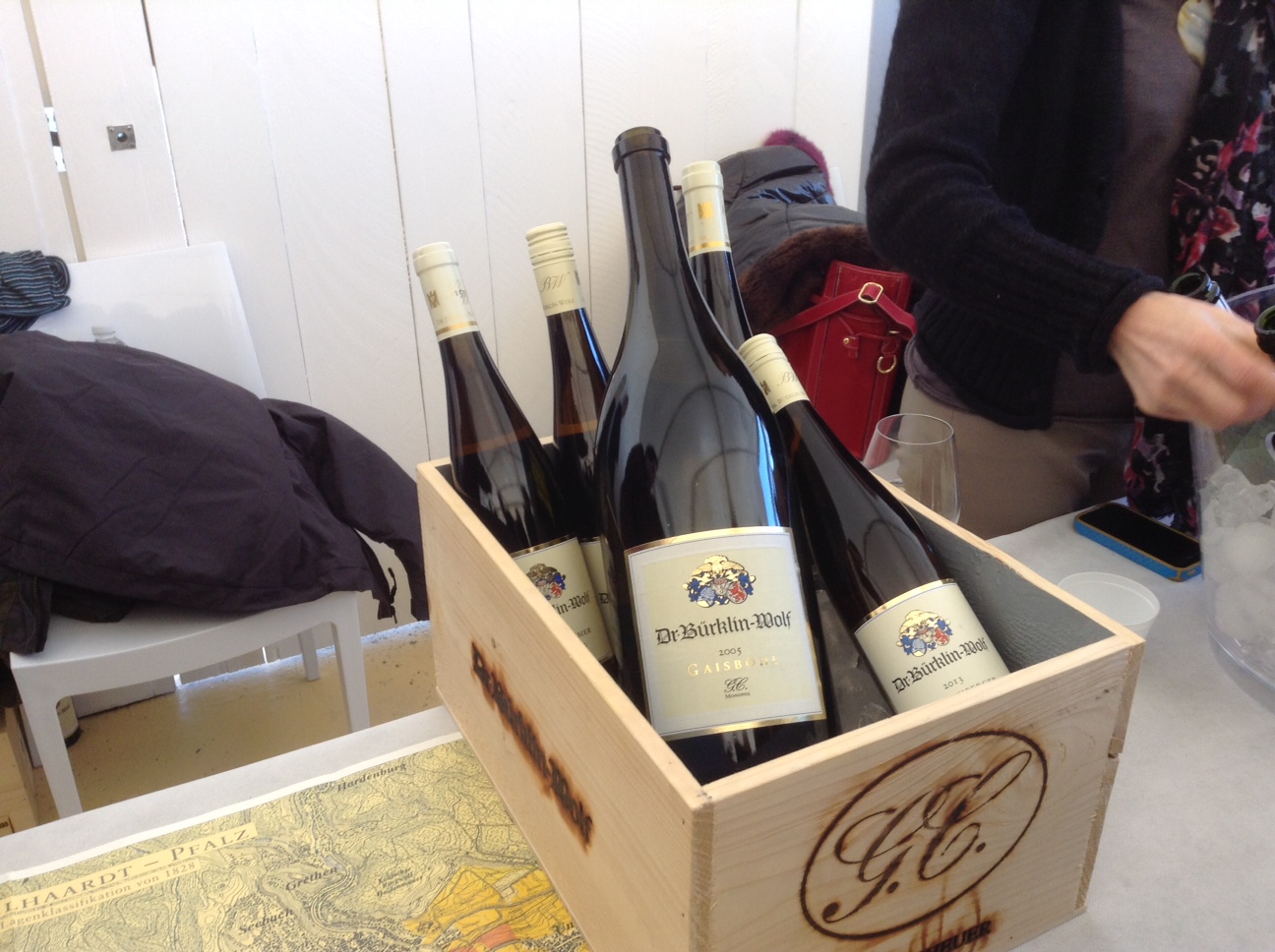
  • German estate Bȕrklin Wolff with Guisburg Grand Crus from 2012 and 2005 IMG_0912
  • Roussillon producer Olivier Pithon’s Cuvée Lais and La D18 (both largely Grenache Gris based)
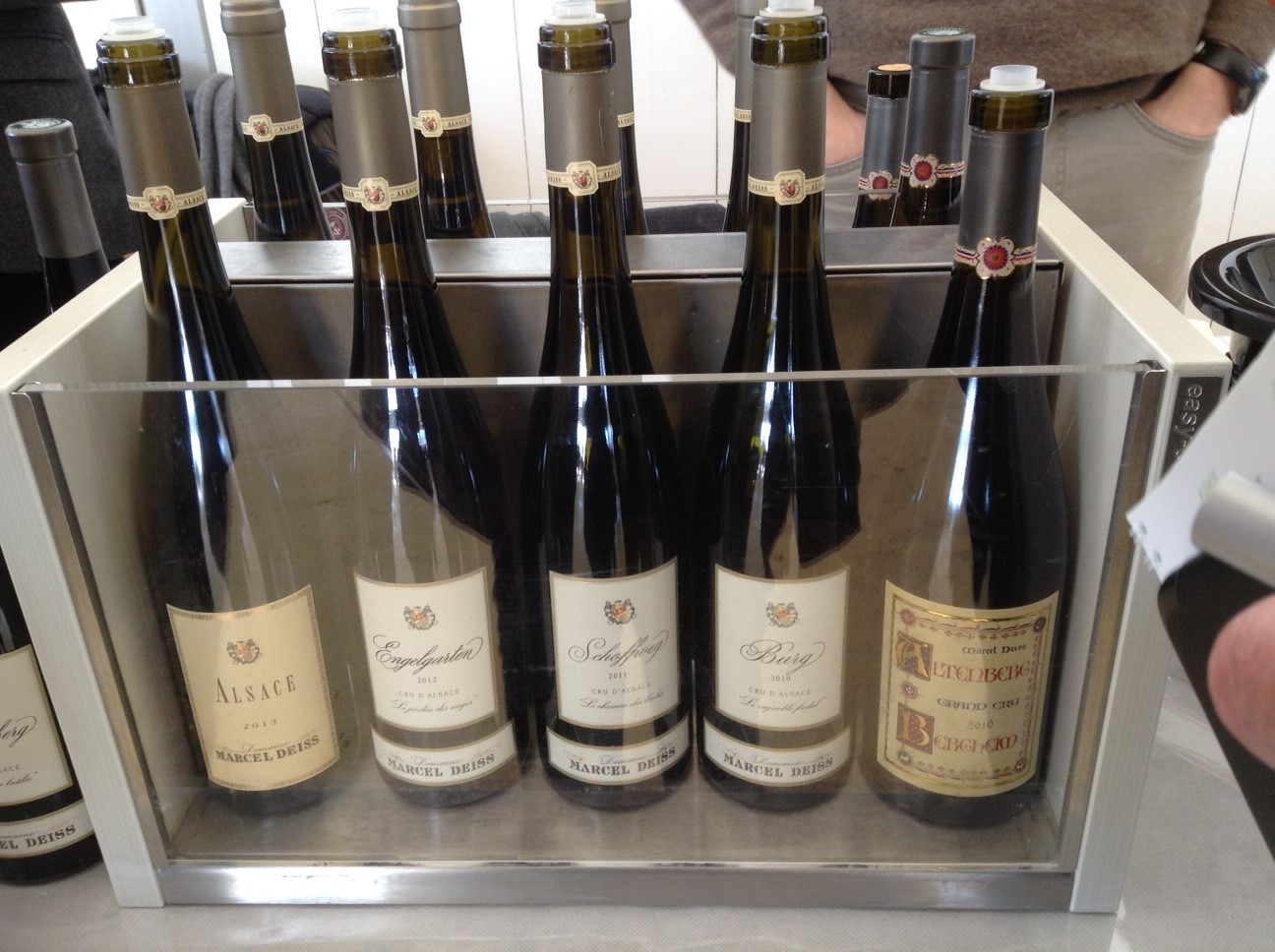
  • Marcel Deiss Burg 2012

IMG_0930

Strangely I enjoyed the whites much more than reds. My favourite reds came from Domaine La Marfée especially Les Gamines and Della Francesca both 2012.

IMG_0916

One final recommendation would be the champagnes of Domaine Françoise Bedel, especially the vintage cuvees especially the 2003 and 2004.

Les Affranchis saw a collection of winemakers from around Europe brought together, many of whom were biodynamic or natural producers. My friend Jeff Coutelou of Mas Coutelou (Languedoc) was present though I have not included him in these favourites on the grounds of impartiality!

Chatting with Jeff

Chatting with Jeff

I enjoyed many excellent wines here including:

Weingut Werlitsch (Ewald Tscheppe) an Austrian producer who makes excellent white wines based around Sauvignon Blanc and Chardonnay, the cuvées called Ex Vero I, II and III depending on the soil. They were all excellent plus a natural wine made with maceration on skins which was very complex and elegant, named Werlitsch.

Jpeg

I would also add recommendations for another Austrian producer, Weingut Strohmeier another very good range.

Champagne Barbichon offered a series of excellent bottles which brought complexity, richness and freshness to their cuvées of which my favourites were based around Pinot Noir.

Hausherr (Alsace) produce wines with the same philosophy as Marcel Deiss, ie preferring their wines to reflect the terroir rather than just grape varieties as most Alsace producers do. They do have single varietals but also like to blend different grapes from one vineyard. A wine such as Colline Céleste 2012 was delicious, complex and mineral.

Domaine des Bodines (Jura) some lovely white wines including a classic Jura Savagnin 2013 and also a lovely red, Poulsard 2013.

Lemasson Les Vins Contés (Loire) – I am a fan of Loire white wines and have a real difficulty with reds from the region especially those based on Cabernet Franc. However, here there were two reds which appealed particularly, R13 a blend of Grolleau, Gamay and Cot and Cheville De Fer a pure Cot, both 2013.

La Ferme St Martin (Beaumes De Venise, Rhone) had a good range especially the reds Les Romains and two vintages of Les Terres Jaunes mainly Grenache and Syrah based wines. I enjoyed their whole range but these stood out.

Domaine de la Ramaye (Gaillac) showed some lovely wines, again the reds appealed most with the Duras grape offering variety to most reds tasted over the three days. La Pech De La Tillette 2013 and La Combe d’Aves 2009 were excellent wines of power and elegance.

Philippe Tessier (Loire) I particularly enjoyed the Cour Cheverny wines based on Romorantin grapes.

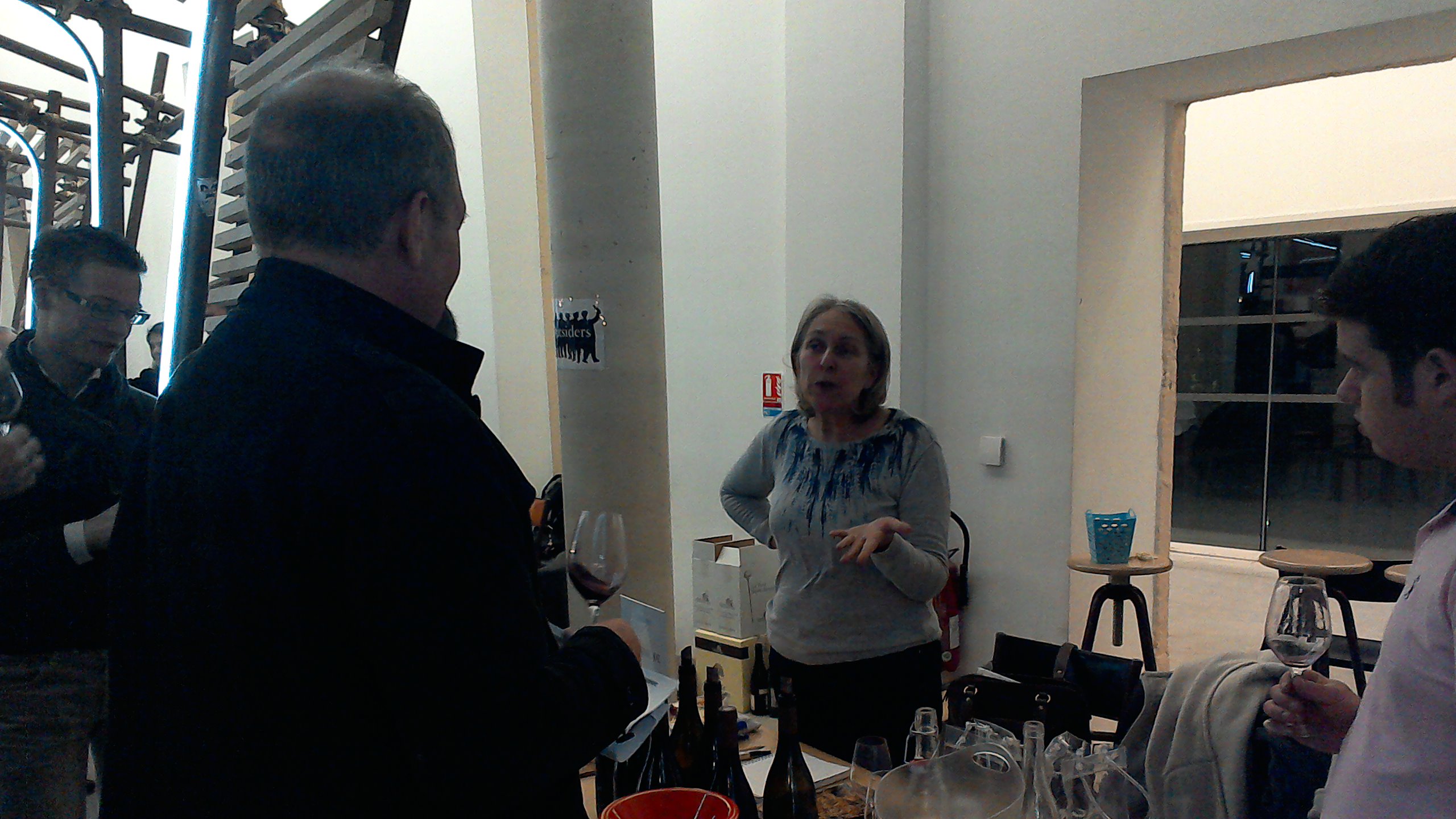
The Outsiders is a group of Languedoc Roussillon producers whose origins are outside of the region. I have enjoyed many of their wines in the past and there are two of my favourite Languedoc producers involved. Held in a very hip and lively venue with good food this was a very enjoyable evening.

Jpeg

Domaine de Cébėne (Faugères), run by Brigitte Chevalier, produces wines with power and freshness. I have enjoyed all of her wines over many years and this evening was especially by the Carignan dominated Belle Lurette 2013 and the classic Languedoc blend of Syrah, Grenache and Mourvèdre in Les Bancels 2012.

Brigitte tells me how it is

Brigitte tells me how it is

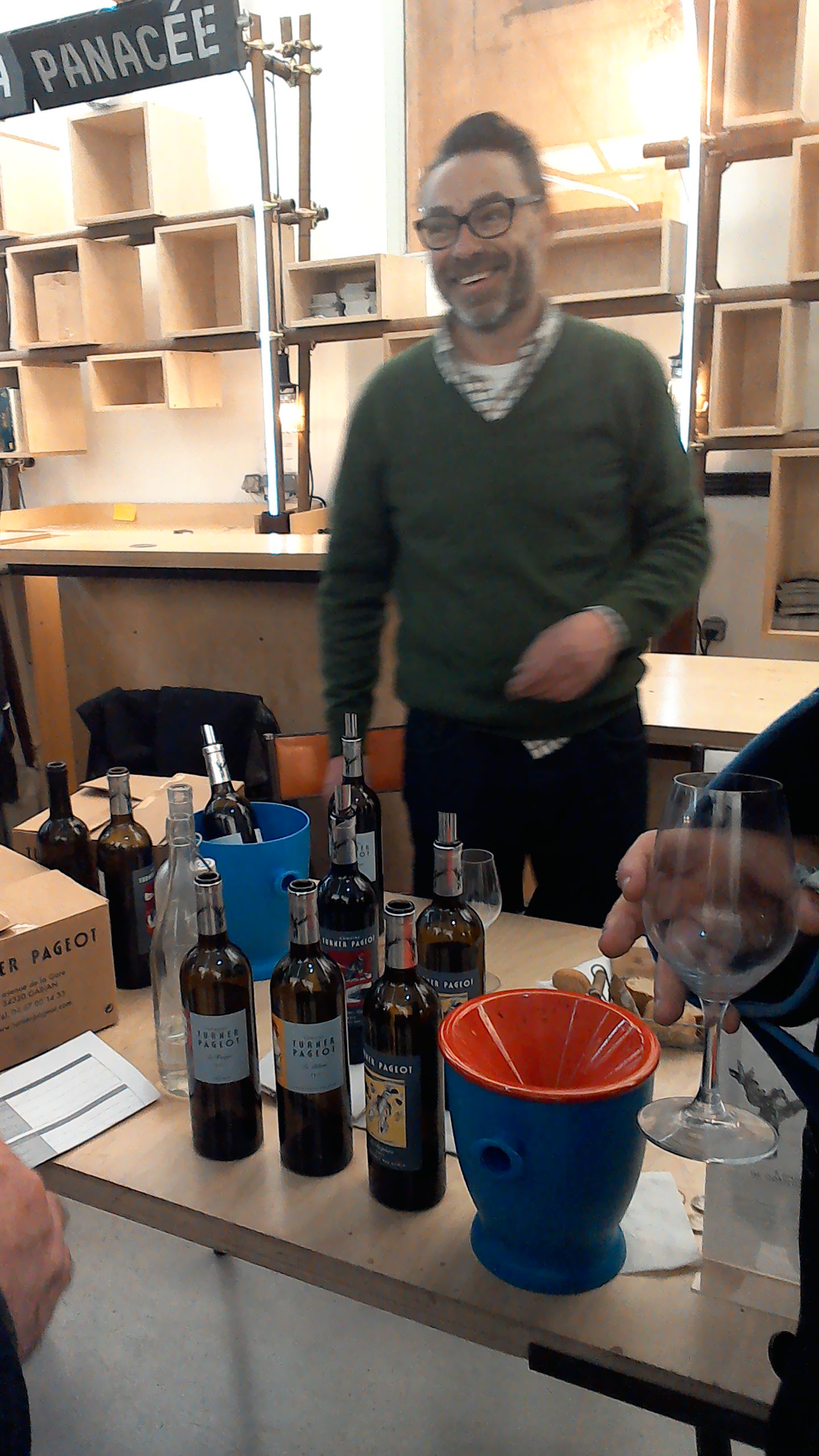
Turner Pageot (Pézenas) is run by Emmanuel Pageot and his Australian wife Karen Turner, winemaker at the Prieuré St Jean de Bébian. Manu is a terrific winemaker, restless in his search to improve his wines and explore his terroir. Every one of his wines is a pleasure to drink, personal favourites were La Rupture 2013, a unique Sauvignon Blanc vinified not to taste of the standard varietal flavours and also Carmina Rouge 2012 a powerful, spicy fresh wine which needs time to develop but is already excellent. I tasted more of the range at the main salon including a new orange style wine which I found stunning and a new Grenache based wine which was profund.

Manu Pageot, winemaker extraordinaire and wearing the same colour jumper as I was!

Manu Pageot, winemaker extraordinaire and wearing the same colour jumper as I was!

I also enjoyed the wines of Domaine Sainte Croix from Corbières, powerful yet refreshing and complex. Big wines with a touch of wildness reflecting the Corbieres countryside. Other wines came from guests of the group including some good Pouilly Fumés from JD Pabiot.

Finally I attended Biotop another collection of winemakers sharing a belief in organic, biodynamic and natural ideals. Held in the Phare at Palavas with stunning views along the coast. Three wine ranges really caught my imagination here along with many other wines.

Jpeg

Champagne Franck Pascal is a small domaine which produces a range with a light, floral touch and yet long lasting flavours. Much more complexity than most marque champagnes I have tasted. Non vintage wines were lovely, the vintage wines such as Quintessence 2004 and 2005 were deep, refreshing and rich in flavour and simply delicious. Other bottles included a lovely natural champagne, Serenité. If I was looking for top class champagne this is where I would look first.

Juchepie (Coteaux du Layon, Loire) produces Chenin Blanc wines ranging from dry to vins liquoreux . The dry Anjous were excellent, the Moelleux wines showed brilliance with richness and acidity and long long long lasting flavour. The two cuvées were Les Churelles and Les Quarts, both 2011. Then came two vins liquoreux which were both wines which will stay in my memory forever. They had such depth, such complexity and were just beautiful. I like sweet wines but these were very special. The unctuous sweetness was balanced by a clear line of acidity making the wines lovely to drink. Such wines make you stop and think, wow.

Le Conte De Floris (Languedoc, Pézenas). These are wines which remind me of Burgundy, especially the reds. They contain minerality and freshness and, despite having a light appearance in the glass compared to most Languedoc wines, they have real power and depth. The whites were clean, direct, long and mineral with the 100% Carignan Blanc Lune Blanche 2013 the star wine. The reds are based mainly on blends of Grenache, Syrah and Carignan and carry powerful aromas of strawberries, red fruits and spice with a clean, direct approach which grows in complexity as the wine fills the mouth. Cuvées such as 6 Rats Noirs, Villefranchien and Carbonifère are wines to seek out and enjoy.

I also enjoy the wines made by Les Arabèsques in Roussillon which are full, powerful and show great freshness. Le Roi Pecheur and Les Champs d’Andrillou are excellent wines and will develop beautifully with time.

Saskia van der Horst talks me through her wines. It was good to taste even more of them than I had at Latour De France in November.

Saskia van der Horst talks me through her wines. It was good to taste even more of them than I had at Latour De France in November.

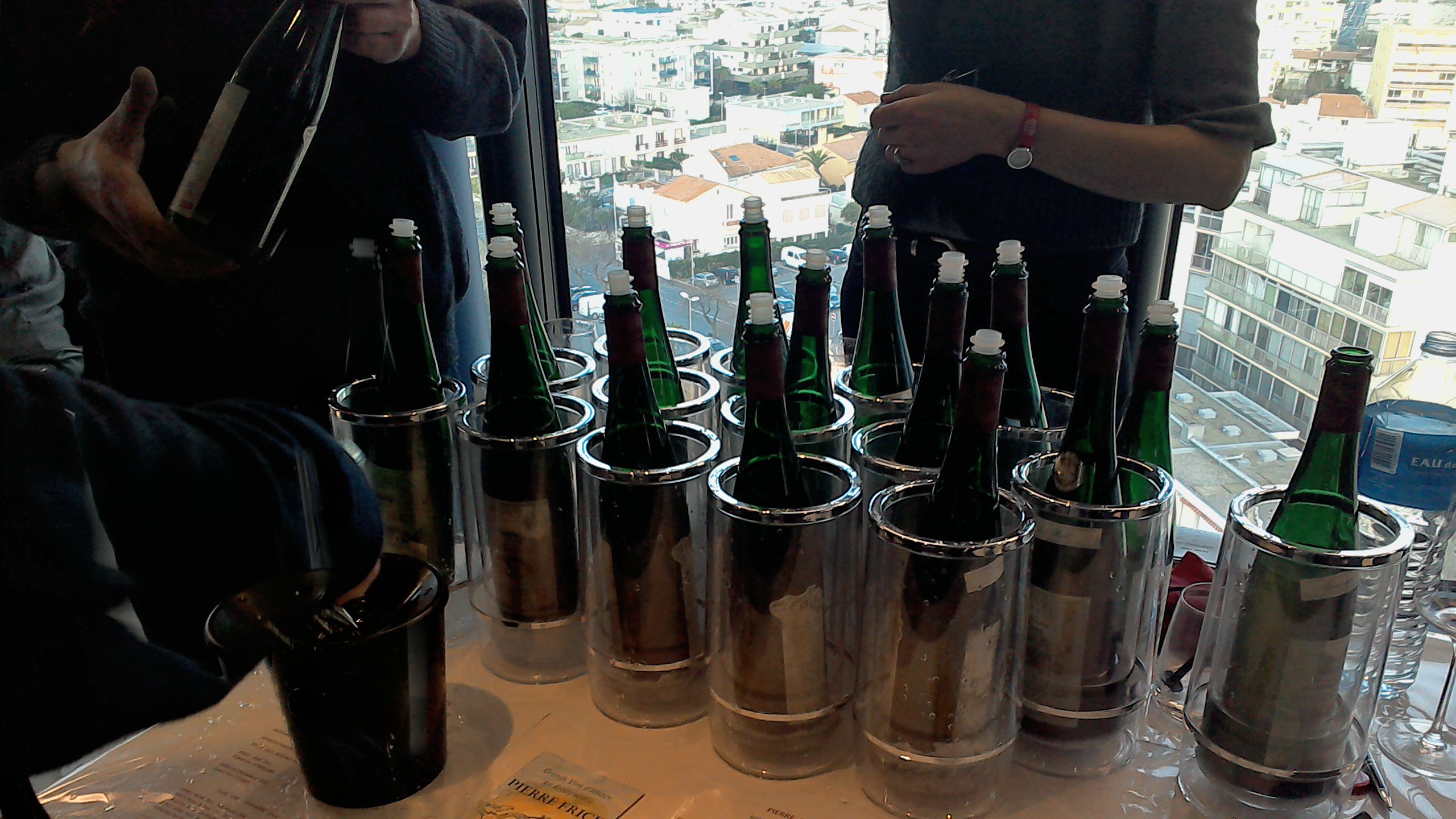
Pierre Frick is another excellent Alsace producer, he showed a huge range of wines, many natural. The Grand Crus Gewurztraminer and Pinot Gris wines were especially good and showed again that the Grand Crus vineyards of Alsace do indeed stand out in the right hands.

Part of the extensive range of Pierre Frick, a major tasting in itself

Part of the extensive range of Pierre Frick, a major tasting in itself

More lovely Austrian wines from Meinklang including a lovely 2012 Zweigelt red, a very refreshing St Romain 2013 from Emmanuel Giboulot and more good Chenins from La Grange Tiphaine helped to make this another very enjoyable tasting.


1 Comment

Mas Sibert, Fos

Version francaise

IMG_0652

Simon Bertschinger explaining his wines and sharing his passion for them

It’s always good to discover new wine domaines in the area and Mas Sibert was recommended to me by Dominic George at Le Wine Shop in Pézenas, well worth a visit in itself incidentally.

Mas Sibert is in Fos, a 3 ha domaine run by Simon Bertschinger and Sara Frémine. They produce natural wines (with tiny amounts of SO2 added before bottling) with clear freshness, terroir and complexity. They are clean, well made and use unusual grapes for the region such as Merlot, Petit Verdot and Sangiovese, hence they are bottled as Vin De France.

IMG_0658

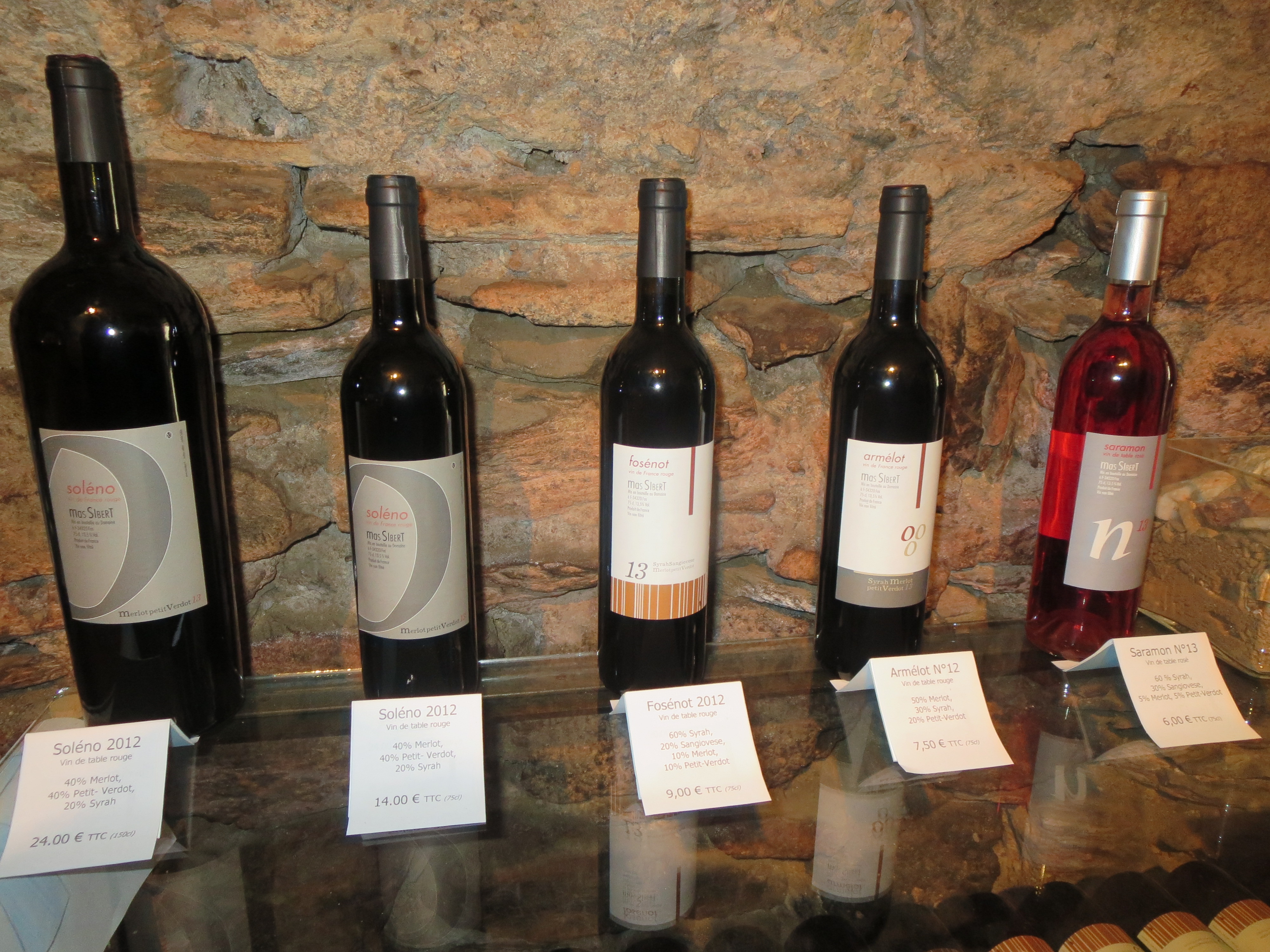
The wines, the rosé is already sold out

They also have a bread oven and in summer they make bread and pizzas on Sundays, something I shall definitely be looking to profit from. A domaine to follow as Simon’s work in the vineyards will continue to enrich the wines. He is looking to plant new white grapes (from older cépages) and they will take time to come on stream but I look forward to trying them. Simon used the word ‘passion’ many times in describing his work and wines and it shows in the glass. He is also realistic, has not tried to overmake the wines but lets the terroir and it’s grapes speak for themselves. He has built the cave so that gravity helps the movement of the wine during production rather than pumping.

IMG_0650

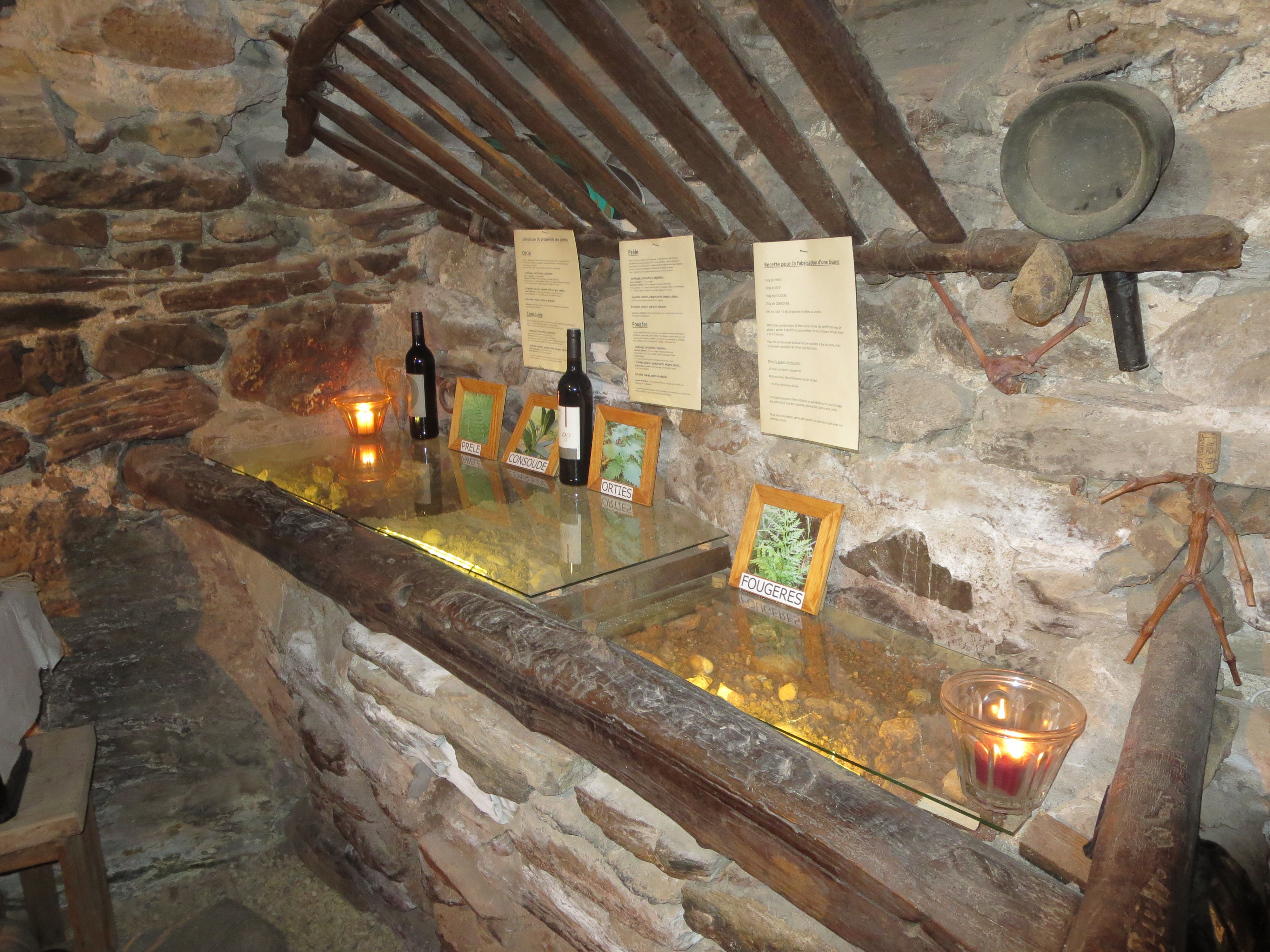
A very interesting display in the cave showing the soils and natural treatments using plant teas eg nettles, horse tail and ferns

IMG_0662

The barrels used for Soléno have been used for 4 or 5 wines before so are used for a little oxidation and complexity rather than oak flavours

I tasted 3 reds:

Armélot 2013 Merlot, Syrah, Petit Verdot – Clean, fresh, rich and smooth but the Syrah adds nice spicy notes.

Fosénot 2013 Syrah, Sangiovese, Merlot, Petit Verdot – The Syrah shines with clear fruit but it is the Sangiovese which adds the interesting acidity and fresh cherry flavours. Very good, my personal favourite.

Soléno 2013 Merlot, Petit Verdot, Syrah. More Petit Verdot here than Armélot, the Bordeaux varieties get some oak ageing in old barrels for complexity. It had a light colour and structure but carries a real weight. Good and will develop with time.

Did I like them? Well I bought some so yes I did!

IMG_0654

It actually snowed in Fos, hence the coat. I enjoyed talking with Simon as well as tasting his wines


Leave a comment

Mas Coutelou 2014

IMG_0620

‘Proof’ that drinking Mas Coutelou wines is good for you

en francais

IMG_0612

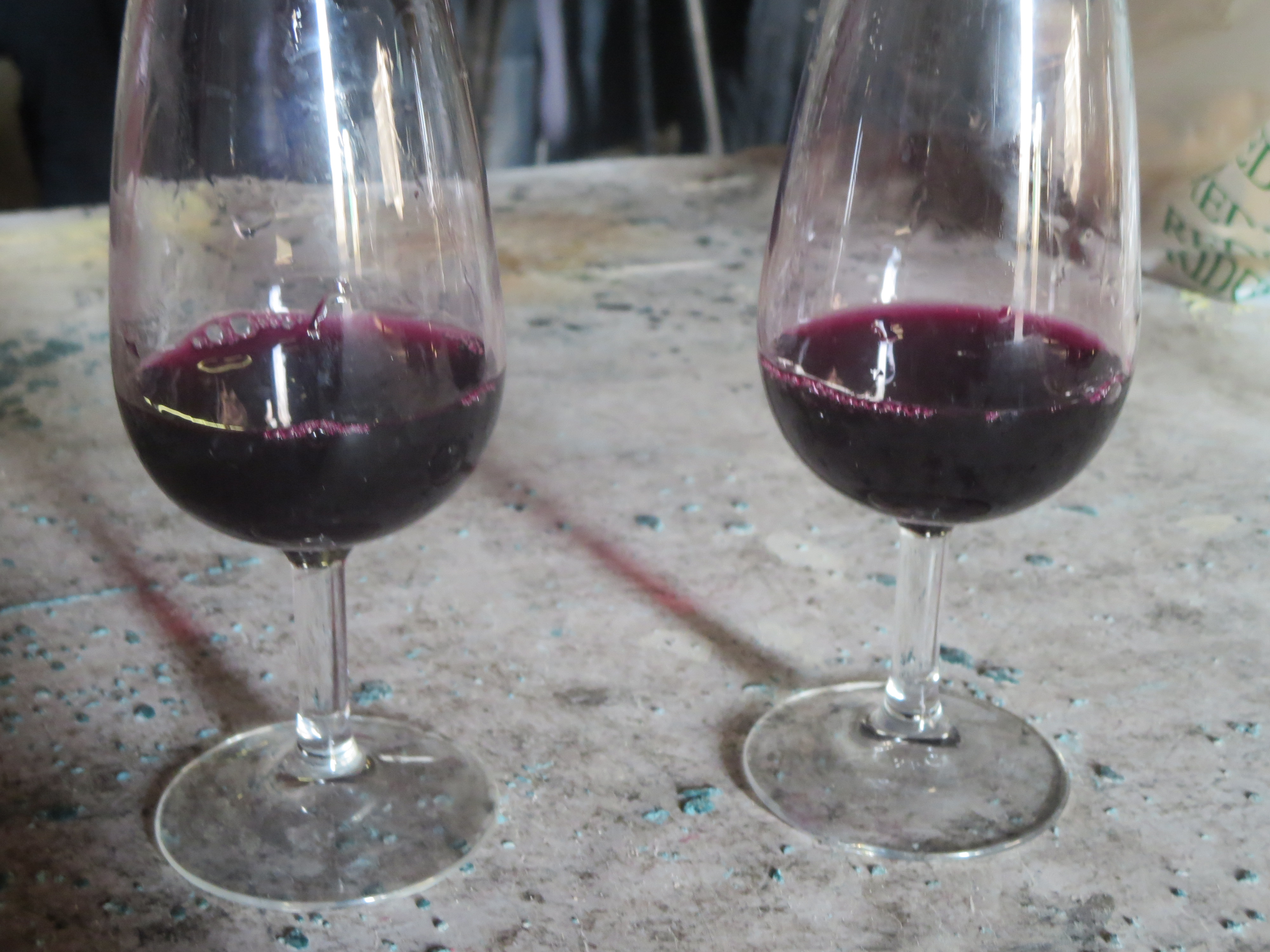
The assemblage for the 2014 wines is well under way, the wines are settling in tank for some of the well known cuvées such as Classe and Vin Des Amis. (Above are glasses of richly coloured Vin Des Amis). Both are delicious already and in the few days since I first tasted them they have shown development as they marry together. The fruit and freshness which characterise Mas Coutelou wines are evident and there is a marked concentration which shows that the wines will mature well.

Jeff has published his vintage report for 2014. Winter, spring and early summer were exceptionally dry (less than 150mm or 6 inches of rain in the 9 months to the end of June) and at that moment Jeff was far from sure that he would be able to harvest any grapes. Some relief came from a summer which was not too hot and peppered by storms. However, the vines had to dig deep into their reserves of energy in order to produce grapes. Troubles continued with some storms towards the end of harvest time and then the Marin wind with their warmth and high pressure meant that through the autumn and into December the wines in tank were not able to truly rest. It was a difficult year in short, a reminder that nature rules the life of the vigneron. Indeed some local producers have seen their crops virtually wiped out by hail and mildew so the wines that Jeff has produced are to be even more cherished.

Nevertheless there are some drawbacks. The harvest was smaller especially for Syrah, (down by 40%), Carignan and Mourvedre. Syrah is a major part of many Coutelou wines so Jeff has had to improvise and make the most of what he has. The lack of Mourvedre may mean that one of his popular wines ‘Sauvé De La Citerne’ will not be made. In addition the effort made by the vines means that they would benefit from a rest and yet this winter (thus far) has been so mild that they are starting to show signs of producing buds even in January (débourrement) Instead of resting they are starting to work hard already.

The wines I tasted from tank are marked by concentration and minerality. The vines had to push deep into the soil for water in the arid early part of 2014 so they have drawn up minerals from the soil’s depths. The mineral flavours are evident when drinking. A difficult vintage has produced some highly promising wines but in smaller quantity, so guard what you already have and appreciate the quality of the new wines.

Two wines to note.

PM, the rosé,  is already gorgeous, full of fruit and perfume yet dry and absolutely delicious. At only 11% alcohol it is a wine to drink and enjoy.

A new wine made from old Cinsault, Aramon, Oeillade and Muscate. Tasted from tank this was already sensational, a red wine with grapey, perfumed scents and deep, concentrated red fruits. Can’t wait to see how this develops.

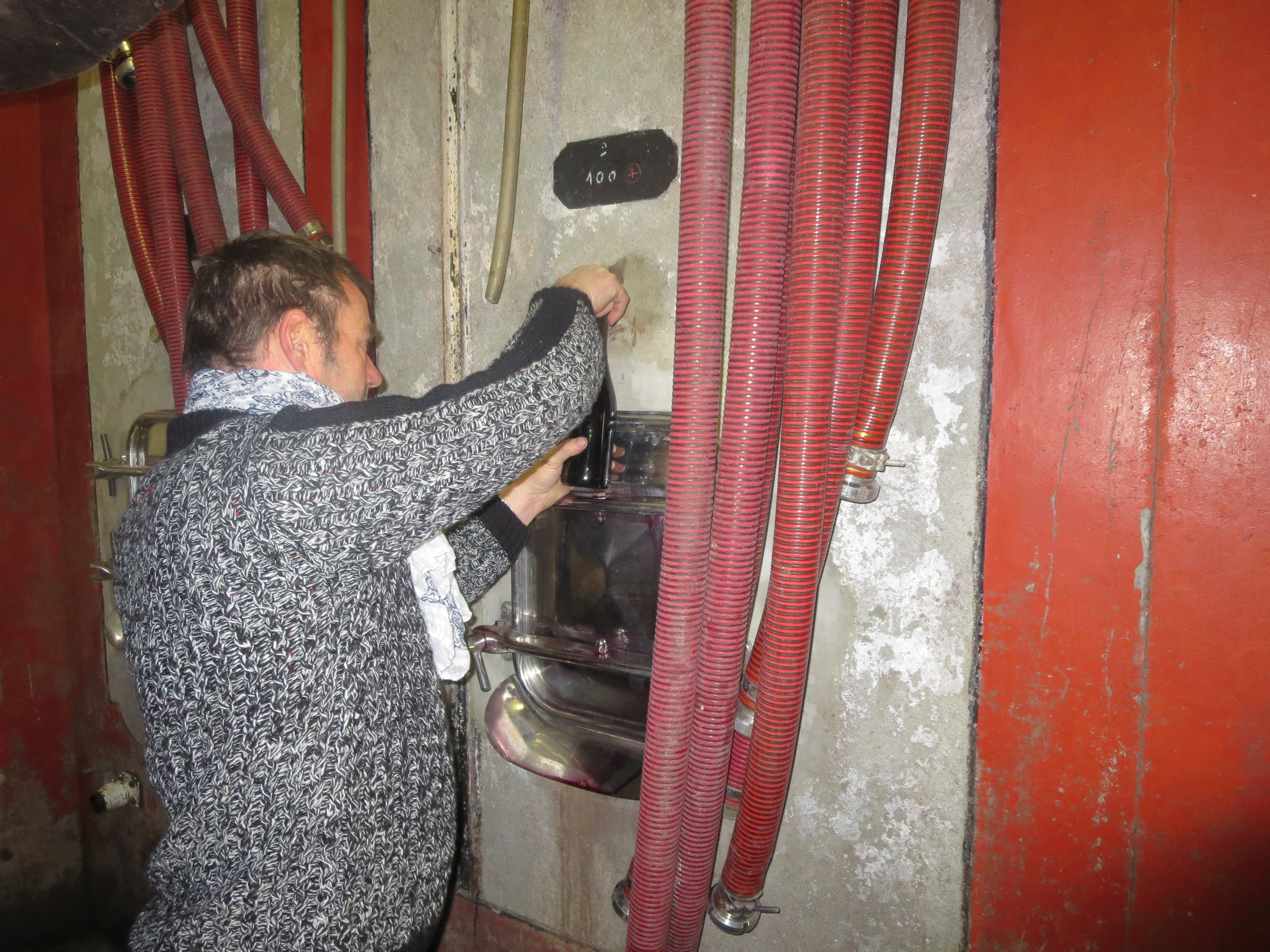
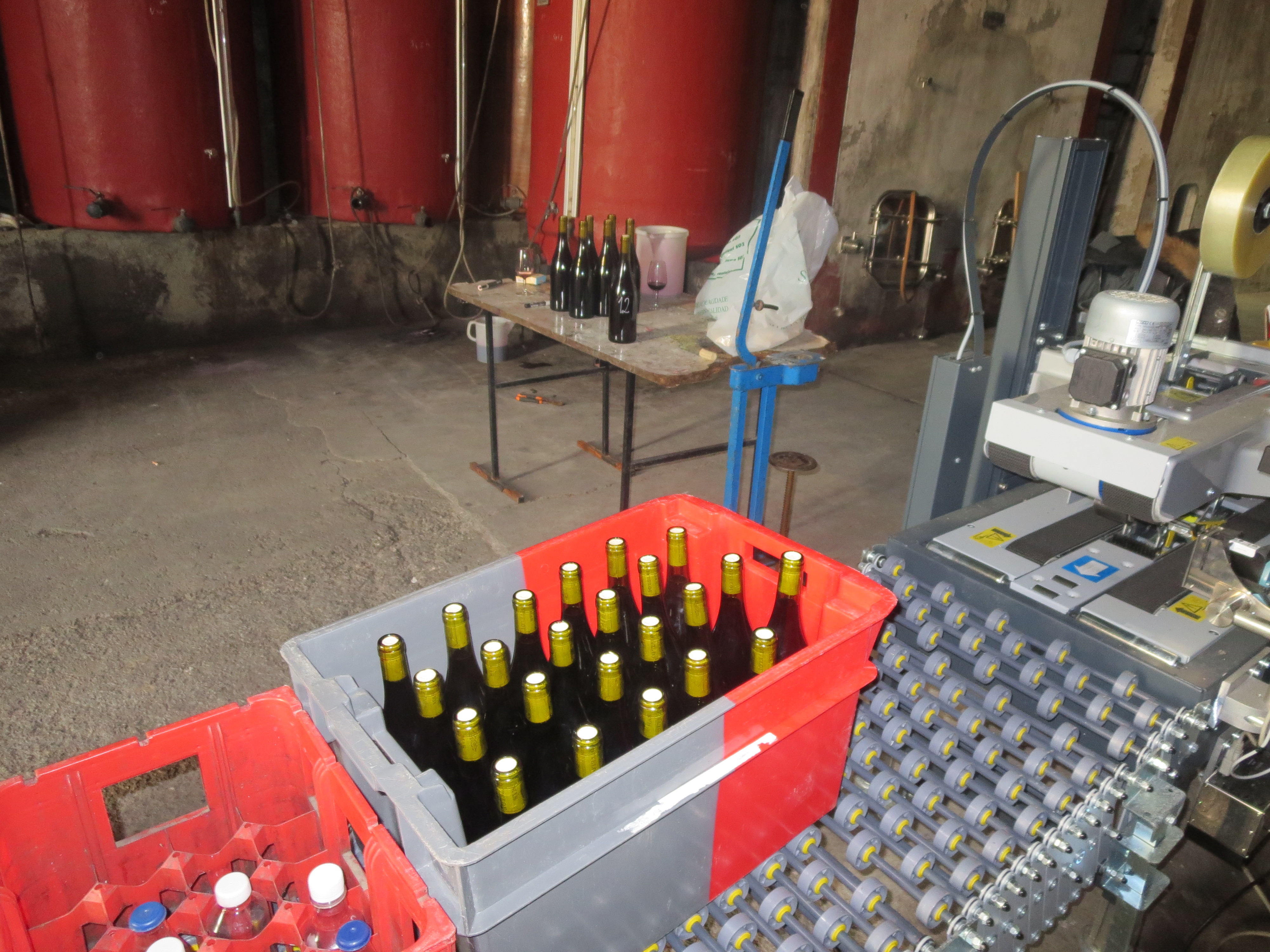
Jeff will be showing some of these new wines at a couple of tastings in the next 10 days, in Montpellier and the Loire. Today Jeff put the bottles together for those tastings, including some corking by hand. Nothing was easy about 2014!!

IMG_0616

Taking Classe from tank

IMG_0613

IMG_0617

Bottles prepared


Leave a comment

Winter

(Version française)

Back in Margon after a few weeks back in the UK, it was good to see family and friends again over Christmas. It was good to hear of many of them enjoying Mas Coutelou wines with their Christmas meals.

IMG_0592

Santa was generous so I have new books to read. Hopefully I shall learn something to help brighten and enlighten this blog.

IMG_0597

Jeff assured me that last week the temperature in the Languedoc reached 20C and he was working in the vineyards in shirtsleeves. Sadly, no sign of that this week.

The vines are resting through the winter weather as you can see in these photos taken in Aloxe Corton on Sunday morning. Burgundy, of course, is much further north than Margon.

IMG_0590                      IMG_0591

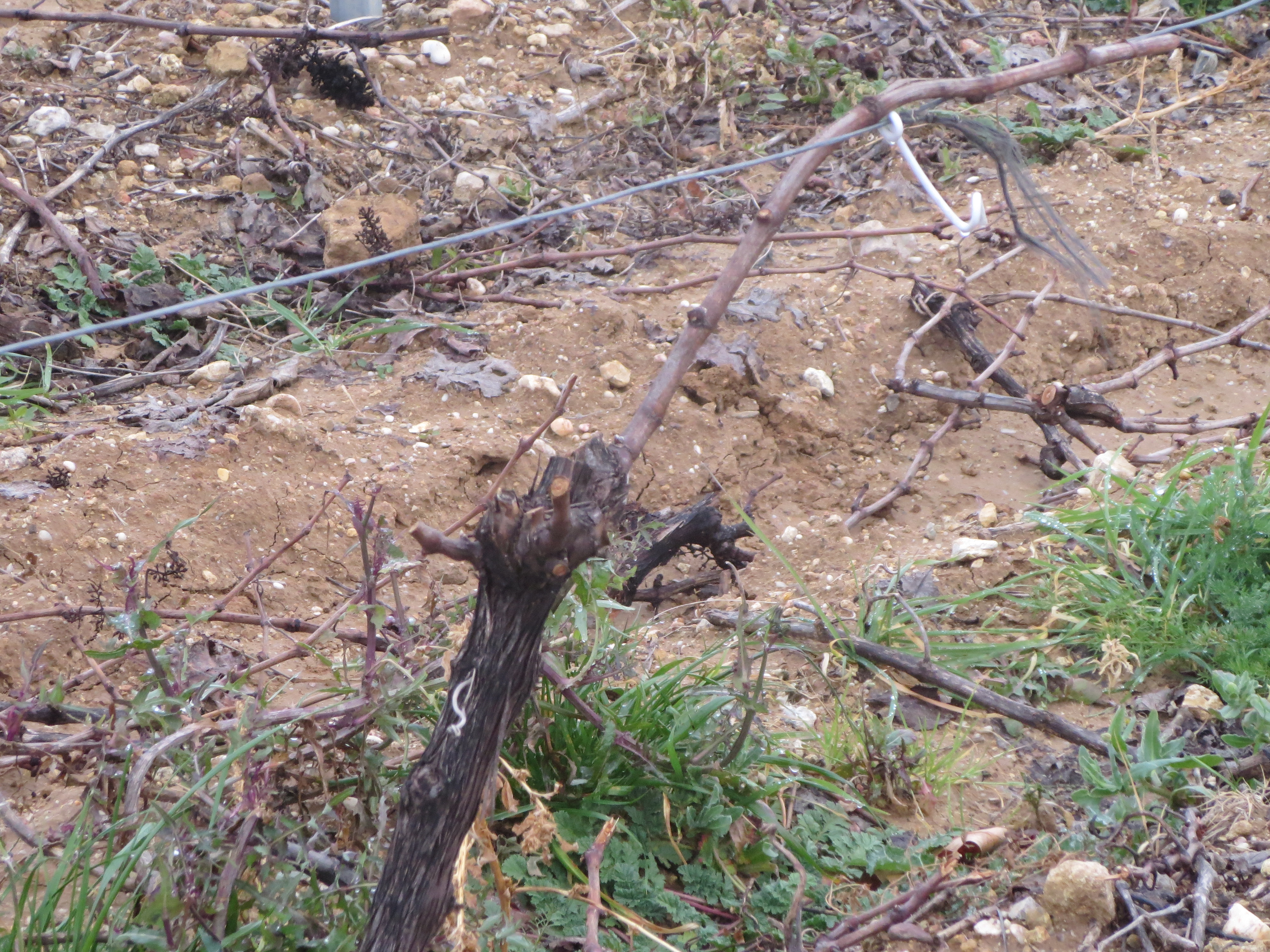
As we went for a walk in the vines (as opposed to a march in the vines) the pruning work I described in December showed clearly. Below are examples of all 3 types of pruning I described then.

IMG_0594

Guyot trained vines. The long right branch attached to the wire will provide grapes in 2015. The cut branch will provide fruit in 2016.

I came across these cordon trained vines which are clearly older and very sturdy. They will need further pruning!

IMG_0595

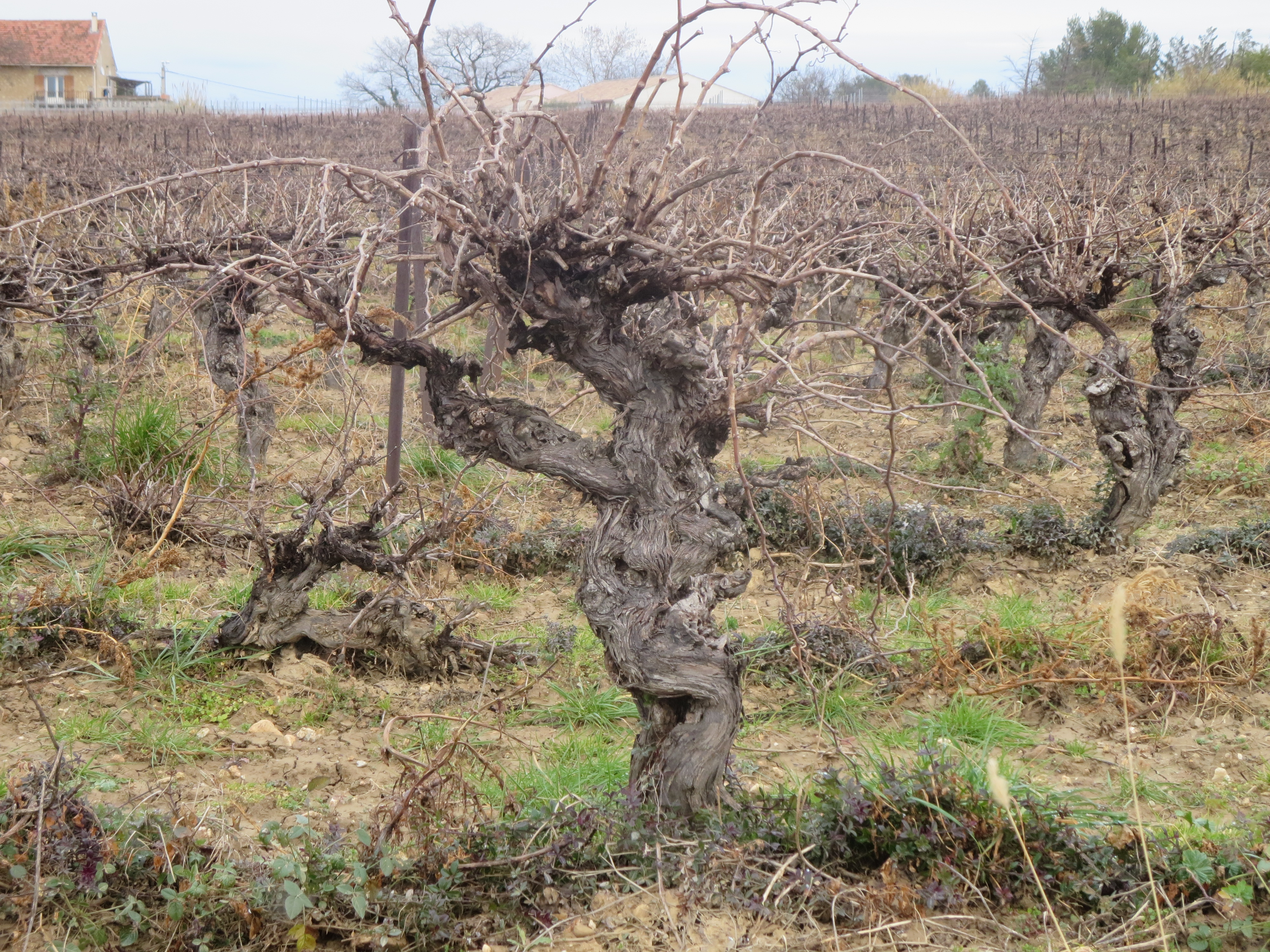
And finally we saw this really wizzened and elderly vine growing in classic Languedoc gobelet style.

IMG_0596

So the vines are resting but I know that work for the vigneron is continuing. More pruning, assembling the wines from last year’s harvest and more vineyard work which I shall report back upon later in the week.


3 Comments

Terroir


Un contraste absolu entre les vignes de Jeff Coutelou et celles d'un voisin   Version française

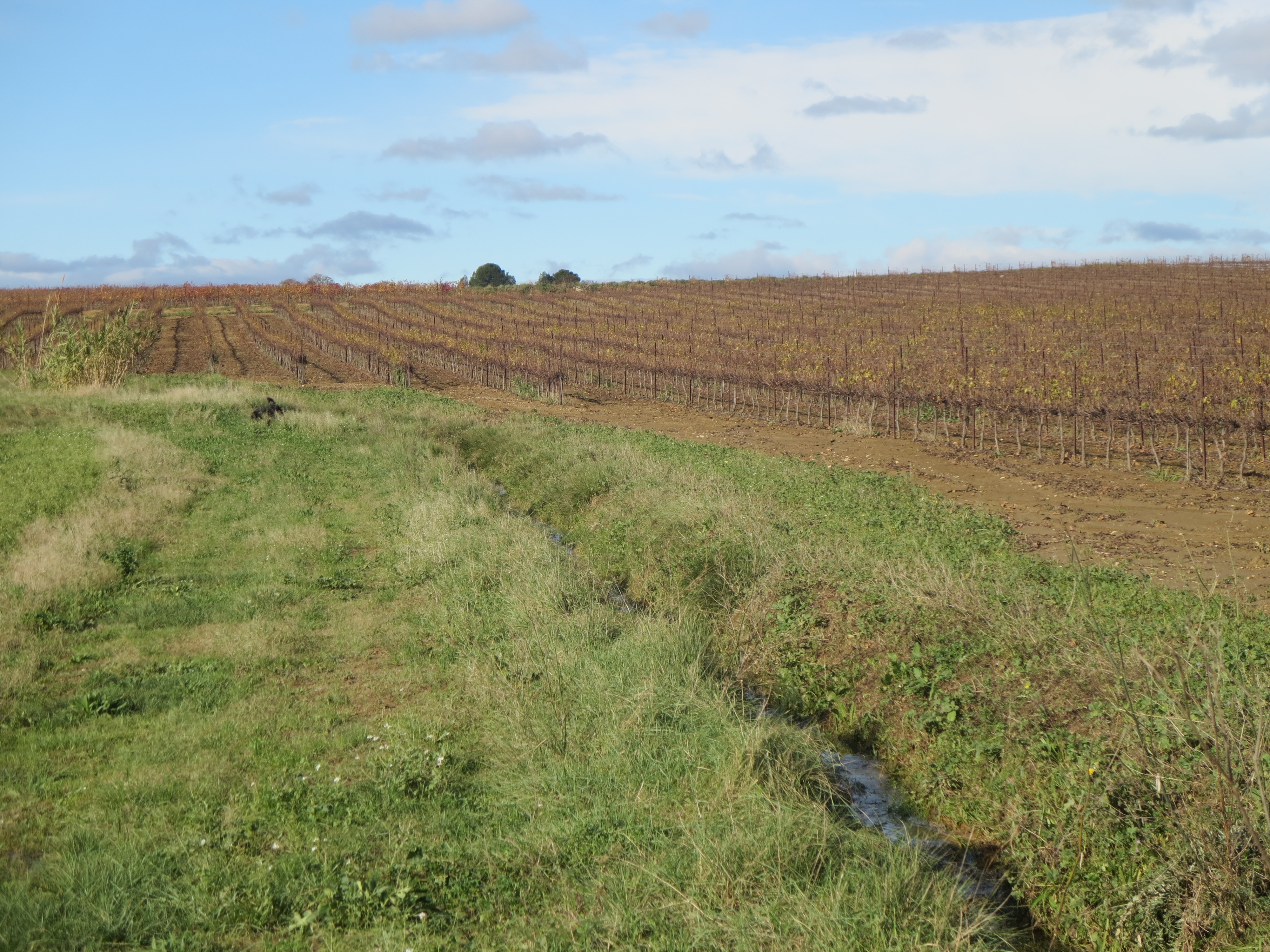
I posted this photo recently showing a contrast between the vineyard of Jeff Coutelou on the left, with grass growing between the vines and separating his vineyard from that of his neighbour who uses herbicides and chemicals which an organic producer does not want on his/her land.

I mention it again because as we travelled north last week to celebrate Christmas and New Year in the UK I was reminded of the clichéd but nonetheless relevant French word terroir. There is famously no direct English translation of the term, it means the soil but also the particular climate, aspect, position and subsoils of the vineyard. The French have said for years that terroir was what makes their wines special whereas New World wine producers were more willing to say that great wines come from great grapes and great winemakers, they often would call a wine by its variety, eg Cabernet Sauvignon or Chardonnay, rather than by where it came from. In recent years the argument appears to be won as Australia and other countries have begun to look to terroir to identify their best wines too.

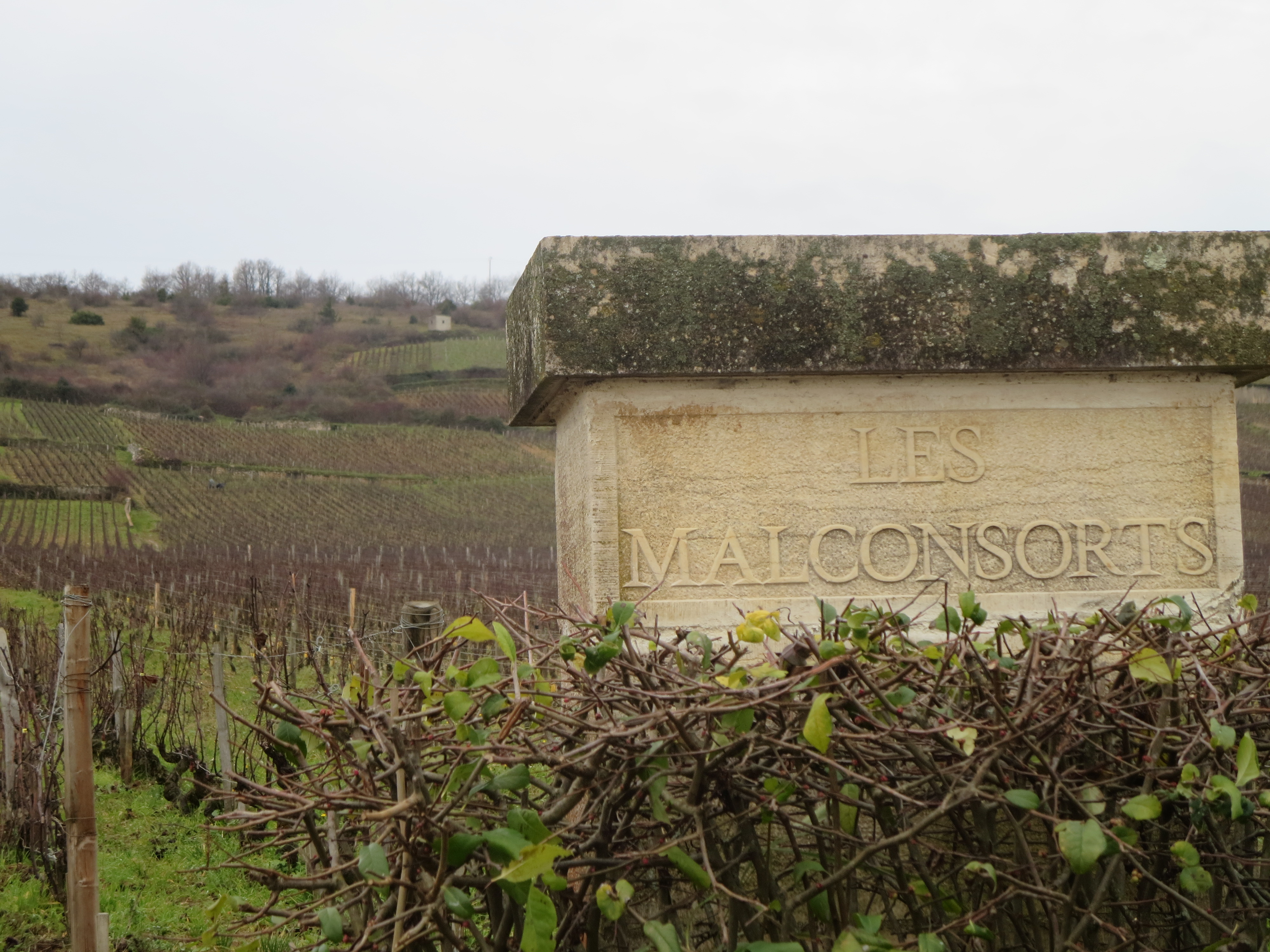
As I travelled through Burgundy last week the terroir issue sprang to mind. The region is made of many vineyards, of which large numbers are tiny and even they are (usually) divided between numerous winemakers. It is the region of terroir par excellence. The following photo shows Les Malconsorts a 1er Cru vineyard in Vosne Romanée. You can see different parcels of land clearly divided. Wines from one parcel will taste different to those from another. Terroir advocates will tell us that this is due to changes in soil, angle of the land facing the sun, drainage etc. Others would say it is more to do with the winemaker, the way s/he tends the soils and vines and how they work in the cellar.

005


007


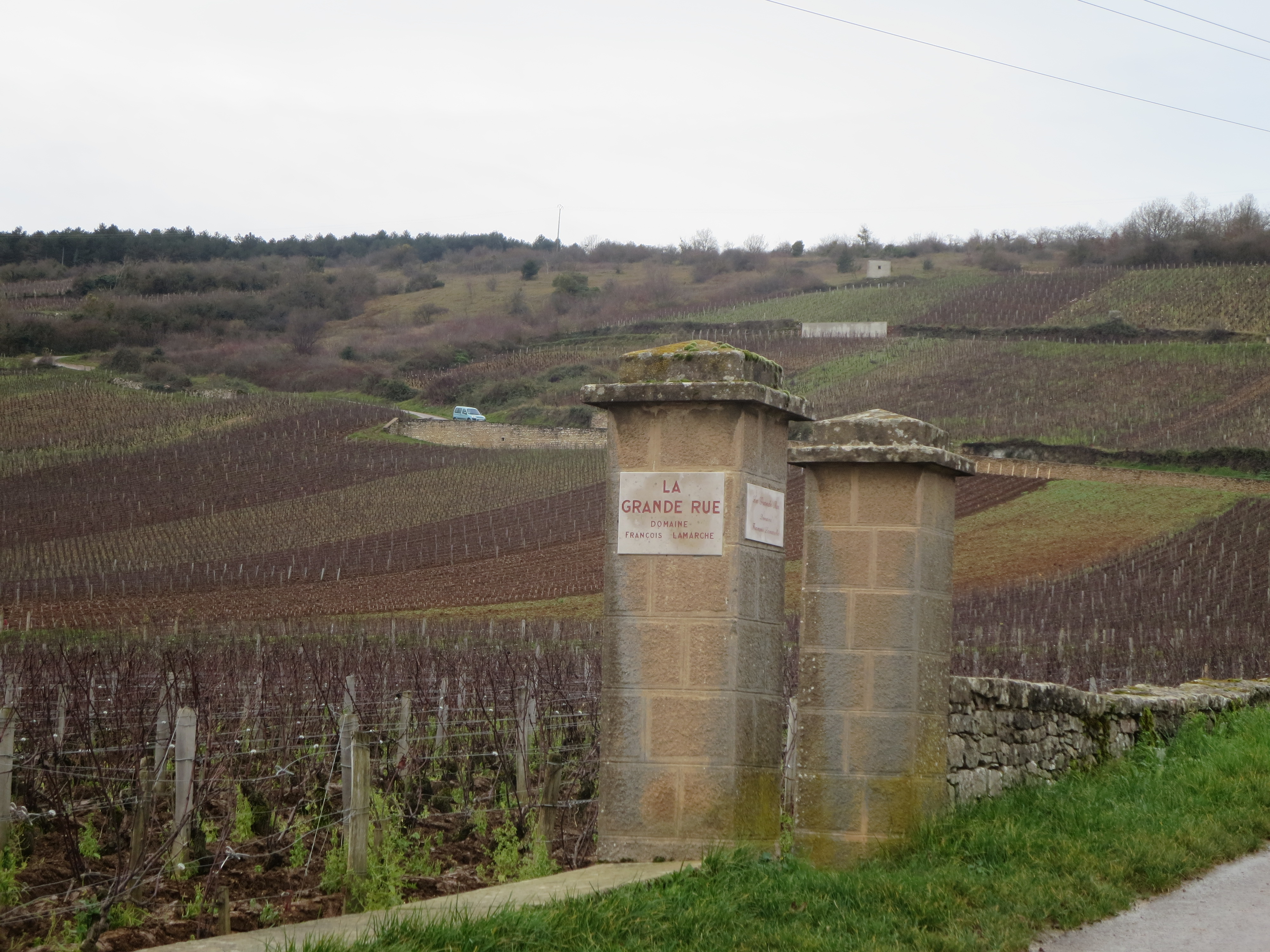
La Grande Rue is another Vosne Romanée vineyard but this time rated even higher at Grand Cru status. It is owned wholly by one estate and the wines cost well over £100 a bottle. Yet look a few metres to the side the wines are worth half of that as they are not Grande Rue. This is the price of terroir or is it the expertise of the producer Lamarche which merits that premium?

Clos Vougeot is a famous vineyard which has multiple producers working inside its walls. The prices vary from around £55 to £400 depending on the producer.

My take on it is that terroir is hugely important. Vineyards which are well looked after and have good climate, soils etc should produce good wine. However, a good winemaker has a role to play and can make average vineyards produce very good wine and good terroir into a memorable bottle.

Jamie Goode wrote this on the subject and sums it up very well in my opinion. I hope these photos might help to illustrate why.

“I reckon terroir deserves to remain at the heart of fine wine. It’s the soul of wine, and like the soul, it’s very hard to define, but that doesn’t stop it being of utmost importance.”

015

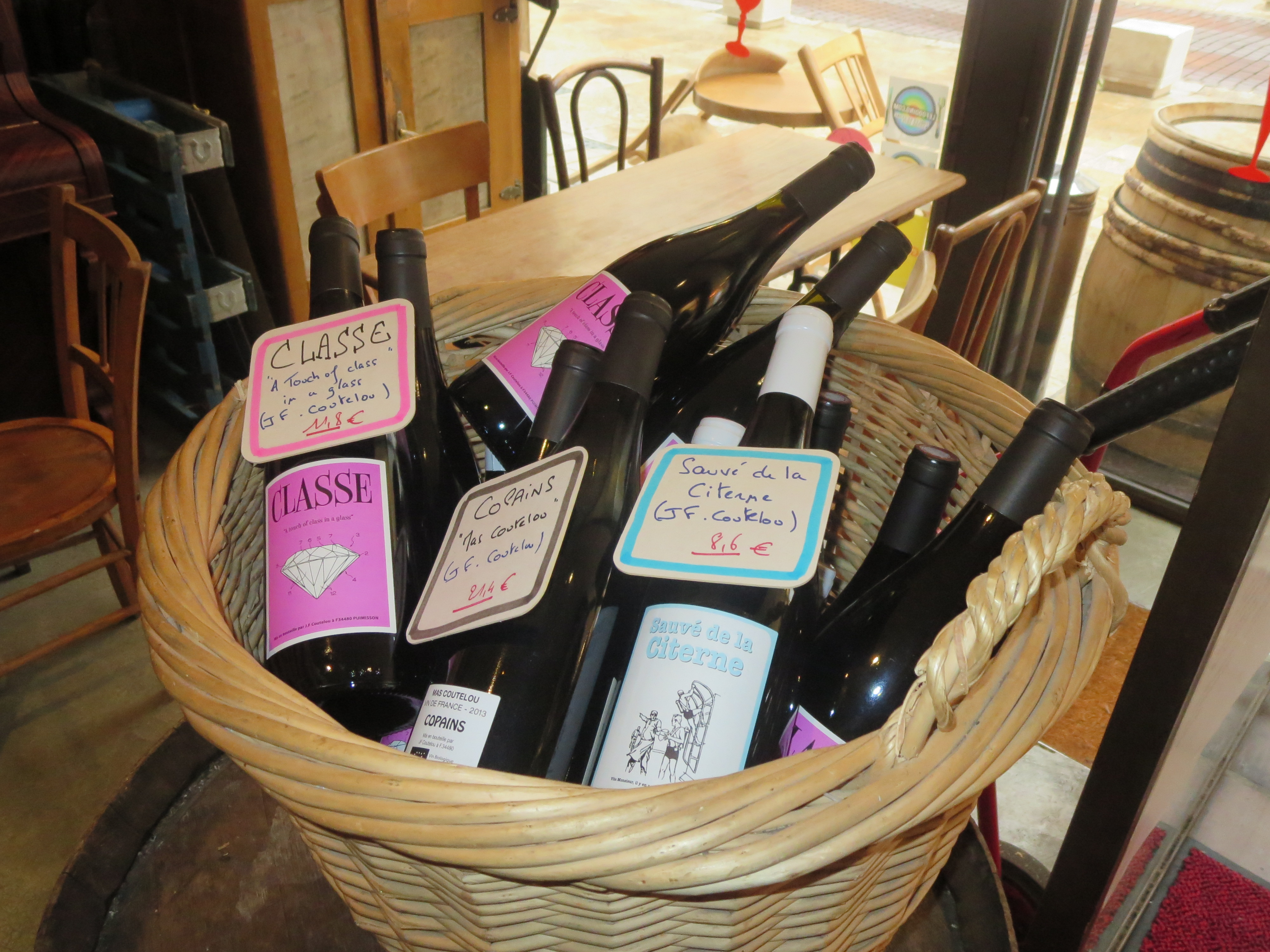
Jeff Coutelou works vineyards which are traditionally not in the best of places. The work done by his father and by himself has helped to hugely improve that terroir. Combined with great winemaking this is why his wines take pride of place, like this display I came across in a Troyes restaurant / wine bar last week.


6 Comments

Diversity and debate


cropped-130820120852.jpg

(Version française)


My last post about the organic control stirred up a few reactions from a number of people. I don’t set out to upset people but I recognise the debate about organic status. This website from Domaine du Garinet in the Lot summarises the debate quite well, have a look at what it says about viticulture.  Organic viticulture allows the use of some chemicals which many feel are damaging to soils and their ecosystem, eg the use of copper is allowed yet remains in the soil for many years and is damaging to potentially beneficial animals such as earthworms. Other winemakers feel that there are now alternative treatments which they can use which do less damage to the biodiversity of their vineyard but are not allowed by official organic certification.

Instead these winemakers use a system called lutte raisonnée or agriculture raisonnée. Jonathan Hesford runs Domaine Treloar in Trouillas, Roussillon with his wife Rachel using this approach. They make excellent wines across a wide range, white, red, rosé and different wines such as a Rivesaltes Muscat and a Rancio. I have visited the domaine several times and bought more in the UK and will continue to do so. Jonathan is one of a number of winemakers who have moved into the Languedoc Roussillon from outside the region and have brought new ideas and a fresh approach. Jonathan and Rachel lived within a few hundred metres of the World Trade Centre in September 2001 and witnessed 9/11. That shocking event influenced them to live differently. Wine study and time working in wineries in New Zealand (Rachel’s native country) gave them the confidence to establish their own domaine in Trouillas.


Jonathan and Rachel put as much dedication, thought and passion  into their wines as any winemaker. Jonathan was quick to point out  to me after my last post that many, if not most, artisanal  winemakers nowadays care about their terroir and minimise  chemical use, whether organic or not. Jonathan says, “My decisions are based on on what, scientifically, are best for the vines, the soils, the environment and me, the guy spraying. In many cases the organic product is more dangerous or more environmentally damaging that the synthetic product I have chosen.” He does not seek organic certification as he does not welcome the bureaucracy and feels it is often a marketing tool. I have spoken to other French winemakers recently who have said exactly the same thing. For further information on Jonathan’s approach look at his own website page.

The wines are testament to his skills and beliefs. They shine with the freshness which I love in wine and reflect the healthy fruit which he produces. Particular favourites from my visit in early November were the white La Terre Promise (Grenache Gris dominant) and the red Three Peaks (Grenache, Syrah, Mourvedre) but I can honestly recommend all the wines.

Mas Gabriel is run by Deborah and Peter Core an English couple. The domaine is based in Caux, not far from us and is run along organic and biodynamic practices. Their reasons for doing so are explained far better by themselves on their website than I could do so please have a look. There are many parallels with Jonathan and Rachel in that the Cores left successful jobs in a big city to follow a dream to be winemakers. Both Peter and Deborah studied winemaking in New Zealand and worked in wineries there and then in Bordeaux before settling in Caux.

It is interesting that despite similarities they took a different view about winemaking to Domaine Treloar by pursuing organic and biodynamic practices. Deborah and Peter spend many hours in their vines debudding them when necessary to allow more aeration and therefore less risk of humidity leading to mildew. They, like Jeff Coutelou, are allowed to use copper and sulphur but in fact use less than one third of the permitted level of copper, treating only when necessary. A recent survey by a botanist found over 40 plant varieties in their vineyards, a sign of health and diversity.

With Peter in the vines

With Peter in the vines

Again the proof of their hard work and passion is in the bottle. Mas Gabriel produce 4 wines, a white (Carignan Blanc dominated), rosé, and two reds. The white, Clos Des Papillons, is one of my favourite white wines from Languedoc Roussillon, dry with fruit and body it is a wine which makes you contemplate and smile as you drink it. The reds from 2012 and 2013 which I tasted during a visit at the end of October were also fresh and fruity yet contain complexity and depth. No doubt in my mind that the range of wines is all getting better and better, a testament to their growing skills and experience both in the cellar and in the vineyard.

So there we are, two excellent domaines. They all work incredibly hard and give everything they  have to produce the best, most healthy fruit from their soils. Yet in different ways. Both produce superb wines which I would strongly recommend without hesitation. Both have different views about the way to look after their terroir and I have compared them here for the sake of my debate about organic winemaking not in terms of quality. That would be unfair and impossible as they are two of my favourite domaines in France as my own wine collection would attest. Incidentally I say that not because of their English & New Zealand origins but because of the quality of their wines. I will be posting soon about some of the diversity of winemakers in the Languedoc Roussillon.
I attended a conference last Thursday where the famous vineyard analysts the Bourgignons (advisers to Romanée Conti amongst others) set out the chemical, geological and agricultural make up of healthy soil. Amongst the interesting points to emerge was that the vine takes over 90% of its needs from the air and about 6% from the soil but that 6% is what can make the difference in quality of a wine. It is certainly produced by passionate, artisanal producers. But is it best achieved through agriculture which is organic, biodynamic, natural or raisonnée? I have a lot still to learn.

IMG_0409


3 Comments

Delights and disappointments

Three months in Margon has given me the opportunity to taste and drink a lot of wines. I have frequently said that I don’t write good tasting notes but here are some producers whose wines I have enjoyed and a few that have been disappointing (to be kind to them).
Languedoc

  • Mas Coutelou – of course.
  • Mas Gabriel
  • Turner Pageot
  • Barral

Pic St Loup

  • Saint Daumary
  • Morties (red)
  • Moucheres (red)
  • Lancyre (white)

Corbieres

  • Pech Latt
  • Deux Anes

Fitou

  • Les Enfants Sauvages

Roussillon

  • Treloar
  • Clos Du Rouge Gorge
  • Les Arabesques

Gard

  • Clos Des Grillons

Burgundy

  • De La Choppe

Beaujolais

  • Guy Breton
  • JP Thévenet

Loire

  • Lemasson
  • Salmon

Disappointments

  • Peyre Rose
  • Montcalmes
  • Negly
  • Mas Belles Eaux