amarchinthevines

Learning about wine, vines and vignerons whilst living in the Languedoc


Leave a comment

Wine in a time of corona

It was in the first few months of writing this blog that I used the quotation of Louis Pasteur, “Wine is the most healthful and most hygienic of beverages”. It’s a saying which has sprung frequently to mind in recent days as we enter a period unprecedented in my lifetime. The COVID19 pandemic has closed down the world in a way few of us could possibly have foreseen when we celebrated New Year just 12 weeks ago, hoping that this year would be better than the last!

Icare enjoying the Spring

Jeff Coutelou has been in touch to report that he is trying to do all he can in his vineyards, the problem being that in a time of lockdown he is on his own and with 11ha of vines to tend facing a heavy workload. First priorities have been a light ploughing and time spent amongst the newly planted vines to ensure they start life in Puimisson healthily. He reported that being in the vines was a pleasure because of the sheer peace and quiet with traffic virtually non existent. As he prunes the vines later than many budding is in its very earliest stage.

Budding on March 25th 2016

Others in the region have reported an early budding and, frost forecasts bring nervous times. I saw photos of Burgundy lighting their braziers amongst the vines to try and ward off frost damage. Fortunately Jeff’s vine management means that is not a concern at present though the ‘Saints de Glace’* are still almost two months away.

Meanwhile here in the UK there has been a huge demand for alcohol, part of the panic buying we have unfortunately seen as lockdown approached. Bigger merchants such as The Wine Society have shut down, Majestic’s website could not cope and supermarket shelves have been cleared regularly. To be fair the supermarkets have restocked quickly. Smaller merchants face a precarious time, needing turnover to stay in business. I ordered a case from Buonvino based in Settle who I have used before and wanted to support again. I debated whether I was being fair on delivery drivers expected to put themselves at risk but I decided to go ahead. As I unpacked the bottles and washed them down I had to admit to not having noticed the names of some bottles from South African producer Testalonga. Stay Brave, Keep On Punching and I Wish I Was A Ninja were three bottles, maybe I was sending an unconscious message!

Jancis Robinson has published a list of merchants around the world prepared to deliver. The Three Wine Men have done the same thing for the UK here. I buy regularly, almost exclusively in fact, from independent merchants and I hope that many of you will give them a browse at least.

Whatever you are doing in the next few weeks, wherever you are please stay healthy, stay at home and stay safe.

* Saints De Glace refers to a period in mid May which is traditionally the final days where frost is a risk for plants. It was named after the three saints of the days, which in 2020 are May 11-13, Mamert, Pancrace and Servais.
1 Comment

Seeds

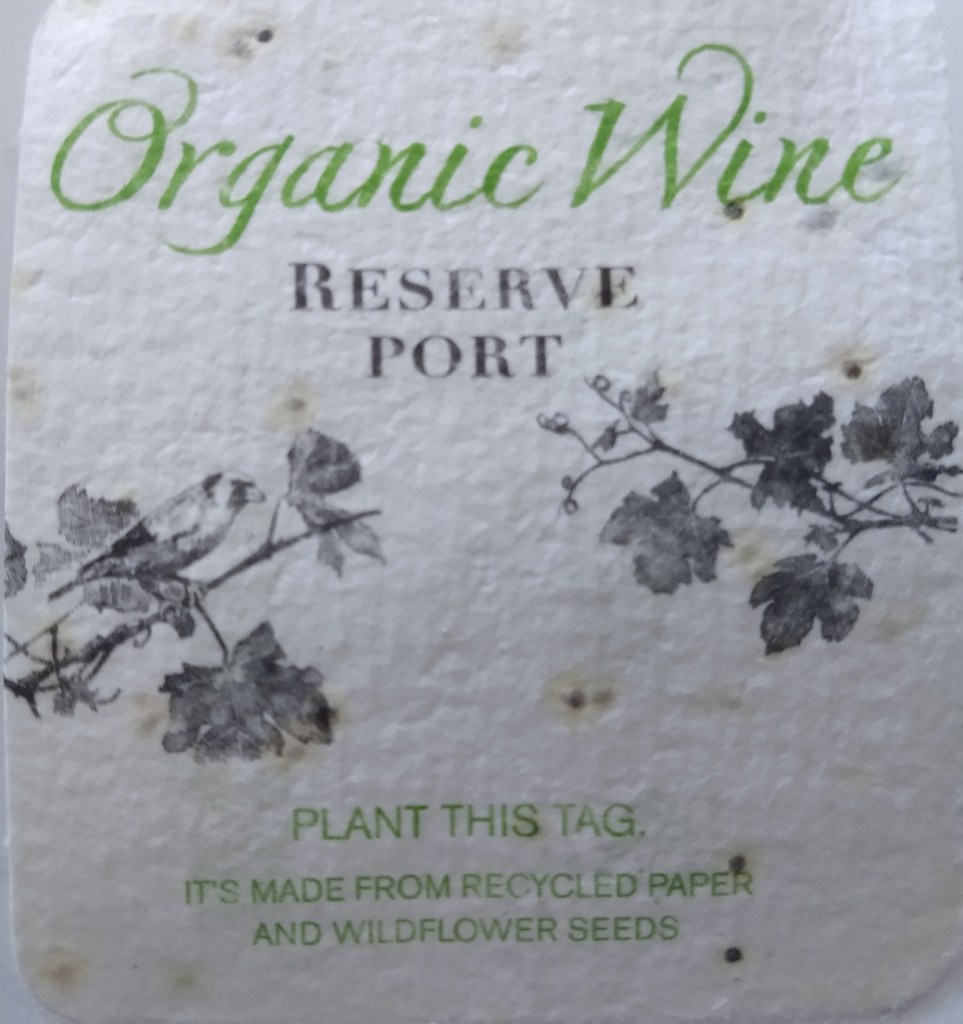
Seeds impregnated into the label

The subject of global warming should never be far from our minds. Extreme weather episodes and the massive fires in Australia over the last few months mean that it is a topic always in the news. Though we recycle, look to cut consumption of oil and plastics the world finds itself at a tipping point as people in lesser developed areas demand the same as we in the West have enjoyed for years. It is difficult not to be gloomy as politicians tinker rather than fix, whilst others deny the scientific evidence.

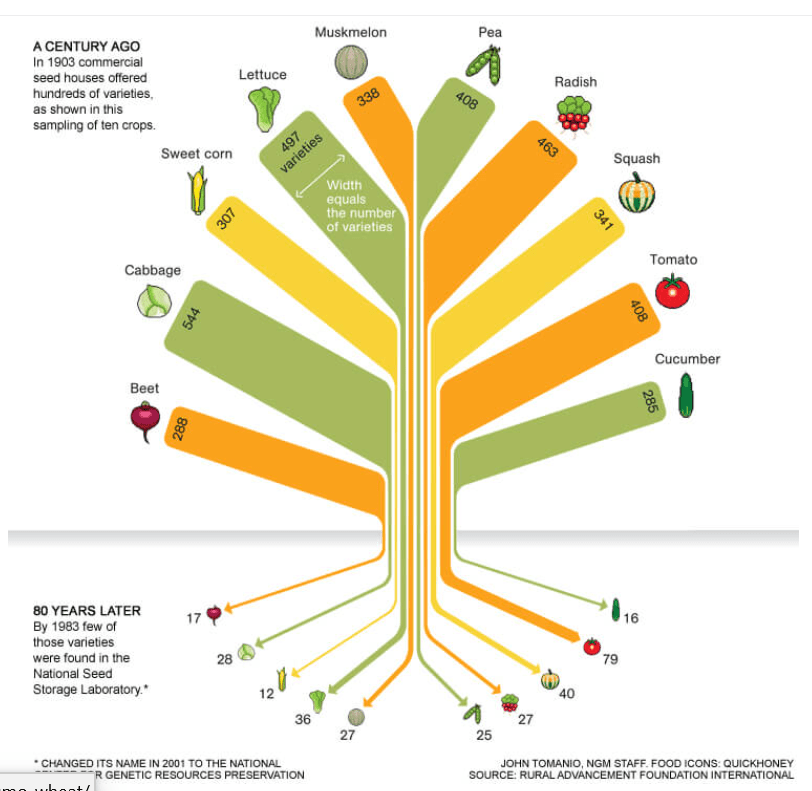
In the wine world there are a number of issues which need to be addressed regarding its contribution to the problems. Shipping wine across the world in heavy glass bottles, the use of pesticides and power are two factors to be faced. I also came across this chart which stopped me in my tracks.

In viticulture the concentration on a few grape varieties internationally is part of the same process. One reason why I have been so interested in the work of many to rediscover and plant older varieties, to diversify vineyards and offer more choice to the consumer. I have written many times about the work of Jeff Coutelou and how he has dozens of grape varieties, some very rare, how he plants fruit trees, shrubs and flowers to offer a more diverse plant life in the surrounding region of monoculture.

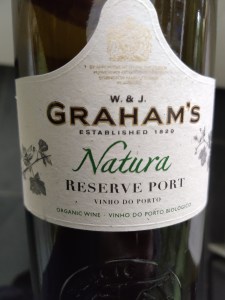
I also was given a port at Christmas, Graham’s Natura, which offered another opportunity. This new organic port, which was very good, had a collar with seeds integrated within, which the consumer can plant. An interesting, admittedly minor, idea. That Graham’s are producing an organic port is another step in the right direction, my visit to the Douro last year revealed a dearth of such production in one of the wine world’s great regions. Fonseca’s Terra Prima is the only other I know of.

As I said these are small steps at the start of a marathon race to combat the global crisis and bigger obstacles remain such as those I outlined above. We must find an alternative to heavy bottles, ways of reducing power and water usage and many other problematic issues. I don’t have the solutions but we need to be raising the debate.

On the subject of the Australian fires I heard from my friend James Madden in the Basket Range area of the Adelaide Hills that a couple of the vineyards he sources grapes from were damaged by fires but fortunately no more and has found other grapes. These will be harvested from Thursday to make the new vintage of his winery which has been renamed Scintilla Wines. Time for a UK importer to get busy!


Leave a comment

Grapes galore and Galet

Happy New Year to readers, we shall see what 2020 brings. Hopefully more excellent wines like those I described in my last posts on wines of the year.

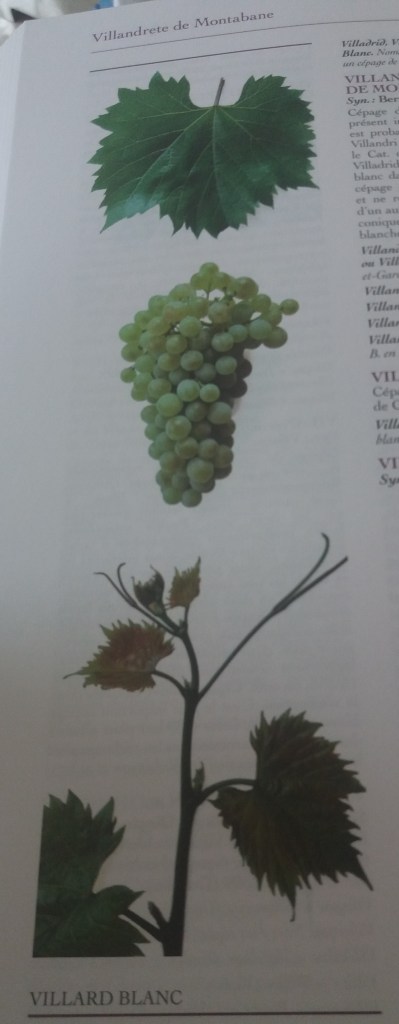
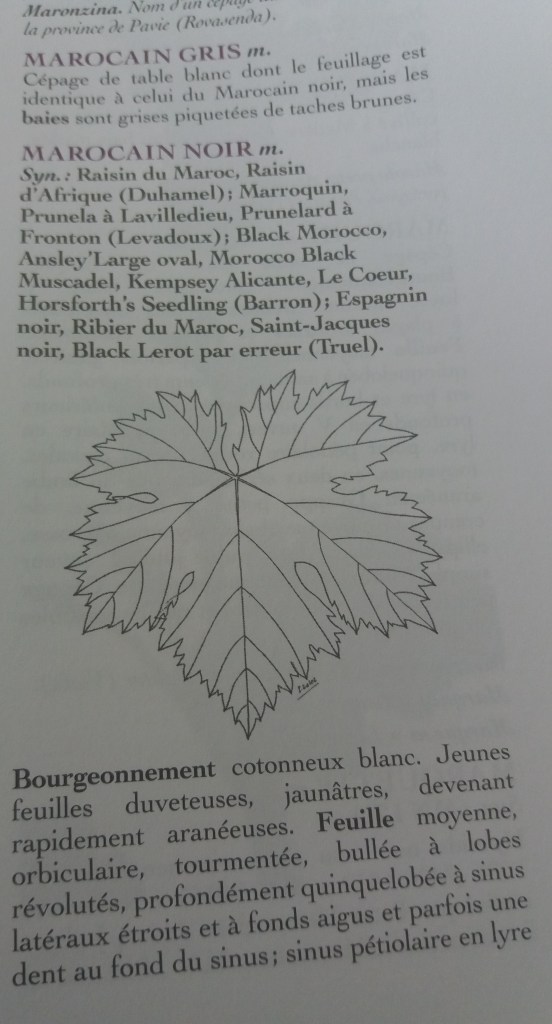
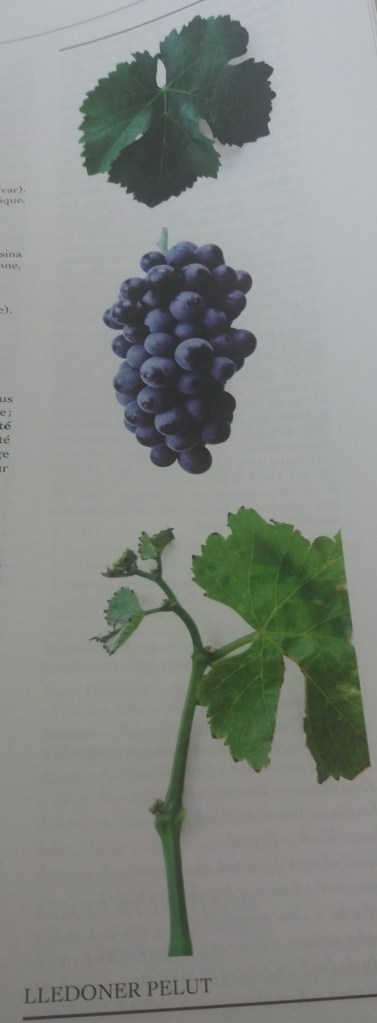
The last year ended with one piece of sad news with the death of Pierre Galet on December 31st. Galet was the authority on grapes and ampelography. He pioneered means of identifying grape varieties, encouraged the collection and conservation of vines and wrote extensively on them. His Dictionnaire encyclopédique des cépages is authoritative and an endless source of information and fascination for me. Galet’s work will go on through his studies and students, a man who enhanced the world.

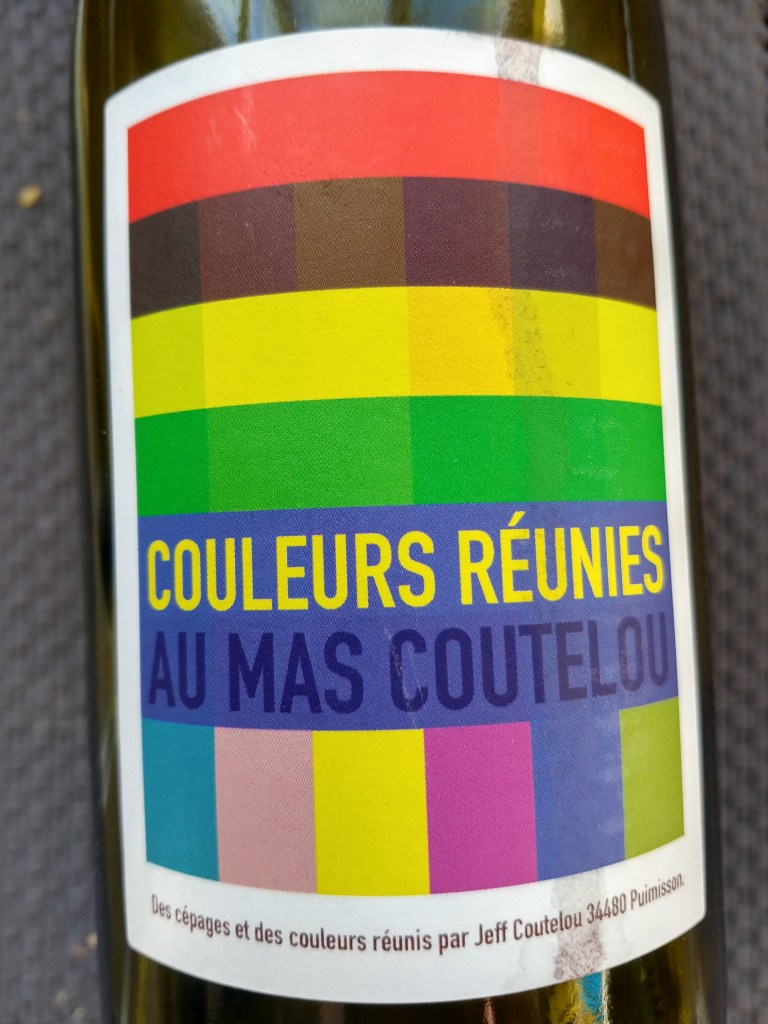
Appropriately I took delivery of a new Coutelou wine produced in 2018. It is made up of the many varieties which are planted in the Flower Power vineyard, Font D’Oulette. These include Clairette Musquée (originally the Hungarian Org Tokosi), Delizia Di Vaprio, Aramon Gris amongst the twenty plus varieties, red and white, planted in the parcel. The 2018 vintage was much reduced by the mildew outbreak across the region and this vineyard produced very small quantities, eight cases in total from a parcel of more than half a hectare in area. Consequently Jeff added two more varieties to the mix, Carignan and Castets from Peilhan vineyard to bulk out the quantities. Castets is another rare variety, only recently added to the list of permitted grapes in Bordeaux having almost completely vanished from wine production only ten years ago.

The resulting wine is bottled as Couleurs Réunies and has a most attractive label reflecting that name. The wine itself is youthful, a rich purple in colour with huge black fruit flavours and fresh acidity. It is lovely now but will keep for a few years. A triumph from a very difficult vintage, which is producing excellent wines despite the problems.

Grenache on the left

And, so, to my last recommended wine from 2019. I promised that I would include one Coutelou wine and though I enjoyed many, many great bottles I finally chose, ironically, a single variety wine. That wine is Mise De Printemps Grenache. Made for early drinking I enjoyed this wine through the year, its red label meaning it was the wine I drank to celebrate Liverpool’s Champions League triumph for example. Lovely red fruits, soft and with a lovely cherry finish. A true vin de plaisir.


4 Comments

2018 wine favourites

P1030312

With James and Flo at Little Things winery


As the new year began (and I wish you all a very happy and healthy one) I spent some time thinking back over wine related pleasures of 2018 as well as my favourite wines of the year.

TL – Barossa, BL – Nelson, NZ, R- Cloudy Bay

The trip to Australia and New Zealand was the highlight, visiting wine regions and wineries that had long interested me, indeed even got me interested in the wine, the Barossa and Marlborough for example. Wineries such as Cloudy Bay were part of my formative wine learning so it was a pleasure to actually be there in person.

The true highlight, however, was the days we spent in the Adelaide Hills with James Madden and his family. James was part of the 2016 team for the vendanges with Jeff Coutelou and now has his own winery in the Basket Range which I wrote about at the time. The immediate success he has made there with his excellent SO2 free wines and the community of winemakers he is part of there were inspirational. More about them in my wine choices.

                        James with James Erskine of Jauma, TR – barrels at Gentle Folk,                                                   BR – Basket Range vines

Vendanges was also a highlight of course, as ever. It was short this year because of the damage wreaked by mildew but the experience was enjoyable as always.

I read a few wine books through the year. I enjoyed ‘The Dirty Guide To Wine’ by Alice Feiring and Pascaline Lepeltier (who I was delighted to hear had been chosen as best sommelier in France this year, she visited Mas Coutelou a few years ago). I am very much looking forward to ‘Flawless’ by Jamie Goode which looks at wine flaws and faults, something which interests me greatly. However, my favourite book was The Amber Revolution by Simon J. Woolf. I must declare an interest as I helped to crowdfund the book but, bias apart, this is an excellent read. Simon examines the history of orange wine, the tradition of it in Georgia and Slovenia in particular and its recent renaissance led by producers such as Radikon and Gravner. The Amber Revolution is well written, flowing with stories and history and enriched by excellent photographs. Highly recommended.

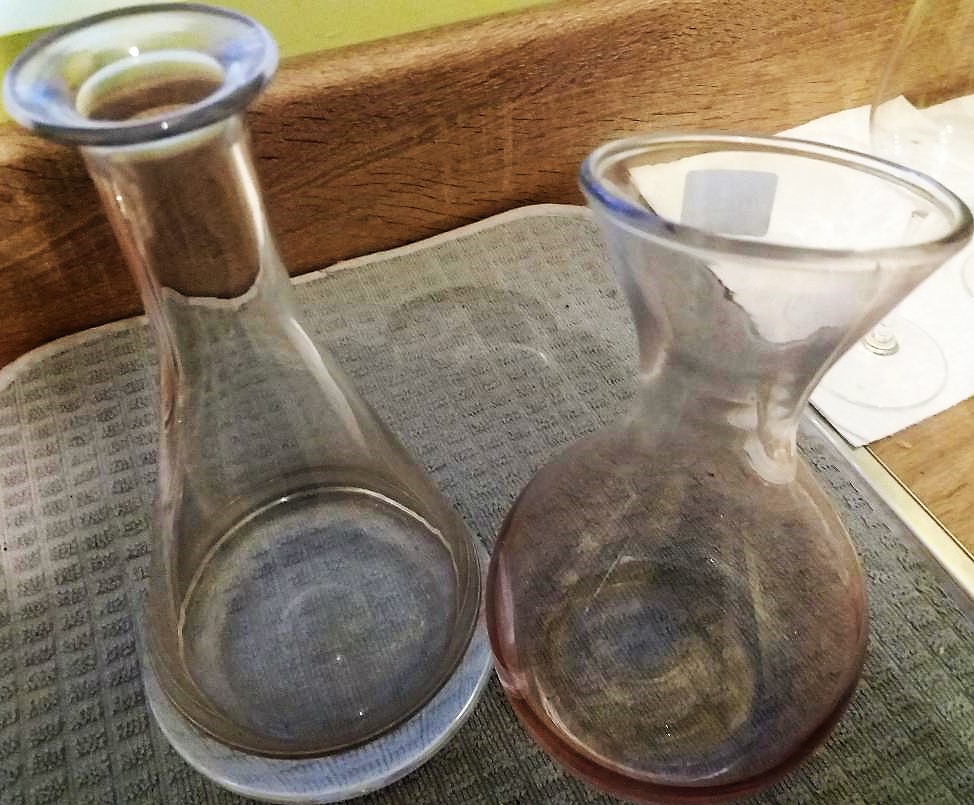
I have tried all sorts of wine objects over the years. Ironically the one which I use and like the most is a simple decanter. Increasingly I find that a few minutes in the decanter opens up wines. Some natural wines in particular, and they are the major part of what I drink these days, just need a little air to blow off reductive aromas as some are made by minimising oxygen contact because they do not have SO2 to protect them as an antioxidant. White and orange wines as well as red seem to benefit from time in the decanter. It became common to decry this very traditional wine object as being simply for show. I am now a convinced decanter fan.

decanters

My decanters

Funniest wine moment. A photo that Veronique Attard of Mas Coris posted on Facebook. It shows a wine described as vegan but look at the recommendation for food to accompany it.

vegan wine

Wines? Well that is for next time.


Leave a comment

A Tour Down Under, Queensland

After the busy city, time to relax with a trip to the Whitsunday Islands off the Queensland coast at the southern edge of the Great Barrier Reef. Hamilton Island is a holiday resort essentially, famed for its exclusive residences used by the rich and famous as well as its family hotels. Island visitors are well catered for with restaurants, shops, beaches and pools. To get around the small island golf buggies can be hired as no cars are allowed. The system runs like a well oiled machine.

P1030922

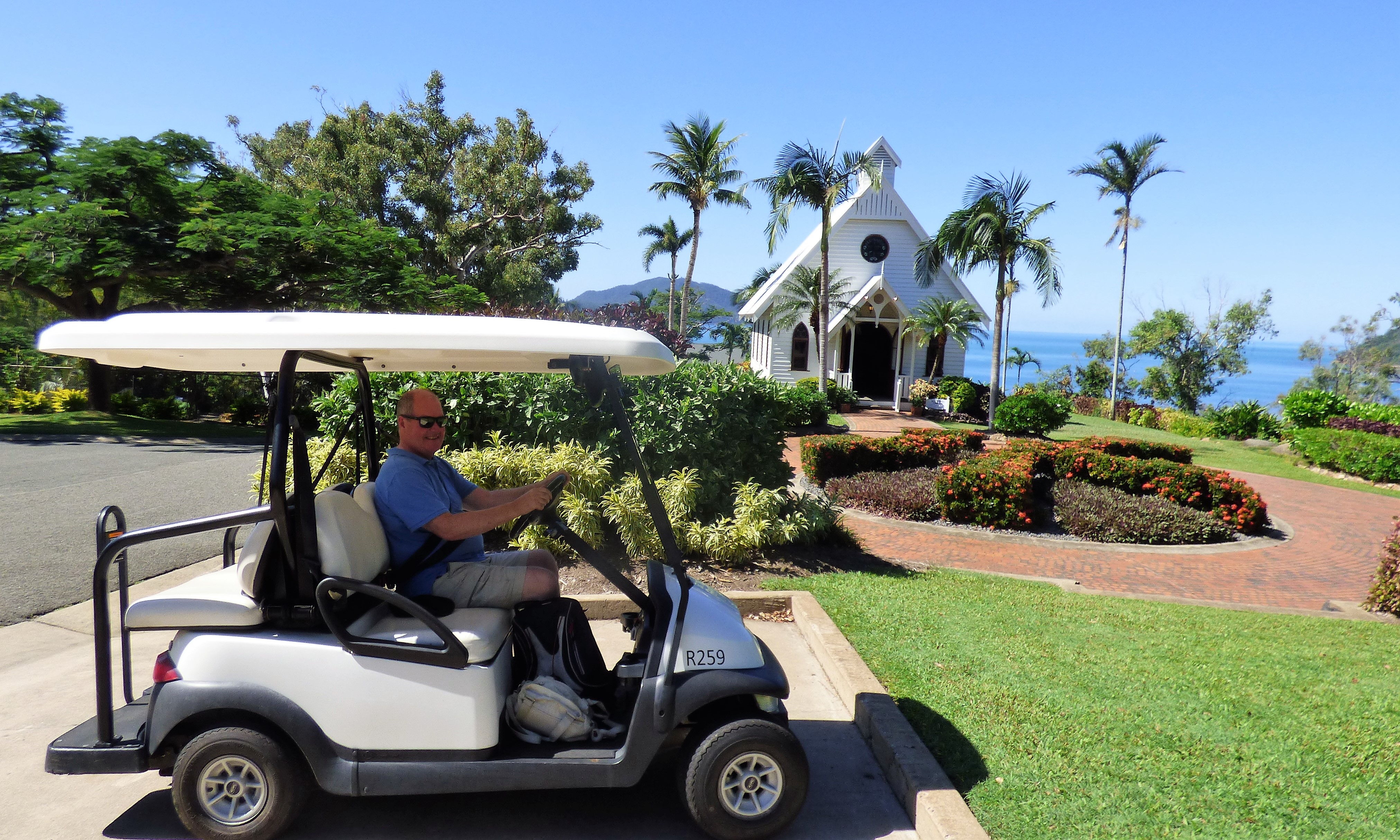
Buggy driver outside the church

As well as relaxing in the warm sunshine we made two day trips. The second was to Whitehaven Beach on the largest of the 74 islands, Whitsunday itself. The beach is a shining white colour, the sand is almost pure silica and has a fine flour like texture. The waters are clear and a beautiful colour.

However, star of the visit was the day snorkelling on the Reef itself, notable Bait Reef. I had never snorkelled before but I took to it, well, like a duck to water. I wasn’t sure what to expect from the Reef, whatever expectations I had were surpassed a thousand times over. The magnificent colours of the coral and the fish lit up the ocean. The Reef here was badly damaged by Cyclone Debbie in April 2017 and yet, though some parts died off others were showing signs of recovery with beautiful blue, pink, yellow coral sprouting along with many other colours too.

                          Waves breaking on the coral reef and fish around the boat

Apparently 10% of the Earth’s fish species live on the Reef and it was impossible to keep track of the dozens of species I saw. However, two stood out. A blue spotted ray darted along the seabed and then, as we were returning to the boat I saw a black outline against the white sand. It could only be a shark from its shape but it took a while for me to get my head round that. It sat for a couple of minutes and then turned and swam straight towards me which made my heart skip a beat. It swam right under me and it was a few minutes I shall never forget. I was told by our guide that it was a white tipped reef shark, it was magnificent.

                    Butterfly fish, blue spotted ray and the white tipped reef shark

Then to Brisbane for the final few days of the trip. The city is dominated by the river of the same name, free ferries and buses help the traveller to get around easily. The beautiful botanic gardens sheltered a variety of birds, water dragons and beautiful plants, trees and flowers.


Strangely some of the better wines from shops and bars of the whole 2 months were experienced here in Queensland. The bottle shop on Hamilton Island carried good wines such as O’Leary Walker‘s Polish Hill Riesling, D’Arenberg‘s Custodian Grenache and the interesting Toru blend of Gewurztraminer, Riesling and Pinot Gris from Te Whare Ra in Marlborough. All very good. From another bottle shop in Brisbane I secured an old favourite in Coldstream Hills Pinot Noir 2016. I hadn’t tried this since James Halliday gave up the domaine but it proved to be as good, refreshing and fruity as it always was.

At the Silver Fox Wine Bar in Brisbane though came a real treat. We ordered an orange wine from the Barossa Valley and the sommelier advised me to try the Old Vines Grenache from the same producer Kalleske. It was excellent advice. The orange wine, Viognier, had aromas of, well, oranges. Lavender too. It was delicious with tangy zesty fruit and lovely texture. One of the most interesting orange wines I have come across. The old vines Grenache was concentrated black and red fruit delight too. Unlike many reds I have tried here it was full but also light, not jammy, not over oaked. When I looked up the producer online I found that it is a biodynamic domaine in the Barossa, I was not surprised. There was a real energy and finesse to these two wines and I will be seeking out more of them if I can find them in the UK.

So, some good wines to finish and some of the most memorable of experiences too. Australia and New Zealand, thank you.


2 Comments

A Tour Down Under, Melbourne

P1030417

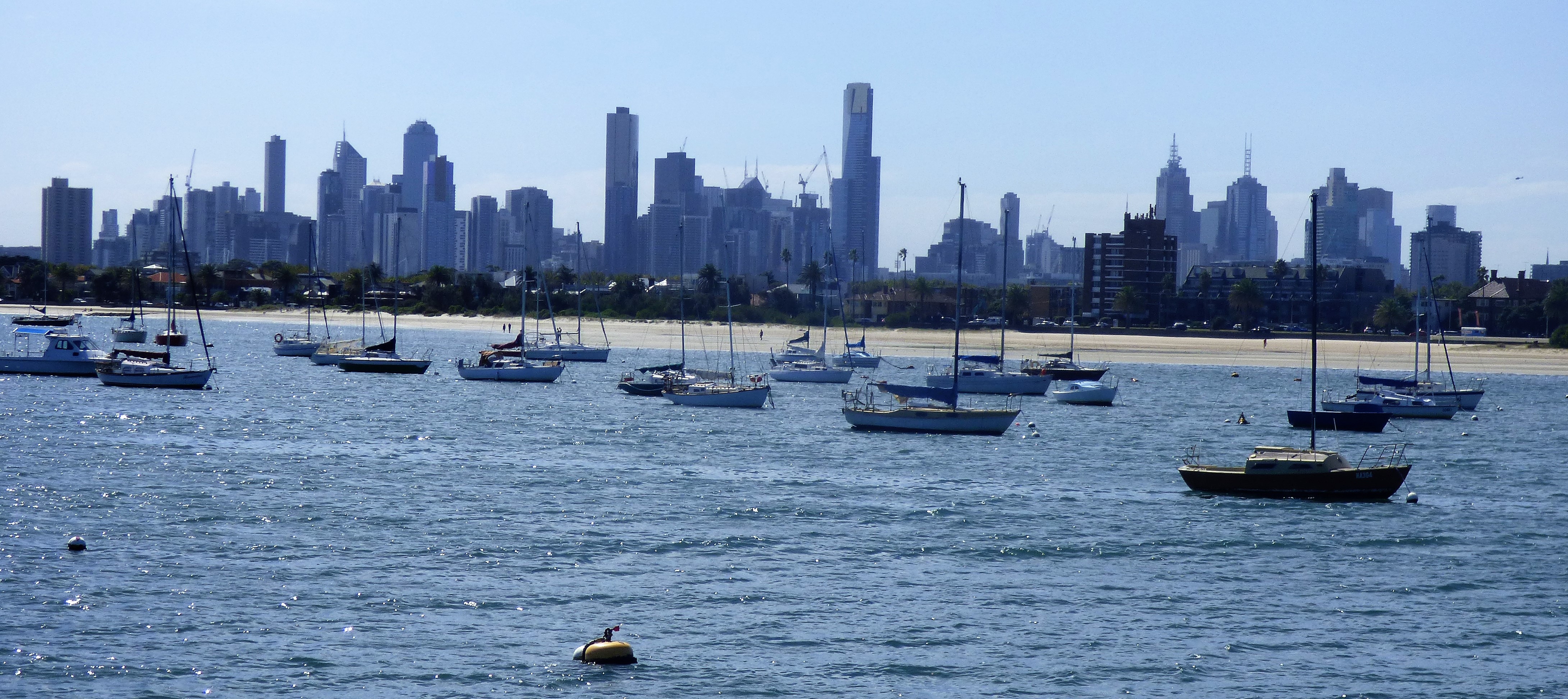
Melbourne from St. Kilda beachfront

From the Adelaide Hills we drove through the Grampian region and along the Great Ocean Road. The wildlife and the scenery were spectacular, from a mob of kangaroos coming into town in Halls Gap to the huge surf on the coast via the geological attractions of The Apostles and others. Little towns such as Anglesea and Lorne were attractive and afforded great food and drink, fresh, locally sourced, often organic and full of flavour. It was a few days of rich reward.

And then on to Melbourne. First experience was hairy returning the hire car with traffic problems, roadworks by the dozen and turning right by heading left I was ready for something to restore my soul. And it duly arrived. We went to The Lincoln pub first night as our friend Howard Stamp is chef there.

Howard is a long time pal of James Madden and came to Jeff’s for a couple of weeks in 2016. He fed us royally and we were delighted to meet up again for lunch with him at the excellent Tipo 00 Italian restaurant a few days later. Go to both if you’re in town. I’d recommend Rice, Paper Scissors if you want to sample Asian food, a fabulous experience.

Melbourne is distinctively mulitcultural and all the better for it. Asian, Aboriginal and European cultures sit side by side and, from this visitor’s viewpoint, they rubbed along very well indeed. There is so much to see and do, from the lovely sands of beach area St. Kilda to the museums, art deco shopping Lanes and cathedral.

I must mention the Melbourne Cricket Ground though, a must see for cricket fans like myself. The sports museum in the MCG was also excellent. We also took a tour to Phillips Island to watch the Little Penguins come to spend the night ashore, a memorable evening. I read whilst I was there that Melbourne has been described as the world’s best city for coffee drinkers and I would endorse that, I enjoyed some excellent cups.

Melbourne has a thriving wine scene too, wine bars abound, often serving food too. There is a real enthusiasm for natural wines and places such as Embla, Sun Moth, The French Saloon and Kirk’s Bar are just some that we experienced and enjoyed. The food looked good in all of these though we ate only in Sun Moth and enjoyed it too. There is a taste for European wines, Coutelou was available in Embla as well as The Lincoln, I saw Fanny Sabre’s Burgundy in Sun Moth and lots of familiar names from Italy, Austria and Spain. However, I was eager to try some Australian wines and especially from the local region. The Yarra Valley and Mornington Peninsula are close to Melbourne and, in hindsight, we should have spent a night in the Yarra before giving up the car.

Familiar natural producers in the region include Patrick Sullivan but there were many new names. Basket Range Wine is a traditional producer but sons Sholto and Louis Broderick are introducing natural methods to the range including the very good Backstroke, a juicy blend of Pinot Noir and Cabernet Sauvignon. I was lucky enough to meet Sholto in The Lincoln and look forward to following his career. Bobar was the other Yarra natural wine I tasted, again in The Lincoln. Their Gamma Ray was Gamay and Cabernet Franc and truly delicious, light but full flavoured, very easy to drink. I would definitely seek out their wines.

Other natural wines I drank:

  • from Tasmania came a light, fresh blend of 3 Pinots (Noir, Gris and Meunier) made by Brian winemakers, one of whom is a wine writer
  • from Margaret River, Western Australia, Sam Vinciullo‘s Red, a blend of Merlot and Cabernet Sauvignon
  • more examples from Gentle Folk and Jauma in the Adelaide Hills including a lovely Chenin Blanc from the latter.

Less natural to my taste but still enjoyable:

  • from Barossa, Les Fruits Occitan red, made up of Languedoc varieties
  • from the Yarra Valley Luke Lambert‘s beautiful, pure Chardonnay which was a true treat, one of the best examples of Chardonnay I have enjoyed in a long time
  • from the Yarra I also enjoyed Jamsheed‘s well made Wandin Sauvignon Blanc,
  • from Polish Hill in the Clare Valley an interesting, bright blend of Barbera and Nebbiolo from Unico Zelo called Truffle Hound

Melbourne is a thriving city, growing by up to 100,000 people a year apparently. Busy but relaxed, there was a lot more to discover in the suburbs such as north Fitzroy but time to move across the water to New Zealand. However, I will not forget Melbourne and its friendly welcome.


7 Comments

Alsace

P1020407

View from Sigolsheim Nécropole over Grand Cru vineyards

When I first started to develop my passion for wine it was the books of English writer Oz Clarke which guided my tastes and my visits to the wine regions of France. I recall an evocative piece he wrote about sitting in the Nécropole, the military cemetery, of Sigolsheim in the Haut-Rhin department of Alsace. The view from this hill over the vineyards showed him how the Grand Cru sites corresponded to their position on the slopes. I visited the cemetery (of men who died in the Colmar pocket battle in World War 2) again last week and Clarke’s words came clearly to mind.

During my 5 days in Alsace I was to taste wines from all over the region, from its vineyards on the plains and the Grand Cru sites. For some years I was unconvinced by the true premium of those sites but my recent experience suggested to me that vignerons are now truly extracting the best from these vineyards and that there is a real jump in quality. I am sure that is not true of all of them but certainly the wines I tasted supported Clarke’s opinion back in the 1990s.

20170514_125820

Two favourite grapes from Alsace, Riesling and Pinot Noir, both by Trimbach

One other main development from previous experiences in Alsace was how much drier the wines are being made. There was always a sweetness to many wines but producers seem to have realised that consumers were confused by the different levels of dry, medium and sweetness in bottles which appeared to be of similar wine. It was noticeable that some wine lists even listed some wines such as Gewurztraminer as ‘sucré’ (sweeter). I found this a welcome consistency.

Finally the other main development for me was the improvement in wines from Pinot Blanc and Pinot Noir. The Blancs were often simply neutral, lacking real character and flavour. I tasted a number last week which showed real white fruit flavours and a floral, attractive aroma. Similarly the green, thin Pinot Noirs I remember from a few years back are generally now replaced by red fruit, more body and very pleasurable drinking.

The region is arguably the most attractive in France and I do love it. Towns and villages full of colourful, beamed houses, storks nests and often overlooked by castles. The vineyards can be precipitous, alarming slopes falling down to the villages. Machines would find it impossible to operate on some of them, these slopes need careful manual attention.

And yet..

Despite the many positives of Alsace wines it was disappointing to see so much use of herbicides, chemical sprays etc. I saw 3 spraying machines in use and every one operated by a vigneron dressed in plastic suits and masks to (rightly) protect them, these were clearly powerful chemicals being used.

Fortunately I was able to visit some of those who work in more environmentally friendly ways and I shall describe those visits next time.


7 Comments

Decanter’s first natural wine tasting

decanter logo

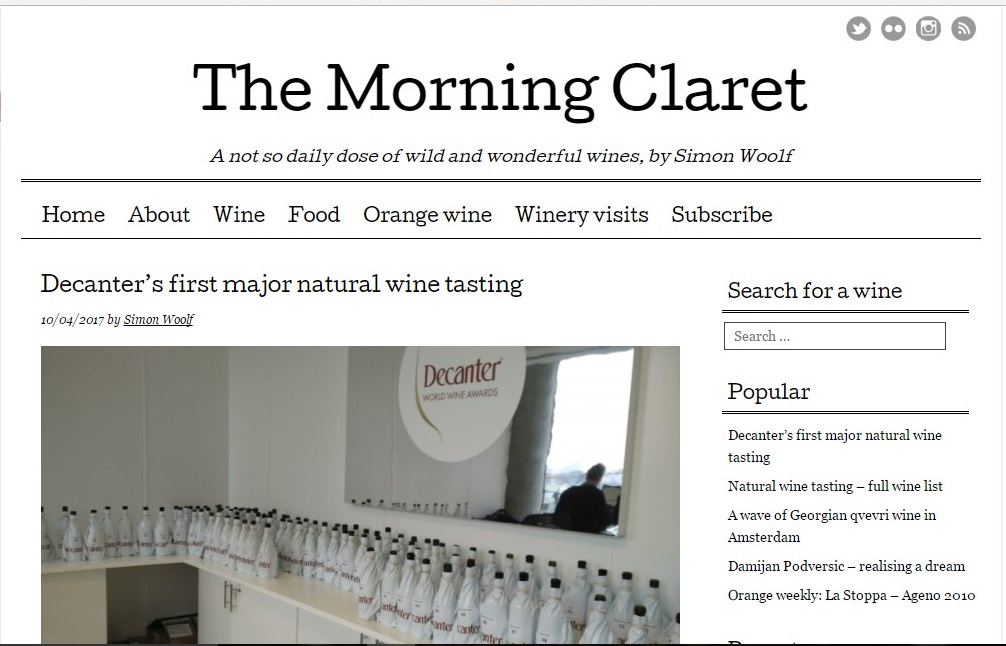
A sign of acceptance in the mainstream wine world? Decanter magazine held its first tasting of natural wines recently. Simon Woolf, Andrew Jefford and Sarah Jane Evans were charged with the tasting and I think that is a very fair minded trio of experienced tasters.

The first issue they faced was how to classify a selection of natural wines and Simon explained on his very good blog themorningclaret.com how they adopted the rules of RAW, the natural wine fairs organised by Isabelle Legeron. That means organic/biodynamic production (preferably certified), hand harvesting, no modern techniques such as reverse osmosis, no fining or filtration and no cultured yeasts. Of course the issue of sulphites was central to discussion, as it so often is, and RAW’s rules allow up to 70mg/l so this tasting allowed the same. When I attended and reported on RAW this spring I made it clear that I view this as too high but that was the rule laid down here.

Decanter tasting

122 wines were tasted mainly based on bottles provided by UK retailers. Interestingly, and inevitably, the three tasters produced very different results. Being a Decanter tasting they were required to give marks (which I increasingly dislike) but the comments and selections are well worth reading. The results and top ten wines for each of the tasters is available on Simon’s blog here along with a link for a pdf of the Decanter article. The full list of wines tasted is here.

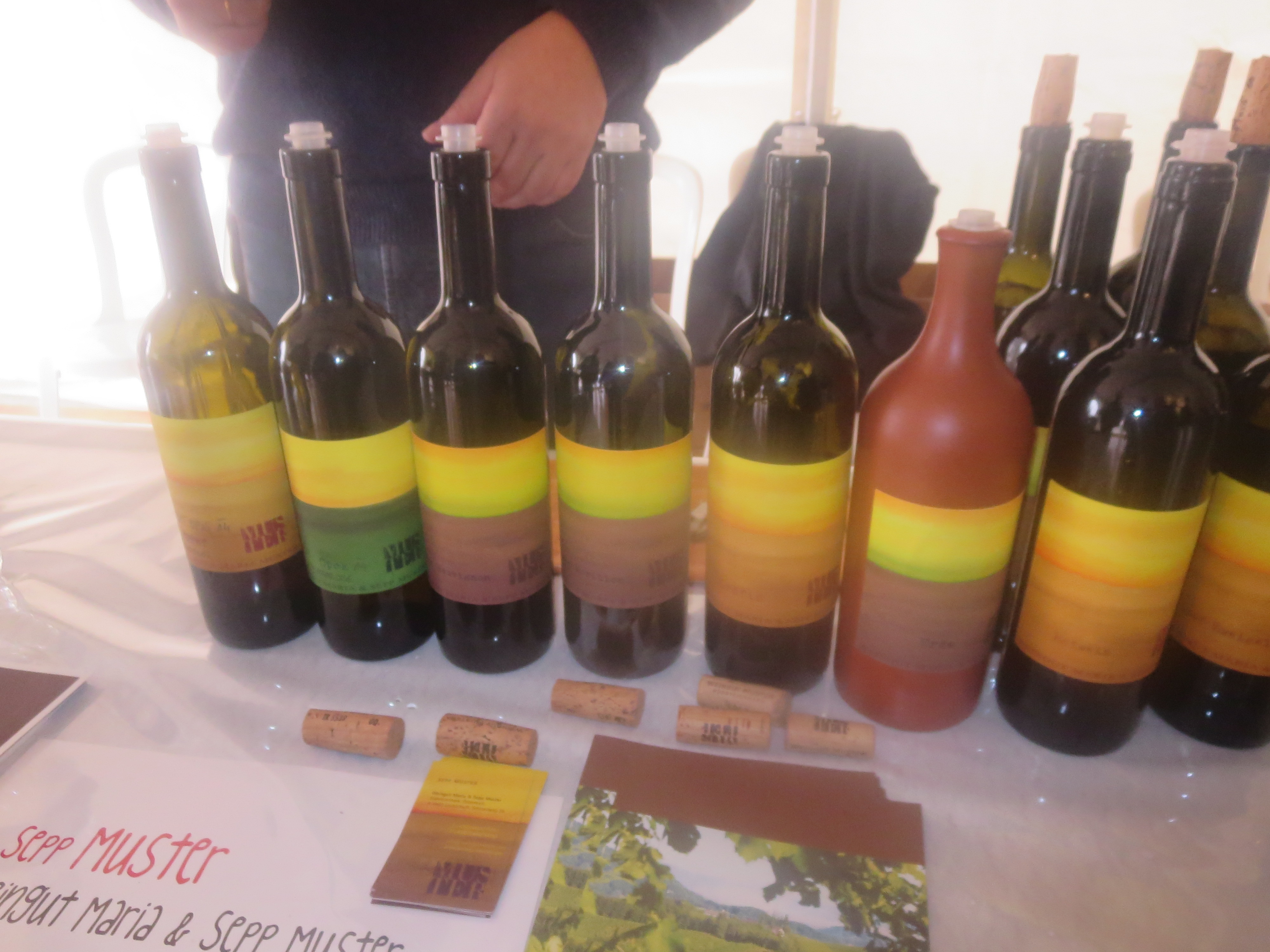
I have obviously been drinking too much wine as I know the vast majority of these 122 bottles. Their top wine turned out to be La Stoppa’s Ageno 2011 and I have praised this domaine before as well as that wine, so no argument from me. My own views would differ from all three but that is the nature of tasting (and why marks make little sense to me). Kreydenweiss, COS, Occhipinti, Haywire, Meinklang, Muster, Sainte-Croix and Testalonga are all firm favourites of mine so, in fact, I would agree with many of the selections.

download

I highlight this event because I think it is a landmark in that a very conservative magazine (I didn’t renew my subscription many years ago because of its very traditional bias) has brought natural wine on board. I believe natural wine should be willing to accept constructive criticism from such fair minded critics and so this is an important step in the right direction.

Also worth noting is the sheer spread of producers from all corners of the globe, natural wine is not going away it is growing in popularity with consumers and producers. Note too that some big producers are making  versions of natural wine, a trend mentioned on these pages before. Whilst I personally may not regard them too sympathetically at least it is a sign that the philosophy behind natural wine is winning support.

So, well done Decanter, and Simon Woolf in particular, for promoting this tasting.

IMG_3368

Wonderful wines which definitely pass muster with me


2 Comments

What’s in a bottle?

spanish bottles

Version francaise

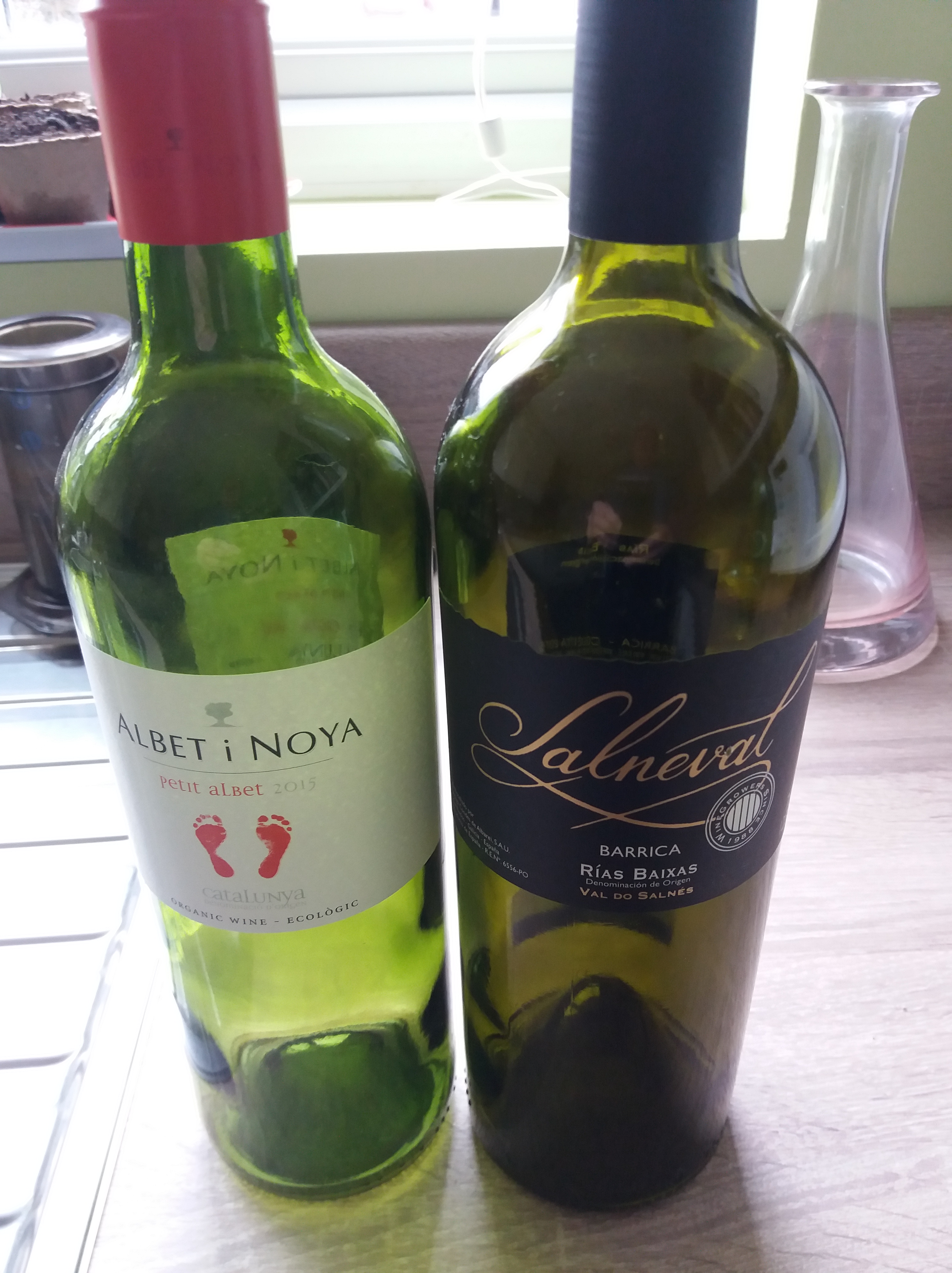
Two bottles of wine from Spain. Both enjoyable to drink without setting the world alight. So what makes them worth a blog post?

The answer lies in the empty bottles. The Albet i Noya was a typical bottle, nothing unusual. Until I opened the other, a wine recommended from Lidl’s Easter range. The bottle was so heavy, so unusually heavy, that I decided to weigh it. 747g was the result, compared to 427g for the other bottle which is about average for others I weighed. (This involved huge sacrifice in drinking wines, I do hope you appreciate that. As well as slightly obsessive behaviour!).

In other words, 2 bottles of the Albarino weigh roughly the same as 3 more regular bottles. In terms of shipping and the environment that must come at a cost. The more serious point I am making is that whilst we campaign for environmental awareness in terms of vineyard practice we should also be aware of the environmental cost of the finished product. In this case there was no good reason for a heavy bottle, it was not sparkling wine under pressure which would require thicker glass. No doubt thousands of these bottles were transported around, using up extra fuel and creating more emissions.

I liked the wine but I would not buy another bottle because I think I am paying for unnecessary packaging. Unnecessary damage too for my pocket and the earth. There is simply too much cost involved, time to take a stand.


2 Comments

Sorry Pasteur, you were wrong

Version française 

Two years ago I wrote an article whose title was a quote by my historical hero Louis Pasteur, “Wine is the most healthful and most hygienic of beverages.” Well my recent visit to the Languedoc gave me cause to doubt that Pasteur was wrong, in at least half of his statement.

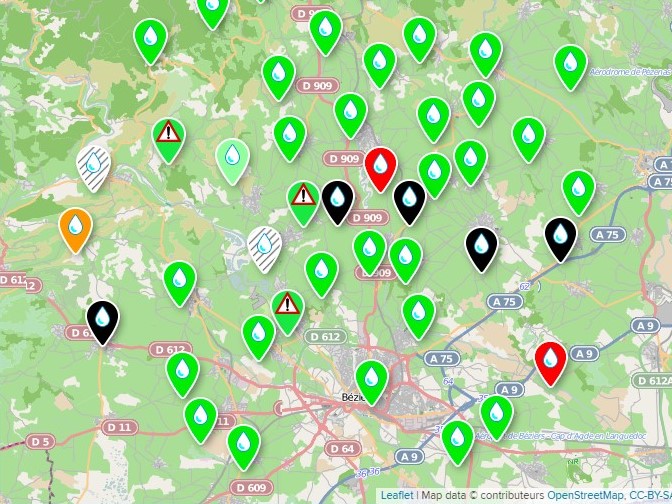
A friend (Chris) drew my attention to a website showing the quality of water in every commune throughout France. The results for the area of the Hérault centred around Puimisson, Puissalicon, Espondeilhan and Thézan-lès-Béziers showed that they along with other communes in the area have poor quality drinking water.

herault

So why is that? Simply put it is agricultural pollutants and in this area what that means is pollutants from vineyards. In particular it means pesticides getting into the drinking water.

puimisson

The area is full of vineyards, mostly managed under a régime of chemical intervention. Weedkillers, herbicides, fertilisers are all used to ensure maximum yields as vignerons are paid by the quantity of grapes they produce, though they do have to respect the maximum yields permitted by, for example, AOP regulations. Unfortunately when it rains, and it often rains very hard in the Hérault, the chemicals are often washed from the vineyards onto the surrounding roads and into the drains and sewers.

I was talking to an Italian vigneron in January and he was telling me that, as an organic producer, he was shocked at the last vendanges. His lovely grapes were growing on vines which had already begun to shed their leaves or were changing colour as the energy of the plant had been channelled into the fruit rather than the leaves. He felt somewhat embarrassed as his neighbours’ vines were pristine, bright green and laden with grapes. That was the result of the chemicals and nitrates sprayed on to those vines, whereas his were treated only with organic tisanes.

p1010061

That is the same experience which I have observed in the area around Mas Coutelou. Jeff’s vineyards are surrounded in the main by conventionally tended vines. I remember him telling me as we stood in Rec D’Oulette (the Carignan vineyard) to look around at the bright green sea of vines with his own vines looking rather tired in comparison.

Well, the chemicals which make the greenery and heavy crops are polluting the water. The drinking water of the very place where the vignerons and their families live. When Pasteur spoke about wine being healthy and hygienic he was speaking at a time when most drinking water was polluted, even untreated. He was right, wine was healthier and cleaner than the water. And now, ironically, it is wine production which is making the water of ‘very bad quality’. Nevermind the 100+ additives which are legally allowed into wine, the wine is also a pollutant. That is why I challenge Pasteur’s claim.

img_0785

I am amazed that this report created so little reaction, surely the very water which nourishes the vines and slakes the thirst of wine producers should be be safe to drink? At what cost are we producing wine unless producers take more seriously the effects of their farming methods. And you wonder why I prefer to drink mainly organic and natural wines?