amarchinthevines

Learning about wine, vines and vignerons whilst living in the Languedoc


2 Comments

Vendanges Diaries #6 – Mystery, Mourvedre and Flambadou

Mourvedre 17th

Version française

The storms which brought so much rain to Puimisson and the Languedoc on Saturday meant that there would be no picking on Monday or Tuesday the 14th and 15th.
IMG_2457

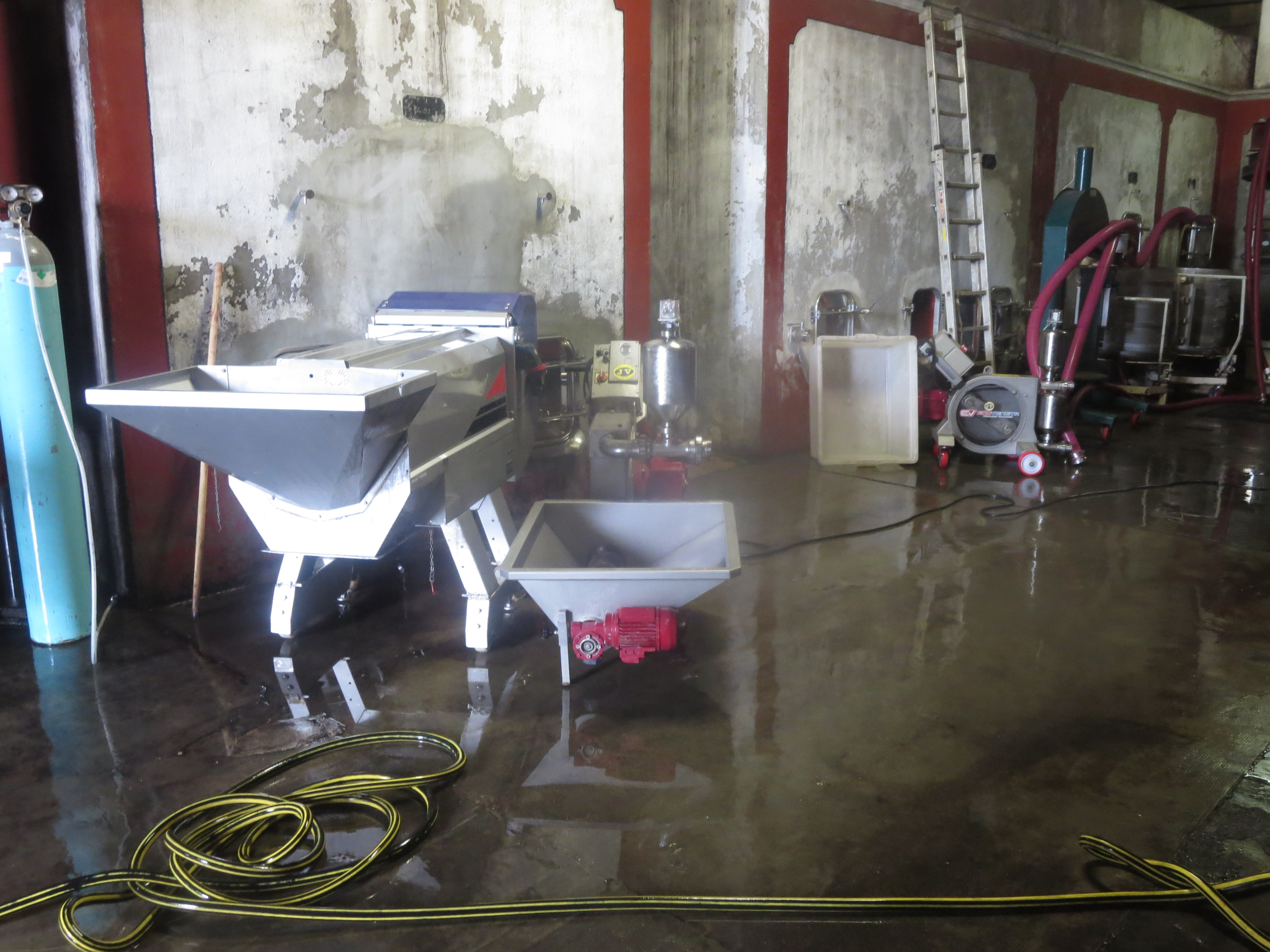
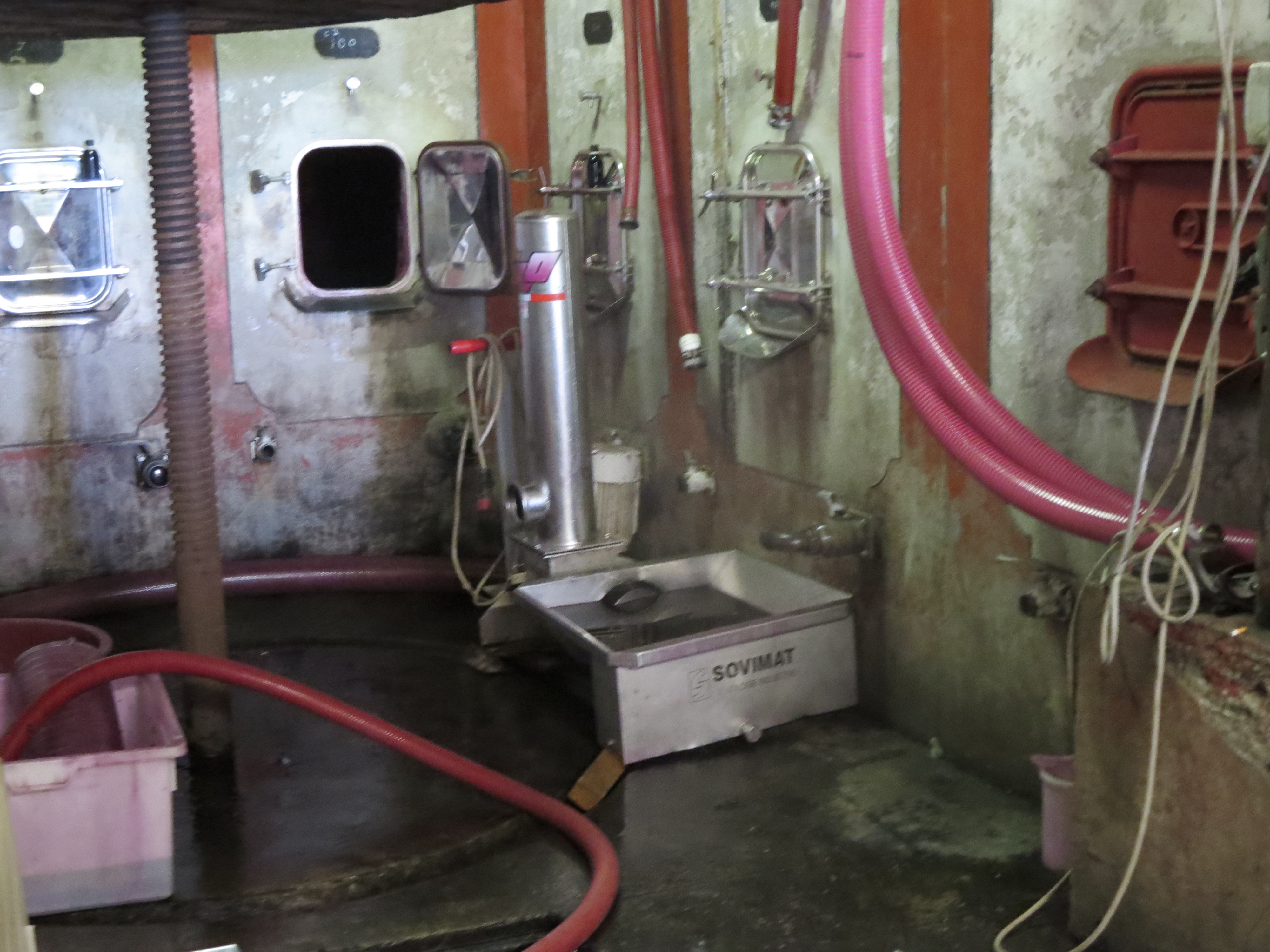
             Preparations for cellar work

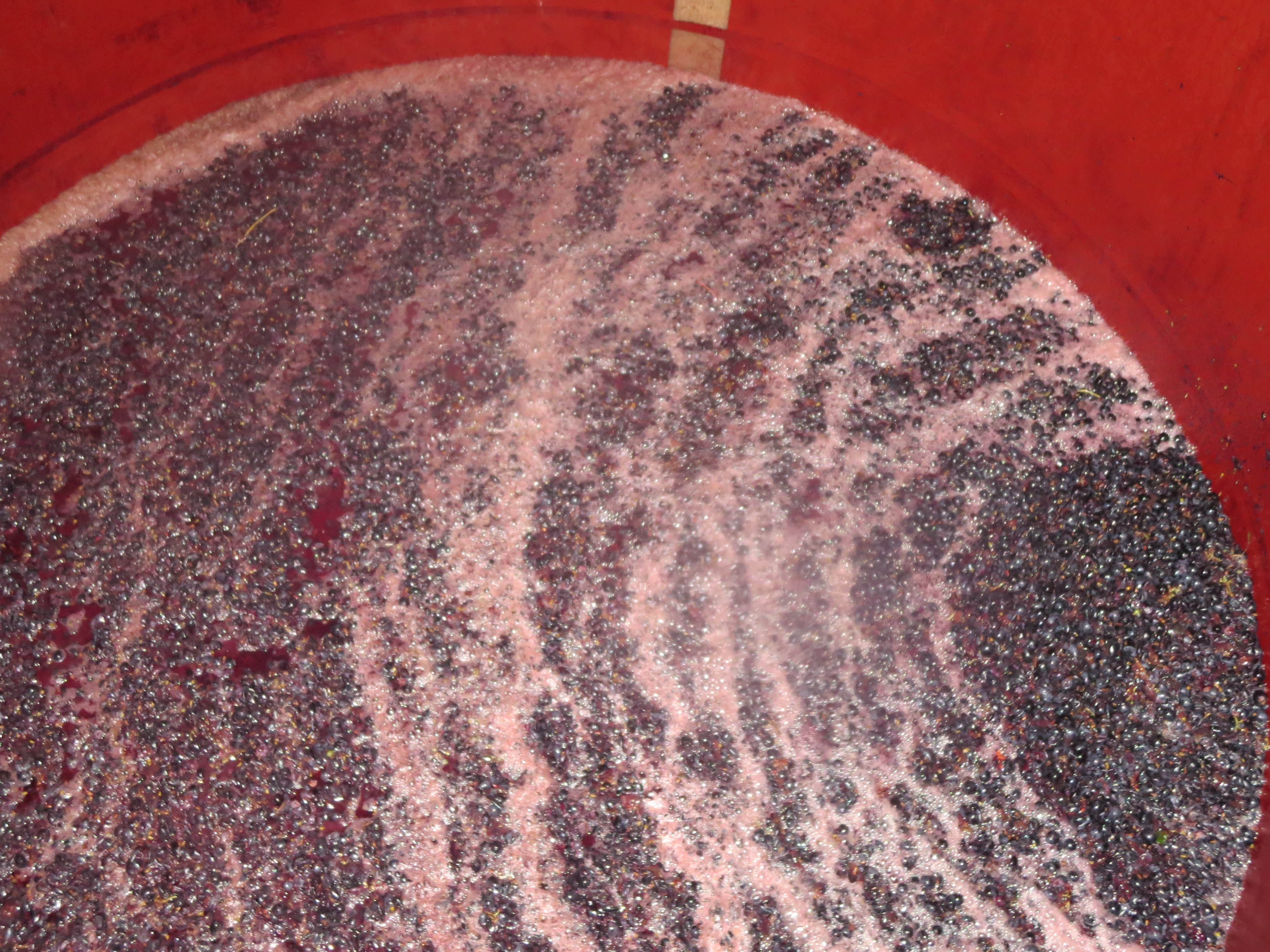
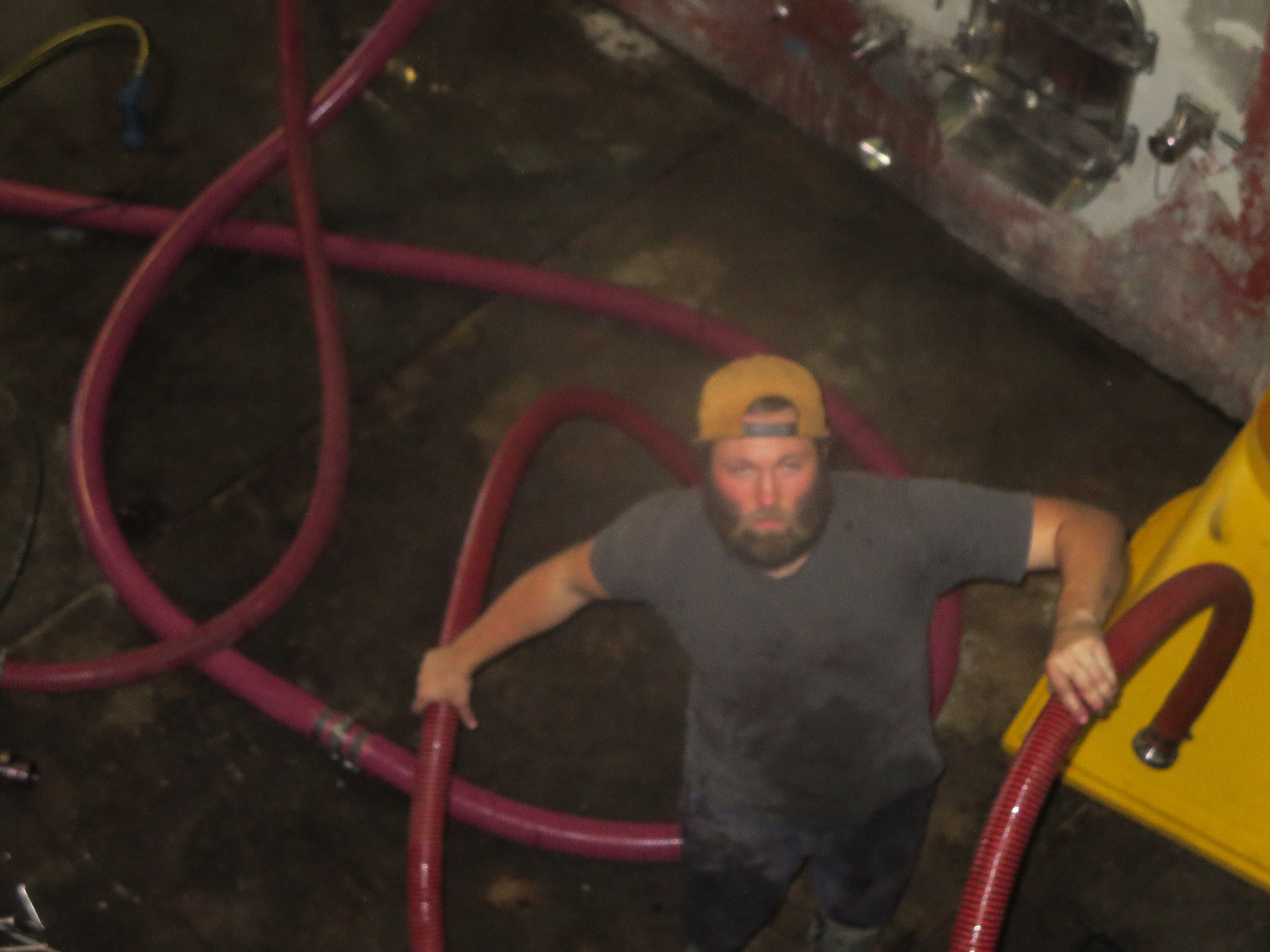
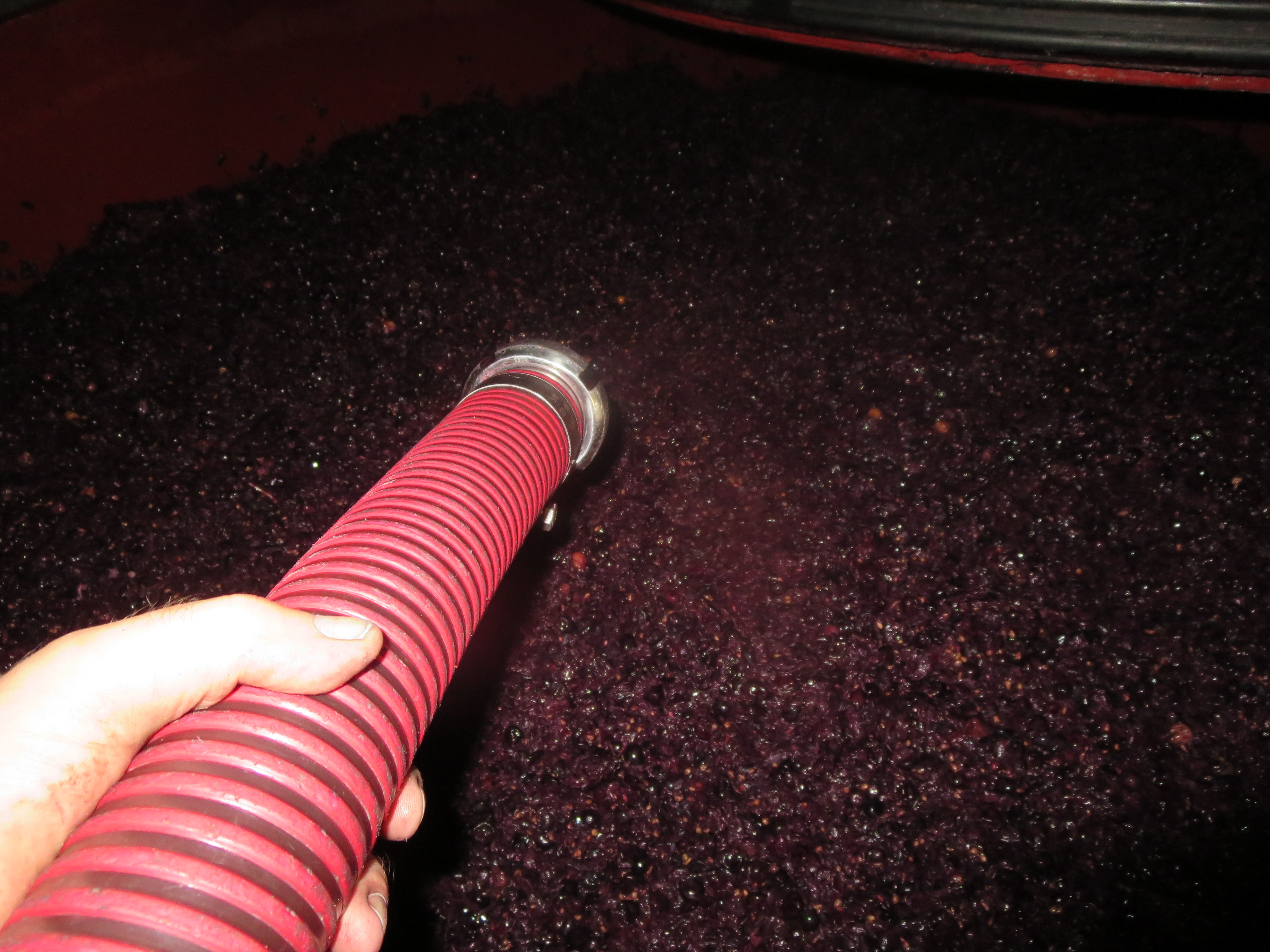
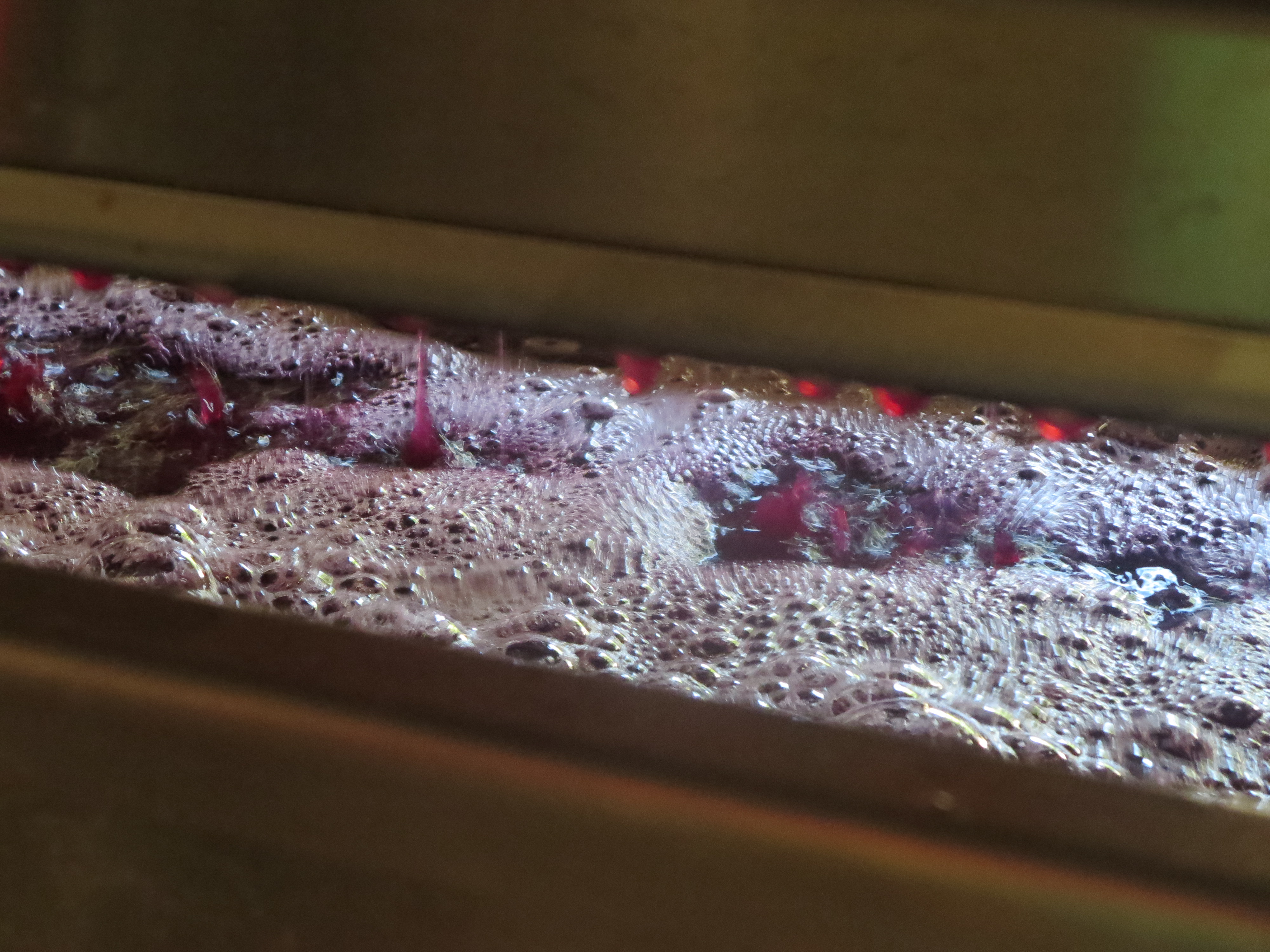
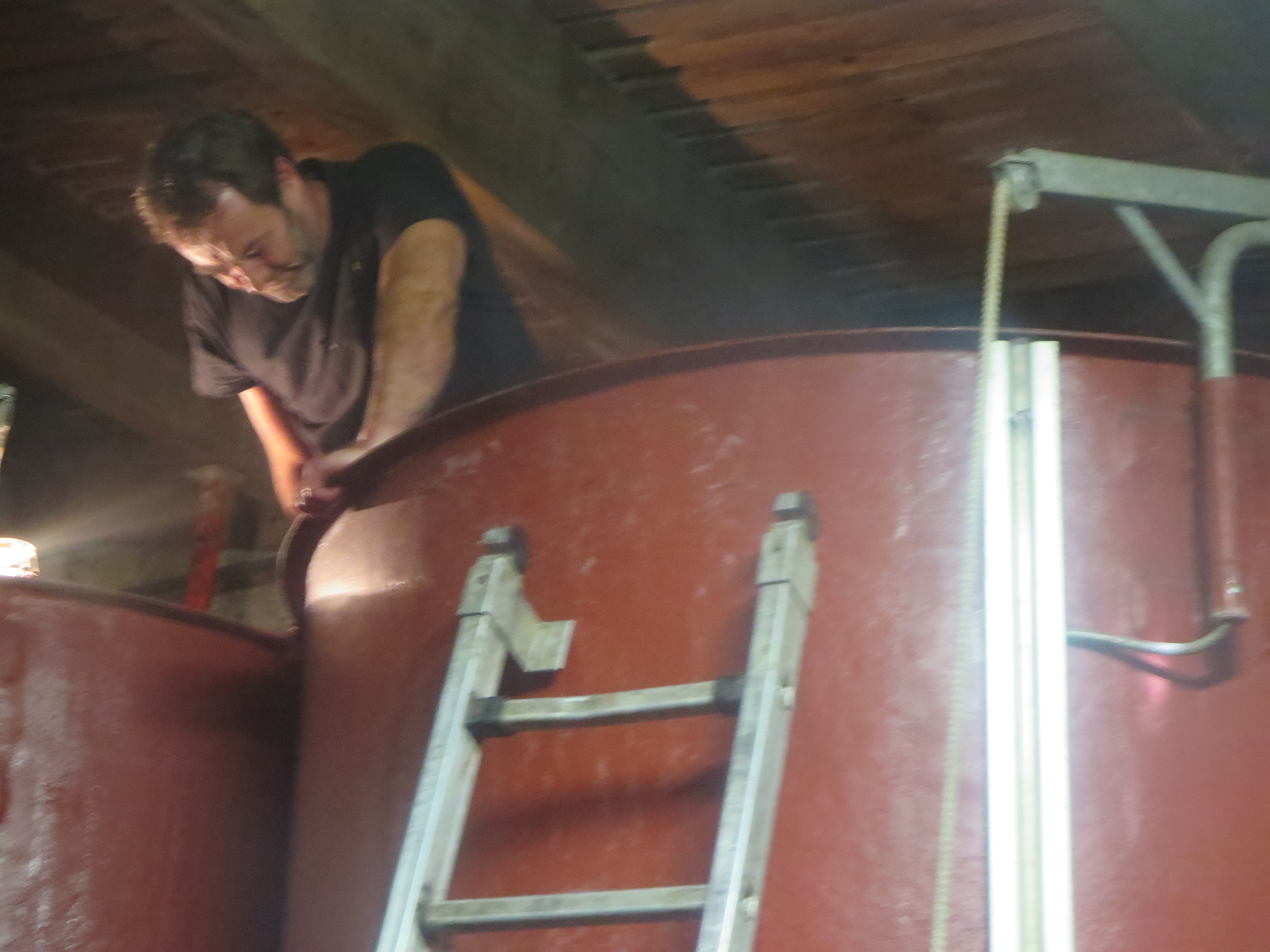
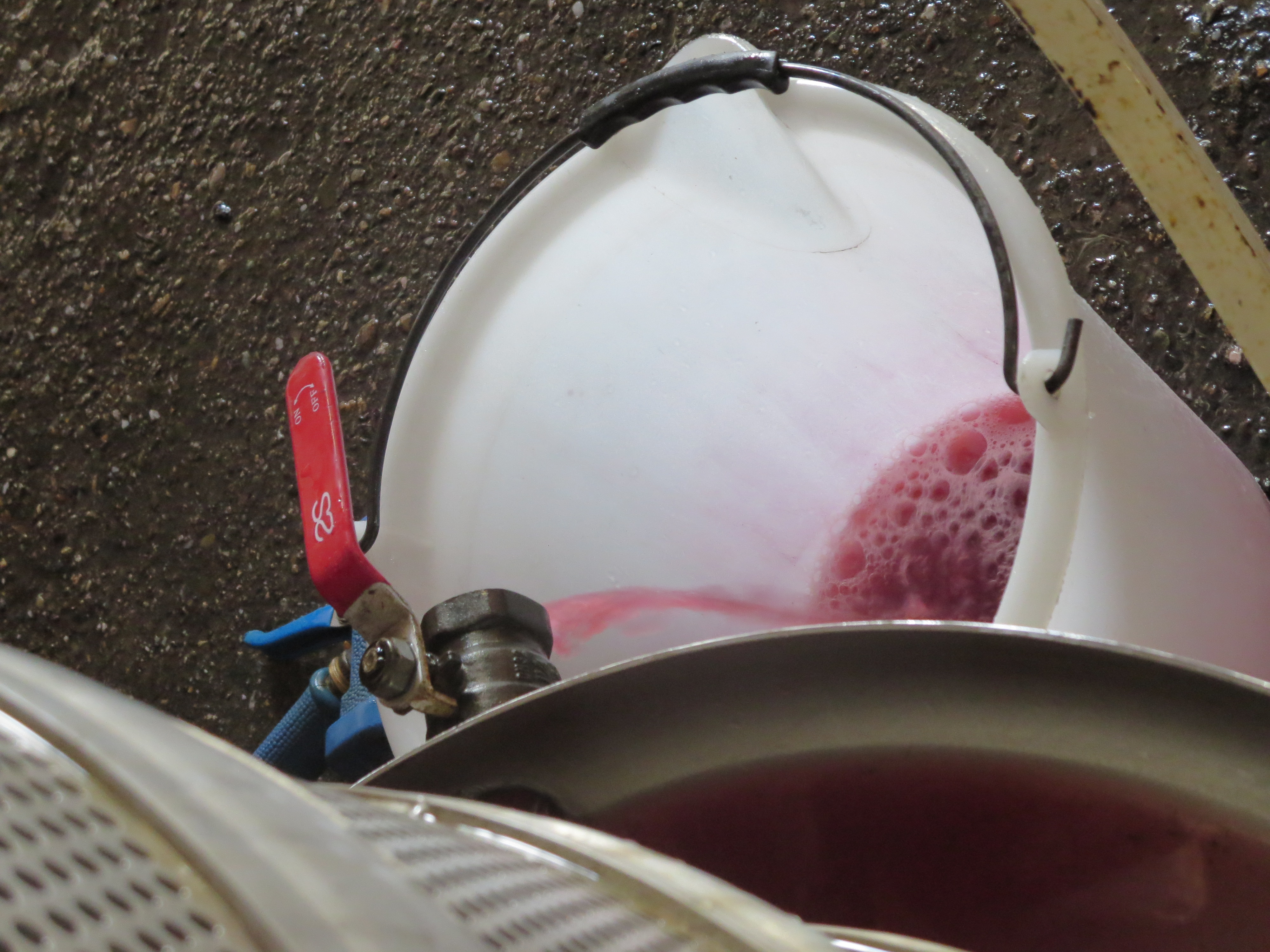
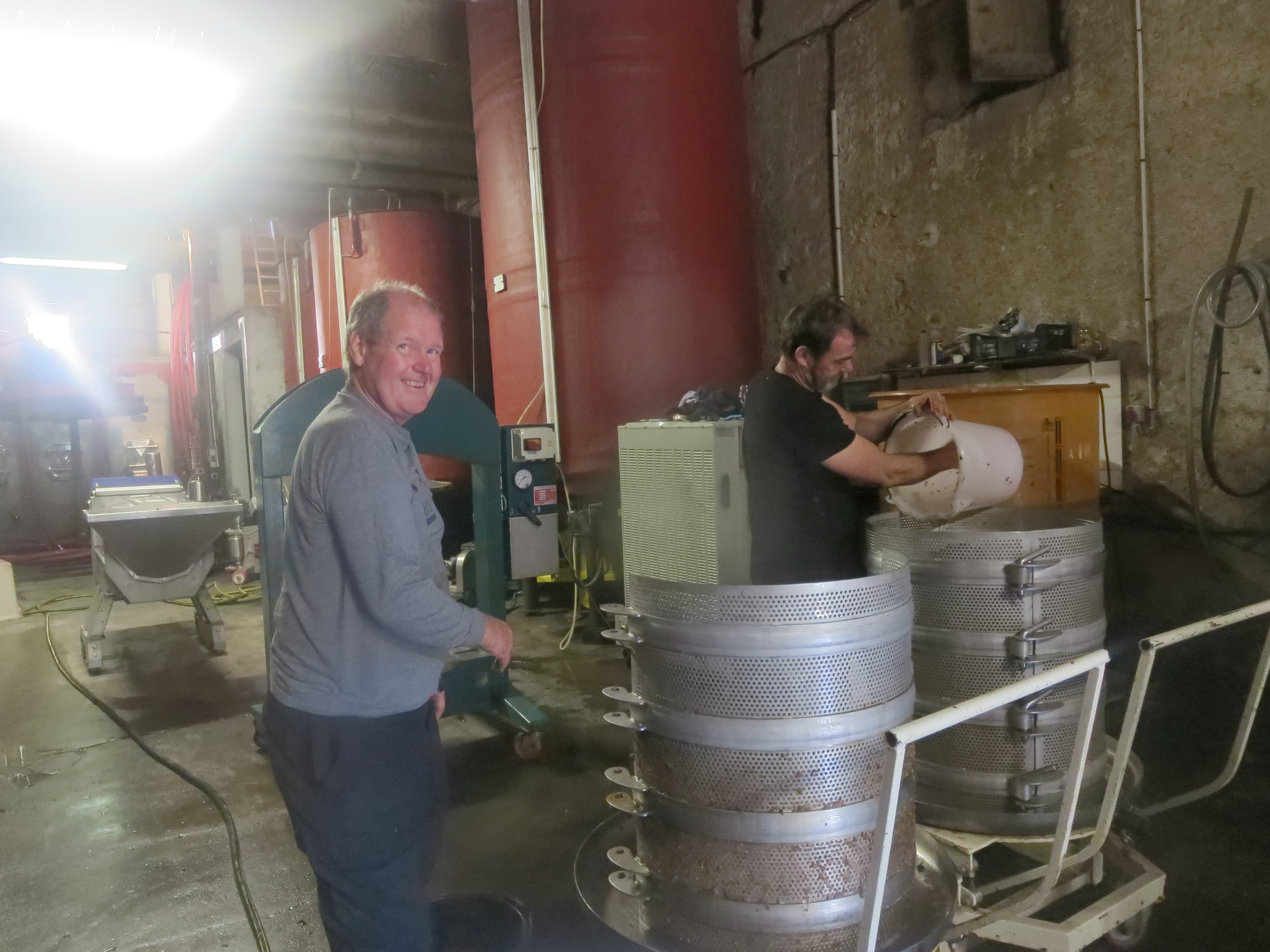
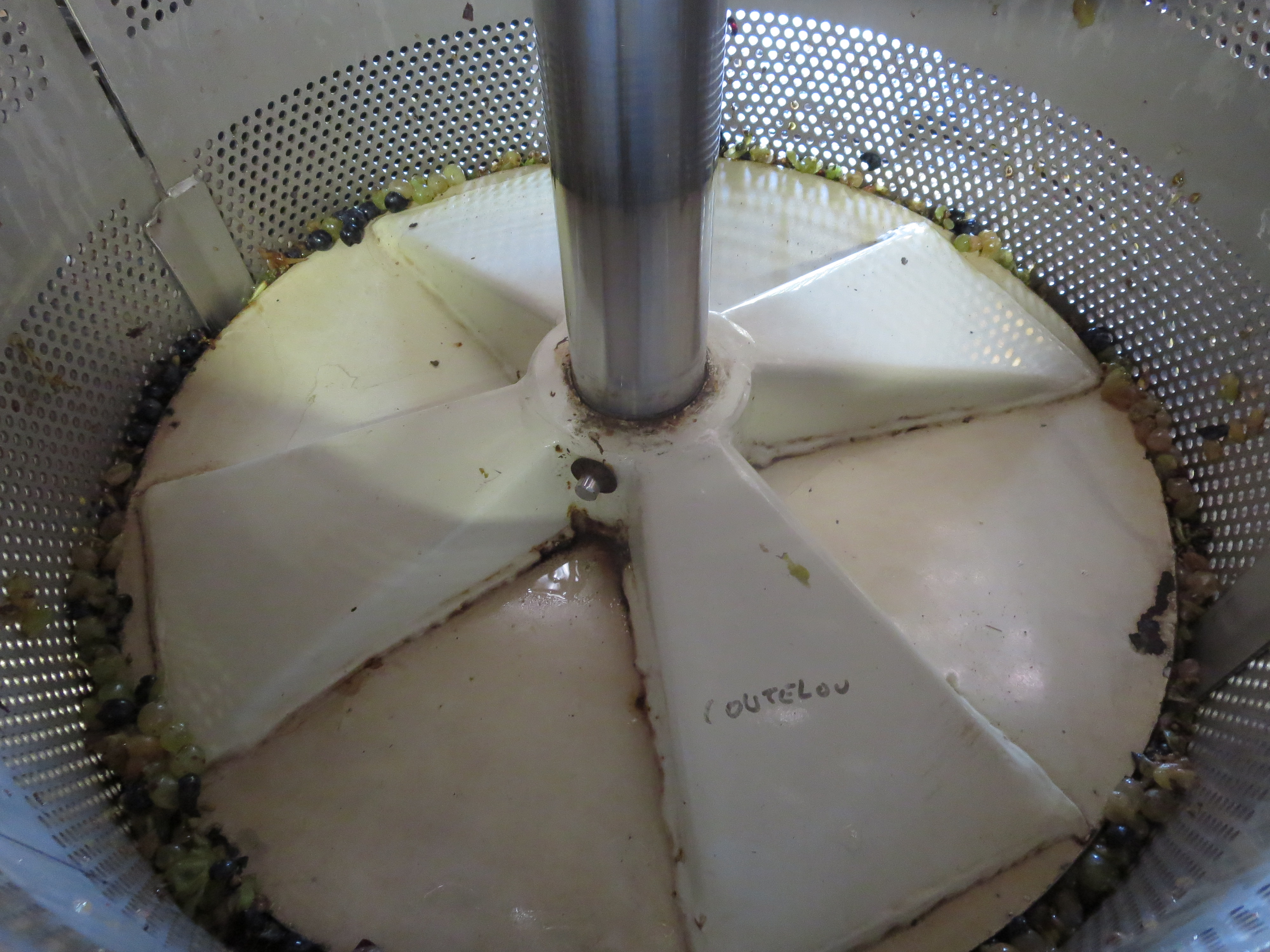
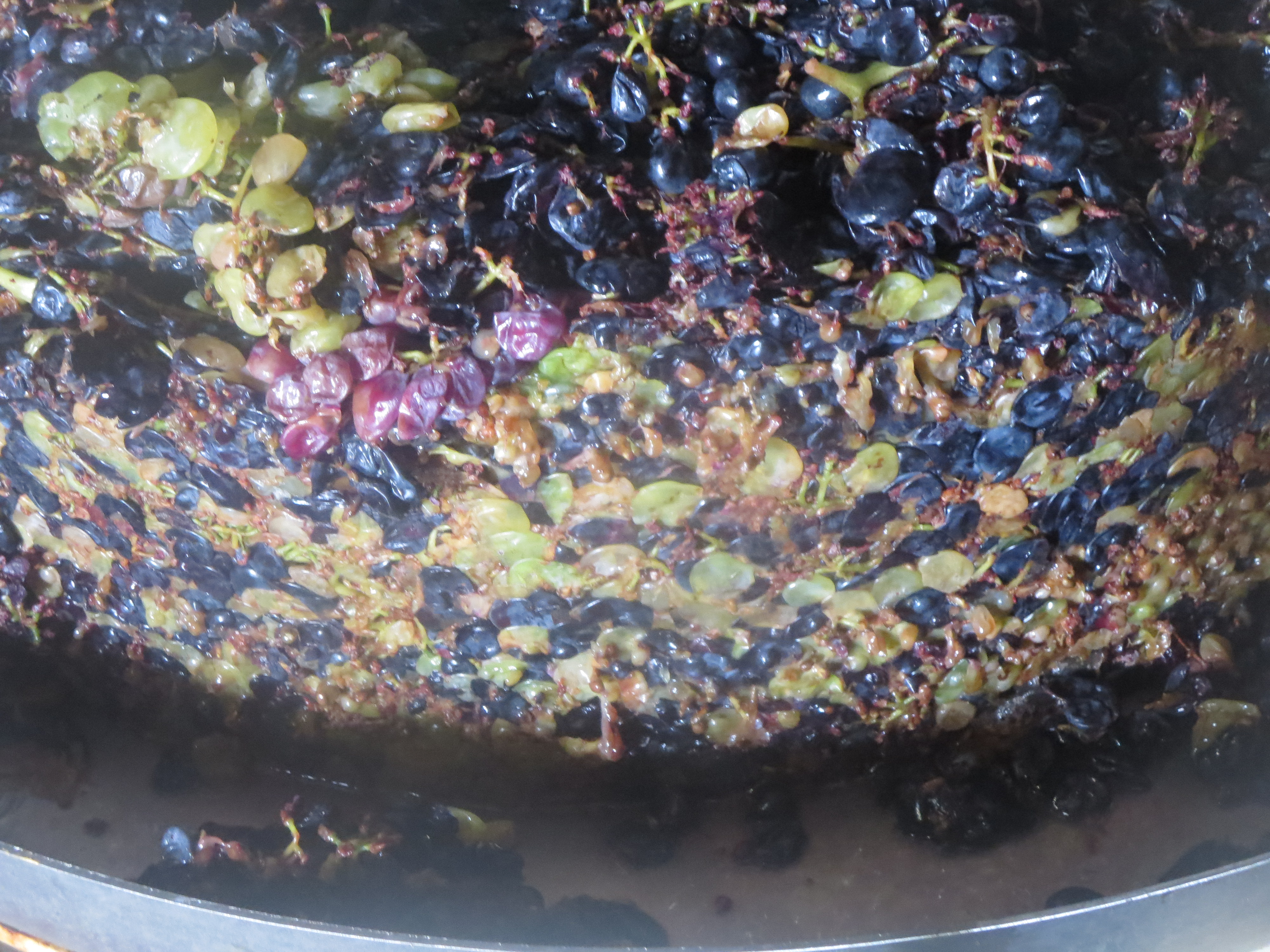
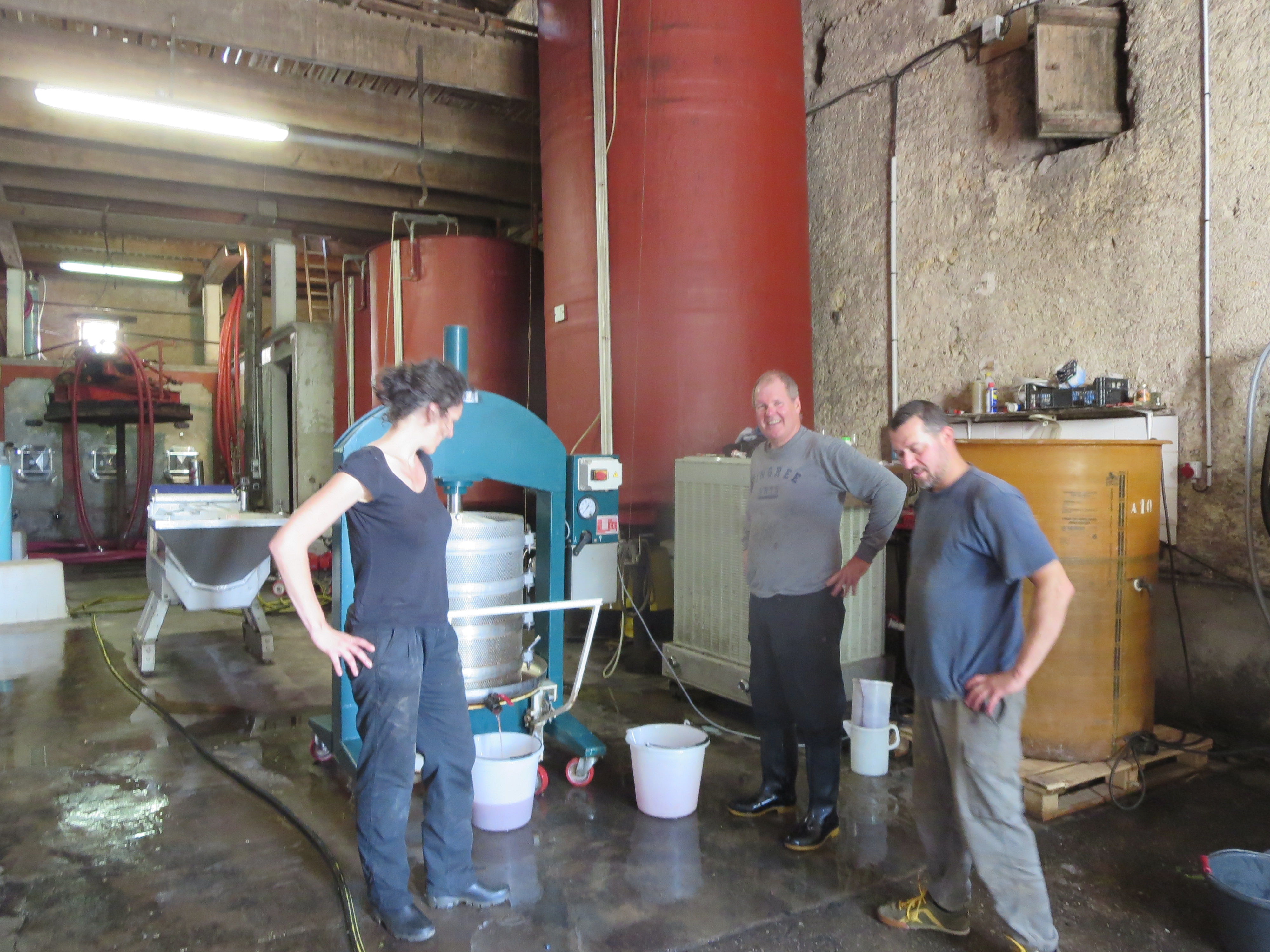
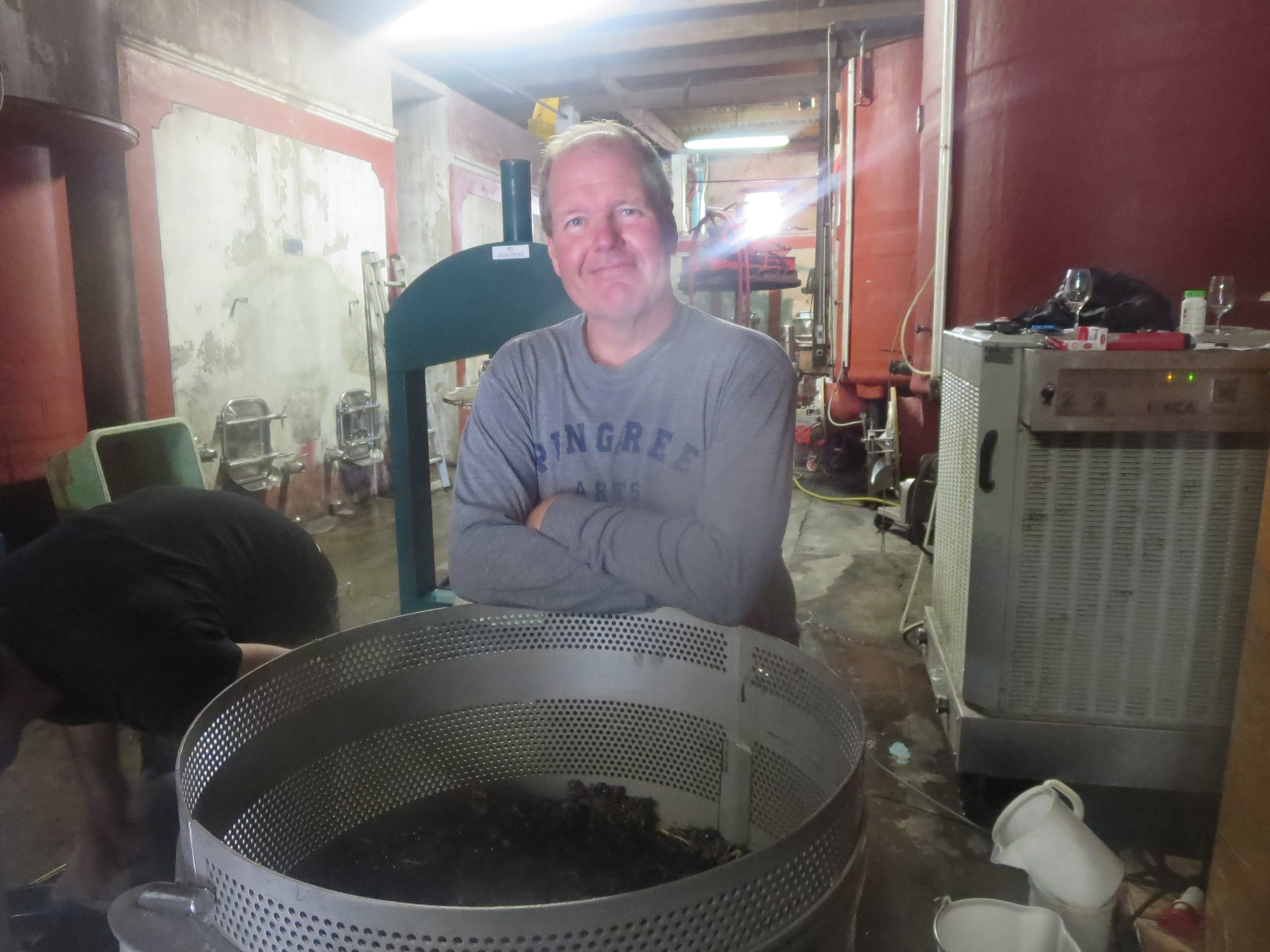
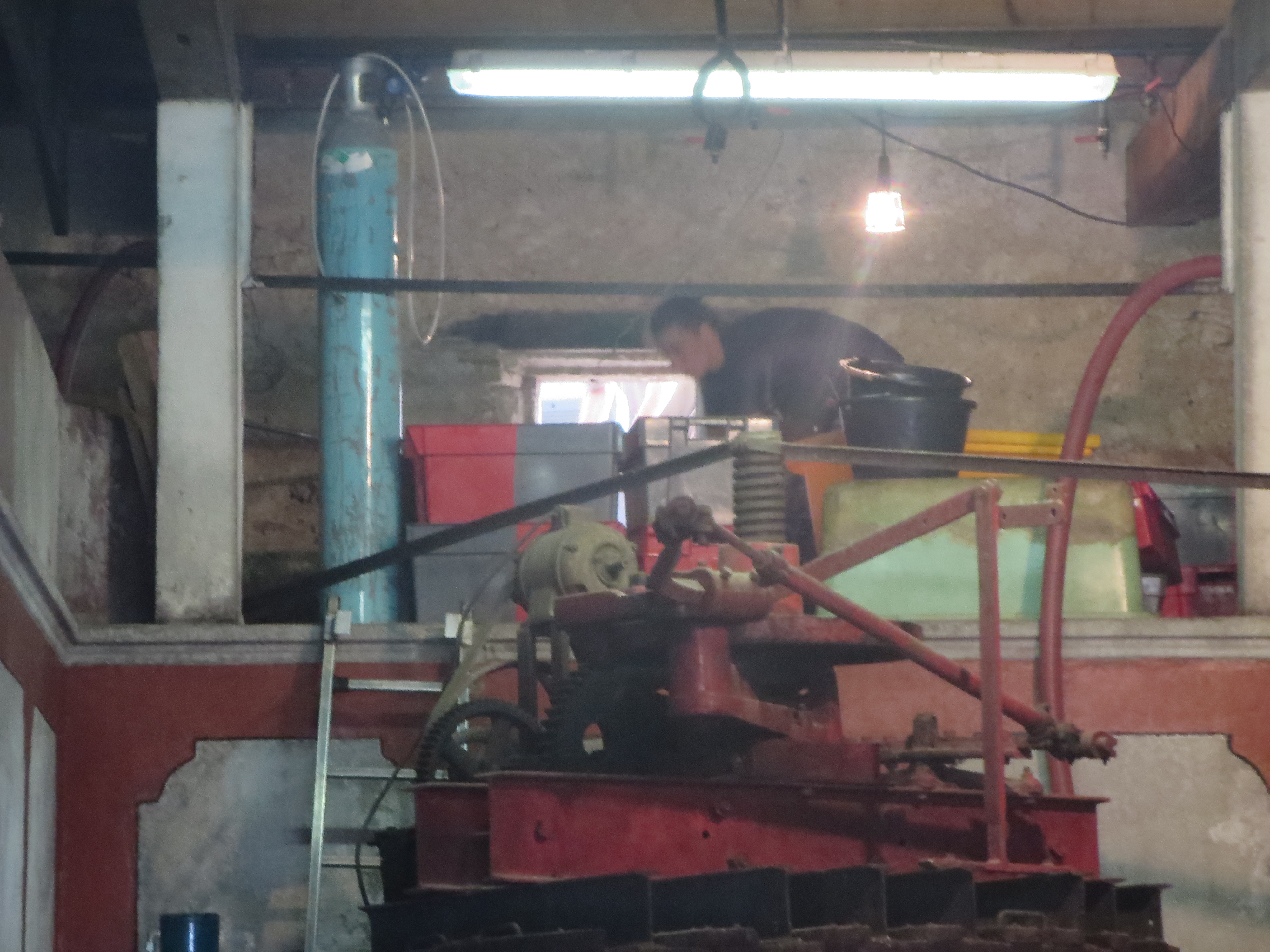
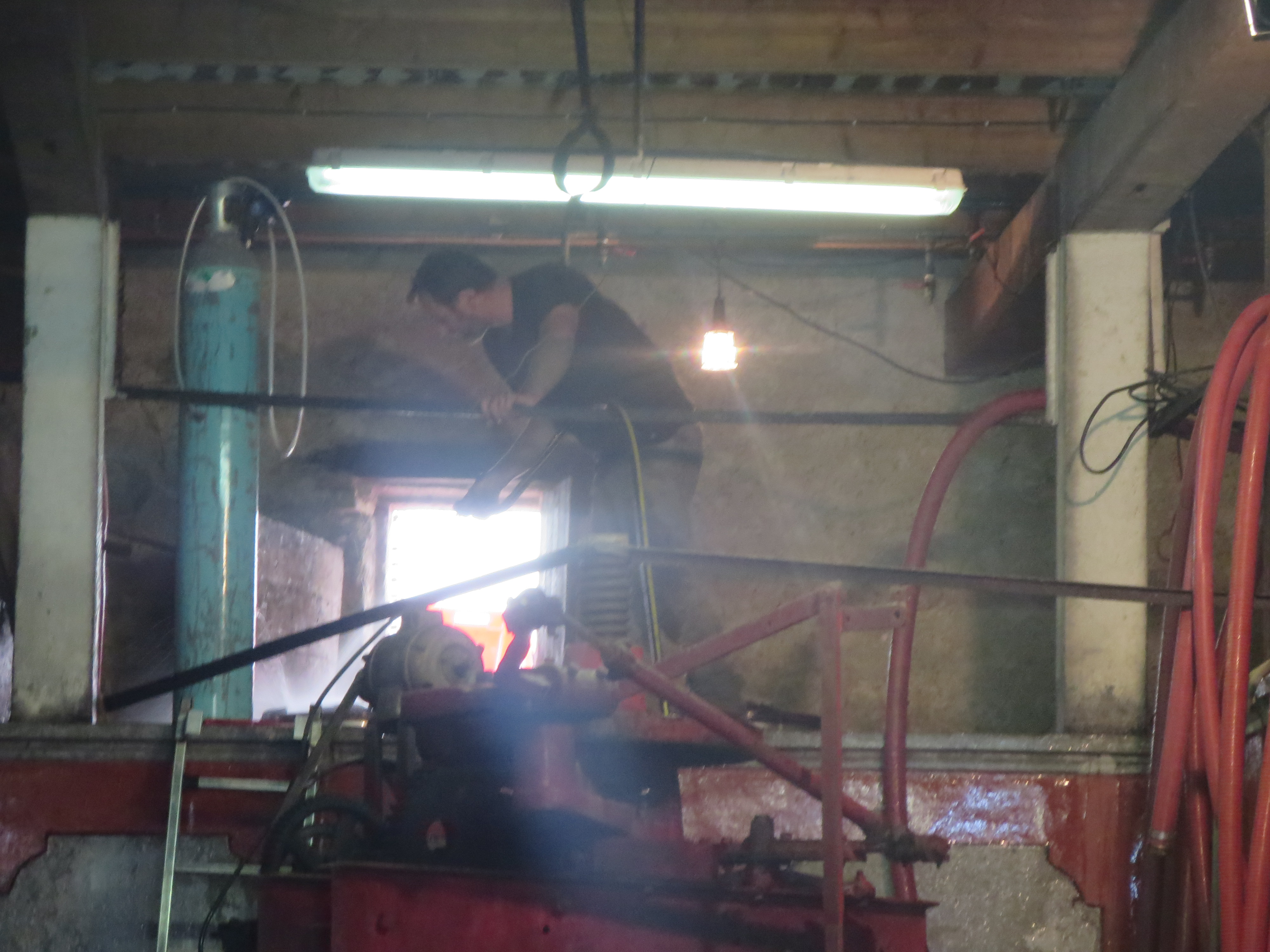
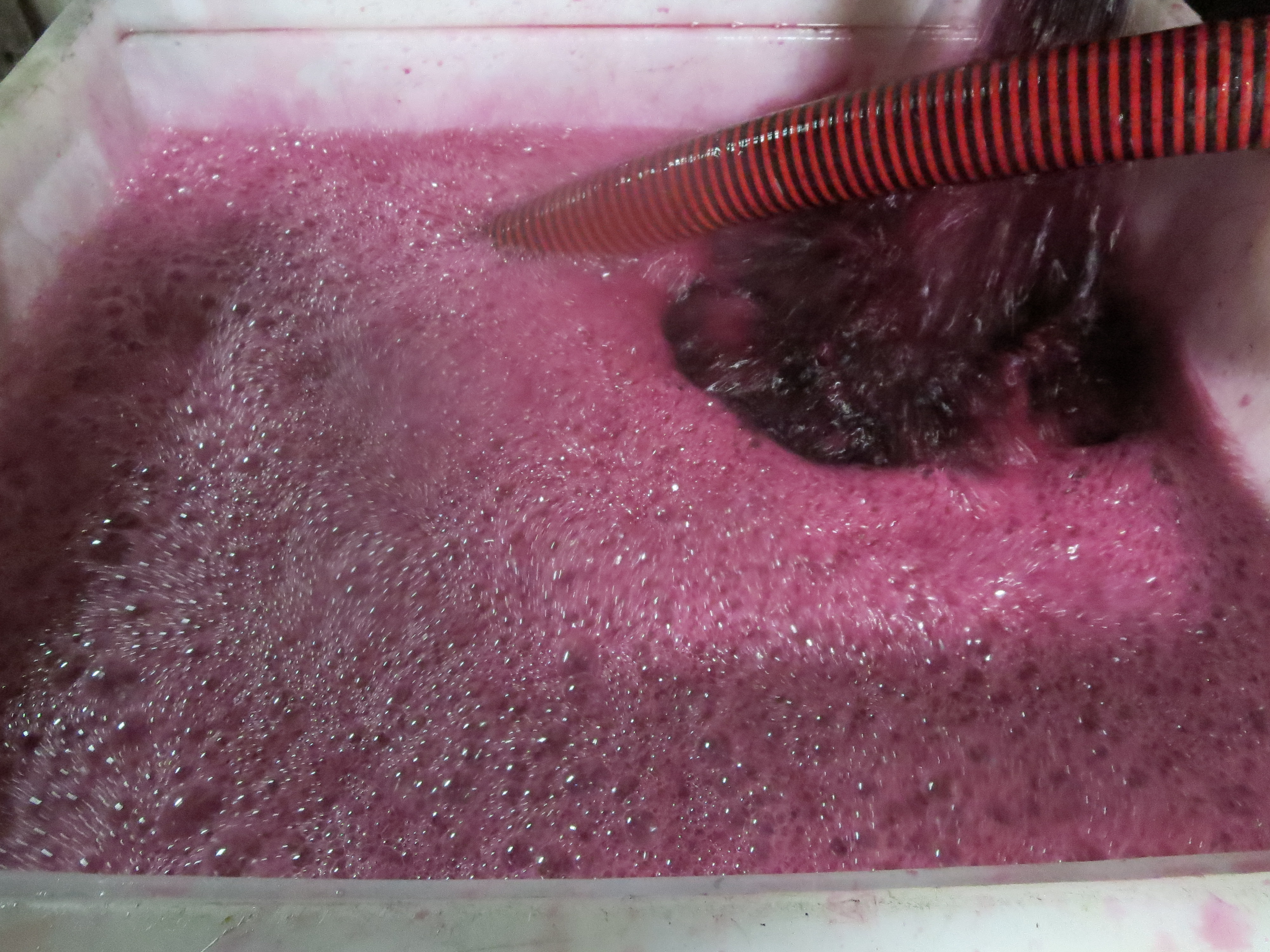
Instead Jeff, Michel and Cameron were hard at work in the cellar for the two days. There is lots to do there so it was an opportunity to get everything on track. Lots of remontage, sous tirage etc. On Monday the 14th the Syrah which was to be made with carbonic maceration was pressed after its few days in tank with the fermentation inside the skins.

IMG_2476

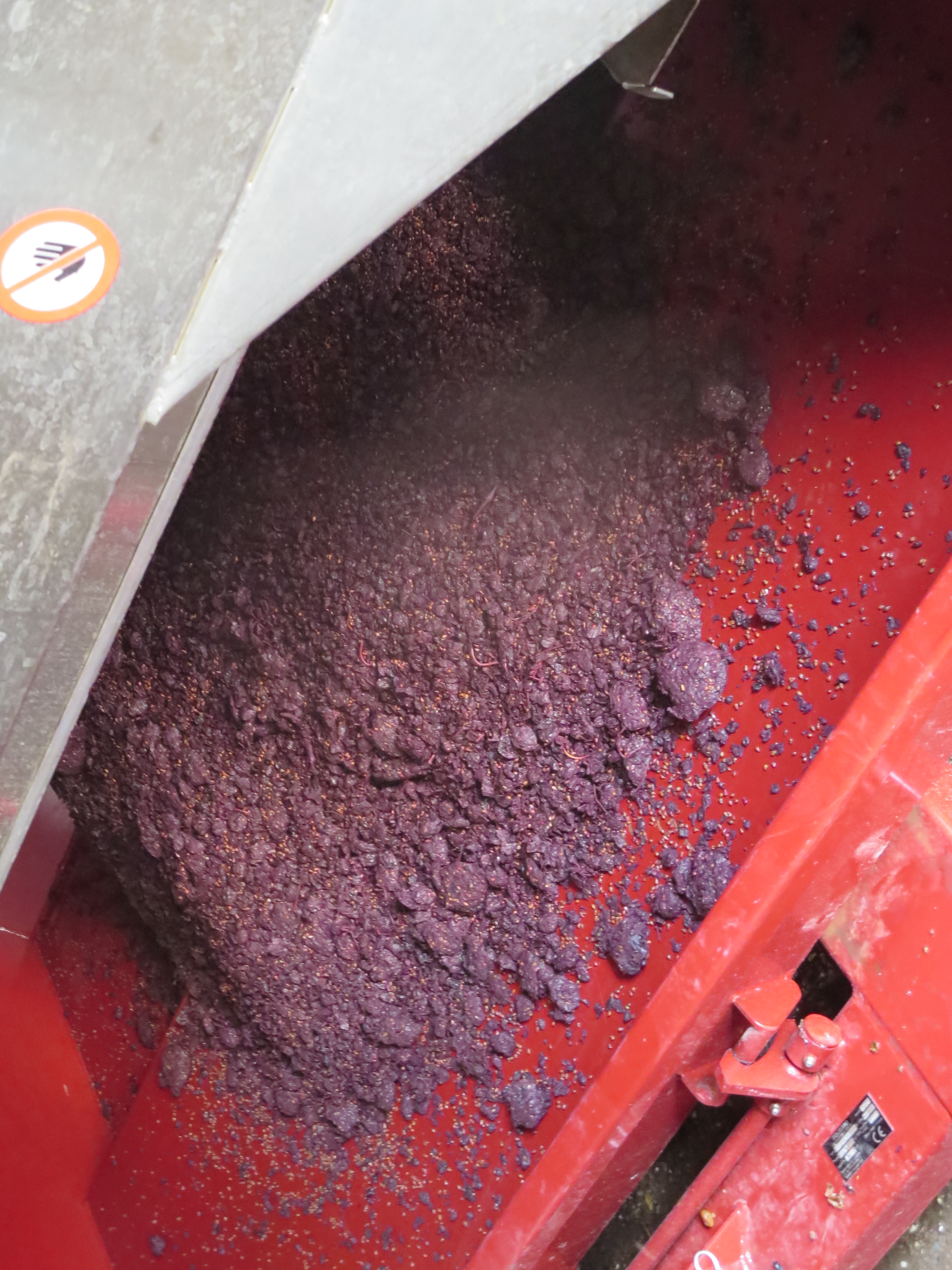
                     The Syrah being pressed

The video shows Michel in the cuve moving the grapes to the front where Jeff forks them into the pump. You will see the grapes moving through the pipe into the press.


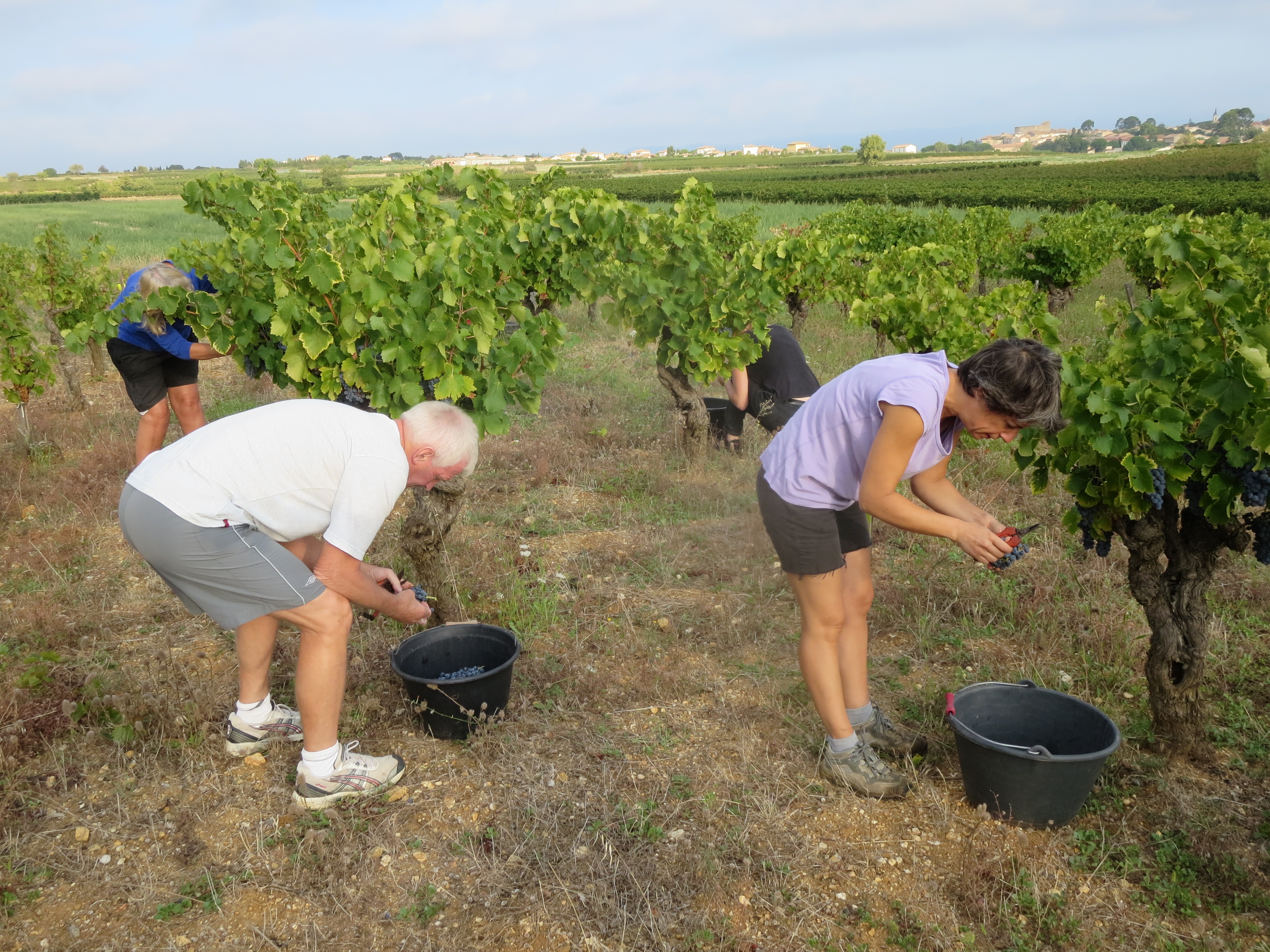
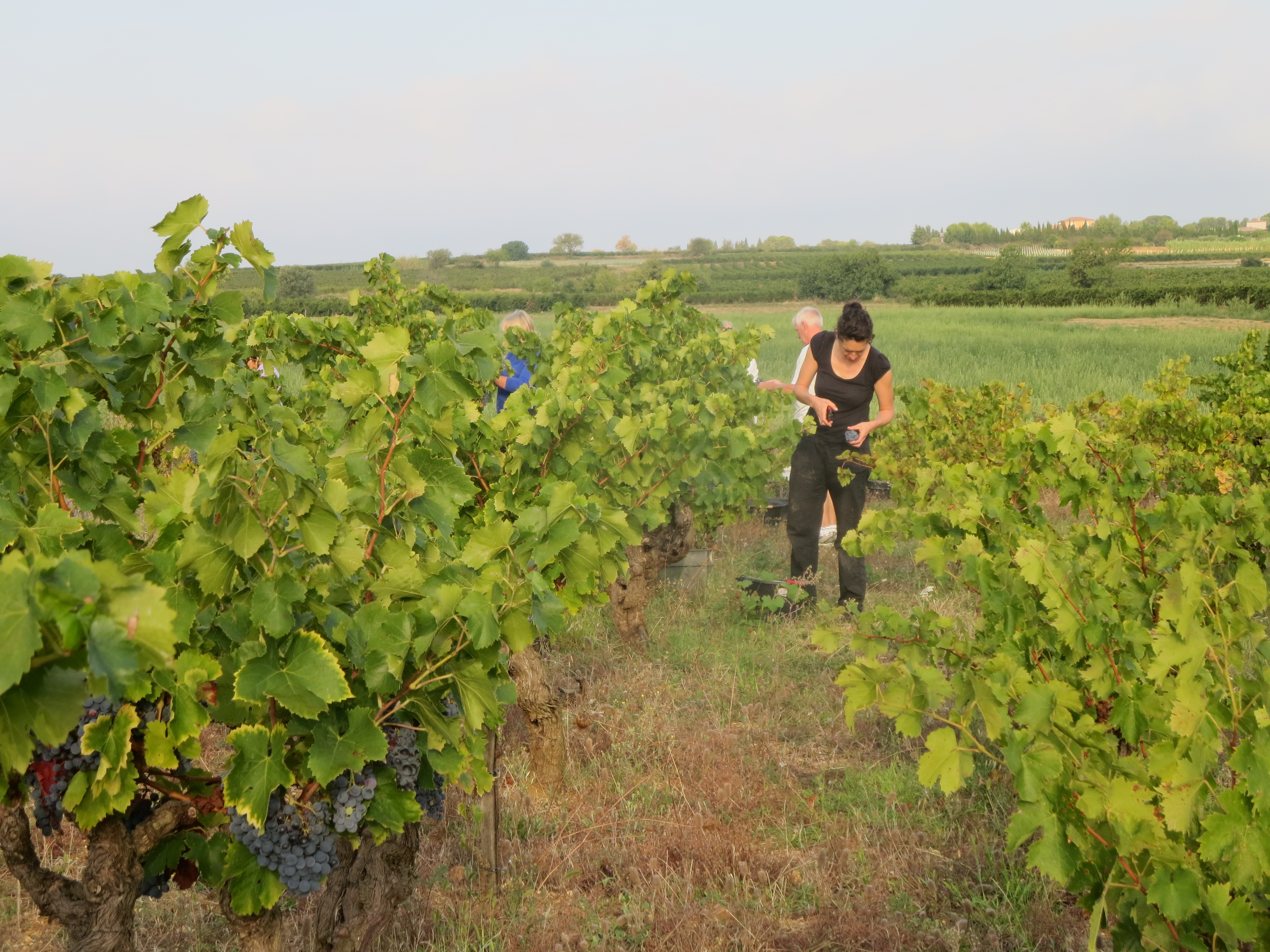
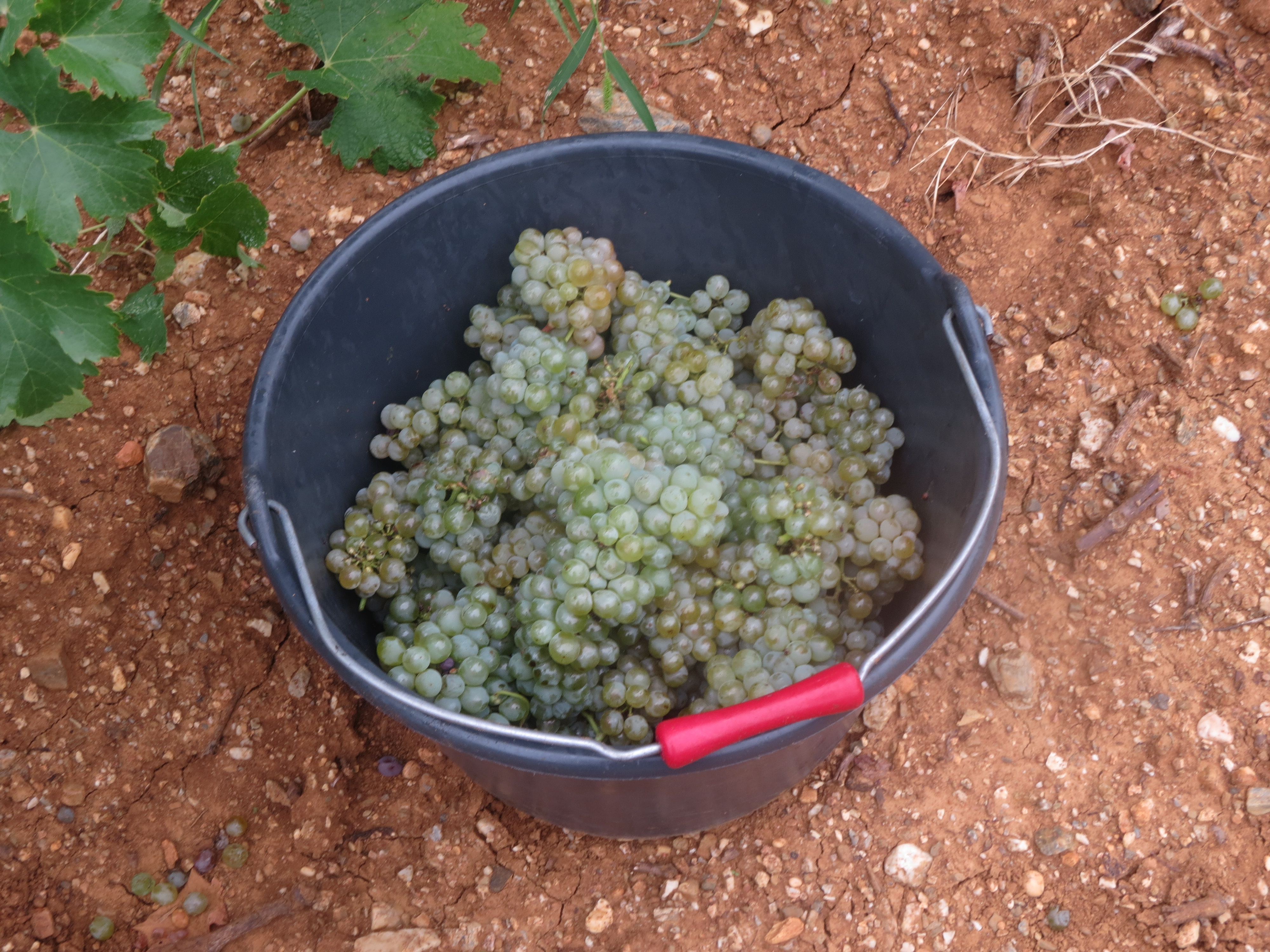
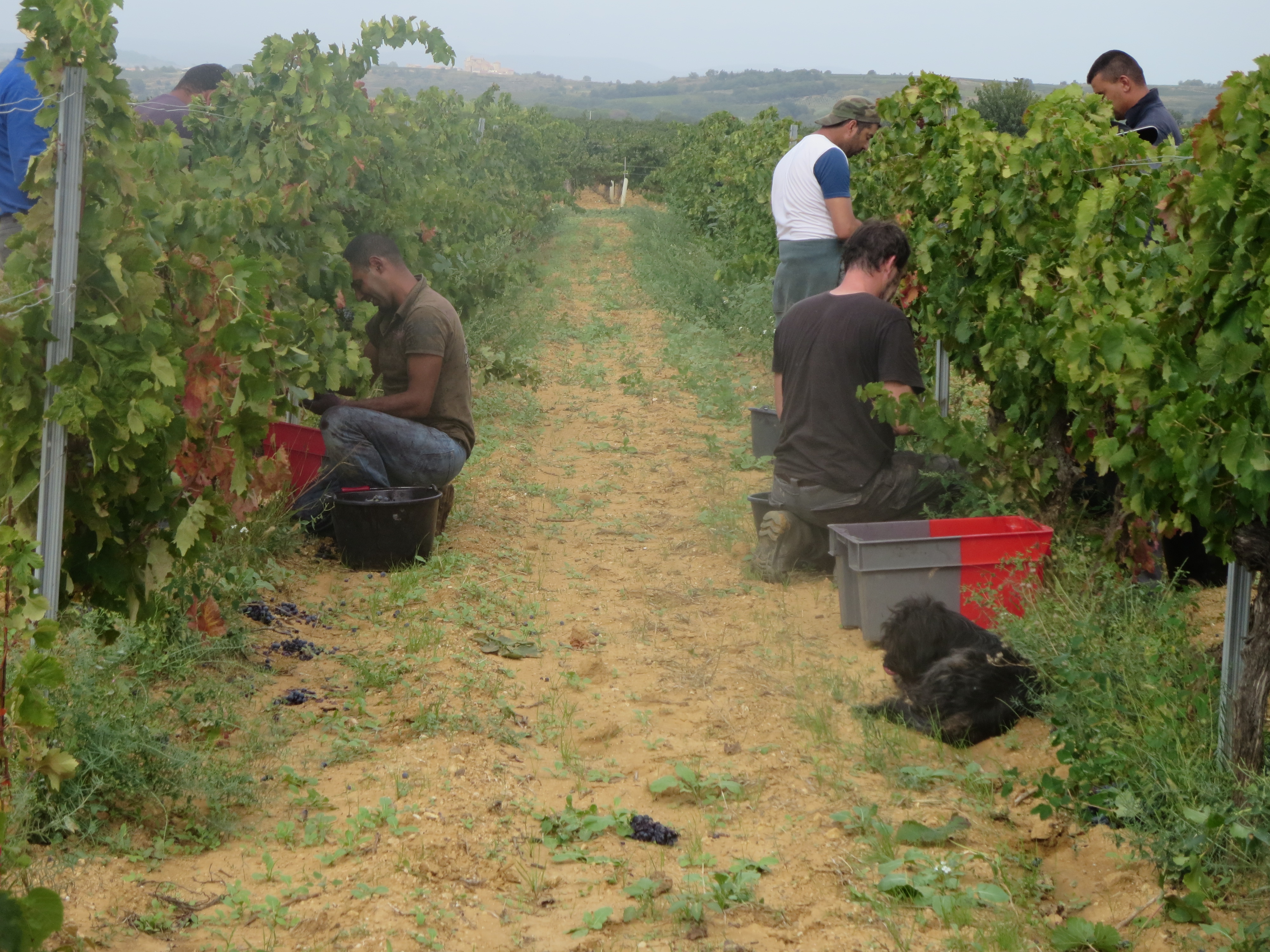
By Wednesday 16th the weather had turned much clearer and good winds meant that the grapes and soil were beginning to dry out nicely and so picking recommenced. The centre of attention was Rec D’Oulette known locally as Chemin De Pailhès and the Carignan grapes which grow there. These are the grapes which make the excellent cuvée «Flambadou», perhaps the outstanding wine of 2013 (and Jeff tells me of 2014 too). The bunches which arrived were excellent in quality, so fingers crossed for another great wine.
IMG_2511

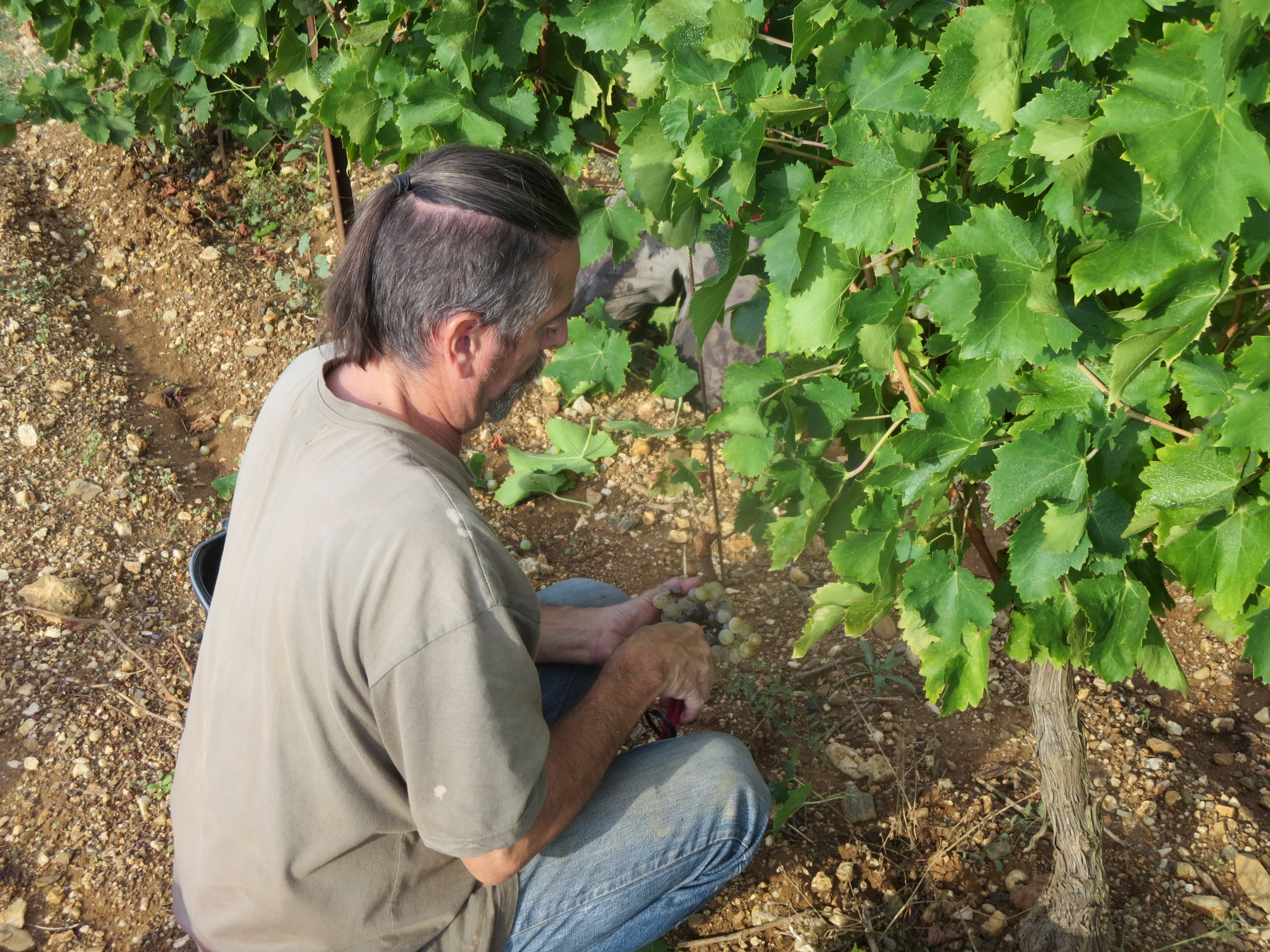
                         Picking the Carignan

Carignan

                                    Carignan

IMG_2506

                         The Carignan in tank

IMG_2508

          Analysing the Carignan

Meanwhile cellar work continued as Cameron carried out more remontages and analyses. Today one of the wines to be moved was the Merlot which was bright, fresh and colourful.
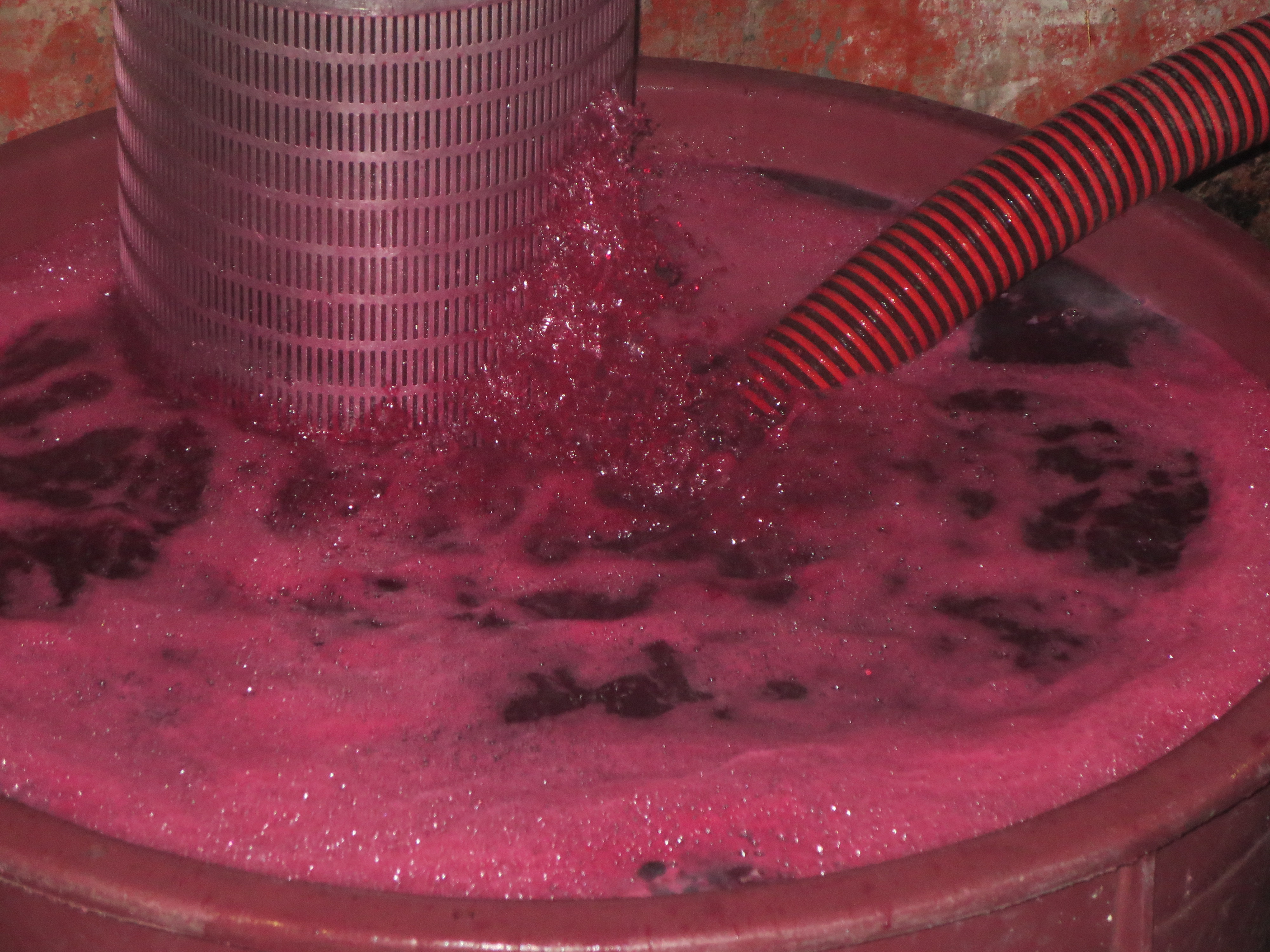
Merlot being moved

                         Délestage of Merlot

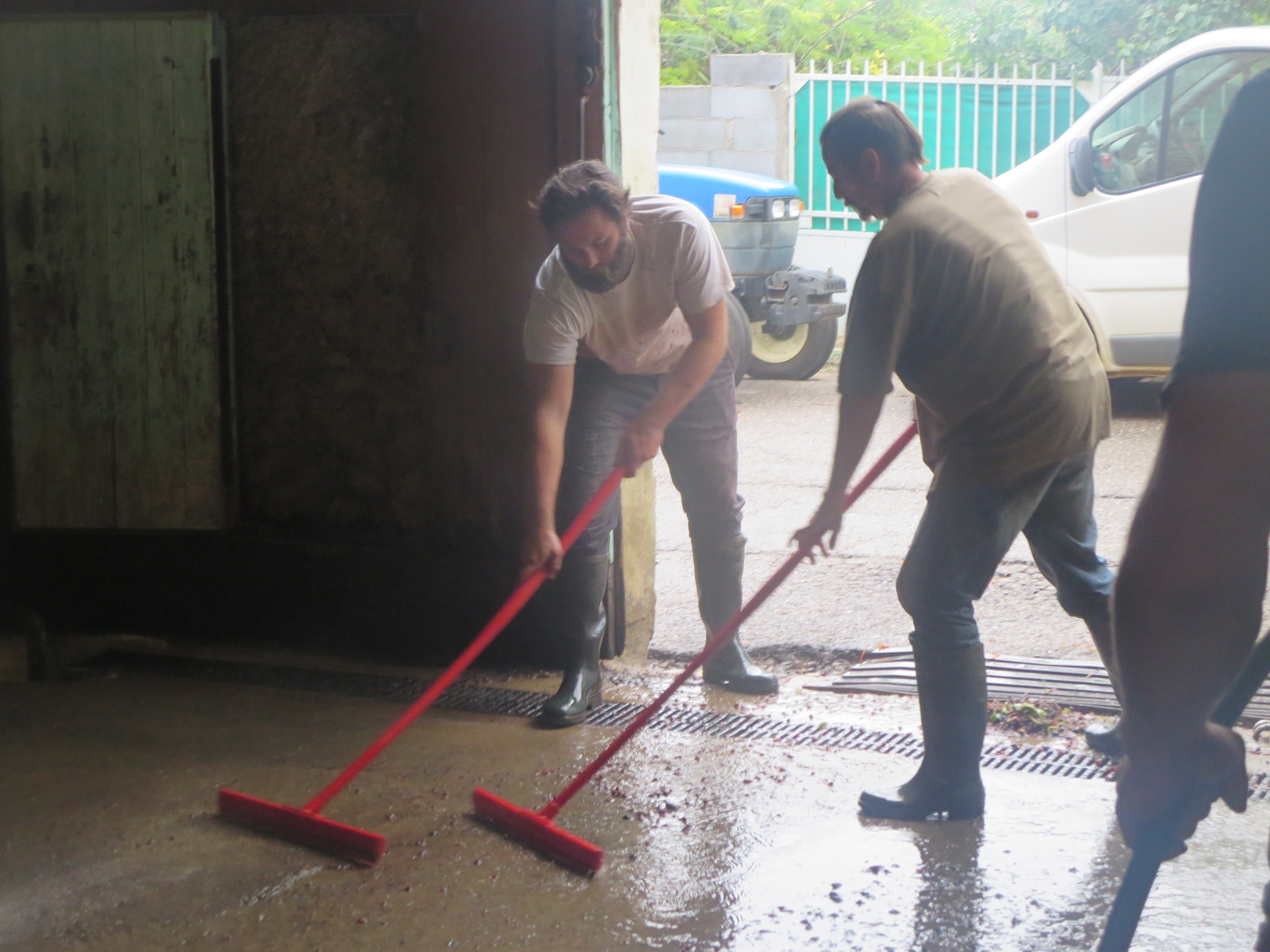
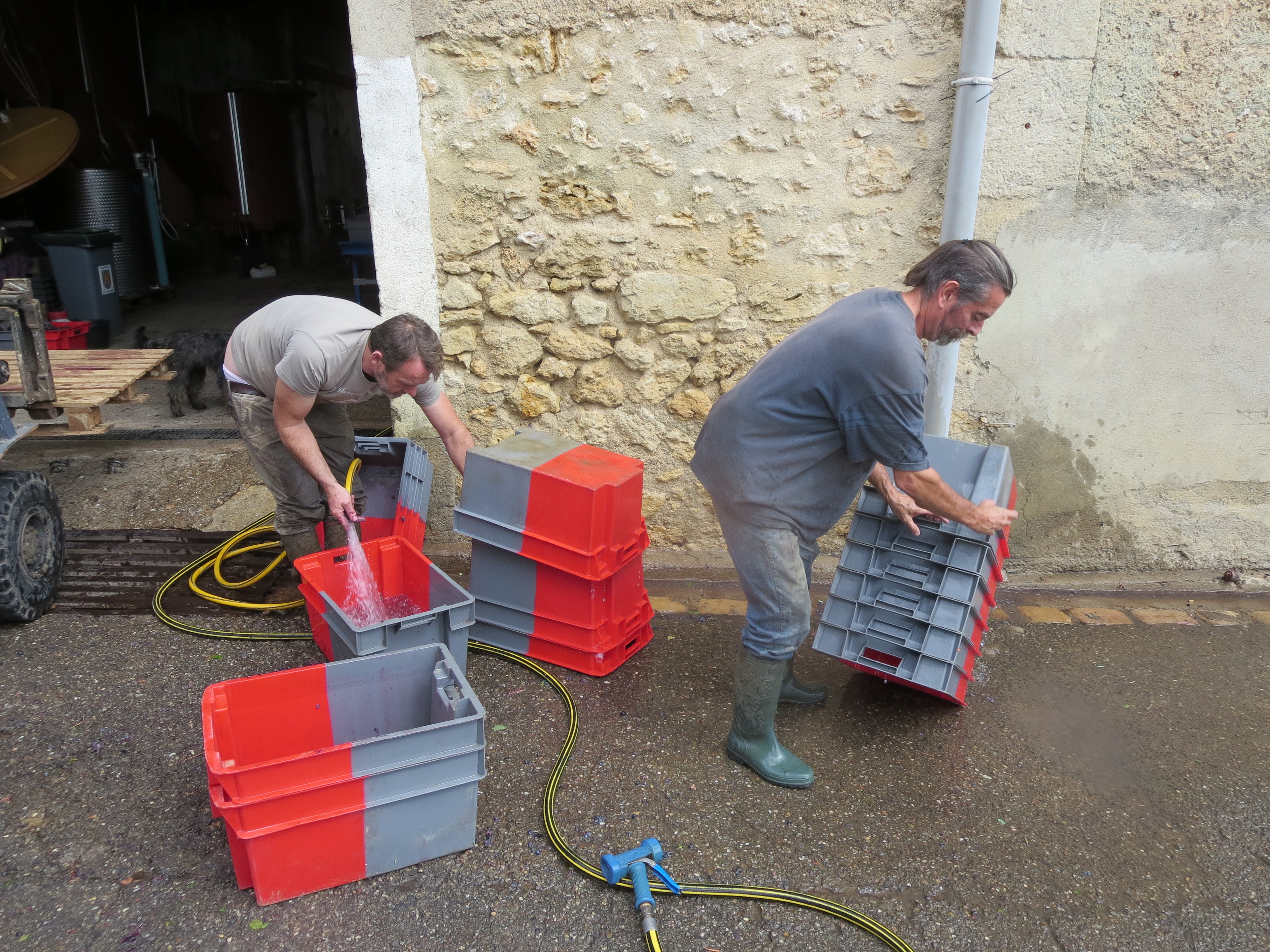
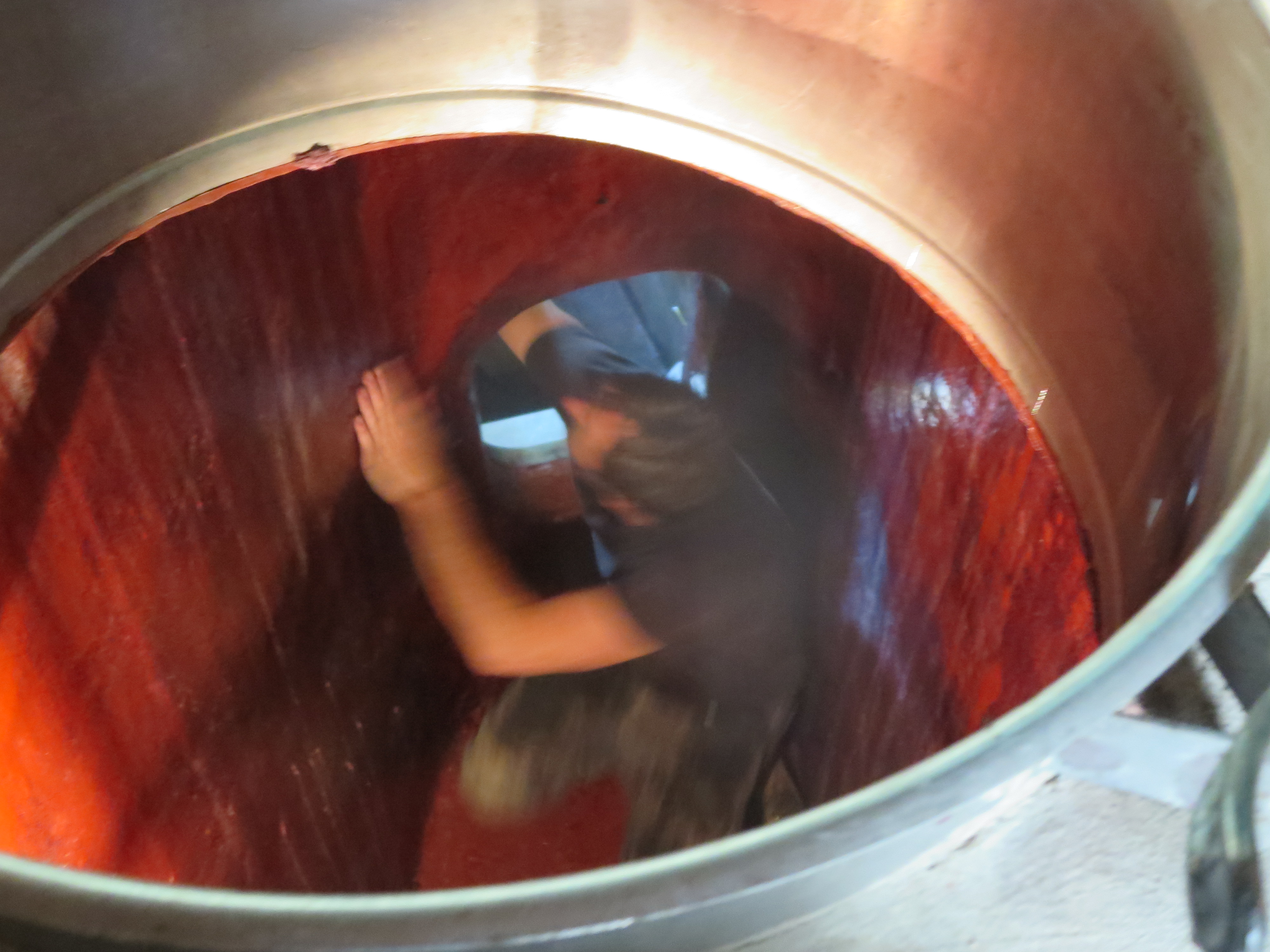
As each wine is moved around the cellar, for example to take it off its skins, each cuve has to be cleaned thoroughly and then it will be filled with another set of grapes or fermenting wine. There is a seemingly never ending merry-go-round of wines and quite how Jeff keeps track of them all remains a mystery to me. Each move has to be planned to ensure that cuves are available, cleaned and big enough.
IMG_2521

                 Cleaning from the inside

As a former teacher it reminds me of planning a timetable fitting in students, teachers and classrooms into the correct combination. Add in working as a mechanic to keep all the machines ticking over and the work of a vigneron becomes more complex, the job description is long.
IMG_2489

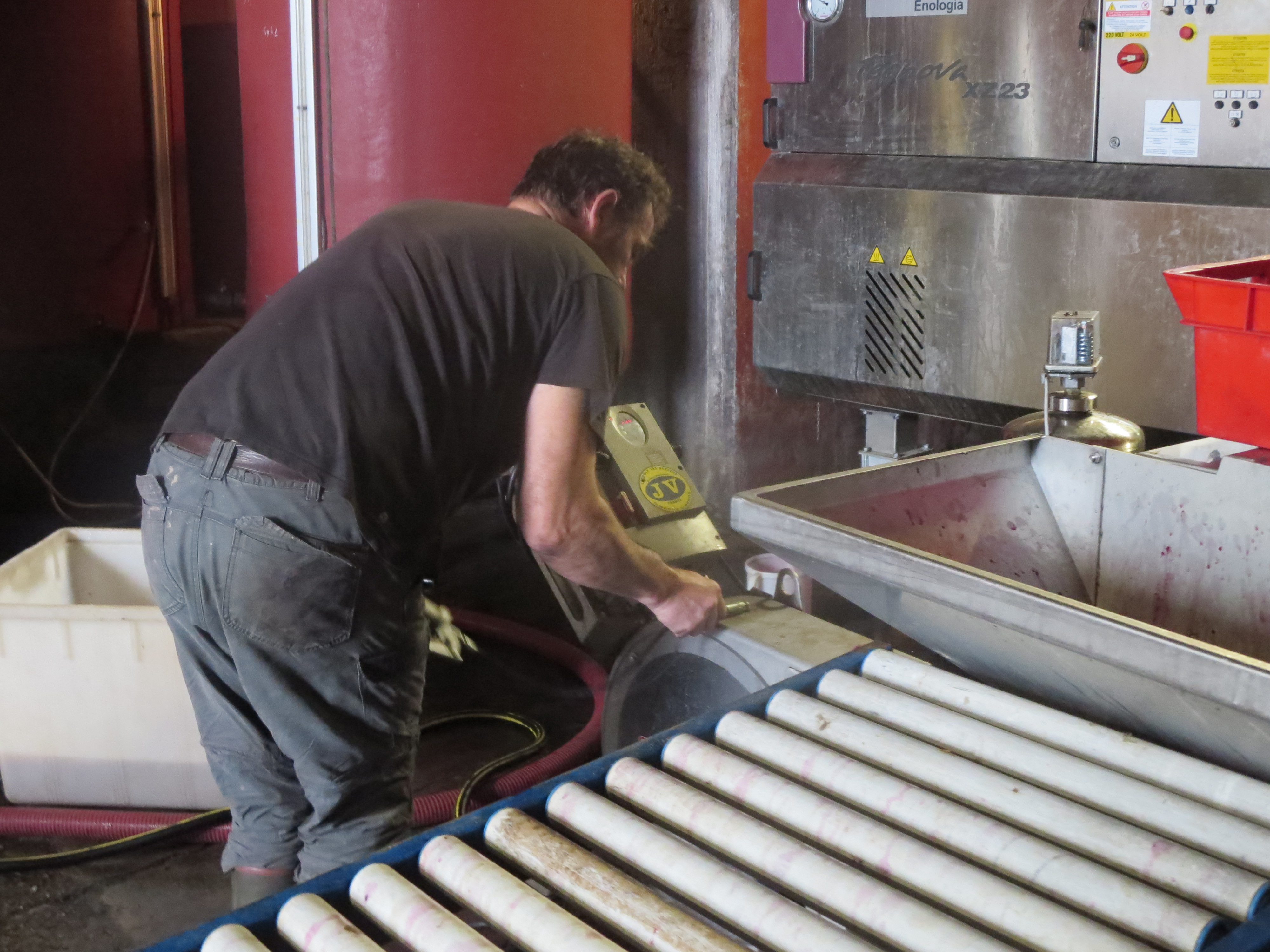
              Maintenance of the égrappoir

Thursday 17th brought Grenache from Sainte Suzanne (Metaierie), again carbonic maceration was to be used so back to the top of the cement tanks. Thomas was back and he, Cameron and I shared duties up there filling the tank.

IMG_2517

IMG_2526

        l-r Cameron, Michel and Thomas

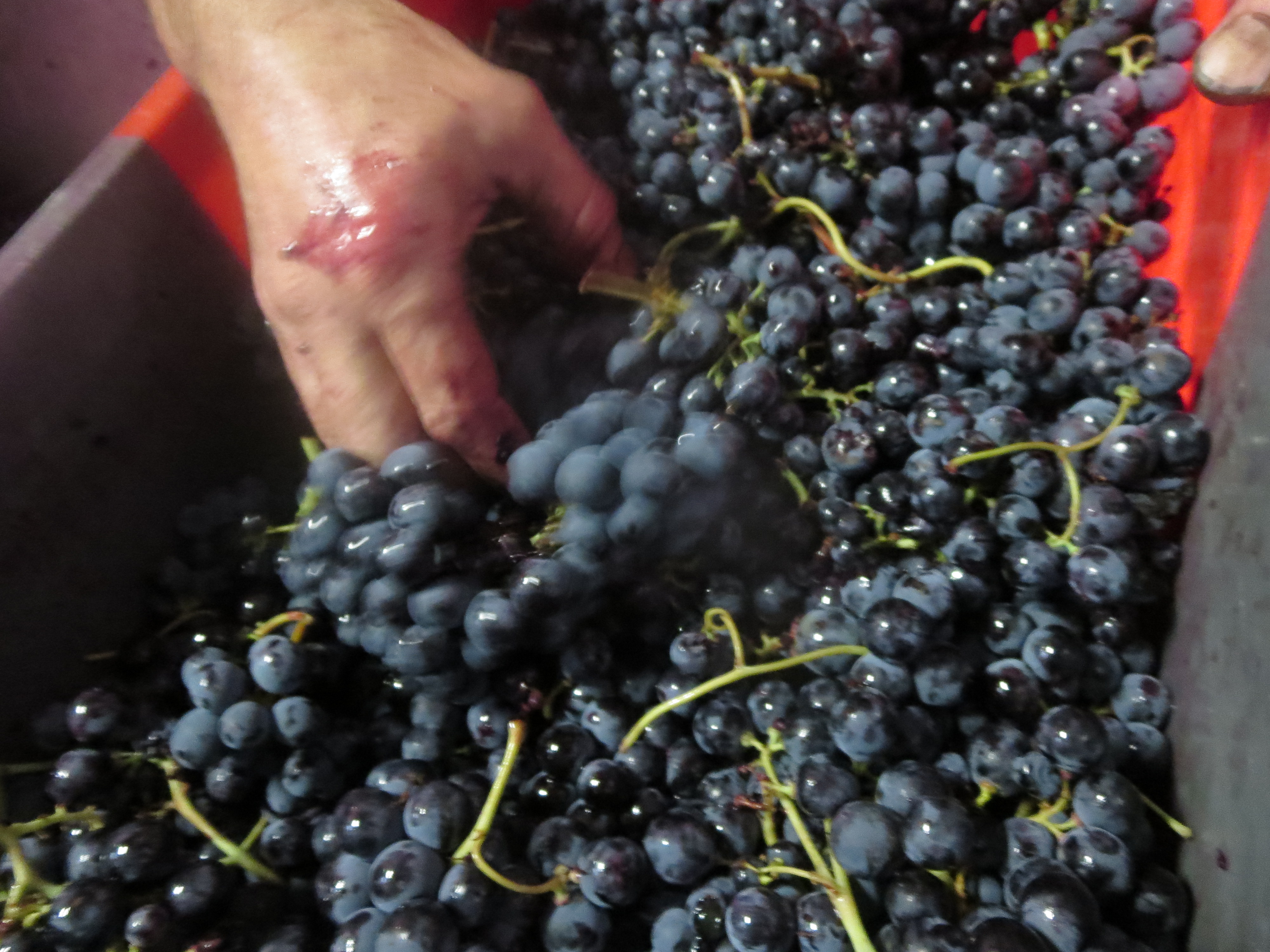
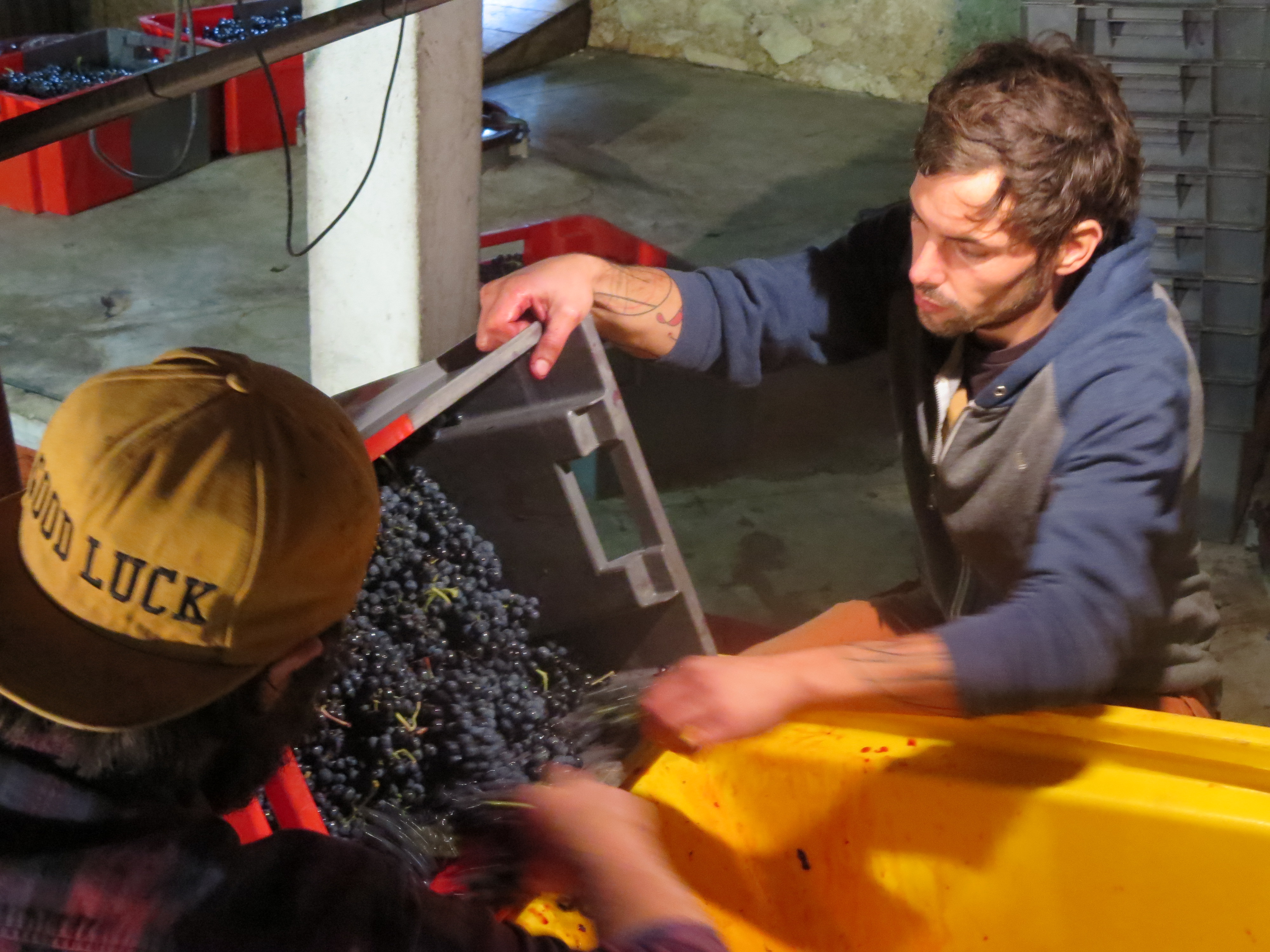
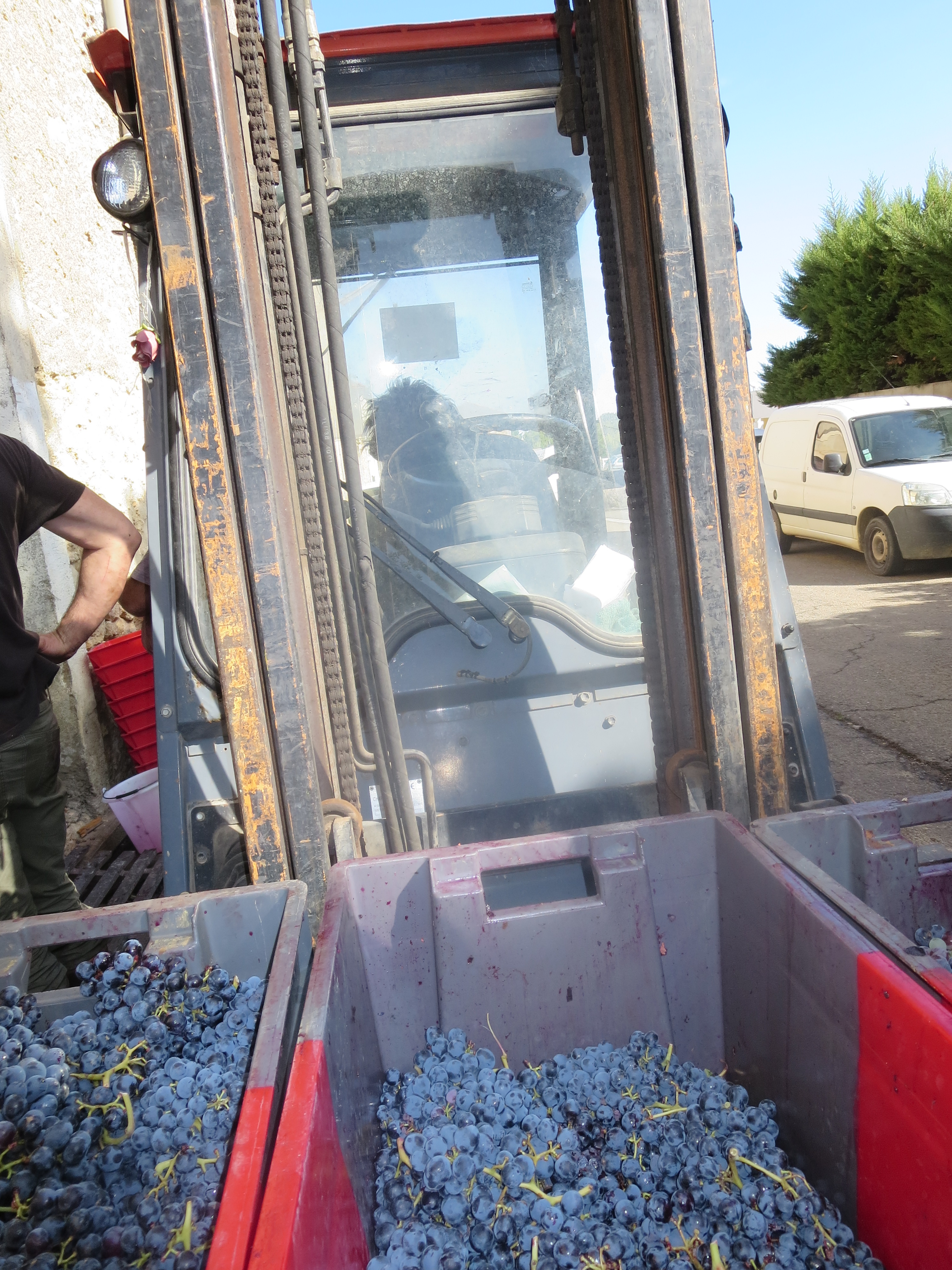
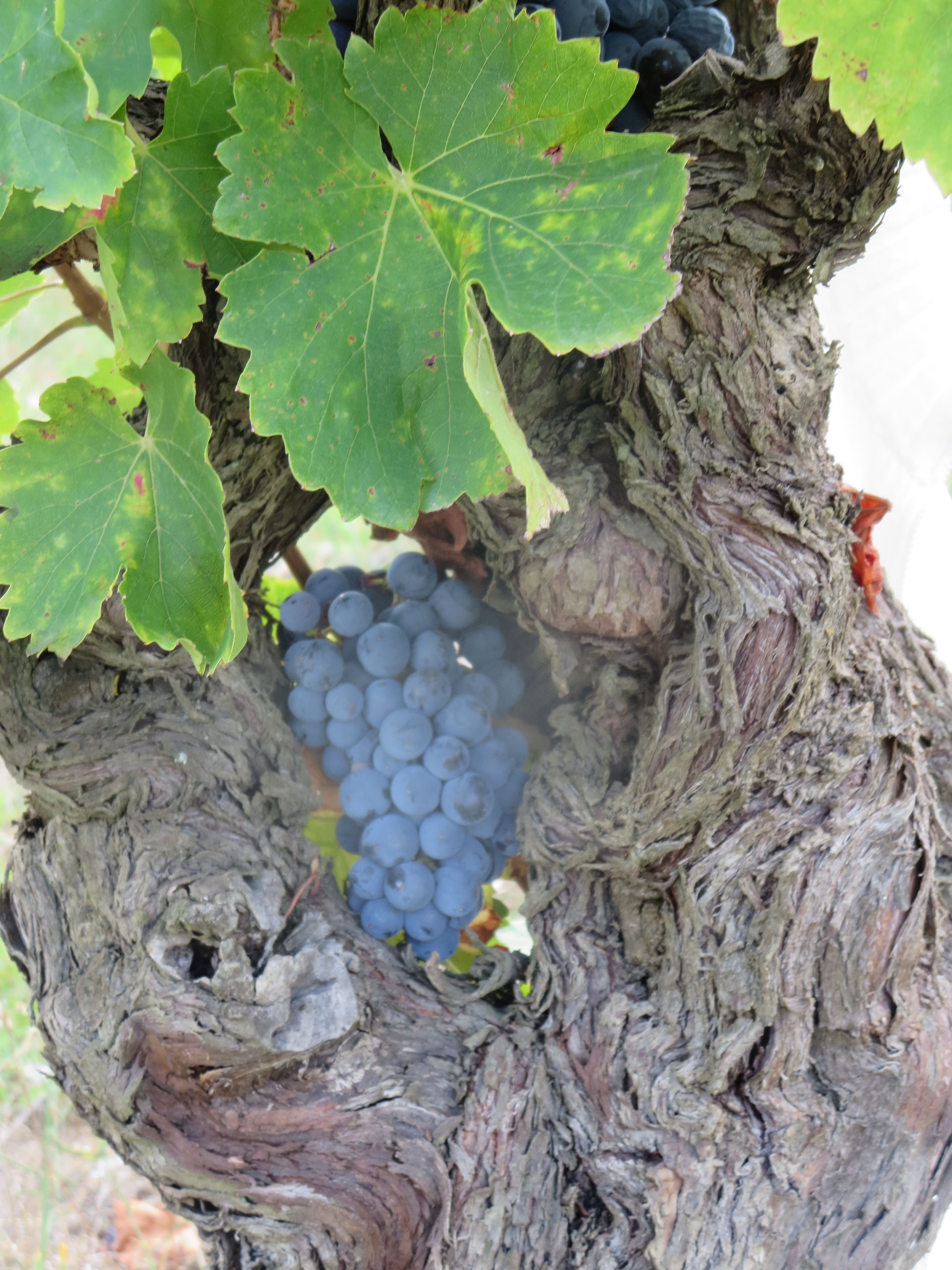
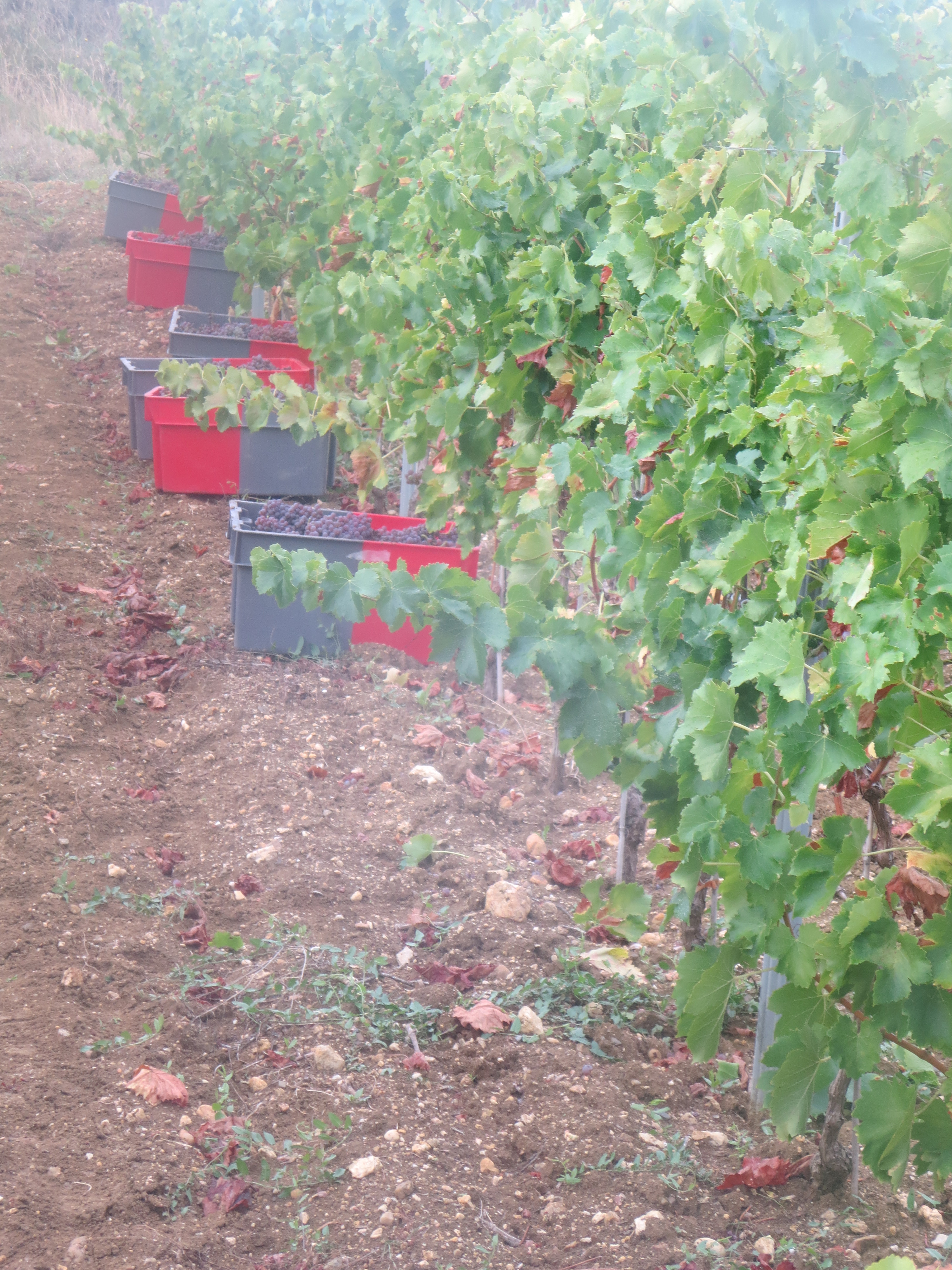
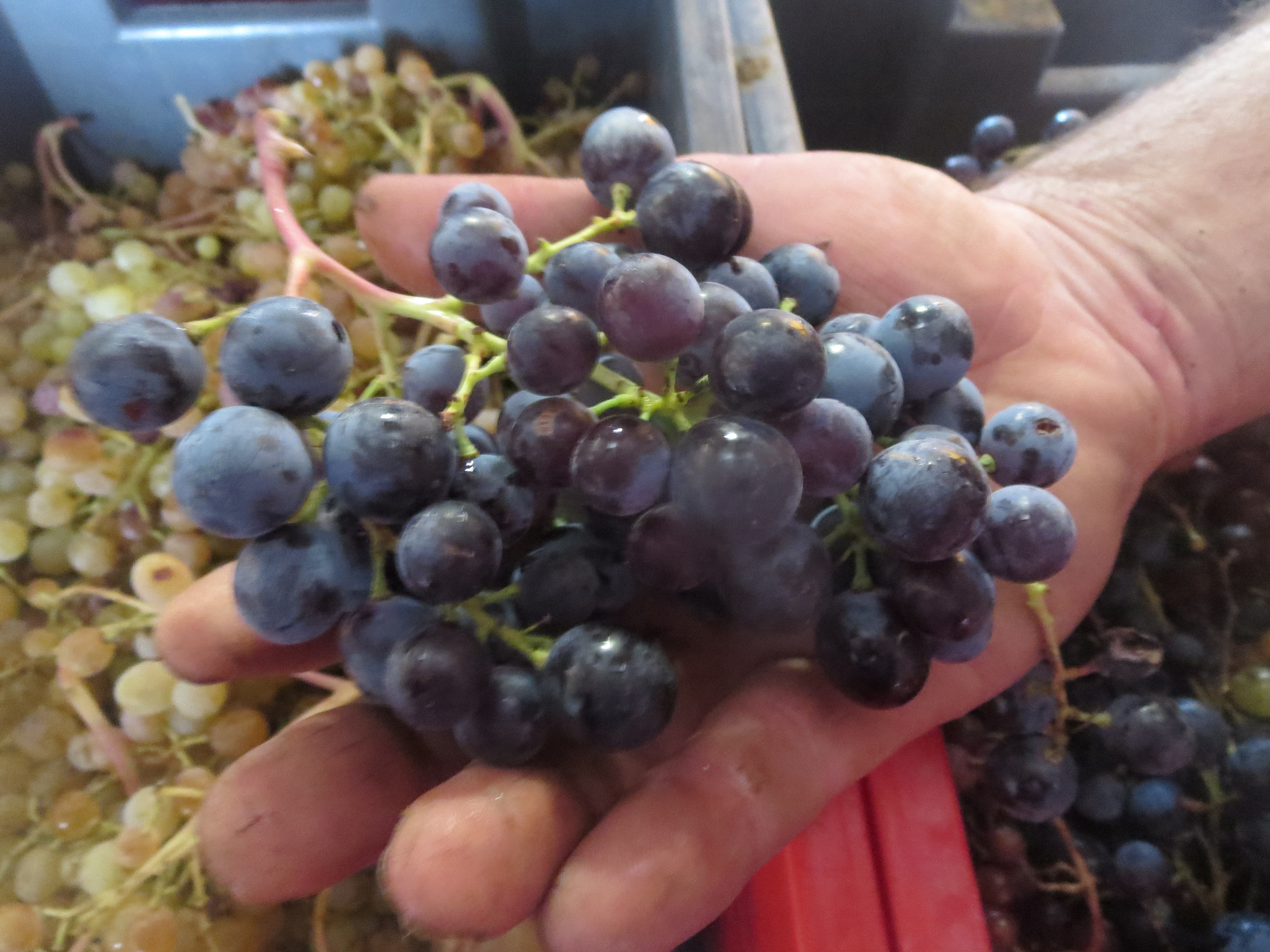
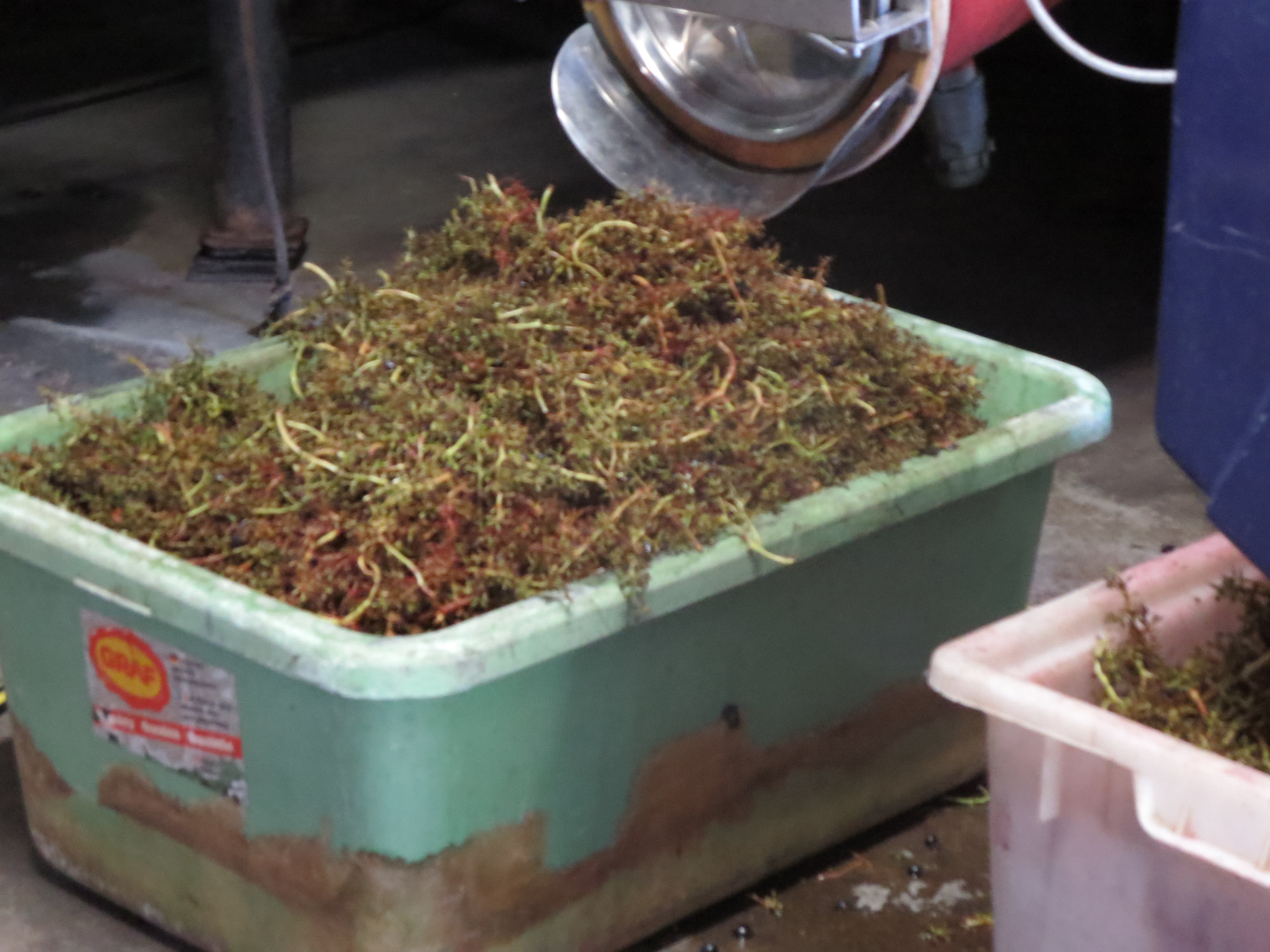
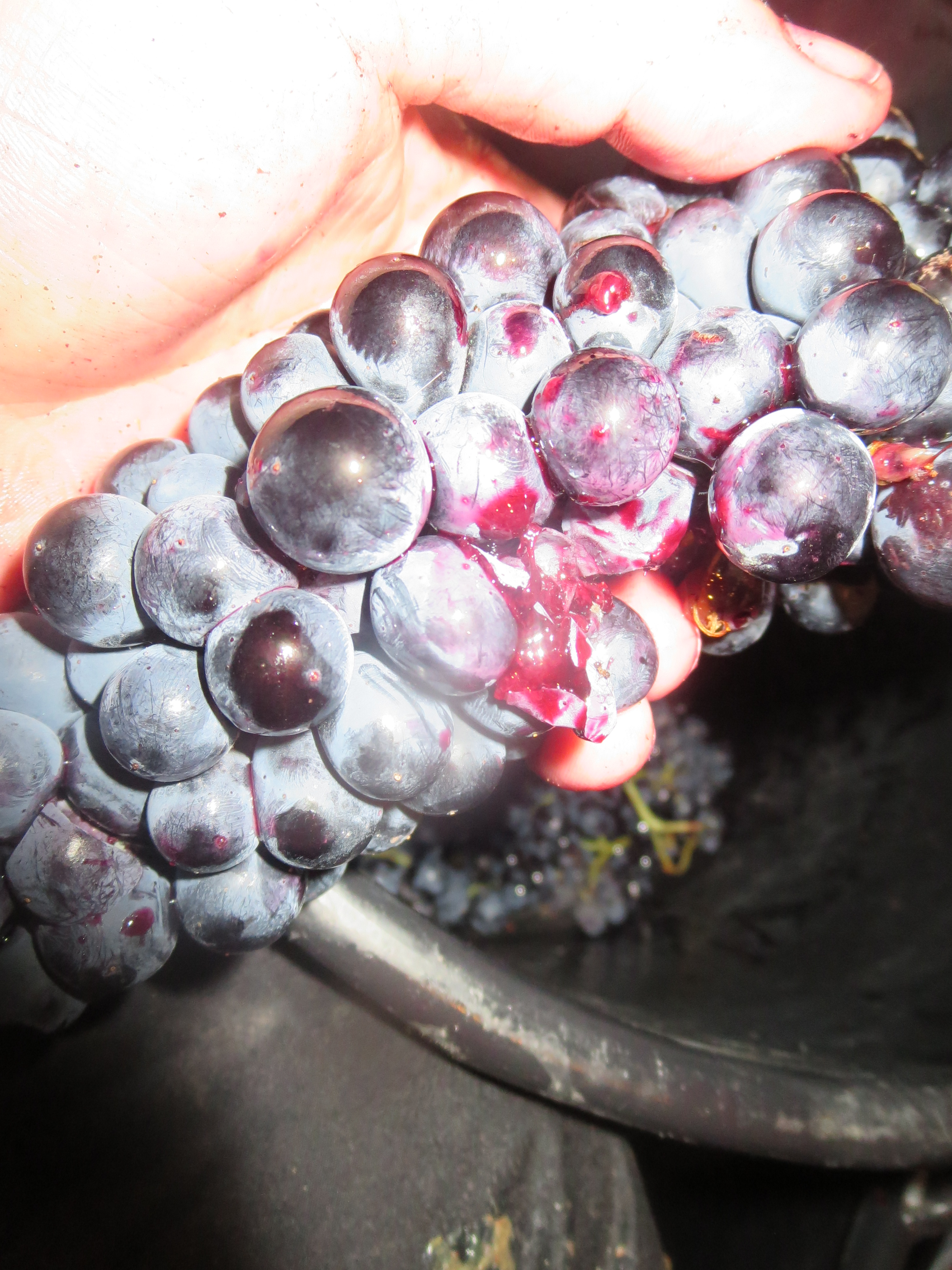
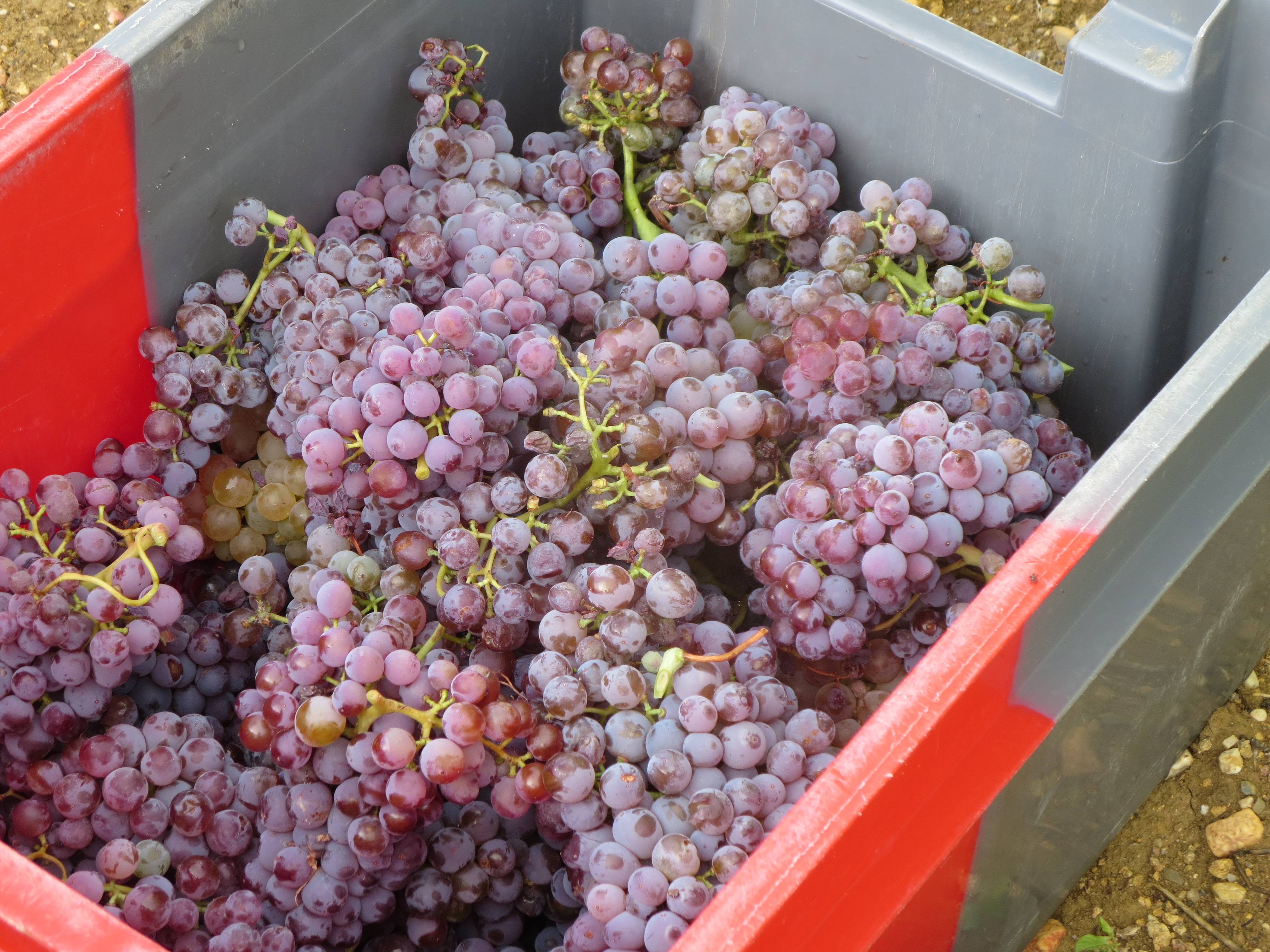
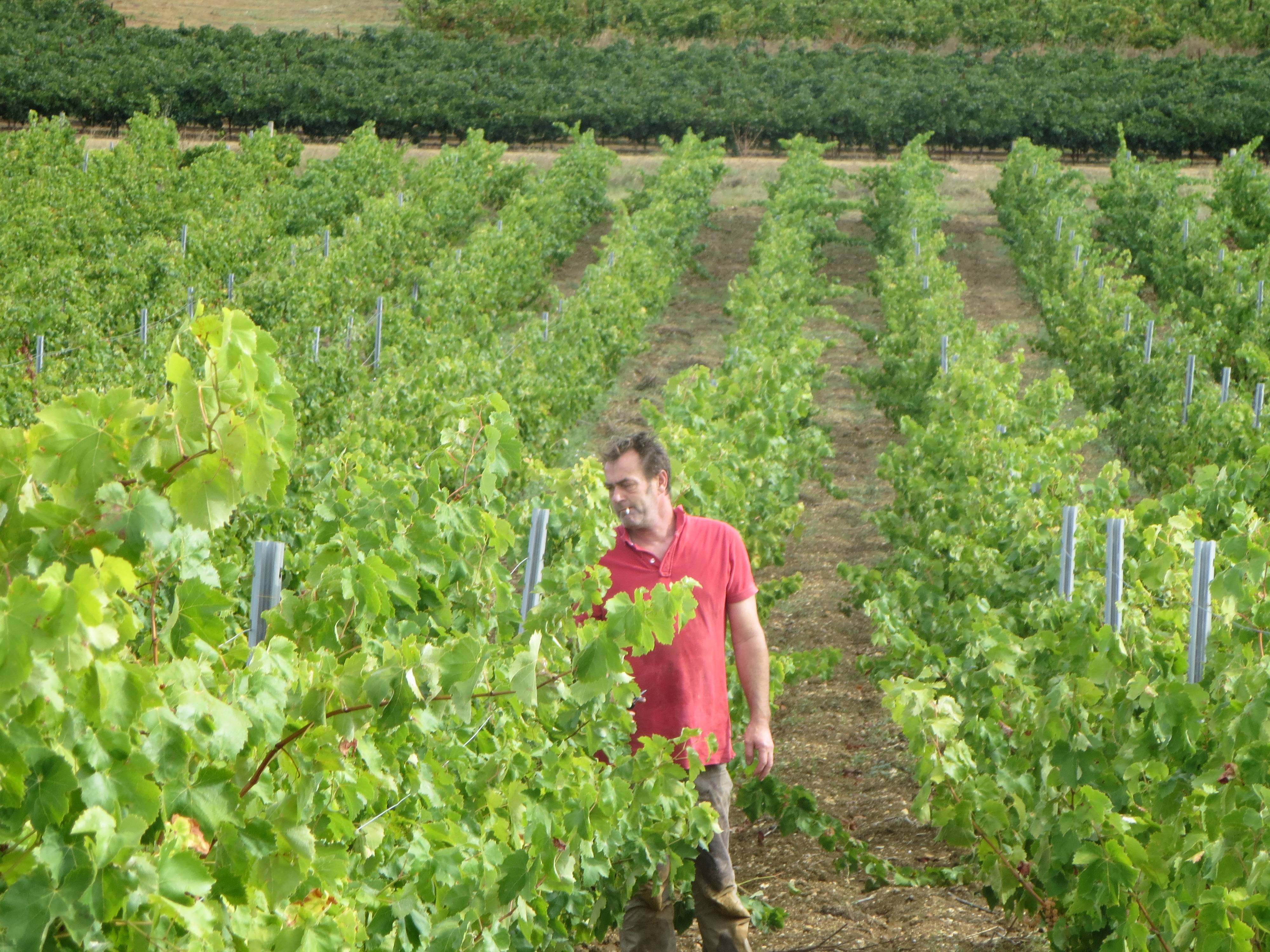
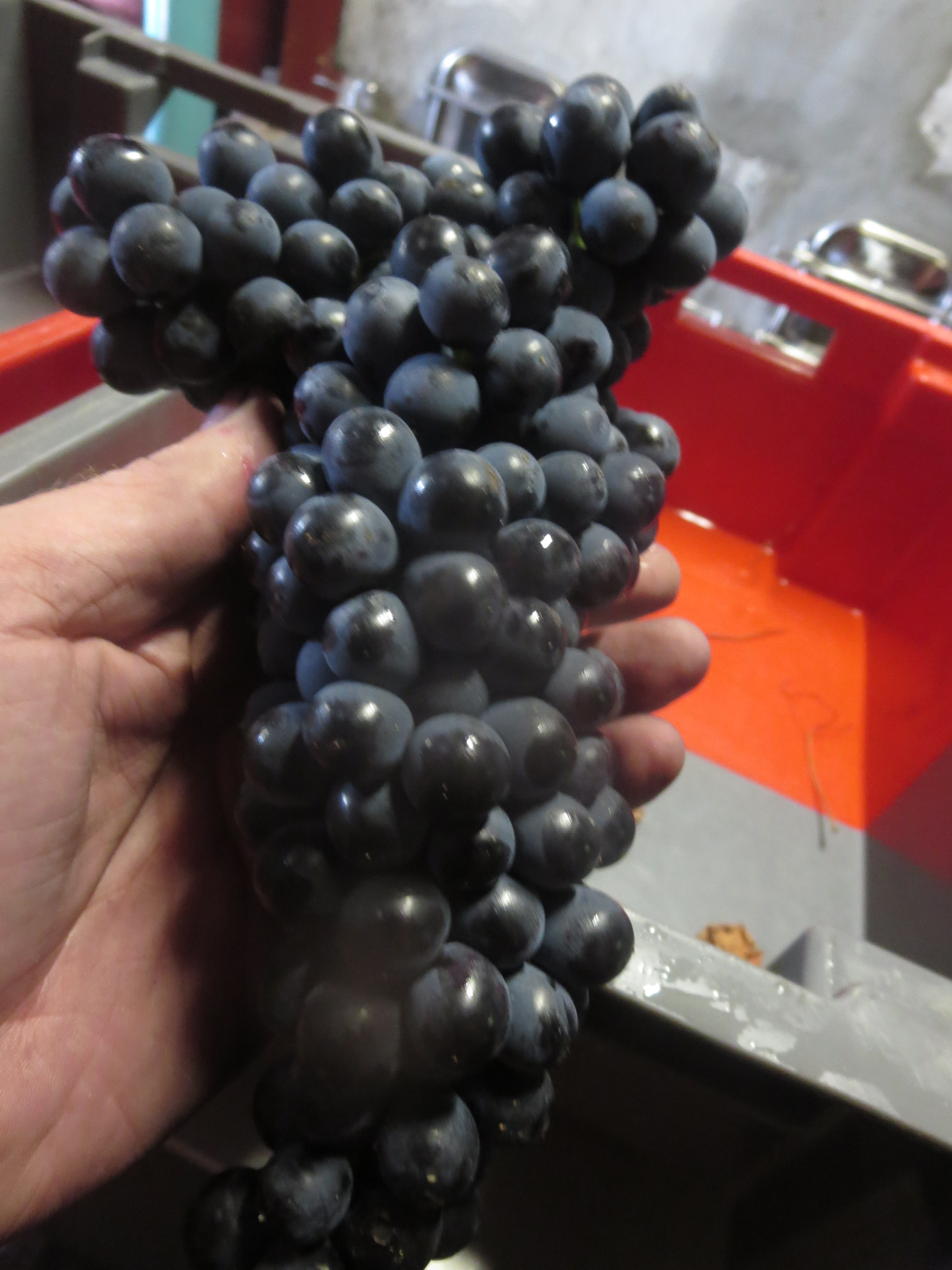
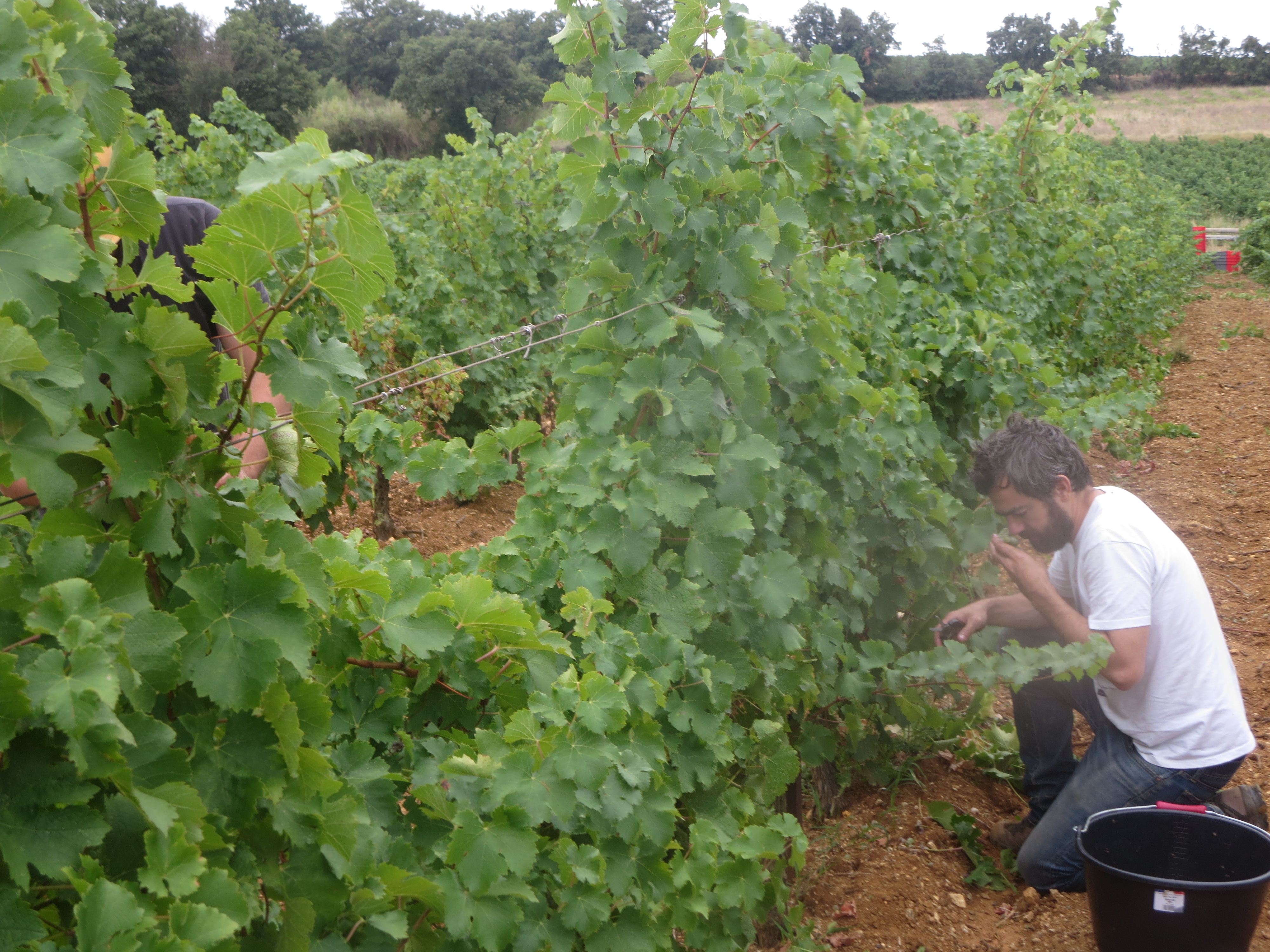
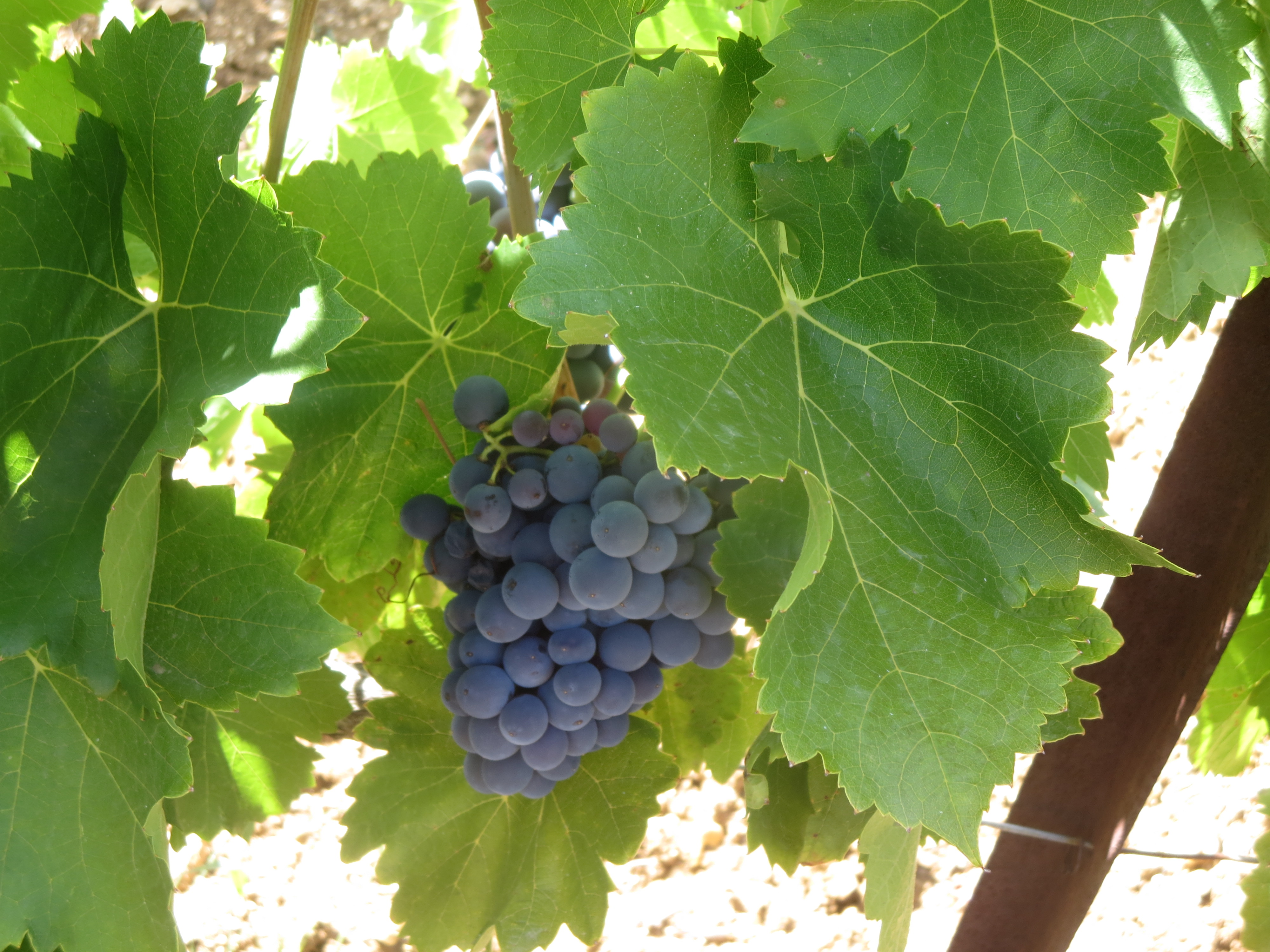
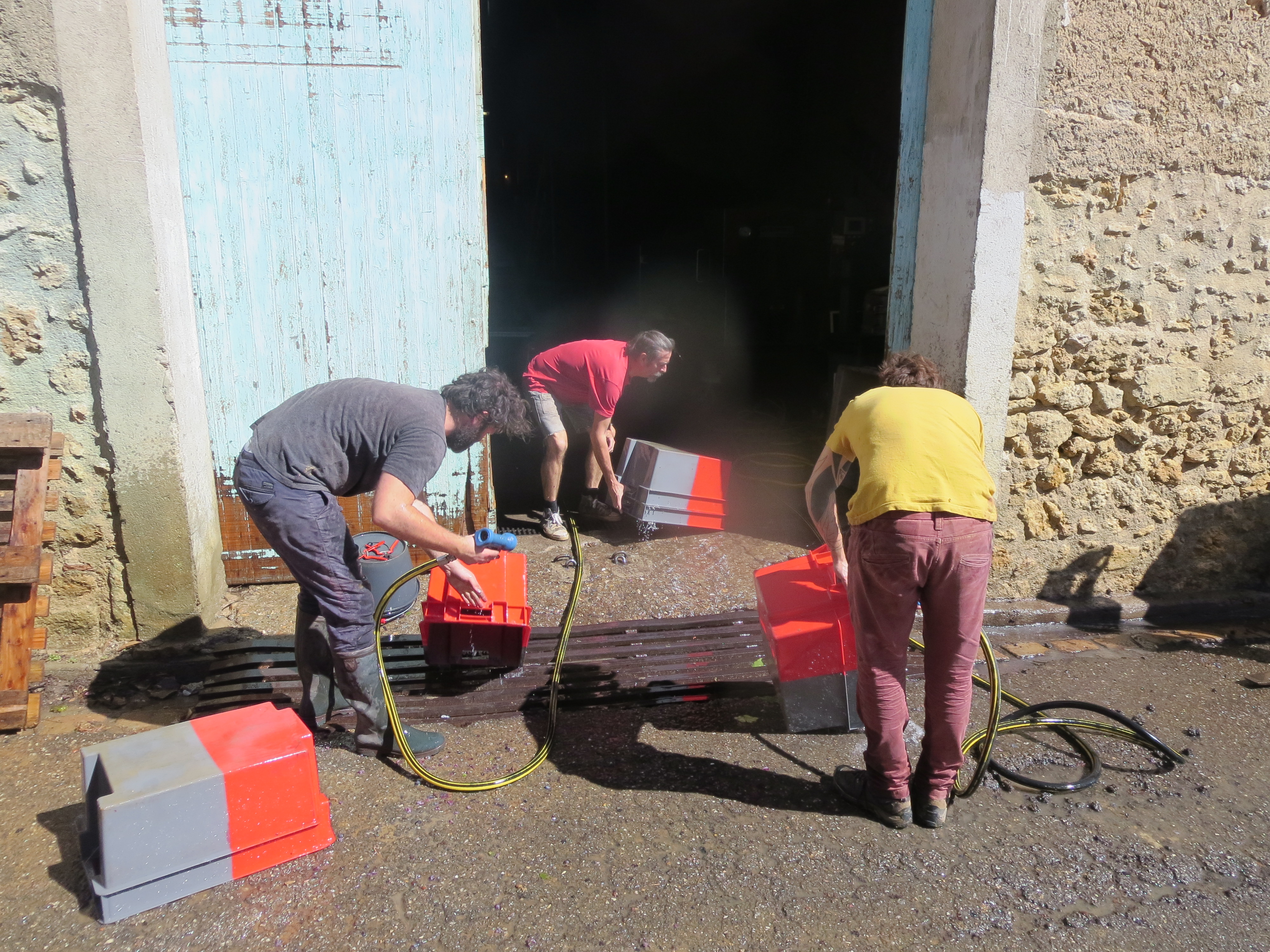
Then cleaning of the cagettes ready for the next new cépage. Following the Carignan of Wednesday it was time to harvest the Mourvèdre from Segrairals. One of my favourite grapes, somewhat fickle in character but when grown by good producers it adds a complexity and depth with a hint of dark mystery. The bunches which arrived were certainly amongst the best of the whole harvest at Mas Coutelou.

Mourvedre 17th

                            Magnificent Mourvedre


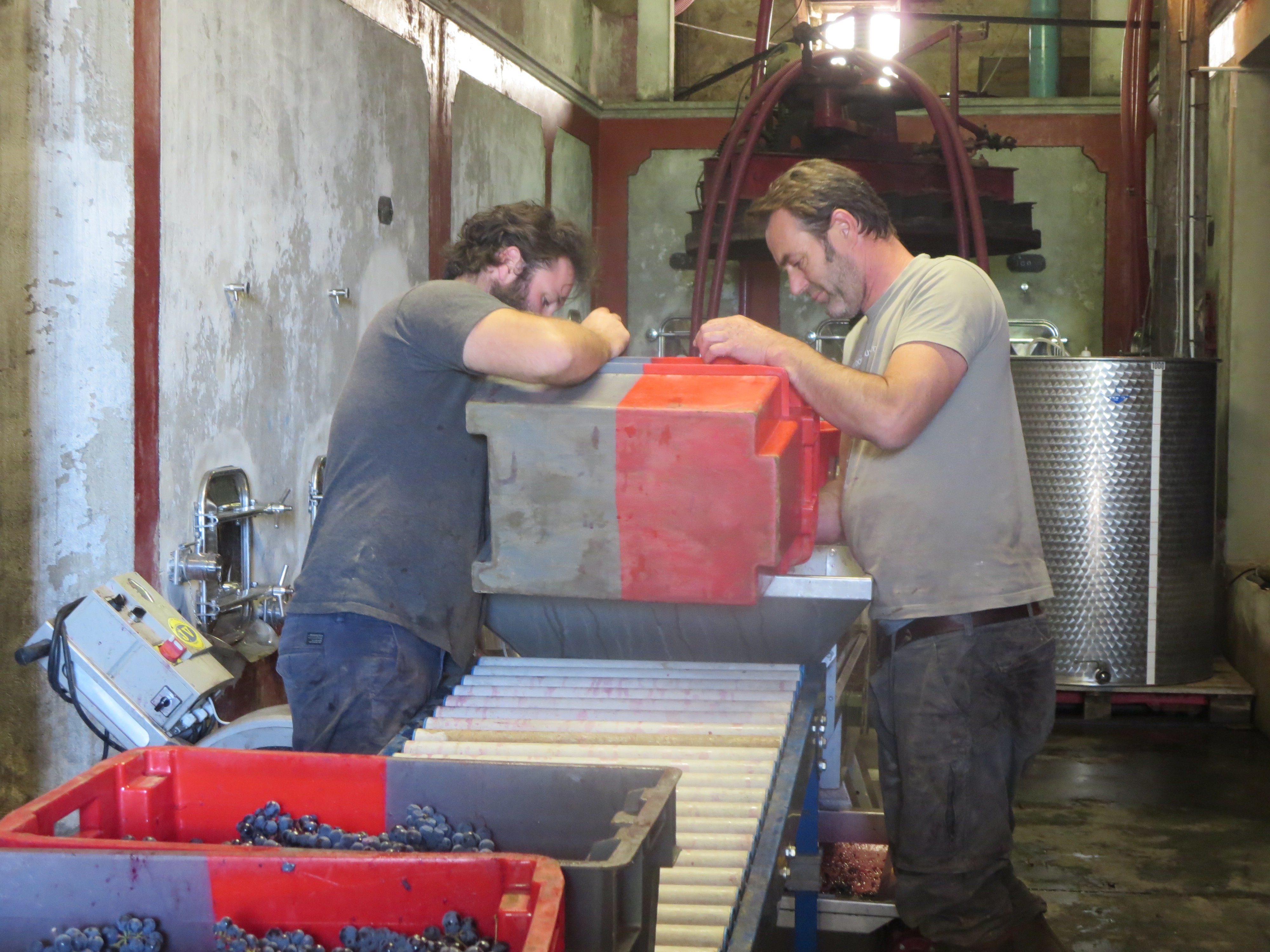
They were clean, big bunches, the grapes with thick skins and smelling already of spice and blackcurrants. Some of the bunches were very heavy and it wouldn’t take many to produce a bottle of wine, on average you need about 1.25kg of grapes to make the 75cl of a normal wine bottle. Sorting was quick and easy, the pickers had done a good job and the fruit was in such good condition. I look forward eagerly to finding out what Jeff has in mind for these grapes, when I have asked he simply smiles mysteriously, something is afoot!
IMG_2532

Friday 18th brought the rest of the Mourvèdre still in tip top condition. When the pickers reached some of the lower parts of that parcel the quality did begin to dip a little so these bunches were taken away to be used separately, possibly for a rosé wine. I say possibly because final plans are a long way from being ready. Other jobs included pressing the Cinsault grapes which will make a rosé (definitely!!) and more remontages and analyses.

IMG_2533

                           Remontage

We were joined today by Charles, a young Frenchman who works in a restaurant in Berlin, and whose mother was a former colleague of Jeff when he was a teacher in Paris. Coincidentally his boss in Berlin was a student of Jeff! Charles added a real sense of fun and worked hard.

IMG_2537

                     Charles fills the press

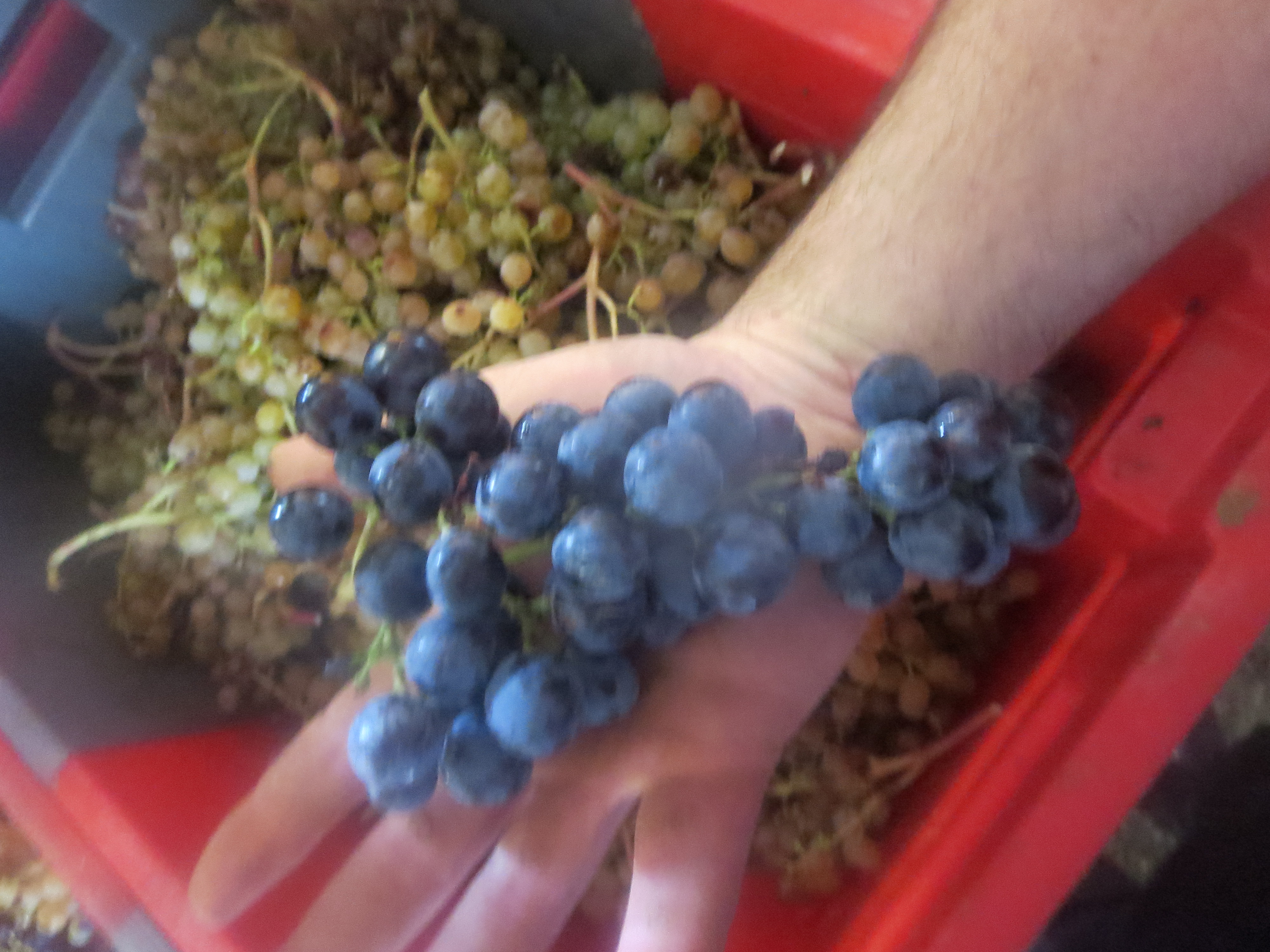
By Saturday I was ready for a rest and so the 19th was the work of the Jeff, Michel and Cameron as they processed the last red grapes from Peilhan. Some of these will be used for blending but amongst them was the famous Castets. This you might remember is a cépage produced by only two winemakers in France, Chateau Simone in Palette and Mas Coutelou. The first harvest was in 2014 and we had watched eagerly its development. In fact we have been drinking some during harvest lunches and it is very promising, brooding with deep, dark fruit flavours and a freshness to lift it. Only 3hl was produced again this year, the same as last year.

Castets

                 Castets in tank

On Sunday 20th Jeff carried out a débourbage of the Cinsault rosé which was pressed on Friday. Débourbage means taking out the pips and skins etc to leave the juice on its own. The harvest is starting to slow down a little though much work remains to be done in the cellar. Jeff and the ‘Coutelou Gang’ will have certainly benefited from a little siesta in Sunday.
IMG_2500

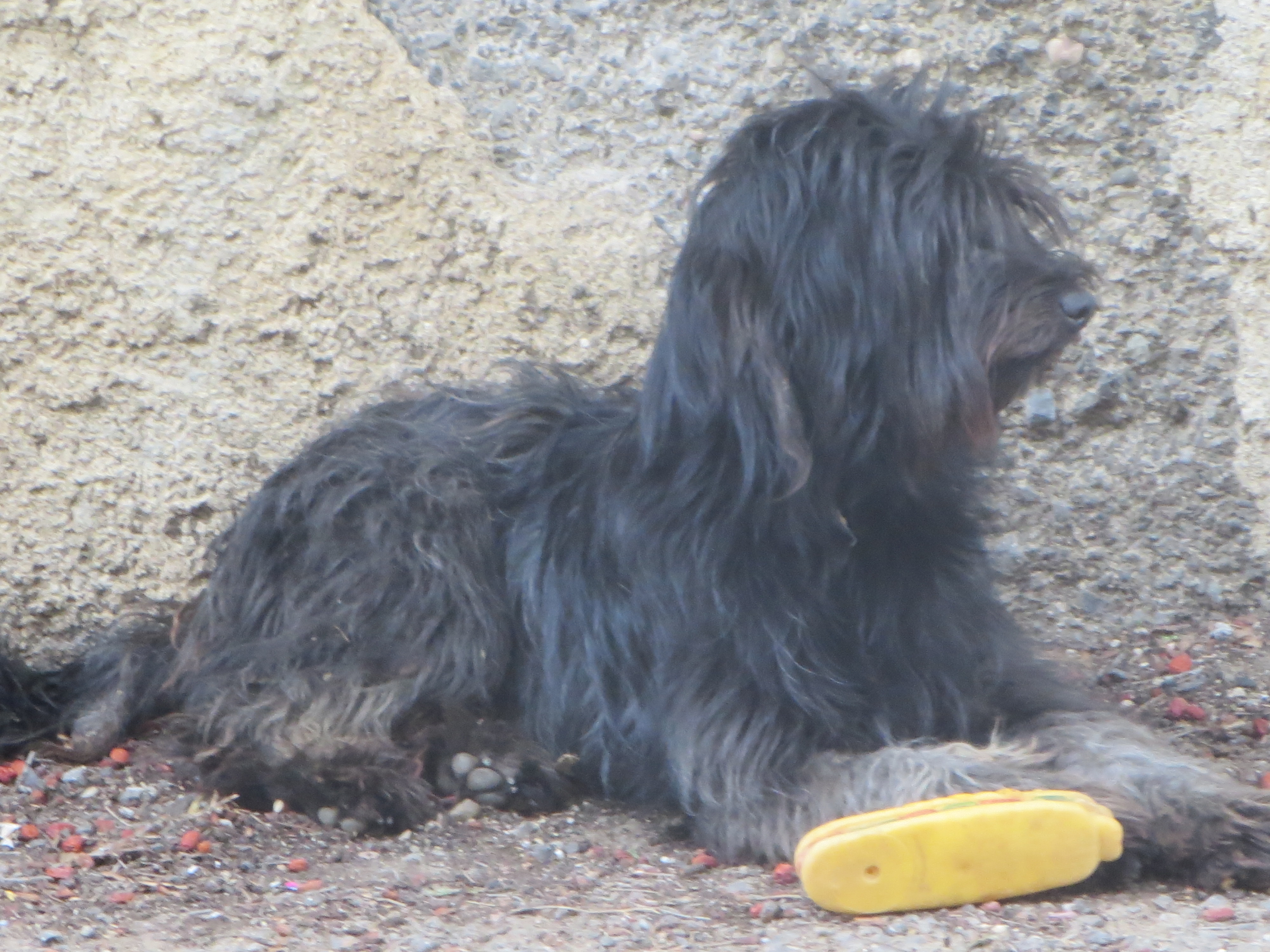
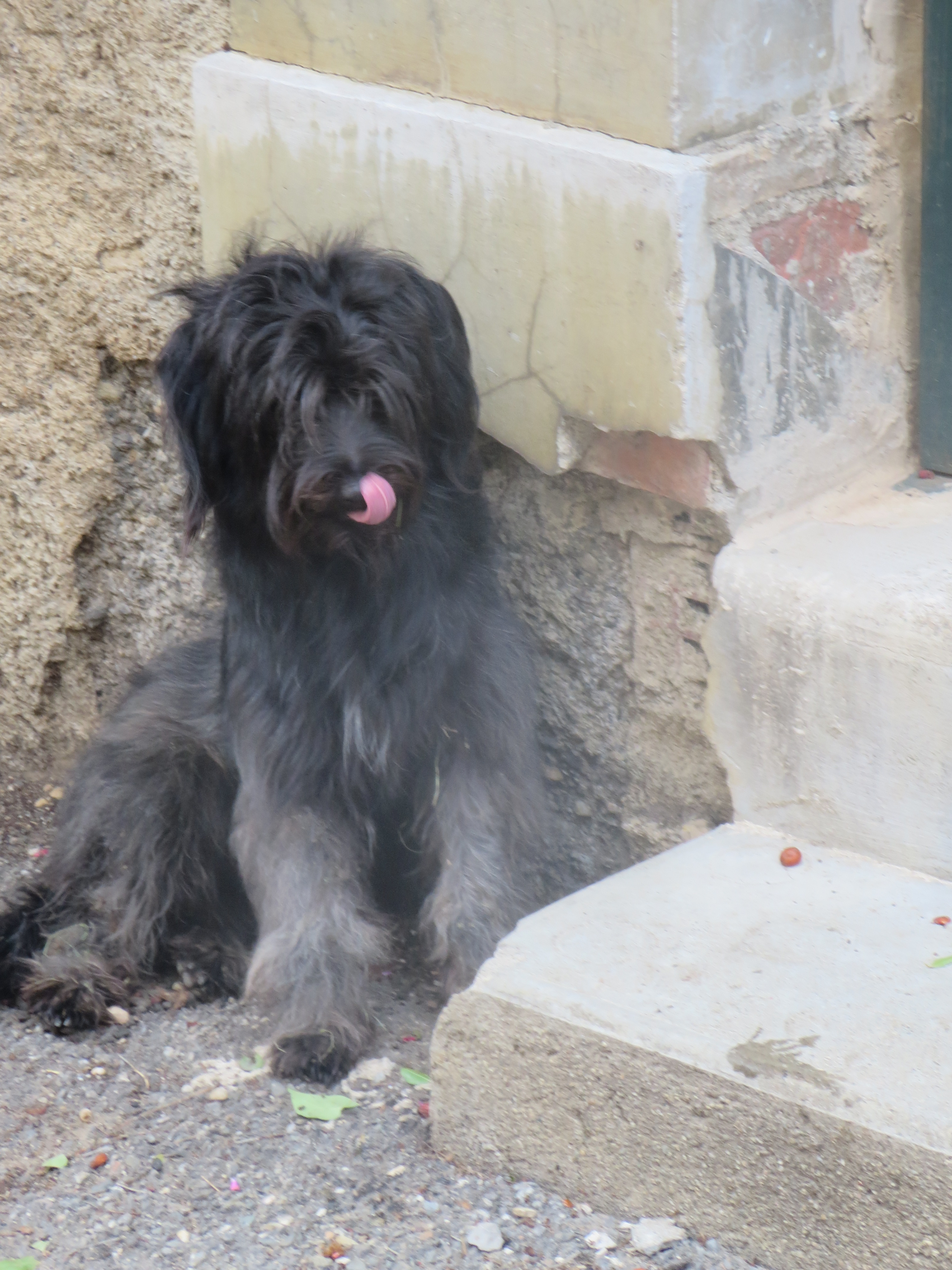
Icare licking his lips at the great wine being made (maybe)


Leave a comment

Vendanges Diaries #5 (September 9 – 13)

IMG_2375

Version française

Wednesday September 9th saw further full on action. The early morning saw the only machine harvesting of Mas Coutelou grapes. This took place in La Colombié the parcel of Merlot vines. These are grapes that don’t especially interest Jeff in terms of making a domaine bottled cuvée but the quality of the fruit is good and they are used to make restaurant house wines and bag in box wines.

Merlot after picking

                        The Merlot vines after picking

After that attention turned to La Garrigue, the conical landscaped vineyard to the south of Puimisson. Much of the Syrah had already been picked the previous day and the remaining bunches were harvested. These were to be used for carbonic maceration again and so it was back to the top of the main cement tanks to work, not the easiest place.

IMG_2359

Thomas working with Cameron sorting Syrah

Tuesday had seen the arrival of two new faces to support the team as I described in Vendanges Diaries 4. Thomas was working with Cameron in sorting the Syrah whilst Karim assisted Michel in ferrying the cagettes to and fro. The team usually rotates these jobs so that people get the opportunity to try all aspects of vendanges as well as the chance to stretch your back and legs!

IMG_2383

        Karim and Michel seem happy

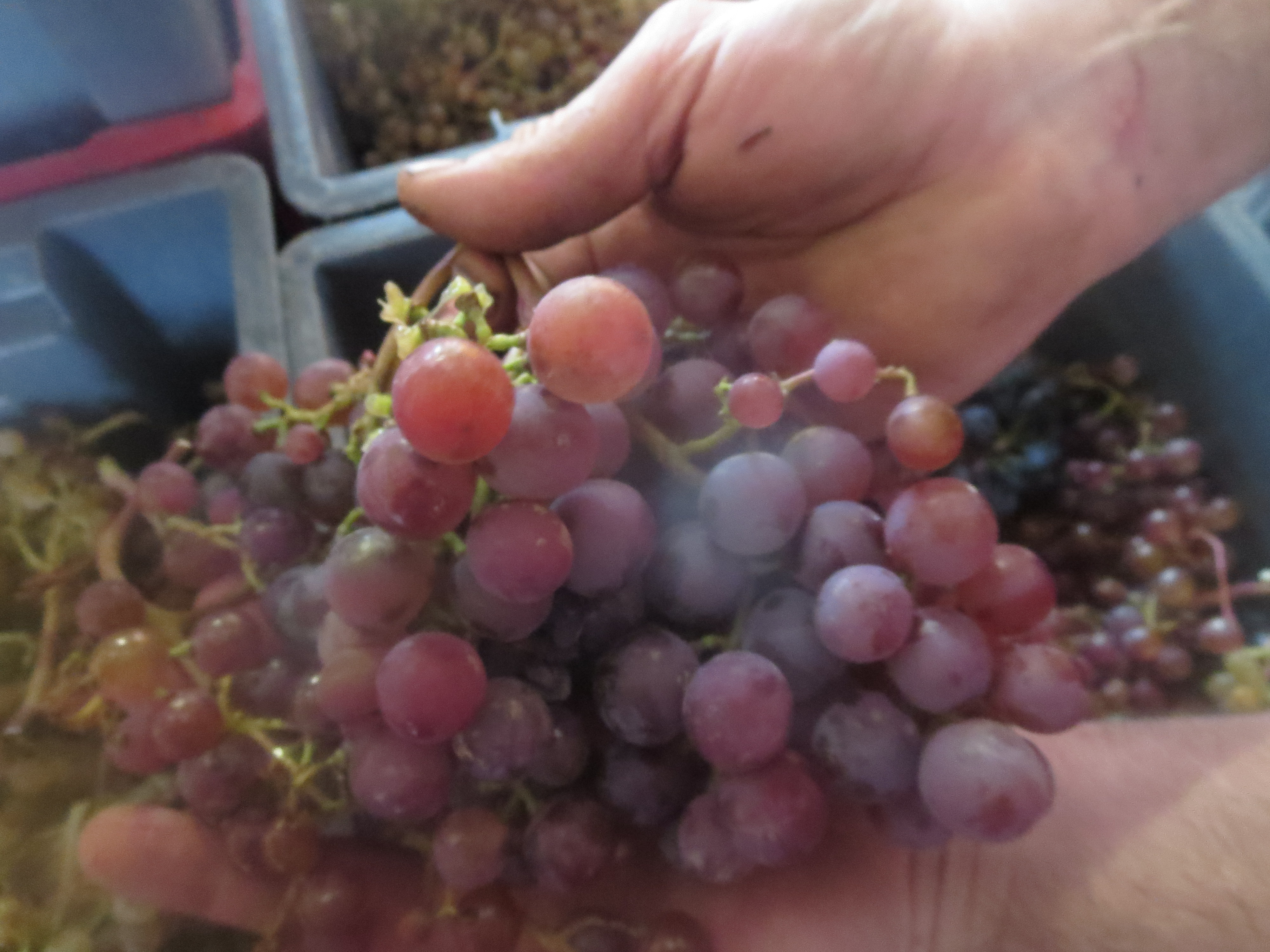
Then it was time to bring in the Grenache of La Garrigue. Grenache is a cépage of Spanish origins and loves the heat so it is planted on this parcel on a slope to the south to maximise the sunshine exposure. The result here was some beautiful bunches of very healthy fruit, easy to sort and giving aromas of spice and dark fruits even before it turns into wine.

IMG_2379

       Gorgeous Grenache in La Garrigue

IMG_2382

          Grenache grapes in the sunshine

Cellar work continued with Cameron carrying out analyses of the fermenting wines. It is worth noting that the natural yeasts of the grapes have been very quick to start fermentation in tank. After a couple of hours of crouching over the tanks in the morning I was happy to be stood at the égrappoir and then to help Cameron with remontages.

IMG_2390

         Cameron tying himself in knots

IMG_2389

  Me doing a remontage of Flower Power

IMG_2362

Cameron and I doing a manual pigeage of the macerating white cuvée

And of course….

IMG_2392

Thursday 11th September continued the harvesting of the Garrigue Grenache and then Cinsault from the opposite end of the village, to the north. More good quality fruit and more hard work from the whole team.

IMG_2396

       More gorgeous Grenache

The pressure was on however, the weather forecast was unkind with the promise of storms possibly on Friday, definitely by Saturday. Therefore the more grapes that could be harvested before the rain the better. It was full speed ahead though no let up in terms of sorting the grapes and ensuring the quality of the future wines. We were assisted by the arrival of Céline and Delphine the nurses from Bordeaux who I mentioned in ‘Centiment de Grenaches’.

IMG_2384

                        Cinsault being pressed

IMG_2394

           Must after pressing

There was a famous advert in the UK for tinned fish by a company called John West which said, “It’s the fish John West reject that makes John West the best”. Well that works for Mas Coutelou too. The Moroccan pickers by now were much more attuned to the strict quality demands of Jeff and were sorting the fruit, leaving any substandard grapes on the ground. Then the sorting in the cellar to check anything which did manage to get through that first tri. It’s the grapes Jeff Coutelou rejects that make Mas Coutelou the best.

IMG_2376

                            Rejected Grenache

Friday September 11th was the day of Centiment de Grenaches, the special cuvée Jeff suggested I make to celebrate the 100th blog post. Meanwhile more Grenache was being brought in for the regular cuvées, work continued apace as the clouds started to gather as predicted.

The night of Friday into Saturday brought 45mm of rain (almost 2 inches) as storms rumbled around the Languedoc. Amazingly some areas had next to nothing, Cabrières for example, whilst rain caused floods and the subsidence of the motorway a few kilometres away near Lodève. The 45mm at Puimisson meant 93mm in total since the start of the vendanges. That makes things more difficult of course as water covered grapes can’t be harvested for quality wines (though I noticed some harvesting in some other vineyards!). The ground is also muddy so picking becomes difficult and the biggest issue is the risk of disease and rot.

Work was therefore centred in the cellar with more remontages and analysis. The wines are now settling and need to be moved to take the juice off the skins and pips, to be pressed if made by carbonic maceration, to let them settle. Therefore the 12th and 13th were hard work as usual for Jeff, Cameron and Michel. Though you will see that it is Icare who is driving the team onwards.

IMG_2391


2 Comments

Vendanges Diaries (4) – Sept 6th to 8th

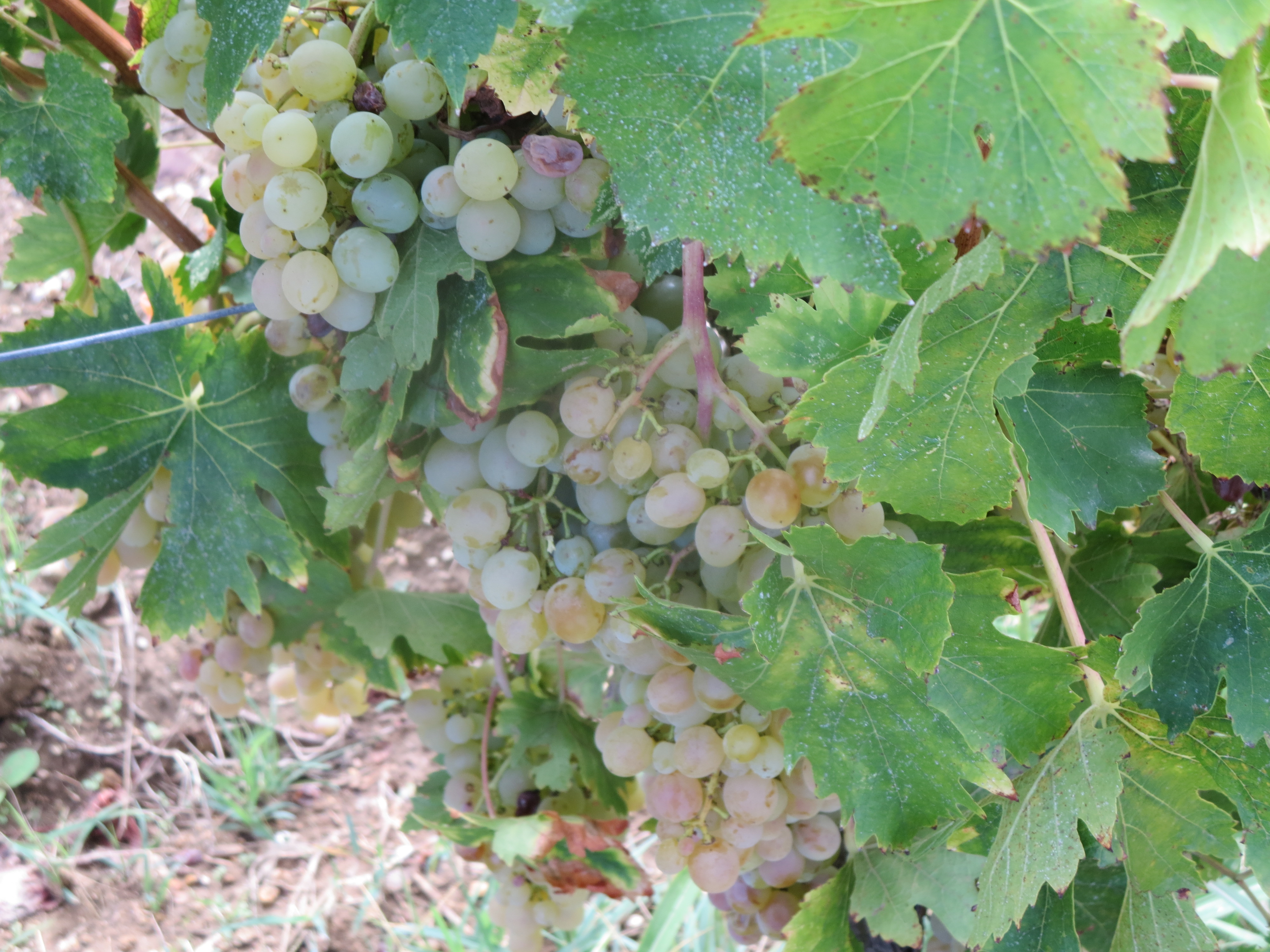
Carignan Blanc

                                        Carignan Blanc

Version française

This was the busiest week of the vendanges and required long hours of picking, sorting, pressing, remontage as well as lots and lots of carrying, lifting and often in confined spaces. In short it was hard work.

Why so busy? Well, Syrah which was the first of the red wine grapes to ripen makes up around a third of all the vines at Mas Coutelou and Grenache, the next to ripen, is also the next main cépage with up to 12% of the harvest. Together this meant that around half the 2015 harvest would be picked this week. Add in other smaller picking and the parcel of Merlot and this was definitely the crunch time.

Sunday September 6th was a day of rest for most but Cameron and Jeff were in the cellar working as usual, carrying out checks and analyses and remontages as necessary.

Monday 7th was a long day at work. It was around 8.45pm before we stopped. Syrah in Segrairals makes up around 2ha in total, though as with all land there are some prime areas whilst other vines, around the edges and in a few hollows where water gathers, are not of the same quality. In a typical year these would go towards cuvées such as Classe and 7, Rue De La Pompe but, as ever, plans are fluid.

Car Blanc grapes

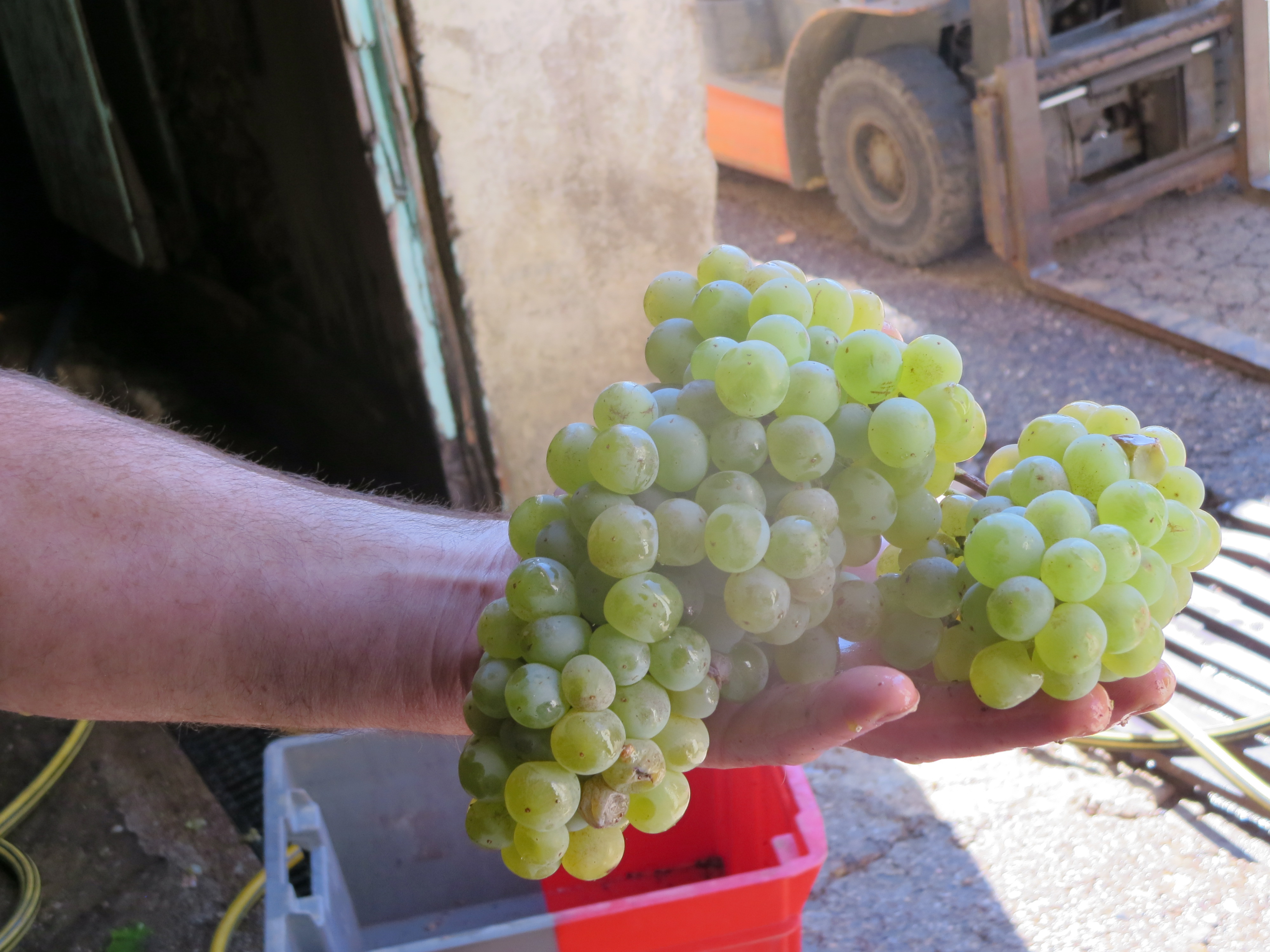
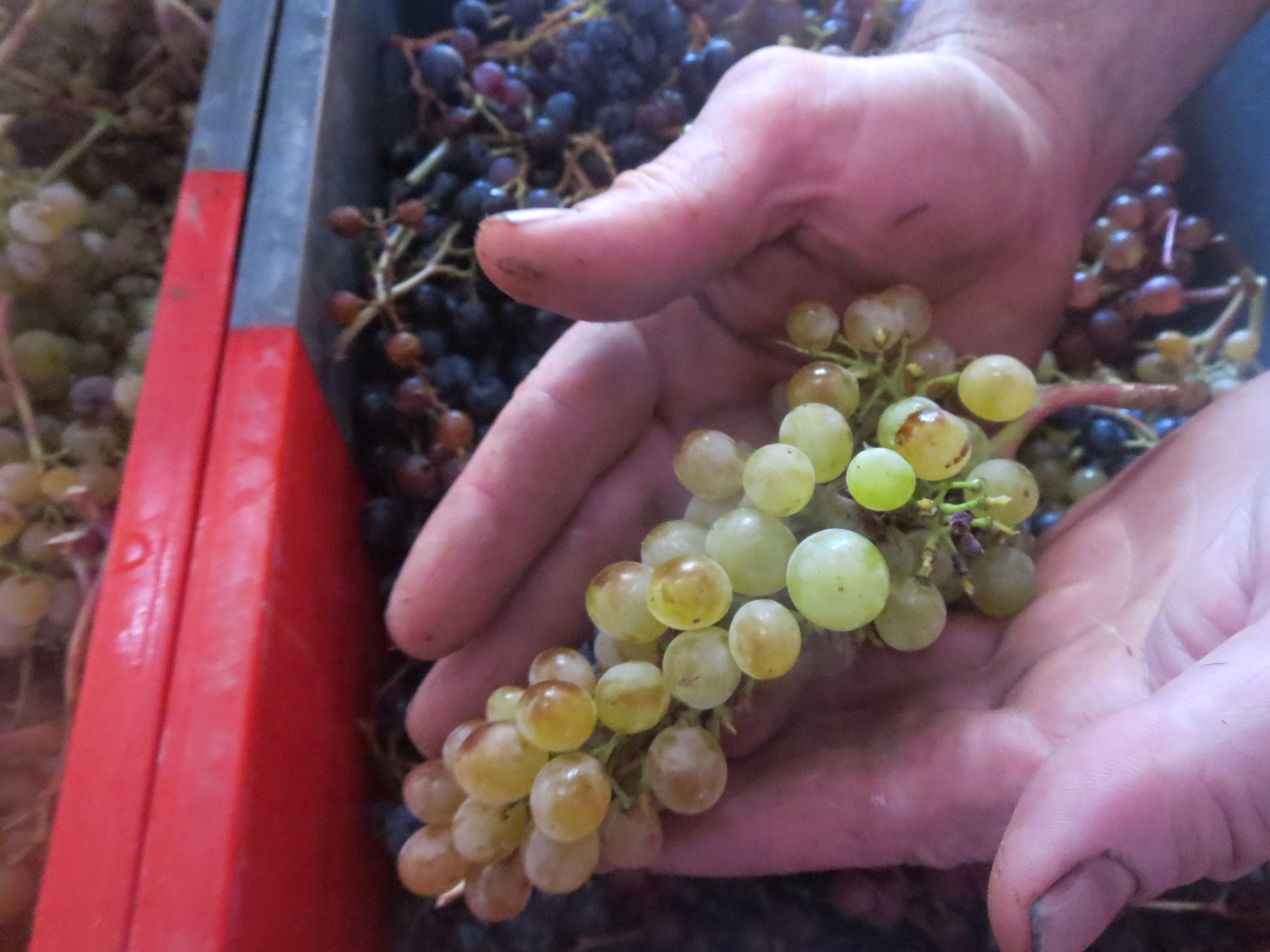
              Superb bunch of Carignan Blanc

In addition a parcel of Carignan Blanc was harvested from Peilhan vineyard. There were some wonderful grapes and they were given special treatment, carefully sorted and then pressed using the small hydraulic press. The juice ran very clear and green and then gradually took on a slightly brown colour as it developed light oxidation. This is actually good as it helps to protect the juice later in its life and prevents damaging oxidation. Moreover, the effects of the oxidation from the pressing are removed through fermentation. Around 600l were produced in total, around 750 bottles worth. This makes a very good wine, something I was to be reminded of on Tuesday night, as we shall see.

IMG_2347

This was a long day but much good work had been done.

Tuesday 8th brought more Syrah to the cellar, this time from La Garrigue. These are the vines I have described before which face north on a slight slope to preserve the freshness and fruit flavours, good quality grapes which are often used for my favourite cuvée, La Vigne Haute, so I was even more keen to help to sort carefully and there were some lovely bunches of healthy fruit. Here’s hoping for a good vintage of LVH, as ever Jeff will make the call.

IMG_2337

Cameron unloading some Grenache Gris

Yet again another smaller harvest was done, again from Peilhan, this time with Grenache Gris. The lovely pink, grey berries are flexible in their use and might produce, white or rosé wines or be added to red wine as you will remember from my special cuvée post.

IMG_2343

            Grenache Gris after being pressed

Meanwhile lots of analysis of the wines in tank and work to ensure that they are in good health. This even involved Jeff removing his trousers and jumping into the Flower Power tank to do some pigeage! Modesty means that I shall not share these photographs!

IMG_2355

Cameron getting a sample for analysis

IMG_2348

IMG_2354

The after effects

And of course there was plenty of this… (I couldn’t resist adding the tune)

Error
This video doesn’t exist

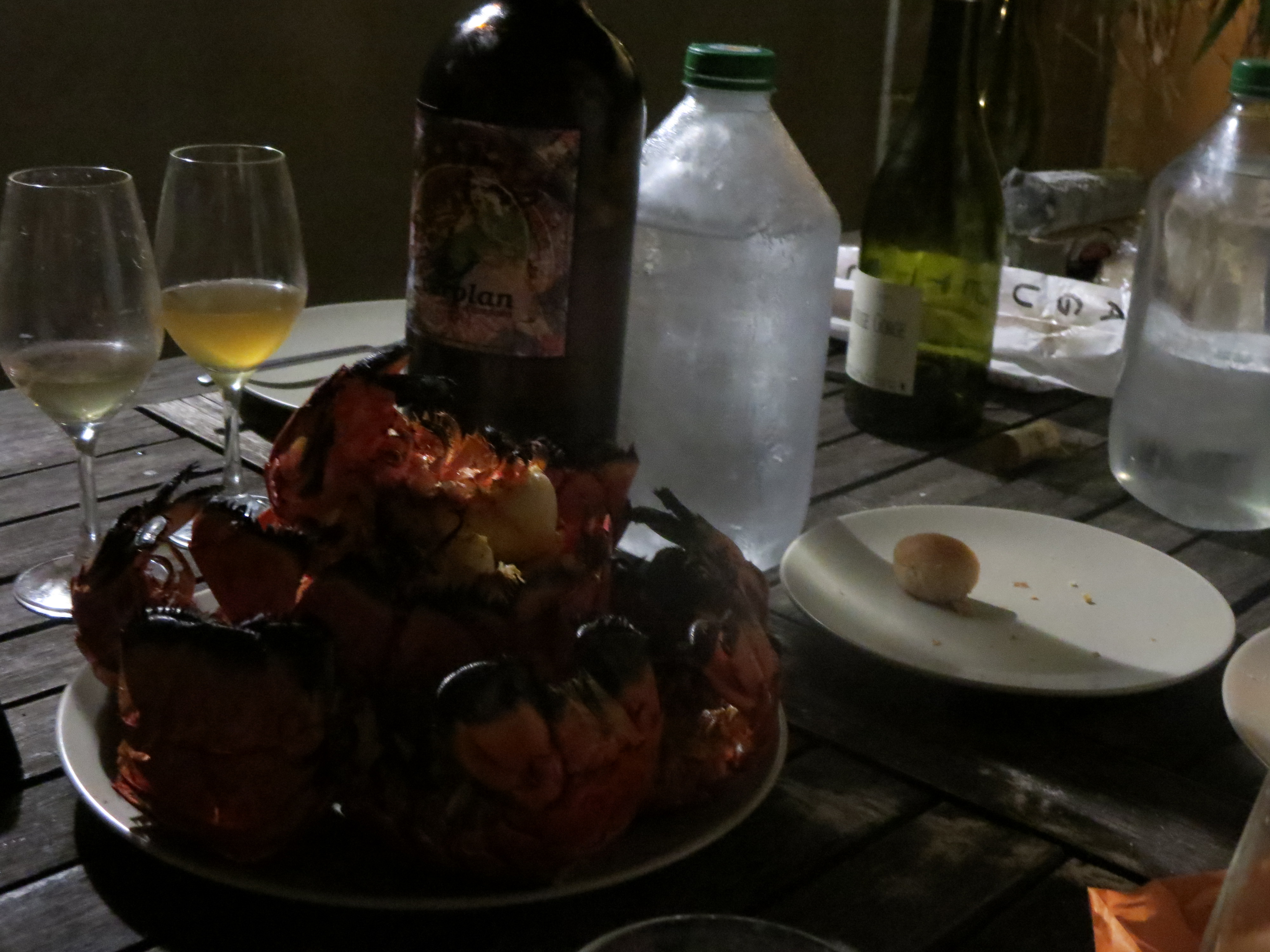
A bonus was to come though. We had been joined by two new additions to the team. Thomas is from Toulouse originally but has been working as a sommelier in the Languedoc and spent most of the week with us and will return next week. Karim is a fishmonger from Tours with an extensive knowledge of natural wines. He spent the week in Puimisson and brought a lovely surprise in the form of lobsters and scallops which made a wonderful dinner on Tuesday as Karim is also an excellent cook. We shared a magnum of Casa Pardet Chardonnay to accompany the shellfish as well as two Carignan Blancs, one from Mas Coutelou and the other from Jeff’s friend Cyril Fahl of Domaine Rouge Gorge in Roussillon. It was a special and hugely enjoyable meal, thanks to Karim and Jeff for the food and wine.

IMG_2367


12 Comments

Centiment de Grenache

IMG_2455

IMG_2405

Version française

No excuses for using a  French title and a misspelling too. This is the hundredth article on my blog and so a play on the word cent is justified. I mentioned to Jeff Coutelou that this post would be a landmark and he decided that it should be celebrated with something special. I had thought about a review of the previous ninety nine, a greatest hits if you will, but Jeff had something much more spectacular lined up; I should make a special cuvée from the Coutelou vines, and not just any parcel but my absolute favourite vineyard, Rome.

IMG_2414

This was such a lovely gift, in the middle of the harvest, a time of increasing pressure and stress, Jeff allowed me to take up time, grapes and equipment to make a special wine. How generous is that?

So it was decided to use the Grenache grapes from Rome a complanted vineyard of traditional, gobelet vines. The Grenaches were planted back in 1962 by Jean Claude Coutelou, Jeff’s father who told me about them at lunch on Friday, the day of the harvest and pressing. There are approximately 4 rows of Grenache Noir but mixed in there are quite a few Grenache Blanc vines and a smaller number of Grenache Gris. These would make a true assemblage of Grenache, a real feeling for Grenache, “sentiment de Grenache”.

IMG_2401                          IMG_2400

My wife Pat was persuaded to come along and do some picking along with our friends Martin and May Colfer, neighbours in Margon, and great people. They had expressed interest in finding out about the harvest and were to get first hand experience! I was also delighted that we were joined by Céline and Delphine, two nurses from Bordeaux who had come down to Puimisson to take part in harvest. It is a mark of how highly Jeff is valued by his friends that many come along to help out and I shall mention more in the next vendanges diaries. Céline had done some picking in the first week of harvest when she and her family were staying with Jeff and had clearly enjoyed it, returning with Delphine.

IMG_2399       IMG_2404

IMG_2398

It has to be said that none of us were the most experienced pickers and it took us around two and a half hours to harvest the four rows. One issue proved to be the complantation as mixed in with the Grenache Blanc were some Muscat vines and the Cinsault and Muscat Noir vines were easily mistaken for Grenache Noir. Fortunately my recent articles on ampelography meant that I was able to guide us into collecting the sought after Grenaches with just a few extras. It was made easier by the grapes themselves which were in excellent condition, really healthy. Mixed with Queen tunes and chatter we worked hard to pick and the first grapes were transported back to the cellar along with myself, there to start the pressing.

IMG_2407

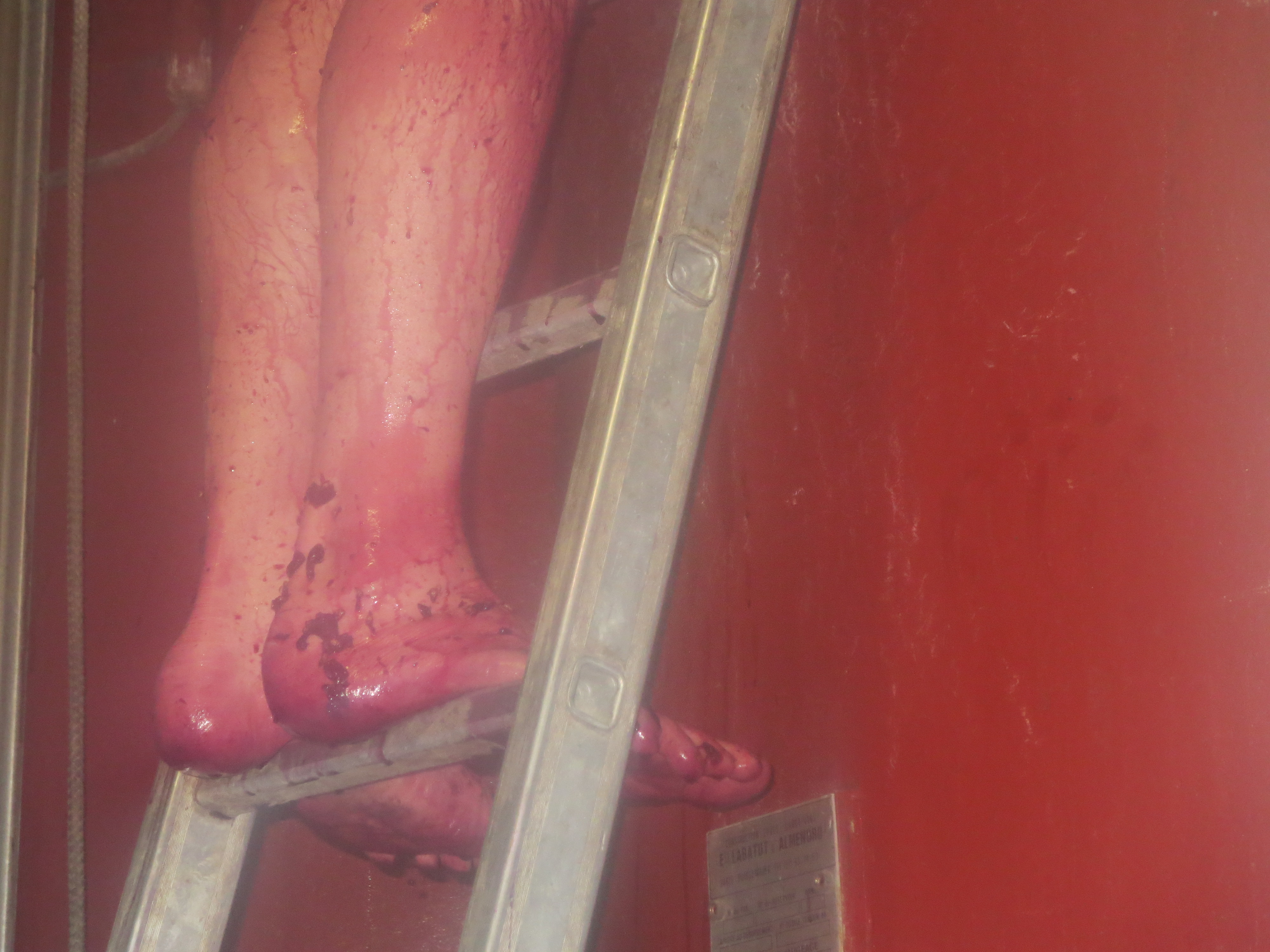
As this was a small quantity of grapes they would be pressed in one of the small hydraulic presses and so I had to tread them first so that they would not burst in the press, squirting juice everywhere. Then into the cage and the juice began to flow, sweet, clear and weighing in at over 15º of potential alcohol.

IMG_2411    IMG_2423

IMG_2412         IMG_2425

Back to the vineyards to rejoin my friends in order to complete the picking. At 11.45 we had completed all the Grenache vines. I have said before in this blog that I call the vines of Rome vineyard ‘centurions’, as they stand tall and proud. Roman centurions were older, were trained and gave everything for each other. These vines are exactly the same and making an assemblage of the different Grenaches seems appropriate, centurions stand together.

IMG_2409

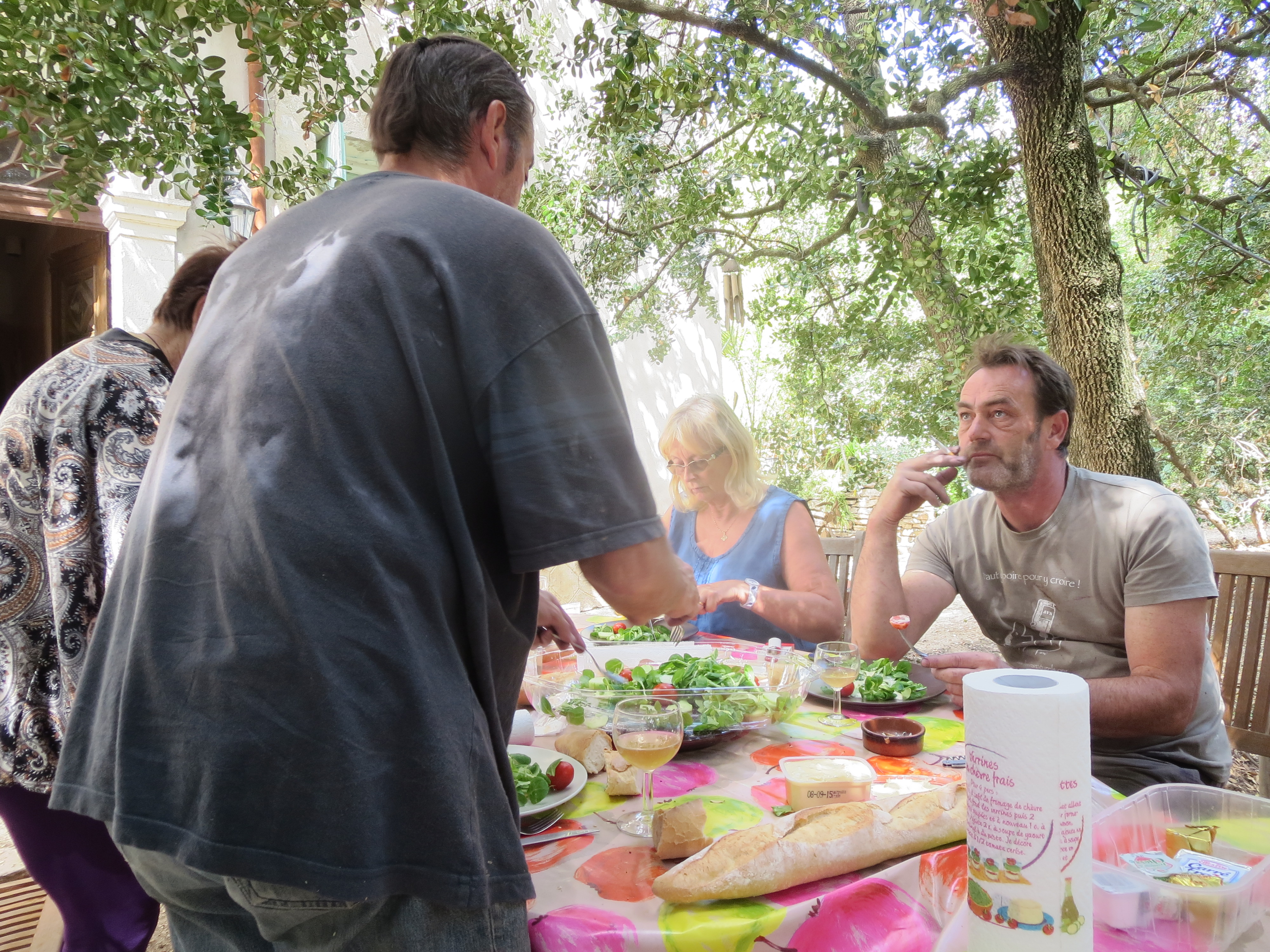
Lunch beckoned and it was good to share together and enjoy some of the bottles of Mas Coutelou, coincidentally including a magnum of ‘Grenache, Mise De Printemps 2014’. As this is the 100th article it also made me think of a year ago when I sat around that table and Jeff told me his story of the <Chaud Doudou>, a fairytale with a moral of sharing and love, very much Jeff’s philosophy. Looking around the table with Jeff, Jean-Claude, Michel from Puimisson with visitors from the Loire, Bordeaux, UK, Ireland and Australia it was hard not to think that this was exactly what that philosophy is all about.

IMG_2431             IMG_2432

In the afternoon I pressed the grapes three times in total. Between each one I carried out a rebeche, dismantling the gateau of grapes made by the press and rearranging them for the next pressing. The contrast between the black, pink and white grapes was beautiful to look at.

IMG_2421

IMG_2442

IMG_2428

IMG_2451

The end product was only around 125 litres of wine after all that effort, this will be a true collectors item so send your bids in now! Jeff thought it would be interesting to see how the wine will develop in different containers, so some went into a 60 litre barrel, more into two, older 15 litre barrels and the rest into a big 27 litre bottle.

First pressing

First pressing

IMG_2445

Second pressing, slightly darker in colour

IMG_2418

Delphine and Karim checking my work

IMG_2443          IMG_2446

IMG_2449

During the whole process other parts of the cellar were busy as more Grenache from Sainte Suzanne were brought in. Yet Jeff gave me his time, advice and encouragement through it all. What can I say? I am a very lucky man to have been able to share my experiences with you all through this blog and I am grateful to very one of the 10,000 people who have read my words in just over a year. It has been an exciting and hugely enjoyable time and hopefully this cuvée will embody the sentiment of sharing and love and represent the beautiful Rome vineyard and the amazing generosity and talents of its owner.

IMG_2420
                                             Santé

IMG_2437


Leave a comment

Vendanges Diaries (3)

IMG_2297

Grenache Gris waiting to be collected

Version française

September 3rd began with further picking at the southern quarter of the vineyards of Mas Coutelou, Peilhan and Font D’Oulette, followed by an afternoon of picking in the northern end in Segrairals.

Untitled

Peilhan and Font D’Oulette are both complanted, ie they have lots of different grape varieties being grown and often in the same rows. However it was the Grenache Gris in Peilhan which was being picked first to provide the juice for a rosé wine. Grenache Gris is, in my opinion, one of the most interesting cépages in the Languedoc Roussillon providing many of its best white wines. It also has a grey, pink skin which can provide a little colour to the wine if the juice is allowed to stay in contact with those skins for a few hours. In this case it would provide a very pale rosé wine, I heard the style described recently as a gris de gris. How this turns out we shall see, it could yet make a white wine.

IMG_2295

Cameron loading the press with the Grenache Gris

Error
This video doesn’t exist

When the Grenache Gris was through the press it was time to bring in the grapes from Font D’Oulette. This has a whole variety of cépages from the traditional Aramon Noir to the more unusual Oeillade Muscat, Clairette Blanche and Aramon Gris along with many others.

Clairette Blanche

          Clairette Blanche

Clairette Musquée

         Clairette Musquée

IMG_2305

                Aramon Gris

Oeillade Muscat

                   Oeillade Muscat

Oeillade Noir

              Oeillade Noir

This assemblage will be added to some Cinsault (perhaps from Rome vineyard, perhaps not) to make Flower Power which was made for the first time in 2014 and has proved to be a big success. Indeed we shared a magnum on Friday at lunch and it was excellent, starting to really open up.

Syrah from Segrairals

                 Syrah from Segrairals

Then onto Syrah, some lovely bunches from Segriarals and Caraillet, the biggest of the Coutelou vineyards. The rich juice provided plenty of colour as you might see!

IMG_2313

IMG_2312

And then, of course….

IMG_2315

 Cameron and Michel are becoming a true double act

This was a long day, we finished around 7.15 pm, the day starts at 7.30am. I slept well that night.

September 4th brought a whole day of Syrah grapes from Segrairals and Caraillet again. It was also the last day we had the superb Carole with us for the harvest as she heads to Champagne for picking there. Carole is a true expert in all aspects of the vineyard and cellar and she is always willing to teach and to share, she will be a big miss.

IMG_2321

Boxes of Syrah waiting for destemming on Friday (Sept. 4th)

Whilst we worked on the sorting of the Syrah Jeff and Cameron set about testing and remontage (pumping over the grapes already in the tanks).

IMG_2324

          Remontage of Flower Power grapes

We also tasted samples from the various tanks. The Syrah shows real fruit and is already developing different characteristics. Segrairals was gaining weight and power, Sainte Suzanne much more floral and elegant. The white juice from the complanted Peilhan, still in contact with skins, is beginning to ferment quickly as the yeasts get to work, perhaps because the yeasts are on those skins.  It is a treat to watch the development of these wines from infancy as they take their first steps towards the final wine.

And of course….

IMG_2320

We finished around 6.15 and then went to Jeff’s for a special treat to send off Carole in some style. Oysters and mussels together with some Chardonnay from the brilliant Spanish domaine, Casa Pardet, lovely. Even the sky responded.

IMG_2330

Meanwhile Icare fans, your hero was guarding his favourite toy, a plastic, squeaky sandwich. And sleeping, it is fun to watch him as he dreams because his tail wags furiously.

IMG_2328

Saturday September 5th was a day off for me but not for the rest as they continued to process the Syrah form Segrairals, I did say it is a big parcel. The Grenache and Cinsault are still not quite ready and they will dictate when the team can start to harvest them but that will not be before Tuesday. The weather forecast is good for next week so conditions should be right.

I did call round however and the work had certainly been going on as you can see from the bacs of the stalks (rafle) .

IMG_2332

And of course….

IMG_2333

I did manage to sneak into lunch however. These are a highlight of the harvest season, with food prepared by Marie France from Puimisson and bottles opened including a terrific bottle of Castets, that rare grape I have described before. We sit at a big table int he garden of Jeff’s father, right next to the cellar.

Sunday will be a day of rest except for Jeff and Cameron who will do a round of the tanks to check on their progress and carry out more remontage. There is already a lot for Jeff to be thinking about, which wines are where, how are they progressing, have the remontages been done, are the analyses done. Plus all the options about which grapes to blend, what cuvées to make and, for example, whether the Grenache Gris will be white or rosé. Then off to the vineyards to check on the grapes and their readiness for harvest. Pressure, worries, and hard work – spare a thought for the vigneron.

IMG_2334

Even during lunch Jeff is up and down checking on things in the cellar


4 Comments

Vendanges Diaries (2)

IMG_2233

Version française

Aug 30th was a Sunday so no picking but Jeff was still in the cellar working. The early wines needed to be checked and moved as necessary.

Monday 31st dawned cloudy again and it was time to tackle the biggest of the vineyards at Mas Coutelou, Segrairals. The Syrah was ready to be picked and Jeff had decided to use carbonic maceration to ferment the grapes which are probably not of the same top quality as those from La Garrigue or Sainte Suzanne which were picked last week.

Grapes which are pressed like those described last week ferment in tank as yeasts react with the juice to change the sugar to ethanol, ie alcohol. The yeasts are natural from the skins of the grapes and the atmosphere of the cellar. In the case of Mas Coutelou and many artisanal winemakers this is the case though other winemakers will buy yeasts some of which are designed to add particular flavours to the wine. None of that in Puimisson, these are natural wines.

IMG_2232

        Carbon dioxide pumped into the tank

Carbonic maceration means that the whole bunches go into the tanks, grapes and stalks alike. The tank is filled with carbon dioxide which permeates the grape skins and starts the fermentation within the cells of the berry. Some of the berries at the bottom of the tank will be crushed by the weight of the grapes and so there will be some conventional fermentation too.

IMG_2245

Whole bunches in the tank

All the grapes are given a light crushing later by which time ethanol will have formed inside the skins and so the resultant juice is ready made wine. The result is often more fruity and juicy wine.

IMG_2239

Grapes arrive through the little back door above the cement tanks

To achieve this the tanks are filled from above so we worked in the space above the cement tank with the grapes arriving at the back door which is a level higher than the front door. The space is smaller and the heat from the grapes was high. It was hard work, believe me. Sorting still had to be done before the grapes could go into the tank, quality comes first.

IMG_2243

                 Some of the rejected bits

IMG_2246

 The pipe carries the CO2 into the tank

And after 9 hours of back breaking lifting, carrying and sifting it was, as ever, time to clean everything from top of the cellar to bottom as we see here with Jeff and Michel.

IMG_2248

IMG_2251

IMG_2247

        One visitor from the vineyard

IMG_2242

The boss letting us know we should get a move on

The night of the 31st brought a big storm with lots of rain, not the ideal conditions for harvest at all. Rain can cause rot and problems. However, it could have been much worse as news arrived of huge damage caused by hail in the Chablis region. For all the forecasts of how the harvest might turn out it is only when the grapes are safely in the tank that a vigneron can be assured of the quality of wine they might make. Commiserations to the Chablis producers.

September 1st was a quiet day as the rains from the storms meant the grapes were too wet to harvest. In the cellar more checking and remontage, the process of pumping the wine over the cap of skins and must. Further analysis of the wines showed that the yeasts are acting quickly and the fermentation is progressing very well.

IMG_2262

      Hard work!

Today, September 2nd, the remaining white grapes, Grenache Blanc, from La Garrigue. Then on to Peilhan to gather some of the white grapes there, Maccabeu, Grenache Gris, Carignan blanc and Clairette Musquée.

Grenache Gris

                                  Grenache Gris

Carignan Blanc

                                  Clairette Musquée

IMG_2260

      Michel

The core team of Jeff, Carole, Michel, Cameron and myself were joined by Matthieu who has worked the harvest before here. There were some lovely bunches though the wet weather has caused some rot inside some of them, Careful sorting took place in the vineyard to take only the best grapes which tasted really sweet and juicy, the Clairette was especially tasty.

IMG_2267

Cameron especially pleased with this bunch of Clairette

The white grapes were taken back to the cellar and placed in tank after being destemmed. It is possible that Jeff will make his first orange wine with them. An orange wine is a white wine made like a red wine, ir the wine is fermented on the skins thus extracting more colour, texture and flavour from them and giving the wine an orange tint. However, analysis and the next few days will be needed before the final decision is made.

Whites

In tank and the future might be orange

In the afternoon, Matthieu, Jeff and myself did more remontage of the Syrah grapes harvested in the last week, which is already tasting well, with very healthy technical analysis and beautiful aromas. And, then, as ever, the cleaning.

IMG_2277

              Matthieu carrying out remontage

IMG_2283

  Remontage, the juice flows over the cap of must

Syrah from Ste Suzanne

    Beautiful colour of the Syrah from Ste Suzanne

IMG_2269


4 Comments

Vendanges diaries (1)

IMG_2201

                       Syrah so good you have to taste it now

Version française

The harvest (vendange) began on Friday August 21st with a small parcel of Muscat grapes as described here.  The next few days saw further preparations for the main harvest, for example clearing space in the barrels of the solera system for this year’s grapes. I shall write more about the solera later in the year.

IMG_2173

                                     Solera system

So, it was Thursday 27th which was the start of the real vendanges with parcels of white and Syrah grapes collected from La Garrigue. This day was described here.

Friday 28th saw more Syrah being harvested, this time the Syrah of Metaierie usually referred to as Sainte Suzanne by Jeff. This is the vineyard of Vin Des Amis though options are always open. The pickers, led by Carole and Julien, worked through a cloudy morning to collect some high quality bunches.

IMG_2200

Michel transported the cagettes  back to the cellar as quickly as possible. The cagettes are about two thirds filled so as not to overload the grapes in there which might damage them.

IMG_2199

                  No, these cagettes are not full!

Upon arrival at the cave the cagettes are quickly taken for triage, sorting through the grapes to select only the best quality. Foreign objects such as snails and spiders are removed as are unripe grapes, any damaged or rotten grapes. It is important that only the best goes into the wines to keep them fresh and at the high quality we expect from Mas Coutelou. Two people sift through the cagette, removing any inferior grapes for further sorting by a third person. Jeff, Cameron and I took these roles on Friday. It is hard work, on your feet all day and lifting, carrying and sorting requires physical effort and also full concentration. There is, happily, also time to chat and laugh.

IMG_2203

IMG_2205

Cameron is from Melbourne, Australia and has been living and working in London as a sommelier for four years. He decided to learn more about the winemaking process and to “get his hands dirty”. He is already proving his worth and is a great addition to the team.

IMG_2202

Meanwhile, the grapes which had gone to vat (cuve) have to be taken care of. Fermentation has started and the wine is already producing material which needs to be removed to keep the wines clean. They are, therefore, pumped out of their original cuve into another to allow the waste to be cleaned away and the fresh, juice ready to settle for its longer journey of fermentation.

IMG_2210

Fermentation beginning in the Sauvignon Blanc grapes collected yesterday (Thursday)

And at the end of the day the cleaning work is intense. Everything is cleaned throughout the day but at its end another full clean takes place. This removes the risk of contamination from dirt or damaged fruit which would ruin the wine. It is laborious but necessary.

IMG_2213

                                Julien cleaning the cagettes

IMG_2212

                                         Ready for tomorrow

IMG_2215

    The égrappoir (destemmer) ready for tomorrow too

IMG_2216

   What else needs cleaning? Proof that I did work!

Analysis of the Syrah showed that the alcohol level was around 12.7% with medium levels of acidity. Later picking would have added more sugar and more potential alcohol but would have lowered levels of acidity. The skins are essential to the quality of the wine as they contain the colour, tannin and much of the flavour of the wine. These were in excellent condition according to the analysis, good news.

IMG_2214

Jeff’s own calculations from cellar tests. Samples go to the oenologue for full analysis

IMG_2208

   Classic shape for a bunch of Syrah grapes

There have already been some concerns expressed by winemakers and analysts that the heat of 2015 might affect the quality of wines around France especially regarding acidity. The decision to harvest the Syrah was therefore the right one, fresh, cleansing acidity is a hallmark of Jeff’s wines. Many winemakers have been waiting to start harvest as, on August 30th, the moon is at a perigee, the time when it is closest to Earth in its orbit. As it begins to wane and move away from Earth many winemakers will start their harvest. Jeff has chosen to put the quality of the grapes first rather than principles about biodynamics.

IMG_2224

   Moon over Margon at its perigee on August 30th

Saturday 29th was a work day for the cellar and the pickers and saw the harvesting of Cinsault grapes from my favourite vineyard, Rome. The grapes were big and juicy though some were uneven and needed more careful sorting. Clearly these were precious grapes as Icare was guarding and watching over them assiduously. The harvest was not as big as many years and so the pickers moved onto Sainte Suzanne again for more Syrah grapes whilst yesterday’s grapes have begun to ferment already.

IMG_2222

                      Carole picking in Ste Suzanne

Cinsault from Rome

   Cinsault from Rome, big and juicy

IMG_2221

        Friday’s Syrah ferments in cuve

             IMG_2219        IMG_2220

                                                                   Icare, connoisseur and guard dog


Leave a comment

Turning over some more new leaves

leaves

Version française

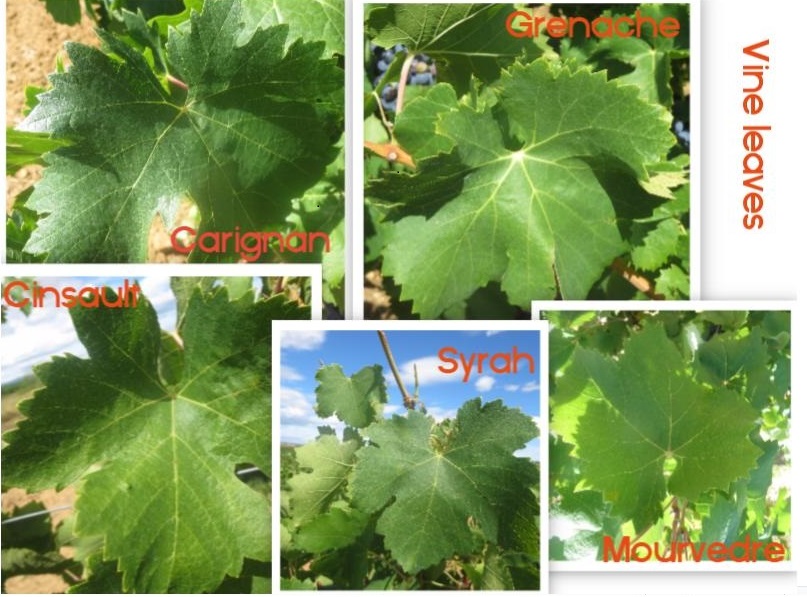
In my last post I described the leaves and some other features of the five main red grape varieties to be found in the Languedoc Roussillon region. This is all part of my attempt to learn how to identify different vines more easily. So what about other varieties which are to be found at Mas Coutelou?

Red grapes

Cabernet Sauvignon

Usually associated with Bordeaux and other regions of France there is Cabernet to be found in the Languedoc. Much was planted in the 1980s and 90s as Cabernet Sauvignon, Merlot and Chardonnay were the big sellers on world markets and vignerons here tried to make money from that market. It is easy to deride this move but vignerons have to make a living and if they can sell grapes then who is to blame them?  Besides the domaine which first brought the Languedoc to the world stage, Mas de Daumas Gassac, uses these international varieties as part of their blends. I have to admit that it is not my favourite wine, certainly not the domaine’s red, but it has made an impact.

Anyway, to ampelography. I love Cabernet Sauvignon leaves, they are so easy to identify with their two eyes in the leaf which makes them look like a startled face.

Cab Sauv2

               Cabernet Sauvignon in Segrairals

A rich green colour the leaves have more lobes than most and the lower lobes overlap to cover the base of the pétiole sinus (the space where the stalk meets the leaf) giving the mouth like appearance you can see in the photo above. Generous teeth around the lobes are noticeable but it is the two spaces in the leaf which makes this easy for me to recognise. The grapes are small with hard skins and form small clusters too.

Recommended wines

Mas Coutelou – Buvette À Paulette

Others – Casa Pardet, Cabernet Sauvignon (Spain)

Cab Sauv grapes

        Cabernet Sauvignon grapes

Merlot

Poor old Merlot seems to be currently out of fashion. Seemingly everybody’s favourite in the 1990s I regularly hear people now say how it is their least favourite variety, and I confess it is one of my least popular grapes. It is capable of great things on the right bank of Bordeaux and elsewhere but it is little seen here in the Languedoc. Jeff has one parcel, Colombié, entirely planted with Merlot which is mainly used for restaurant blends and bag in box wine. 

Merlot

             Merlot in La Colombé

The leaf in the photo shows that these are rich green in colour with 5 or 7 lobes. The sinus around the stalk is open and U shaped with a large white spot where the veins come together just above this sinus. In this photo the veins are quite green as they spread out. Medium sized teeth surround the leaves. Grapes are medium sized and so are the bunches so few clues there.

Mas Coutelou – 7, rue de la Pompe (small amount)

Others – Fons Sanatis, Coudereu

Aramon

This local grape was once widely planted in the Languedoc but was grubbed up in recent years as its reputation spread as wines with little flavour. This was unfair as it was often grown to give big yields and so flavours were diluted but there are many who still scorn it. Nevertheless, with low yields it can make good wines and there is a recent trend to replanting Aramon. 

Aramon2

                    Aramon Noir in Font D’Oulette

The leaves are almost trefoil in character with big veins which stand out against the dark green colour. The teeth are quite large in the lower lobes and taper gently to the top. The pétiolar sinus is big and V shaped. It is the grapes which make Aramon identifiable. They are big in size and form large cylindrical clusters. This reinforces the reputation as a big cropper of light red wines, one of its synonyms is Pisse – Vin which needs no translation. However, this is unfair and Aramon is starting to make some interesting wines again.

Mas Coutelou – Flower Power

Others – Domaine Banjoulière, Aramon;   Clos Fantine, Lanterne Rouge

White grapes

Less than 30% of wine produced in Languedoc Roussillon is white, I was actually surprised at how high that figure is. The last few years has seen Picpoul De Pinet become very trendy around the world, reaching prices over £30 in some UK restaurants for wine which costs around 5-6€ around here. Improvements in vinification and the use of temperature controls means that the quality of white wine being made here is improving and there are plenty of excellent examples.

Jeff produces a few cuvées of white wine but many of the white grapes are complanted, mixed together in the vineyard, to add complexity to the blend and an expression of terroir. In terms of identifying these varieties the challenge is, therefore, more complex, as they are mixed up I tend to be too! Therefore, I have only included the main white varieties of the domaine here, there are many, many others!

Muscat

There are actually many different varieties of Muscat just to make identification even more difficult, e.g. Muscat A Petits Grains, Muscat d’Alexandrie and there’s even a Muscat Noir just to completely baffle me. Muscat is usually used to make sweet wines such as Muscat De Rivesaltes, Muscat De Frontignan and Muscat De St. Jean De Minervois. Jeff uses it in dry blends, is considering using it for a pétillant wine this year and also uses it in his sensational solera system to make rich, sweet and dry old Muscats.

IMG_2147

                             Muscat from La Garrigue

Muscat Noir

                          Muscat Noir, Font D’Oulette

Muscat has quite dark green leaves and can be in 5 lobes though both the photos above show just 3, almost like a maple leaf. There are some big teeth around the leaf edge. The leaf is also relatively long compared to the width at the base and the sinus around the stalk is V shaped. The other distinctive feature is the crinkly, dimpled appearance between the veins. The grapes are actually fairly medium in size (despite the Petits Grains name) but form small clusters. The grapes are distinctive in colour as they become golden and bronzed in the sunshine with freckles too!

Muscat

Muscat grapes, admittedly more green than golden. These were picked early for dry wine.

Mas Coutelou – Vieux Muscat blends

Others – Treloar, One Block Muscat;      Clos Gravillas, Muscat de St Jean de Minervois

Sauvignon Blanc

Not a variety much found in the Languedoc as it tends to prefer slow ripening and cooler climates. In Mas Coutelou it is used for blending with other white grapes to add a little zest and bite to the mix, picked early to keep that freshness as you can read here.

Sauv Bl 2

Sauvignon Blanc, La Garrigue

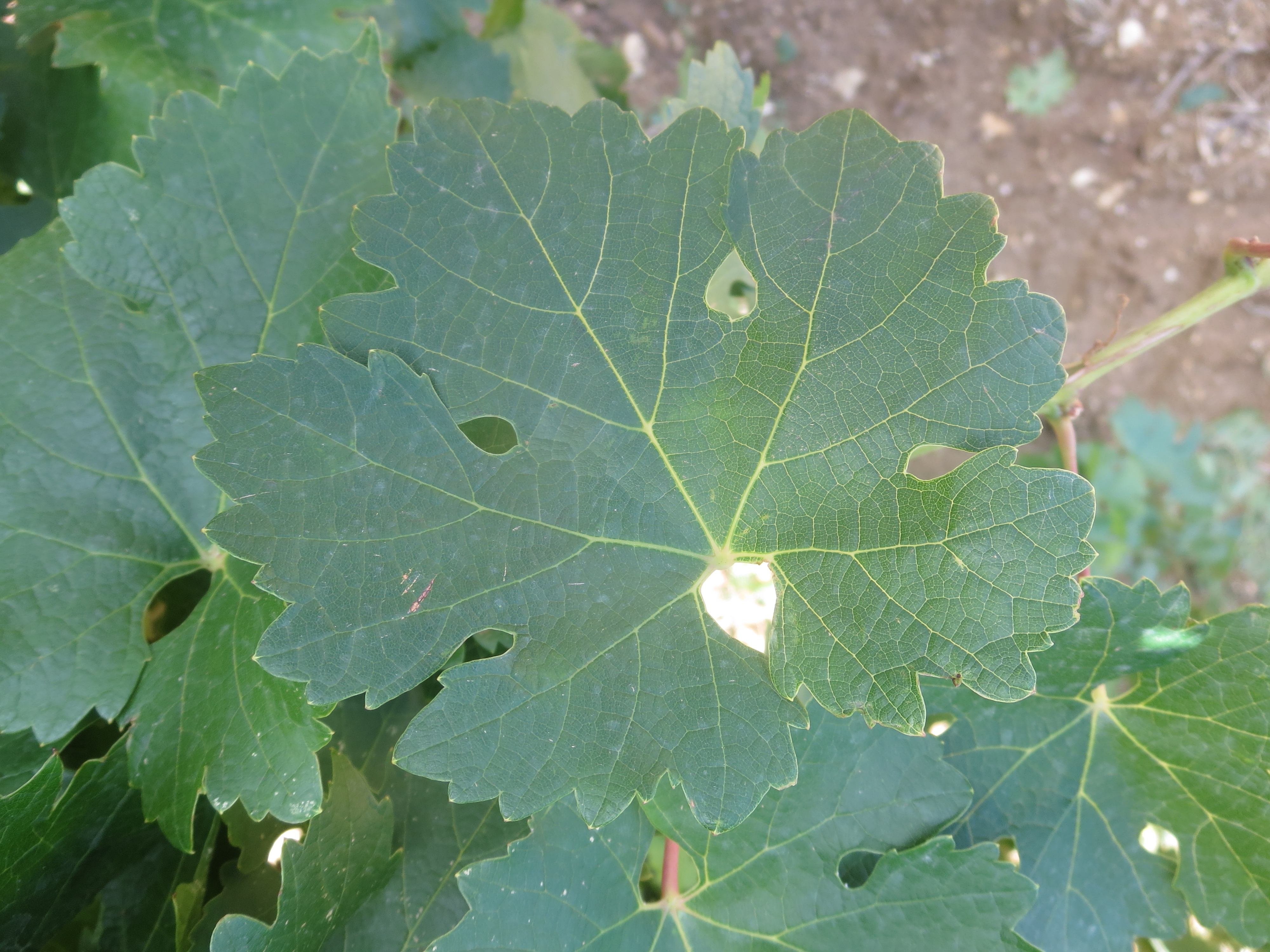
Quite round in shape with 5 lobes and teeth which are sizeable but more round than angular. The veins stand out as they are not coloured, reaching down to the stalk sinus which is often closed or barely open. One distinguishing feature which is observable in the photo is that the leaf tends to curl a little at the edge, note how one lobe is curling under the other on the right of the photo. Small bunches of oblong but small grapes.

Recommended – Turner Pageot, La Rupture

There are many other white varieties which I could add but these suffice for my needs. Carignan Blanc and Grenache Gris and Blanc are related to their black grape cousins and have similar appearances. Maccabeu, Picpoul etc are for another day but I think that is enough studying for the moment!

IMG_2185

     Viognier grapes in La Garrigue

There is a very pleasing trend in the Languedoc Roussillon towards replanting old varieties of vines. Terret, Ribeyrenc, Piquepoul Noir, for example were all planted at Mas Coutelou in March. And there remains the very rare Castets, brought in from Chateau Simone in Provence to be only the second vineyard to have this variety.

The famous Castets grapes of Peilhan

The famous Castets grapes of Peilhan

So ampelograhy is an ongoing lesson for me, if you want to find out more these websites are worth a visit.

http://www.vindefrance-cepages.org/en/vin-de-france  (English and French)

http://lescepages.free.fr/    (French)


4 Comments

Over the first hurdle

IMG_2179Friday was a warm up, today (August 27th) was the real beginning. White grapes, mainly Sauvignon Blanc, and Syrah from La Garrigue vineyard were picked and pressed.

IMG_2182             IMG_2181

IMG_2180

 My first bucket full of Sauvignon Blanc

IMG_2184

Back to the cellar, straight into the press.

IMG_2186

IMG_2187

The Syrah looks especially good this year with a good balance of acidity and sugars. Some were ready and so in they came today. Great quality, 2015 is looking good, let’s hope the next month confirms it.

IMG_2189

Coincidentally it was the official celebrations for the start of harvest in the Faugères appellation this evening with a ceremonial cutting of the first grapes. Good fun, especially getting to taste the wines of Clos Fantine again.
IMG_2193 IMG_2194


6 Comments

Turning over a new leaf

IMG_0365

Version française

When you live in the Languedoc you are surrounded by vines. They are everywhere and form the world’s biggest vineyard area, producing one third of all France’s wine. Vines stretch over hill and valley, coastline and plains. As you walk around it is easy to think of vines as all being the same, part of one big plantation, but when we have received visitors and we go on walks through the vineyards they often ask me what sort of vine we are passing. Cue guesswork on my part unless I am in the vineyards of Mas Coutelou. To remedy this ignorance and to meet the brief at the top of this blog that I should be “learning about wine, vines and vignerons” I set myself the challenge of being able to identify the main types of vine in the region.


Ampelography is the study of identifying and classifying grapevines. There are many learned books on the subject, some running to hundreds of pages. However, I wanted a simple guide, to learn the basic varieties before expanding to others. I took some photographs in the parcels of vines of Mas Coutelou and using the internet and Jeff himself I hope I have put together a simple reference piece. As we enter harvest it has proved useful to me so that I know what I am picking or sorting. Hopefully it will be useful to you too, whether you visit vineyards or just take an interest in wine and vines.

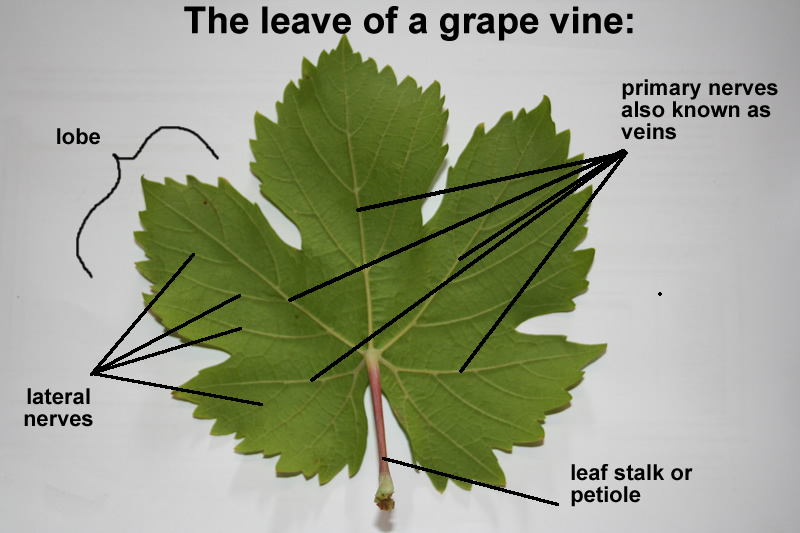
Experts use features such as the shape of the grape bunches, size and colour of the grapes. However, for me the most obvious way of distinguishing between vines are the shape of the leaves.

The colour of leaves varies but so too the number of lobes (from just one to seven), the colour of the veins and the shape of the sinus around the stalk (pétiole). The sinus is the gap between the lobes. So here is my simple guide to identifying some Languedoc vines. I have started in this post with the five main red wine varieties.

Red wine vines

Syrah

Syrah2

                              Syrah in Segrairals vineyard

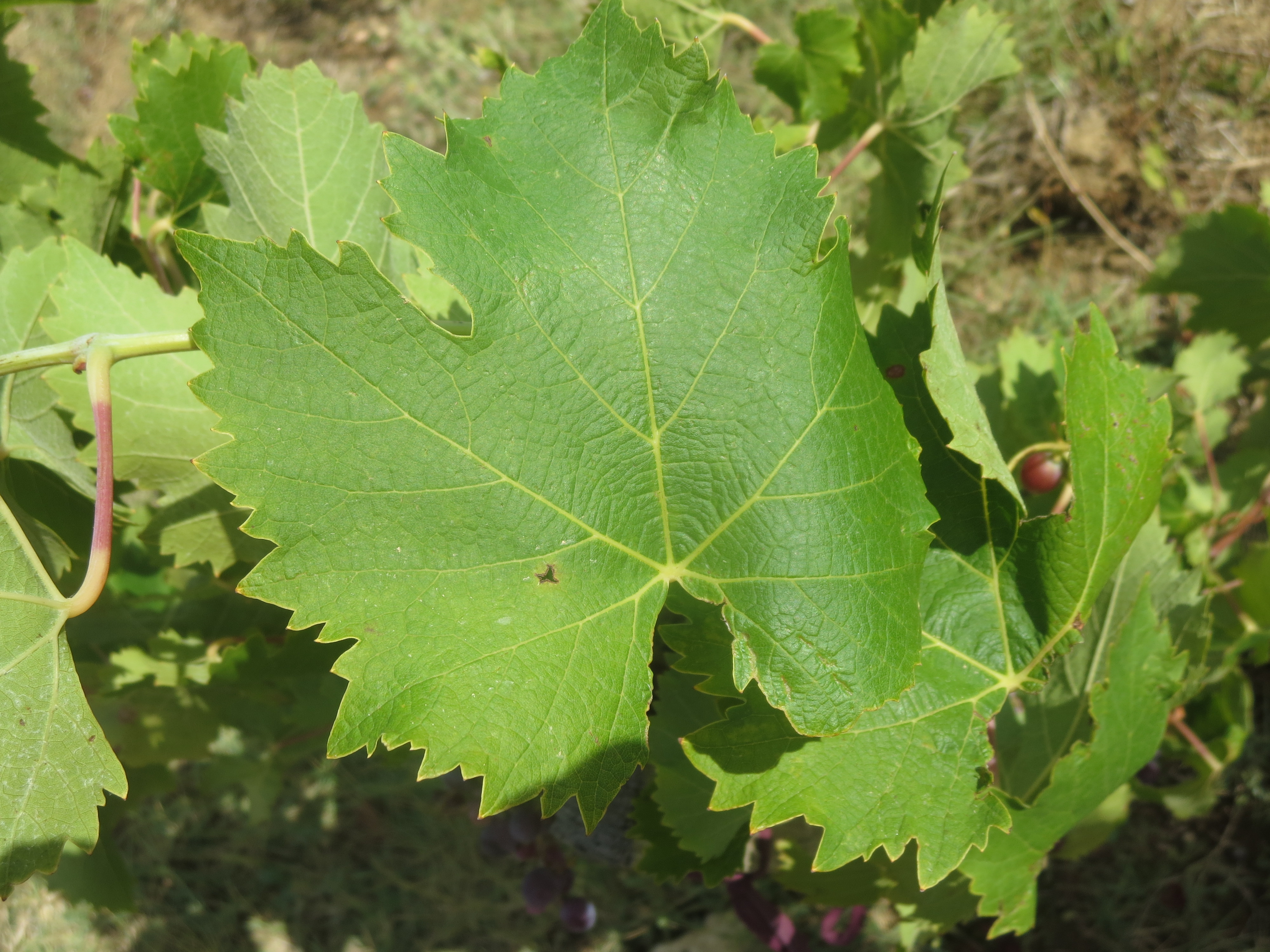
Syrah is one of the great varieties of the Languedoc. Famous for its wines in the Rhone Valley and around the world (Shiraz in Australia) Syrah produces great wines here too. The leaves are quite a light green in colour with 5 lobes which are well separated out including a big sinus (V shaped) around the stalk (pétiole). The veins are quite light and stand out. The leaf edge has small, gentle teeth shapes. The grapes tend to be oblong shaped and fairly small in size. Syrah is one of the earlier red varieties to ripen.

Recommended wines:

Mas Coutelou – La Vigne Haute

Others – Sylvain Bock, Raffut;      Plan De L’Homme, Alpha;      Haute Lignières, Sur Le Fil;      Terre Inconnue, Sylvie

Syrah3

                                    Syrah grapes

Grenache

Grenache

                                        Grenache in La Garrigue

A variety which loves the heat, very much a Spanish and Mediterranean grape. Grenache leaves have a more round appearance than Syrah with big, wide lobes which are not so separated as the Syrah giving the impression of a big, whole leaf. There is a wide sinus around the stalk. The leaf edges have saw teeth which are quite marked. Light veins and round, medium sized grapes. Grenache is a late ripening variety. Often used to blend it is not often used for single variety wines.

Mas Coutelou – Grenache, Mise De Printemps

Others – Engelvin, Même-Si and Vieux Ronsard;       Treloar, One Block Grenache;

Grenache (2)

                                         Grenache grapes

Mourvèdre

Mourvedre2

                                        Mourvedre in Segrairals

                 Mourvedre3

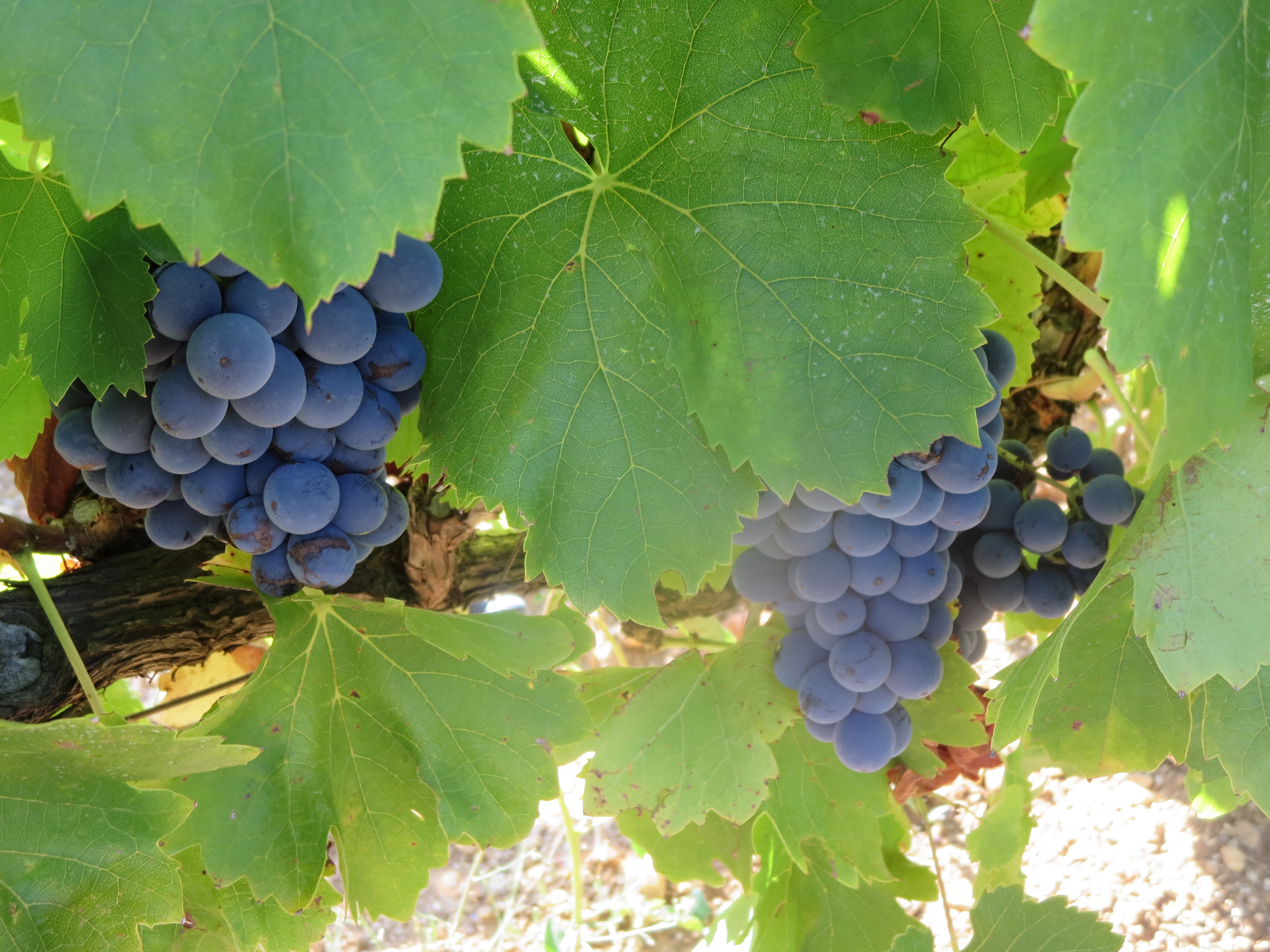
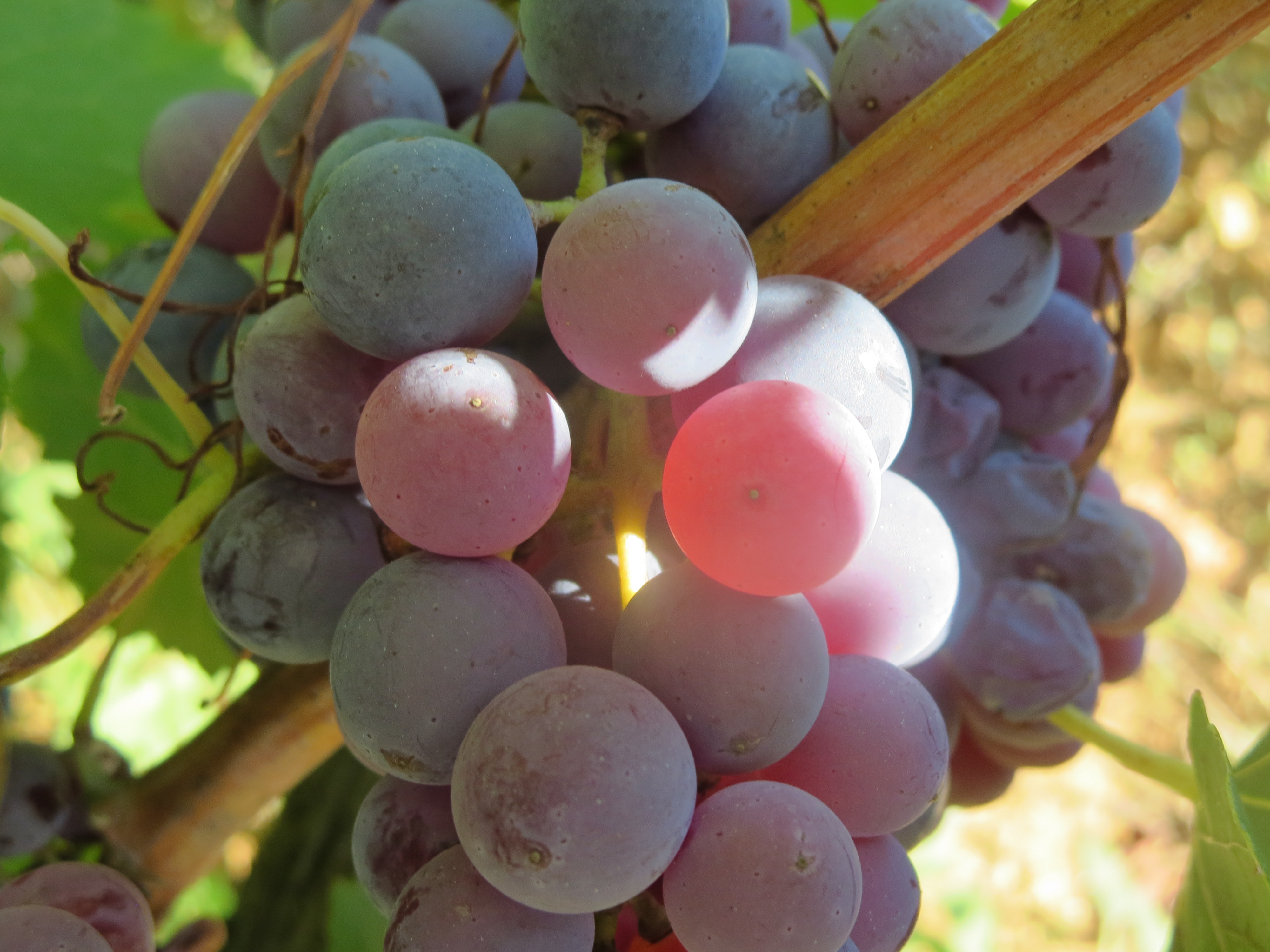
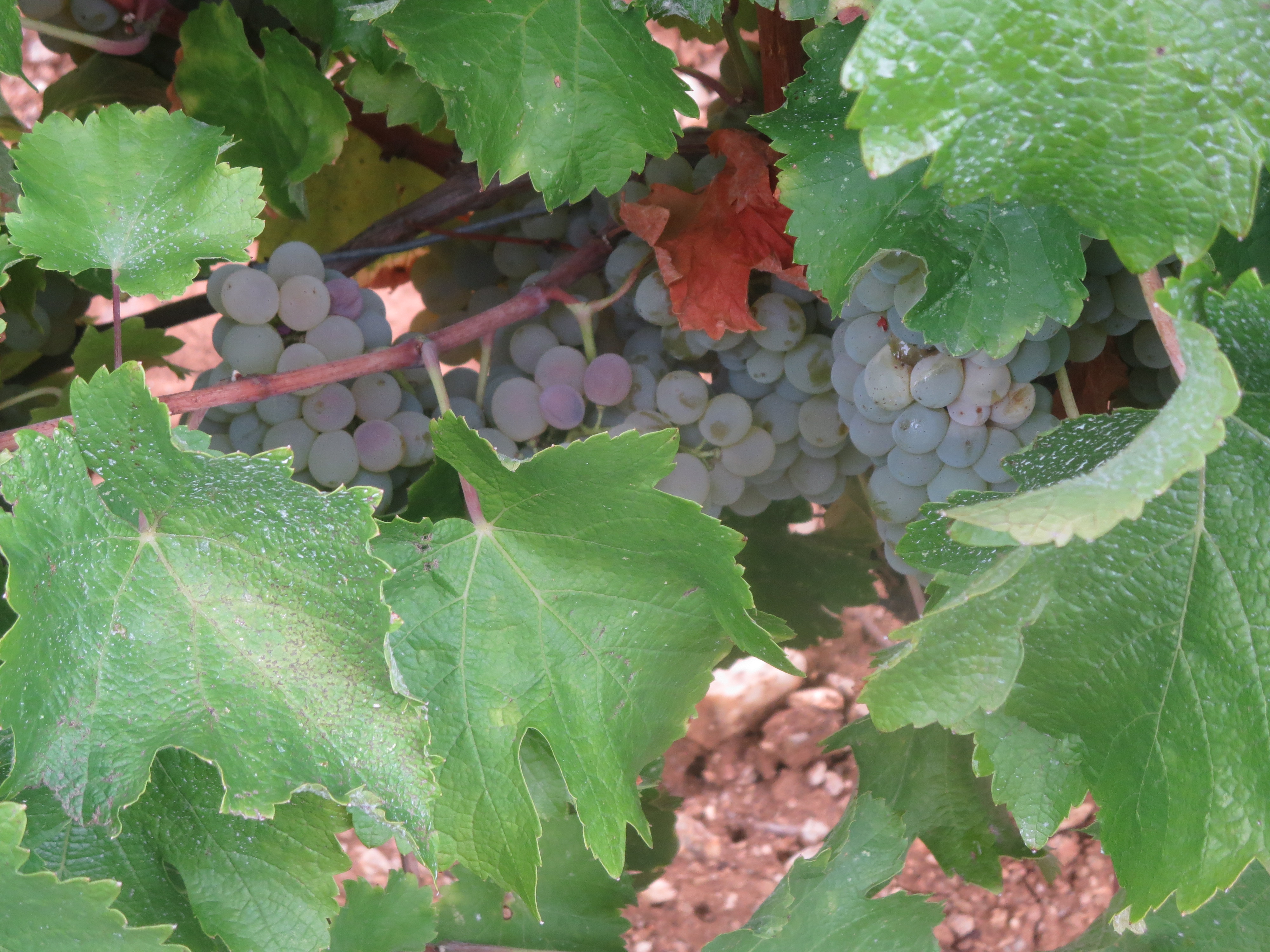
Mourvèdre is a late ripening and, sometimes, a difficult grape to ripen. The lobes are broad and form three rather than five as you can see in the photo on the right of the page above.  There is a little green colouring in the veins and the sinus around the stalk is a lyre shape. The teeth around the edge are distinct and quite big all around. The grapes come in biggish bunches though the grapes are medium in size.

Mas Coutelou – Sauvé De La Citerne

Others – Clos Fantine, Cuvée Courtiol;     La Liquière, Tucade;     Treloar, Motus

Mourvedre grapes

                                Mourvedre grapes

Carignan

Carignan

                                 Carignan in Rec D’Oulette

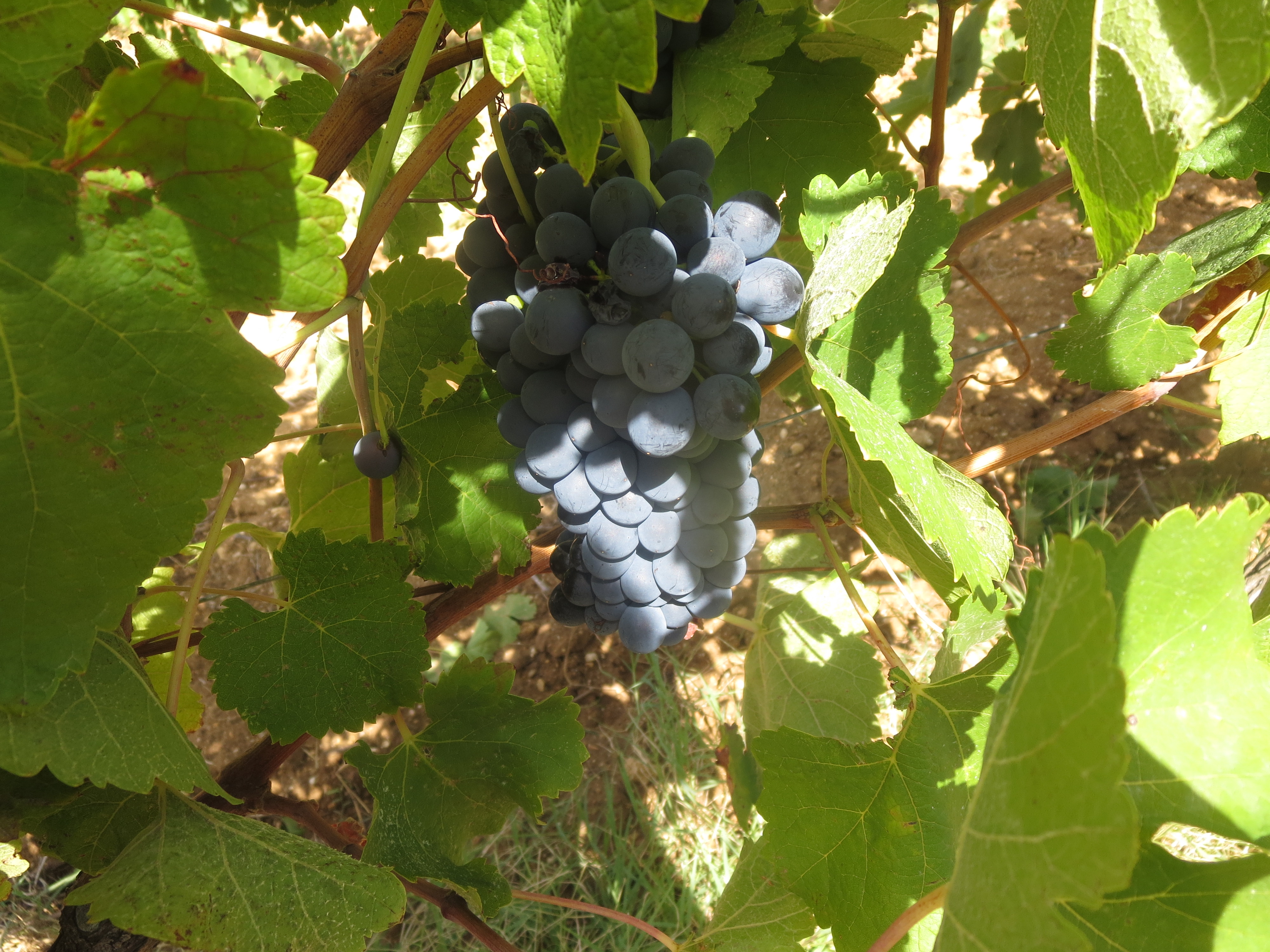
Carignan has big leaves which are quite hairy underneath and have a more dimply appearance than most in the upper surface. Five lobes usually though in the photo above the lower lobes are small with big upper lobes and a distinct top lobe. The teeth are tapered and distinct. The veins are hardly coloured. This is a late ripening variety and you can see the grapes below which are still turning black, even though this was taken at the same time as the other photos. The grapes and clusters are medium to large in size.

Carignan grapes

                                Carignan grapes

Mas Coutelou – Flambadou

Others – Mas Des Capitelles, Loris;      Coume Mayou, La Loute     Mas Gabriel, Trois Terrasses    Deux Ânes – L’Enclos

Cinsault

Cinsault3

                       Cinsault in Segrairals

I like to think of Cinsault leaves as being very like the grape’s flavours, open, friendly and welcoming. These are big widely spaced lobes and a deep, open sinus around the stalk. The veins are light and clear and the teeth are big, almost rounded which cover all the leaf edge. Often used in rosé wines Cinsault is starting to be used to make some great red wines in the region.

Cinsault Rome

     Older Cinsault in Rome vineyard

Cinsault grapes are big and form big clusters.

Cinsault Rome (2)

  Cinsault grapes

Mas Coutelou – 5SO and Copains

Others – Pelletier, L’Oiselet;   La Fontude, Fontitude;     Thierry Navarre, L’Oeillade    Julien Peyras, Gourmandises

leaves