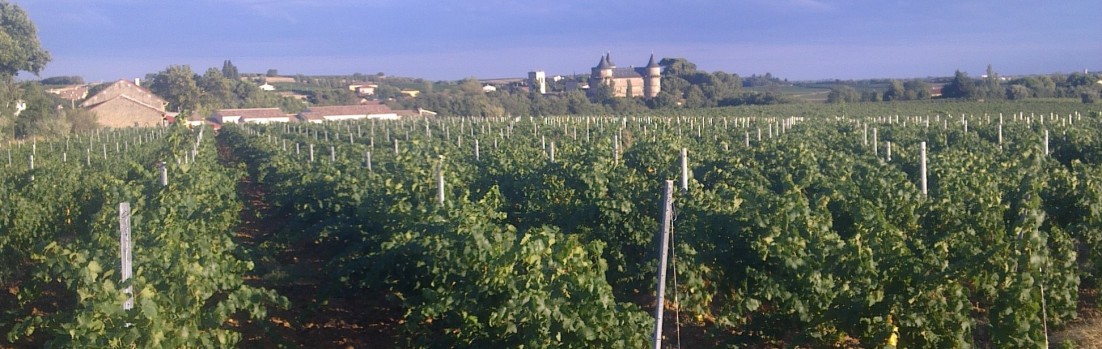
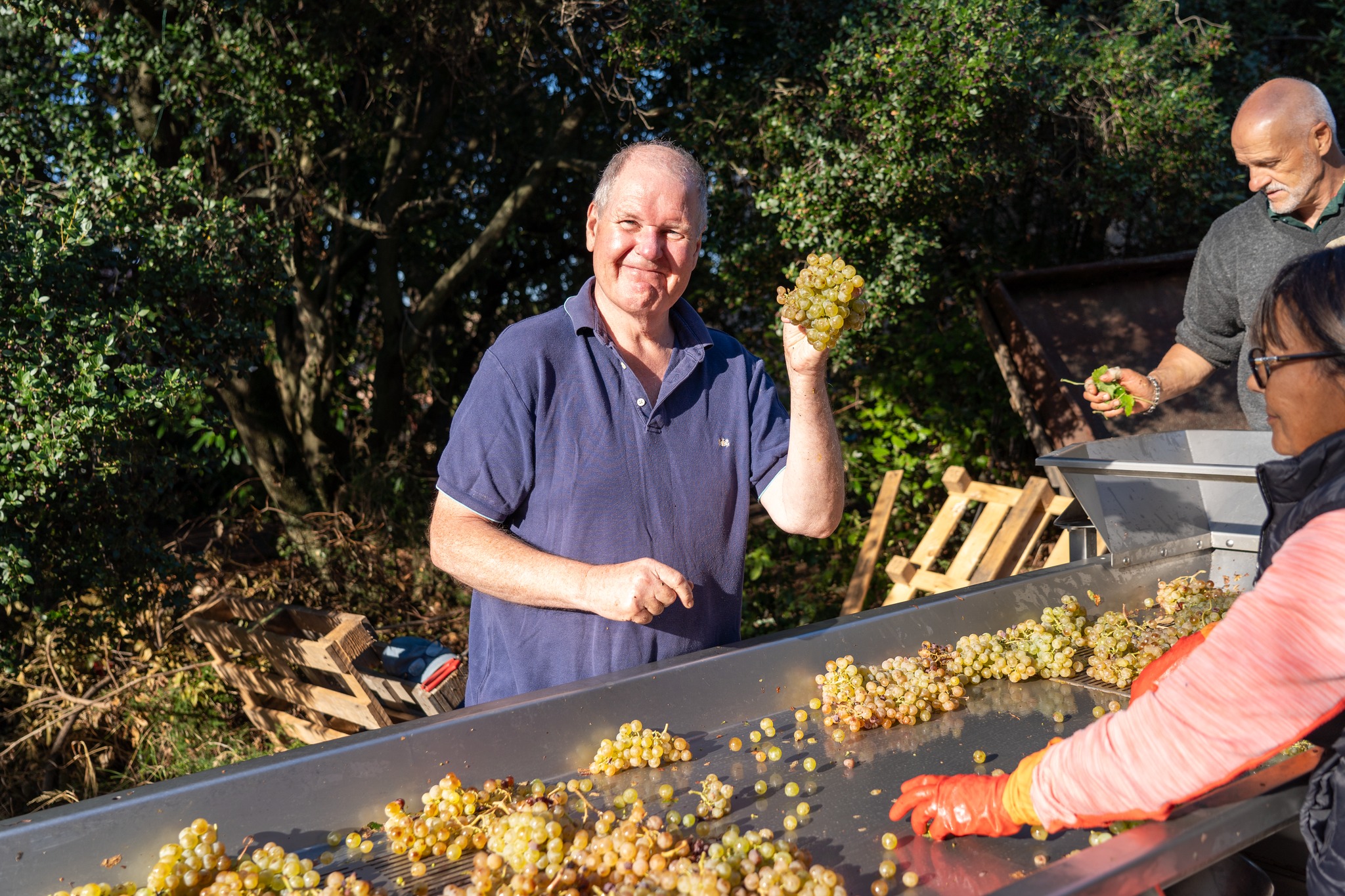
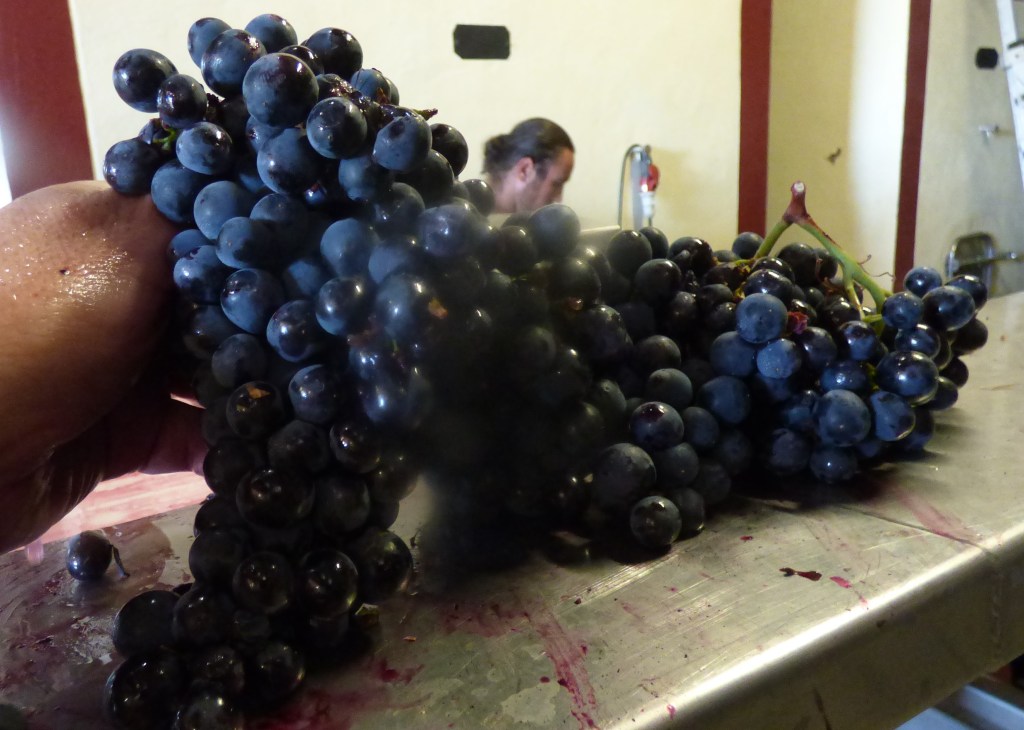
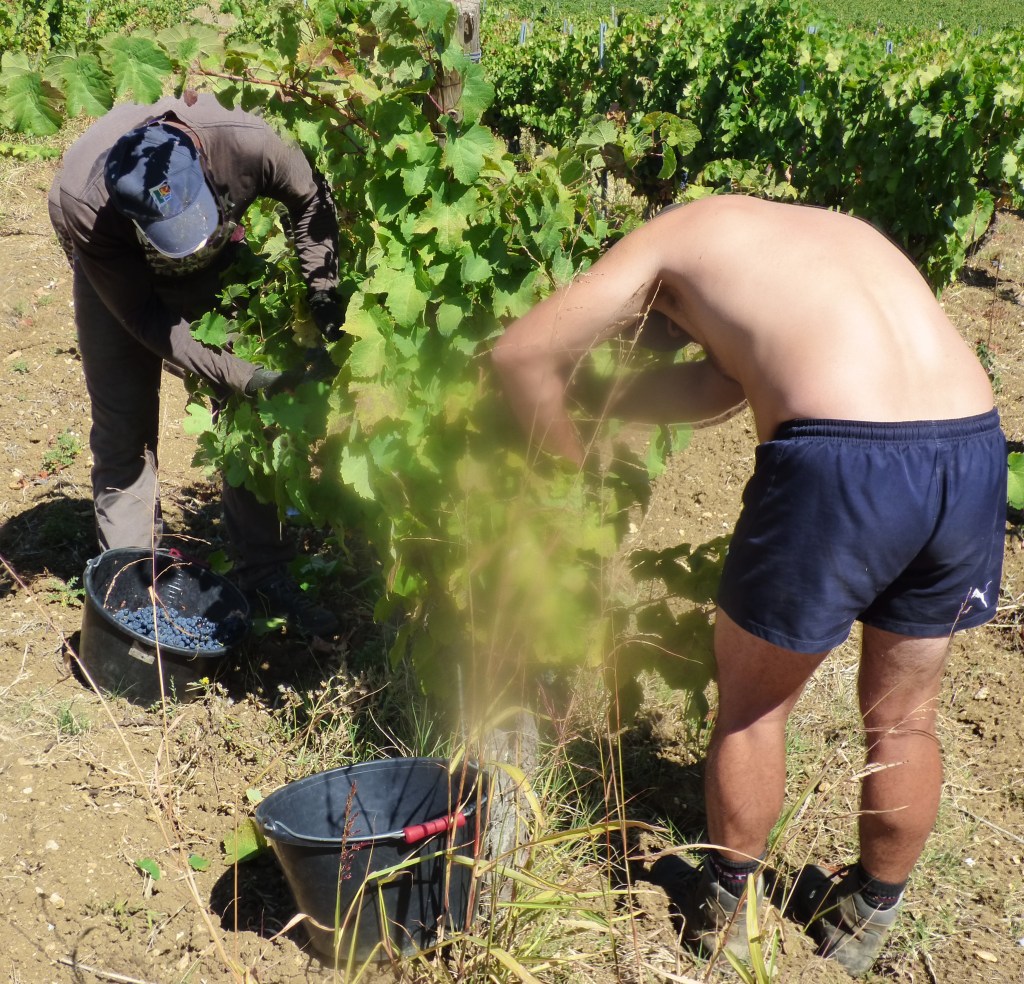
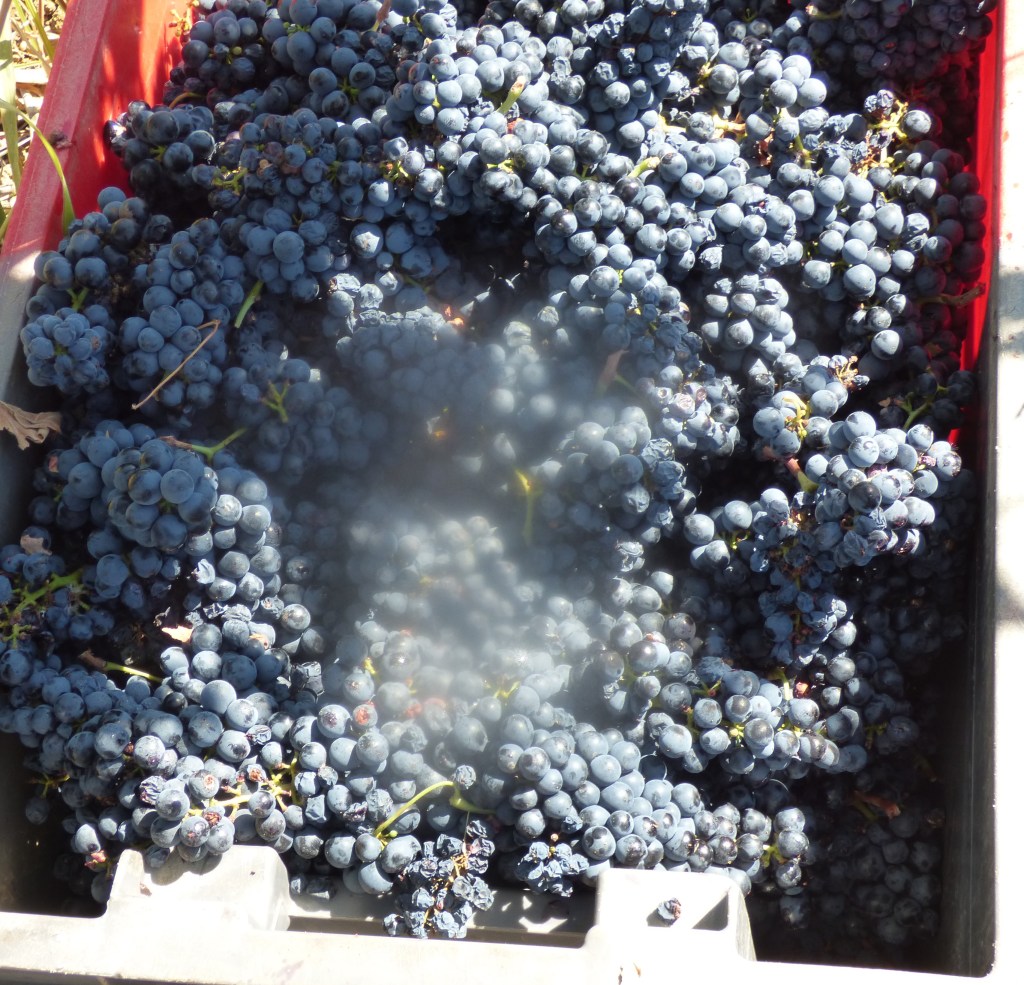
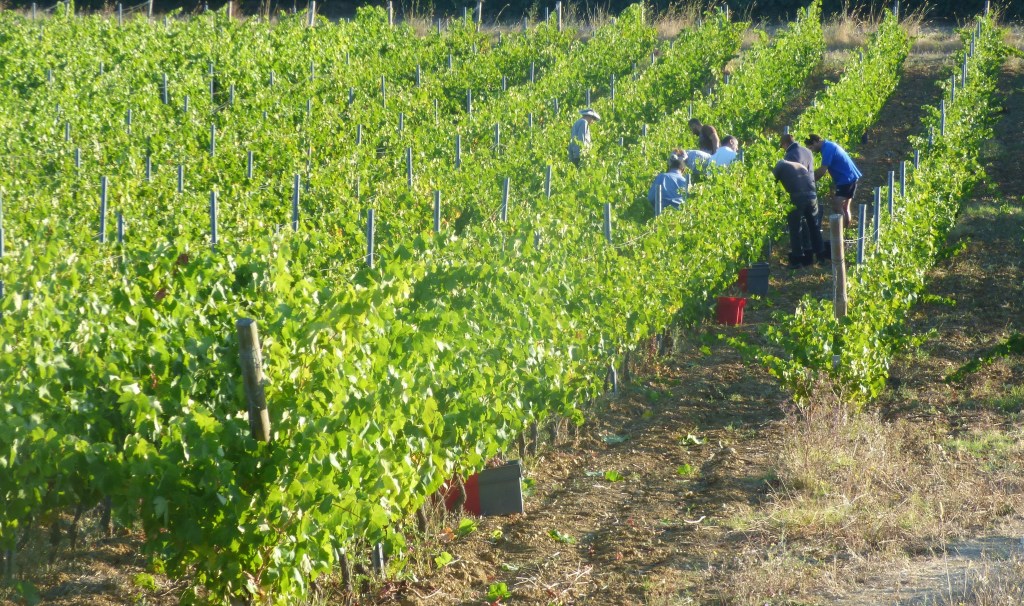
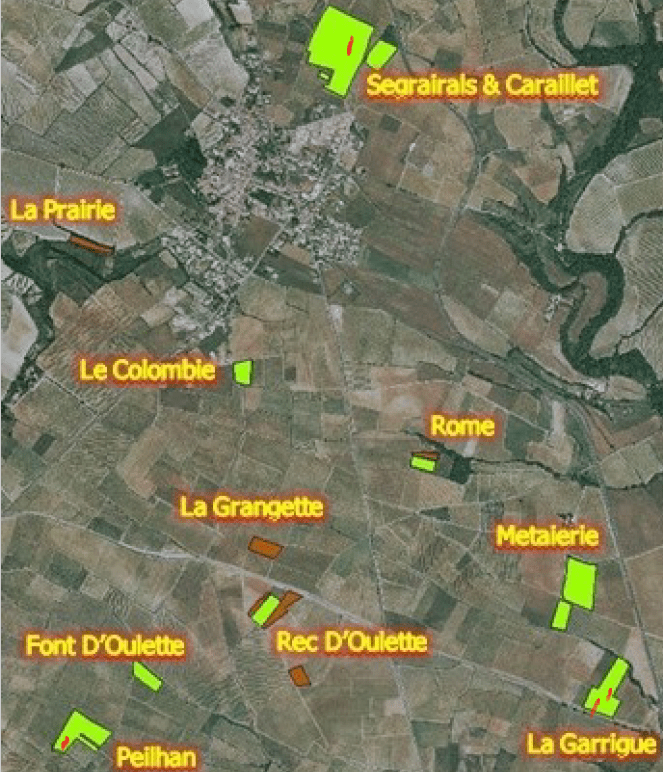
Wednesday September 3rd and the team had been busy with Cinsault, one of my favourite grapes. It is very juicy and generous. Perhaps too much at times as it can turn from full and ripe to rotten and overripe in a day. Jeff has a lot of Cinsault mainly in Segrairals, the one nearest the village. This is partly because it makes it easier to transport the grapes quickly to the sorting table and into the vat. It is used for 5SO which is called 5SO Simple in most years and 5SO Formidable in the best vintages. 2024 was Formidable and it has quickly sold out, a light, fruity wine giving lots of pleasure. It also goes into Le Vin Des Amis and lifts the more serious, darker Syrah and Grenache.

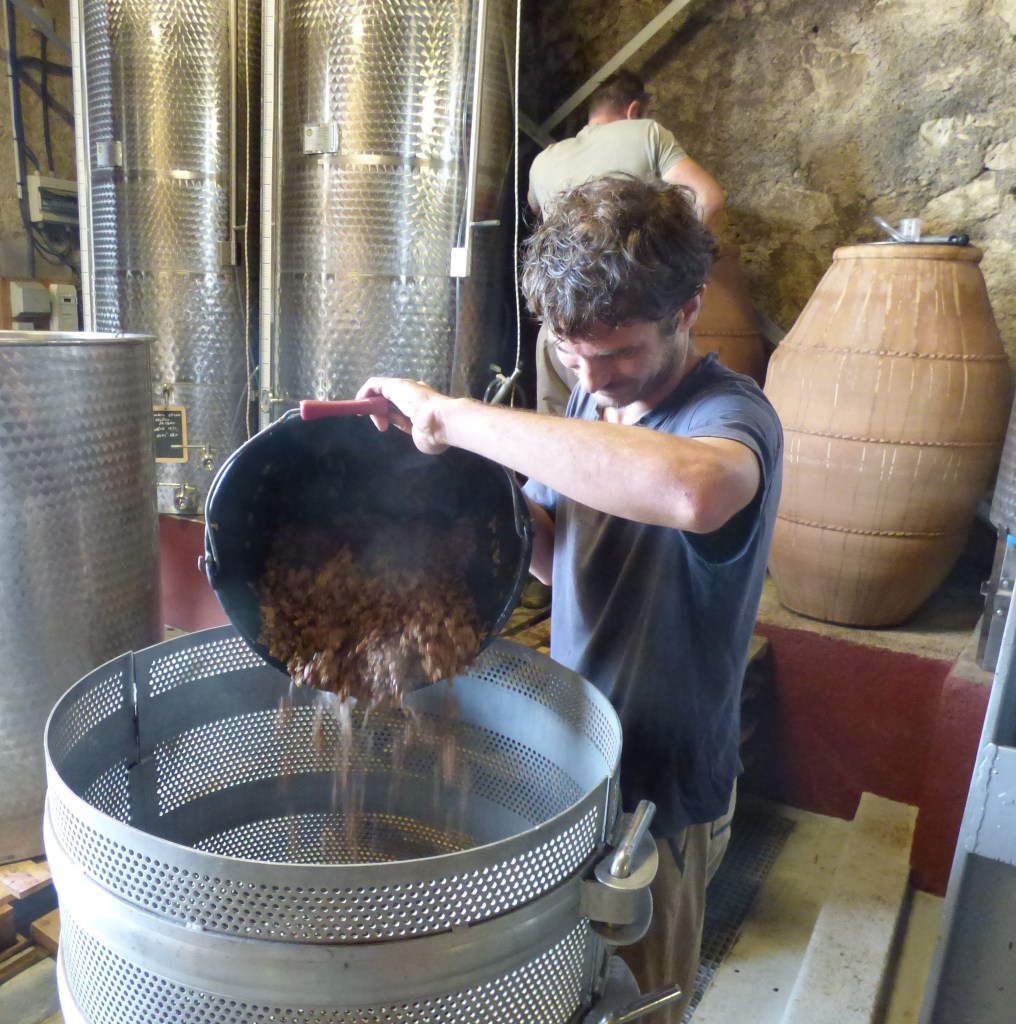
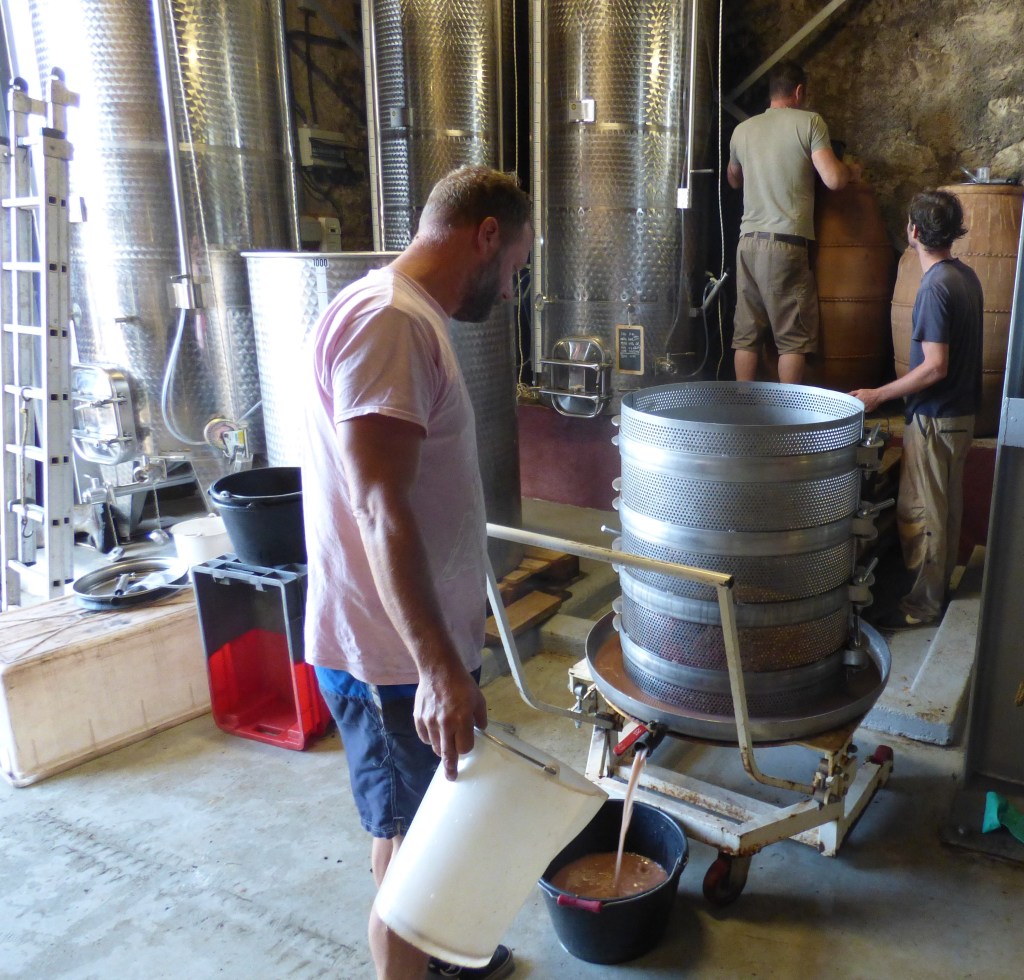
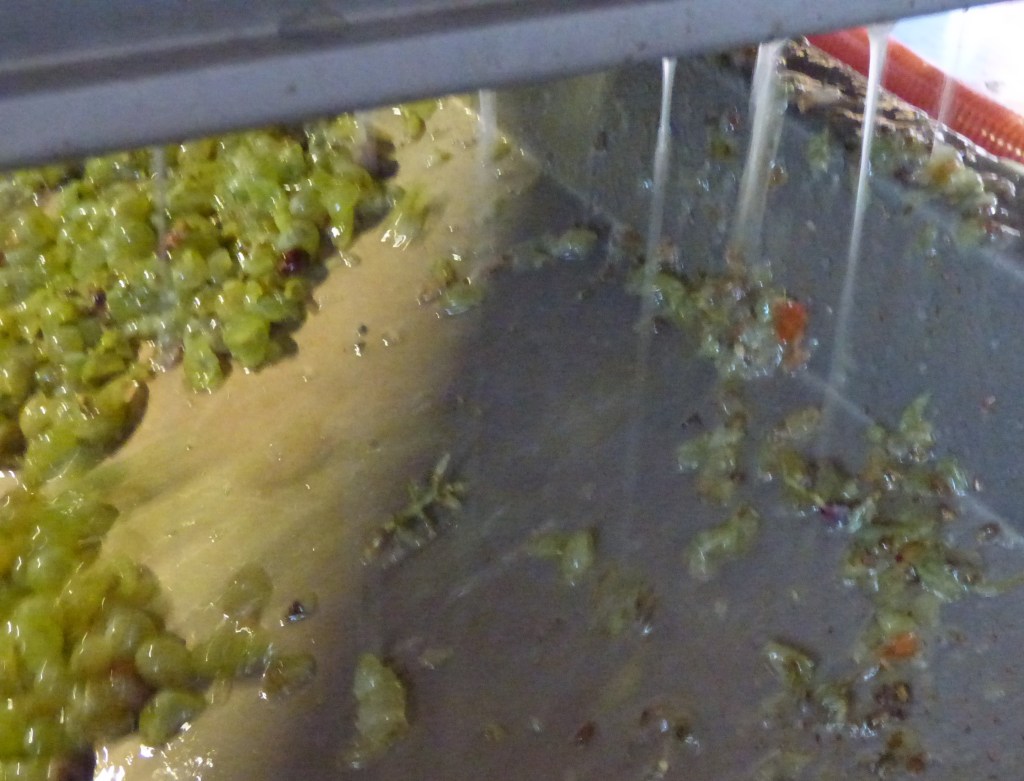
On Thursday, when I returned to work there was still some of the Cinsault to process and Jeff is pleased with a good crop which gives him plenty of winemaking options. It is interesting how a vineyard can be divided into parts which produce different results from the same grape. The extreme version of this is the bewildering confusion of Bourgogne vineyards with almost every row of vines named and vinified separately. Whilst certainly not comparing Segrairals Cinsault to a fiercely expensive Chambertin Grand Cru, the principle still applies. There are a couple of rows within the vineyard where the soil, shadows from trees, drainage etc make a difference. The first cases which returned to the cellar that morning were poorer quality Cinsault and Jeff wanted to ensure it was kept separate from the high quality which goes into the cuvées named above. So, it was pressed direct, getting the juice away from any fragile, poorer quality skins and stalks. That juice can then be used to make something lighter, perhaps a rosé, still decent quality just not benefitting from further contact with that grape must.

And then it was on to the fine looking Grenache from La Garrigue which had soaked up the sunshine and heat of the summer in keeping with its Spanish origins. There’s not much to add to that, it really was good quality and will be the backbone of some seriously good bottles, perhaps Grenache Mise De Printemps which is terrific in 2024 and is moving towards the top of my list of favourite Coutelou wines.
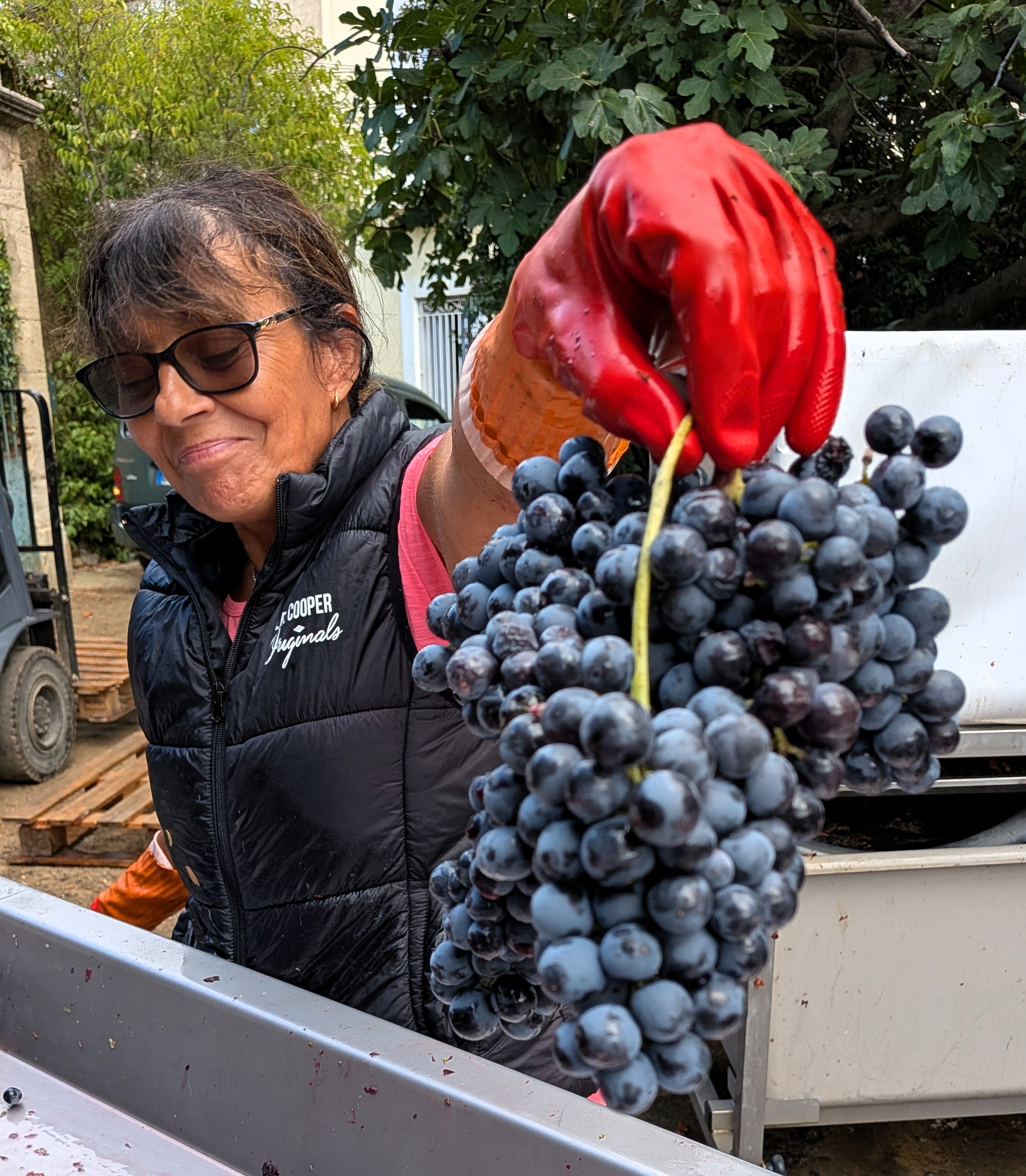
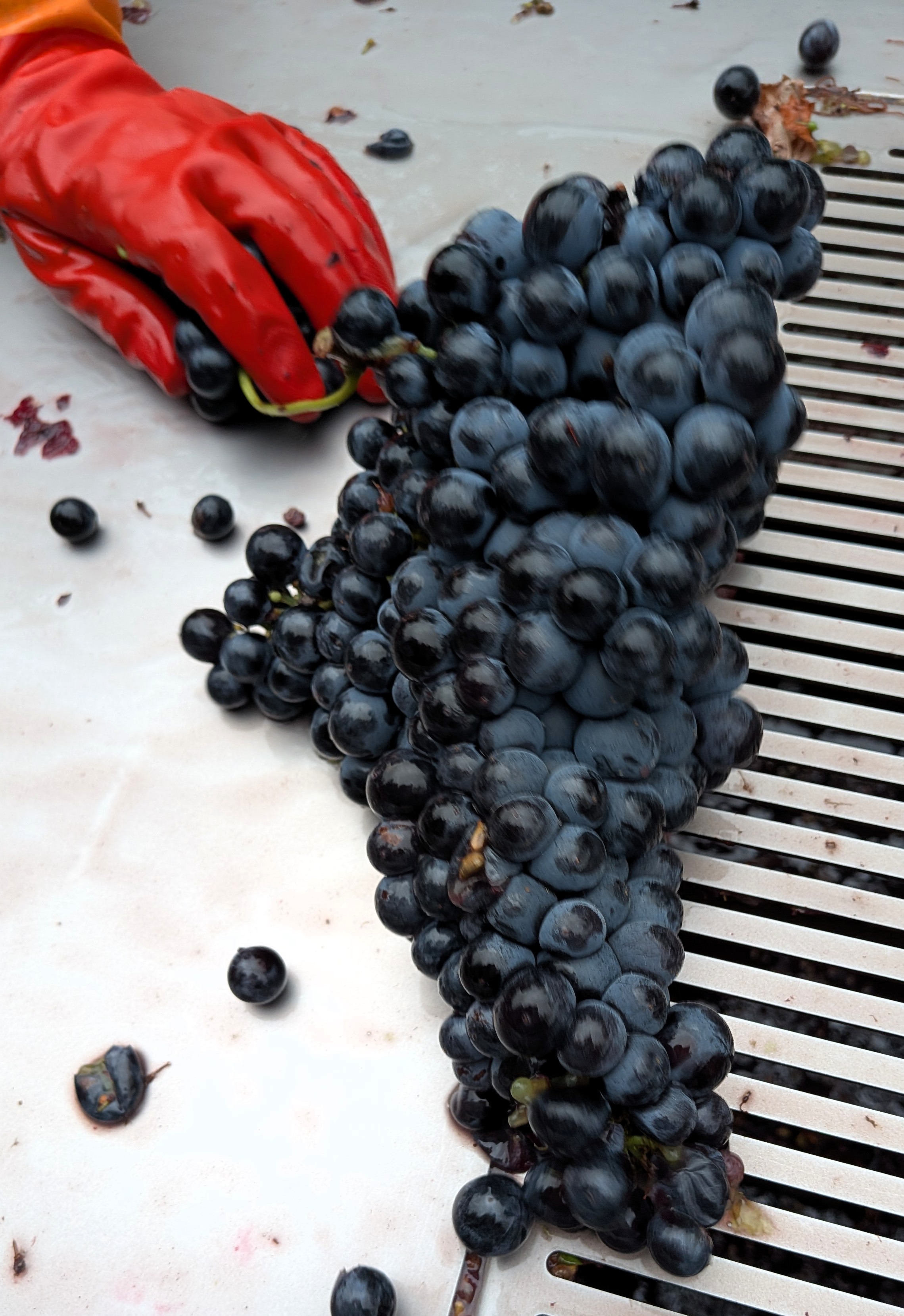
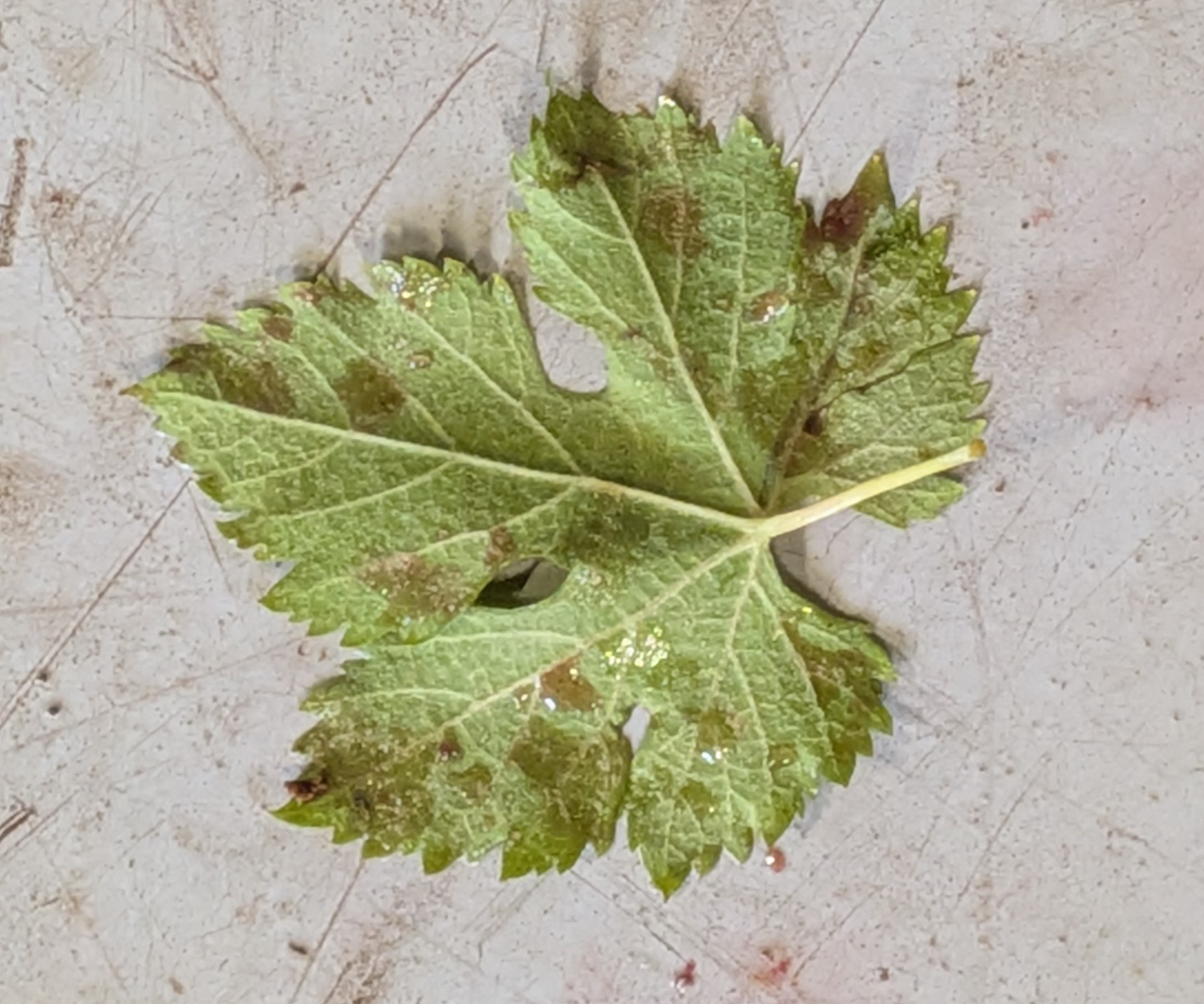
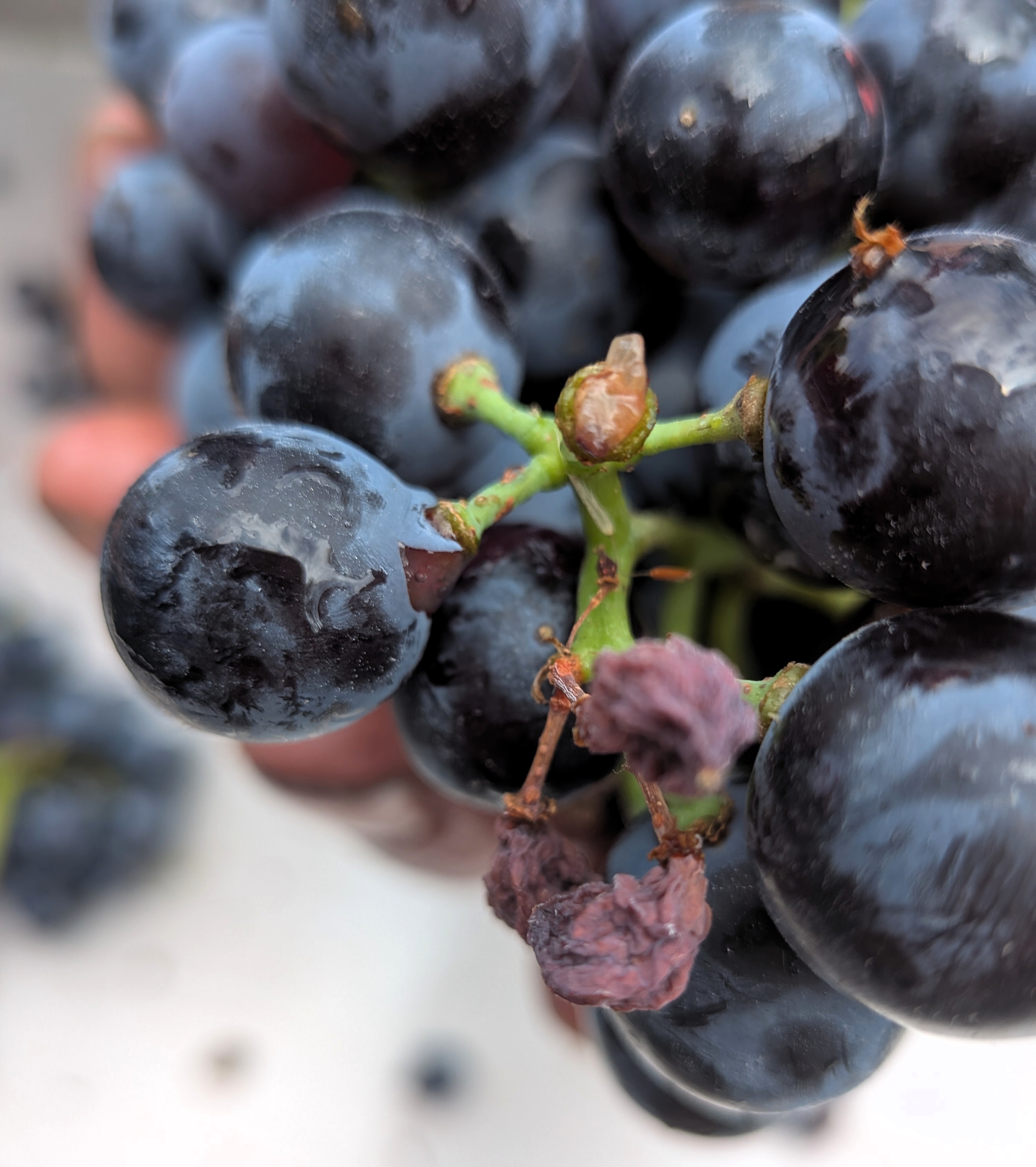
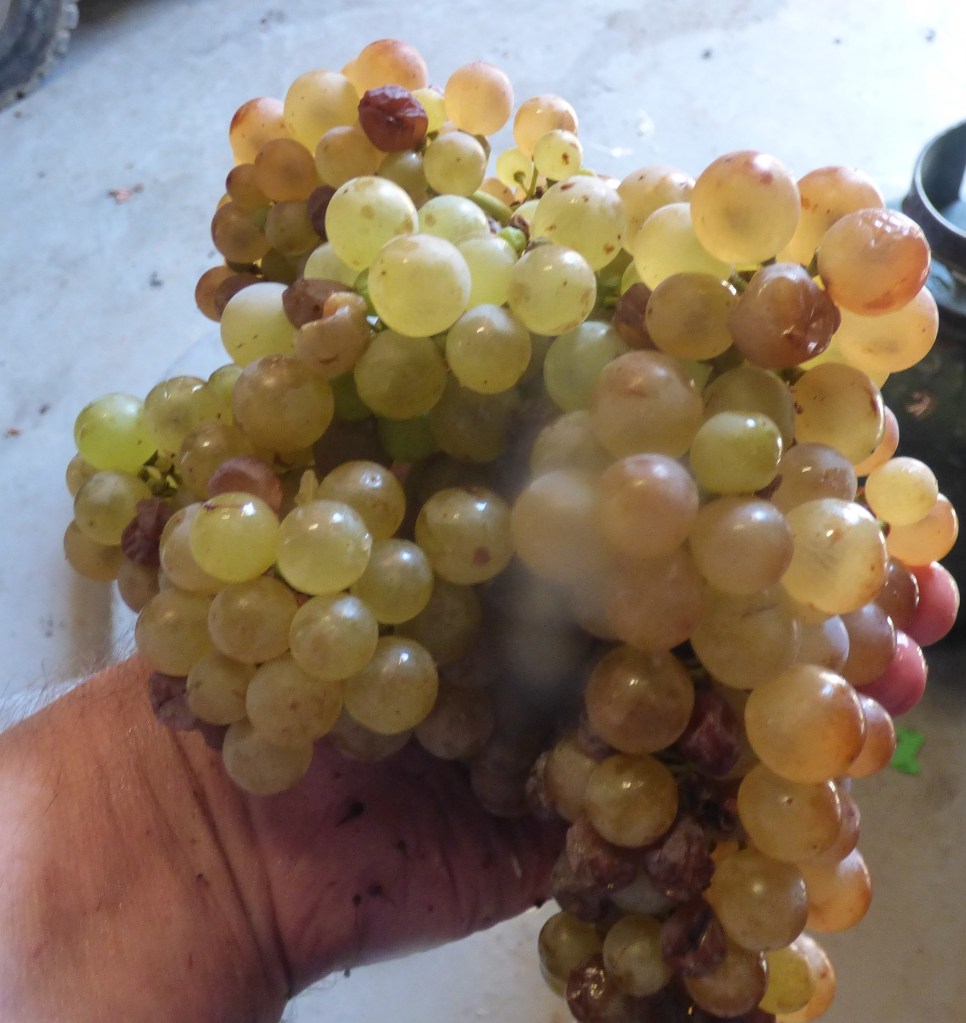
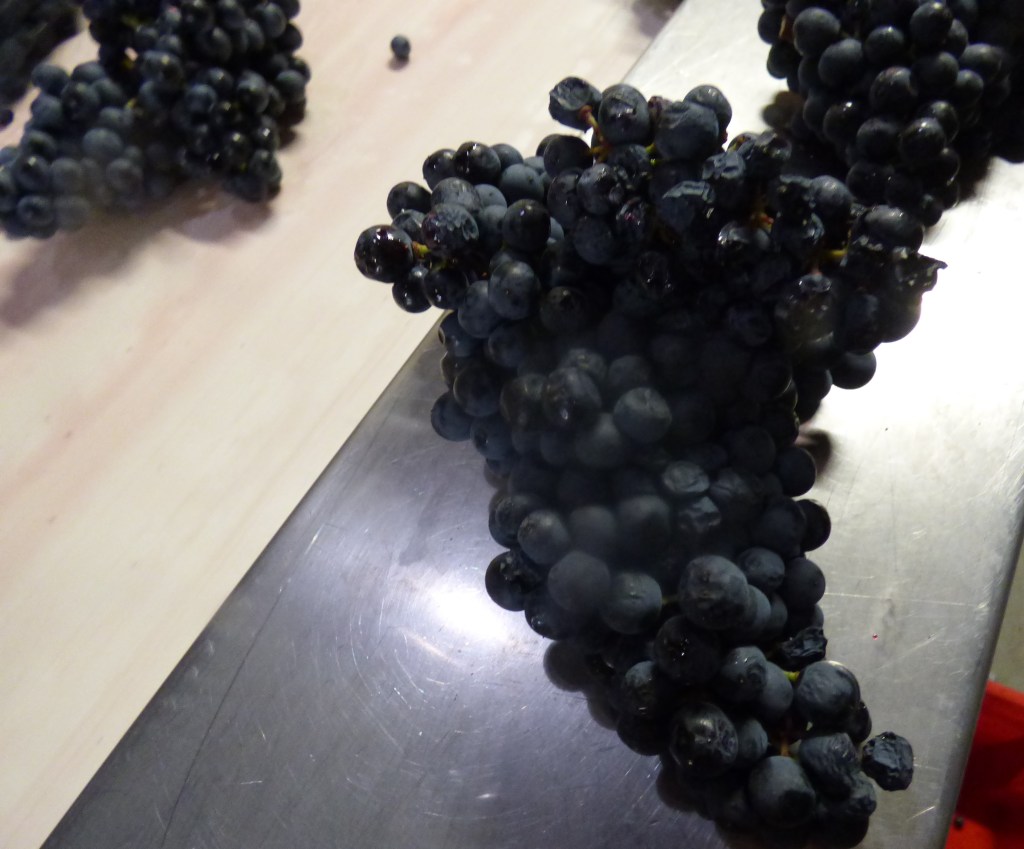
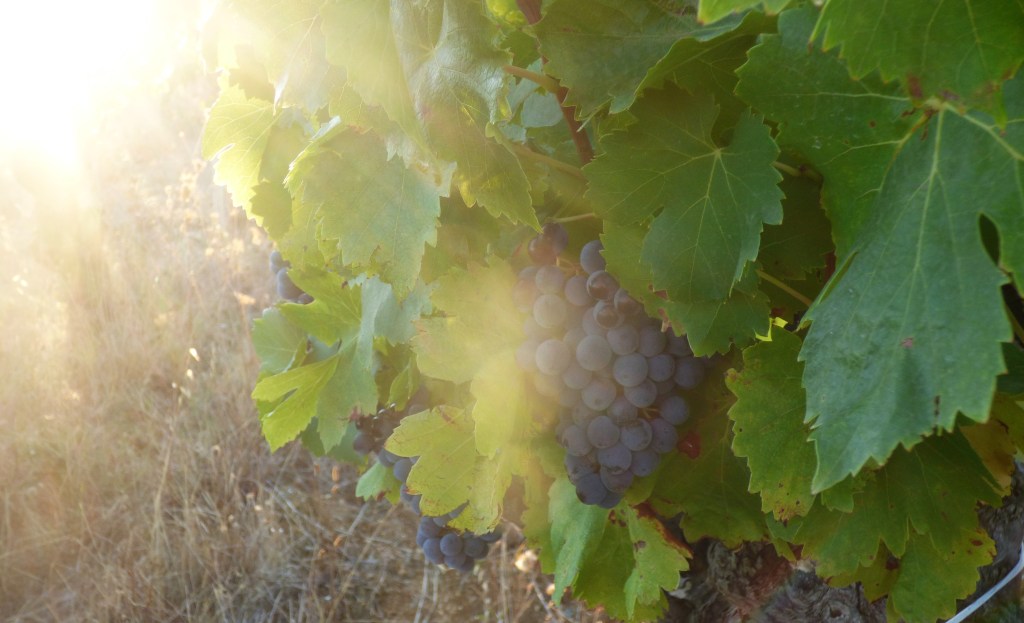
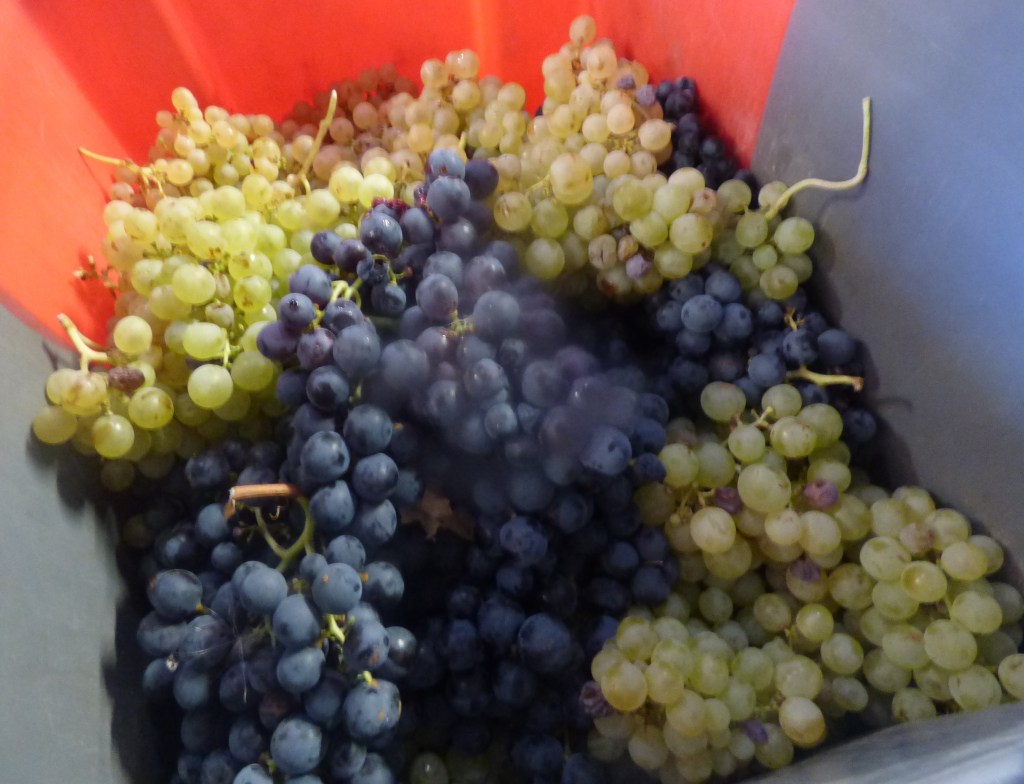
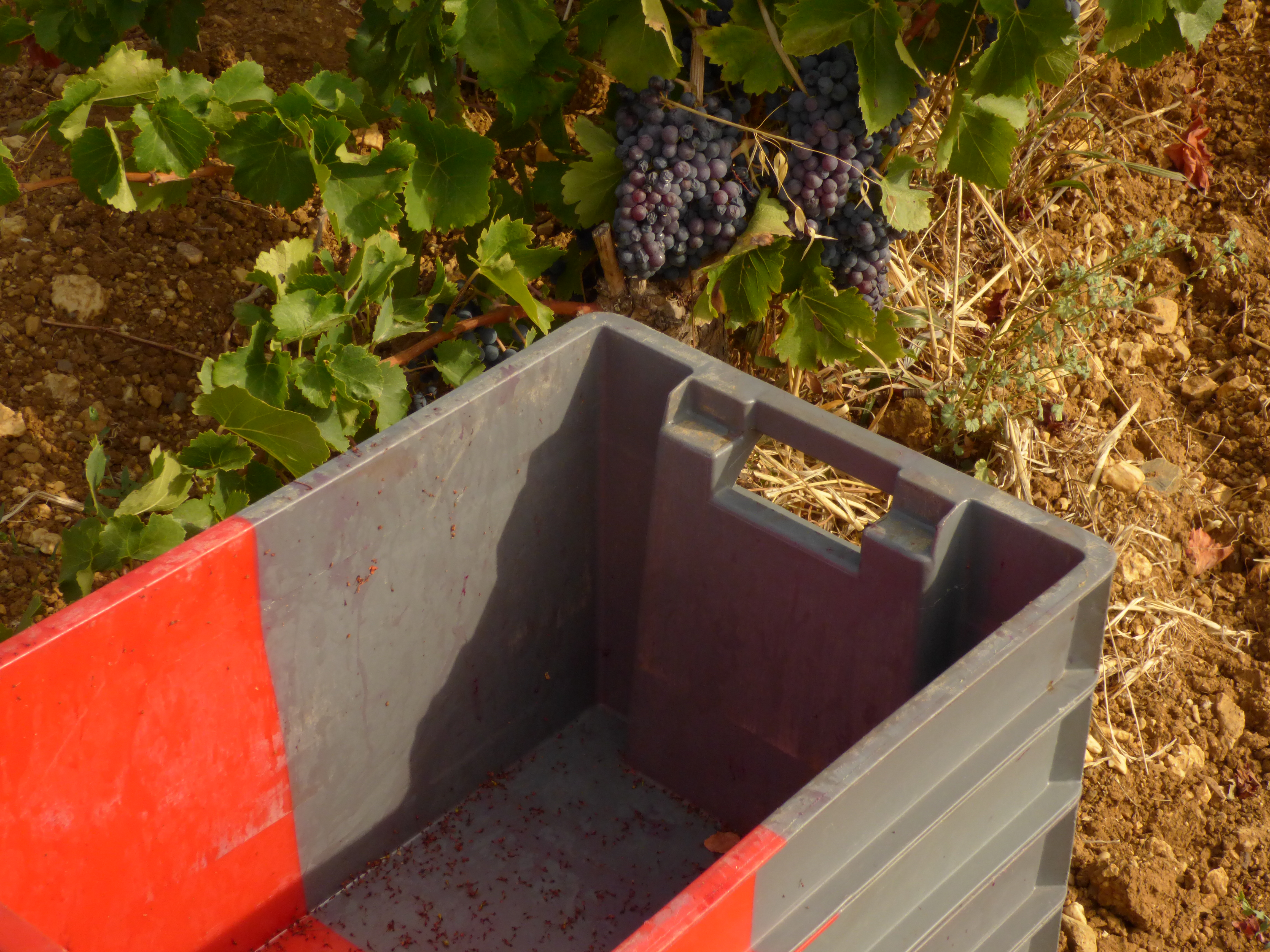
We worked through a lot of grapes that afternoon. One noteworthy point was the effects of downy mildew. Most noticeable on leaves with yellow and brown patches the disease also has an effect on the bunches too sometimes, drying out the budding berries or causing them to abort. So, there are bunches with a completely dried out stalk or large gaps between grapes as you can see in the photos.


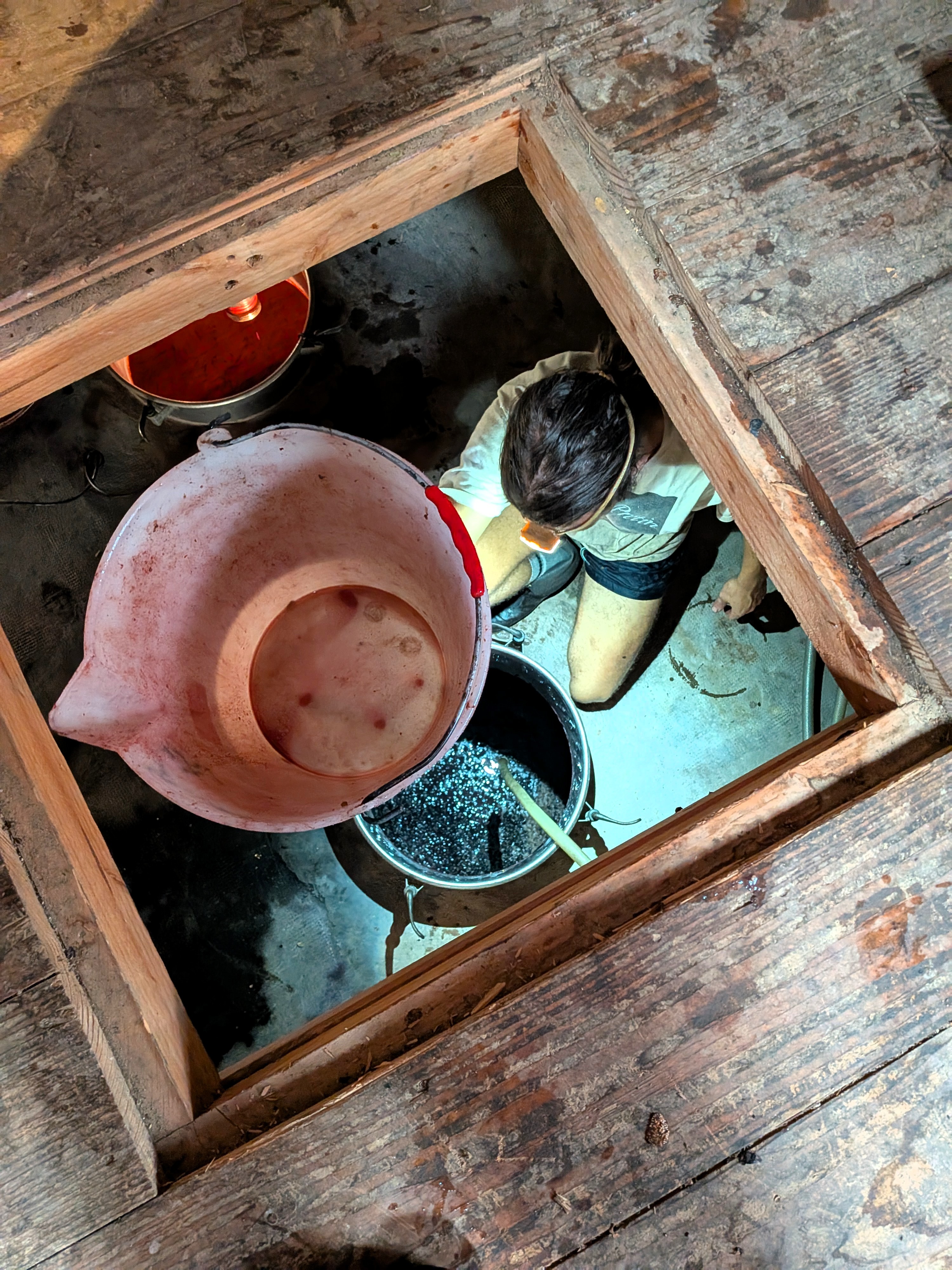
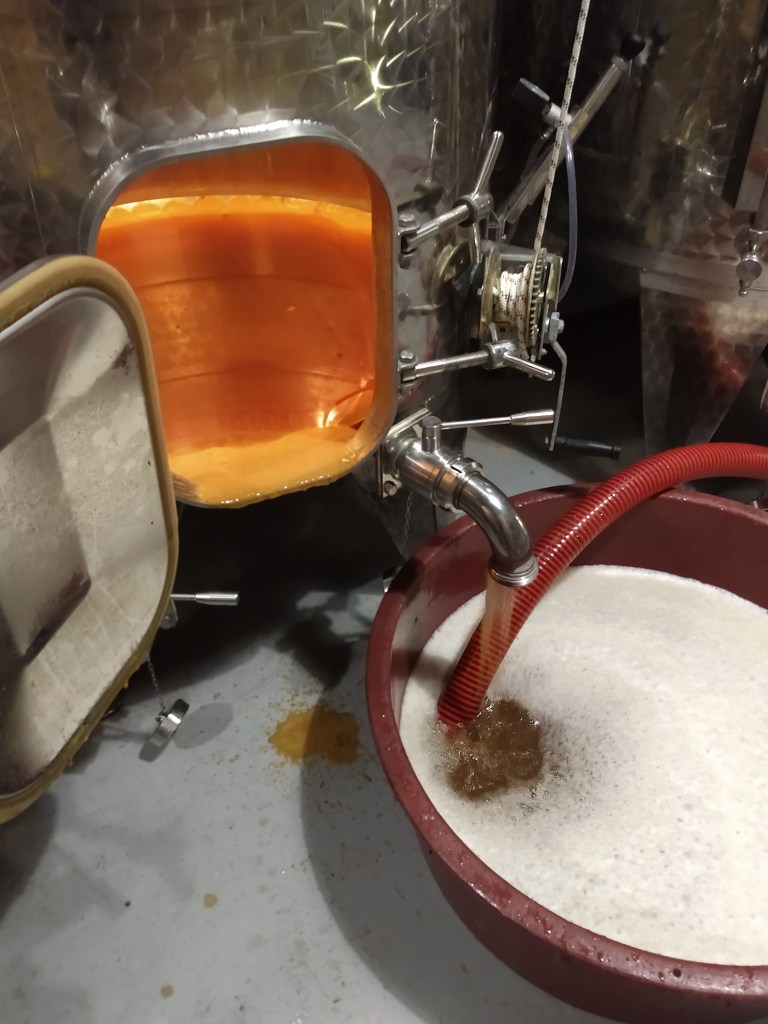
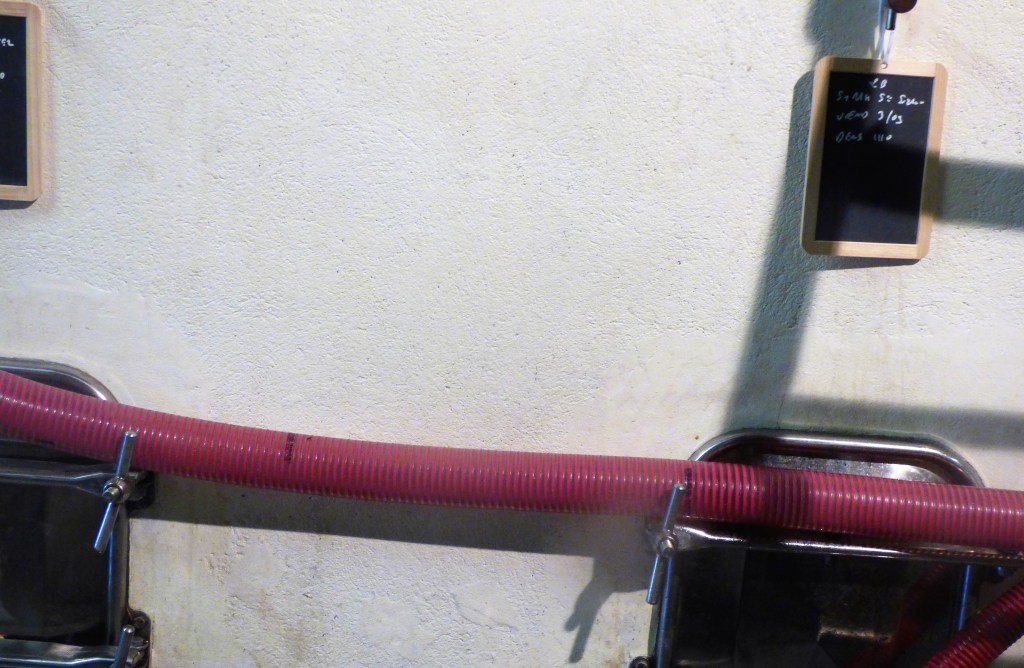
Friday was given over to all the cellar work, most of the harvest is done and the young wines in tank need to be cared for. Removing the juice from the must is the main task and, unfortunately, one of the pumps had taken the opportunity to break down and repairs would take a few days so Jeff used the remaining two for the cellar. The wine can remain on skins and flesh for a long time if you want to, for example an orange wine has white grapes on their skins for even a year in Georgia and other countries. Most wines though are given a few days to extract flavours, tannins and strength and then removed as the must can become a source of spoiling bacteria or over extract the tannins and dry out the taste. With Gils, Flora, Boris and the excellent Pièr in harness there were enough hands without mine that day. The good news was that the analyses of the wines were coming back with encouraging figures for alcohol, acidity and health.

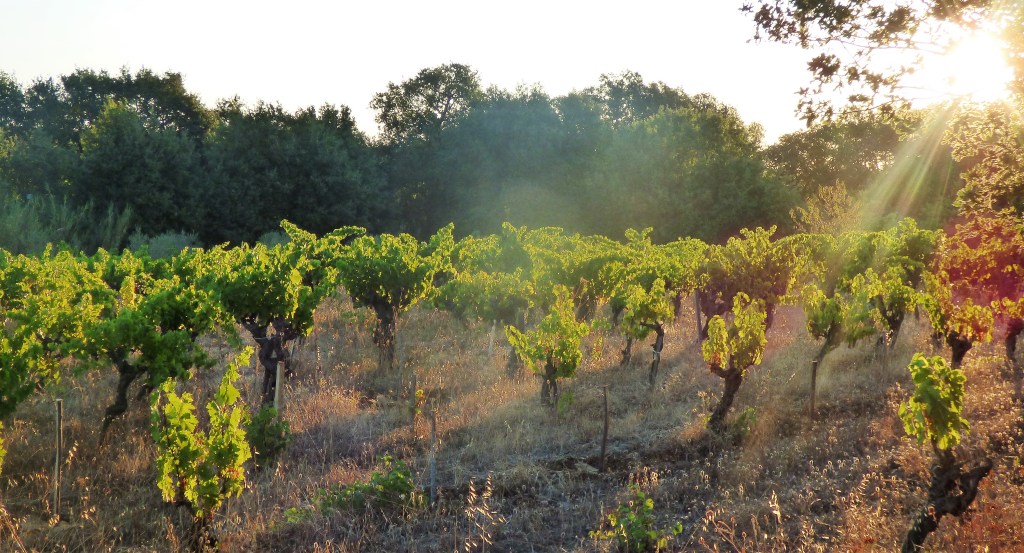
Onto Saturday and a harvest I had been anticipating. Four or five years back Jeff planted Xarel-lo in a parcel at the top end of Peilhan next to the wildlife reservoir. It has been a conscious decision on his part to plant Spanish varieties given how the climate has changed in the last few years. From the outset these young vines were in great shape and produced their first wine in 2024, a refreshing, dry white called Sauve Qui Pleut, a pun on the French expression for ‘save what you can’ and rain, which is fairly self explanatory. As the vines age they will add more character to the wine, it is a variety which I enjoy from so many Catalonia producers.
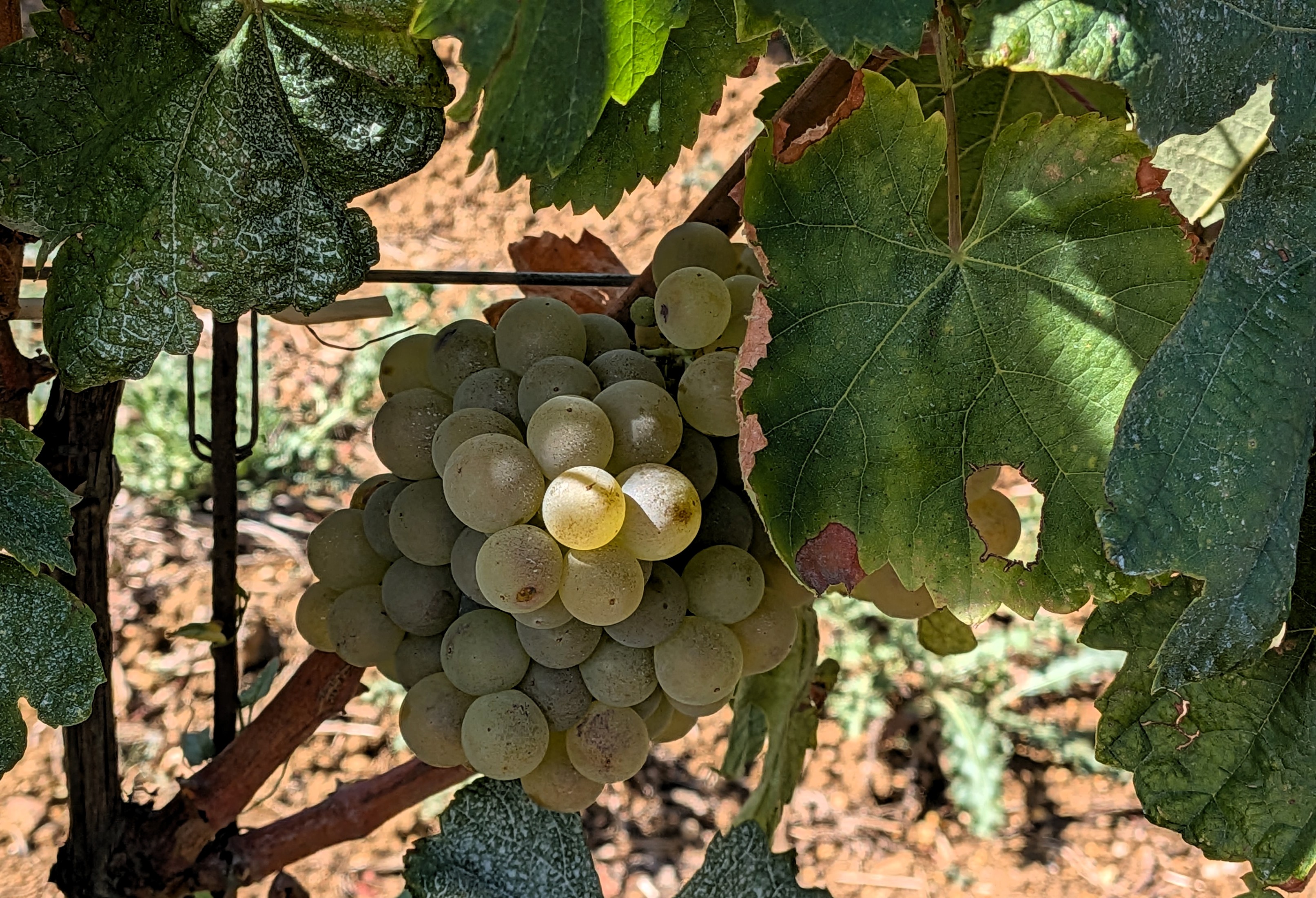


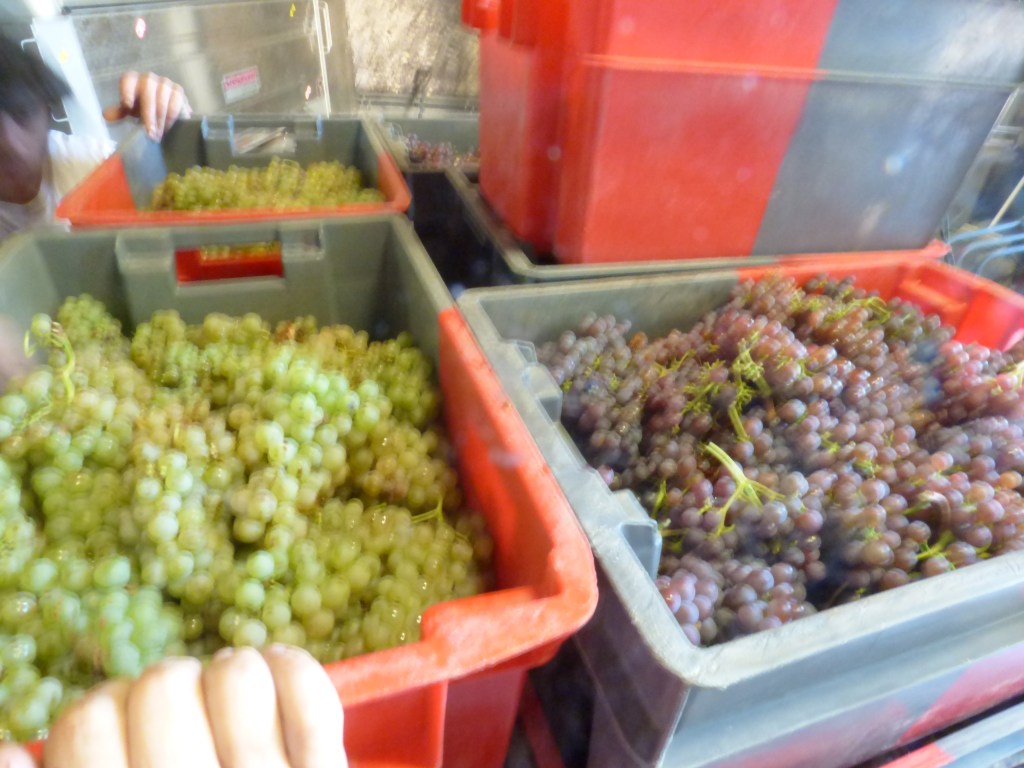
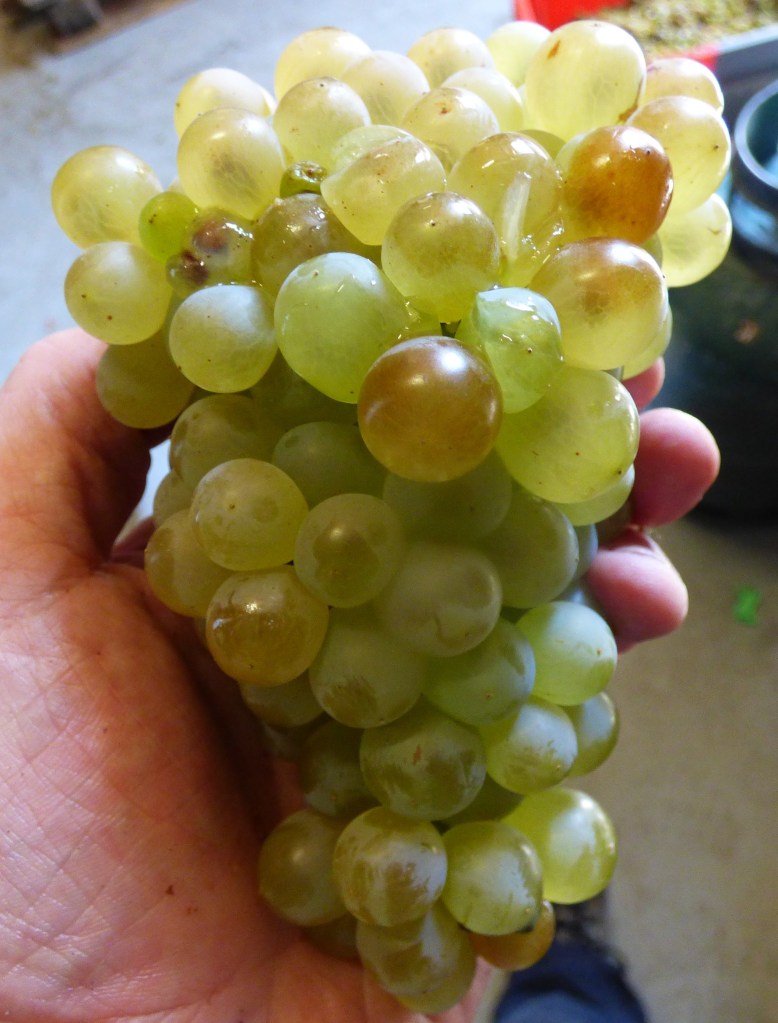
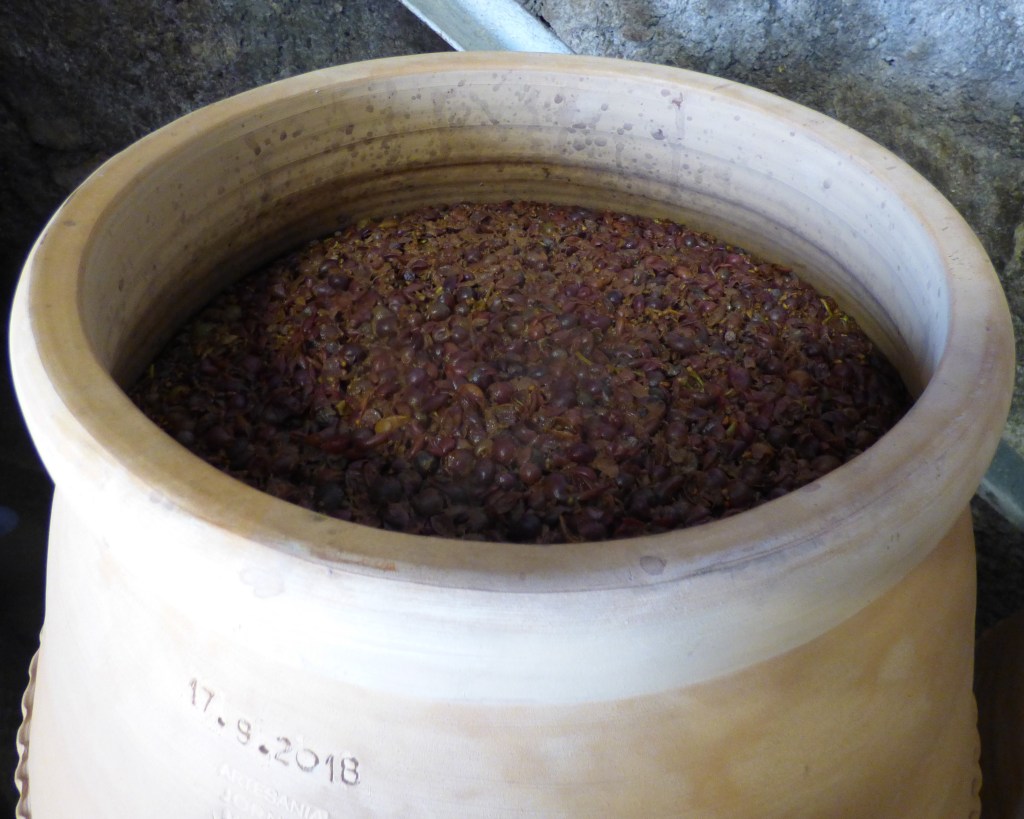
The Xarel-lo was sent to sorting table and then into tank to spend some time on skins, I look forward to the results. Other white varieties were being picked and sent straight to press. Carignan Blanc and Terret Blanc, also from Peilhan, were both looking healthy. Another small tank to give Jeff choices. And then a full afternoon with the rest of the Grenache from La Garrigue.


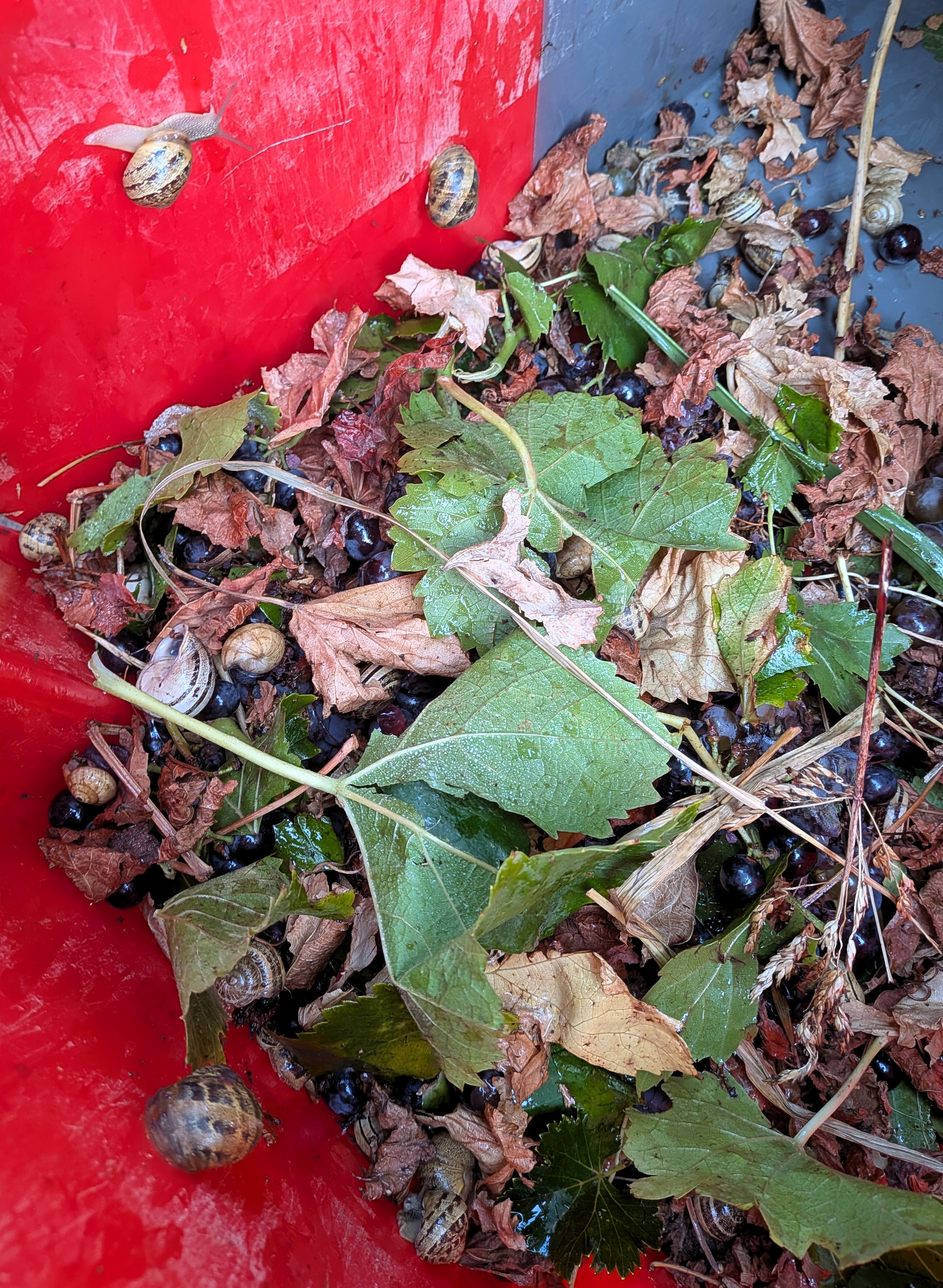
Working on the sorting table you get used to the noises it makes. As it vibrates to separate leaves and other extraneous material a steady rhythm occurs. Occasionally that it broken by a rattling noise and we know to seek out snails. As 2025 has been so dry and hot the snails have sought out moisture and bunches of grapes offer exactly that. La Garrigue must have seemed like an oasis to them, there were hundreds, hiding inside bunches, clinging to their juicy berry.
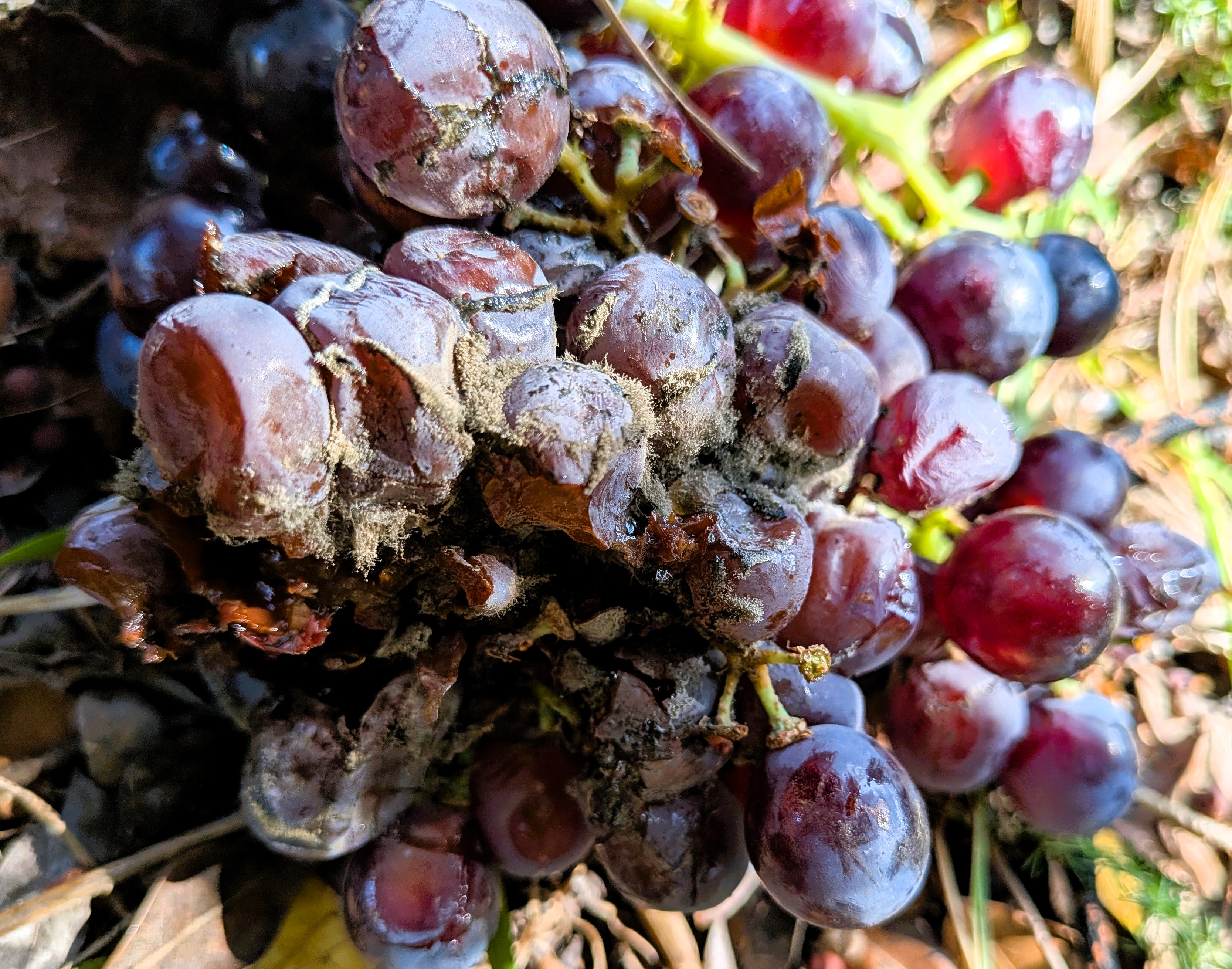
Unlike the Tuesday there was not much damage caused by ver de la grappe but this bunch shows the damage to a bunch which it causes. Fortunately, we are an experienced team on the sorting table and if you break open a bunch, especially when it looks tightly packed, any damage can be found. Alternatively you use fingers to fell inside the bunch and if the grapes feel squishy or powdery then you break up the bunch. It is done off the table so that any rot does not get mixed in with the good fruit.
So vibrations from the table and good vibrations from the analyses and Jeff himself. We look set for a good vintage despite the tricky conditions which this, and almost every year, threw up. There should be some top wines to look forward to, Wouldn’t It Be Nice?
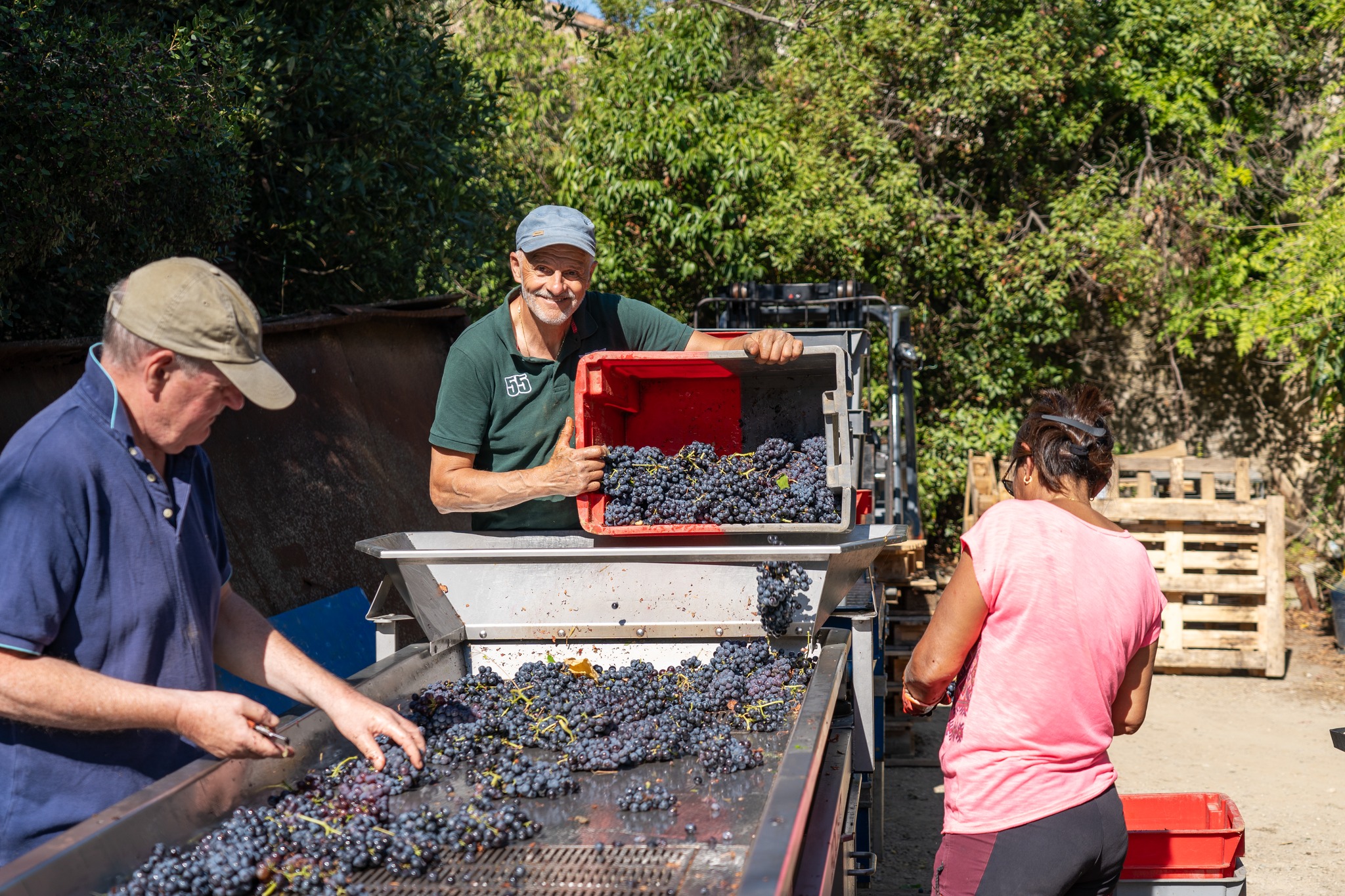
Flora, Jeff’s niece takes some fabulous photos, you can seek them out on her Facebook and Instagram page, it’s well worth a look.





























 amarchinthevines