amarchinthevines

Learning about wine, vines and vignerons whilst living in the Languedoc


Leave a comment

Domaine du Partage, made for sharing

Wine should be about sharing. Pleasure, knowledge, thoughts, skill, friendship and passion to name but a few. Nearly all of my favourite wine moments have been shared with others, around a table, at a tasting, on special occasions. The name of Steeve Dejardin’s new wine venture is, therefore, well chosen and apposite. Not least because Steeve himself has always been one of the most generous people I have ever met. Back in 2015 he came to Jeff Coutelou’s cellar with a few bottles and cheeses from his native Jura and we enjoyed a great evening. We met a few times in similar circumstances at Jeff’s including a Saturday lunchtime where Jeff shared a few bottles of older wines including the legendary ‘Roberta’ and several vintages of La Vigne Haute.

Saturday sharing, 2018
The last case of 2021

Steeve decided a few years ago to change his lifestyle and become a winemaker. He came down to Jeff’s and spent over a year working alongside him, learning the ins and outs. He had already spent time with the excellent Michel Gahier in the Jura and after his time with Jeff returned to his home region to work at Domaine De La Loue amongst others. Eventually though he returned to the Languedoc and has started his venture in the Minervois.

The decision was taken to rent around 2.5ha of vines and part of a cellar in that region from Julien Audard and Laure Boussu who run Monts et Merveilles. They were making wines under that name and retain some vines but are starting to concentrate on brewing beer and their ecotourism business. The couple have been a great help to Steeve who is eternally grateful to them for the opportunity to fulfil his ambitions.

Camplong

We visited on August 22nd reaching St Julien des Meulières in the Haut Minervois after a lovely drive through that area with its limestone scenery and beautifully clean air. In the plains we had passed early harvesting in the heavily herbicided vineyards, dust flying everywhere. The contrast up in the hills was marked, vineyards covered with plants of all kinds surrounded by forest. Unfortunately the bulk winemaking of the plains has given Minervois a moderate reputation, winemakers like Steeve face a challenge to change that image in order to sell their wines. And sell they should because, I’m happy to say in all honesty, that Steeve’s first wines are excellent. Yes I am biased towards my friend but I wouldn’t have written that sentence unless I meant it.

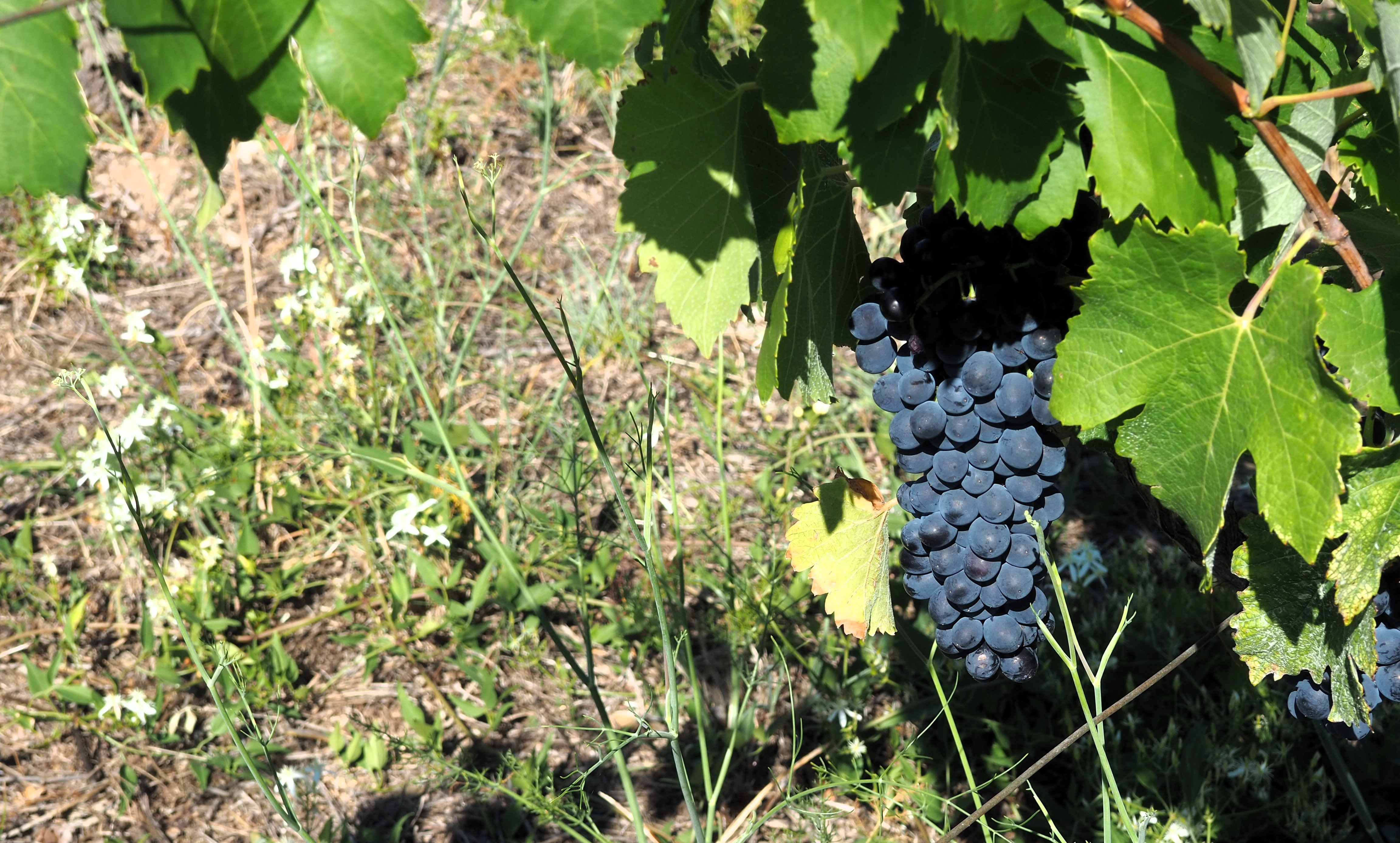
Carignan in Camplong

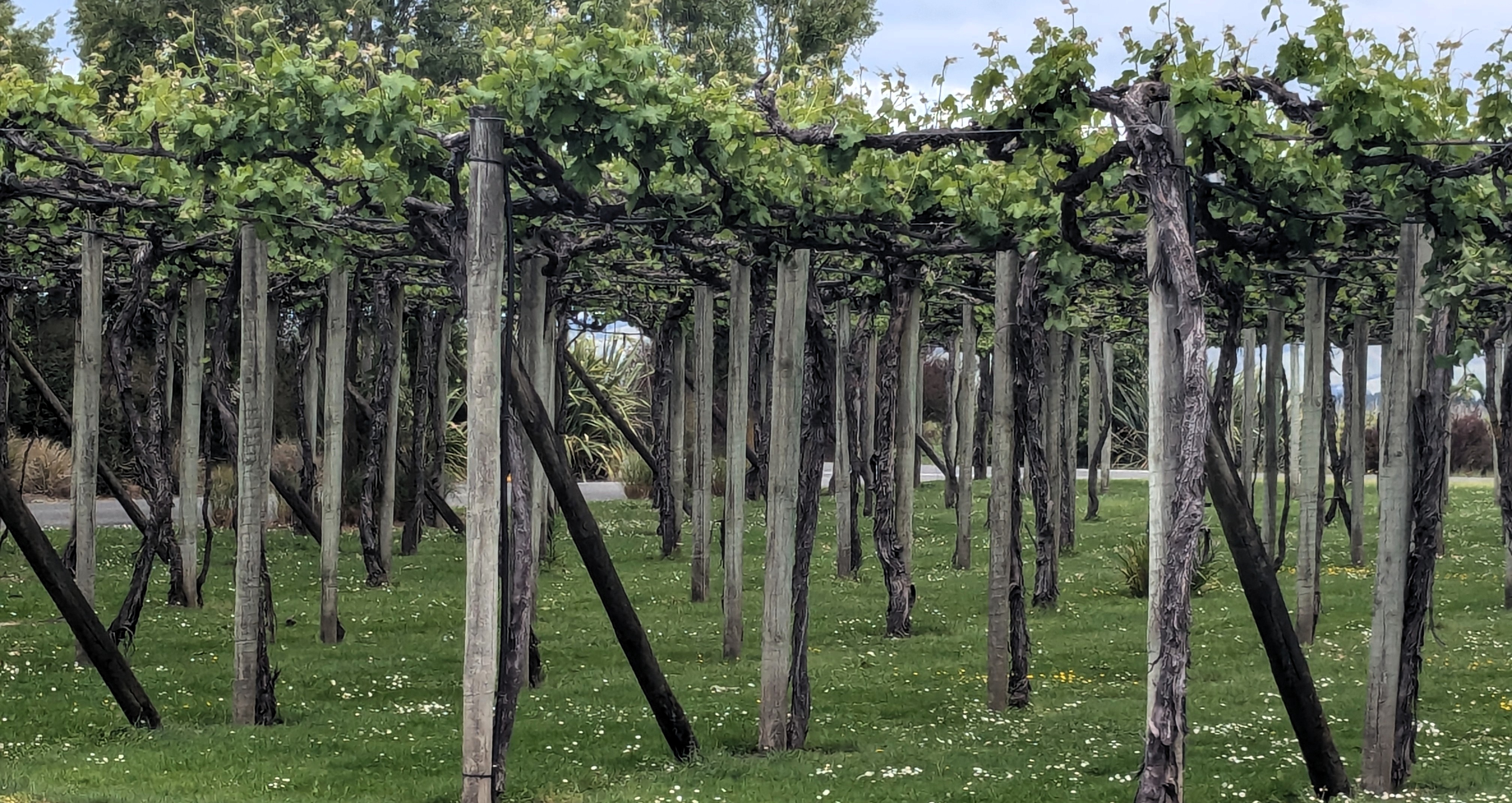
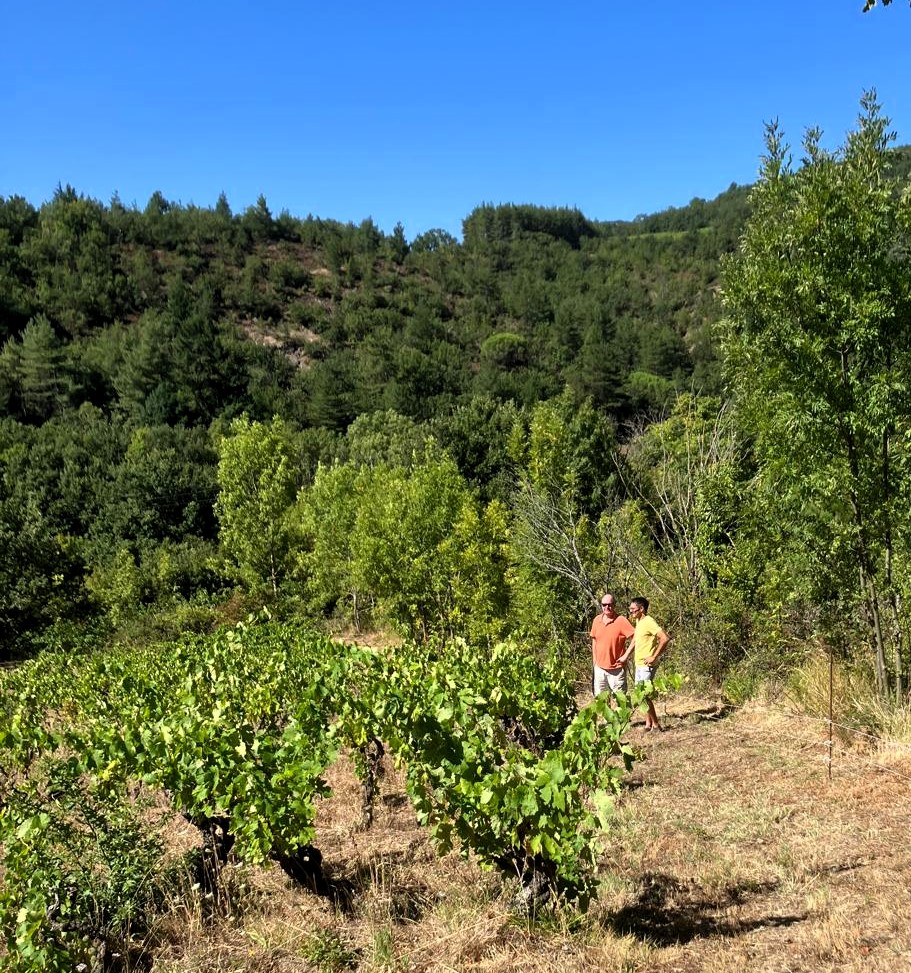
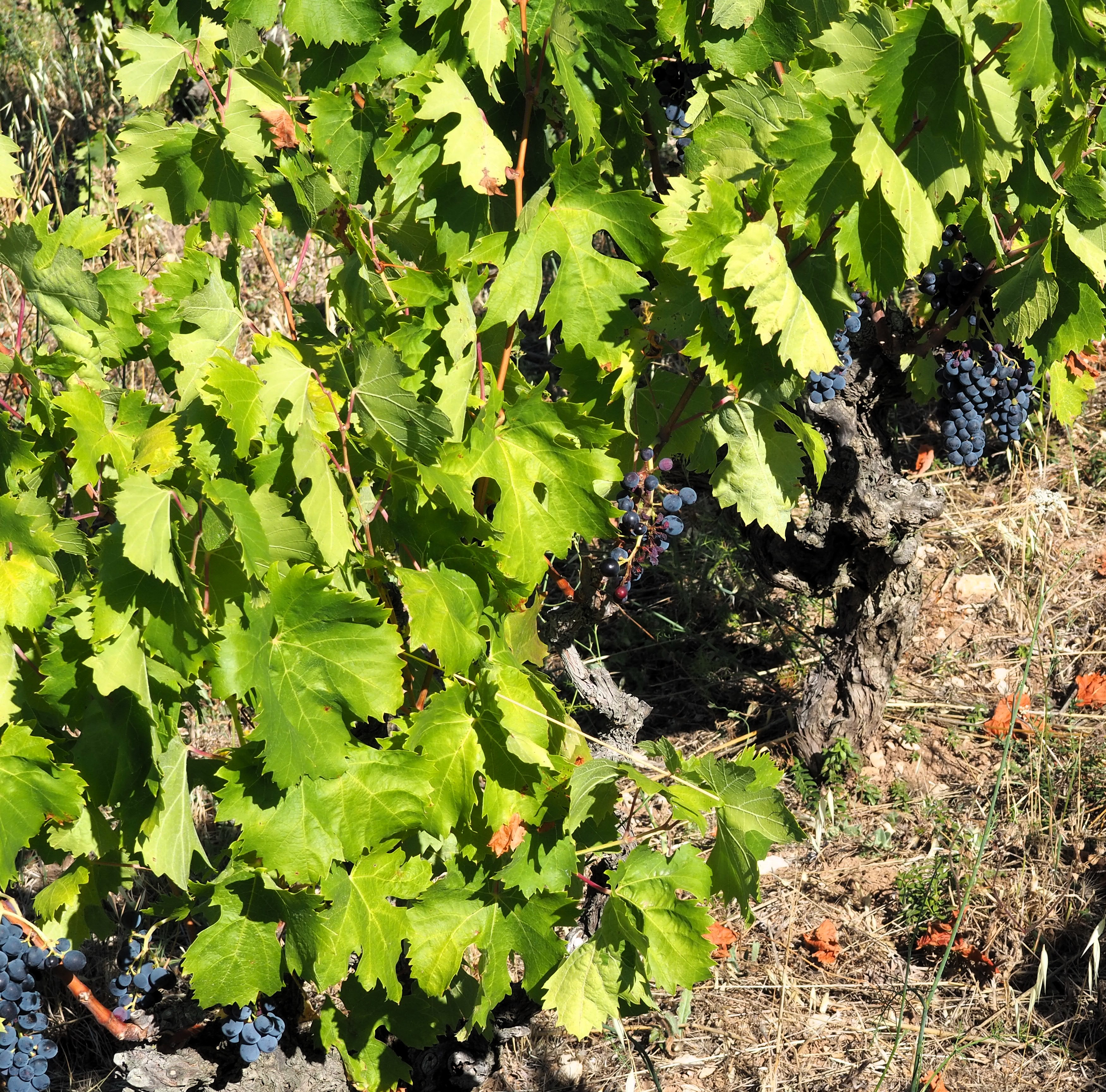
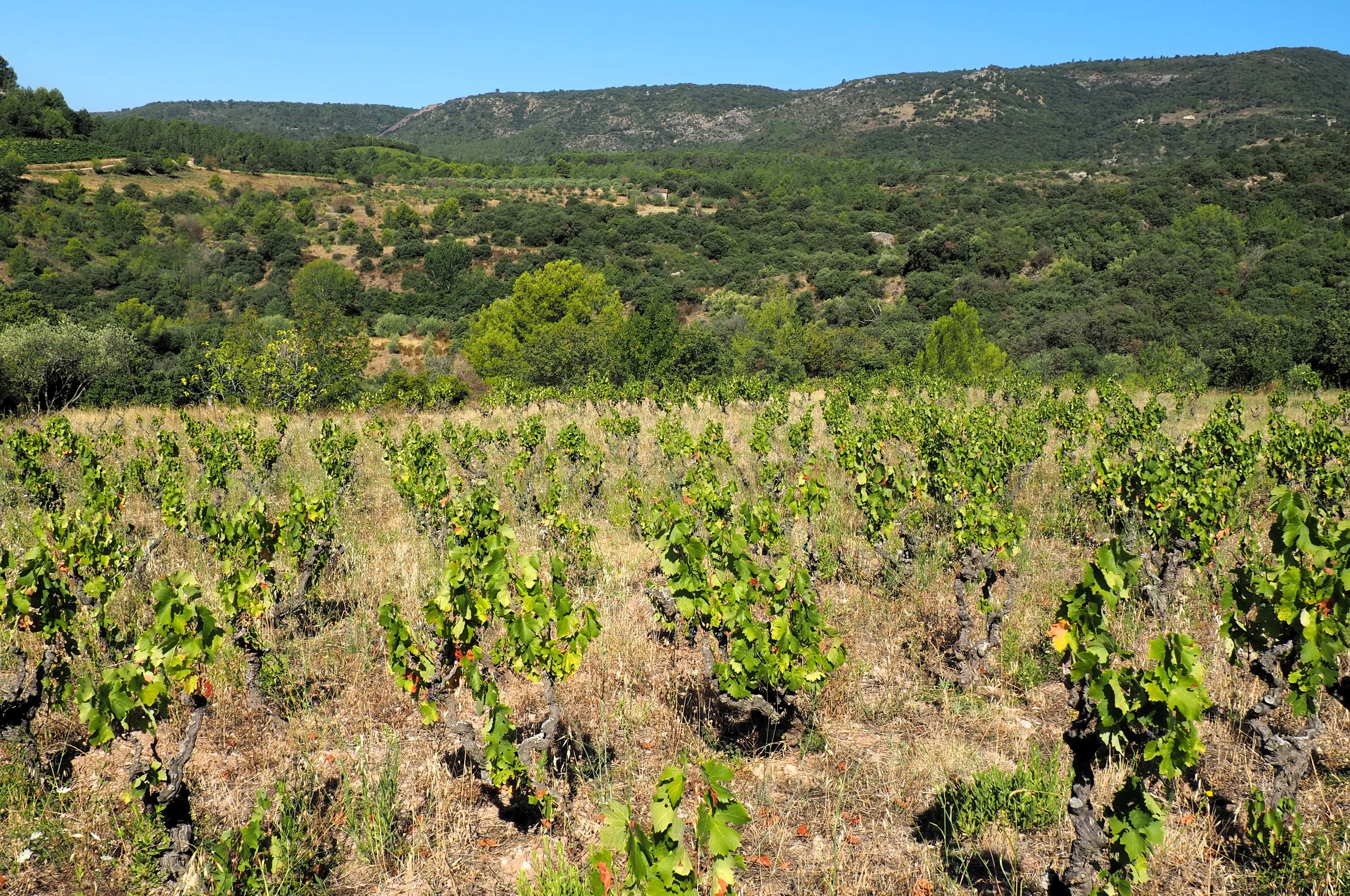
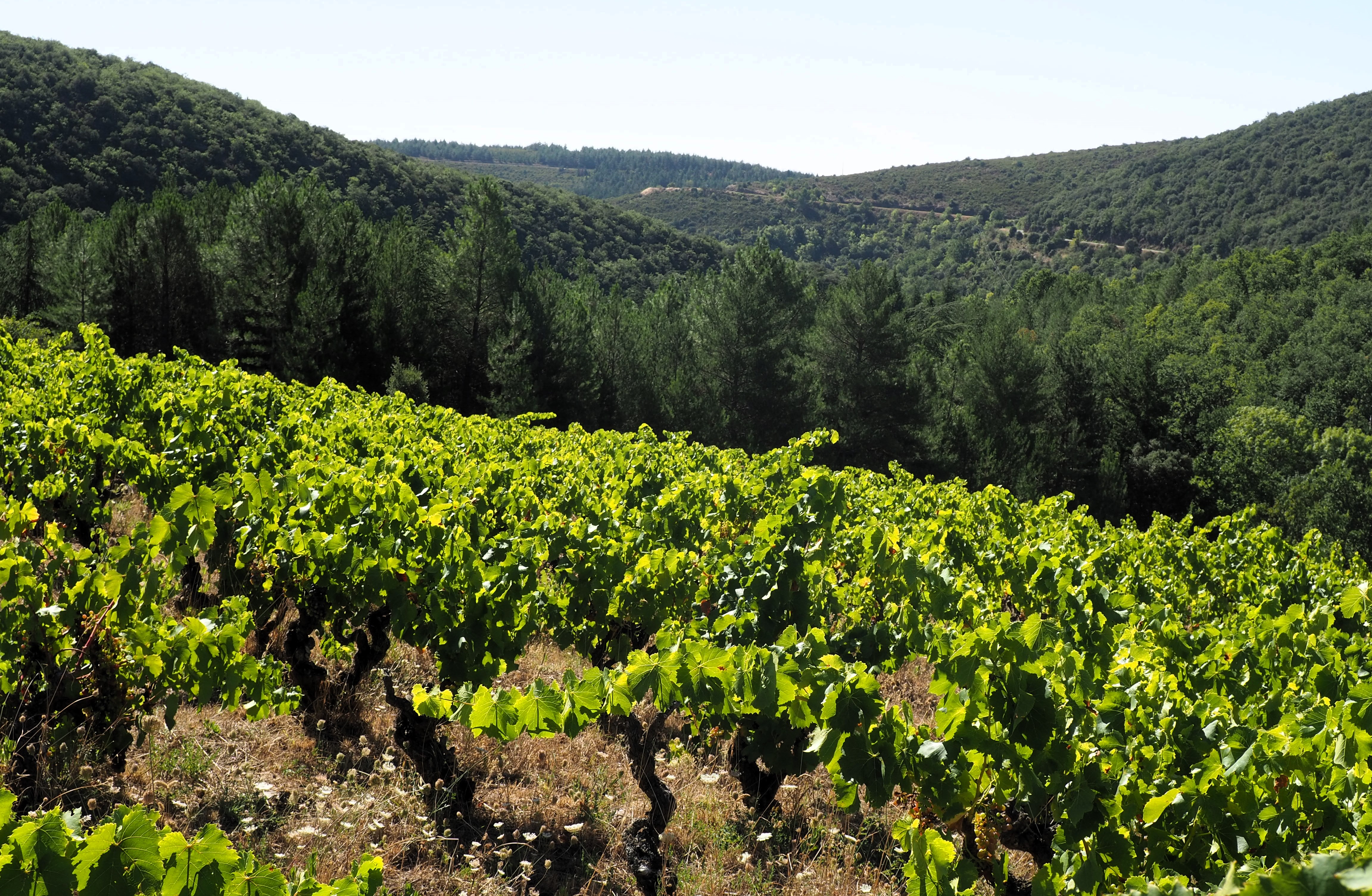
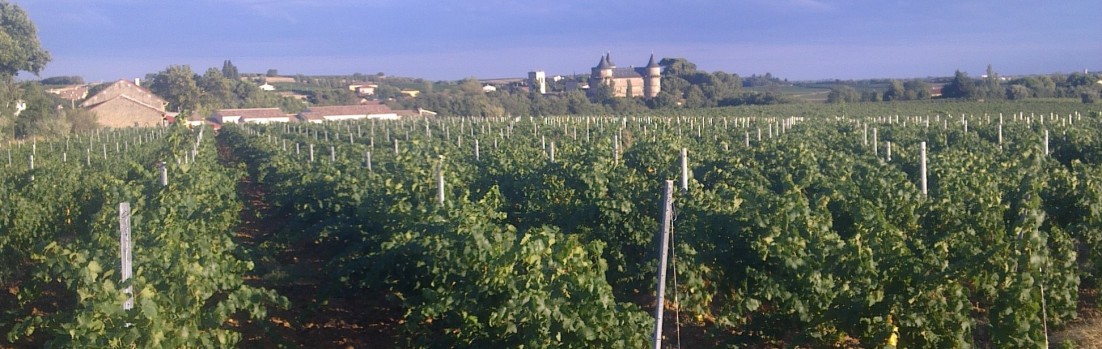
His two vineyards are a few miles apart and named after their nearby villages. We headed to Camplong first, around a hectare of vines divided mathematically and physically half and half between Carignan and Syrah. The Carignan vines are around 50-60 years old and in gobelet, free standing on a sloping hill. The top part of the vineyard is argilo-calcaire, limestone and clay, whilst the lower slope also has schist mixed in. That lower part has a few vines which have struggled and Steeve is working hard to improve the soils there using compost based on nettles. A fence separates the two parts with their different grapes, in the Syrah the vines are trained on wires.

Syrah, Camplong

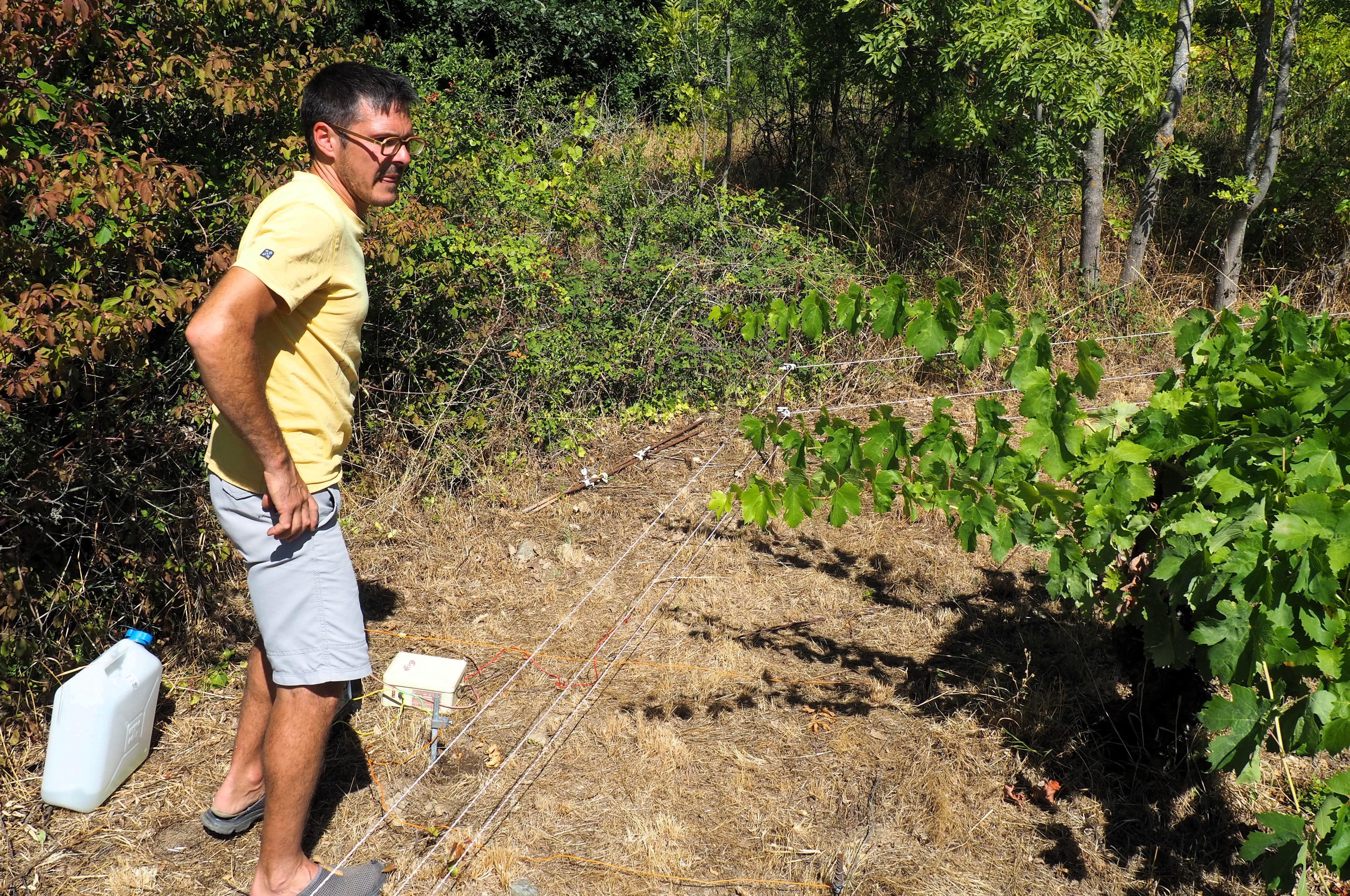
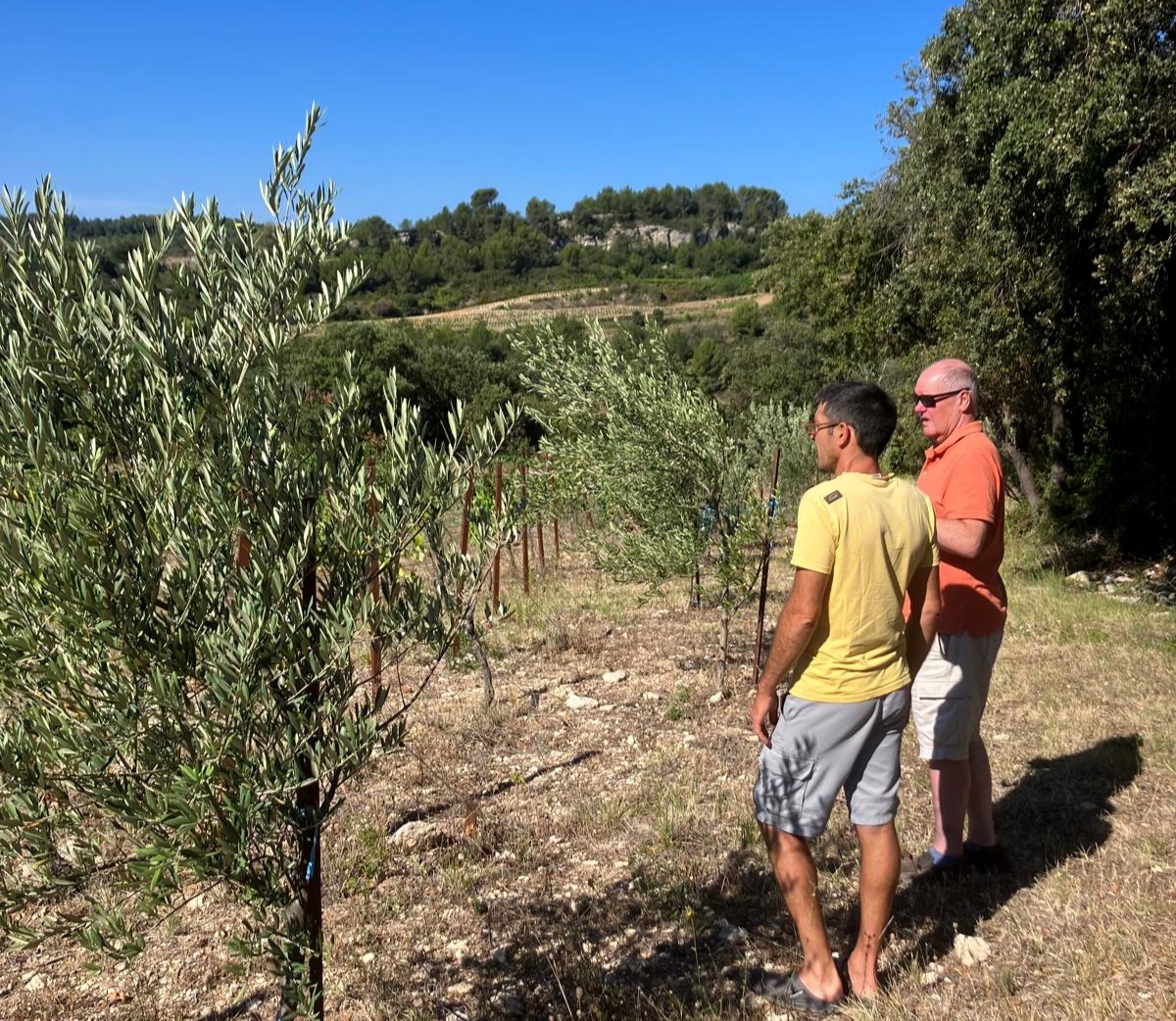
The other vineyard, Cassagnoles, is on the other side of Steeve’s home village and even higher in the hills. Just over a hectare of Carignan vines on a steep hillside greeted us. They are 60 years old and gobelet trained too. The vineyard is surrounded by a small electric fence because the forest has a lot of wild boar living in it. At Camplong there are no boar but badgers have been eating some of the bunches! Once again Steeve has found the lower parts of the parcel have needed more work to improve the soils, he’s used some manure but not too much and more nettle and organic composts. There are a few white grape vines such as Grenache Gris and Steeve is hoping to develop more white grapes.

Carignan, Cassagnoles with steep slope and electric defence

Both vineyards were a joy to visit, surrounded by lovely oak trees and countryside and views to lift the soul whilst working there.

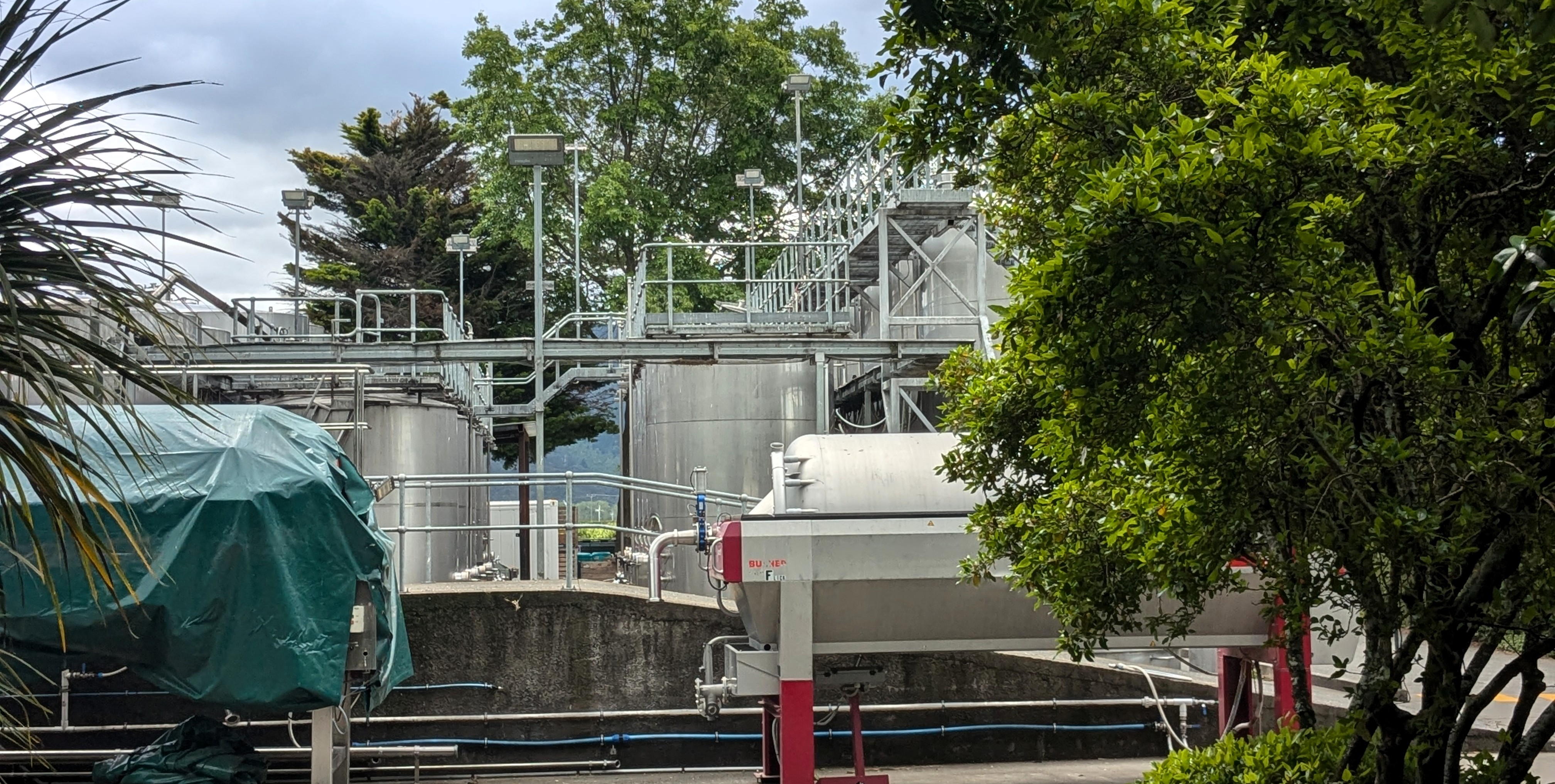
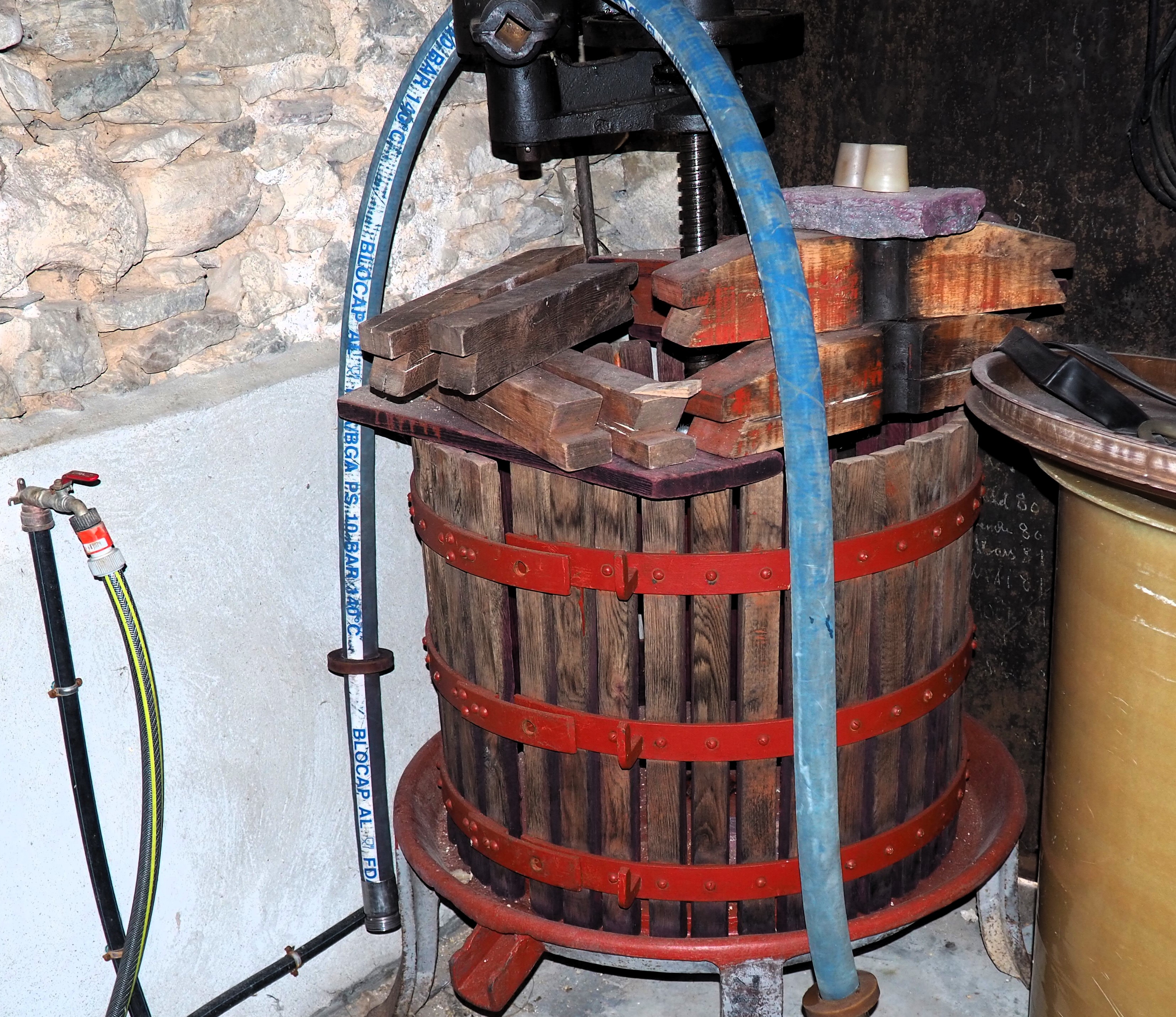
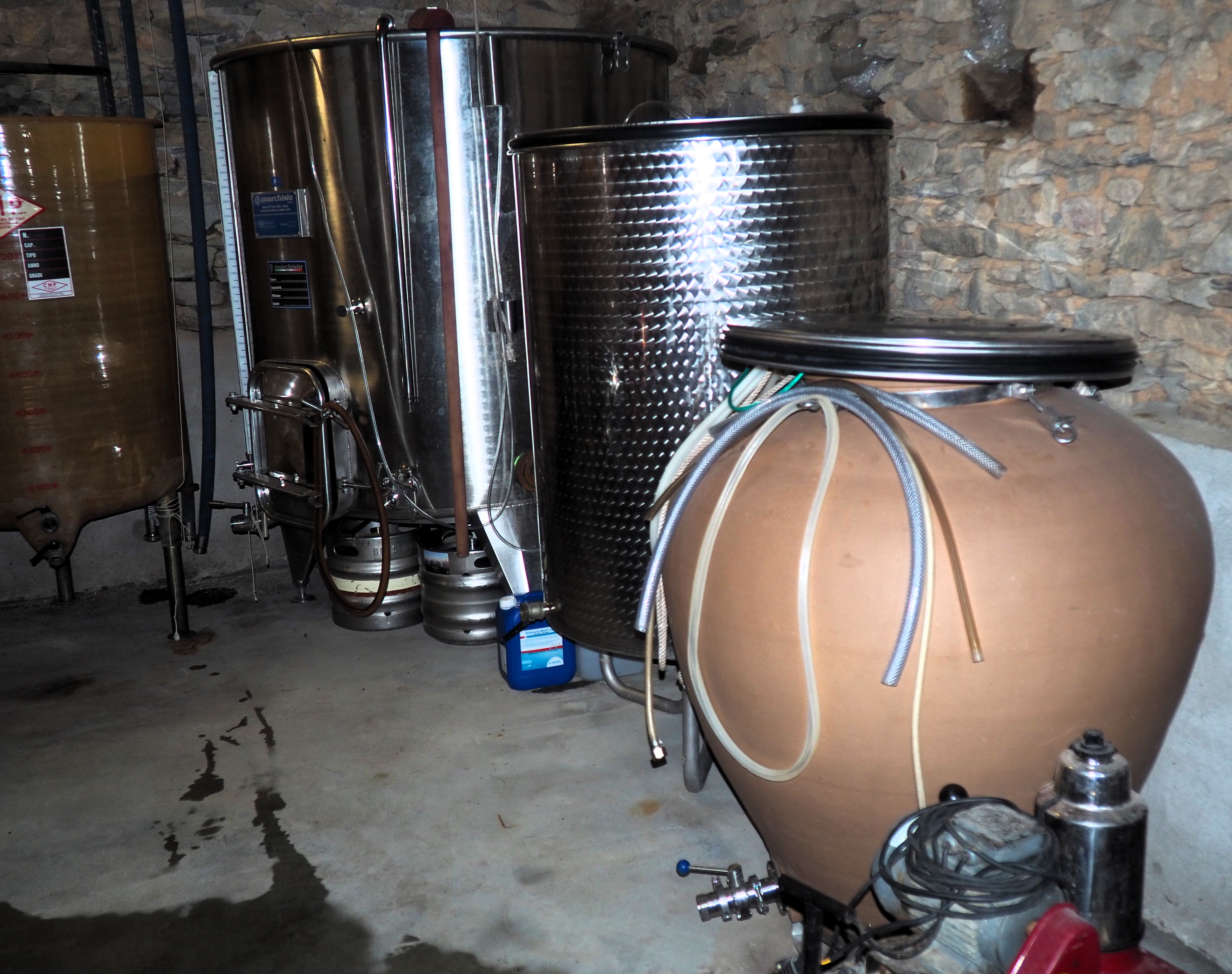
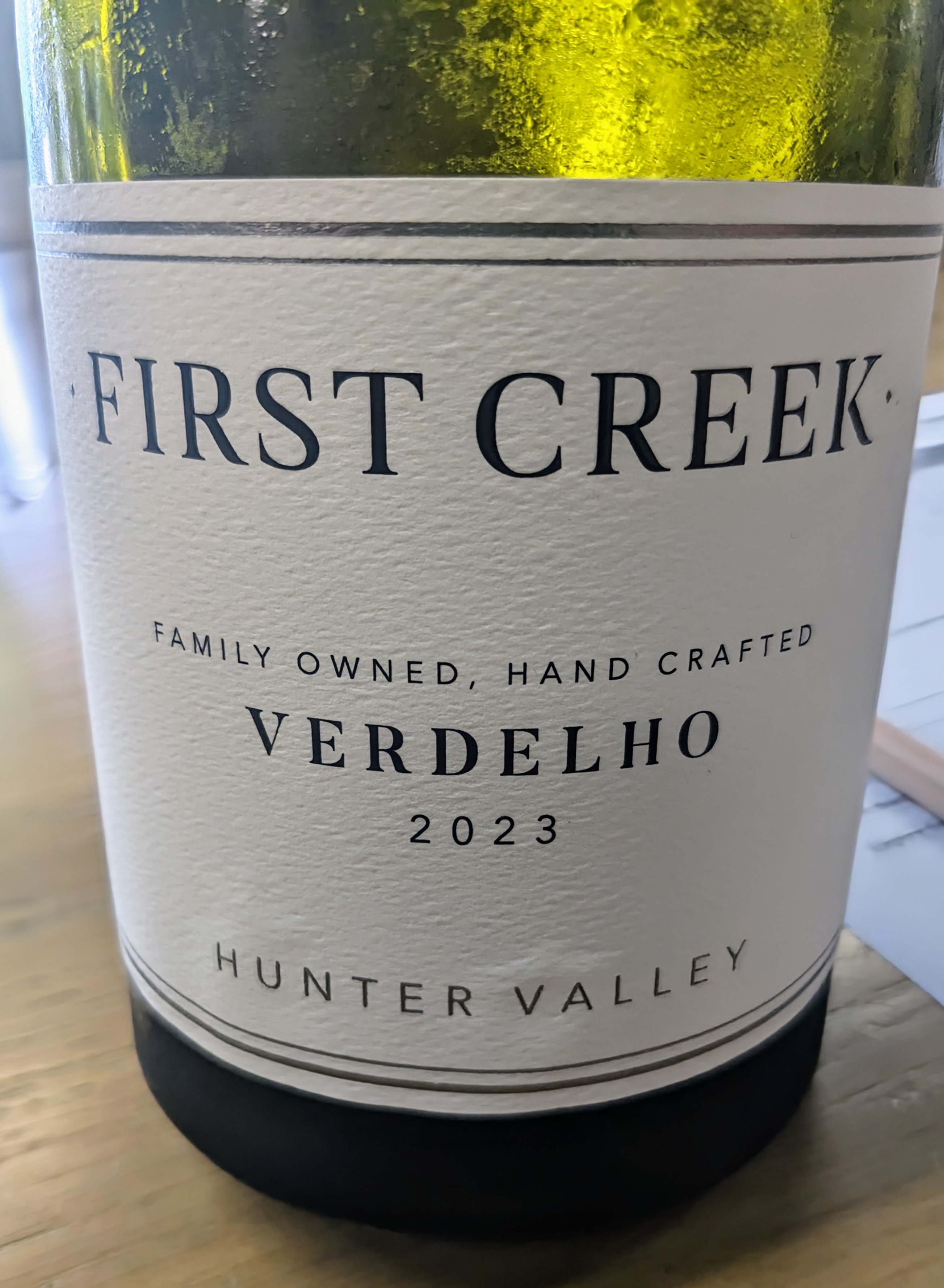
Winemaking is simple and natural, a small destemmer and basket press make up the equipment and the wines are fermented and aged in a variety of containers from stainless steel and fibre to a small concrete amphora shaped vessel. The Carignan from 2023 fermented easily and is bottles but the Syrah has stubbornly not completed fermentation with 25-30g of residual sugar remaining. One caviste, impressed by the Carignan, offered to buy all the Syrah even with its sugar but Steeve is confident it will complete, perhaps when the 2024 grapes are fermenting in other tanks. I have seen it happen before, where one tank seems to trigger others so, fingers crossed.

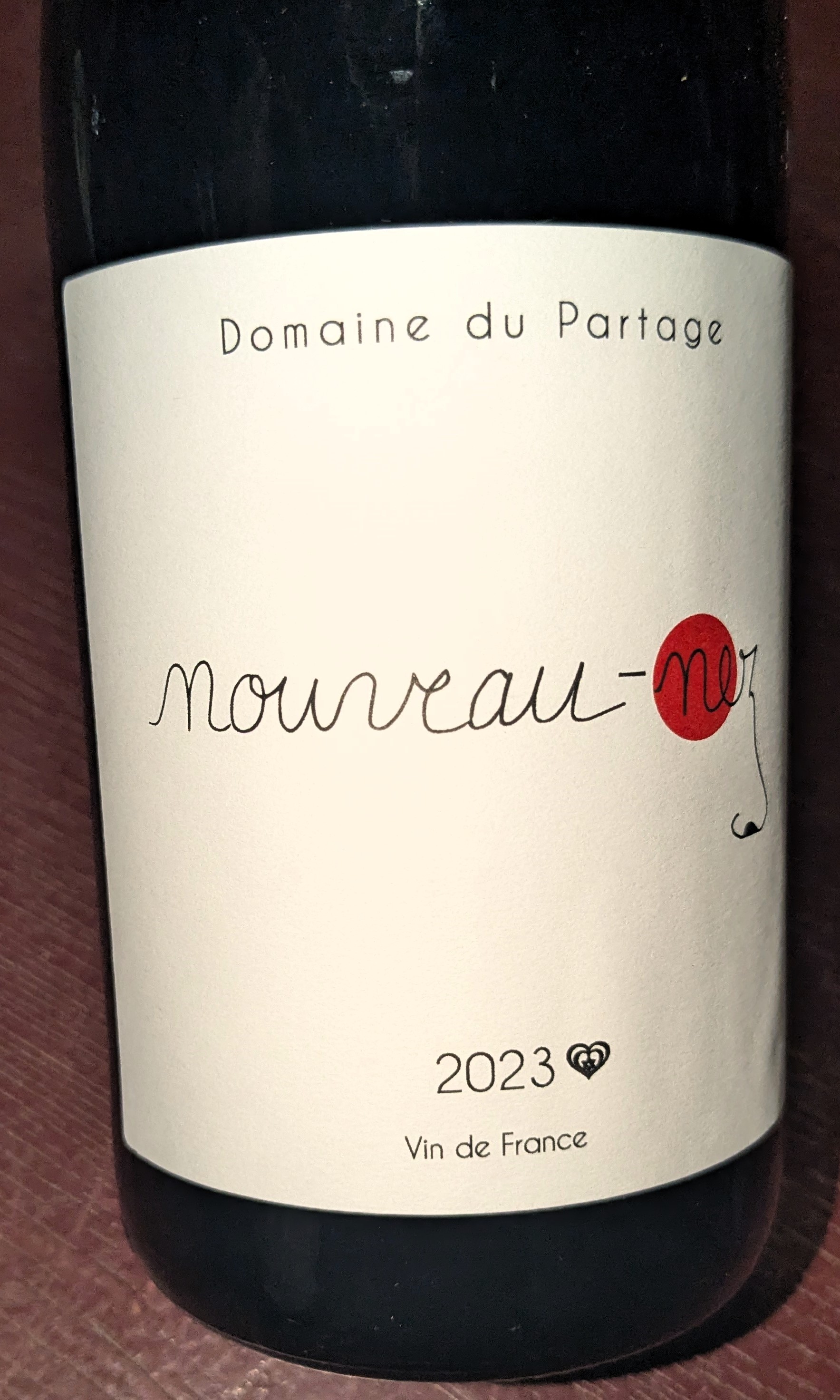
Steeve had generously been busy baking, a delicious tomato and goats’ cheese tart and blackberry clafoutis accompanied our wine tasting. His Carignan from Cassagnoles, bottled as Nouveau Nez, was excellent. Red and black fruit aromas and flavours abounded with real energy and freshness to the wine meaning that you were eager to try more. I kept the remainder of the bottle until the next day and it was still in prime form, suggesting that the wine would easily keep for a few years if you could resist its bright purple colour and fruitiness right now. For a first wine this was exceptional, it brought back memories of the first wines from L’Ostal Levant in Cahors at La remise salon in Arles in 2015. I know Steeve has a few bottles left but events such as ViniCircus have helped him to get his name out there to cavistes. I was delighted to hear that the excellent Picamandil in Puissalicon near to Jeff has some bottles.

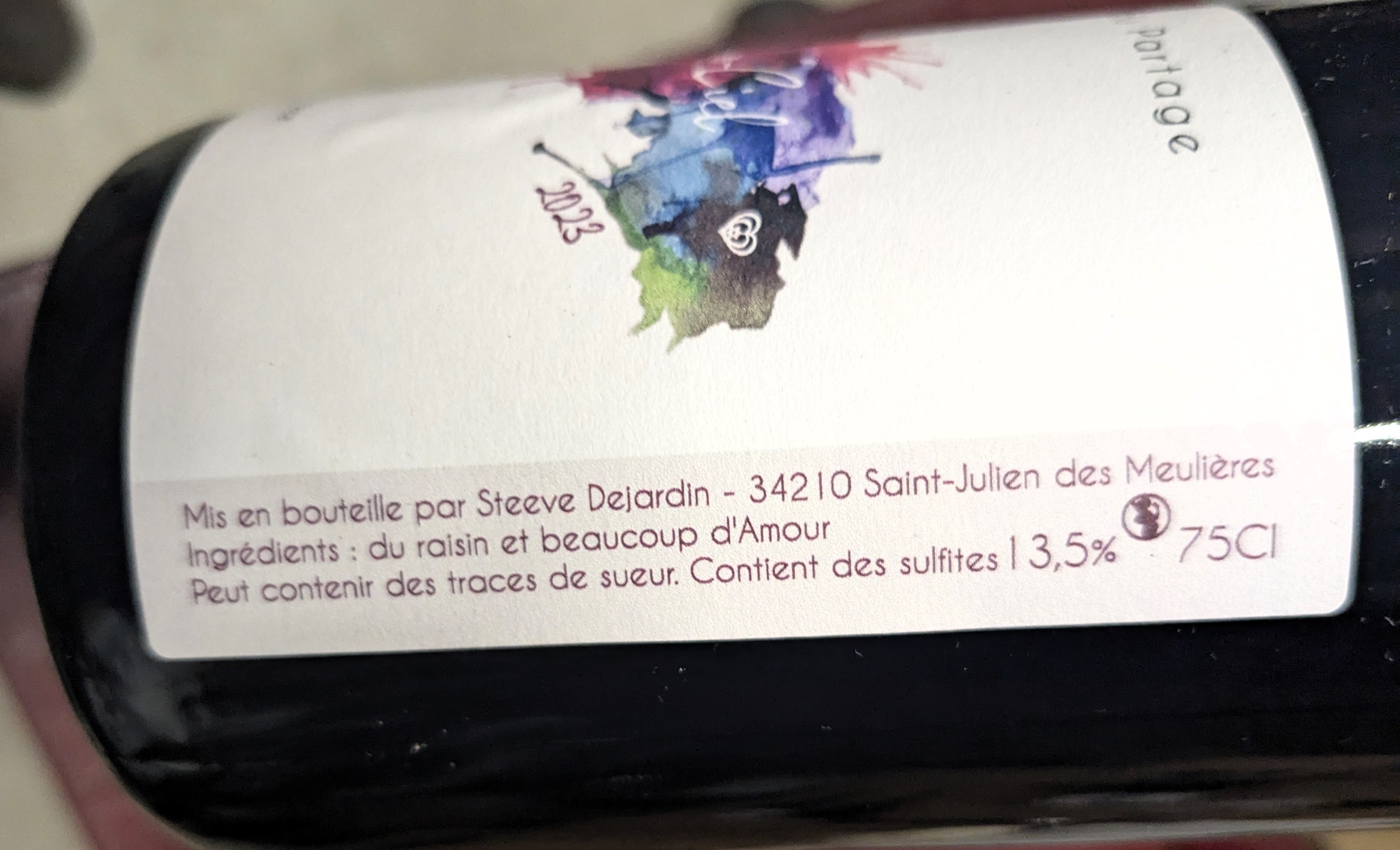
A nice touch of humour, ‘Might contain traces of sweat’

With the Syrah forcing a delay Steeve was happy to discover an organic producer in the area who was selling her Languedocian varieties to the local cave cooperative. He found the grapes in excellent condition, Aramon, Terret Noir and Gris to name just some. It reminded him of the Couleurs Réunies cuvée of Jeff with its vast array of local grapes and so, Steeve bought up the grapes to make a wine which he is calling Arc En Ciel. It was full of black and red fruit notes, upfront fruit but also some tannins for longer keeping. Very good indeed and those grapes deserved their own moment in the spotlight rather than being blended in with inferior grapes like the ones we saw in the plains.

Steeve had made a few bottles of Syrah given to him by Julien and Laure and he put it into bottles but also magnums to see how it developed. It too was very good, I promise. Very Syrah like, with upfront fruits but a nice backbone of tannin and acidity.
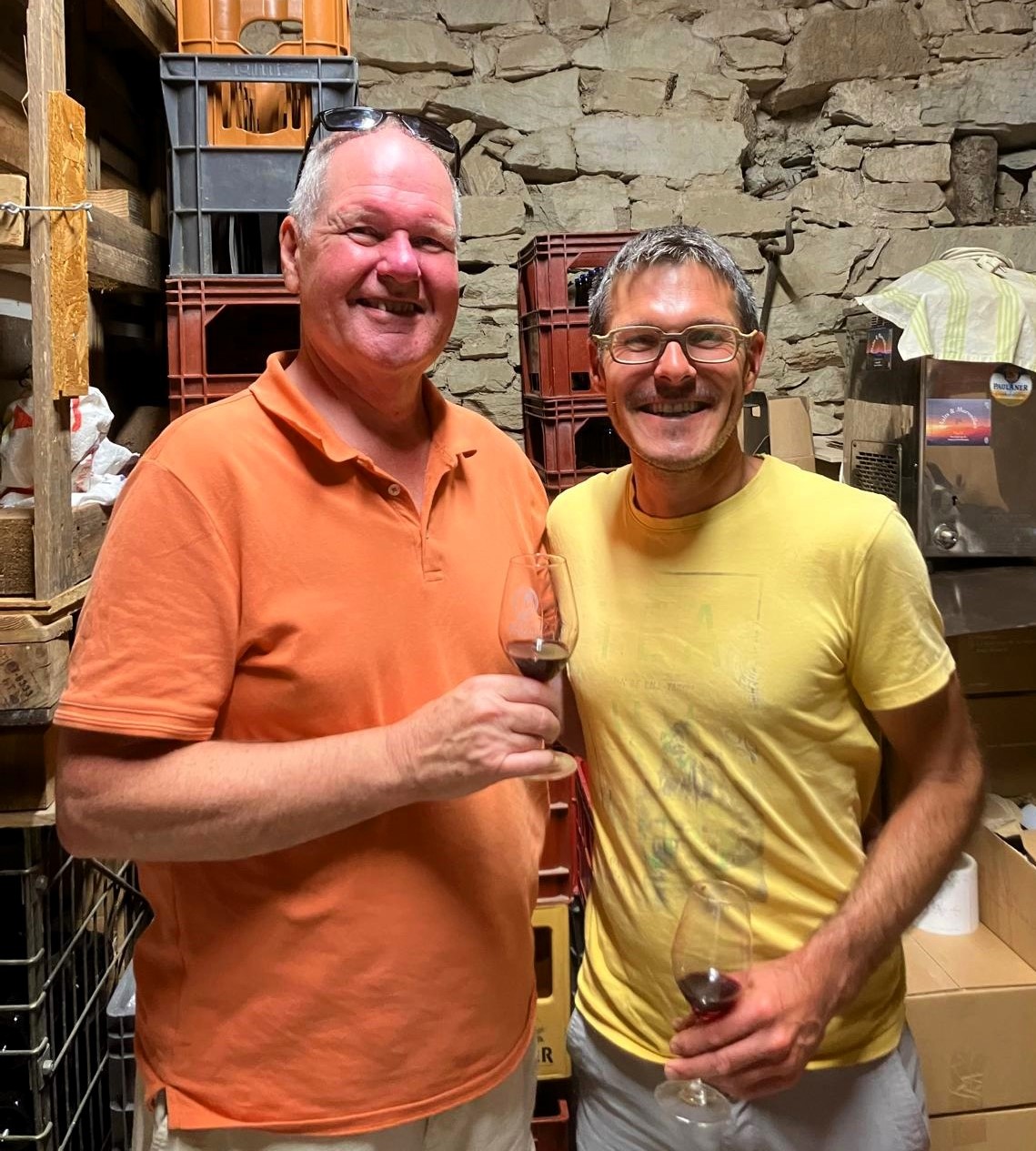
It was a real delight to visit Steeve, someone I admire so much and value as a friend, it was good to see that he and his son Martin are happy in their new environment making friends and contacts and becoming part of the community. The vineyards are lovely and Steeve will improve them with his care and passion for them. Meanwhile he has already shown his skills as a winemaker and when the new grapes are picked around the second week of September I am sure they will confirm that promise and Steeve will share more great wine with the world.


Leave a comment

Go Ouest

1. Anjou – Domaine Mosse (and guests)

Last year the route south to Puimisson and Jeff Coutelou saw us heading down the eastern side of France with visits in Champagne, the Jura, Burgundy and Beaujolais en route. Logically, therefore, this year we decided to take a couple of weeks travelling down the western side of the Hexagon. This is the side we have travelled in least, it is almost thirty years since being in Bordeaux, where I type this article, with scheduled visits having to be cancelled through illness or pandemic. Oddly, we had never been to Angers at all, a major omission as Anjou is such an important wine region, especially with its burgeoning natural wine scene. Previous visits to the Loire have focussed on central and eastern parts reaching west only as far as Saumur. Since the Loire and Chenin Blanc played a huge part in my wine education this was a shocking gap in my wine journeys, happily now set right but there is much more to discover.

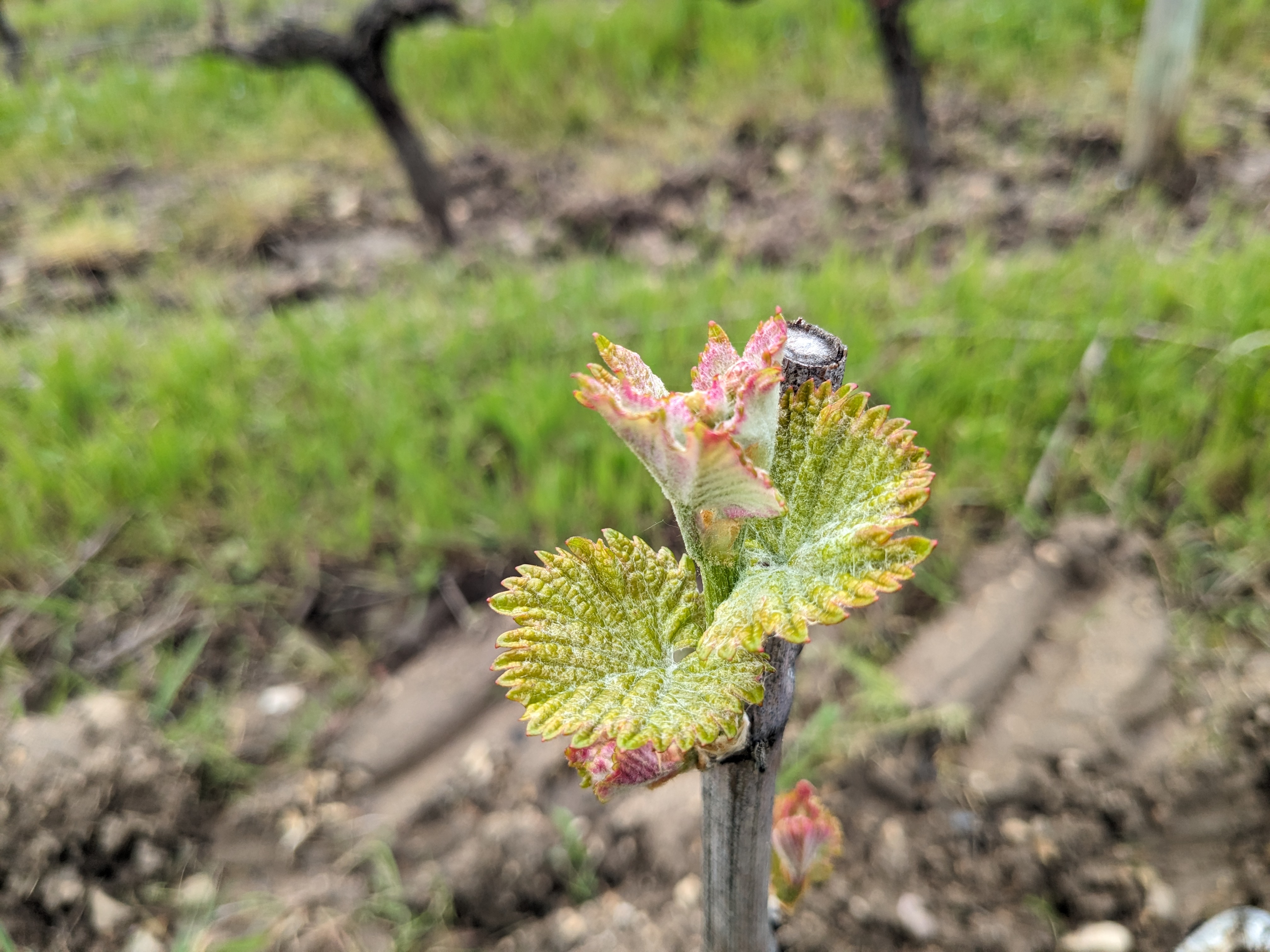
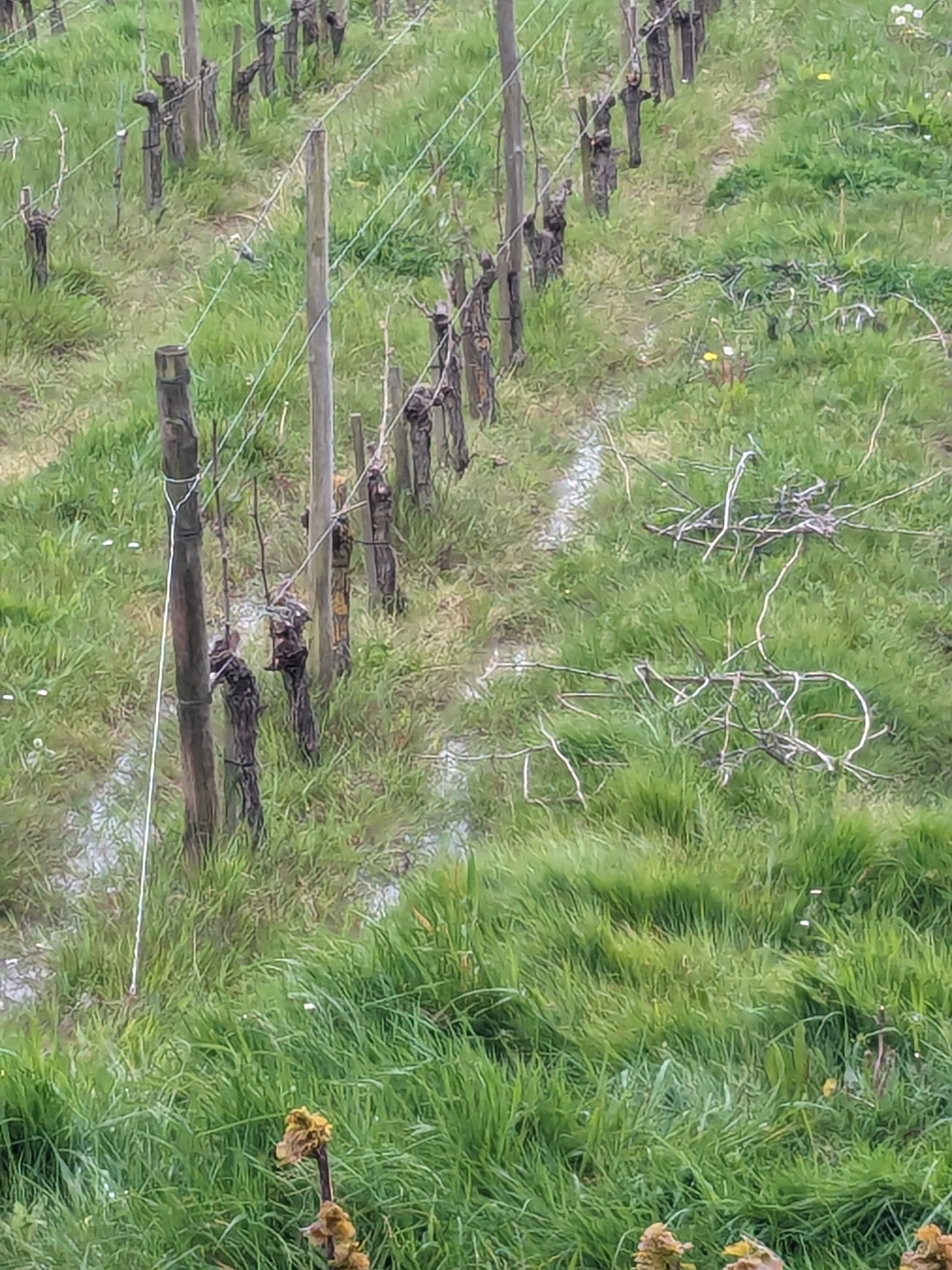
As Spring struggled to emerge through rainclouds, with severe flooding in Anjou, the vines were just starting to bud when we arrived at the start of April. It was interesting to note how many vineyards are now completely grass covered, there was some evidence of herbicide use around the vines but viticulteurs seem to have settled on this practice after so many years of bare soils. Given the rainfall recently this must have helped to prevent erosion. However, Tessa Laroche of Domaine Aux Moines told me that she cannot take any machinery into the vines at all as the ground is so sodden, so far it is very much a vintage dependant on nature to look after the vines.

Water lying around the vines at Dmne. aux Moines

I organised visits to two producers, Domaine Mosse and Domaine Aux Moines itself. I had enjoyed wines from both before and they were both given the thumbs up from Jeff.

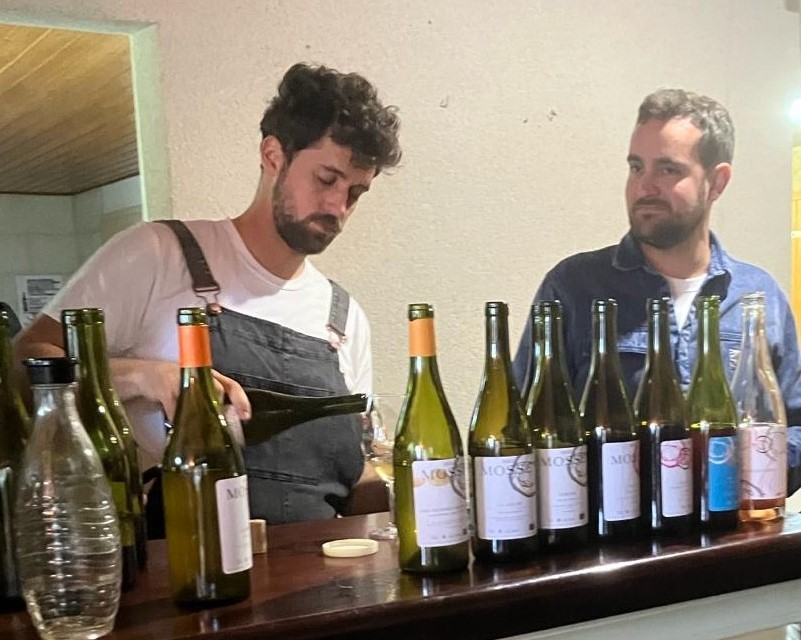
Domaine Mosse is to be found in St. Lambert du Lattay and from our base in Brissac it was an interesting drive through famous wine villages such as Faye d’Anjou. We were greeted by Joseph Mosse who runs the estate with his brother Sylvestre after they took over from their parents. We were joined by a young couple who are opening a pizzeria in Angers and a Japanese couple who run a restaurant in Tokyo, it made for an interesting tasting.

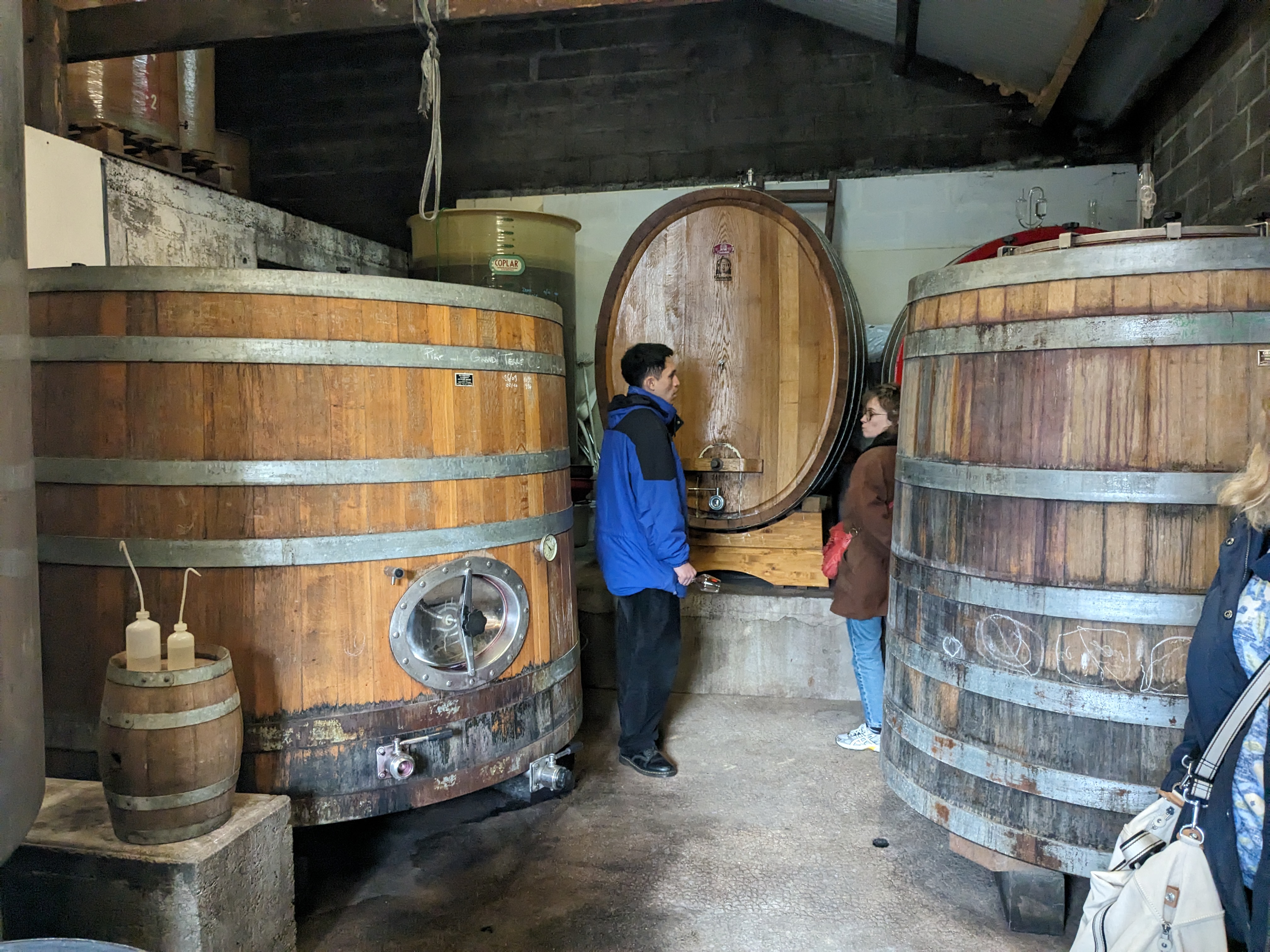
We began with a trip to the barrels of 2023 wines, Joseph revealing that they will be the last wines made in the current cellar as they are having a new one constructed with more space and planned to meet modern winemaking needs. Joseph explained that 23 was a difficult harvest, a view echoed by Tessa Laroche. The year had given abundant fruit with a need to green harvest in July but the harvest went through four seasons in a short time, starting warm and sunny but followed by rain, wind and cold. This resulted in rot and having to leave huge amounts of grapes on the ground. The wines from barrel though tasted well, good clear fruit showing through (the 22s in bottle would later show that some of the 23s maybe lacked the same concentration but then 22 is a very good year). In a rainy harvest it takes courage and a good picking team to make clean wines from grapes touched by rot, well done to Sylvestre and Joseph.

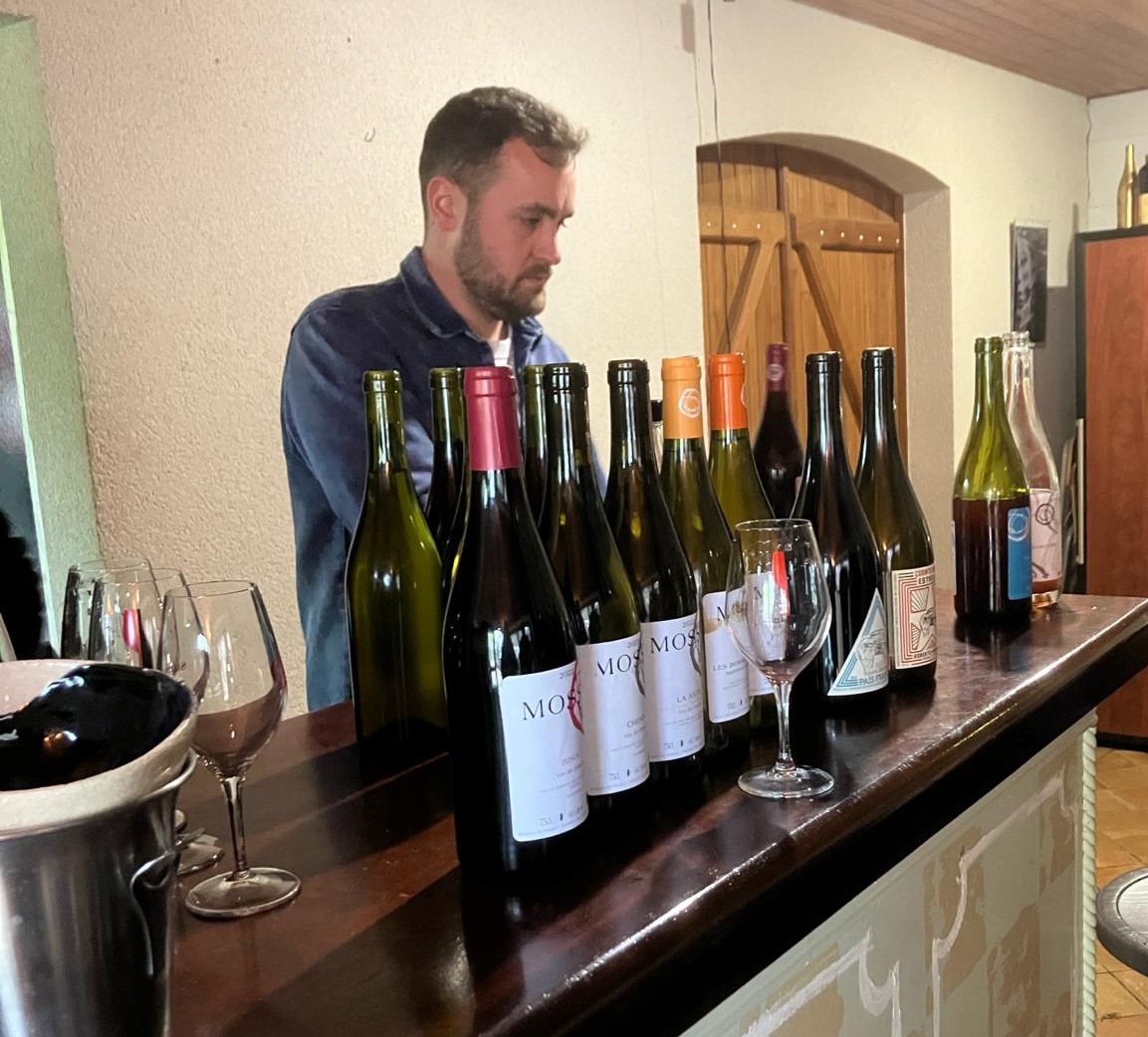
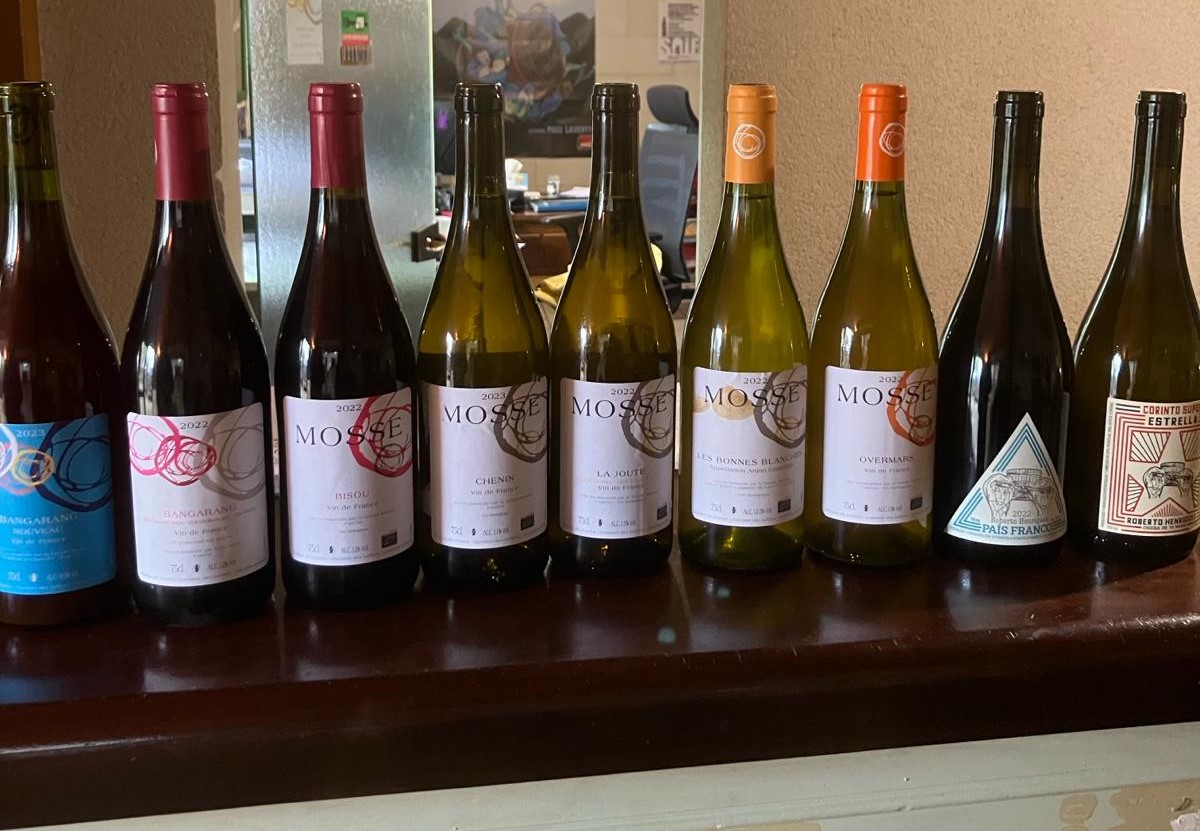
Back in the tasting room and we started with some wines produced by the brothers as négociants, buying grapes from trusted, local vignerons. The PetNat, Mousse À Mousse, and a primeur 23 Bangarang nouveau were both enjoyable and light but the pick was Bangarang 22 with lovely grippy red fruits from Cabernet Franc, Gamay and Grolleau Gris (another new grape to my knowledge but more later).

On to the wines from their own vineyards. Bisou 22 from Grolleau Noir and Gris, Cabernet Franc and Côt/Malbec was very nice, the whole bunch approach bringing fruit to the fore. Chenin 23, the rain vintage bringing a light easy drinking but characterful example of the grape with 11% alcohol. Wines from two single vineyards came next. La Joute 22 is 80% Chenin and 20% Chardonnay, aged in barrique for a year was lovely with rich fruits balanced well by a clean acidity, nice persistence too. Joseph said this was a little mousy at first but by adding the Chardonnay lees the wine sorted itself out and there was nothing to spoil a really good wine. Les Bonnes Blanches 22 from 50 year old Chenin vines on schist soil was dry, clear, vibrant and persistent too, very good.

Tasting Bonnes Blanches and writing notes – life can be hard!

Overmars 22 is their skin contact wine from terraces next to the Layon river which gives the Anjou sweet wines the mists which encourage noble rot. No sign of sweetness here though, the week long maceration with daily punching down producing a textured, grippy characterful wine with clear Chenin notes. I bought all of the wines noted in the last two paragraphs as well as the 22 Bangarang.

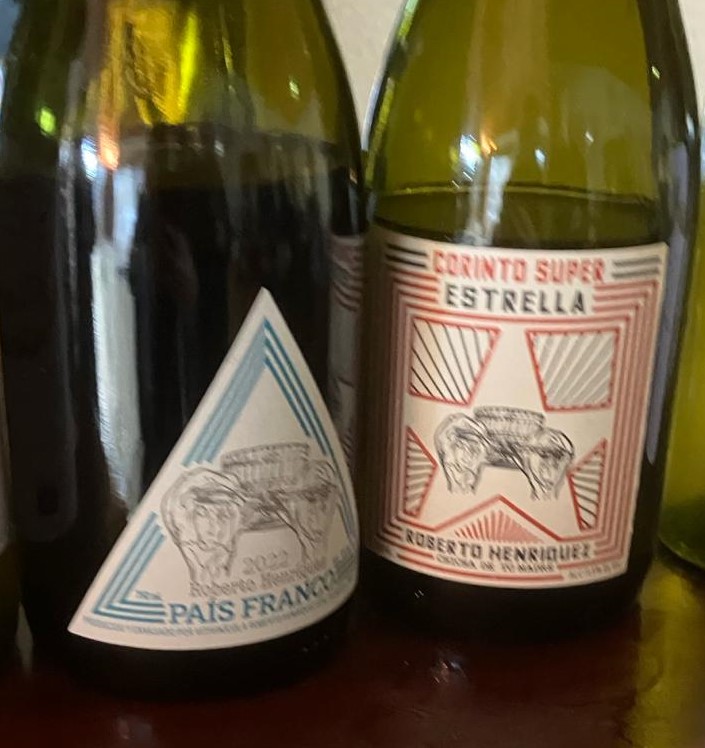
The Mosse brothers are also now importing wines and we tasted two interesting Chilean wines from Roberto Henriquez based in the Bio Bio and Itata area of southern Chile. The twist here was that the young man opening a pizzeria is Chilean, so it was fascinating listening to his thoughts on two very good wines. First was a skin contact Chasselas, Corinto Super Estrella, which started with a real pop of fruit but dissipated a little quickly. The Pais Franco, however, that was very good, full of bright red fruit and spice. It was made from 200 year old vines which pre-date phylloxera, a fascinating wine which I hope to seek out in future. There was also a lovely Austrian wine from Kamptal, a Malinga Rötburger (Zweigelt) from producer Christoph Heiss. Made by carbonic maceration the wine was fresh with spicy red fruit notes, very good.

We were also joined by a young winemaker with his first wines. Timothée Hurez worked and trained with the Mosse family but now has a couple of hectares of his own vines and he showed us a lovely Chenin and two reds which he intends to blend before bottling this week. A good start. One of the things I love most about the natural wine community is how young people learn from skilled winemakers and then go their own way. There are numerous examples with Jeff, such as Steeve Dejardin, Thomas Anglès and James Maddison and Tim will have benefited hugely from his time with such a great family as the Mosses.

An enjoyable visit, with lots of unexpected wines as well as the very good domaine bottles. I like Anjou, I liked Domaine Mosse and recommend them to you. I bought wines, I’m sure you would not regret it if you did. Next stop Domaine aux Moines!


Leave a comment

The Rule of Three

1. Dynamic Vines

The Rule of Three is a principle that suggests things that come in threes are inherently more satisfying and effective than other numbers of things. Well, in the last few weeks I have enjoyed three very good wine tasting events, time to share some thoughts and findings as well as recommendations and one very surprising outcome for me.

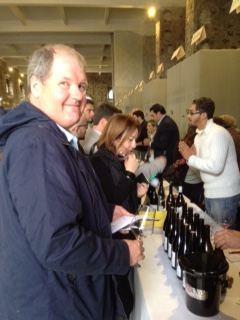
Tasting #1 was in Bermondsey, London and run by the excellent wine company Dynamic Vines, specialising in biodynamic and organic producers. I encountered Jean Christophe one of the Dynamic team at a tasting in Newcastle last August and it was good to meet up with him again. (Also very pleasing to hear that Soaked will be repeated this year).

Unsurprisingly some of the wines I really enjoyed at Soaked were still amongst my favourites here; Cosse, Radikon, Béru and Le Puy. The Blaye wines of Matthieu Cosse are very good indeed and reasonably priced too, the white has beautiful aromatics and full flavours whilst the red is even better with full fruits lifting the Bordeaux backbone. Radikon‘s skin contact wines are, unfortunately, becoming very pricey but the level of consistency across the range is admirable and the entry wine Slatnik is fresh and complex whilst a 2009 example of Ribolla was delicious and shows the potential for ageing these excellent wines. The Chablis wines of Chateau de Béru are exemplary, clean, steely Burgundy Chardonnay with the characteristic minerality but fruit too. Again, like all Burgundy, the prices are climbing fast. I chose Le Puy‘s ‘Emilien’ as my wine of the year after Soaked, it’s still lovely. However, they were put in their place by the Merlot Barthélemy wines of 2020 and 2014, deep and full but £150+.

Another Bordeaux producer, Ormiale, showed some excellent wines. Made by hand (even de-stemming) and with very low yields all the wines were lovely including a red sparkling wine. My favourites were the Malbec ‘Mialbec 22’ fresh with deep plummy fruit and the outstanding Merlot/Cabernet Franc blend ‘Borto 19’ the name suggesting its port like flavours, full, fruity and powerful.

One of my favourite wine regions is Jurancon in the South West of France. I am heading there soon, very exciting. Two new (to me) estates were on show here and I thought the wines of both were excellent. Both of the 2021 dry wines of Domaine De Souche were lovely, the Petit Manseng and Gros Manseng grapes offering the freshness I like but with apple and pear fruit and hints of sweetness whilst remaining clean and dry. Clos Larrouyat wines showed nice citrussy fruit (especially ‘Météore 21), acidity as well as salinity and texture in the ‘Comète 21’. The moelleux ‘Phoenix’ was very good, the sweetness balanced by fresh acidity.

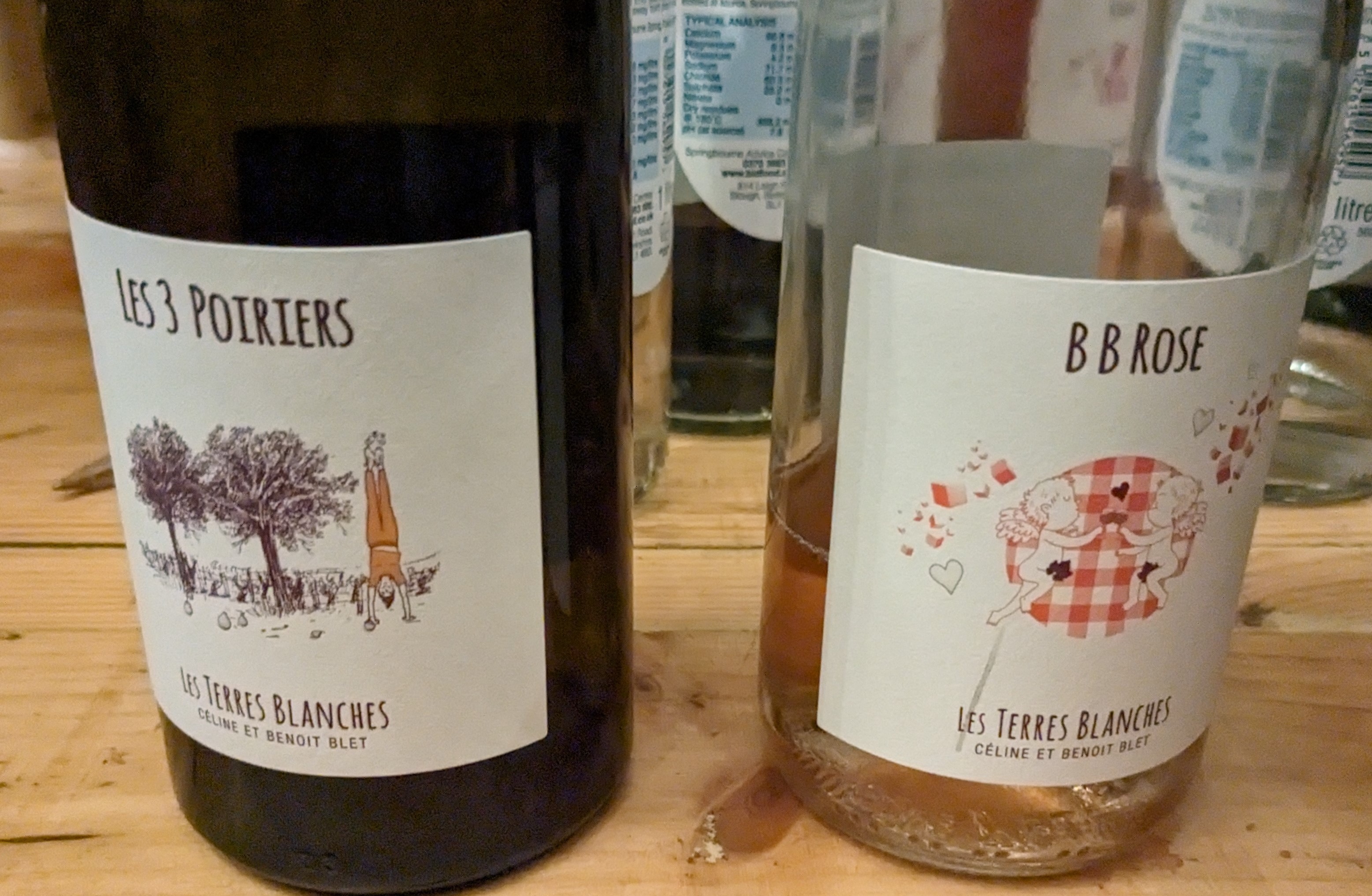
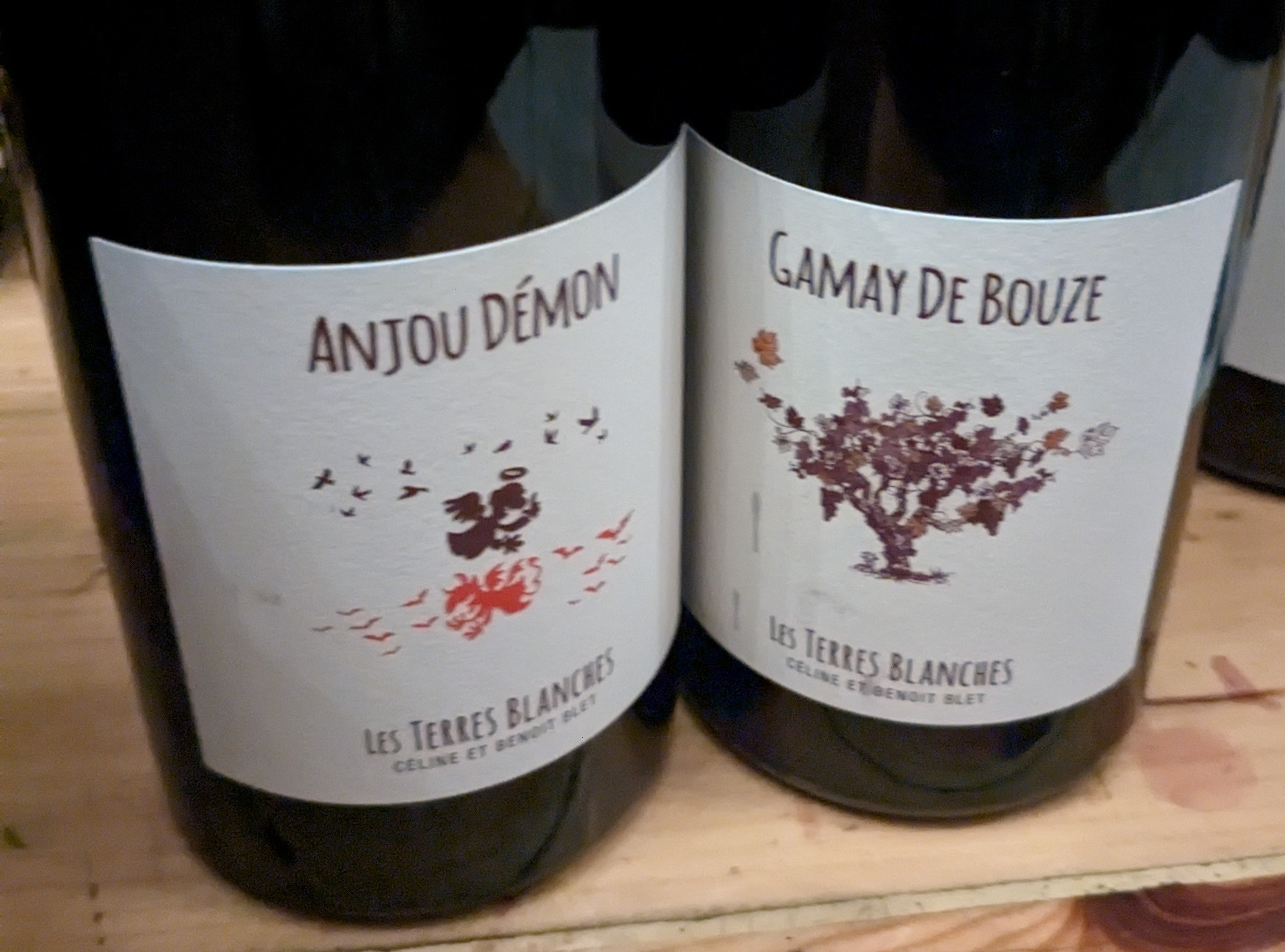
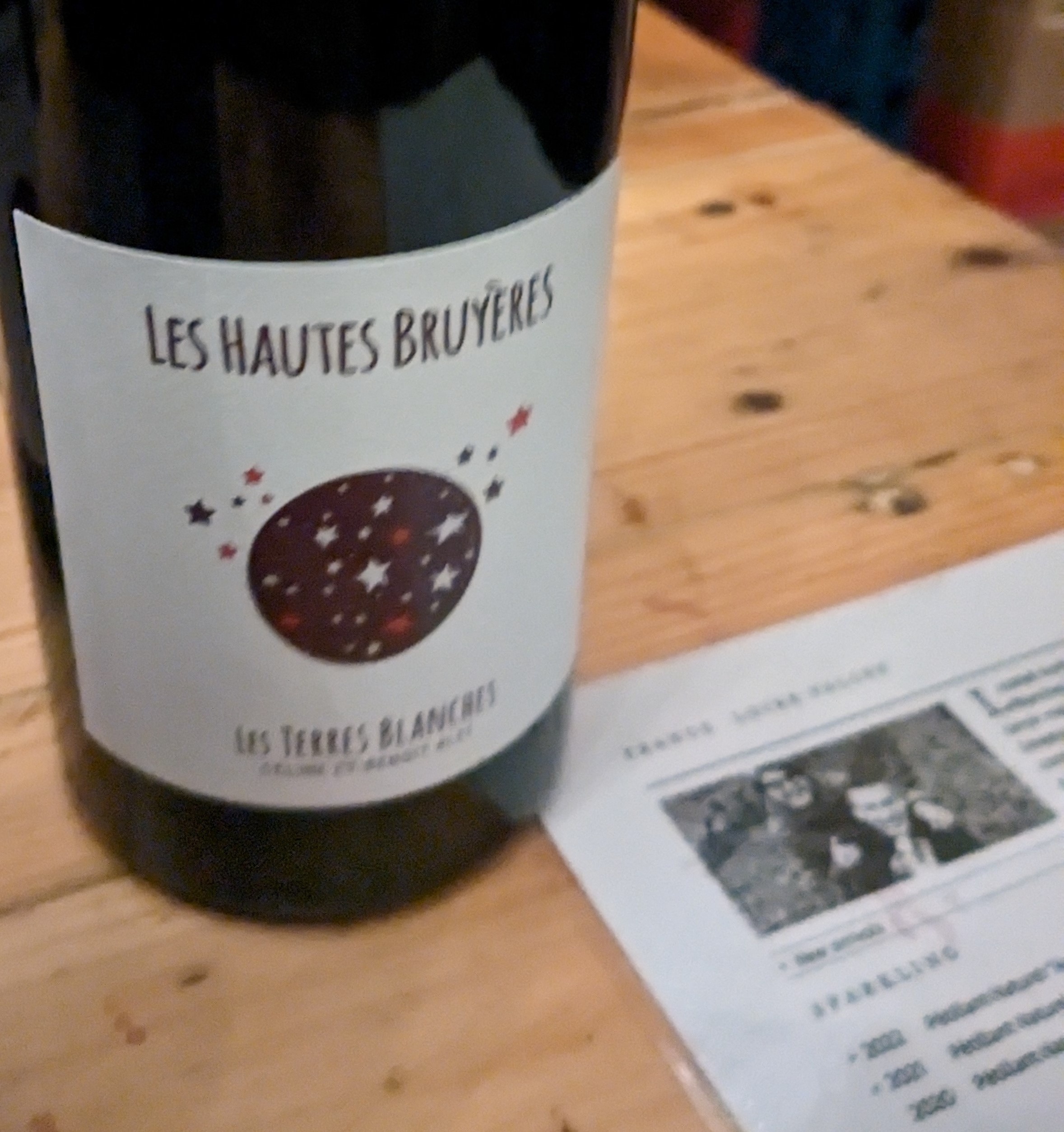
To the Loire (another region I am visiting soon). The Chenin Blanc of La Grange Tiphaine‘s Montlouis was very good but I particularly enjoyed the wines of Les Terres Blanches. The PetNat was persistent and very good, the Chenin Blanc ‘Les Trois Poiriers’ beautifully balanced between freshness, rich fruit and full of lingering apple and white fruit notes. The ‘Gamay de Bouze’ (a rare type of Gamay) had nice spice and crunchy red fruit. The two Cabernet Franc wines stunned me, I’ve not been a fan of the grape but the rich fruit and spice were lovely, ‘Les Hautes Bruyères’ 20 aged in barriques for 30 months was my wine of the day. How was that possible? Cabernet Franc, barriques – not me at all but….

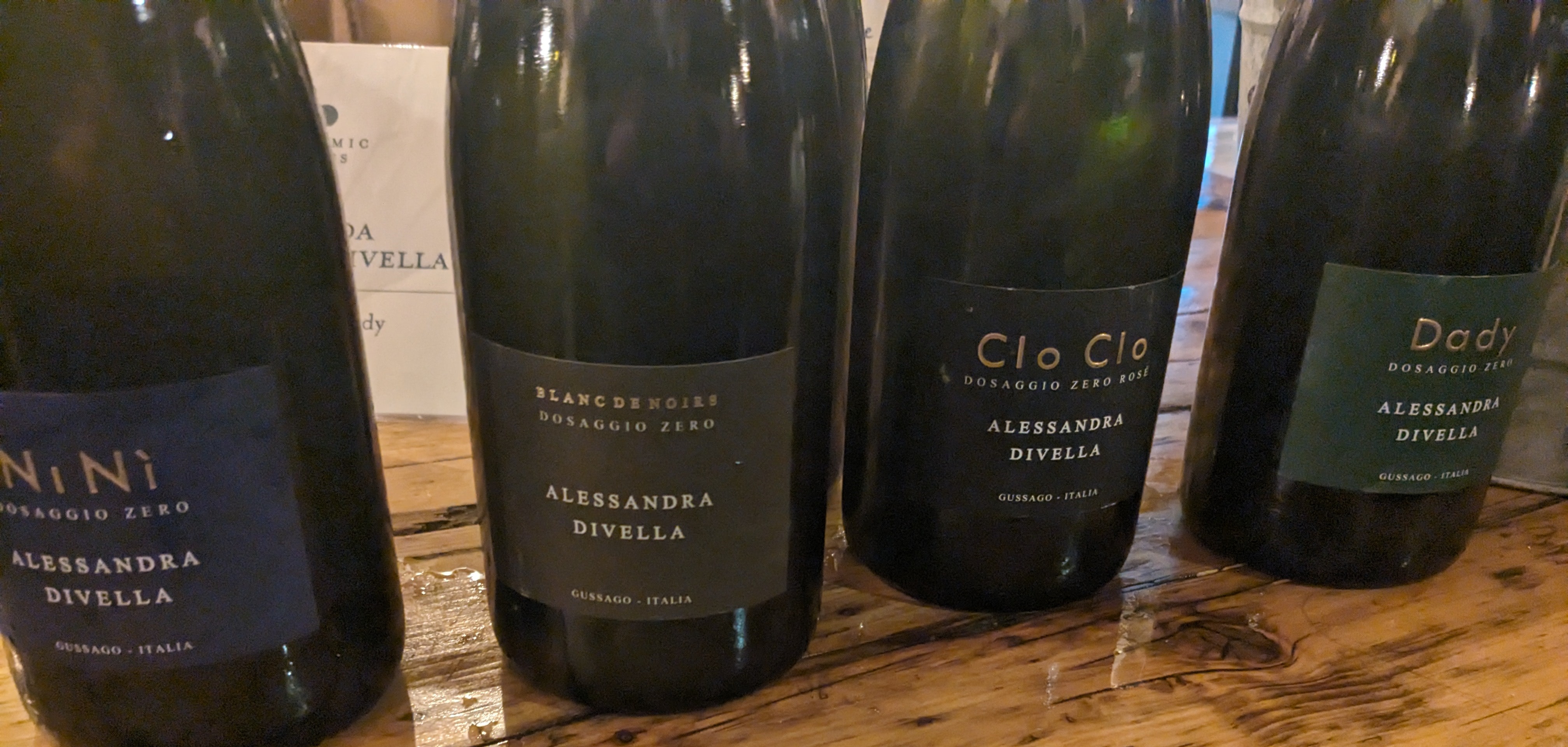
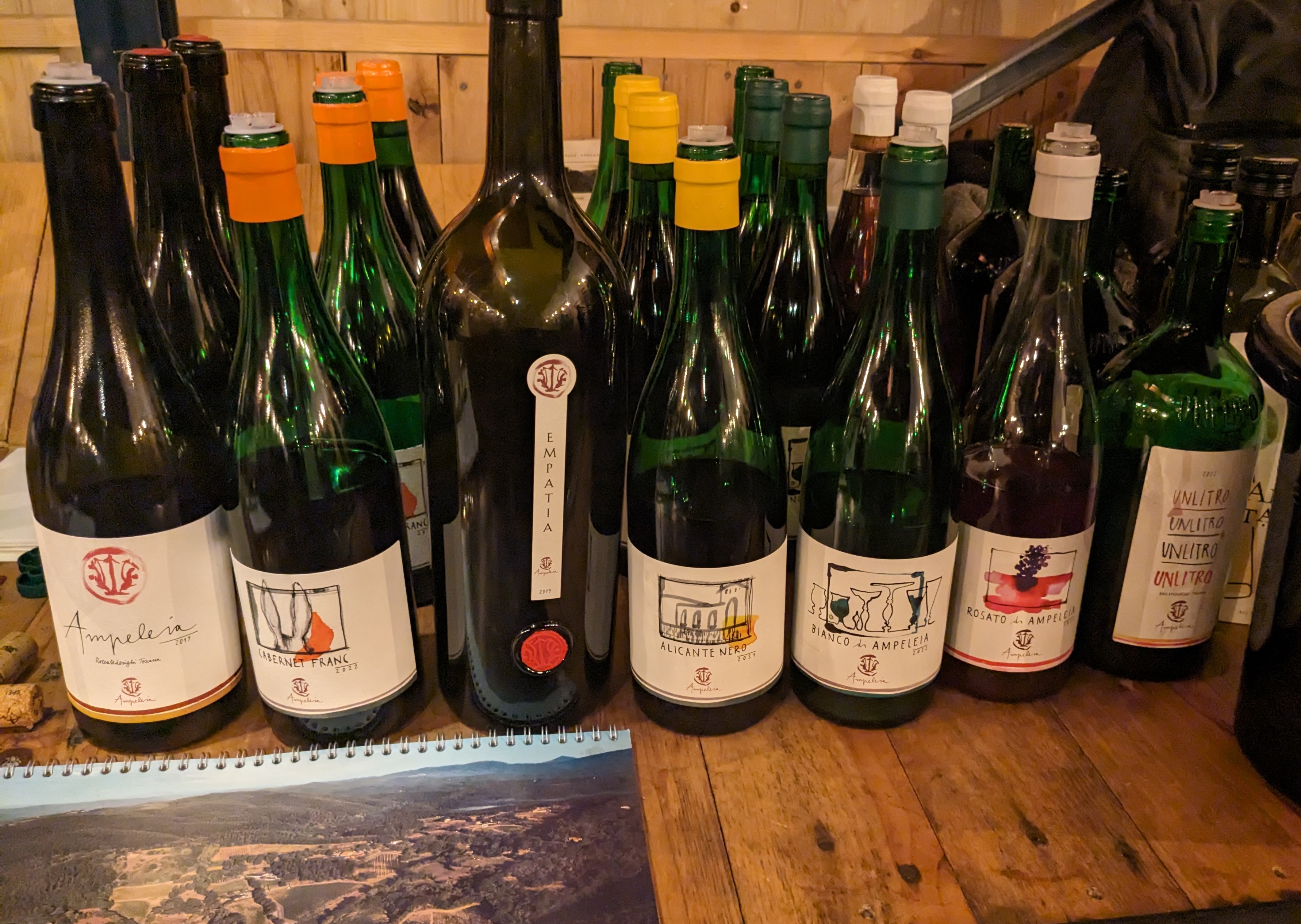
I had heard a lot about the Spumantes of AA Divella which are bringing Italian sparkling wines into the spotlight. Made in the champagne method and using Chardonnay and Pinot Noir they can easily stand comparison with the French region. Freshness, fruit and concentration abounded in all the wines the 2019 Blanc De Noirs in particular was aromatic and rich whilst fresh and clean – very well made. I also liked the wines of Tuscan estate Ampeleia as usual, best of all being the bottle of the same name, ‘Ampeleia 19’. Deep, rich fruits and freshness and made from….. Cabernet Franc. Again!

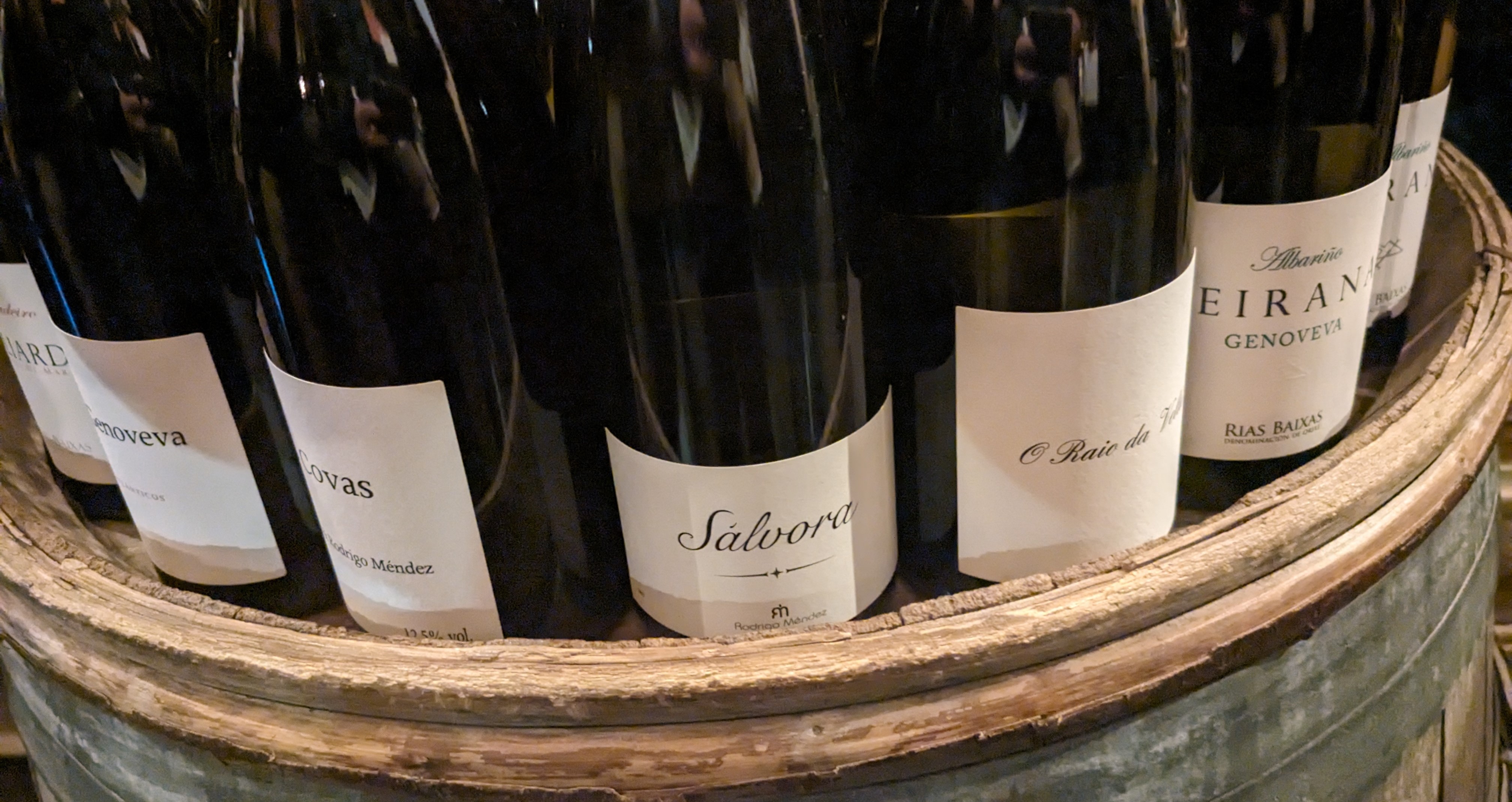
There were other Italian and Spanish wineries represented, unfortunately I couldn’t get round them all in time. However, I liked a lot the Albarino wines from both Forjas Del Salnes and Rodrigo Mendez, especially the Rias Baixas ‘Salvora 19’ of the latter made from 115 year old vines with incredible depth of both fruit and minerality – very intense yet pleasurable too. Finally, a Swiss producer La Maison Carrée, one of the few I have encountered. The ‘Auvernier Chasselas 22’ and ‘Auvernier Pinot Noir 21’ wines were very good, sadly the prices are high, rarity costs.

This was a gathering of some exceptional producers and some outstanding wines. I wish I had the time to explore other wineries and write about some of the other producers I did visit. However, these wines come with my full recommendation. Dynamic indeed.

Now, what is going on with this newfound appreciation of Cabernet Franc????


6 Comments

Wine and me, a journey to the Languedoc

Version française

I was reflecting on two wine blogs which I read recently (Frankie Cook and David Crossley) Independently they were writing about how we got into wine and how, over the years, our tastes have changed.

wpid-20150630_161948.jpg

Pat and myself with our tasting guide at Olivier Leflaive, Puligny Montrachet

I was brought up in a County Durham small town, Crook. My family were teetotal and brought me up as a Methodist. This meant that alcohol had virtually no impact upon my life for many years, the pub was not a part of lives other than the occasional meal whilst on holidays. Wine was an alien concept, something which posh people and foreigners drank. Even during my time at Liverpool University I drank some beer but never wine. That I should turn out to be horse racing fan with passion for wine may be seen as something of a reaction to that upbringing though it should be said that my childhood and youth were wonderful and I would not change anything about them.

So it was a school trip which ignited my interest in wine. As a teacher. I was asked to accompany a visit to the Rhine Valley in Germany in 1982. The hotel where we stayed was big and old fashioned, in the centre of Bacharach not far from Rüdesheim.

Bacharach am Rhein

The hotel owner was a very sociable and generous host and every evening he would offer us wine to accompany our meal and then he would teach us about the local wines and how they could vary in levels of dryness or sweetness and according to site and winemaker. (I hasten to record that two teachers would abstain to supervise the children). Well his teaching was a revelation! As far as I knew wine came in two types, red and white just as there were different flavours of soft drinks such as Cola, lemonade etc. Our host opened up a whole new world of how wines could vary so much even within the same place and vintage never mind from other regions. How I wish that I could remember the name of that German tutor, he set me on the road which leads to the Languedoc in 2015.

wpid-20150630_171421.jpg

With Oz Clarke at a London tasting, his books taught me so much

From Germany to Australia. 1980s Britain saw a boom in wine interest in Britain, fuelled by television coverage, magazines and books. My chosen guides were Oz Clarke and Hugh Johnson, different in approach but knowledgeable and with a great ability to communicate their enthusiasm and to educate me with their words. At the same time the arrival of New World wines, especially from Australia, and Oz’s championing of those wines widened my tastes from German Riesling, though that remains my favourite white wine type it should be said. Huge stonking Shiraz, colourful Chardonnay and cassis-heavy Cabernet Sauvignons were the order of the day. Wyndhams Bin 222 and 444, Penfolds Bins 128 and 389, then cheap! Massive amounts of oak (often from wood chips added to the barrel) which today would make me shudder and wince. 


Add in the Sauvignon Blancs which were starting to arrive from New Zealand, tropical fruits, cut grass and cat’s pee aromas. Cloudy Bay Sauvignon was the bottle to find, indeed it was rationed out. And trips to Oddbins, the most dynamic of wine retailers, who offered Penfolds Grange Hermitage for around £20 (now over £200), why didn’t I buy it all?

wpid-20150630_161644.jpg

Iain and I using Oz Clarke and Hugh Johnson to help us navigate Beaune

From the Antipodes to France. By the mid 1980s I was a regular holidaymaker in France, profiting from school holidays in summer. The Loire was the first region visited and particularly tasting wines in Vouvray. Dry, appley Chenin Blanc wines which could magically also be sweet and luscious vins moelleux in the hands of winemakers such as Huët, Foreau and Fouquet.

wpid-20150630_161215.jpg

A startlingly youthful me with my brother in law Iain in the Cave Madeleine, Vouvray.

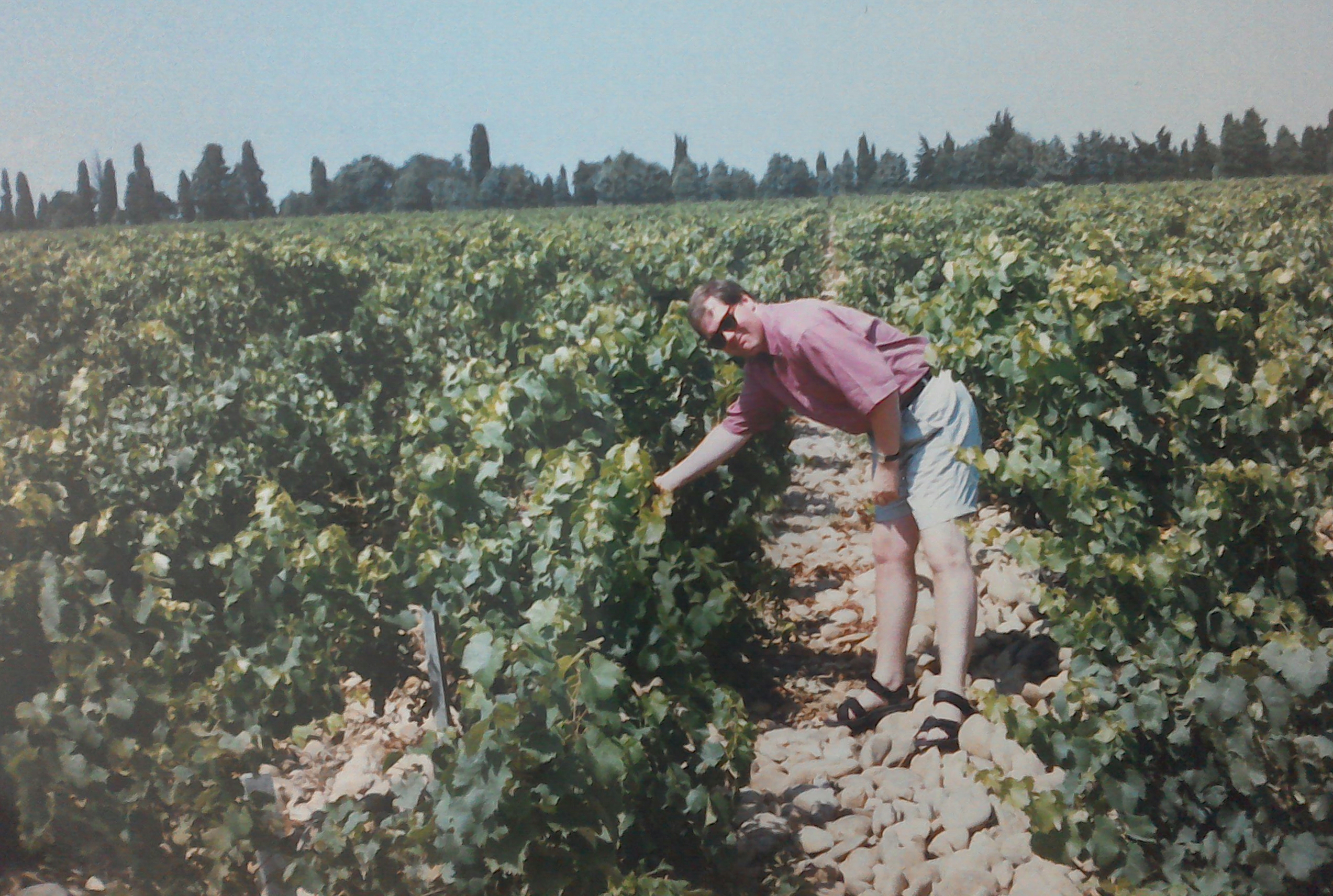
My first wine fair was in the troglodyte Cave Madeleine on August 15th. I assumed you drank rather than spitting the wines and rolled happily down the street back to the accommodation. Then onto Burgundy, Alsace, Beaujolais, the Rhone Valley, Bordeaux and Jura. Some were more welcoming to wine drinkers than others. Great welcomes from people like Martin Schaetzel in Ammerschwihr who opened bottles generously. I met lovely people whose passion for their work and wines was freely shared with visitors. Louis Champagnon in Chénas was always a man who greeted you with a smile, food, a joke and great modesty.

wpid-20150630_162216.jpg

With the great Louis Champagnon, Chénas

The Échezeaux producer who shared her Grand Crus, knowing that as a young teacher I couldn’t afford them (sadly I still couldn’t 25 years later!). Sadly, Bordeaux was different, most producers kept their doors firmly closed, though I still loved the wines. I tasted first growths such as Haut Brion at generous merchants such as Hungerford Wines. I bought en primeur in 1990 and struck lucky with a great vintage and wines from La Lagune and d’Angludet at just over £100 a case.

My experiences broadened, more tastings, more wines from around the world but especially France. As a teacher my budget was limited and I relied upon Oddbins, The Wine Society and supermarkets to find good wines. Plus I got bolder in knocking on doors, a remarkable visit to Didier Dagueneau and his wonderful Pouilly Fumés for example. In Germany trockenbeerenauslese wines were offered and I even learned to pronounce it.

wpid-20150630_160900.jpg

A March in the vines of the Loire

wpid-20150630_161326.jpg

A March in the vines of the Rhone

wpid-20150630_162104.jpg

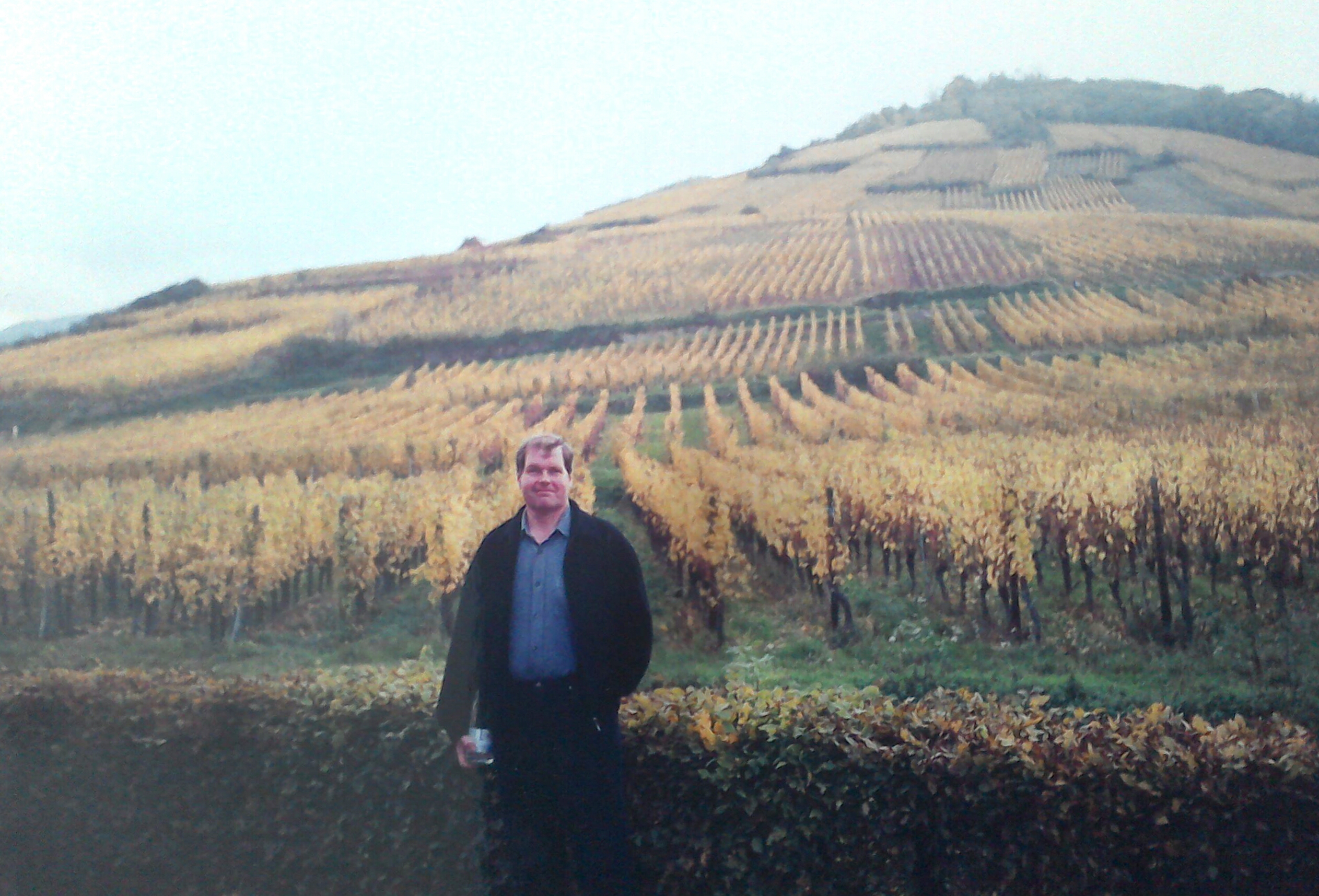
A March in the vines of Alsace, golden autumn 2001

Blind spots remained however, Italy and Spain in particular, much to my brother in laws’s disbelief. California too though a visit to the USA (South Dakota and Seattle) showed me that good wines were abundant there, and oh those ice wines in Canada! Lovely. A trip to Sicily also opened my eyes to the possibilities of Italian wines, the Frappato grape and Etna wines were revelations.

IMG_0268 IMG_0269


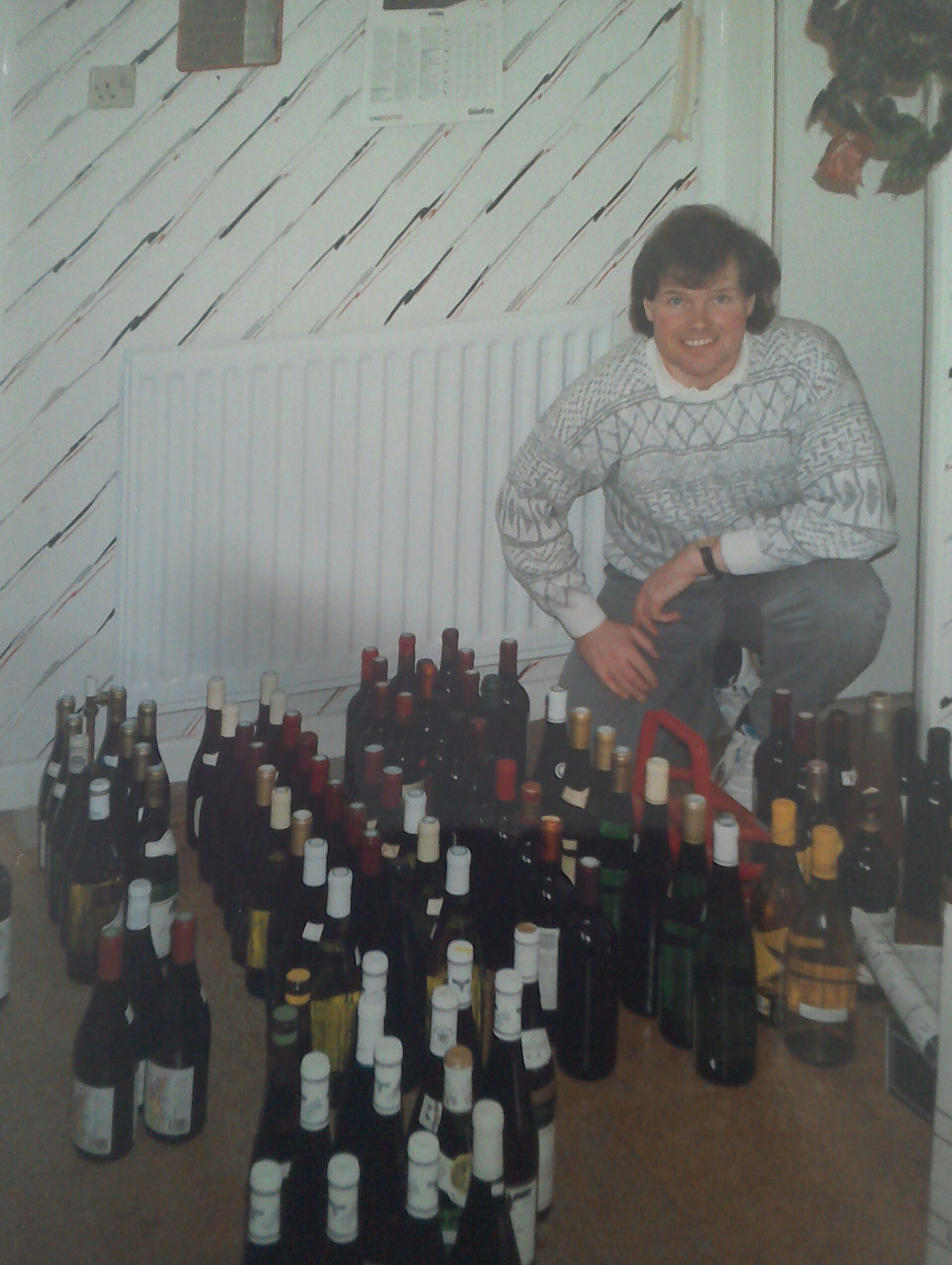
Well 30 years of wine drinking brought joys and disappointments, bargains and rip offs. Memorable bottles, glasses and also corked wines, a whole case of expensive Chablis was one painful low. A hundred bottles stored away has turned into five hundred. And then with age the question, when will I drink it? Why buy expensive en primeur which won’t be at its best until I’m too feeble to drink it or indeed incapable of drinking it.

wpid-20150630_161438.jpg

Sorting and happy (and hair!)

wpid-20150630_161756.jpg

Wine fair in Cahors

Tentative steps further south in France in the last decade. The Languedoc. Rosemary George was my guide through her book and blog to discovering the well priced and under rated wines of the region. Wines which offered pleasure but also, from many producers, complexity. A chance visit to Puimisson and Mas Coutelou as that was the domaine Rosemary wrote about when I was in the area. The expected half hour visit turned into three and a half hours. Even after visiting hundreds of vineyards and cellars I was flabbergasted. Vineyards without chemicals, wines without sulphur, a solera! In Puimisson?? All true. Above all a generous, passionate man and generous friend who happens to be a great winemaker. And a teacher about the vineyards and winemaking who encouraged my interest and deepens my understanding and who agreed to being the focus of a blog to keep me busy. Le Vin Des Amis indeed. Retirement, the chance to spend a year, indeed more, in this fabulous region. Learning, living.

Cheers