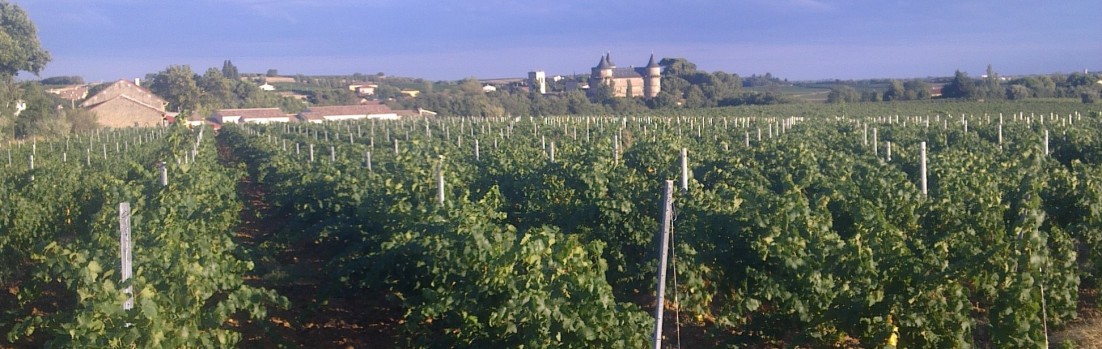
1. Anjou – Domaine Mosse (and guests)


Last year the route south to Puimisson and Jeff Coutelou saw us heading down the eastern side of France with visits in Champagne, the Jura, Burgundy and Beaujolais en route. Logically, therefore, this year we decided to take a couple of weeks travelling down the western side of the Hexagon. This is the side we have travelled in least, it is almost thirty years since being in Bordeaux, where I type this article, with scheduled visits having to be cancelled through illness or pandemic. Oddly, we had never been to Angers at all, a major omission as Anjou is such an important wine region, especially with its burgeoning natural wine scene. Previous visits to the Loire have focussed on central and eastern parts reaching west only as far as Saumur. Since the Loire and Chenin Blanc played a huge part in my wine education this was a shocking gap in my wine journeys, happily now set right but there is much more to discover.

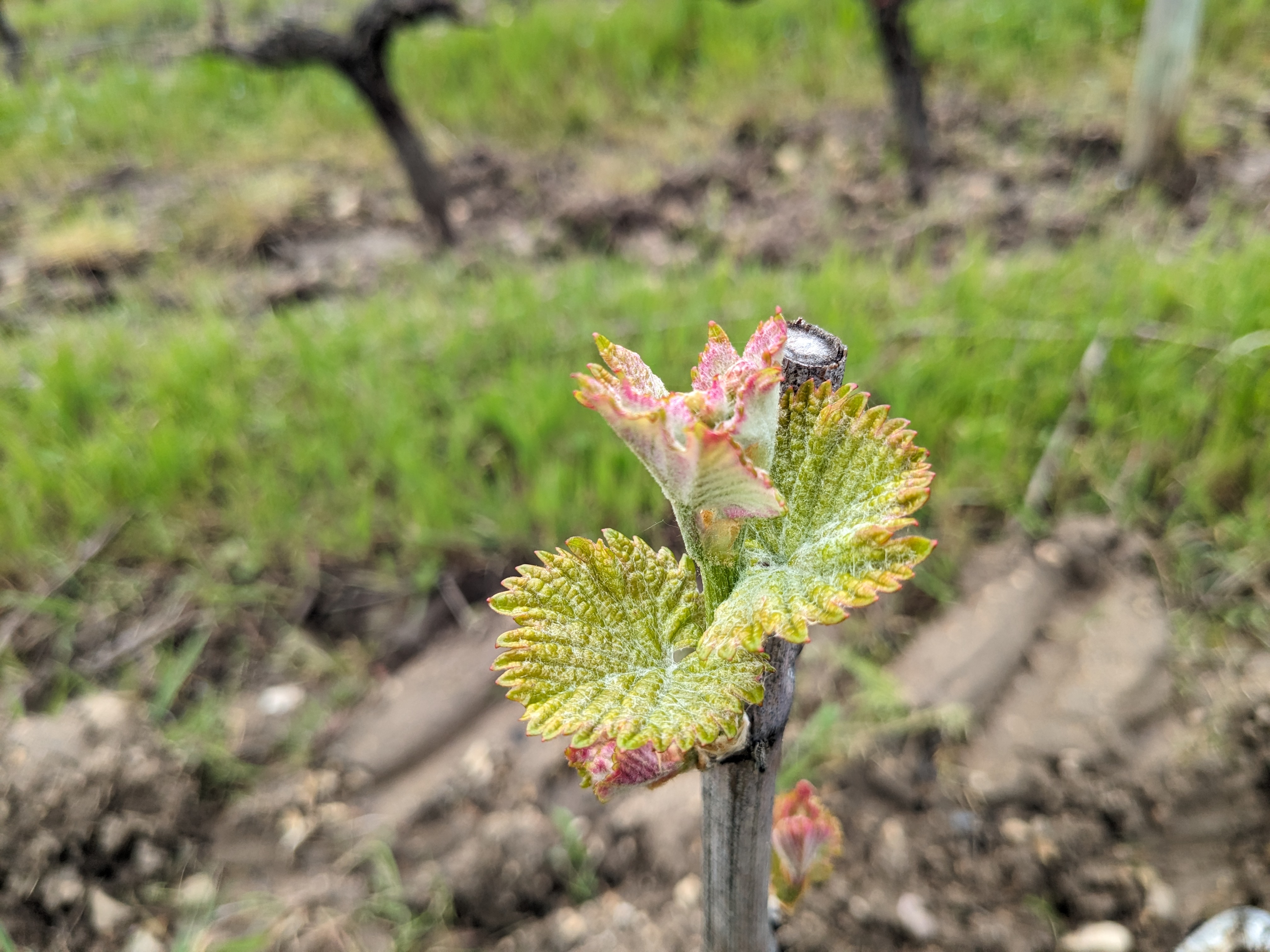

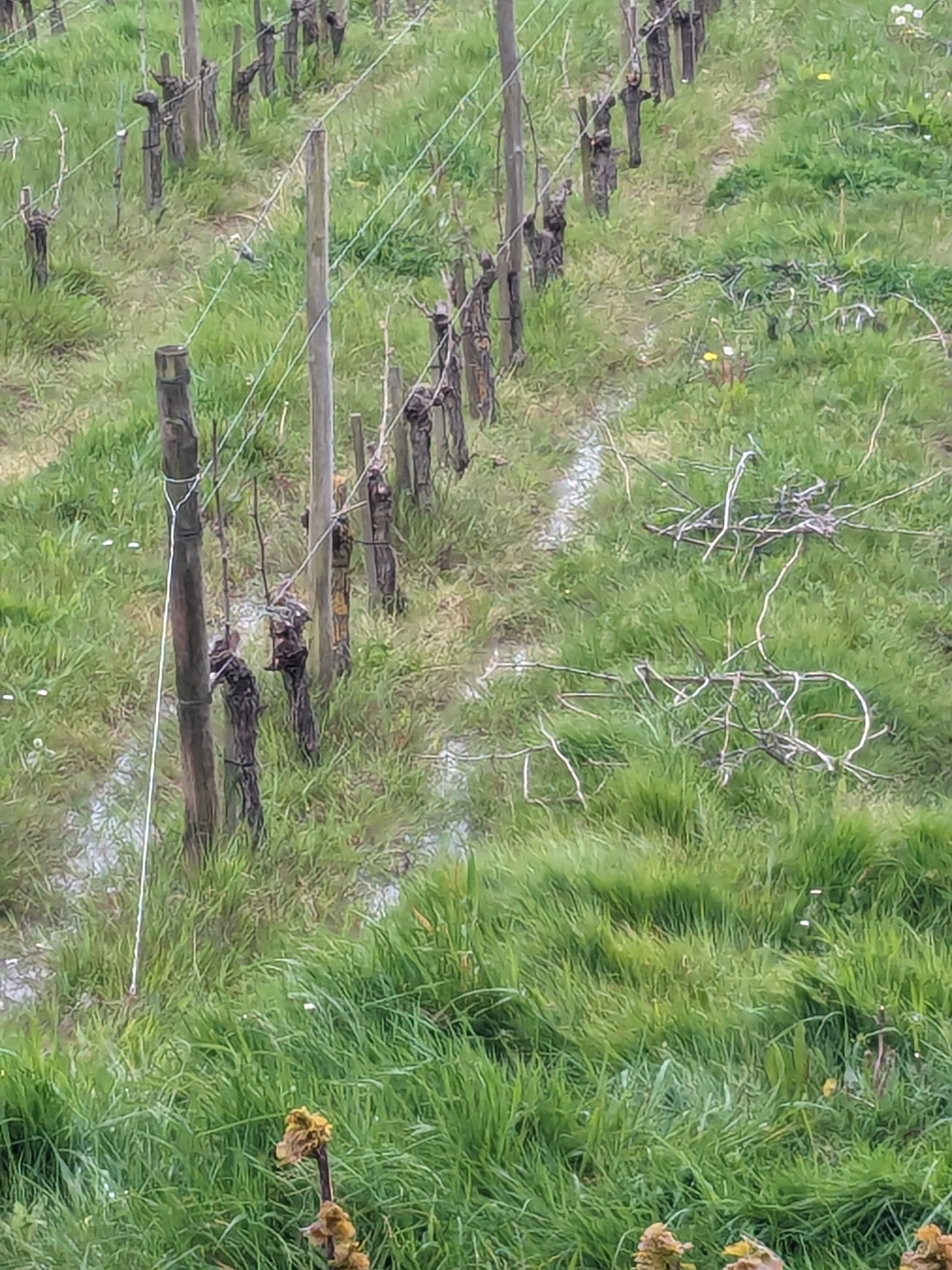
As Spring struggled to emerge through rainclouds, with severe flooding in Anjou, the vines were just starting to bud when we arrived at the start of April. It was interesting to note how many vineyards are now completely grass covered, there was some evidence of herbicide use around the vines but viticulteurs seem to have settled on this practice after so many years of bare soils. Given the rainfall recently this must have helped to prevent erosion. However, Tessa Laroche of Domaine Aux Moines told me that she cannot take any machinery into the vines at all as the ground is so sodden, so far it is very much a vintage dependant on nature to look after the vines.
I organised visits to two producers, Domaine Mosse and Domaine Aux Moines itself. I had enjoyed wines from both before and they were both given the thumbs up from Jeff.
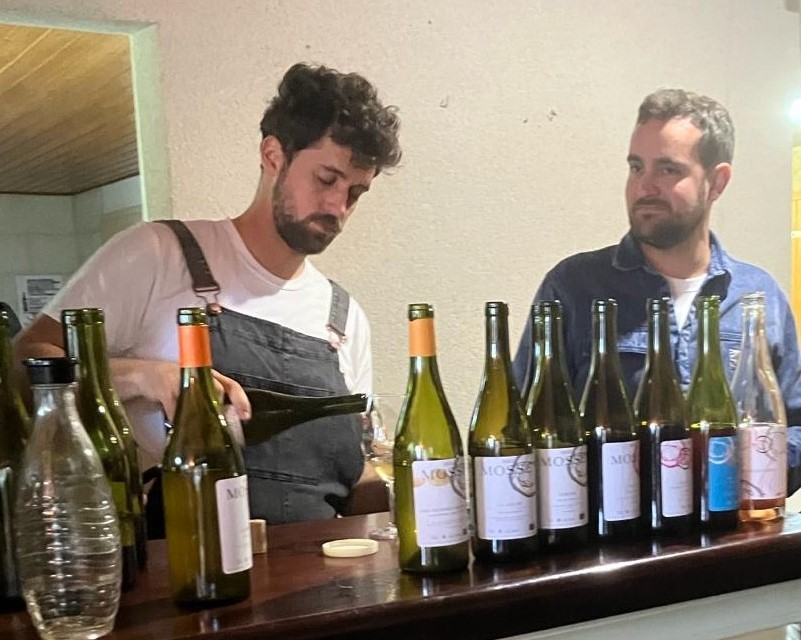
Domaine Mosse is to be found in St. Lambert du Lattay and from our base in Brissac it was an interesting drive through famous wine villages such as Faye d’Anjou. We were greeted by Joseph Mosse who runs the estate with his brother Sylvestre after they took over from their parents. We were joined by a young couple who are opening a pizzeria in Angers and a Japanese couple who run a restaurant in Tokyo, it made for an interesting tasting.
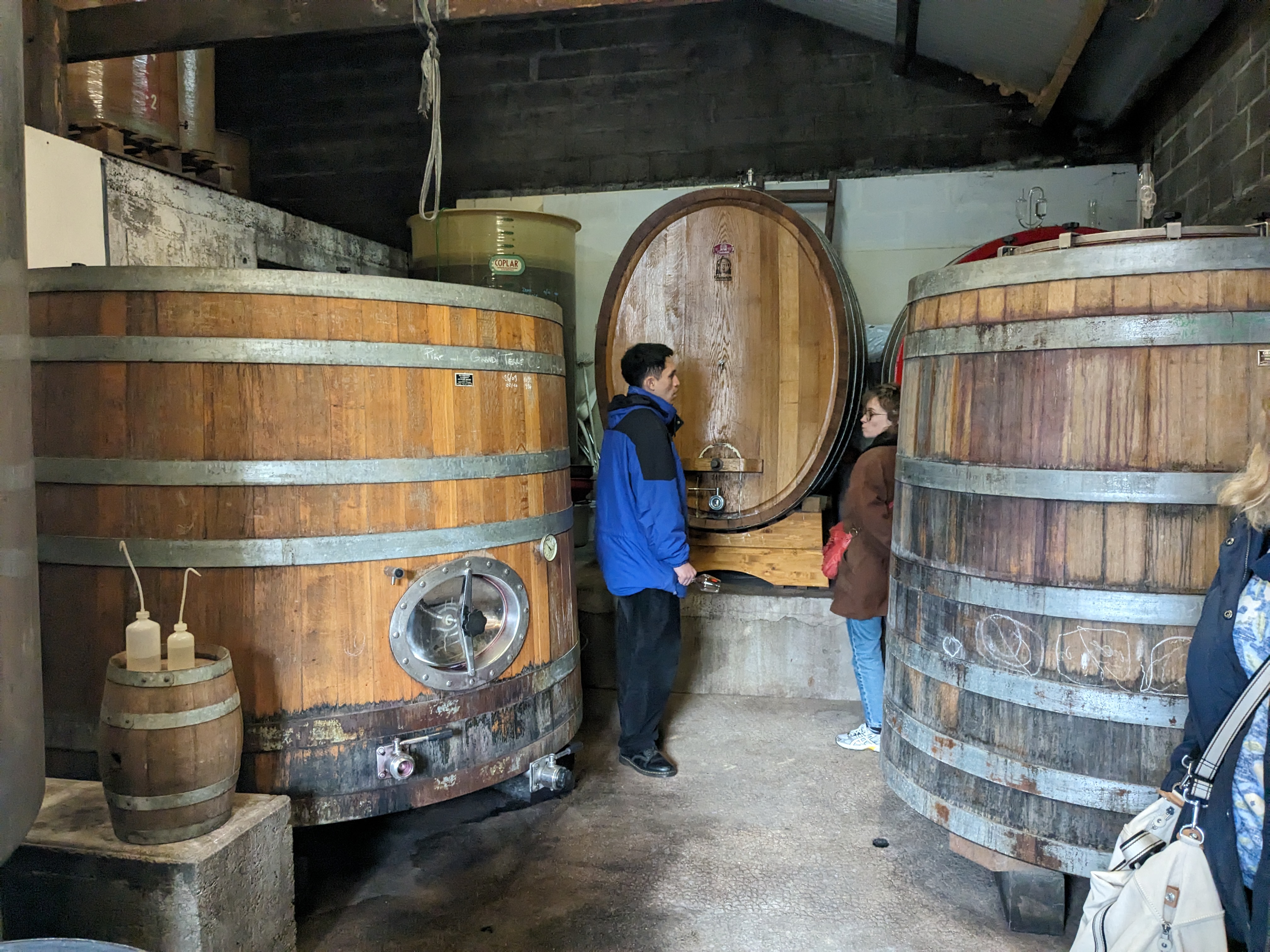
We began with a trip to the barrels of 2023 wines, Joseph revealing that they will be the last wines made in the current cellar as they are having a new one constructed with more space and planned to meet modern winemaking needs. Joseph explained that 23 was a difficult harvest, a view echoed by Tessa Laroche. The year had given abundant fruit with a need to green harvest in July but the harvest went through four seasons in a short time, starting warm and sunny but followed by rain, wind and cold. This resulted in rot and having to leave huge amounts of grapes on the ground. The wines from barrel though tasted well, good clear fruit showing through (the 22s in bottle would later show that some of the 23s maybe lacked the same concentration but then 22 is a very good year). In a rainy harvest it takes courage and a good picking team to make clean wines from grapes touched by rot, well done to Sylvestre and Joseph.

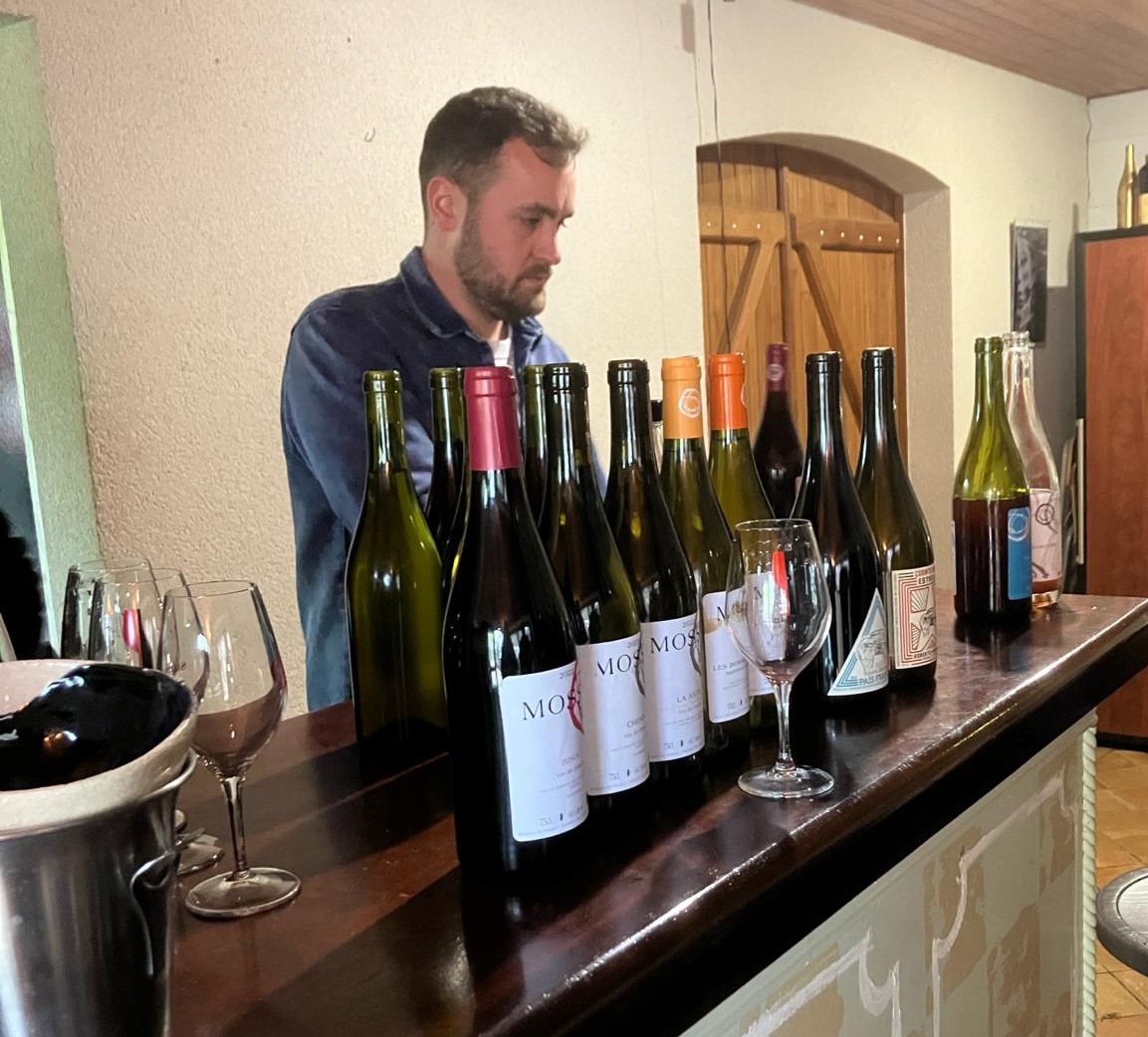
Back in the tasting room and we started with some wines produced by the brothers as négociants, buying grapes from trusted, local vignerons. The PetNat, Mousse À Mousse, and a primeur 23 Bangarang nouveau were both enjoyable and light but the pick was Bangarang 22 with lovely grippy red fruits from Cabernet Franc, Gamay and Grolleau Gris (another new grape to my knowledge but more later).
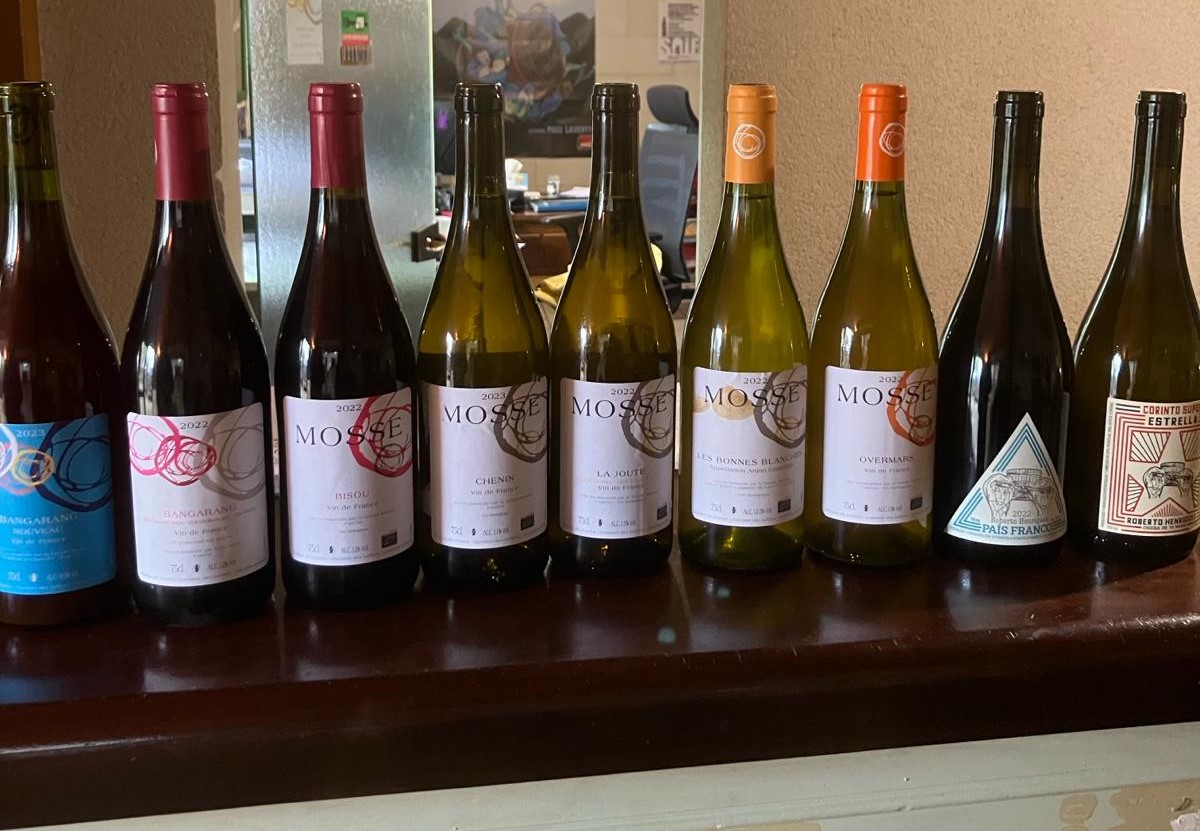
On to the wines from their own vineyards. Bisou 22 from Grolleau Noir and Gris, Cabernet Franc and Côt/Malbec was very nice, the whole bunch approach bringing fruit to the fore. Chenin 23, the rain vintage bringing a light easy drinking but characterful example of the grape with 11% alcohol. Wines from two single vineyards came next. La Joute 22 is 80% Chenin and 20% Chardonnay, aged in barrique for a year was lovely with rich fruits balanced well by a clean acidity, nice persistence too. Joseph said this was a little mousy at first but by adding the Chardonnay lees the wine sorted itself out and there was nothing to spoil a really good wine. Les Bonnes Blanches 22 from 50 year old Chenin vines on schist soil was dry, clear, vibrant and persistent too, very good.

Overmars 22 is their skin contact wine from terraces next to the Layon river which gives the Anjou sweet wines the mists which encourage noble rot. No sign of sweetness here though, the week long maceration with daily punching down producing a textured, grippy characterful wine with clear Chenin notes. I bought all of the wines noted in the last two paragraphs as well as the 22 Bangarang.
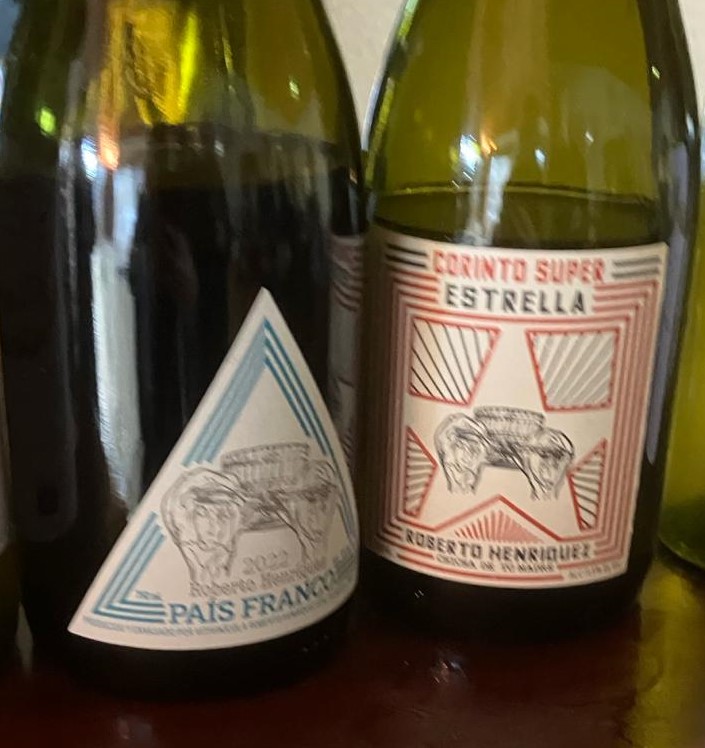
The Mosse brothers are also now importing wines and we tasted two interesting Chilean wines from Roberto Henriquez based in the Bio Bio and Itata area of southern Chile. The twist here was that the young man opening a pizzeria is Chilean, so it was fascinating listening to his thoughts on two very good wines. First was a skin contact Chasselas, Corinto Super Estrella, which started with a real pop of fruit but dissipated a little quickly. The Pais Franco, however, that was very good, full of bright red fruit and spice. It was made from 200 year old vines which pre-date phylloxera, a fascinating wine which I hope to seek out in future. There was also a lovely Austrian wine from Kamptal, a Malinga Rötburger (Zweigelt) from producer Christoph Heiss. Made by carbonic maceration the wine was fresh with spicy red fruit notes, very good.


We were also joined by a young winemaker with his first wines. Timothée Hurez worked and trained with the Mosse family but now has a couple of hectares of his own vines and he showed us a lovely Chenin and two reds which he intends to blend before bottling this week. A good start. One of the things I love most about the natural wine community is how young people learn from skilled winemakers and then go their own way. There are numerous examples with Jeff, such as Steeve Dejardin, Thomas Anglès and James Maddison and Tim will have benefited hugely from his time with such a great family as the Mosses.
An enjoyable visit, with lots of unexpected wines as well as the very good domaine bottles. I like Anjou, I liked Domaine Mosse and recommend them to you. I bought wines, I’m sure you would not regret it if you did. Next stop Domaine aux Moines!



 amarchinthevines