amarchinthevines

Learning about wine, vines and vignerons whilst living in the Languedoc


3 Comments

The twelve wines of Christmas

I read an article recently by renowned wine writer Eric Asimov in the New York Times in which he outlined the twelve wines he would always want to have around, his everyday case of wine. As I read it I naturally began to consider which wines I would include in such a case.

Issues to consider included the balance of red and white, sweet and fortified as well as sparkling wines. I could make a case just from the Languedoc, even from Mas Coutelou alone. In the end I went for a balance of wines. As an everyday case I have chosen still wine over £15 (€20) and sparkling / fortified wine less than £25 (€33).

I decided on a balance of white and red together with one example each of sparkling wine, sherry, port and sweet wine.

I have to start with Riesling, my ultimate white grape. I like Alsace examples a great deal but nothing surpasses the Mosel for me and the Kabinett / Spätlese styles in particular. JJ Prum or Bürklin Wolff Kabinetts would fit the bill nicely, easily within the price bracket, I shall go with the former.

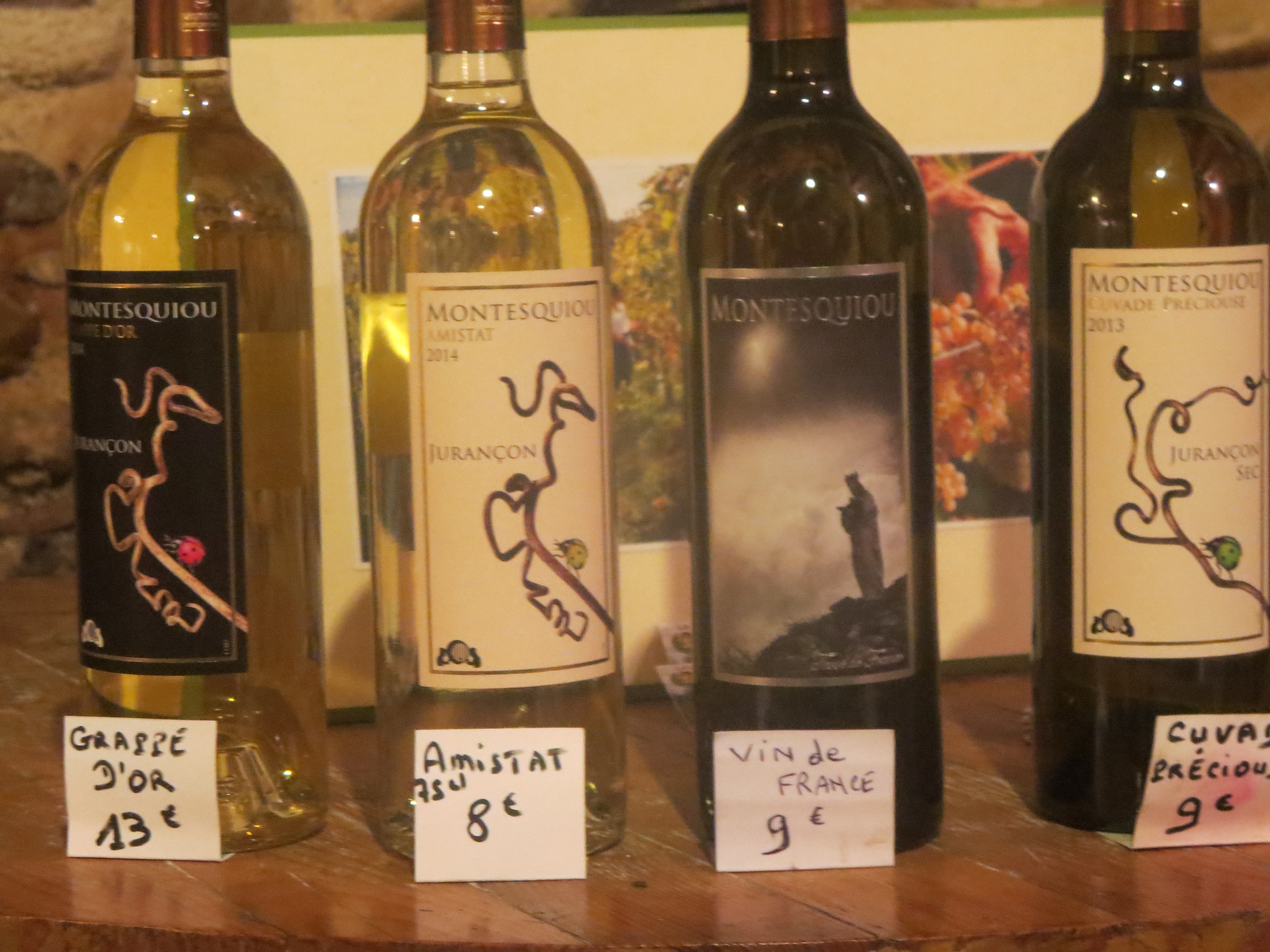
The last few years have given me a great love of Jurancon dry white wines, heightened by a recent visit. In particular Domaine Montesquiou strike me as amongst the great white wines of the world. The balance of fruit, acidity, hint of sweetness enriched by the lightest oak influence is just my thing. I loved the new Vin De France and L’Estela is a favourite (unoaked) but will stick with Cuvade Préciouse for that extra complexity of oak.
IMG_2929

Vouvray was the first wine village I visited in France and remains a favourite for its mix of dryness and hints of sweetness in the demi-sec style. The Loire is a centre of natural winemaking and I shall opt for Vincent Carême’s Vouvray Le Clos, though not all his his cuvées are sulfite free . Champalou would be an alternative.

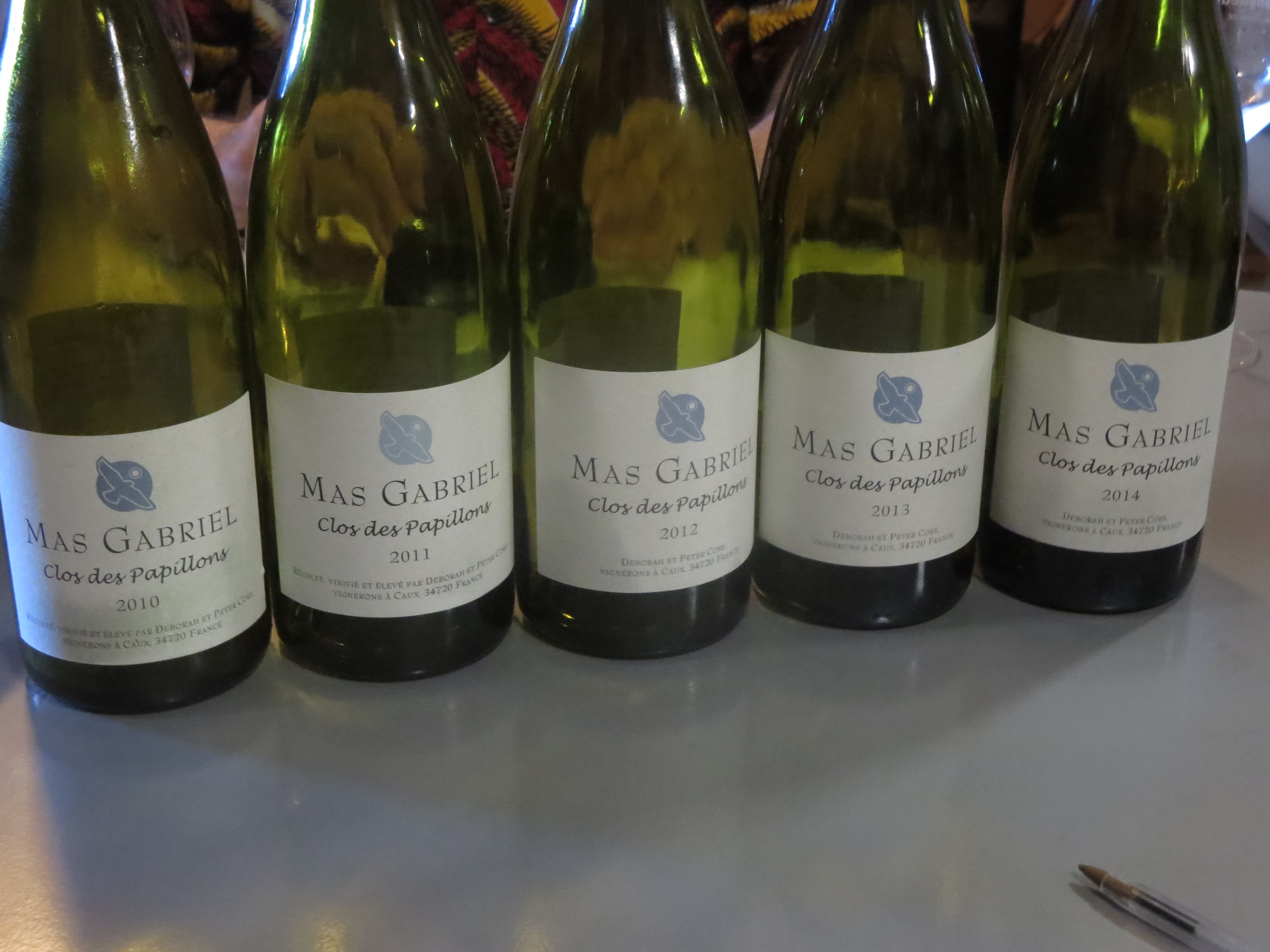
I would love to include a white Burgundy but price makes it difficult, I was close to choosing a Grenache Gris from Roussillon. Instead I shall opt for Mas Gabriel’s Clos Des Papillons. A firm favourite for many years I was fortunate enough to attend the 10th anniversary dinner of the Domaine this summer and to taste through a number of brilliant vintages of this superb Carignan Blanc and it is a wine which gives me so much pleasure and a reminder of how great the Languedoc can be.
IMG_1945

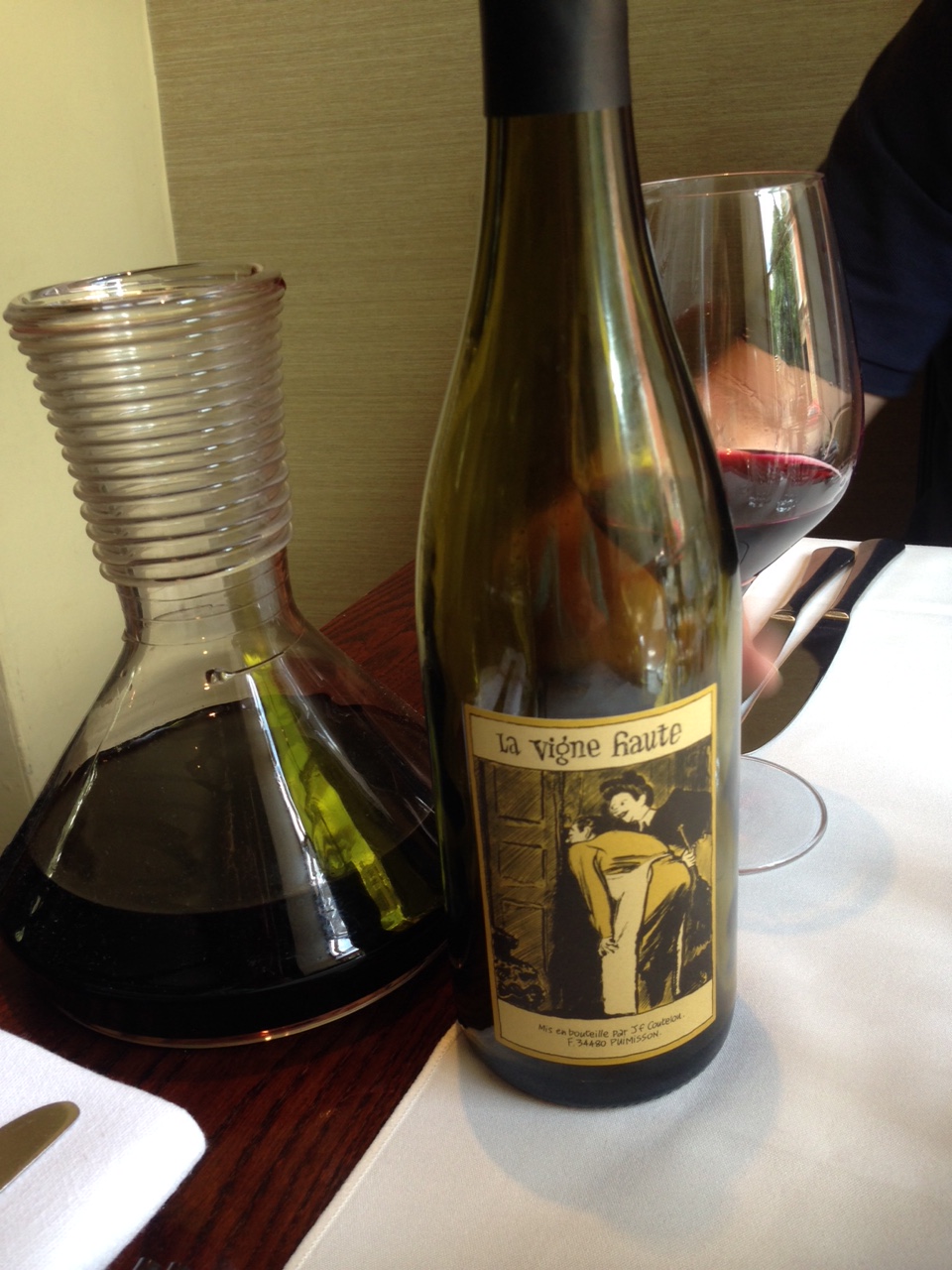
Red wines and the choice becomes even harder. I have to include a Languedoc – Roussillon wine because I love it and there is no better value for quality wine. How to choose? There are so many wins I love but how could I not include a Mas Coutelou? A week without one is too long so there has to be one in my everyday case. Vin Des Amis was the wine which hooked me, Copains and Flambadou would be amongst my favourites. La Vigne Haute and its pure Syrah with drinkability and complexity combined is the choice though. If I had to choose one bottle to drink for a final meal this would be it and yet I can fit it into this everyday price bracket, great.
IMG_0114

I love lighter structured red wines and I would definitely want one in the case. Beaujolais is a favourite but my preferences are, sadly, above the price bracket. Just fitting it however, my choice would be a Sicilian Frappato from the excellent producer COS. I really fell for this on a trip to the island in 2014 and its fruit, complexity yet light touch fits the bill perfectly.

My favourite red wine grape is Pinot Noir. I was lucky enough to visit Burgundy when prices were high but not stratospheric. I soon learned that one memorable bottle would be followed by a number of disappointments but that one bottle was so good that it made me keep searching for more, very addictive. No New World Pinot can match Burgundy though there are some very good ones. But at less than €20? Well there are good Bourgogne Rouges available and villages such as Fixin offer better prices but even they push that limit. One producer whose wines I really like is Guillot-Broux in the Maconnais. The wines are much more serious than you’d expect from that area, equal to many Côte D’Or producers. I notice the Macon Pierreclos is £15.95 with the excellent Leon Stolarski so maybe he will do a discount for a bulk order. Cheat? Probably, but I have to include a Burgundy.

Other than Sicily my choices have been all from France and I want to remind myself that good wine comes from around the world. Te Mata Coleraine was the first new world red to really make me realise how good it could be but the price has risen way too high. Australian reds were a staple for so many years though I find so many too heavy these days, especially in this price range, much as I love some Penfolds, Wakefield and Tim Adams. Spain is a source of good value wines though I find too many overoaked. Casa Pardet (Costers del Segre) was a great discovery this year but too expensive for this. Instead I have opted for another Italian wine, Le Carline Refosco which is sulphite free and has great freshness and fruit, a great food wine. And a reminder of how unusual cépages have been a great interest for me this year.

Daniele explaining his terrific wines

         Daniele explaining his Carline wines

Sparkling wine means champagne to me. I love some Pet Nats such as that of Vincent Carême, I appreciate some crémants and sparkling wines such as the Nyetimber I tasted recently but nothing quite matches Champagne for quality. I have always liked Roederer and nothing has been better than Charles Heidsieck in recent years but they are too pricey for this case. Barbichon, Lassaigne and Franck Pascal are all producers which pleased me through the year and I could buy wines from all three in France for under €30 so I shall opt for the Quatre Cépages of Barbichon, with its Pinot character adding some extra weight.

Jpeg

                             Barbichon 

Sherry is a must, nothing beats its variety from the clean dry fino or manzanilla to the intense sweetness of pedro xinenez. I am a fan of them all but a Cayetano del Pino Palo Cortado really caught my attention this month with a real balance of dryness with a touch of sweetness and great complexity. Like many sherries it is great value too.

Port is another wonderful wine style and I love its variety, from tawny to vintage. At this price I would choose Late Bottled Vintage and probably Niepoort just above Warres, it is more in a vintage style, not quite so rich.

Finally, a sweet wine. The Jurancons of Montesquiou and Nigri were a delight, great wines from Huet too. Natural sweet wines from De Brin and Clos Mathélisse would fit the bill too but in the end one range of sweet wines stood out this year and they were the Coteaux Du Layon from Juchepie and I would select Les Quarts for the case.
At a push I would merge the port and sweet wine choice and opt for another red wine but I would be very happy with my case. Feedback and your own selections would be very welcome.

2 Comments

Vendanges Diaries (4) – Sept 6th to 8th

Carignan Blanc

                                        Carignan Blanc

Version française

This was the busiest week of the vendanges and required long hours of picking, sorting, pressing, remontage as well as lots and lots of carrying, lifting and often in confined spaces. In short it was hard work.

Why so busy? Well, Syrah which was the first of the red wine grapes to ripen makes up around a third of all the vines at Mas Coutelou and Grenache, the next to ripen, is also the next main cépage with up to 12% of the harvest. Together this meant that around half the 2015 harvest would be picked this week. Add in other smaller picking and the parcel of Merlot and this was definitely the crunch time.

Sunday September 6th was a day of rest for most but Cameron and Jeff were in the cellar working as usual, carrying out checks and analyses and remontages as necessary.

Monday 7th was a long day at work. It was around 8.45pm before we stopped. Syrah in Segrairals makes up around 2ha in total, though as with all land there are some prime areas whilst other vines, around the edges and in a few hollows where water gathers, are not of the same quality. In a typical year these would go towards cuvées such as Classe and 7, Rue De La Pompe but, as ever, plans are fluid.

Car Blanc grapes

              Superb bunch of Carignan Blanc

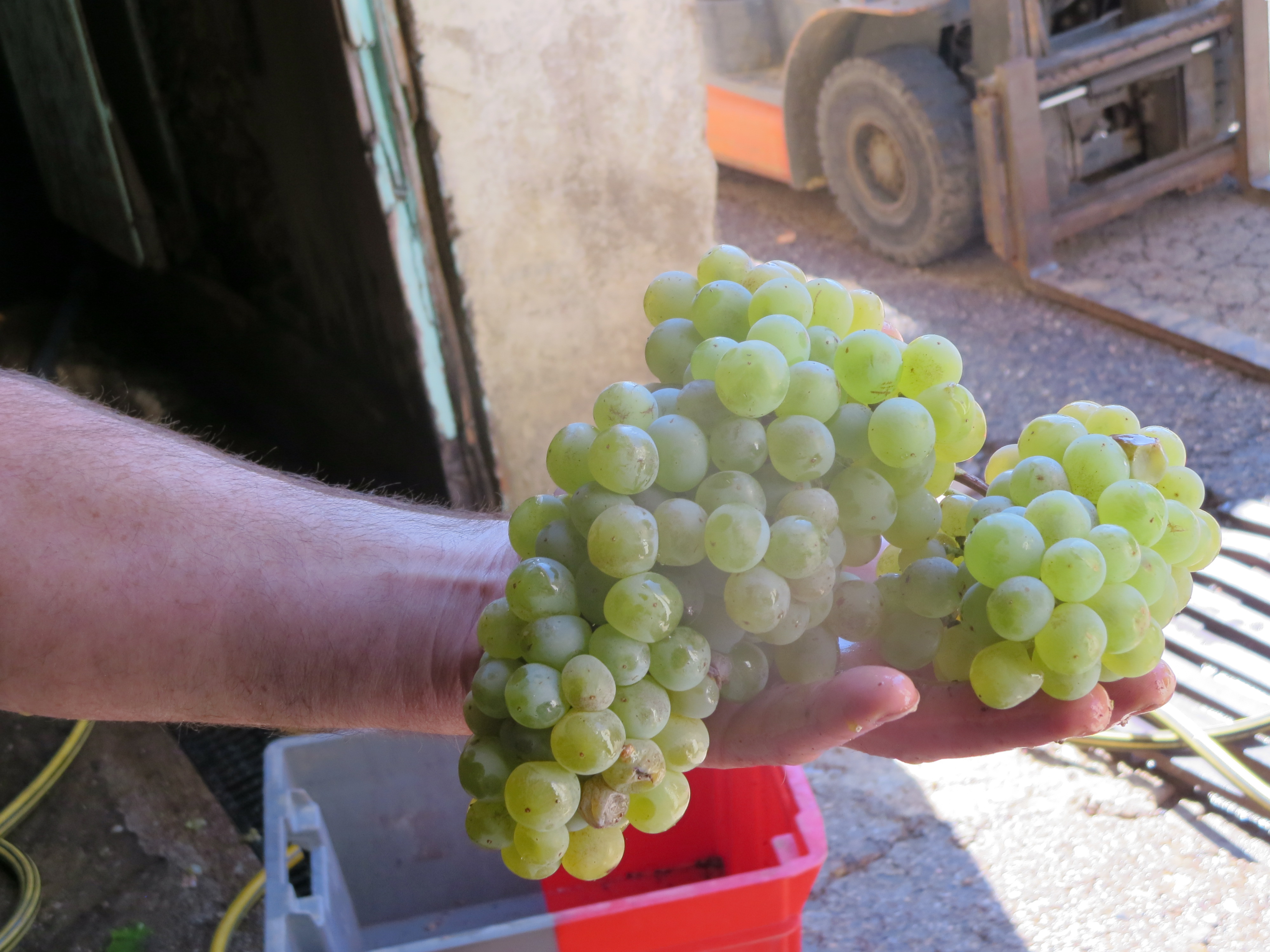
In addition a parcel of Carignan Blanc was harvested from Peilhan vineyard. There were some wonderful grapes and they were given special treatment, carefully sorted and then pressed using the small hydraulic press. The juice ran very clear and green and then gradually took on a slightly brown colour as it developed light oxidation. This is actually good as it helps to protect the juice later in its life and prevents damaging oxidation. Moreover, the effects of the oxidation from the pressing are removed through fermentation. Around 600l were produced in total, around 750 bottles worth. This makes a very good wine, something I was to be reminded of on Tuesday night, as we shall see.

IMG_2347

This was a long day but much good work had been done.

Tuesday 8th brought more Syrah to the cellar, this time from La Garrigue. These are the vines I have described before which face north on a slight slope to preserve the freshness and fruit flavours, good quality grapes which are often used for my favourite cuvée, La Vigne Haute, so I was even more keen to help to sort carefully and there were some lovely bunches of healthy fruit. Here’s hoping for a good vintage of LVH, as ever Jeff will make the call.

IMG_2337

Cameron unloading some Grenache Gris

Yet again another smaller harvest was done, again from Peilhan, this time with Grenache Gris. The lovely pink, grey berries are flexible in their use and might produce, white or rosé wines or be added to red wine as you will remember from my special cuvée post.

IMG_2343

            Grenache Gris after being pressed

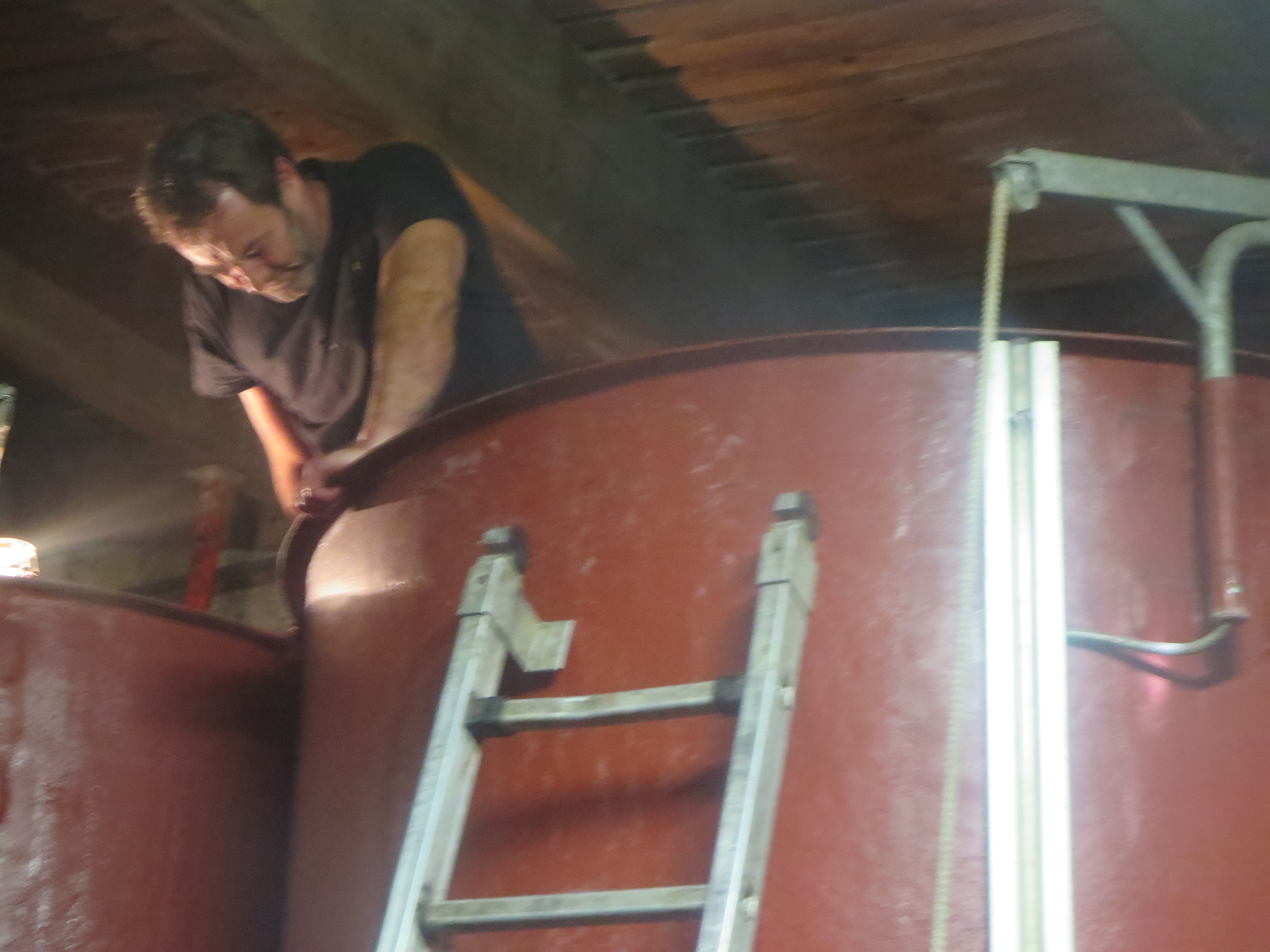
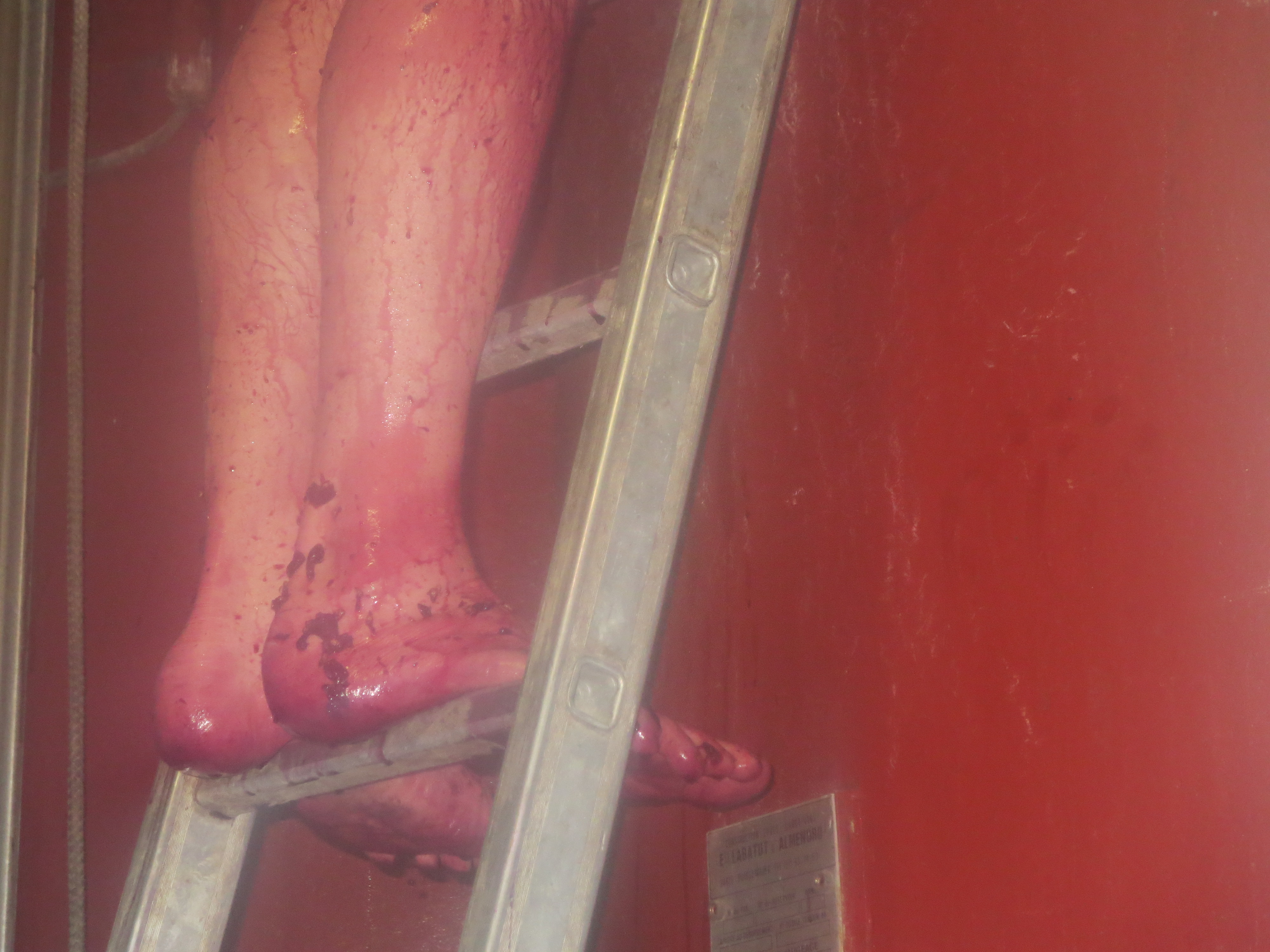
Meanwhile lots of analysis of the wines in tank and work to ensure that they are in good health. This even involved Jeff removing his trousers and jumping into the Flower Power tank to do some pigeage! Modesty means that I shall not share these photographs!

IMG_2355

Cameron getting a sample for analysis

IMG_2348

IMG_2354

The after effects

And of course there was plenty of this… (I couldn’t resist adding the tune)

Error
This video doesn’t exist

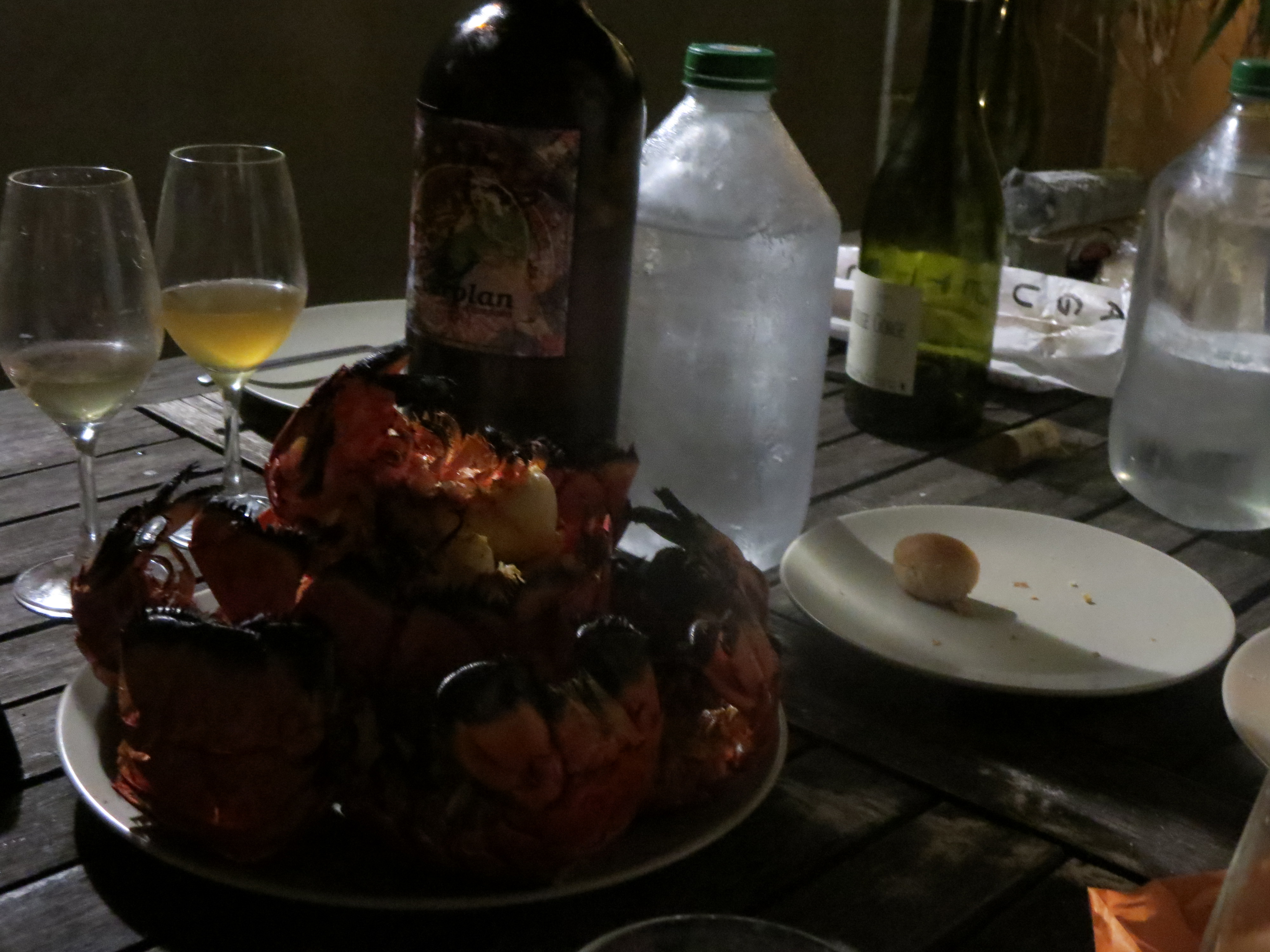
A bonus was to come though. We had been joined by two new additions to the team. Thomas is from Toulouse originally but has been working as a sommelier in the Languedoc and spent most of the week with us and will return next week. Karim is a fishmonger from Tours with an extensive knowledge of natural wines. He spent the week in Puimisson and brought a lovely surprise in the form of lobsters and scallops which made a wonderful dinner on Tuesday as Karim is also an excellent cook. We shared a magnum of Casa Pardet Chardonnay to accompany the shellfish as well as two Carignan Blancs, one from Mas Coutelou and the other from Jeff’s friend Cyril Fahl of Domaine Rouge Gorge in Roussillon. It was a special and hugely enjoyable meal, thanks to Karim and Jeff for the food and wine.

IMG_2367


2 Comments

July’s parting gift

Colourful Cinsault

Colourful Cinsault

Version française

All photos taken on August 2nd unless otherwise stated

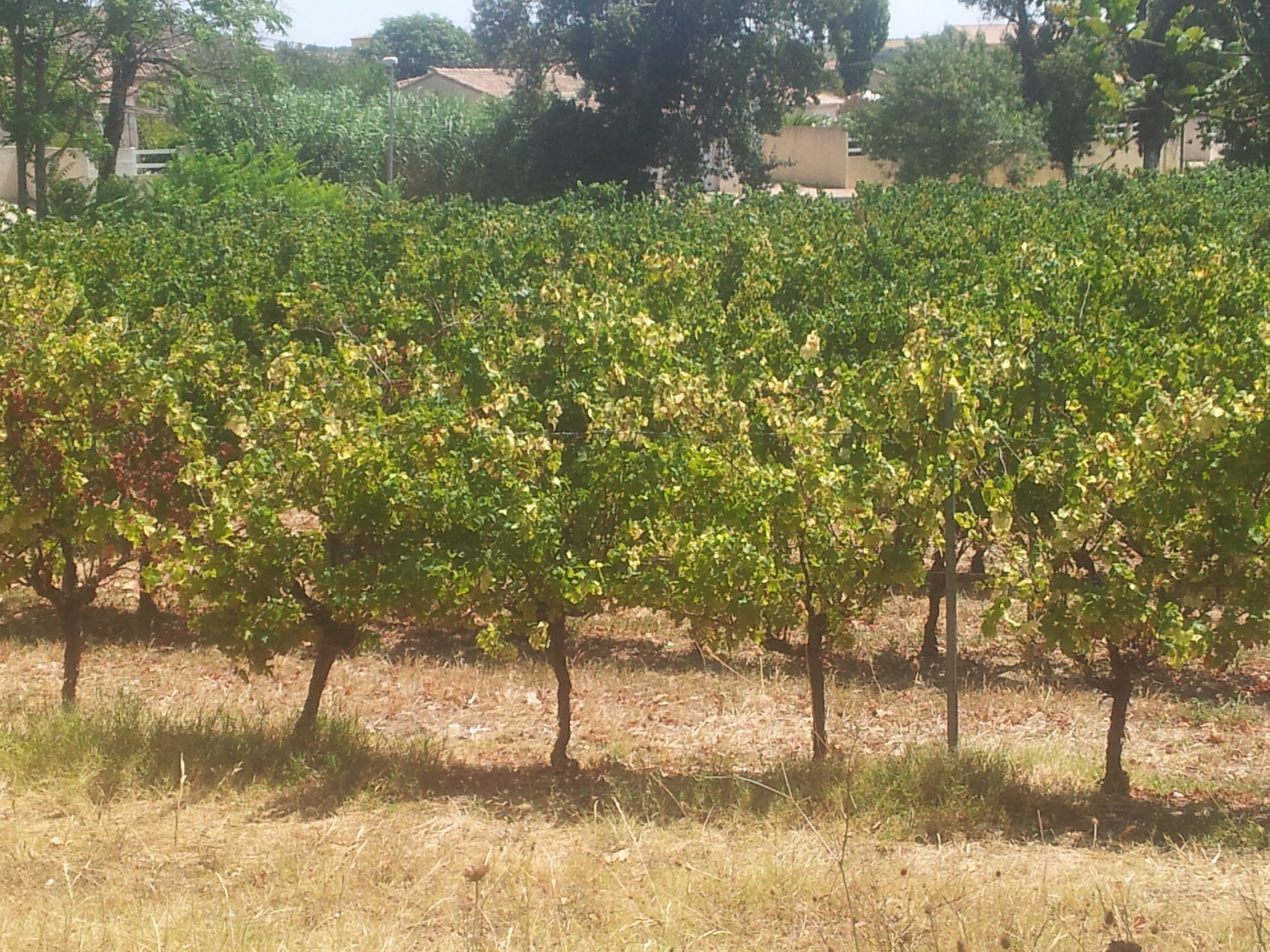
It was June 12th when rain last fell on Margon and the vines in the region, although generally doing well, were starting to show signs of fatigue and heat stress; leaves curled in upon themselves, some yellowing, a slight shrivelling.

Vines near Pézenas showing some stress

Vines near Pézenas showing some stress

Vines in Margon which were not pruned in spring and are really suffering

Vines in Margon which were not pruned in spring and are really suffe

A few drops fell on July 25th but the skies had been very dark and had promised much more, it was almost cruel to have that rain, a tease of what might have been. However, July 31st brought around 10mm to Puimisson. A decent rainfall, enough to give the vines a drink and to stop the drying out process. Not enough of course after weeks of lack of moisture and some more rain in the next few weeks would be very much welcome to swell the grapes and the harvest. The vines are now pouring their energy into their fruit rather than their vegetation, but they need the nutrients to do so.

Untitled

So, how had the vines responded to the rain which fell? Well a tour on Sunday (August 2nd) showed the vineyards of Mas Coutelou to be in rude health, a decent harvest is now predicted though that extra rain would be most welcome.

Segrairals in full bloom, healthy, happy vines

Segrairals in full bloom, healthy, happy vines

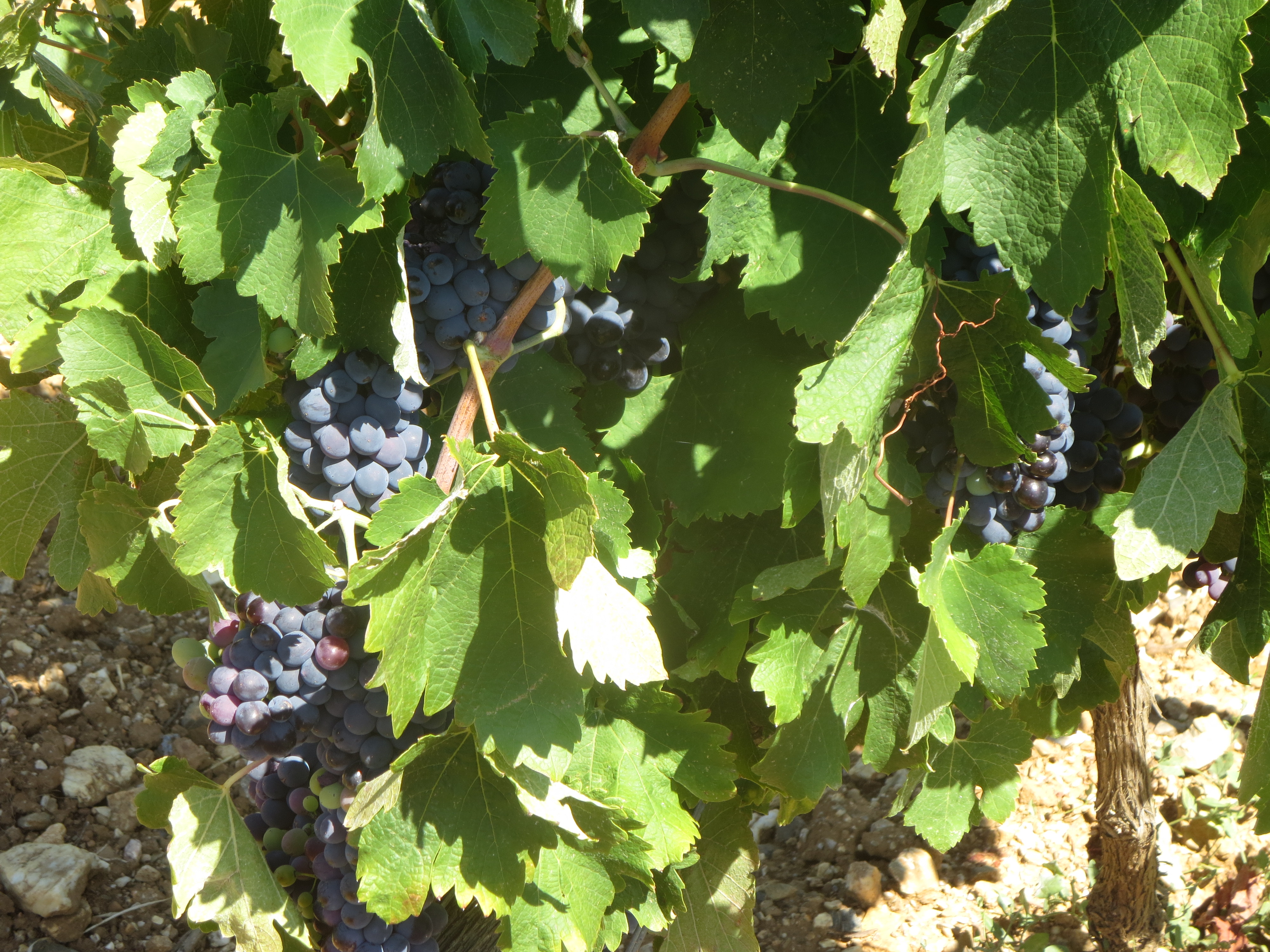
Segrairals, biggest of the vineyards, showed some healthy Cinsault, Syrah and Grenache with no signs of stress or disease. As the home of Classe, 7,Rue De La Pompe and 5SO this is especially welcome, as they are some of the big sellers.

IMG_1980

Cinsault in Segrairals

To Rome, my favourite vineyard. The gobelets were looking well, plenty of grapes both the white varieties and the Cinsault. There was a little mildew around the entrance but minimal, no cause for concern. Could there be a cuvée of Copains in 2015? Jeff tells me that no decisions are made as yet, caution prevails and he will wait to see what the harvest gives him before he makes final choices about how to use the grapes and the wines which result.

Rome's centurion vines in good health

Rome’s centurion vines in good health

Muscat Noir grapes, a tiny bit of mildew top left

Muscat Noir grapes, a tiny bit of mildew top left

Sainte Suzanne (Metaierie) suffered from coulure in May with the strong winds blowing off some of the flowers on the vines, which will reduce yields a bit. However, the grapes there are growing well, what might have been a problem looks now a much brighter picture, good news for fans of Vin Des Amis.

Peilhan, just a little more tired and suffering

Peilhan, just a little more tired and suffering

The only vineyard parcel which has shown stress is Peilhan, There was a lot of regrafting and replanting in the spring and the dryness has caused problems for these new vines. There was also oidium in this parcel, the only vineyard to be attacked by this powdery mildew. Yet amongst those problems there are plenty of healthy grapes, some careful picking and sorting will be needed but it will produce good wine.

The famous Castets grapes of Peilhan

The famous Castets grapes of Peilhan

La Garrigue was blooming, the white varieties such as the Muscats are swollen and changing hue to lovely golden shades.

Muscat a Petits Grains in La Garrigue

Muscat a Petits Grains in La Garrigue

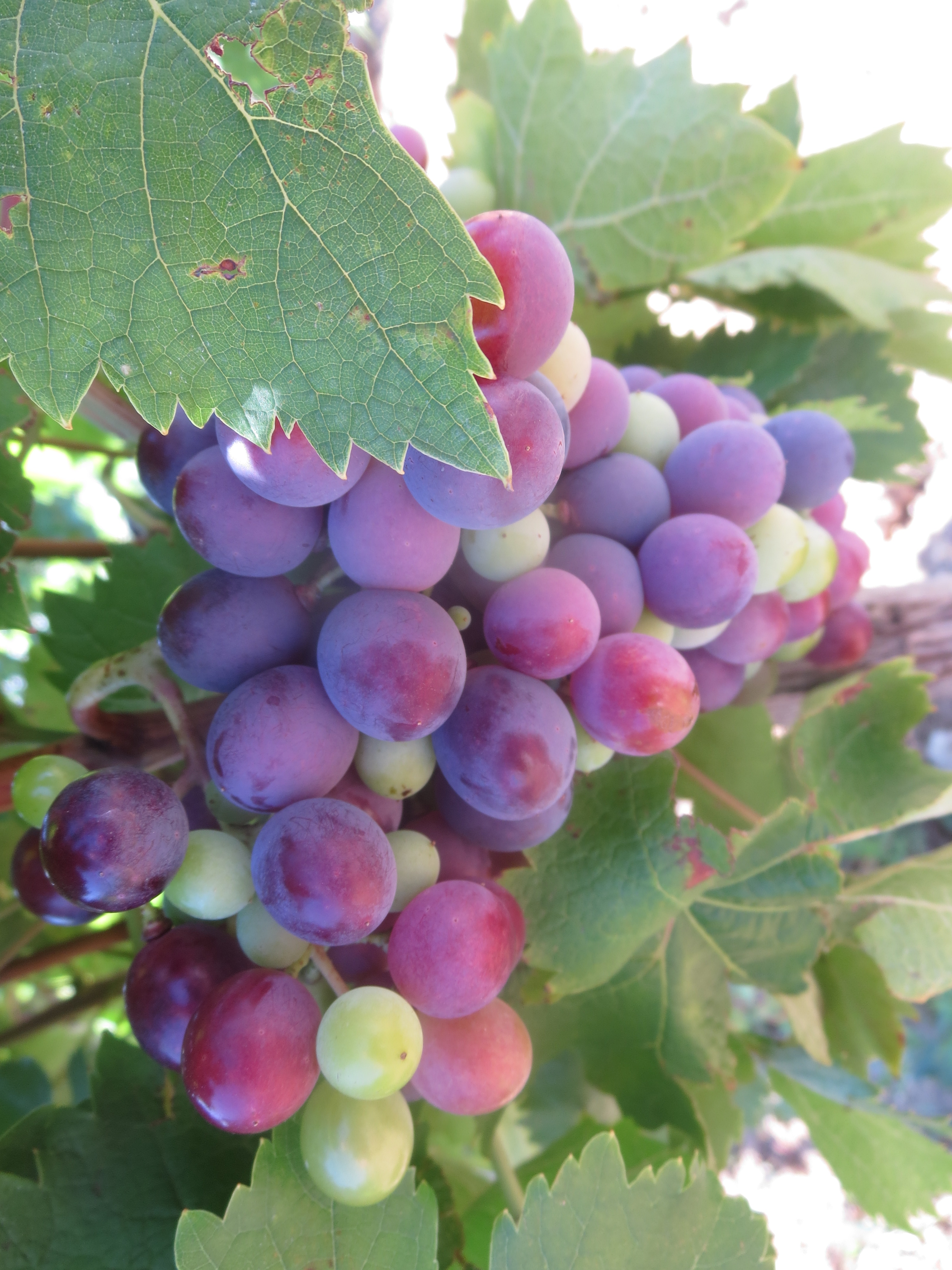
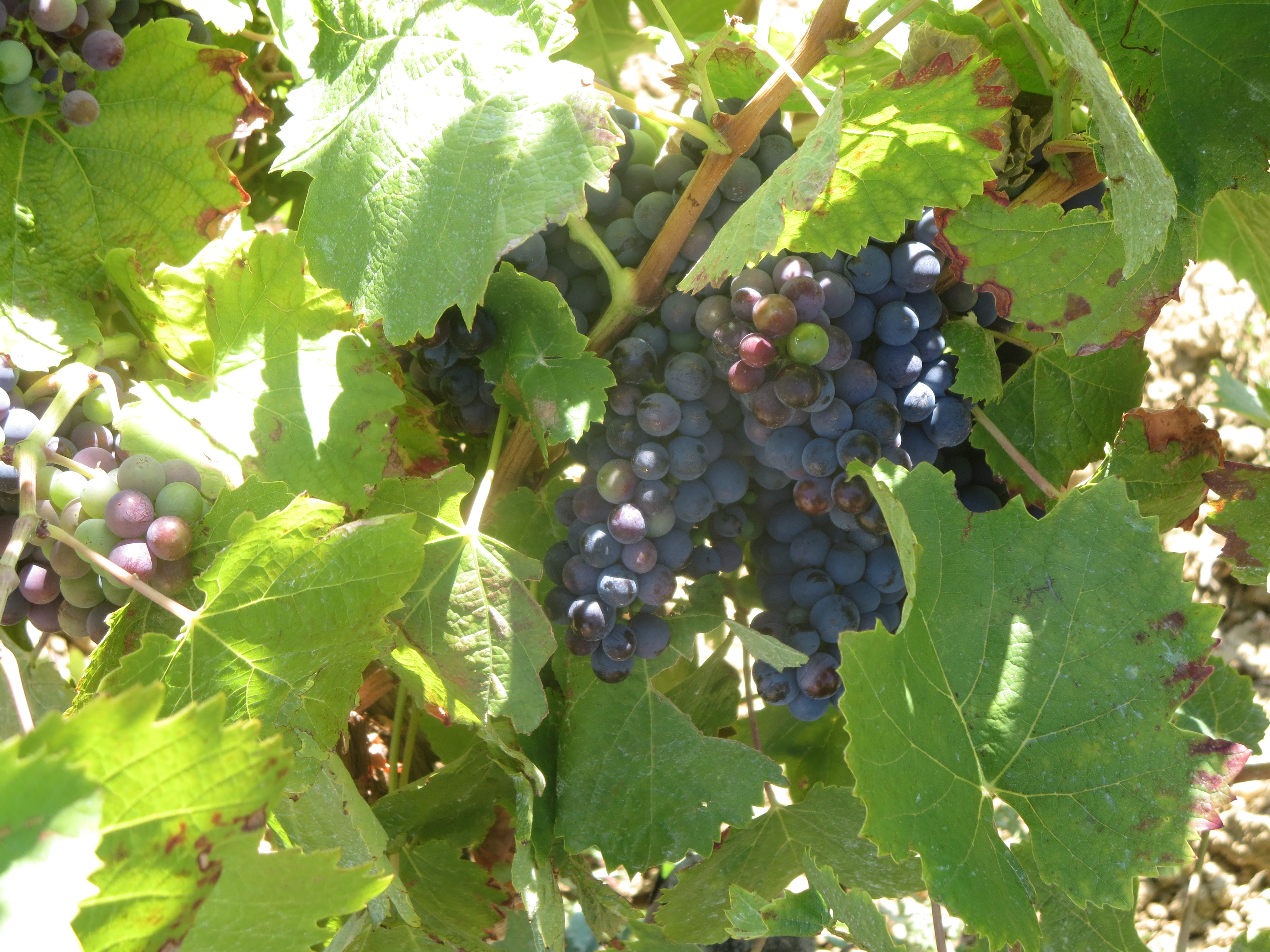
The Syrah is well advanced, a dark purple colour across virtually the whole bunches, the pips though betray a little immaturity as they taste and look green and sappy. A little more time and patience will pay dividends. As the world’s biggest fan of La Vigne Haute, I have my fingers crossed.

Syrah in La Garrigue, ripening beautifully in the shade of the vine

Syrah in La Garrigue, ripening beautifully in the shade of the vine

The Grenache in La Garrigue, despite facing south, is a little more delayed in colour but getting there and very healthy.

Grenache in La Garrigue

Grenache in La Garrigue

In fact despite risks of disease earlier in the year (see here) Jeff has been able to use minimal treatments in 2015. Oidium and mildew (powdery and downy mildew) can be controlled by copper sulphate, sometimes called the Bordeaux mix when added to slaked lime. This is a bluish colour when sprayed by conventional and organic vignerons and is often seen on the leaves of vines. Vignerons might also use chemical fungicides if they are not organic producers.

Neighbouring vineyard which was given herbicide shortly after harvest last year and whose new vines have been treated regularly

Neighbouring vineyard which was given herbicide shortly after harvest last year and whose new vines have been treated regularly

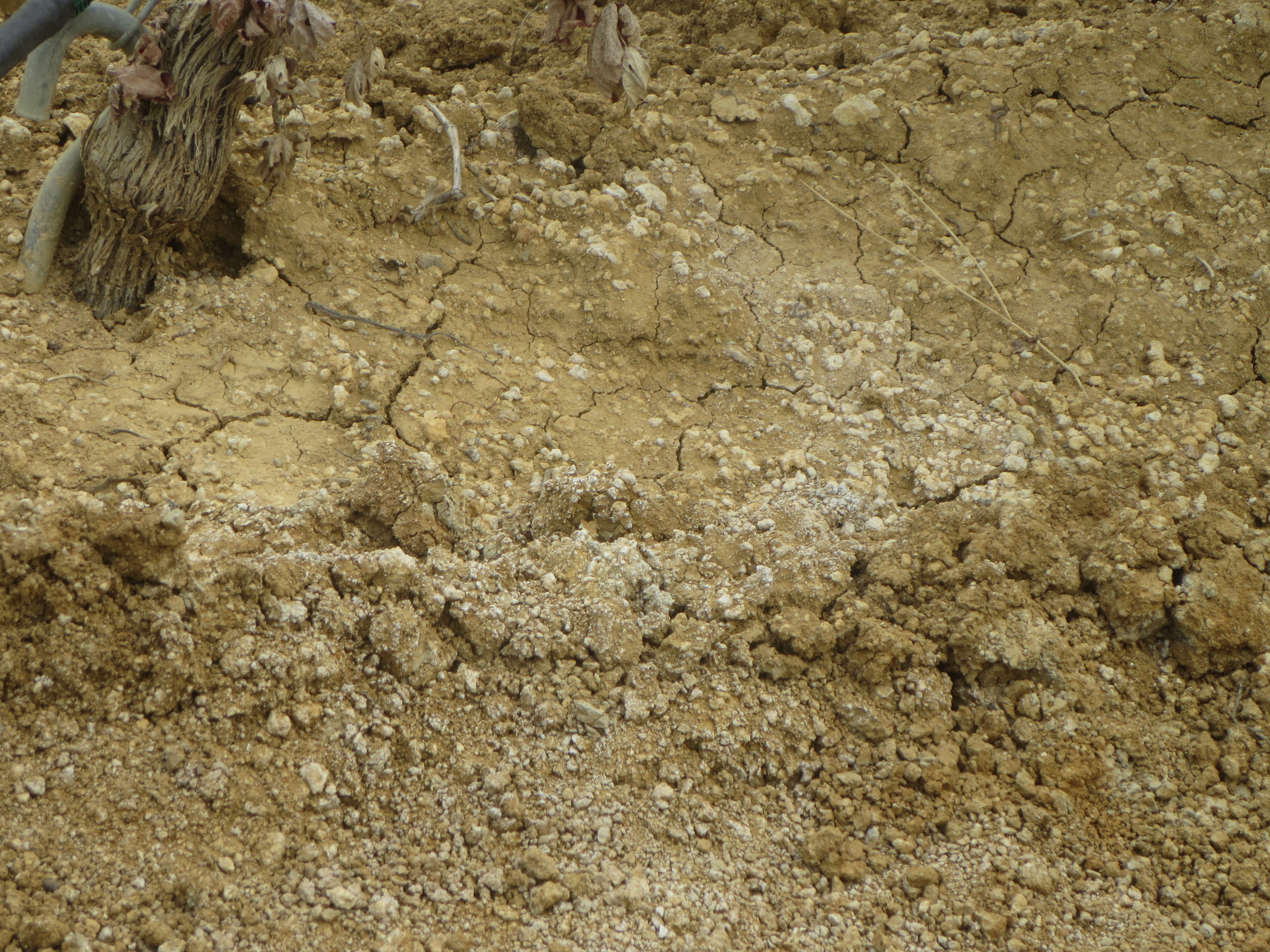
Some neighbours have also irrigated their vines and one alarming consequence is the changing of the soil and its pH as the calcium carbonate in the water shows through, you can see it in the white parts of the soil in this photo taken on July 22nd.

IMG_1932

The irrigation is also causing the vines to grow quickly and tall with thin trunks as seen below. It should be acknowledged that there are many conventional producers who take great pride in the health of their soils and vines and would be horrified by some practices described here.

IMG_2002

As a proud holder of Ecocert organic status and as a natural wine maker Jeff must use natural products only. Tisanes of plants which fight mildew such as horse tail, fern and nettles can be sprayed and this is the basis of many biodynamic treatments. However, the two main weapons in the armoury of organic producers are copper and sulphate, both natural products.

Copper is used against mildew, but is harmful to the soils and kills life in them if used in significant quantities. Organic producers are limited to 30kg per hectare over a 5 year period, allowing more to be used in years with more downy mildew for example but only if less is used in the other years. In fact Jeff has used just 200g per hectare in 2015 and this after years of well below average use, his use of copper is on a major downward trend. He is reluctant and very careful in using copper as he is aware of its danger to the soils, yet mildew has not been a major threat this year.

IMG_1552

Oidium seen in May

Similarly Jeff has used sulphur in soluble form at doses much lower than the permitted level, three treatments over the course of the growing season. In addition one dose of sulphur powder was sprayed when the risk of oidium was high (May) and a second spraying for Peilhan only as it is the vineyard which was attacked by oidium. In contrast to neighbouring vignerons who have sprayed every 10 days including after the bunches closed up (so more than a dozen treatments) this really is minimal intervention.

So July’s parting gift of 10mm of rain was welcome, August might like to follow by offering some rain soon. Too near the harvest is bad as it would dilute the juice rather than help the grapes to reach a good size. Things look promising, let us hope that nature completes its bounty. There is an old saying that June makes the wine and August makes the must, ie the character of the wine with its colour, yeast and flavour. With 3 weeks or so until picking begins it is an exciting, and nervous, time, waiting to see what that character will be.

No Icare this time but look what we found amongst the vines, he's been here!

No Icare this time but look what we found amongst the vines, he’s been here!

NB there are lots of reports about recent wine tastings here.