amarchinthevines

Learning about wine, vines and vignerons whilst living in the Languedoc


2 Comments

Spring vines and wines

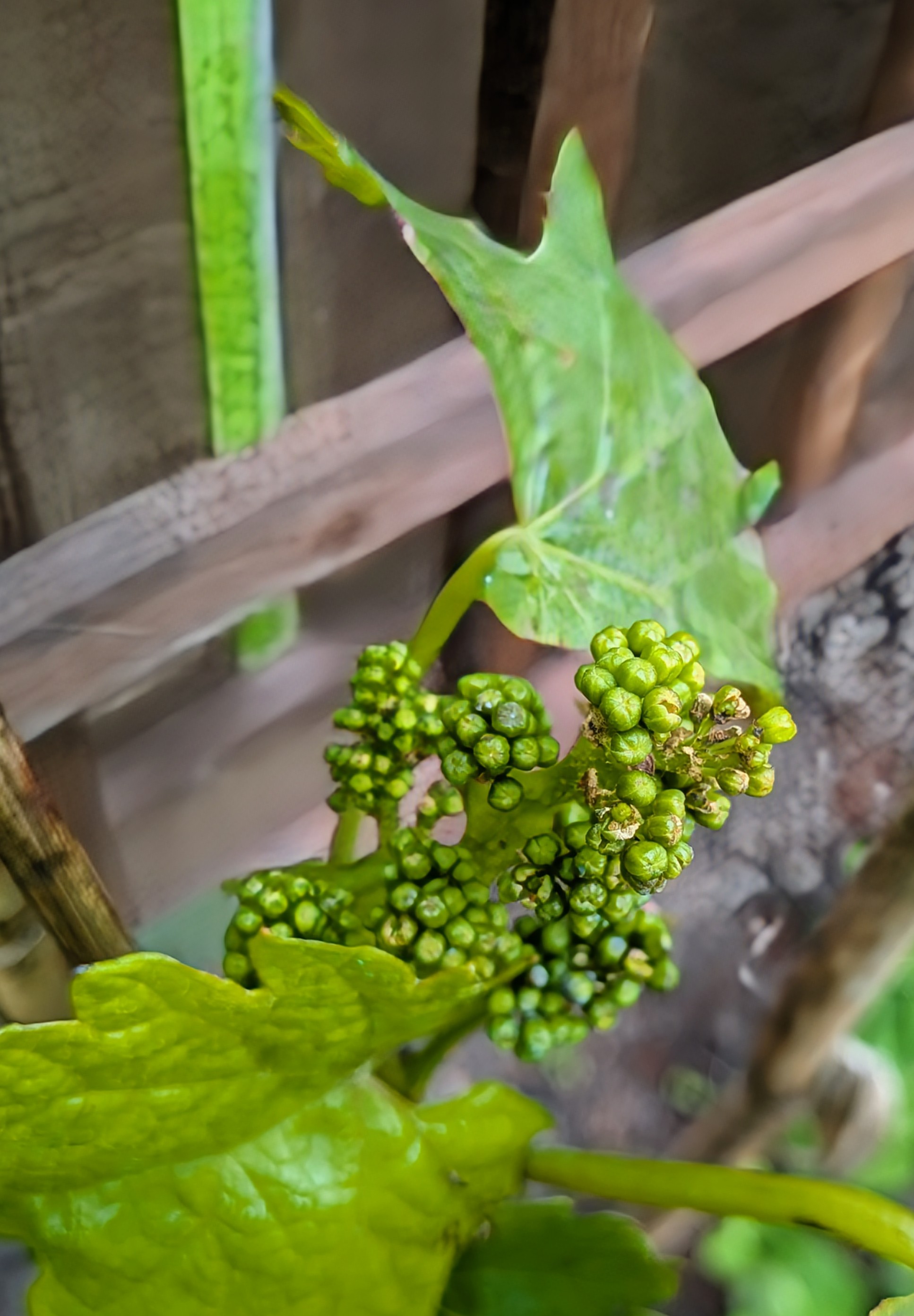
My vines are thriving after a very warm Spring (until the last couple of weeks) though Jeff Coutelou played a part from a distance.
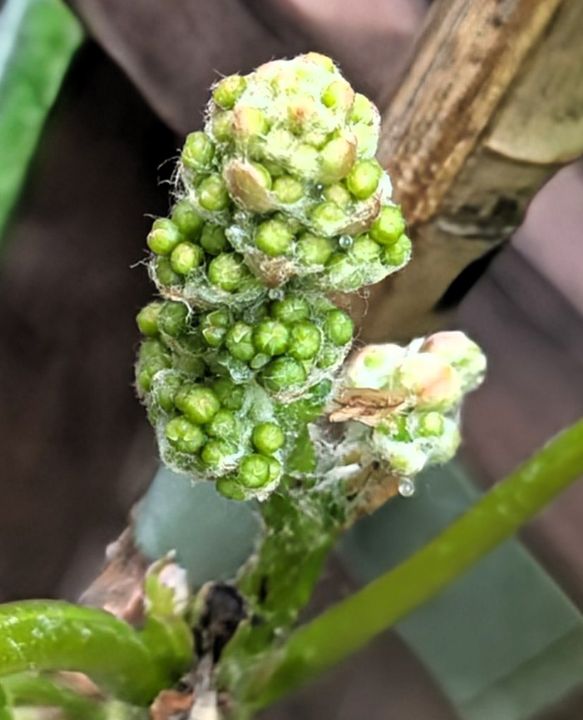
One of the photos on a previous post prompted Jeff to message me to say that he could see mildew developing. If you look at the developing grapes you can see a white filament. I acted quickly to get some of the ‘Bordeaux mix’ with sulphur and copper to spray them and this helped to stave off the disease in the main though the dreaded brown, dried patches did appear in the days after Jeff’s message. I removed the affected parts of the leaves too and, touchwood, all has gone well since even though we have had a much more humid period of weather. So, as ever, thank you Jeff.

The bordeaux mix left some little dark brown spots on the leaves which wash off in the rain but you might notice in the photos. I don’t want to add too much of the spray as copper is damaging for the soil and the life within it. The soil is undoubtedly too rich for vines really as they are developing lots of leaves which I don’t really want as yet, I’d rather they concentrated on strengthening and thickening. I am removing most of the new growth and buds to achieve that. The bunch on the Regent vine is developing, opening up and starting to resemble grapes more. The Regent is ungrafted and I wonder if that is why it is developing quicker than the grafted Bacchus vine. It’s been interesting to watch them and that was the main purpose of acquiring the vines so job done.

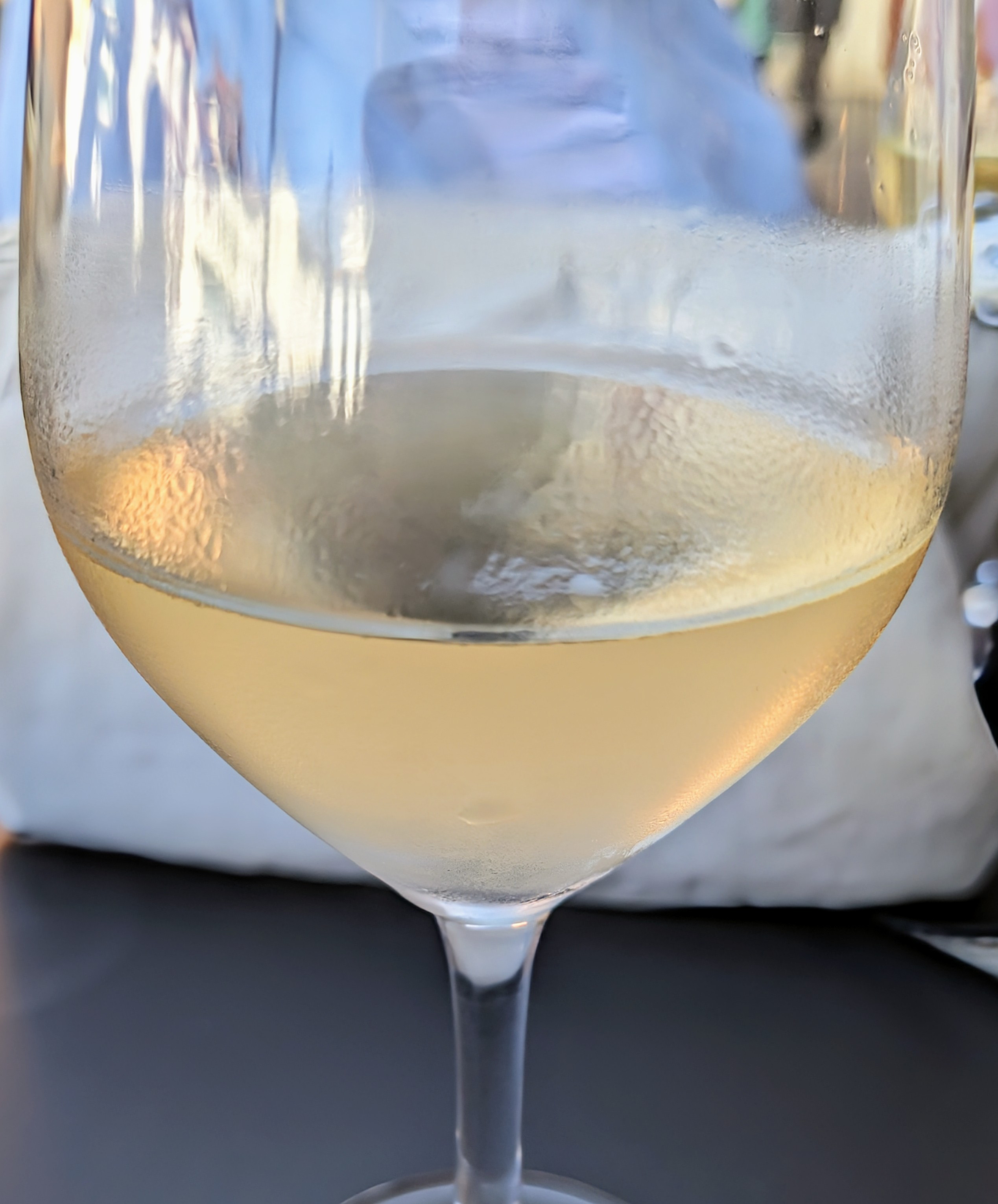
To bottles and wines. We spent a lovely week in Ireland and I can confirm that Guinness is so much better there than anywhere else! Of the wines tried there a couple of bottles stood out, both organic but not natural. The nicest bottle of Quincy that I can remember was Domaine Mardon Cuvée St. Edme 2022, full of flavour, good acidity and a Sauvignon Blanc of real depth. Camin Larredya La Part Davane 2022 was a really enjoyable Jurancon, one of my favourite sources of white wine. The classic citrus notes and white fruit with the barest hint of sweetness, excellent. The wine is fruity and rich yet fresh with a distinct lime note.

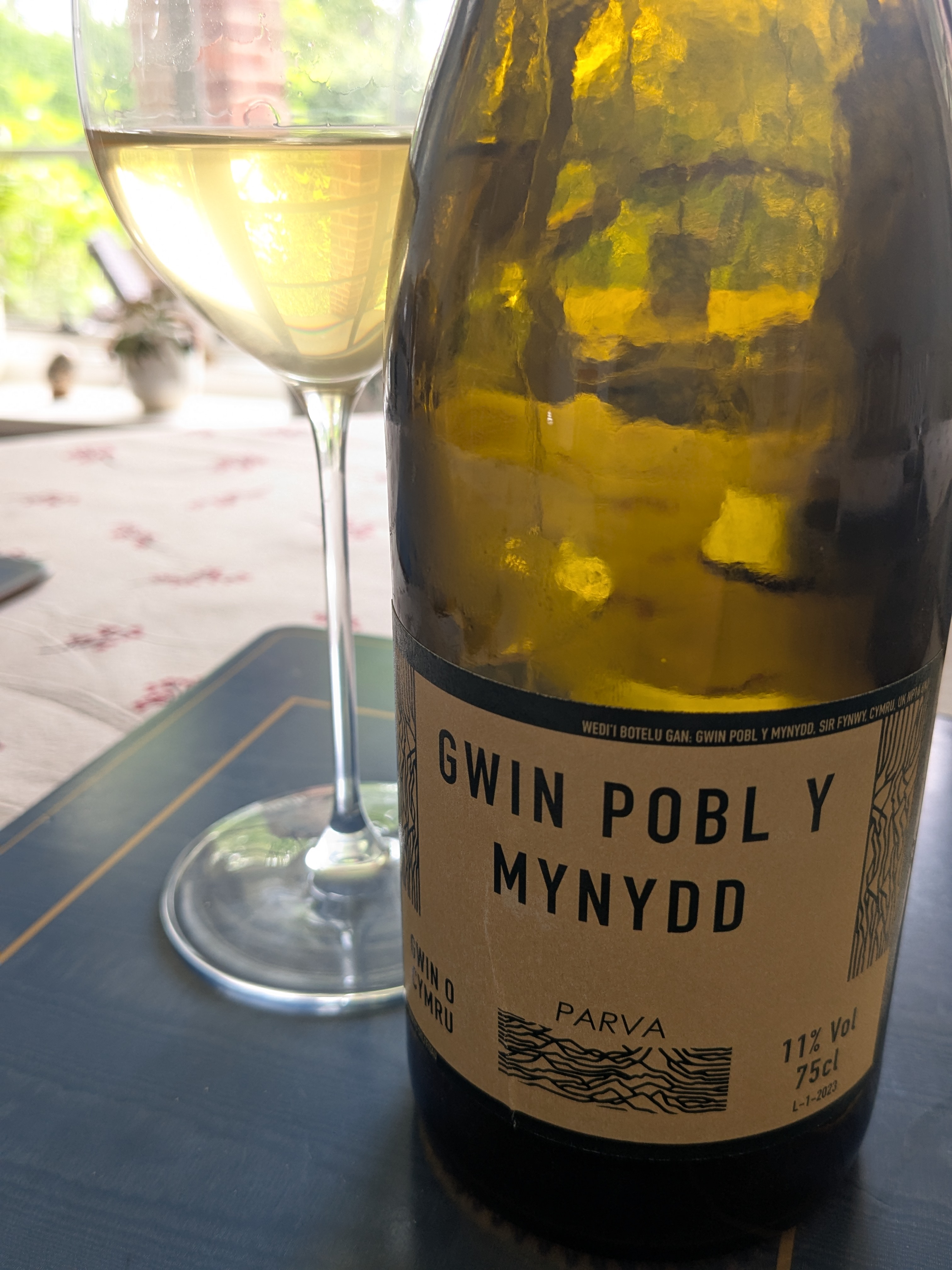
My other favourite white wines both came from Mountain People, produced in Wales by David Morris which I described in my article on a tasting in Edinburgh. His Bacchus wine, Gwin Pobl Y Mynnd Parva 23 was lovely. I like Bacchus as a grape, hence my choice of vine above. It can, however, be a bit blousy and flowery but David has made a refreshing wine with lovely fruit but always dry and clean. Even better was the wine I so loved at that tasting, his Chardonnay TAM 2023. The label on this bottle was different to the one at Edinburgh but the wine is the same. I am not a great fan of oak in wine flavours but David masters it here with the barrels certainly noticeable but underlying the clean white fruit, almost fino like in some ways but certainly like a top Jura Chardonnay.
I enjoy different ways of tasting wines and comparisons of the same wine or grape. I bought wine from one of the more celebrated Provence producers, Chateau d’Estoublon from my friend Leon Stolarski many years ago and decided to open the two I had left, 2005 and 2006. Made from Syrah, Mourvedre and Cabernet Sauvignon it is a big, powerful wine needing time. The 05 was a bit past its best but still showed dark fruits though mainly more autumnal, tertiary notes. The 06 was much more youthful and showed the real dark fruit profile, still with light tannins. Perhaps this was vintage, perhaps just the condition of two bottles but an interesting evening.

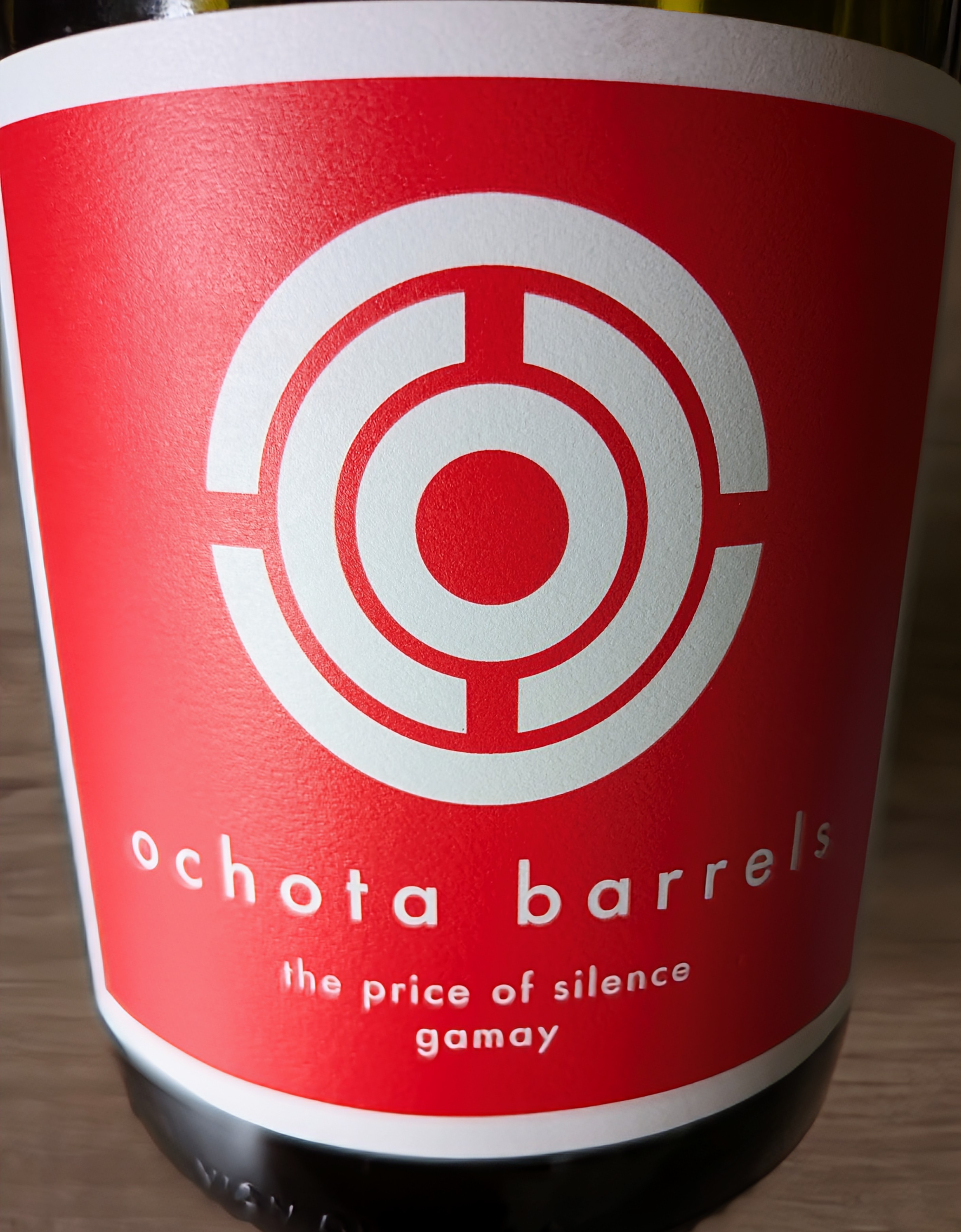
Three interesting reds. An article by Jamie Goode on the Itata region of Chile prompted me to try the Pais Granitico 2021 from A Los Vinateros Bravos. I like Pais as a grape, one of those which produces lighter, fresher wines mainly. Formerly it was made for cheap, local wines but producers have realised that it can make quality wines and this was one. A great wine for midweek with light, red fruits and nice freshness. The Morgon 2019 was from my favourite Beaujolais producer, Guy Breton. Classic Beaujolais red fruit but with added power, typical from the Morgon cru but not to be underrated as just typical, there was a lot of class. Best of all though was another Gamay, this time from Ochota Barrels, The Price Of Silence 2022. This was made after the sad, early death of Taras Ochota but shows the great work he put into his wines and the skill of his wife Amber and friends who continued his passion in the Basket range of Adelaide Hills. More fruity than the Morgon and unmistakably Australian in style but lovely depth and length, an excellent wine.

Finally, back to Jeff. I opened a bottle of Classe 2017. This was always one of my favourite bottles from any vintage of Coutelou. Mainly Grenache and Syrah with a 10% dash of Mourvedre, it has aged beautifully with the acidity calmed down and the fruit thriving, red and dark fruits with really smooth tannins supproting them still. On top form, fortunately I have a couple of bottles left.

Some difficult times on a personal level have made it difficult to focus on writing so apologies for the lack of articles recently.
1 Comment

The case for 2024

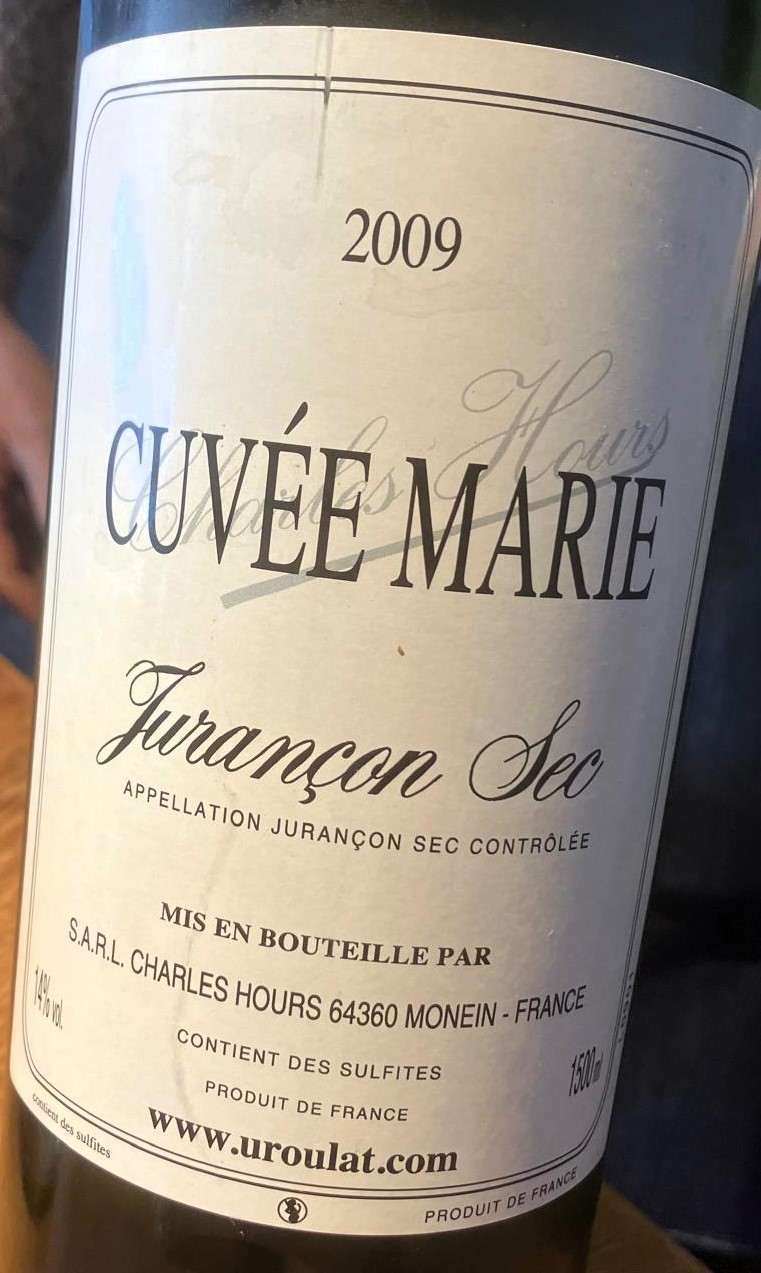
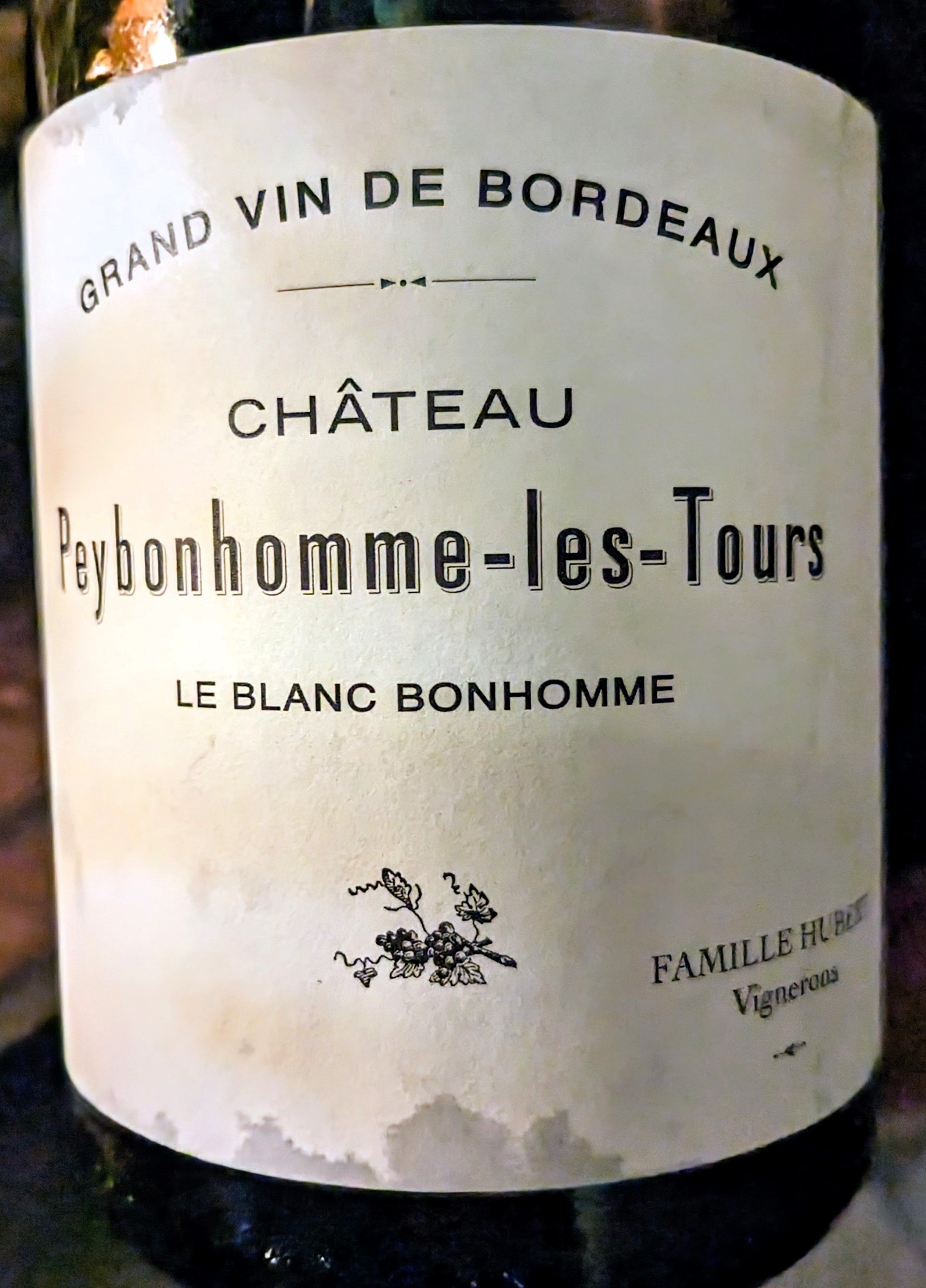
I have been fortunate to drink or taste a lot of very good wines this year, I am here to make my annual choice of twelve wines for my case of the year. Apparently the trend generally is towards white wines and I seem to reflect that trend. My top three wines have all been white wines and I could have added quite a few more to the case but wanted to balance it out. Let’s start with two tasted in good restaurants during my trip to South West France in April. The first, from magnum, was a beautifully balanced older Jurancon with lovely fresh acidity and citrus but the typical hint of sweetness too. The Bordeaux Blanc was clean, fresh and complex, if this is an example of why Bordeaux producers are switching to white wine production then it clearly justifies that move, delicious.

The only orange wine in this year’s selection was one I had cellared for a few years, Nando Primorska 2017. Full of deep, nutty, citrus and spice aromas and flavours, textural and growing in complexity with every sip. The Becker Grauburgunder 2021 has appeared here a few times. It is a wine of great complexity for a relatively cheap bottle. Lots of spice and fresh acidity with lingering white fruit notes. Sadly, it is no longer available in Majestic stores.

Two from my travels and both would be on the podium for wine of the year. I had Finca La Terrenal 2020 in Cambrils, Spain. The wine is Garnacha Blanca and the Terra Alta specialises in the grape. A truly complex, balanced wine walking a lovely line of freshness and fruit. The other is a bit of a compromise. A visit to Anton von Klopper’s fabulous Lucy Margaux in the Adelaide Hills with next door neighbour James Madden (see below) involved a fabulous range of excellent wines. My favourite was a Sauvignon Blanc though every wine was outstanding. I think this is the handmade label of that wine before it is stamped with the details of the cuvée. Anton’s American assistant worked with the Tscheppes in Austria who make exceptional Sauvignon Blancs and maybe his influence reached this wine. A fantastic range.

To reds. At the Dynamic tasting in London in February I came across many good wines but the Cosse Blaye 2020 was one which stood out for me. Classically Bordeaux in style (and better than the ones I had in that city two months later) but with added freshness and lifting red fruits, light yet full. A visit to my friends at Mas Des Capitelles in Faugères was another memorable tasting. This is my favourite part of the Languedoc for red wines and the Laugé family make undersung wines full of rich, garrigue influenced red wines balanced by lovely freshness. They deserve more attention, including their patience in ageing the wines before release. Crescendo 2019 comes from 80 year old Carignan vines with Mourvèdre and Grenache too. Buy!!

I very much enjoyed a tasting of Basket Press wines in Edinburgh in springtime and it fuelled an interest (and purchases) of Central and Eastern European wines. There were many good wines, my standouts white and red were made by Vykoukal in the Czech Republic. The standout was the Cabernet Moravia 2021 made from this cross of Cabernet Franc and Zweigelt. Deep, lively red fruits and very persistent, this was a memorable bottle and I have bought a few bottles since. Xingloei 2021 is a wine made from Tannat and Cabernet Franc grapes in the Pyrenees and has typical tannins but they are well integrated and though I’d decant this bottle before drinking it is full of very attractive, spicy plum notes. An unexpected pleasure.

My trip to Australia and New Zealand allowed me to taste several excellent wines and the following two were my standouts, one from each country. Payten and Jones in the Yarra Valley was my favourite winery visited by far and the Nebbiolo 2016 was wonderful, certainly reminiscent of Italian examples but with added Australian fruit. The Pinot Noirs of Otago won me over this year and the best was certainly this youthful 2023 from High Garden made by the excellent Jane Parr, as good as just about any Burgundy that I have enjoyed.

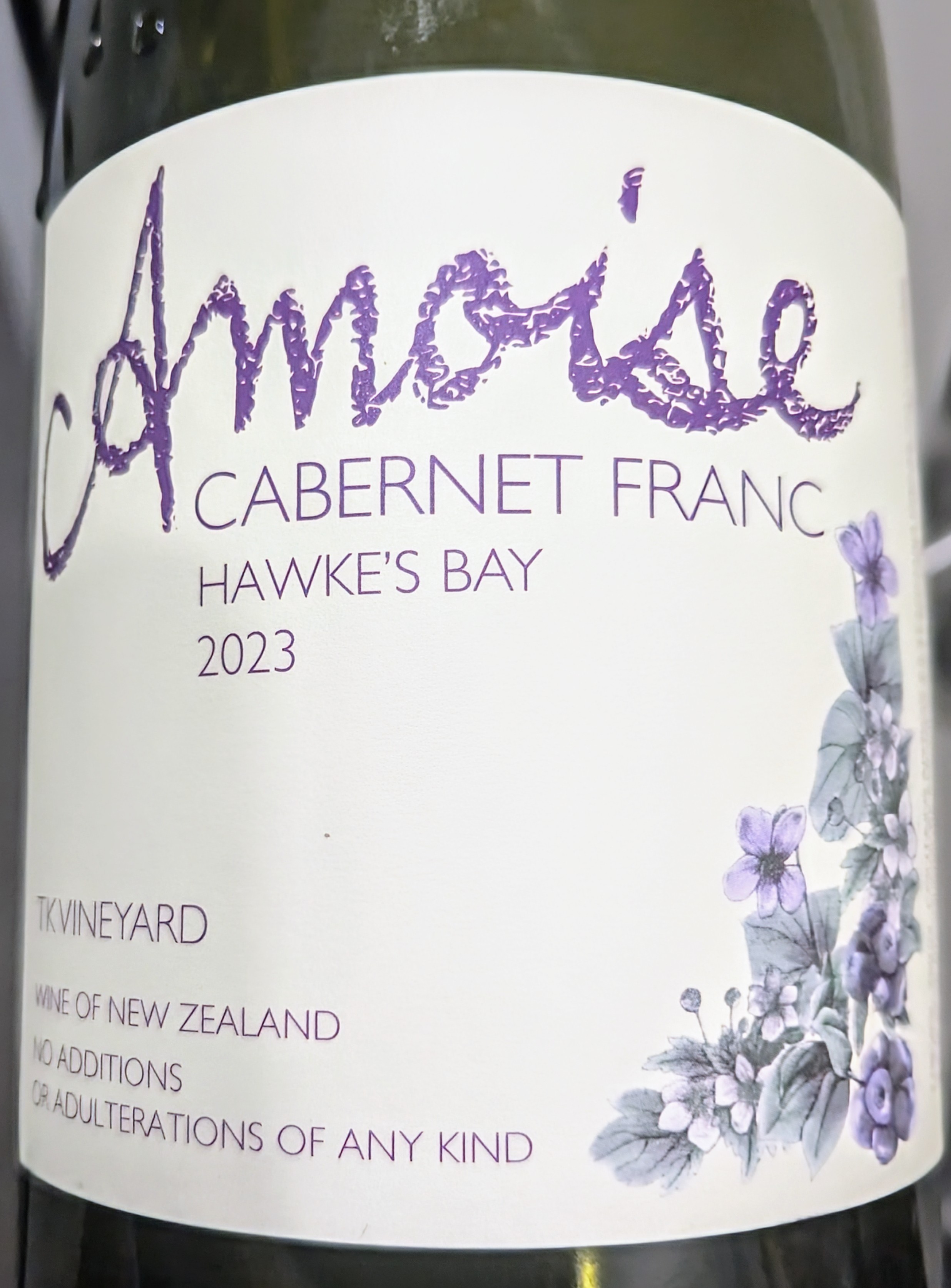
2024 though will be the year of Cabernet Franc for me. I have struggled with the variety for most of my life, put off by too many under ripe Loire examples in the past. Times have changed, for climate and winemaking, and I experienced so many great bottles of Cab Franc wines this year, it became almost embarrassing for me. The Loire visit in April brought lots of good ones, Bordeaux examples too. The white wine made by Bobinet from Cab Franc grapes was the biggest surprise, it was lively and exciting. Maybe it is recency bias but the most memorable bottle was the Amoise Hawke’s Bay 2023 I bought in Napier, rich fruit but with finely judged balancing acidity. Made by a new producer Amy Farnsworth, I’d love to be able to source more of her wines.

Wines with friends. One of the best things about my time with Jeff Coutelou (a decade now!) has been making friends with many visitors to his cellars. I have been fortunate to visit the cellars of two of those this year. I stayed a few nights with James Madden of Scintilla Wines in the Adelaide Hills and he is making lovely, clean, fruity wines with good depth and persistence. The Forrest 2023 Chardonnay was possibly my favourite bottle but he is making many very good bottles. In August I visited Steeve Dejardin in his new Minervois winery, Domaine du Partage. He has just a few hectares of mainly Carignan and Syrah and his first vintage was of a quality much greater than anyone has a right to expect. Nouveau-Nez 2023 is Carignan based and classic Languedoc spice and red fruits. And the maestro of course delivers more great bottles, Classe 2020 perhaps my favourite this year though the white wines are becoming ever more interesting.

To my favourite wine of the year. At Noble Rot’s restaurant in February I ordered a bottle of Savennières Roche Aux Moines 2021 from Domaine aux Moines. It was fabulous and I predicted that it would be unlikely that I would taste a better wine this year. I stick to that. I visited Tessa Laroche in April and that only confirmed that she is a great winemaker and this magnum opened on my last day of vendanges proved it. No wonder I look so happy in both photographs! Chenin Blanc was certainly the white grape which I enjoyed most in 2024, the Loire ruled.


Leave a comment

The Rule of Three

1. Dynamic Vines

The Rule of Three is a principle that suggests things that come in threes are inherently more satisfying and effective than other numbers of things. Well, in the last few weeks I have enjoyed three very good wine tasting events, time to share some thoughts and findings as well as recommendations and one very surprising outcome for me.

Tasting #1 was in Bermondsey, London and run by the excellent wine company Dynamic Vines, specialising in biodynamic and organic producers. I encountered Jean Christophe one of the Dynamic team at a tasting in Newcastle last August and it was good to meet up with him again. (Also very pleasing to hear that Soaked will be repeated this year).

Unsurprisingly some of the wines I really enjoyed at Soaked were still amongst my favourites here; Cosse, Radikon, Béru and Le Puy. The Blaye wines of Matthieu Cosse are very good indeed and reasonably priced too, the white has beautiful aromatics and full flavours whilst the red is even better with full fruits lifting the Bordeaux backbone. Radikon‘s skin contact wines are, unfortunately, becoming very pricey but the level of consistency across the range is admirable and the entry wine Slatnik is fresh and complex whilst a 2009 example of Ribolla was delicious and shows the potential for ageing these excellent wines. The Chablis wines of Chateau de Béru are exemplary, clean, steely Burgundy Chardonnay with the characteristic minerality but fruit too. Again, like all Burgundy, the prices are climbing fast. I chose Le Puy‘s ‘Emilien’ as my wine of the year after Soaked, it’s still lovely. However, they were put in their place by the Merlot Barthélemy wines of 2020 and 2014, deep and full but £150+.

Another Bordeaux producer, Ormiale, showed some excellent wines. Made by hand (even de-stemming) and with very low yields all the wines were lovely including a red sparkling wine. My favourites were the Malbec ‘Mialbec 22’ fresh with deep plummy fruit and the outstanding Merlot/Cabernet Franc blend ‘Borto 19’ the name suggesting its port like flavours, full, fruity and powerful.

One of my favourite wine regions is Jurancon in the South West of France. I am heading there soon, very exciting. Two new (to me) estates were on show here and I thought the wines of both were excellent. Both of the 2021 dry wines of Domaine De Souche were lovely, the Petit Manseng and Gros Manseng grapes offering the freshness I like but with apple and pear fruit and hints of sweetness whilst remaining clean and dry. Clos Larrouyat wines showed nice citrussy fruit (especially ‘Météore 21), acidity as well as salinity and texture in the ‘Comète 21’. The moelleux ‘Phoenix’ was very good, the sweetness balanced by fresh acidity.
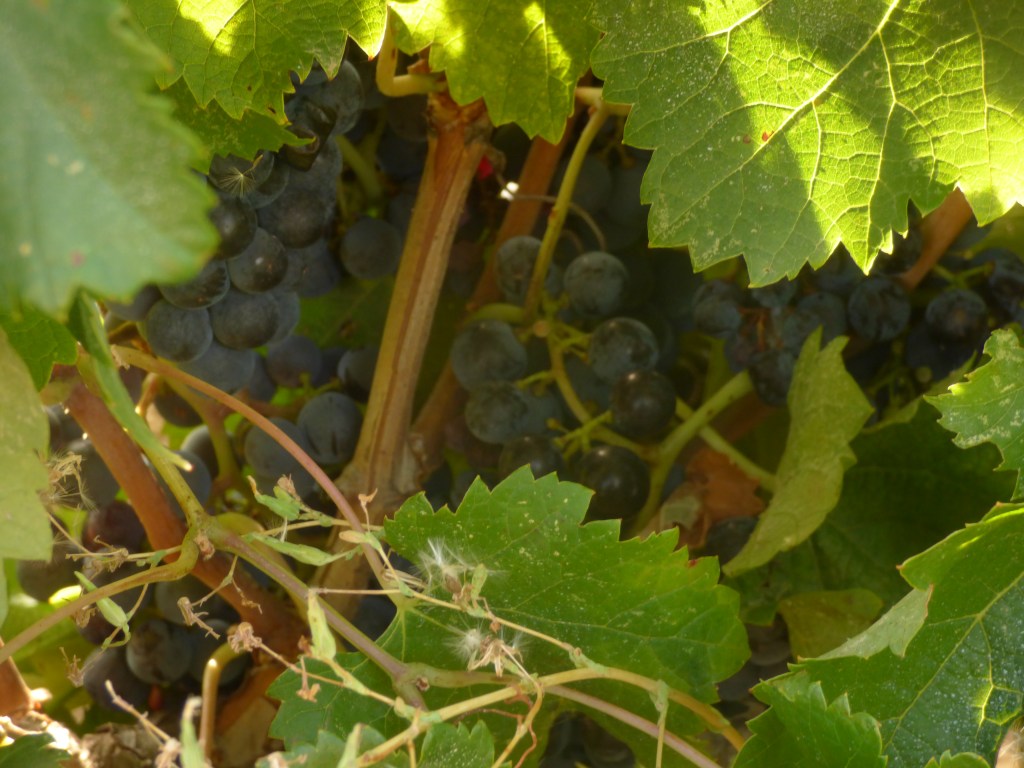
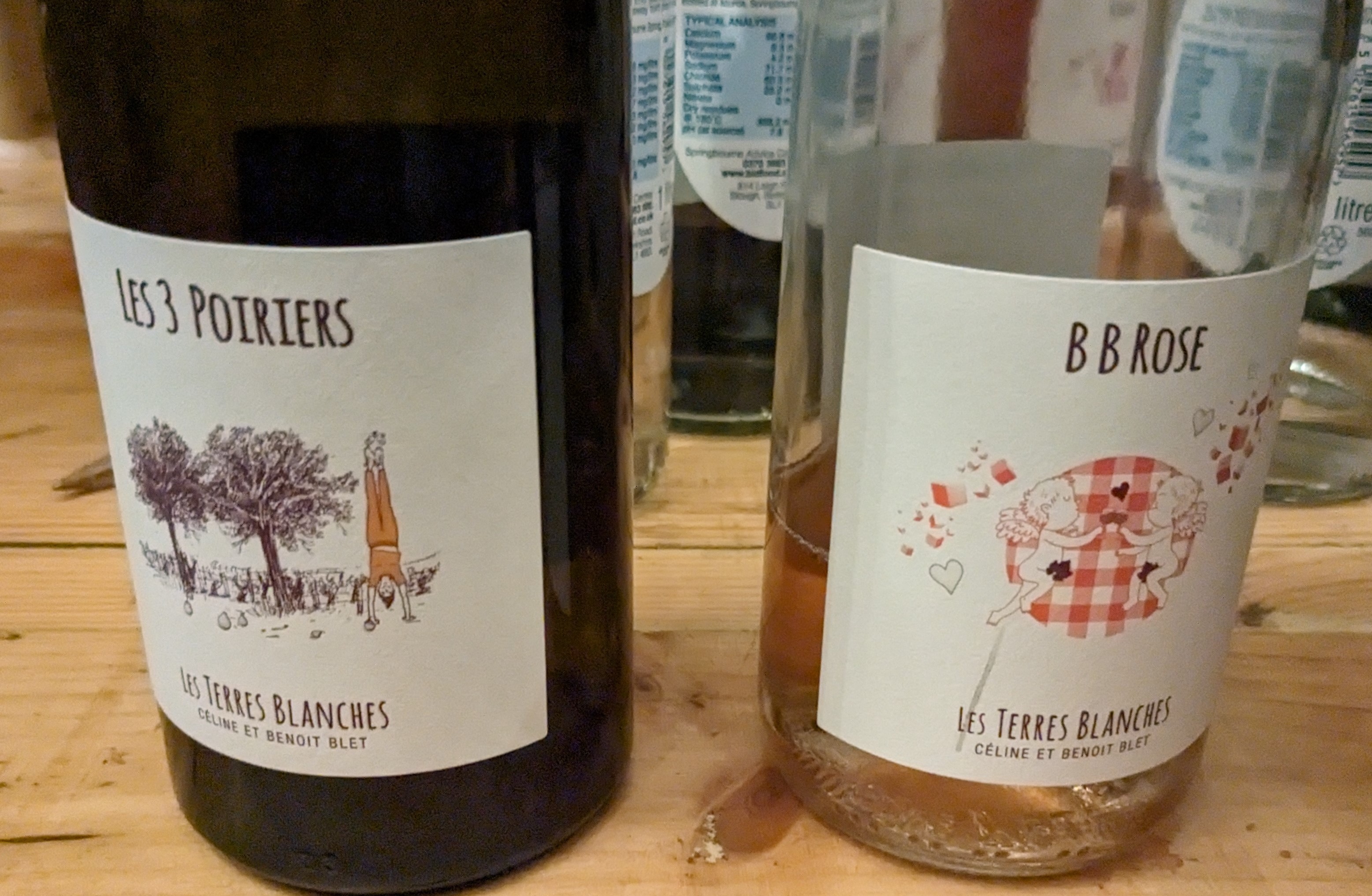
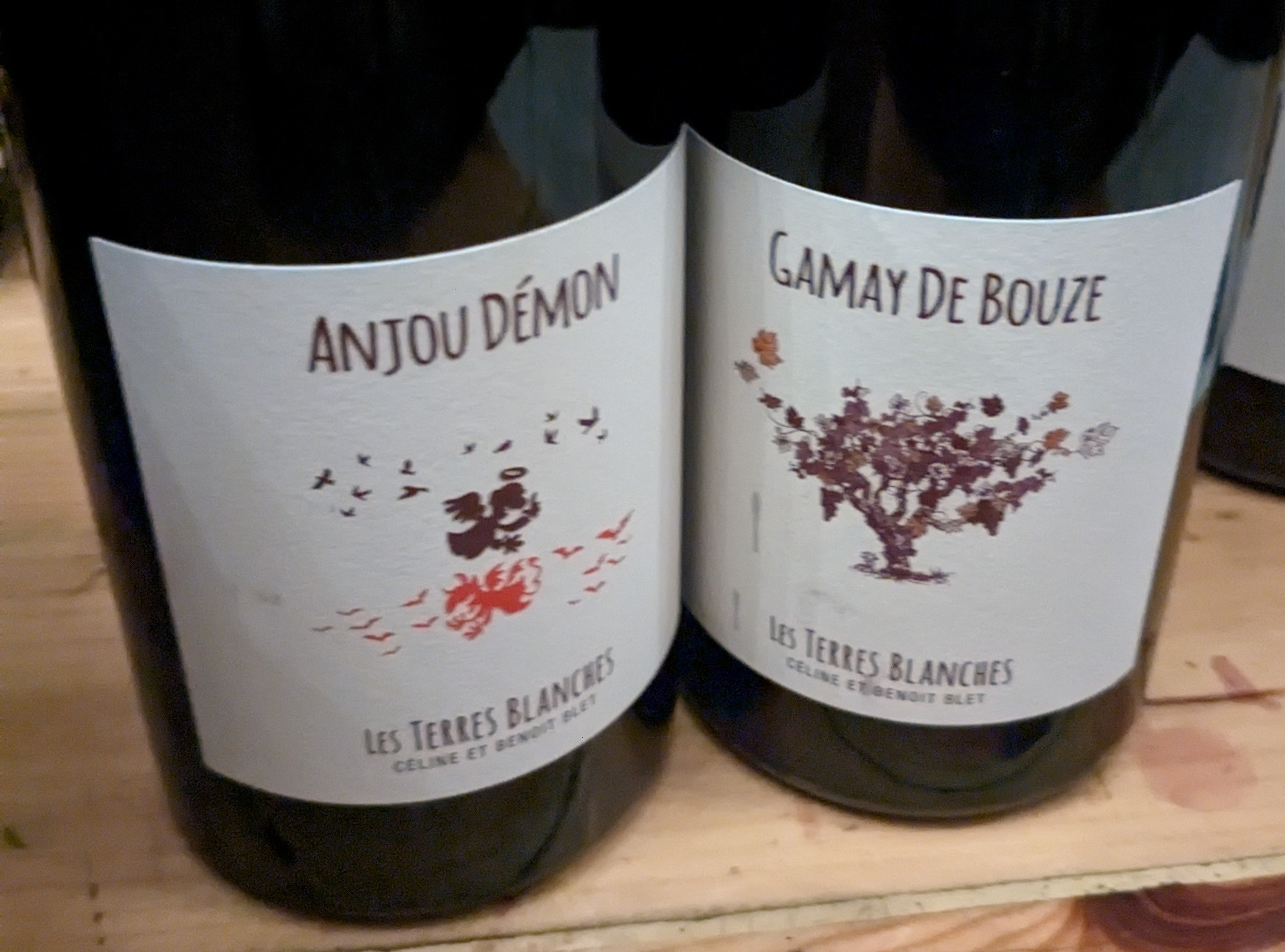
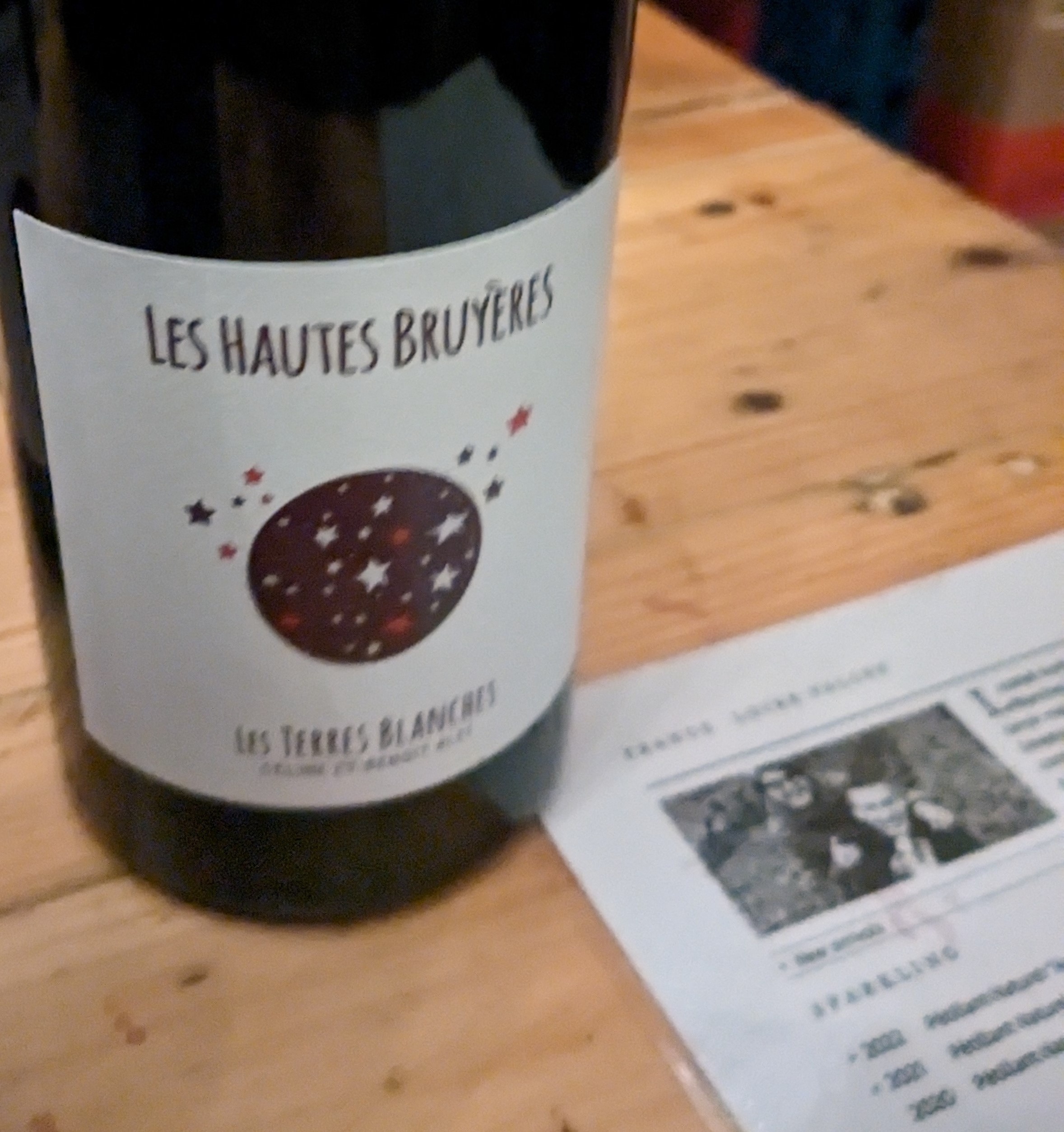
To the Loire (another region I am visiting soon). The Chenin Blanc of La Grange Tiphaine‘s Montlouis was very good but I particularly enjoyed the wines of Les Terres Blanches. The PetNat was persistent and very good, the Chenin Blanc ‘Les Trois Poiriers’ beautifully balanced between freshness, rich fruit and full of lingering apple and white fruit notes. The ‘Gamay de Bouze’ (a rare type of Gamay) had nice spice and crunchy red fruit. The two Cabernet Franc wines stunned me, I’ve not been a fan of the grape but the rich fruit and spice were lovely, ‘Les Hautes Bruyères’ 20 aged in barriques for 30 months was my wine of the day. How was that possible? Cabernet Franc, barriques – not me at all but….

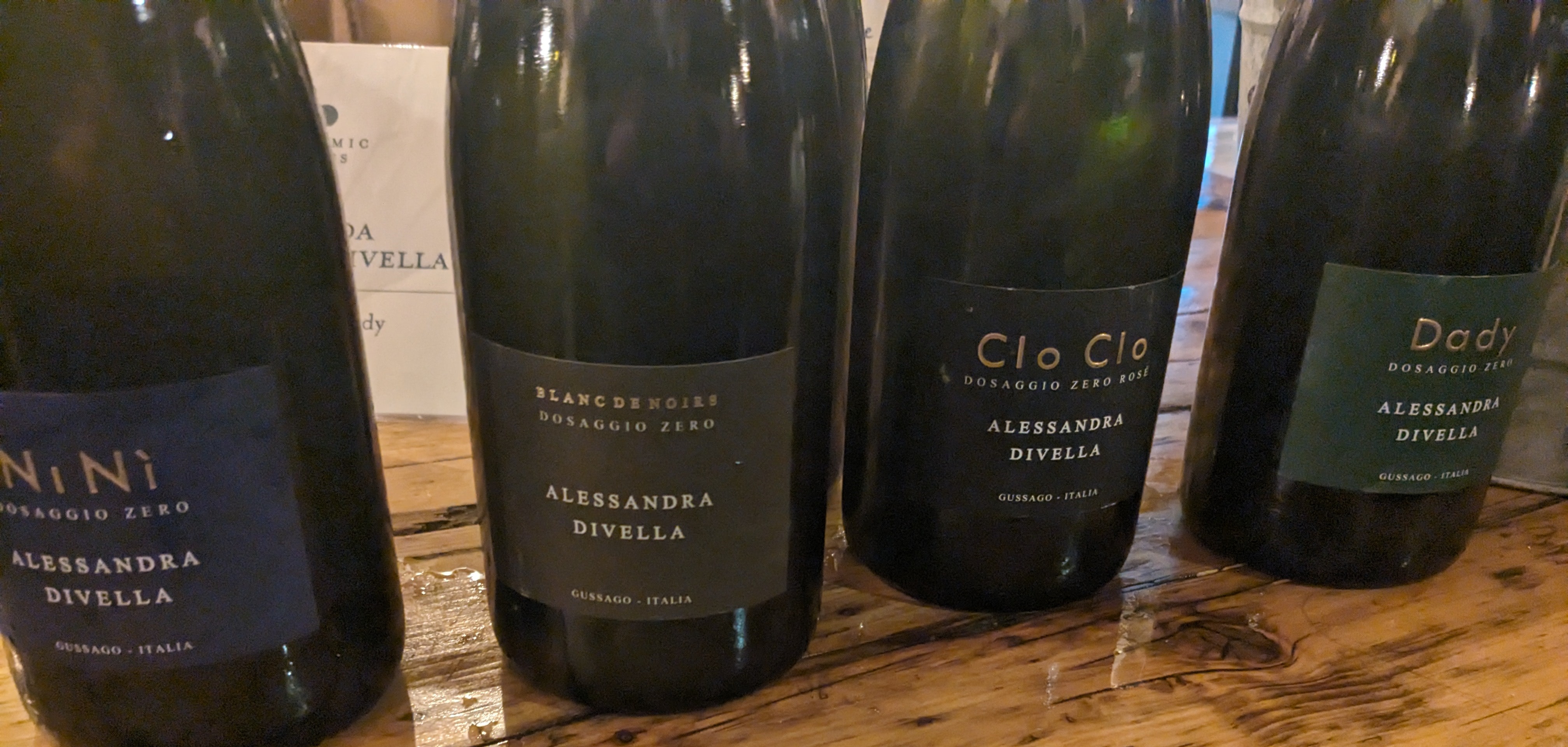
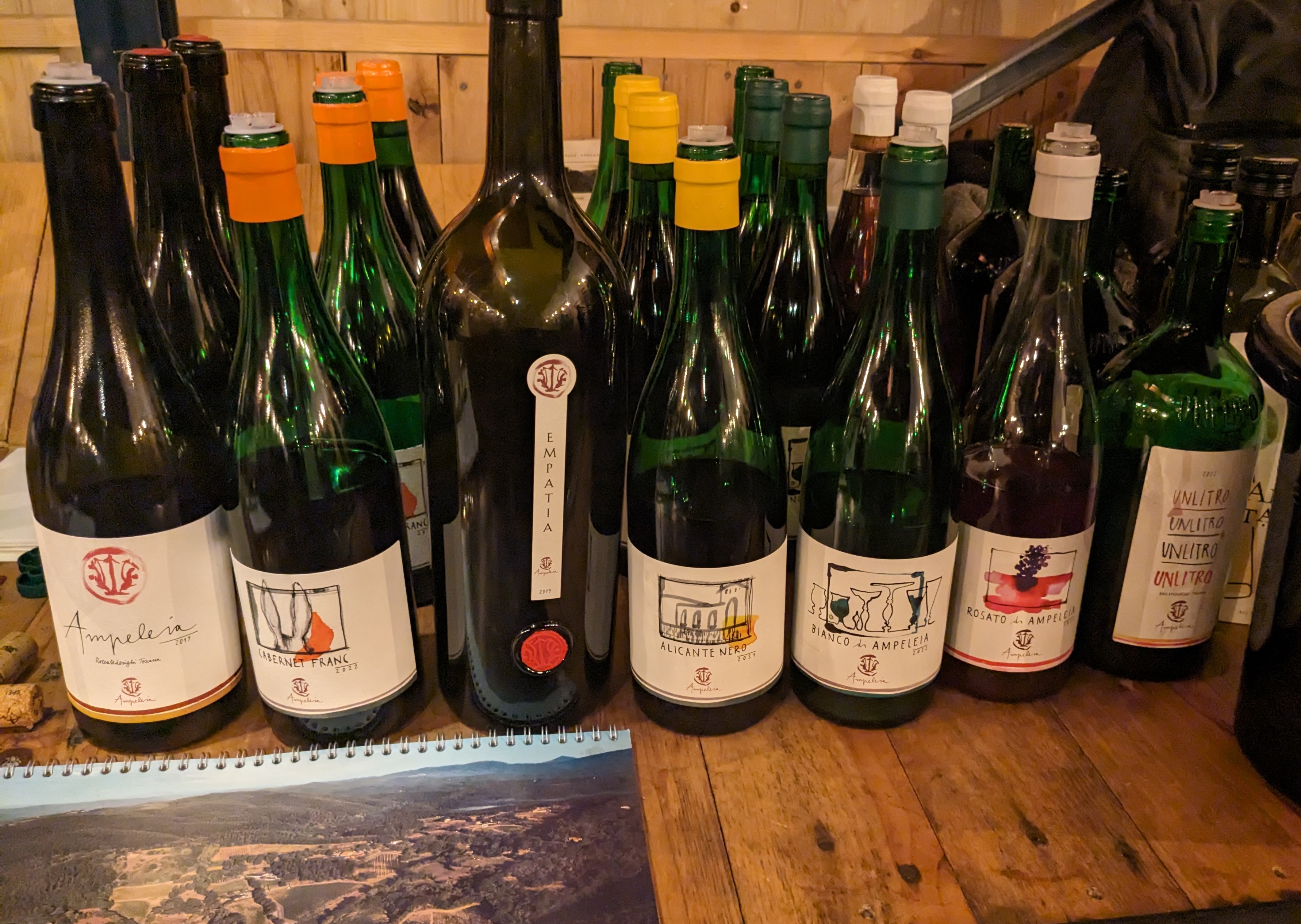
I had heard a lot about the Spumantes of AA Divella which are bringing Italian sparkling wines into the spotlight. Made in the champagne method and using Chardonnay and Pinot Noir they can easily stand comparison with the French region. Freshness, fruit and concentration abounded in all the wines the 2019 Blanc De Noirs in particular was aromatic and rich whilst fresh and clean – very well made. I also liked the wines of Tuscan estate Ampeleia as usual, best of all being the bottle of the same name, ‘Ampeleia 19’. Deep, rich fruits and freshness and made from….. Cabernet Franc. Again!

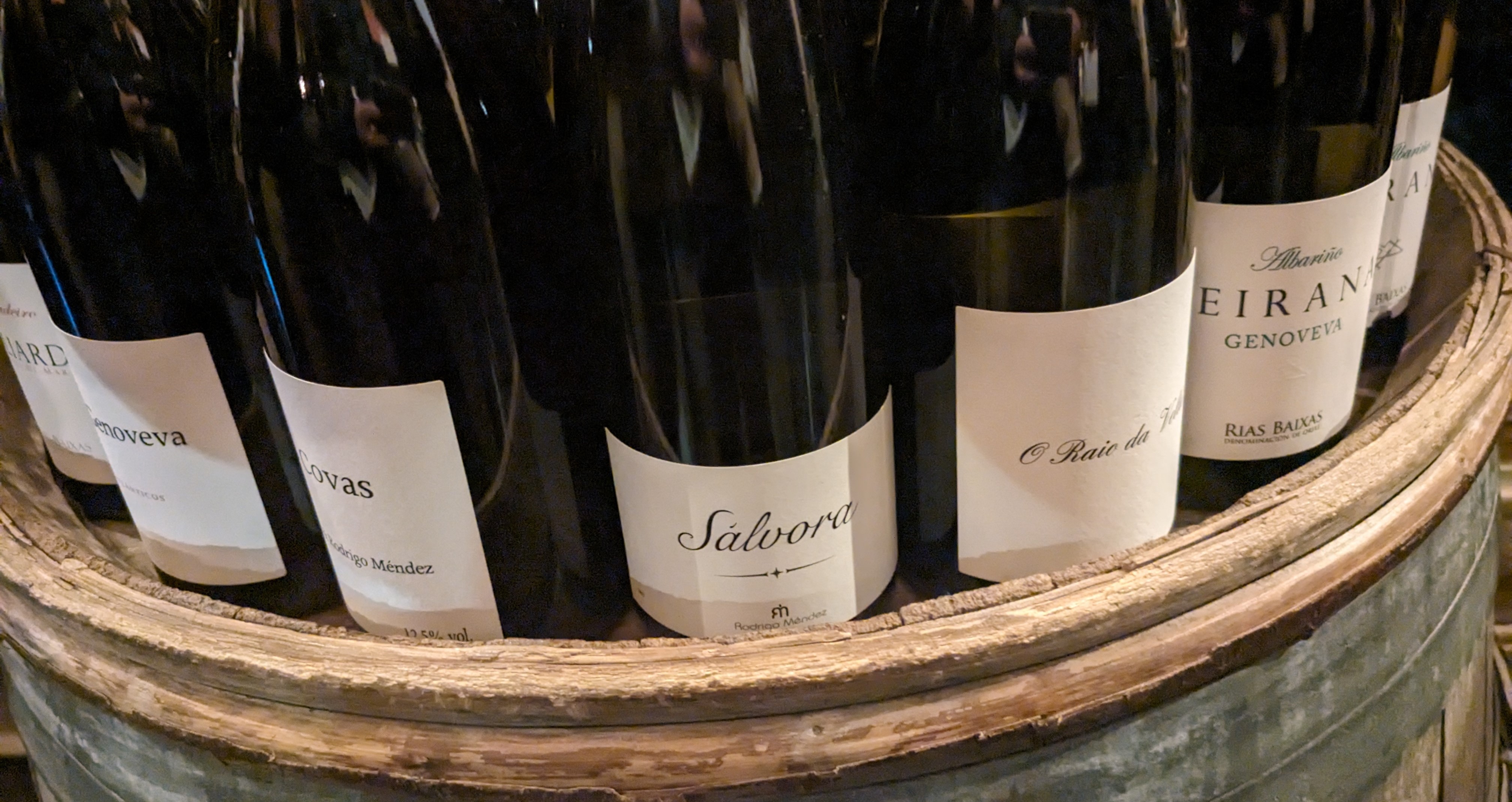
There were other Italian and Spanish wineries represented, unfortunately I couldn’t get round them all in time. However, I liked a lot the Albarino wines from both Forjas Del Salnes and Rodrigo Mendez, especially the Rias Baixas ‘Salvora 19’ of the latter made from 115 year old vines with incredible depth of both fruit and minerality – very intense yet pleasurable too. Finally, a Swiss producer La Maison Carrée, one of the few I have encountered. The ‘Auvernier Chasselas 22’ and ‘Auvernier Pinot Noir 21’ wines were very good, sadly the prices are high, rarity costs.

This was a gathering of some exceptional producers and some outstanding wines. I wish I had the time to explore other wineries and write about some of the other producers I did visit. However, these wines come with my full recommendation. Dynamic indeed.

Now, what is going on with this newfound appreciation of Cabernet Franc????


Leave a comment

Go Ouest

A few weeks ago I had a reply to one of the blog posts asking me if I had noticed that there were some Coutelou wines for sale in an online auction. I have never taken part in one before so it was news to me and I put in bids for the 3 lots which were for seven bottles of Ouest 2001 and three bottles of 7, Rue De La Pompe 2010. To my surprise, despite some competition I won all three lots and was happy to receive my bottles from Taversham’s though UPS managed to break one bottle of Rue De La Pompe en route.

I have had Ouest a few times in the past few years always at Jeff’s as I have never had any of my own before. One of the privileges of spending so much time alongside Jeff is that he shares so many bottles, from other producers as well as his own. I have learned a lot as a result. There are a few cuvées of Coutelou wines which are almost mythical, Roberta, the solera and Ouest is another.

The wine is 50% Merlot, 35% Cabernet Sauvignon and 15% Syrah. The Merlot and Cabernet were from vines planted by Jeff’s father Jean Claude in the 1990s (99 and 98 respectively) because those were the grapes in demand at that time. The Cabernet was part of the biggest vineyard Segrairals but has since been scrubbed up by Jeff to be replaced by more local and unusual grape varieties as is the case in so many of the vineyards now. The Syrah in here also came from Segrairals.

The Merlot remains for the time being in its own parcel, Le Colombié, quite a way from the other vineyards. It is a parcel Jeff has had under review, we shall see what he decides.

Back in 2011 Jancis Robinson described Ouest 2001 as having “amazing intensity and subtlety, and only 12.5% alcohol” and recommended it heartily as did some of her readers on her forum. So, almost ten years later would the wine still provide such pleasure? I opened the first bottle with a little trepidation especially as the cork began to crumble. Fortunately the lower half remained intact and the wine was decanted comfortably. It was still red but with a brick or brown edge. Aromas showed a surprising red fruit profile, amazingly youthful and fresh, followed by an earthy, damp leaves smell. The flavour was still intense and subtle, black olive and black fruits along with liquorice and spices.

This was a triumph, not just because it had survived so well but because it was still a very enjoyable, complex wine pleasing both the palate and the intellect. Go Ouest indeed!


2 Comments

After the 2017s, the Coutelou 2018s


IMG_1363

Just before leaving the Languedoc for hibernation in the UK I was invited by Jeff Coutelou to taste through this year’s wines. Most are now finishing both fermentations and starting to settle for the winter in cuve. They will change and develop over the next few months of course, they are living wines and still in their infancy. Consequently, these observations are preliminary but, after five years of similar tastings, I feel more confident about predicting which way the wines will go.

2018 has undoubtedly been a troubled year for Jeff and fellow Languedoc producers, in particular those who follow organic and biodynamic principles. The damage began with the long period of rain in Spring and the mildew outbreak which ensued. Mildew damaged the flowers, buds and young grapes. It damaged the leaves making it more difficult for the vines to produce the energy to feed those grapes. Jeff cannot recall a year of such blight. This was followed by a very hot, very dry summer making the vines suffer still further, compounding their difficulty in producing good sized fruit. Yields are down some 50-60% following on from 2017 when they were down 20%.

With all those problems could good wines be made?

We started with white wines. The white grapes from the 2015 Peilhan plantation have been blended with others from older vines in Peilhan such as Carignan Blanc, Maccabeu and Grenache Gris. The small quantity means this will be used for a barrel aged wine. It had finished fermentation and had good fruit with a liquorice streak and depth of flavour. Another batch of the Grenache Gris and Maccabeu was still in malolactic fermentation and cloudy with apples and a directness. Similarly the whites from La Garrigue were still fermenting but with great depth of flavour. There will only be small quantities of any Coutelou white wine, the last couple of years have not been kind to them.

P1040469

Onto the reds.

Grenache was the variety which was most affected by mildew, the vines were not pretty and yields were very small. Many of the bunches did not form, many which did suffered from coulure (where only a few berries form) or produced dried, dessicated fruit. The vendangeurs had to be very selective. So was it worth picking? The Grenache from La Garrigue tasted clean with good fruit and a nice acidity. The Grenache from Sainte Suzanne was worst hit of all. Jeff made the wine with only a couple of days on stems as the fruit was delicate. The wine is light as a result, juicy with red fruits, light but tasty.

Cinsault usually provides another light wine and this vintage was no exception. Despite that it was very fruity on the nose and on the finish, a surprising depth of flavour. For rosé, 5SO or both? Jeff will decide as the wine develops.

The tank which will make Flower Power 2018 has a bewildering mix of grapes, from the Flower Power vineyard itself, Rome, some Syrah from Segrairals and the reds from the 2015 Peilhan plantation, eg Morastel and Riveyrenc Noir. There was a lot of mouth feel in the wine, with tannin and substance and a concentration of dark fruits.

Cabernet Sauvignon from the last picking has produced a real glouglou wine, light and juicy. It will bring a fruity freshness to any wine it is used for.

Carignan was one grape which resisted mildew for a long time. This is the parcel producing Flambadou, one of the flagship Coutelou wines. Once again it has produced a high quality wine. Lighter in alcohol than usual yet managing to produce a full, ripe and fresh wine whose flavours lingered long after swallowing it. I look forward to this one a lot.

Carignan 2

Carignan grapes

Perhaps the biggest surprise was the Mourvèdre. It has made good wines before, try the 2015 or 2016 for example. However it could be a real star this year. There was a great depth and freshness with dark fruit flavours made to feel lighter by light acidity leading to an almost saline finish. It would be almost drinkable now but will keep for many years and develop beautifully, I am sure of that.

Syrah from Sainte Suzanne was made using grappe entire or whole bunch. Around 14% abv it has a clean acidity with red fruits and soft tannins (from the stems?) which will support a good wine. The Syrah from Segrairals was quite different, the place and destemming produced a more upfront fruity wine with a clean, dry finish.

And, of course, there was the Syrah from La Garrigue, home of my favourite wine La Vigne Haute. Amazingly, in such a horrible year, the quality of these grapes was excellent. Only made in very good years and yet, hopefully, there will be a 2018 La Vigne Haute. The wine has great character already, freshness, fruit, long flavours supported with lovely tannins which will help the wine to age well. Exciting.

So, out of the ashes rises the phoenix, very good wines despite the vintage. The resilience and quality of the vineyards and vines as well as the winemaking skills of Jeff Coutelou.


Leave a comment

One More Time

En francais

“They think it’s all over, it is now,” were the famous words of commentator Kenneth Wolstenholme when England scored their fourth goal to win the World Cup of 1966. Well to mix metaphors one more time, Jeff decided it was time to get the band back together after we had thought the vendanges were completed.

P1040481

Not again! I’m sleeping

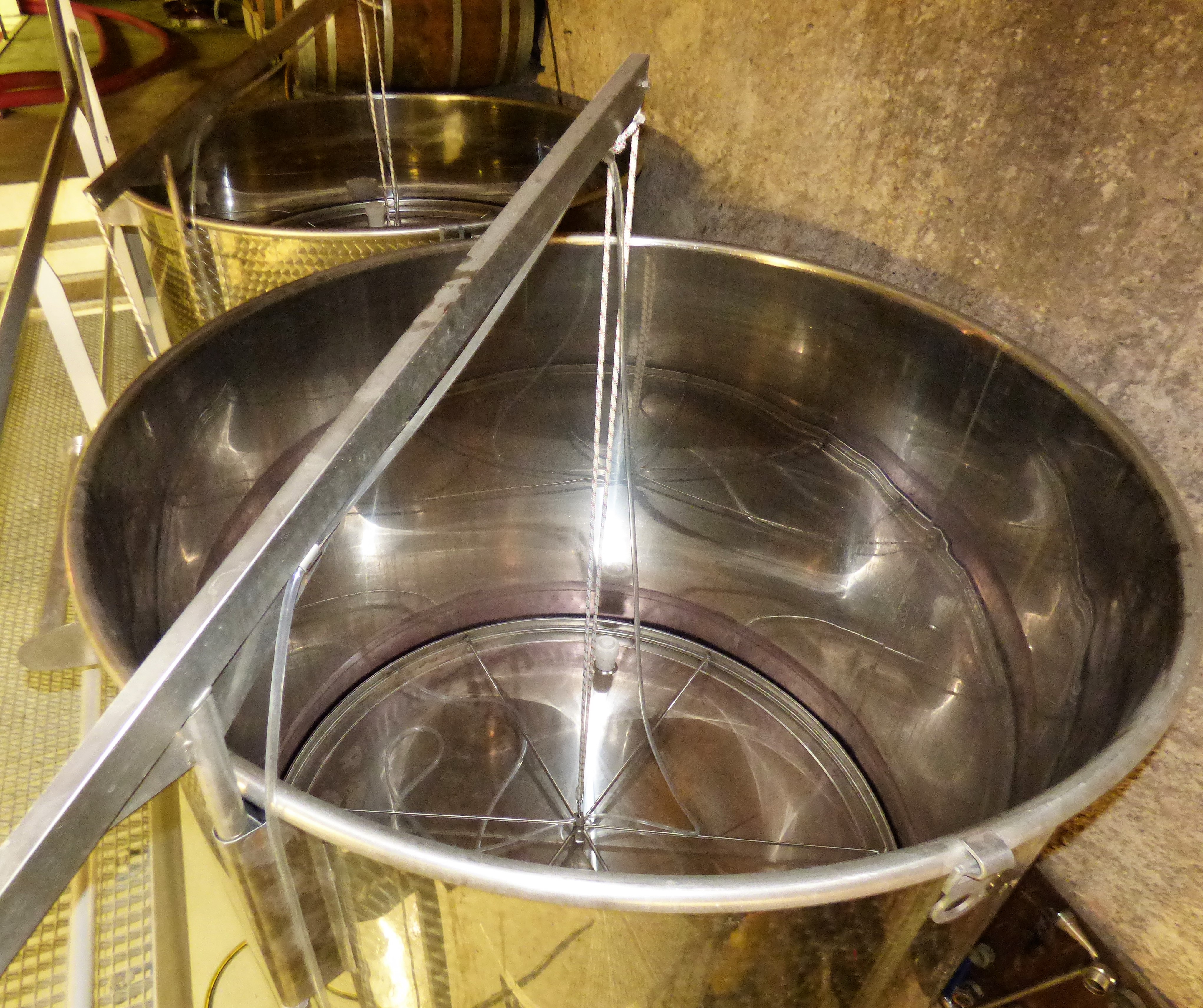
There remained a parcel of Cabernet Sauvignon that Jeff thought not to be worth collecting but the last couple of weeks they had ripened a bit more and there was enough to warrant one last pick on Tuesday 2nd October. The pickings were meagre, it took 7 or 8 pickers up to two hours to fill the 16 cases which are brought back to the cellar to be sorted again and then put in tank. Aching muscles and stuttering machinery protested a little at the reprise but the stainless steel tank in the photo was just about half filled by the end of the day. The grapes themselves were very good, Cabernet always gives small berries but they were healthy.

The juice went to Thierry for analysis as usual. A solid 14% potential alcohol, though lacking a little acidity. It tastes juicy and clean and I am sure will be used either for blending or in the spirits made for the Coutelou range.

Analyses old and new taking place

We went on to taste more of the tanks and the results are promising. The Syrah of La Garrigue is undoubtedly the star (even allowing for my bias towards this perennial favourite), the Carignan, Flower Power also very good. Perhaps the biggest surprise was a very long, fruity Grenache – the grape which had suffered most from this year’s dreadful mildew. Grapes are very hardy it would seem, helped by a skilful winemaker of course. That will not make up for the loss in yields this year, 50% would appear to be the figure. Sadly this might well bring price rises. We had another caviste at the cellar wanting to buy wine that day, the latest in a long line through the vendanges. Sadly, there is not enough to satisfy existing customers’ demand let alone new outlets.

P1040485

A lot more smaller tanks have been needed this year, a sign of low yields

it was good to have a day together again, the financial cost of picking was undoubtedly higher than usual but there is more wine in tank and hopefully that will offset some of this year’s hardships.

Traditional end of vendanges, the boss does some cleaning of the cases

and the workers are crowned with vines


1 Comment

Vendanges 2018 – Part 4

Monday 10th to Friday 14th

P1040334

Cuves containing new wine including, potentially, La Vigne Haute. Note how the near one is far from full, this is 2018!

A hectic and busy week, including 12 hour days. The picking team had reduced in number therefore Jeff Coutelou had to make the time work to best advantage. Grenache Gris was amongst grapes picked on Monday to head towards rosé and other cuvées. The main focus though was the Carignan of Flambadou, the flagship of the domaine for the last few years. It may well be joined in cuve by the small, juicy berries of that rare Cépage, Castets.

Cabernet Sauvignon followed on Tuesday and Wednesday with more Syrah and Cinsault from different parts of the vineyards. Mourvèdre was the last big block of vines to be tackled and took a very full day on Thursday to pick. This parcel in Segrairals has varied topography, the lower parts become a little damp and are more prone to rot. It is important for Michel to convey not just the grapes but also the location of the grapes picked so that triage is made more efficient.

Top left – Carignan, top right – Castets, below Grenache Gris

By now Jeff was concerned that some of the vines were becoming so stressed by all the issues this year, mildew above all, that they were struggling to ripen the grapes. In order to ensure the health of the vines for next year it was no longer worth pushing them that little bit further so that next year would be compromised. Vines are fragile, living things which need to be looked after, Jeff nurtures them carefully.

Whilst picking was in full swing and cases were stacked up for sorting there was plenty of activity in the cellar. Wines in cuve or tank need treating carefully too, ensuring the juice ferments into wine with nothing added to it requires the vigneron makes good decisions about, for example, levels of acidity and alcohol, exposure to air and skins. I shall be coming back to this in the next post in a couple of days time.

And, after all that work, it is all too tiring for some of us!


4 Comments

On higher ground

20180623_142310

En francais

The last article described the ongoing problems in the Languedoc with mildew spoiling vines and grapes. Last Saturday Jeff  invited me over to try and beat the blues a little. Steve from Besançon was staying with Jeff for a week to learn a bit more about being a vigneron. They had opened a bottle of La Vigne Haute 2013 on the previous evening and Jeff invited me over to try the last glass from the bottle.

When I arrived on the Saturday morning Jeff was spraying the Flower Power vineyard, Font D’Oulette. When he had finished we returned to his house and I had the remaining 2013, delicious it was too, still youthful but starting to add tertiary notes to the fruit. Jeff decided to open the 2010 to show how age helps La Vigne Haute to reveal its quality and depth; fruit, spice and leathery complexity. A bottle demonstrating perfectly why La Vigne Haute is my favourite wine of all. However, that was not the end. From his personal cellar emerged a 2001 LVH with no label. Still vibrant with fruit singing and yet more complexity of spice, classic black pepper notes. Simply excellent.

20180623_144031

So, was that the end? Not at all.  More Syrah from older vintages, 1998, 1997 and 1993. Each was still alive with black fruit and those spicy notes. The 91 was Jeff’s first solo bottling, a real privilege to taste it. He had added, all those years ago, a total of 5mg of SO2, pretty much absorbed now, and would certainly qualify as natural wine from a time when it was virtually unknown. A treasure trove of history as well as further proof of how well these wines do mature, there were no off notes at all.  Indeed, they were delicious.

A 1999 Cabernet Sauvignon showed the quality of that grape from the region and how well it aged. There were still currant flavours, violets and more spice. A fresh acidity cleansed the palate. I hadn’t known what to expect, I was bowled over.

20180623_164742

Legendary Roberta

And to finish the 5 hour lunch a bottle of Roberta, the 2003 white wine made from all three Grenache grapes, one of Jeff’s first no added sulphite wines, aged in a special barrel which gives the wine its name. It is a treat I have tasted on a handful of special occasions, its nutty, round fruit was a perfect ending to a special day. Whatever 2018 brings this was a reminder of the special Coutelou wines.

20180623_144014


4 Comments

Tasting the 2017s

Vigne Haute

Version francaise

Last weekend I should have been in the Languedoc with Jeff and attending a wine tasting at Latour De France. Sadly, a 48 hour bug put a stop to that.

Instead I reflected on a tasting we did at Jeff’s on October 3rd of all the 2017 wines in cuve. Regular readers will recall that they vintage is of high quality but low quantity. Quantities will be in short supply of what will be seriously good wines. There was a tinge of sadness about that as we tasted through the range.

1

These were my notes on the evening.

  • Maccabeu / Grenache Gris – still some residual sugar. Fresh nose, Fruity, pears. Slight sweetness which will disappear. Clean and lovely.
  • Sauvignon Blanc – fresh apple, bright and zesty. A true Sauvignon character, refreshing.
  • Carignan Blanc – lovely, full, clean, direct – fresh and fruity. Very good.
  • Rosé – very pale, flowery aroma, fresh and clean, exactly what you’d want from a rosé.
  • Syrah (Ste Suzanne) – whole bunch, red fruit, round tannins, good finish, full, very good.
  • Cinsault – lovely, fresh and juicy red fruit, cherry, 13,5% but tastes lighter. Good.
  • Syrah (Segrairals) – amazing passion fruit nose which carries into taste. Fresh, citrus and lovely red fruit, a real star.
  • Syrah (La Garrigue) – La Vigne Haute (fingers crossed). Terrific, direct full tannnins, splendid fruit, full, long – stunner.
  • Flower Power – Maccabeu, Syrah (St Suz), Grenache (St Suz), Grenache Gris, Cinsault, Terret Noir and Flower Power – Despite the different assemblage this has the character of previous Flower Power – fruity, silky tannin and very appealing. Lovely.
  • Grenache – blend of Ste Suzanne / La Garrigue – 2015 St Suz provided 80hl, this year the 2 vineyards made 60hl. Lovely, fresh cherry flavours with a spicy finish.
  • Mourvėdre – crunchy, spicy good tannins and dark fruits. Very true to the grape. Good.
  • Carignan – top of the class. Lovely fresh red and black fruits, excellent balance of freshness and complexity. Star yet again.
  • Merlot – lovely fruit nose, fresh, touch of wildness which should settle. Nice.
  • Cabernet Sauvignon – still some sugar, plenty of fruit, easy to drink with classic blackcurrant notes.

We went on to drink a couple of the 2016 wines which were still in cuve, a very floral and spicy Syrah and an assemblage of Grenache, Syrah and Mourvèdre which had good fruits with a soft tannin finish.

Reflections on the evening? The quality of 2017 is clear it is up there with the 2015s, just such a shame that fewer people will get to drink them. The whites are very good but the reds shine especially the future La Vigne Haute and Flambadou. The wines had all fermented beautifully causing few worries. A vintage to cherish, can’t wait until it is in bottle.


Leave a comment

Vendanges 17 – the finishing line

P1030053

Version francaise

I started my coverage of the 2017 vendanges with racing terminology and, so, I finish in the same way.

It’s definitely over. Vendanges 2017 with all its quality, with so little quantity.

On September 27th the final press of the grapes was completed. It was the turn of the Cabernet Sauvignon, two weeks after picking. The skins, pips and other solids had done their work in giving up flavour, colour, tannins and so much more. The yeasts had started their work of fermentation. Now it was time to press before that grape must started to be problematic rather than beneficial.

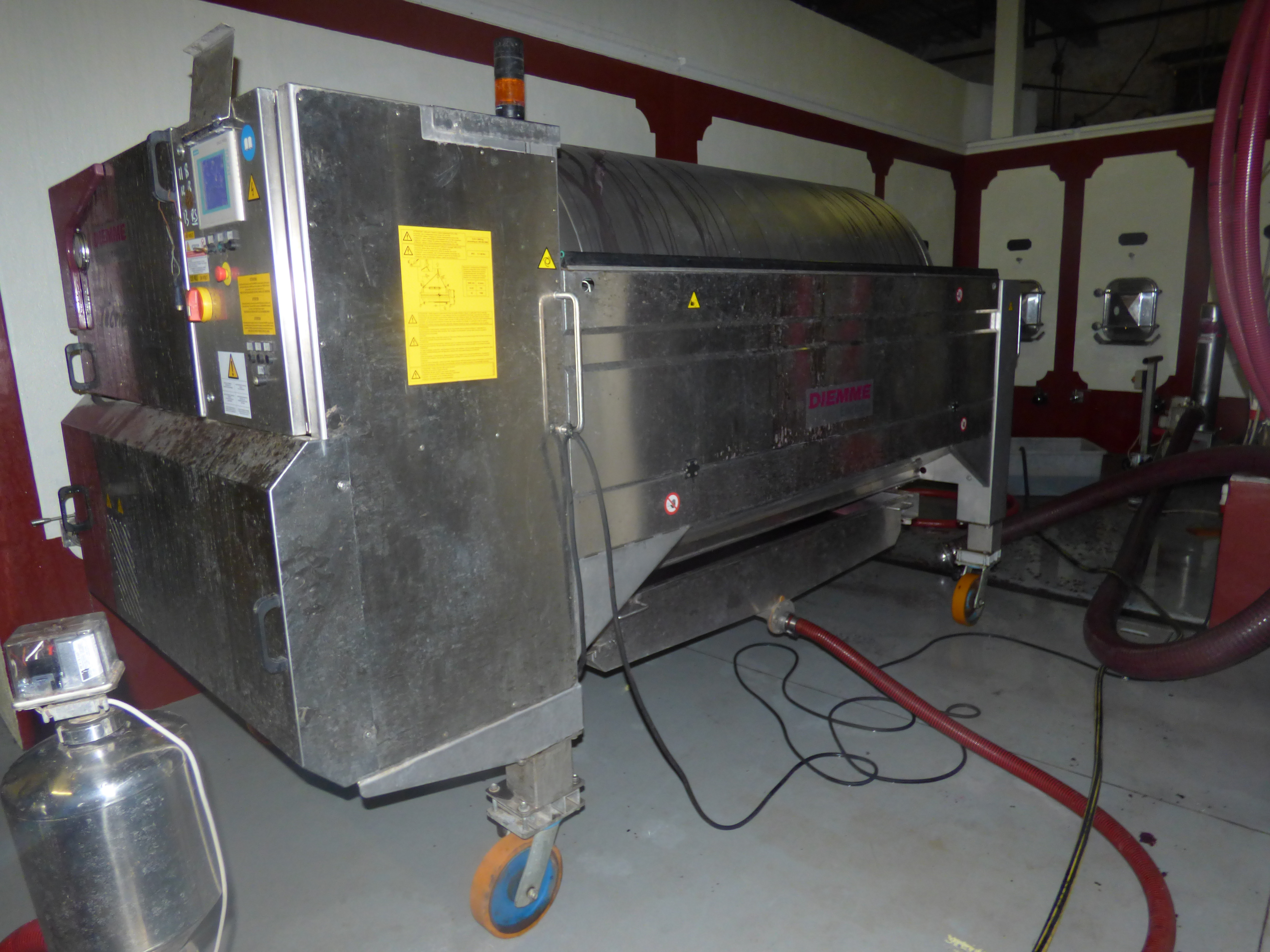
The must was pumped from the cuve by the powerful pompe à marc directly into the press. Julien ensured that the press was filled in all corners and then the press began. It inflates a membrane inside which gently presses the must to extract the juice without releasing the more bitter, astringent tannins left in the skins and pips.

20170927_101542

Sediment after the must has gone to press

The grape variety (cépage) will determine the amount of pressure applied, Cabernet has small berries and thicker skins so needs a little more pressure than juicier, thinner skinned Cinsault for example.

Error
This video doesn’t exist


The juice flows and is sent to another cuve to continue its fermentation, then its malolactic fermentation (which removes the more acid flavours). Indeed the analyses of the 2017 wines show that fermentations have gone through quickly, without fuss or problem. There is no sign of volatility or any other problem, the wines look on course to be as high quality as the grapes themselves. Which, of course, is the goal. Jeff believes in letting the grapes express themselves with as little intervention as possible. This year interventions are minimal, the grapes have done the work.

P1030021

Sadly, the quantities do not reflect the quality and that will bring a financial blow to the domaine and to virtually all domaines in the region. When you are asked to pay a few euros for a bottle of 2017 Mas Coutelou, I hope that you will recall all the work which I have described, the stresses and strains, the love and care which has gone into that bottle and you will consider it money well spent.