amarchinthevines

Learning about wine, vines and vignerons whilst living in the Languedoc


Leave a comment

Mas Coutelou 2014

IMG_0620

‘Proof’ that drinking Mas Coutelou wines is good for you
en francais

IMG_0612

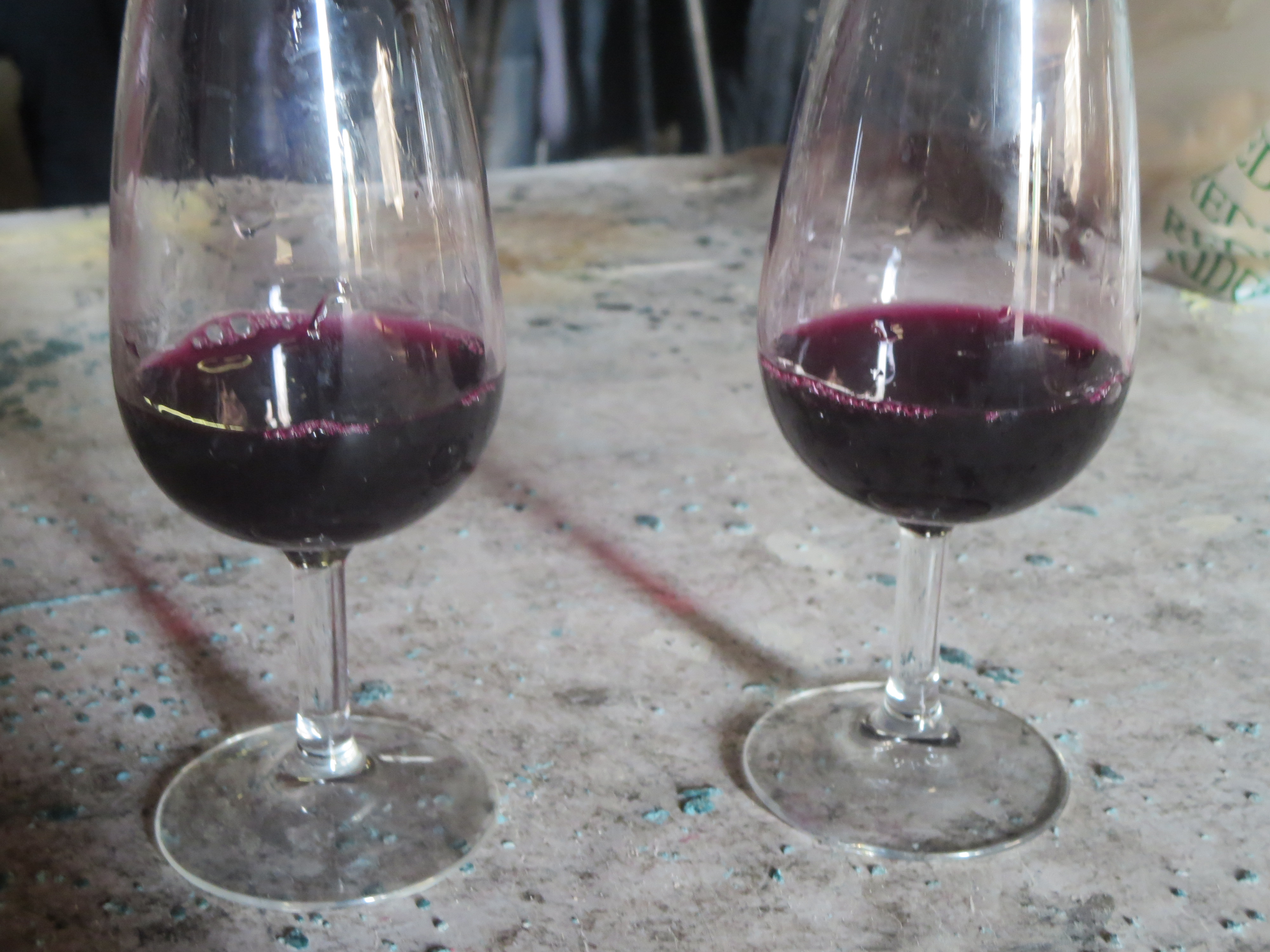
The assemblage for the 2014 wines is well under way, the wines are settling in tank for some of the well known cuvées such as Classe and Vin Des Amis. (Above are glasses of richly coloured Vin Des Amis). Both are delicious already and in the few days since I first tasted them they have shown development as they marry together. The fruit and freshness which characterise Mas Coutelou wines are evident and there is a marked concentration which shows that the wines will mature well.

Jeff has published his vintage report for 2014. Winter, spring and early summer were exceptionally dry (less than 150mm or 6 inches of rain in the 9 months to the end of June) and at that moment Jeff was far from sure that he would be able to harvest any grapes. Some relief came from a summer which was not too hot and peppered by storms. However, the vines had to dig deep into their reserves of energy in order to produce grapes. Troubles continued with some storms towards the end of harvest time and then the Marin wind with their warmth and high pressure meant that through the autumn and into December the wines in tank were not able to truly rest. It was a difficult year in short, a reminder that nature rules the life of the vigneron. Indeed some local producers have seen their crops virtually wiped out by hail and mildew so the wines that Jeff has produced are to be even more cherished.

Nevertheless there are some drawbacks. The harvest was smaller especially for Syrah, (down by 40%), Carignan and Mourvedre. Syrah is a major part of many Coutelou wines so Jeff has had to improvise and make the most of what he has. The lack of Mourvedre may mean that one of his popular wines ‘Sauvé De La Citerne’ will not be made. In addition the effort made by the vines means that they would benefit from a rest and yet this winter (thus far) has been so mild that they are starting to show signs of producing buds even in January (débourrement) Instead of resting they are starting to work hard already.

The wines I tasted from tank are marked by concentration and minerality. The vines had to push deep into the soil for water in the arid early part of 2014 so they have drawn up minerals from the soil’s depths. The mineral flavours are evident when drinking. A difficult vintage has produced some highly promising wines but in smaller quantity, so guard what you already have and appreciate the quality of the new wines.

Two wines to note.

PM, the rosé,  is already gorgeous, full of fruit and perfume yet dry and absolutely delicious. At only 11% alcohol it is a wine to drink and enjoy.

A new wine made from old Cinsault, Aramon, Oeillade and Muscate. Tasted from tank this was already sensational, a red wine with grapey, perfumed scents and deep, concentrated red fruits. Can’t wait to see how this develops.

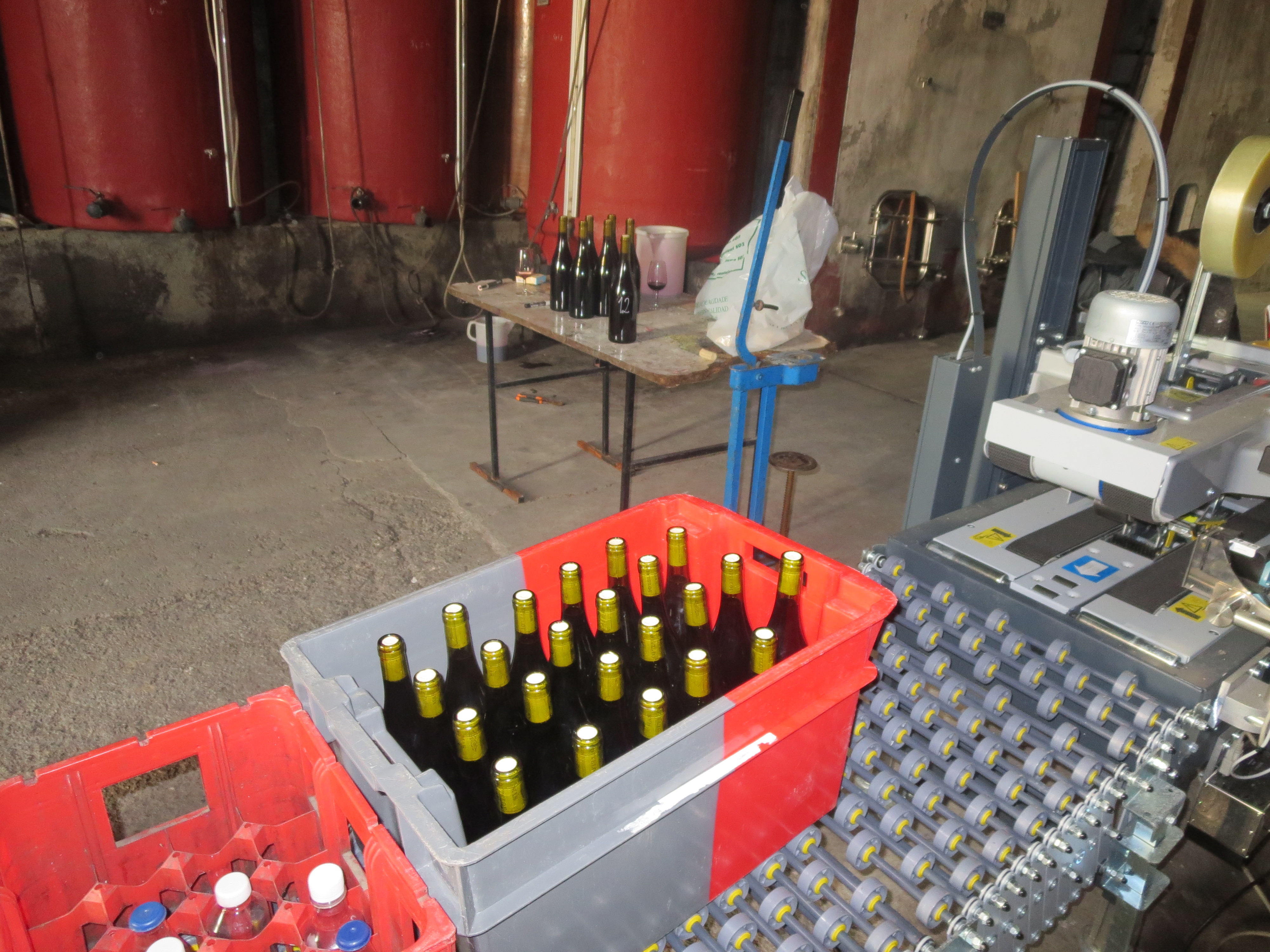
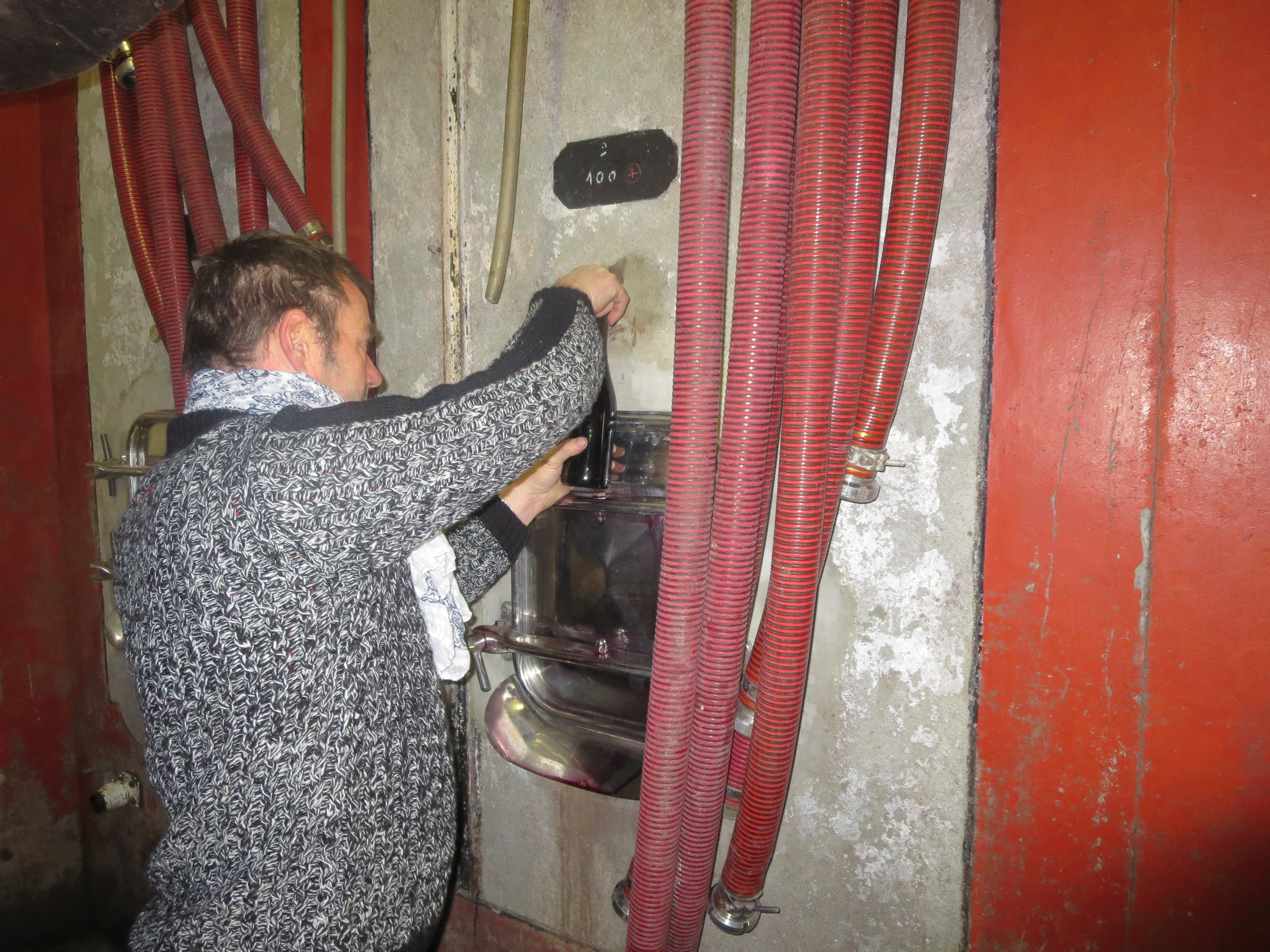
Jeff will be showing some of these new wines at a couple of tastings in the next 10 days, in Montpellier and the Loire. Today Jeff put the bottles together for those tastings, including some corking by hand. Nothing was easy about 2014!!
IMG_0616

Taking Classe from tank

IMG_0613

IMG_0617

Bottles prepared


1 Comment

Attention les Rugbymen!!

(Version française)

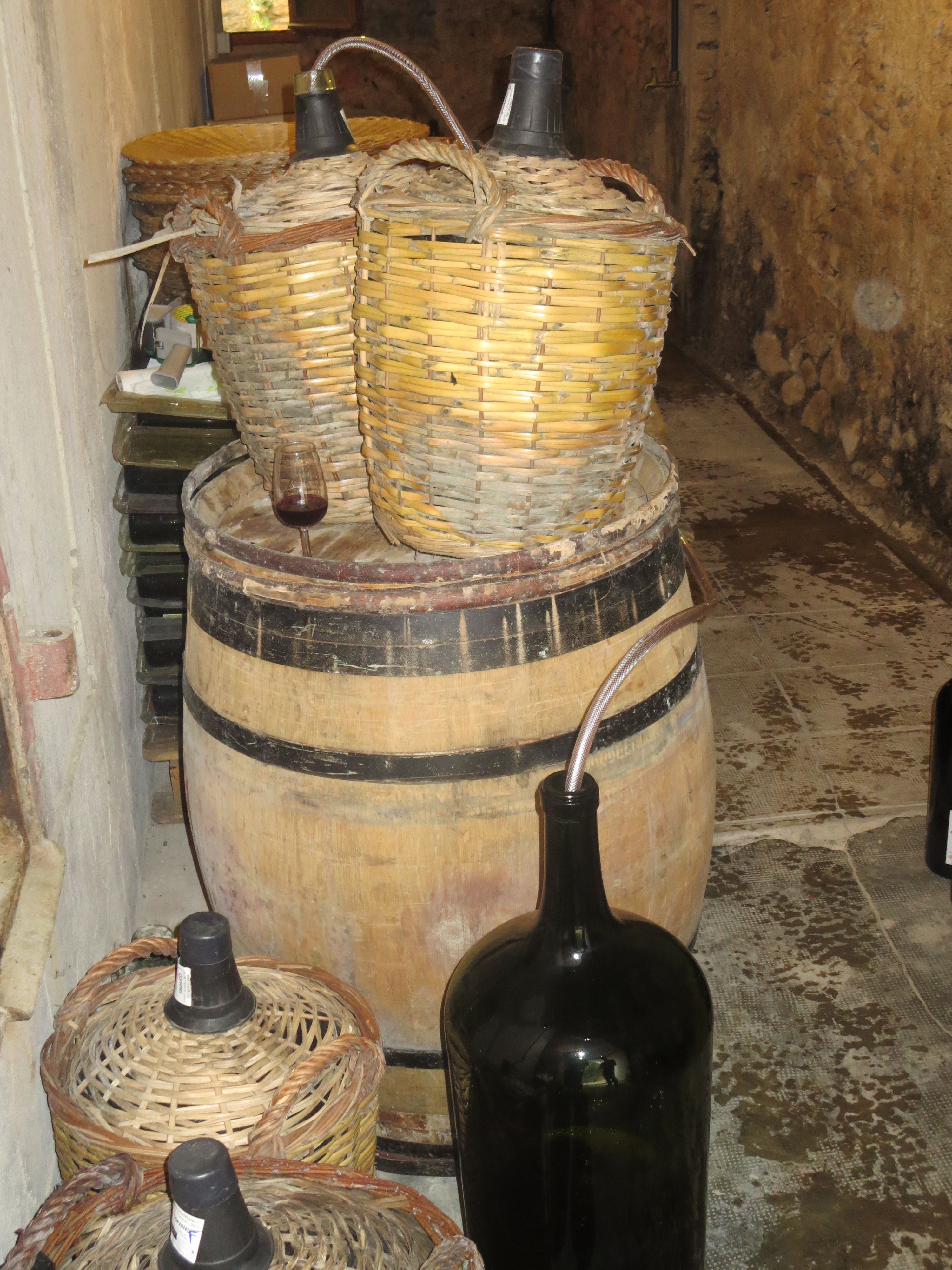
The Grenache you harvested and pressed has been added to large 26 litre bottles and is beginning its journey towards maturity and drinking.

Moving from bonbonnes to bottles

Moving from bonbonnes to bottles

Yesterday was a superb day to be at Mas Coutelou.

It started fairly routinely by continuing habillage, preparing bottles for sending to merchants around the world. But then Jeff took me out into the vineyards to meet up with Michel who was already out there. He was in a vineyard of young vines, including some of the almost forgotten variety Aramon Noir as well as other cépages. There is a mix of ages too with vines from this year and the last two or three years. Michel, and then Jeff, were checking each vine to check on their health and progress since they were grafted. If the graft had not taken then they will be replaced later. If everything was looking good then stakes were added to support the young vines in their growth. As it was a lovely, warm and sunny day it was good to be out in the open air.

Michel has checked that this vine is healthy and will add a wooden stake

Michel has checked that this vine is healthy and will add a wooden stake

Jeff and Icare get to work

Jeff and Icare get to work

The weather has been remarkably mild and the vineyards were full of unusual sights for mid November such as flowering roses, wild leeks and wild rocket.

IMG_0474 IMG_0476


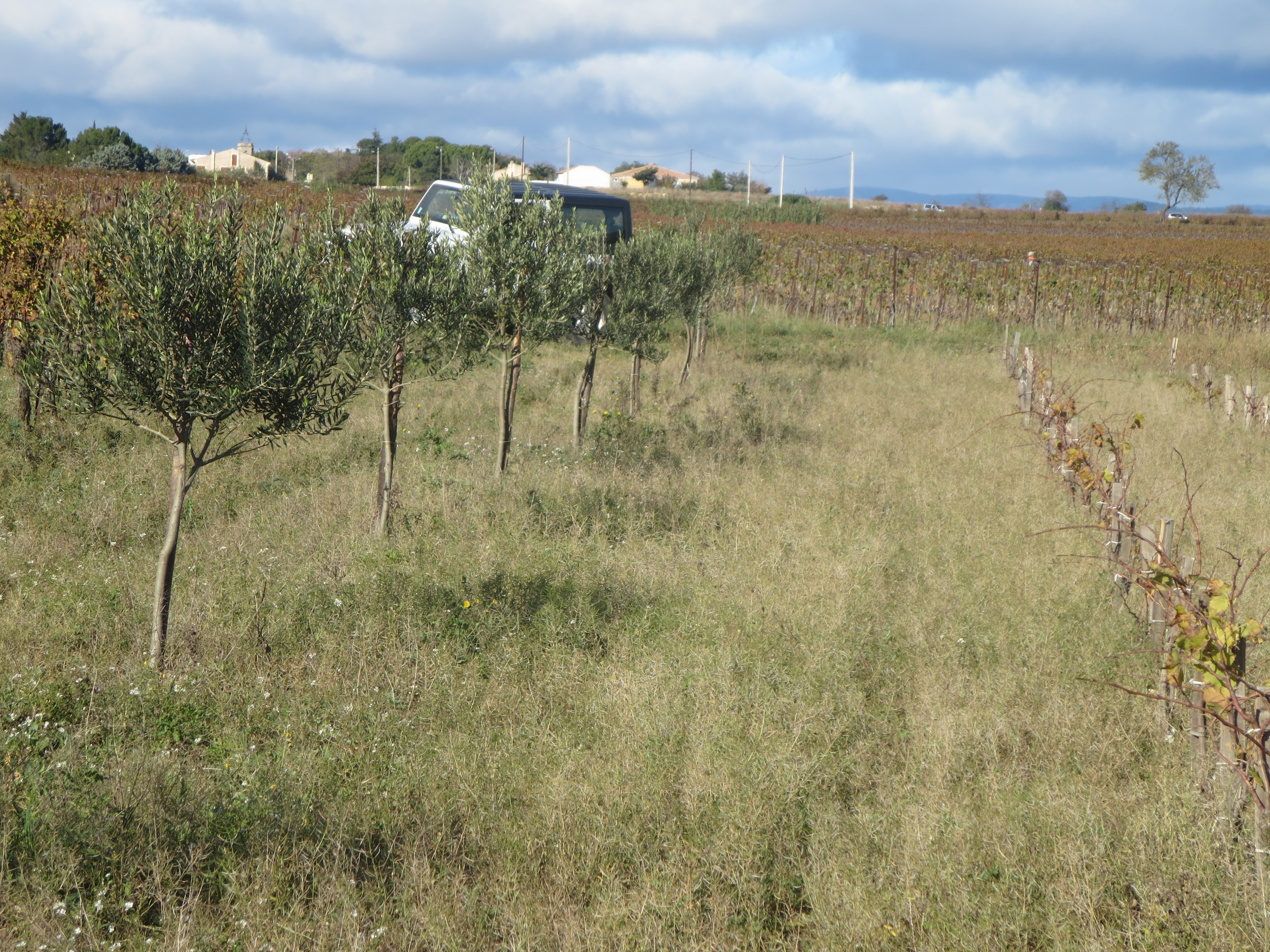
It was interesting to note the differences between two neighbouring vineyards. Jeff’s has vines living in soil which supports wildlife and olive trees for diversity. A neighbour’s vineyards show clean soils with neat rows of vines. How are they so clean? Fertilisers and chemicals. Here are obvious differences in ideas about wine and agriculture in general. Personally I am becoming ever more convinced that organic, minimal intervention is the way to healthy and tasty wines but others will disagree.

IMG_0469

Biodiversity


A regiment of vines

A regiment of vines


After lunch Jeff decided it was time to put into bottles the Grenache harvested in late September by the Rugbymen and ourselves. The wine had been placed in a series of bonbonnes after pressing and we tasted each one to look for the best assemblages, eg bonbonnes B and E had a sweeter edge so were mixed together in a large 26 litre bottle. The bottles were enormous and 8 were filled with the Grenache.

Michel tasting the Grenache as we agree on best assemblages

Michel tasting the Grenache as we agree on best assemblages


Bottles, sample bottles and emptied bonbonnes

Bottles, sample bottles and emptied bonbonnes


As the work finished for the afternoon we were joined by Jeff’s niece Flora, a talented photographer. Jeff opened some Vieux Grenache as he checked on the progress of some new small barrels used in a new solera system to supplement the older more established one. Some bottles from 20, 30 and even 40 years ago were sampled and were truly delicious, rich with layers and layers of different flavours and varying from dry to sweet. Finally he took a sample of a very special bottle, Sélection Des Grains Nobles 2012 made with Grenache Noir. Apparently some of the Grenache was affected by noble rot that year and Jeff and Michel spent a whole day doing triage to ensure only the right grapes were selected. The result even after two years is astonishing. My mind was truly blown. How to describe something so stunning, ethereal and rewarding? One of the very best wines I have tasted and a fitting climax to a truly memorable day which was full of sunshine, teamwork and friendship.

Icare in control again

Icare in control again