To start the year I have added a new page to this blog, Wine Of The Week. You will find the link at the top of the home page and as its title suggests I shall be highlighting one wine every week which has caught my attention during those seven days. I am posting the first entry on this page to kick start it, however it will be a freestanding hereafter so please click the link and read it in future weeks.
Week 1
Each week I shall select a wine which has captured my attention for good or bad.
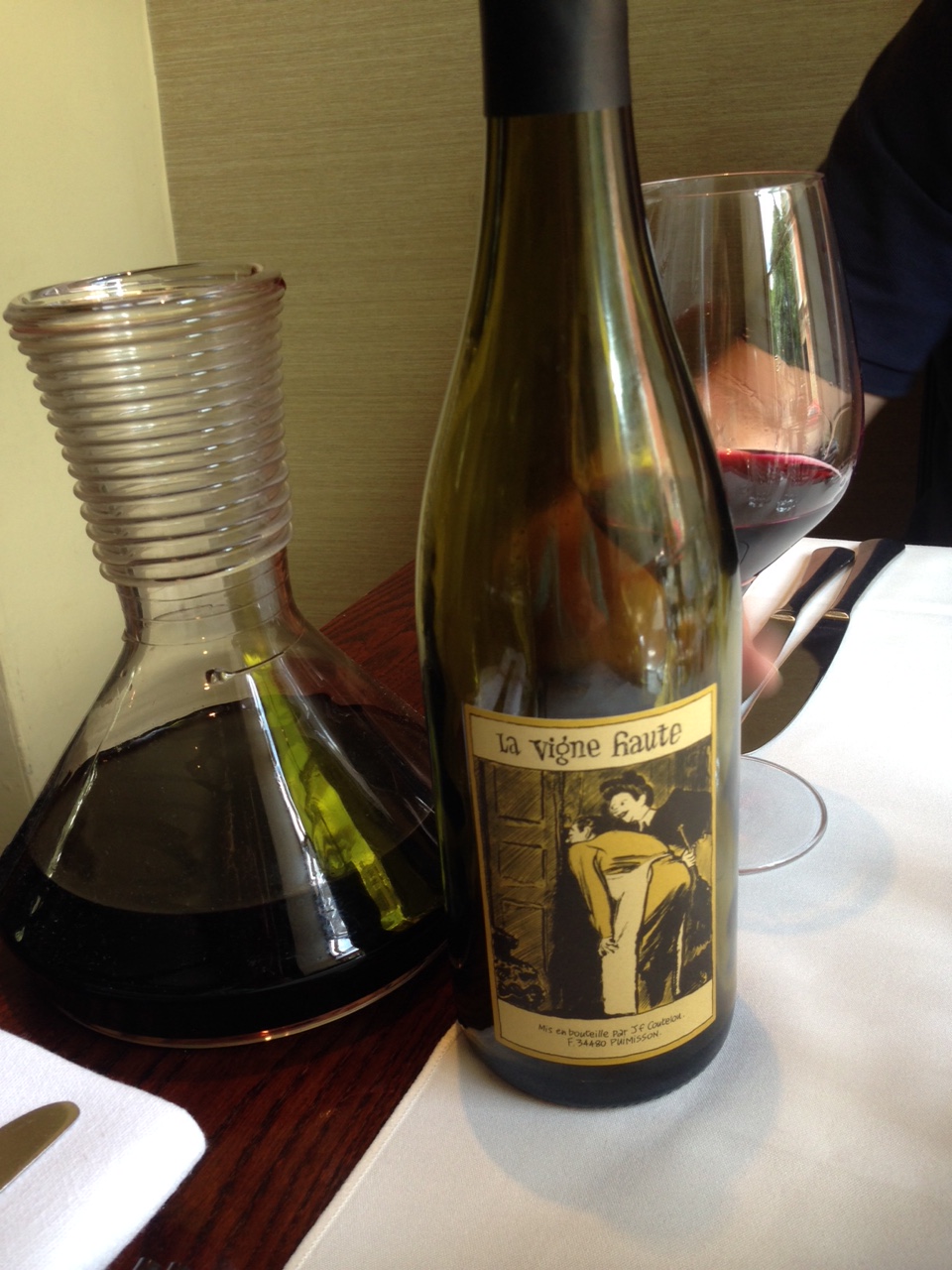
I could have chosen the wine with which we saw in 2016, La Vigne Haute 2011 of Mas Coutelou, but instead I have chosen a wine which I would never normally choose.
I have never been a fan of Cabernet Franc after my early visits to France 30 years ago when I tasted so many unripe, green and bitter Loire red wines. It has become a blind spot for me and people have tried to convert me without success. Greg Bureau of Bouchon Bistrot in Hexham, a native of Tours, has consistently tried to convince me of Cabernet Franc’s merits. So, when we dined at Bouchon on New Year’s Eve I promised him I would order the Bourgeuil on his wine list. And I liked it.
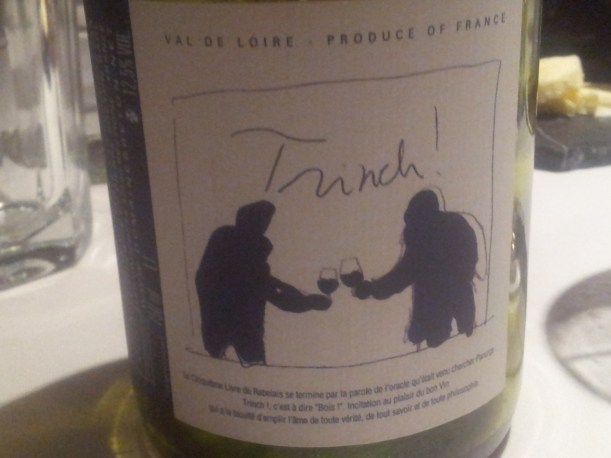
In fact this wine comes from one of the natural wine world’s more famous producers, Catherine and Pierre Breton. The bottle was called ‘Trinch’, of which more later. The freshness on the nose was characteristic sign of a biodynamic or natural wine. Red fruits and a streak of acidity were the first taste impressions both reflecting the bright, crimson colour of the wine. An hour later the wine had softened a little though still fresh. There were clear pepper notes, typical of the grape and Bourgeuil with just a hint of greenness. Really nice, soft enough to drink on it sown but very good with food including my excellent halibut dish. This 2014 should be drunk young.
Trinch is part of a quote from Rabelais which you can find on the domaine website. Basically it is an old term for ‘drink’ and I would be happy to drink this wine again. Was it great wine? No, but it was quite good and showed that I can enjoy Cabernet Franc. It is by no means the Bretons’ most serious wine but shows off their skills and philosophy.
Incidentally Bouchon recently won European Restaurant Of The Year in the Journal Secret Diner Awards, the latest in a long line of awards for this consistently excellent restaurant. If you are in the North East of England, try it.
I have already chosen my favourite wines of the year, both red and white. However 2015 has been probably the best year of my life offering me opportunities to fulfill lots of ambitions such as travelling and living in France, a full vendanges and lots of wine tasting. These have been 15 highlights.
Wine of the year – Casa Pardet Cabernet Sauvignon 2011. One of those great, rare moments when a wine stops you in your tracks and wraps up all your attention in the wine as it unveils its aromas and flavours. Simply great wine.
The Cabernet on the right, Chardonnay on the left (see below)
Tasting of the year – Lots of competition such as Biodyvin with wines from the likes of Zind Humbrecht and Huet, La Bande De Latour and the excellent series of tastings organised by Le Wine Shop in Pézenas (see Wine Tastings page). However, one salon stood out.
La Remise in Arles was a two day joy. In its own grounds, with excellent food and a range of excellent producers, including the Casa Pardet above and Jeff Coutelou, La Remise had a lively, friendly atmosphere. The inclusion of producers from Spain and Italy as well as various parts of France and the welcome addition of new, young producers provided a rich, enjoyable and rewarding experience.
Visit of the year – I was tempted to choose my visit to Jurancon’s Domaine Montesquiou, the family produce a supreme range of wines with a great philosophy behind them. However, the visit which highlighted my interest in the different cépages and sheer variety of vines was to Domaine Vassal in Marseillan Plage. Here, for the time being, is maintained France’s repository of vines. The work and effort to acquire, conserve, classify and valorise vines was fascinating and inspirational. Being there with some of my favourite vignerons was an added bonus on a memorable day.
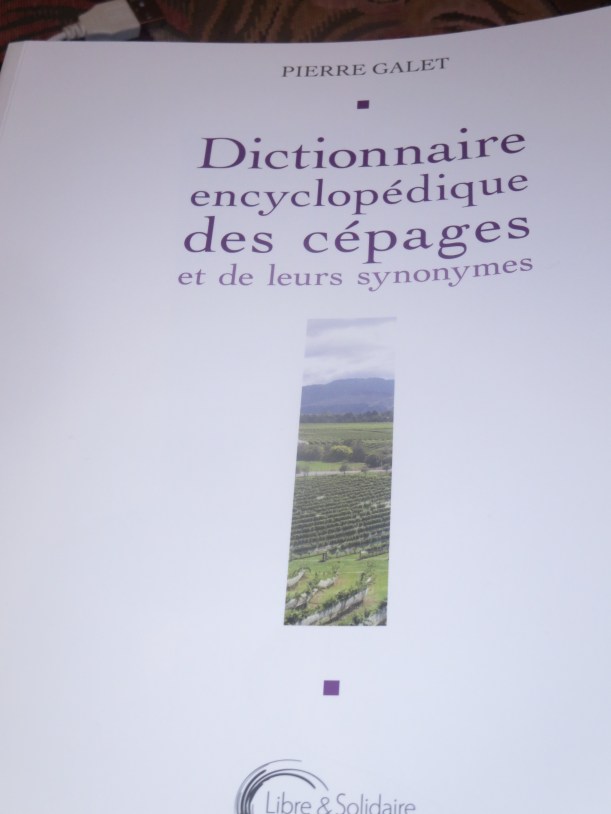
Book of the year – Pierre Galet’s ‘Dictionnaire Encyclopédique des Cépages’ was a gift from Jeff and is, like Domaine Vassal, a treasure trove of information about every wine and grape variety. Almost a thousand pages of facts, photos and drawings, it will be a book which will accompany me forever.
Blog of the year– I have enjoyed reading about wine from so many sources, however, it seems to me that blogs provide me best these days with opinion, entertainment and information. Michel Smith, David Farge, Rosemary George, Steve Slatcher, Jamie Goode and others would be worthy of your time. However, the one which has opened my eyes to wines from Australia, Austria, the Jura and many other areas of wine is the blog of my friend David Crossley and I strongly recommend it. Written with authority, wit and style, David has a broad tasting experience and an open mind, a rare combination in wine writing.
Wine region of the year – Faugères, simple. So many excellent wines this year have come from Faugères, Clos Fantine, Domaine Cébène, Haut Lignières, Mas Sibert, Causse Noir, Mas d’Alézon amongst others. If you don’t know Faugères wines, then please seek some out.
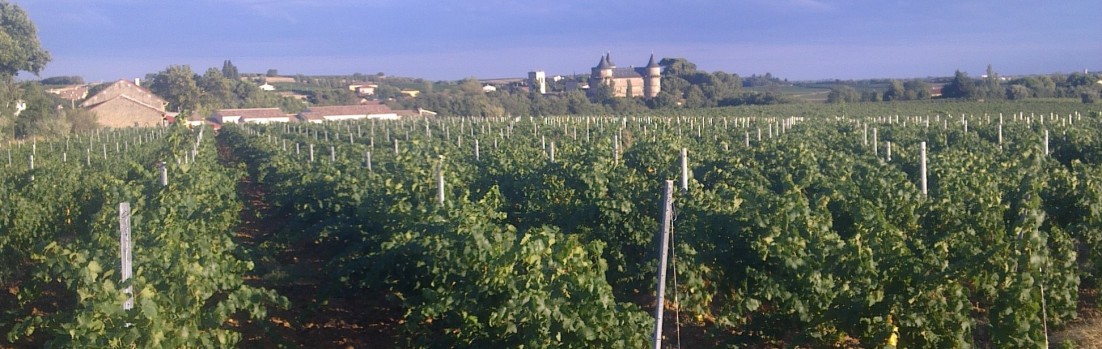
Clos Fantine vineyards
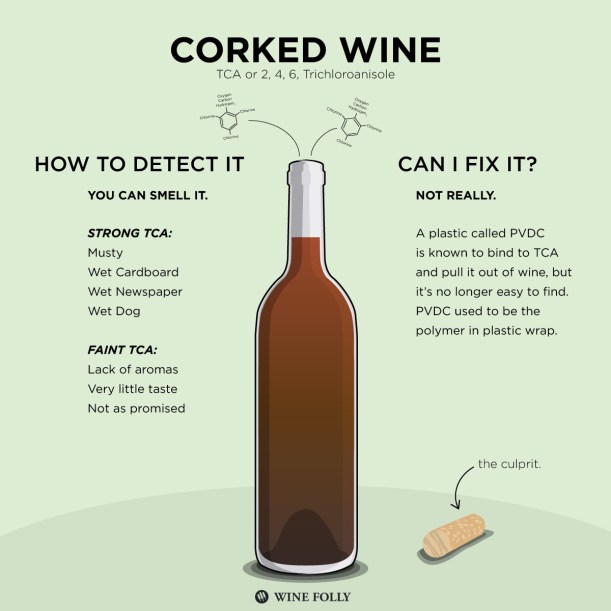
Dud of the year – corked wines. It’s an ongoing debate about which closures are best and I know that corks are of better quality than ever. Memories may fade of pouring a whole case of top Chablis down the sink but they are still there. And this year an expensive bottle of Beaujolais was just one disappointment amongst far too many. It really is the most frustrating aspect of wine when you pour a wine you have anticipated keenly only to find it spoiled.
Restaurant of the year – Bouchon Bistrot in Hexham is always a treat and my favourites this year included; Le Terminus at Cruzy, La Very’Table in Neffiès, Cave St. Martin in Roquebrun and L’Amphitryon in Pézenas. Best though was Octopus in Béziers. Excellent cooking and service, imaginative food and a lunch menu at 32€ for 3 courses including wine and coffee. A close second was Les Papilles Insolites in Pau, a wine shop with a Michelin listed restaurant offering fantastic fresh, tasty food and no corkage fee at lunchtime for wines bought in the shop.
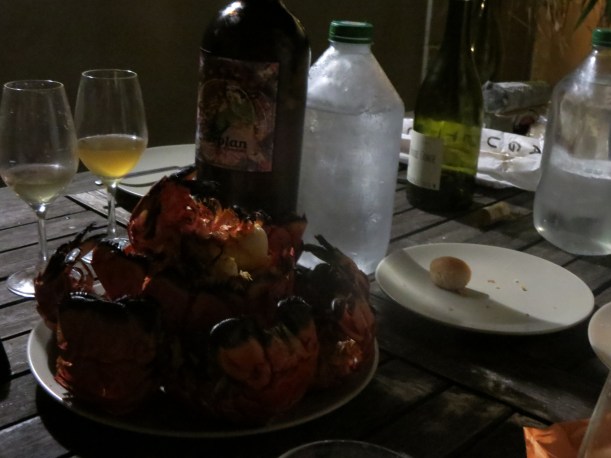
Meal of the year – not a restaurant in fact. During the vendanges we were joined by a number of friends of Jeff and one, Karim, brought some fresh lobsters and scallops. Fresh, cooked simply with great skill and timing, they were simply delicious. Matched with a magnum of Casa Pardet (again!) Chardonnay, with Jeff, Cameron, Karim and Pat it was a superb evening, all the better for following a good day of vendange and the conviviality of friends.
Location of the year – the Languedoc Roussillon. Varied, exciting, beautiful, friendly, fascinating.
Clos Fantine vineyards
UK readers will know that the BBC runs a Sports Personality Of The Year competition and my next five highlights follow their categories.
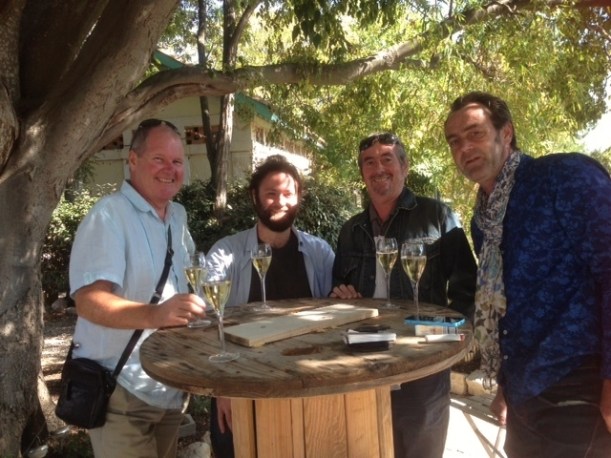
Team of the year – Team Coutelou during the vendanges. Jeff, Michel, Cameron, myself, Carole plus a host of special guest appearances from lots of friends. The camaraderie, hard work and spirit was something special and it was almost a let down when harvest finished and that tight team stopped working together every day.
Young producer of the year – I met Joe Jefferies first at the Pub Quiz in Pézenas and it was a surprise when I met him at La Remise (see above) in Arles in his role as a vigneron. To be honest the wines were still very raw and unformed when I first tasted them but at subsequent tastings they developed into excellent wines, with Pierre De Sisyphe Blanc a particular favourite. It was a blow when Joe told me there were none left to buy! I look forward to watching him develop his talents with time.
Special mention also to Simon Bertschinger and Sara Frémine at Mas Sibert in Fos, their Fosénot is a wine which has become a real favourite.
Overseas producer of the year – in other words not French. Clear winner, Casa Pardet for the most memorable bottles of the year the Cabernet and the Chardonnay we shared at Jeff’s with the lobsters. Outstanding producers.
Personality of the year – well no shock here, it has to be Jeff Coutelou. Yes he’s a great winemaker and a passionate advocate for, and defender of, nature. However, he’s also a teacher, coach and friend. So many of the opportunities and so much of the learning I have enjoyed have been due to Jeff. His wines are a constant delight and a reflection of his personality.
Joy of the year – This blog. I started it as a hobby to occupy myself. Amazingly it has opened doors for me, taught me a lot and been a great way to meet people. I never imagined 11,000 people would read it within a year and that people in 106 countries would do so. So my final post of 2015 is written to thank you all for reading and sharing my experiences and enjoyment of wine, vines and the people who care for them. May 2016 bring you good wine, health and happiness.
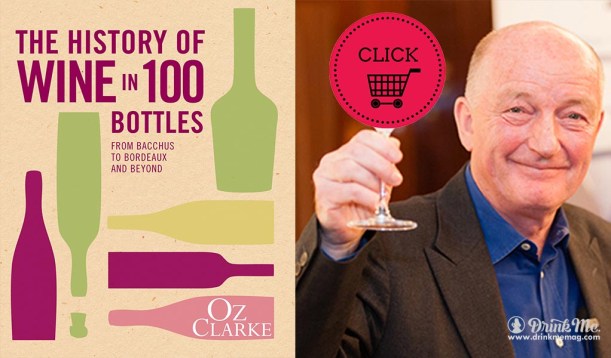
Well I’m hoping for a new camera to try to make better photos for the blog and also maybe a copy of Oz Clarke’s ‘The History Of Wine In 100 Bottles’ but obviously the focus here is on wine itself.
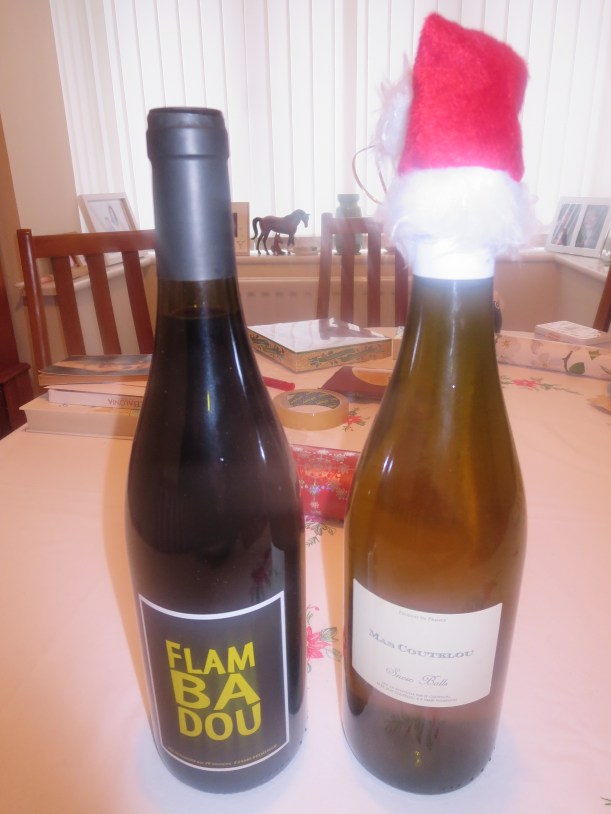
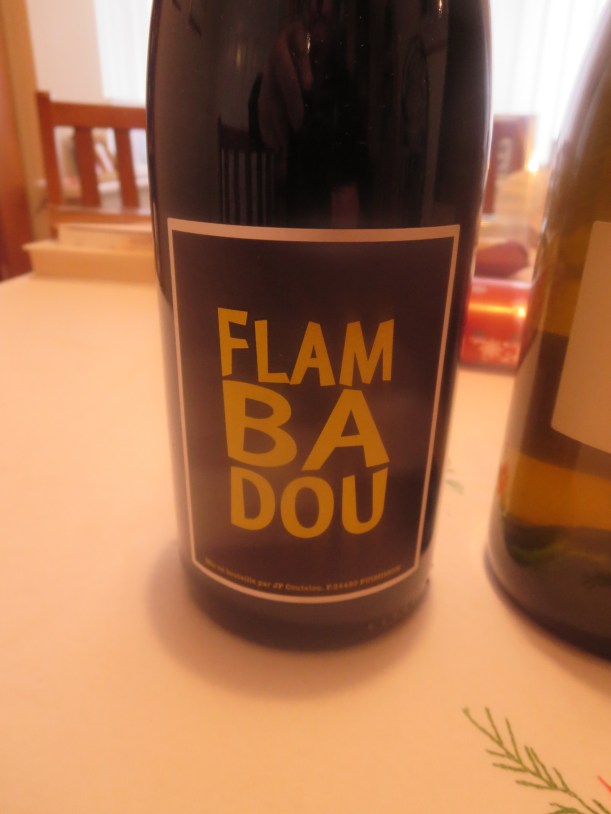
Christmas colours are red and white so I shall look forward to great red and white wines. So top of my list are Flambadou 2013 and 2014, perhaps the best wine in both vintages from Mas Coutelou. Pure Carignan and stunning.
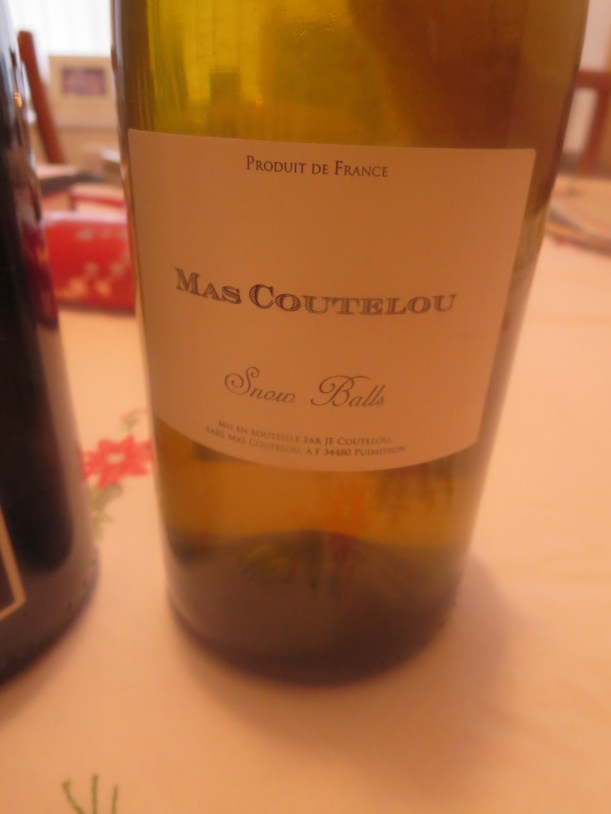
Snow Balls will be my white wine, appropriate for the time of year. Sauvignon Blanc, Grenache Gris, Maccabeu and Muscat grapes, very dry, full of white fruit flavours and incredibly moreish.
And of course there is a sparkling element to the season, glitter and tinsel so:
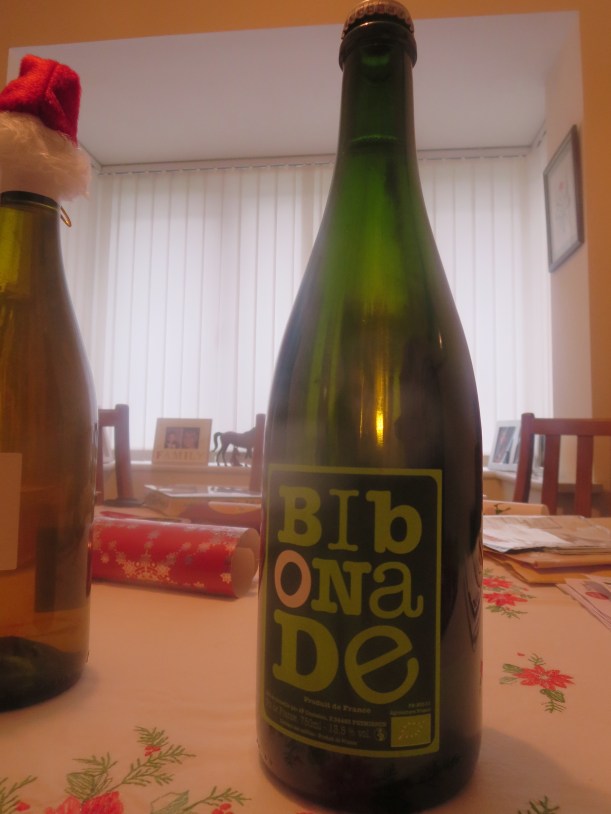
More Sauvignon Blanc, Muscat and Grenache which are complanted in La Garrigue vineyard and made into a sparkling wine with a degree of sweetness, Bibonade is a lovely aperitif, my wife’s favourite!
Meanwhile there’s lots of games and fun. Blind tasting for example:
Well last night Iain, my brother in law, served up a Romanian red made from the Negru De Dragasani grape – I’d love to be able to say that I identified it immediately but as I’d never heard of it before! It was actually good, very spicy and refreshing.
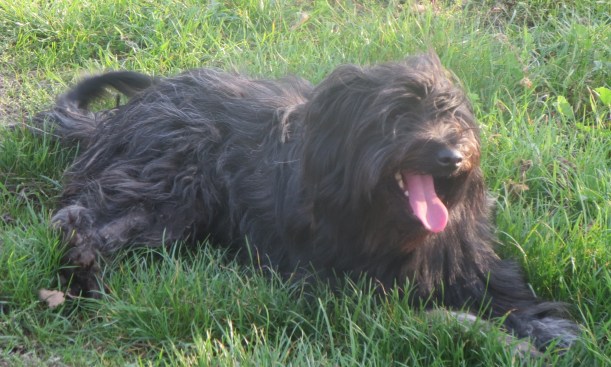
So my wishes are simple. For Jeff, lots of rest and sunshine as he holidays with his sister Catherine in Guadeloupe. For Puimisson and the Languedoc lots of rain as there has been so little for months and water levels are falling fast. For Icare, lots of treats, postmen to chase and mud to roll in.
For you kind people who take the trouble to read my blog I wish you nothing but the very best; peace happiness and health. It has given me so much pleasure to hear from you and know that my love of wine, the Languedoc and learning are shared by you in the 106 countries from which you come. Thank you so much and a very happy Christmas.
My favourite wine of the year and, therefore, a definite for this selection was the Casa Pardet Cabernet Sauvignon 2011, Costers Del Segre. This is how I described the tasting at La Remise in Arles in March. “The breathtaking wines were Cabernet Sauvignons, not usually my favourite cépage. These wines, from Tarragona, were stunning, amongst the best wines I have tasted in my 30 years of wine drinking. I was served this wine from 2014, 13, 11 and 2003. Every one was a stunner, rich, deep and complex. Marrying power and elegance, fruit and some oak the flavours simply rolled around the mouth and left me reeling. The 2003 was still youthful, hugely aromatic with dark, brooding fruits and yet a light touch. Beautiful. Just joyful wines.”
The 2011 was my favourite though all four would qualify for the case. A rare moment when drinking a great wine makes nothing else matter for that moment, just the sheer delight of what was in my glass. Superb. I just hope I can find some to buy in 2016!
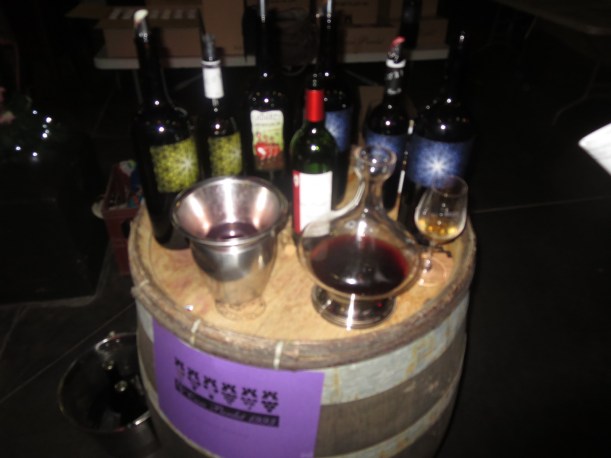
Casa Pardet wines, Cabernet on the right with blue label
Other than Mas Coutelou wines Clos Fantine Tradition, Faugères 2013 has consistently given me the great pleasure throughout 2015. I started the year with the 2012, also great wine, but, as the 2013 was released, it was this vintage which appeared again and again on my table. Corine, Olivier and Carole took over their father’s domaine in La Liquière, part of the Faugères appellation, and have gradually built it up and transformed the vineyards and winemaking. This is a natural wine of clear freshness, fruit, complexity and depth. Carignan and Grenache, those quintessential Mediterranean varieties, dominate and deliver a wine which I would choose as quintessential Languedoc, Faugères and natural wine. My visits to the domaine were some of the highlights of 2015 for me, I greatly admire the family, and this wine is such a reflection of their passion and their beautiful, gobelet vineyards.
Tradition left
Clos Fantine vineyards
Faugères was the wine region which became my favourite of the Languedoc during 2015. I was fortunate to taste most of the domaines’ wines across various tastings and events and to make friends of many excellent winemakers from there. I would recommend wines from Haut Lignières, Ch. La Liquière, Barral, Causse Noir, Mas D’Alezon, Mas Sibert, Capitelles and, the domaine which first attracted me to the Languedoc, Ollier Taillefer.
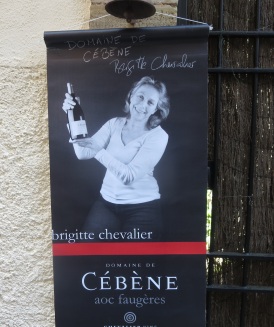
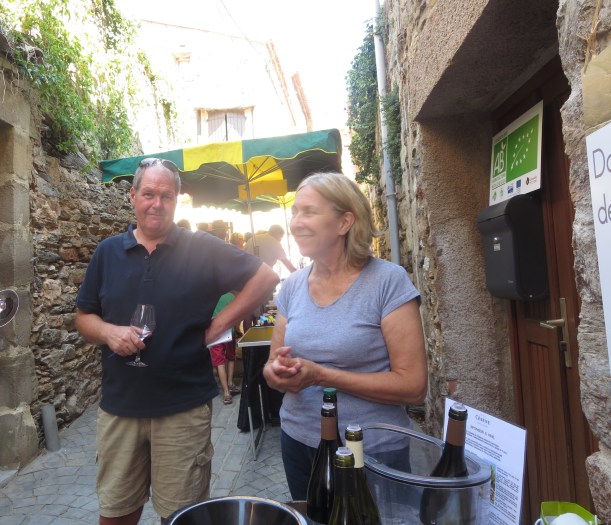
One Domaine though which I rank very highly is Cébène. Brigitte Chevalier had experience of winemaking, especially in her native Bordeaux but came to Faugères because of its schist soils and the freedom to make wines as she wanted. I have been fortunate to become a friend but that is not why I have chosen Domaine De Cébène, Felgaria 2013 for my case. This was one of those wines which, when I first tasted it, made me think ‘this is good’ but which I didn’t rank as outstanding. Then I tasted it again in July at the village wine fair and it had developed into something exceptional, the extra few months had brought it together. As I tasted it was another wine which made me stop analysing, stop thinking about it and just revel in the moment. Mourvèdre, Syrah and Grenache come together in a stunning wine.
Despite appearances I was thrilled to taste the Felgaria and meet Brigitte again!
The Languedoc Roussillon region naturally dominated my tasting this year. I did taste great reds from Italy (Le Carline), Gaillac (De Brin and Plageoles), the Ardèche (Bock and Les Deux Terres), Burgundy (Magnien and Ardhuy), Rhone (Ferme St. Martin, Vieux Télégraphe), Spain (Descendentes Palacios) plus many others. However, there were so many great Languedocs from La Marfée, Maris, La Baronne, 2 Ànes, Mas Des Chimères, Pelletier, Navarre etc etc. It was difficult to select just a few for this case and then I opened a bottle on December from the back of my collection and it leaped into this case.
In fact it is from Roussillon and from another wine first supplied by Leon Stolarski. This led me to Domaine Treloar when I started to travel in the region. Founded by Jonathan Hesford and Rachel Treloar, they have established themselves in the region and won plaudits and respect for their work and wines. Their first wines were produced in 2006 and it was a wine from that vintage which I enjoyed so much. Domaine Treloar, Motus 2006is 80% Mourvèdre with 10% each of Grenache and Syrah. This was always a favourite of mine but the extra years in bottle have added even more complexity to the dark fruits and classic Mourvèdre notes of leather and spice. With the work they have put into their vineyards and further winemaking experience Treloar wines will continue to improve but this debut wine has really hit its stride and deserves its place in the case.
At Etna Contrade about to taste Cornelissen wines
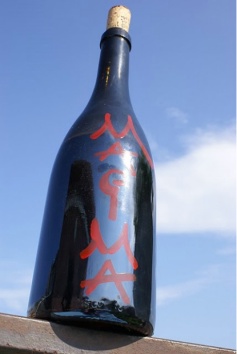
Wine 5 is more controversial and I’d never have thought I would choose it at the start of this year. In 2014 I had a great holiday on the beautiful island of Sicily and had the good fortune to attend the Contrade Etna, the local wine fair. Amongst very many good wines I tasted those of Frank Cornelissen, the natural producer of all natural producers, making wines without sulphur on the most active volcano in the world. His wines divide critics and are used to berate natural wines by many. And at the Contrade I hated them, they were unbelievably wild, strange and seemed to be made of components fighting each other. So when I tasted the wines again in Arles I had low expectations. I still did not like some of the wines but one amazed me, Frank Cornelissen, Magma 10 (2012). All sorts of aromas from fruit to caramel, flavours of strawberry, plums and spice which opened gradually and lasted a long, long time. Would I want to drink it regularly? Probably not, it is a wine which I admire and remember as a landmark in my tasting history, it was so explosive (appropriately for Etna) and memorable but not easy drinking. Plus enormously expensive and rare. I had to include it here because it was a wine which challenged expectations and made such a big impact.
Incidentally it also speaks volumes about Casa Pardet that I tasted their Cabernet after tasting Magma and was even more mesmerised by their wine than the Cornelissen
Other ‘challenging’ wines I really enjoyed included Terre Inconnue, Léonie 2005 and a fascinating wine from Georgia, cradle of winemaking, from the Alaverdi Monastery, Rkatsiteli 1011.
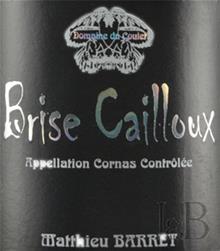
My final choice though goes to the Rhone. Back in June we were bottling at Mas Coutelou when Carole brought along a bottle which was instantly something special, Domaine De Coulet, Brise Cailloux, Cornas 2012. Mathieu Barret’s wine is obviously pure Syrah being a Cornas, and the word pure is very apt. It is clean, fresh and fruity with a razor sharp purity of flavour, aroma and acidity. I have always struggled a little with Cornas because it is so often dense and tannic but this is already drinking brilliantly and yet has the freshness which indicates a wine that will age and become even better. I am in the fortunate position of being able to taste so many great wines but this Cornas stood out immediately as something special. Thanks to Carole for sharing it.
So there we go an almost impossible decision to refine my list to just six wines. Any feedback and choices of your own would be very welcome.
After my everyday case it is time to select my case of wines representing my favourite wines tasted (and drunk) in 2015. It has been a fantastic year for me, I love my life in the Languedoc and the opportunity to spend time alongside someone I consider to be a truly great winemaker and, I am fortunate to say, my friend. Through various tastings, meals and purchases I have also been fortunate to discover many top class wines. So here is my final selection of twelve. I have omitted Jeff’s wines as that will form the next article and they would fill much of this case. It should also be said that my choice would probably vary day to day, I was torn between a number of great wines.
The Languedoc Roussillon is perhaps best known for its red wines and yet looking through my notes it was often white wines which excited me most in 2015. Indeed I will start with two wines from the region.
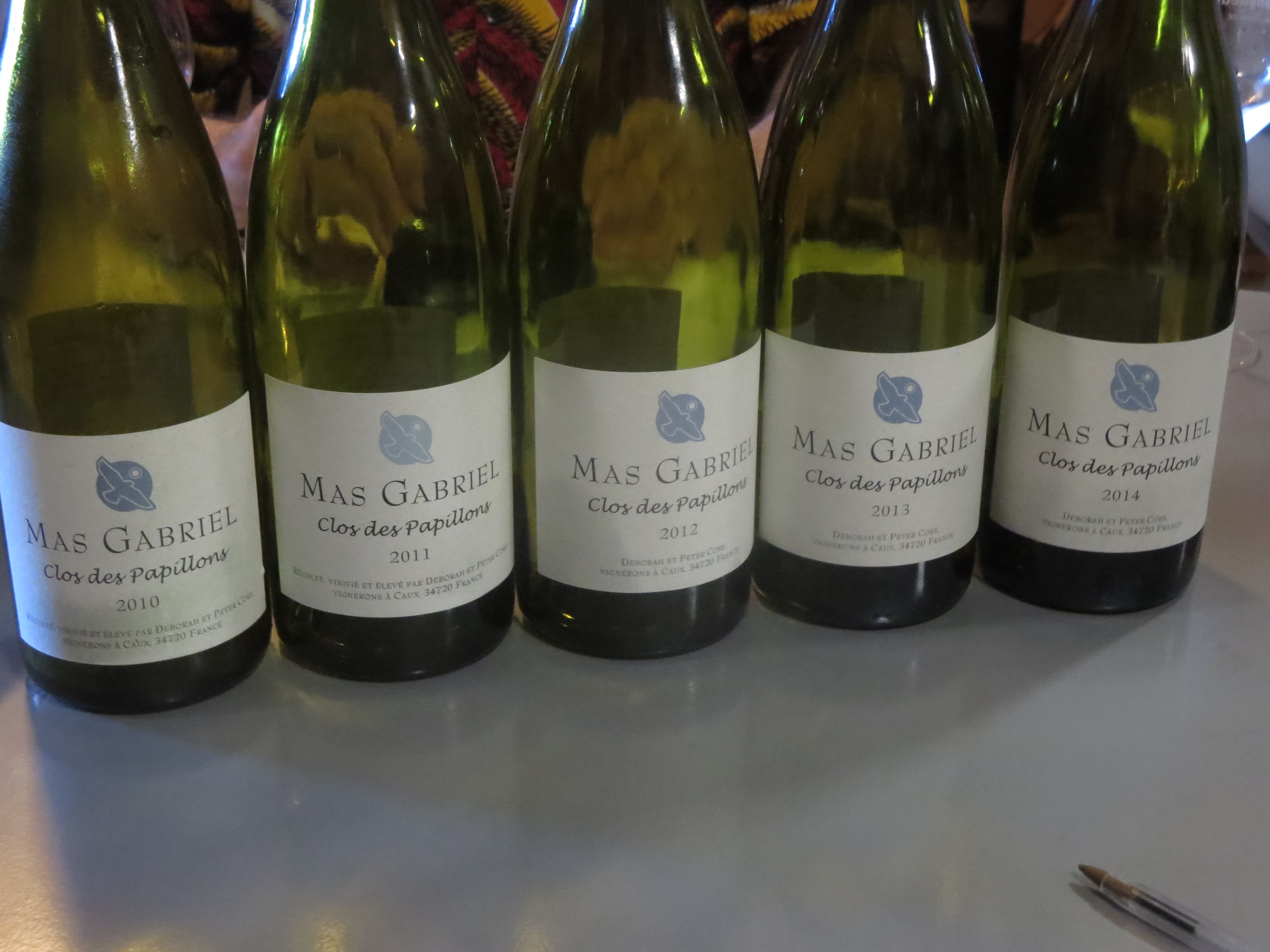
Mas Gabriel, Clos Des Papillons 2013. No surprises here, this also featured in my everyday case. It has been a favourite wine of mine for many years, I love the Carignan Blanc grape with its freshness and white fruits and Peter and Deborah Core have mastered a wine which brings out its best. Every vintage from 2010 to 2014 tasted at the Domaine’s tenth anniversary dinner was excellent but the 2013 stole the show for me.
The 5% Viognier adds a little mystery but it is the Carignan Blanc which gives the fruitiness, freshness and longevity. The reds of Mas Gabriel are lovely too but this remains my favourite and I’m also looking forward to the development of the new white wine Champ Des Bleuets. It is not just loyalty which earns Clos Des Papillons its place here though, the wine genuinely thrills me no matter how often I drink it. It claims first place ahead of another exciting Carignan Blanc from Caux, Lune Blanche of the Conte De Floris.
Clos Du Rouge Gorge, Sisyphe 2014. Cyril Fhal produces great red wines especially his Carignans in Latour De France in the Roussillon. However, this year it was his white wine Sisyphe which really captured me. Grenache Gris is the cépage behind most of my favourite wines in the region and this wine adds a clean, fruity yet racy edge. A wine you could drink alone or with food and one which leaps out as something special from the first sniff to the last sip.
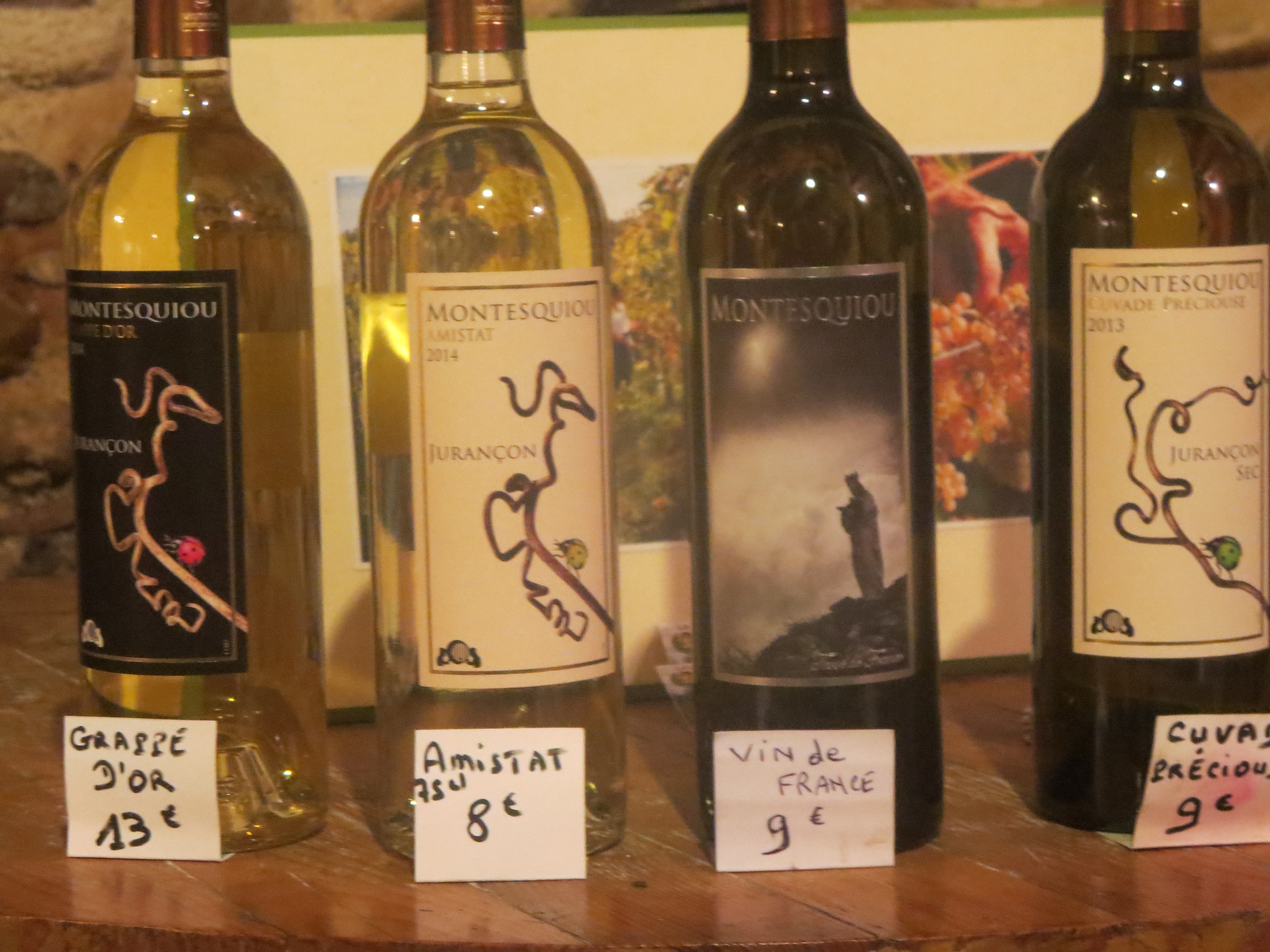
Domaine Montesquiou, Terre De France 2014.I could probably include every wine made by Montesquiou, so high is the quality of this Jurancon domaine. It was a thrill to visit Fabrice and Sébastien in Monein and to tour the vineyards and cellars, I had long been a great fan of their wines. The excitement and enjoyment found in the wines is so obviously a reflection of the land and the family, the brothers are passionate about their vines and restless in seeking to make their wines even better. The raciness of the dry wines, the skilful use of oak, the tightrope balance of the sweet wines, every bottle offers a treat. I chose this wine as it walks that fine tightrope with lime, lemon and white fruits just offset by a trace of sweetness. Masterful.
With Olivier Humbrecht
Zind Humbrecht, Clos Windsbuhl Riesling 2011. I love Riesling, I love Alsace wines. Most of my favourite Rieslings are from the Mosel, others from Australia but this wine blew me away, apt on a day when gales were threatening the tent where the tasting took place near Montpellier for Biodyvin. I had tasted some Zind Humbrecht wines before and enjoyed them but this was one of those moments when the lightbulb lit above my head. Classic fresh aromas, so clean tasting and those flavours of fruit with a thrilling edge of acidity and, yes I know it makes no sense, minerality. There really is a texture and saltiness which reminds me of minerals. It is a very young wine, it will age for decades I would think but it is already packed with so much complexity and pleasure. It is everything I would ever want from a white wine.
Domaine Huët, Clos Du Bourg Demi-Sec 2005. At the same tasting as the Zind Humbrecht I tasted this beauty. I admit to some bias as Vouvray was my first wine village visited in France and long a favourite. The sweeter style moelleux which I tasted that day were excellent, a 2008 Haut Lieu for example but I love the demi-sec style which balances the dry appley side of Chenin Blanc with its capacity to produce a sweet side with hints of honey balancing the zestiness. This Clos Du Bourg was so deep and complex and so long lasting, it was like tasting several different wines in one glass. This will again age for a long time, I’d imagine it will develop more sweetness but right now I love this balance of dry and sweet. I often resist the big names of a region but this Huët just stood out as an example of great winemaking.
Pierre De Sisyphe of Joe Jefferies
Other dry white wines close to selection included Pierre De Sisyphe 2014 from Bories Jefferies (again from Caux!), the Greco 2013 from Giardino (Campania, Italy), Casa Pardet’s Chardonnay 2013 (Costers del Segre, Spain), Loin D’Oeil 2014 from De Brin (Gaillac) and a lovely Chenin Blanc from Testalonga (Swartland, Soith Africa), tasted on a beach in Marseillan, called El Bandito but no vintage noted whilst there I’m afraid.
I’m including Champagne Franck Pascal Quintessence 2004. Long, yeasty, rich but with a great freshness which cleansed the palate and left me wanting more. Yet another biodynamic producer, I loved all the wines I tasted but this vintage champagne with its Pinot Noir dominance had the extra complexity and depth which marks great wine of any type. The 2005 was almost as good but this 2004 was extra clean and long. I tasted a lot of very good champagnes this year, Barbichon, Leclerc Briant, Drappier, Lassaigne being some, but Quintessence was special.
So, six white wines which have given me great pleasure in 2015. Next the reds.
I read an article recently by renowned wine writer Eric Asimov in the New York Times in which he outlined the twelve wines he would always want to have around, his everyday case of wine. As I read it I naturally began to consider which wines I would include in such a case.
Issues to consider included the balance of red and white, sweet and fortified as well as sparkling wines. I could make a case just from the Languedoc, even from Mas Coutelou alone. In the end I went for a balance of wines. As an everyday case I have chosen still wine over £15 (€20) and sparkling / fortified wine less than £25 (€33).
I decided on a balance of white and red together with one example each of sparkling wine, sherry, port and sweet wine.
I have to start with Riesling, my ultimate white grape. I like Alsace examples a great deal but nothing surpasses the Mosel for me and the Kabinett / Spätlese styles in particular. JJ Prum or Bürklin Wolff Kabinetts would fit the bill nicely, easily within the price bracket, I shall go with the former.
The last few years have given me a great love of Jurancon dry white wines, heightened by a recent visit. In particular Domaine Montesquiou strike me as amongst the great white wines of the world. The balance of fruit, acidity, hint of sweetness enriched by the lightest oak influence is just my thing. I loved the new Vin De France and L’Estela is a favourite (unoaked) but will stick with Cuvade Préciouse for that extra complexity of oak.
Vouvray was the first wine village I visited in France and remains a favourite for its mix of dryness and hints of sweetness in the demi-sec style. The Loire is a centre of natural winemaking and I shall opt for Vincent Carême’s Vouvray Le Clos, though not all his his cuvées are sulfite free . Champalou would be an alternative.
I would love to include a white Burgundy but price makes it difficult, I was close to choosing a Grenache Gris from Roussillon. Instead I shall opt for Mas Gabriel’s Clos Des Papillons. A firm favourite for many years I was fortunate enough to attend the 10th anniversary dinner of the Domaine this summer and to taste through a number of brilliant vintages of this superb Carignan Blanc and it is a wine which gives me so much pleasure and a reminder of how great the Languedoc can be.
Red wines and the choice becomes even harder. I have to include a Languedoc – Roussillon wine because I love it and there is no better value for quality wine. How to choose? There are so many wins I love but how could I not include a Mas Coutelou? A week without one is too long so there has to be one in my everyday case. Vin Des Amis was the wine which hooked me, Copains and Flambadou would be amongst my favourites. La Vigne Haute and its pure Syrah with drinkability and complexity combined is the choice though. If I had to choose one bottle to drink for a final meal this would be it and yet I can fit it into this everyday price bracket, great.
I love lighter structured red wines and I would definitely want one in the case. Beaujolais is a favourite but my preferences are, sadly, above the price bracket. Just fitting it however, my choice would be a Sicilian Frappato from the excellent producer COS. I really fell for this on a trip to the island in 2014 and its fruit, complexity yet light touch fits the bill perfectly.
My favourite red wine grape is Pinot Noir. I was lucky enough to visit Burgundy when prices were high but not stratospheric. I soon learned that one memorable bottle would be followed by a number of disappointments but that one bottle was so good that it made me keep searching for more, very addictive. No New World Pinot can match Burgundy though there are some very good ones. But at less than €20? Well there are good Bourgogne Rouges available and villages such as Fixin offer better prices but even they push that limit. One producer whose wines I really like is Guillot-Broux in the Maconnais. The wines are much more serious than you’d expect from that area, equal to many Côte D’Or producers. I notice the Macon Pierreclos is £15.95 with the excellent Leon Stolarski so maybe he will do a discount for a bulk order. Cheat? Probably, but I have to include a Burgundy.
Other than Sicily my choices have been all from France and I want to remind myself that good wine comes from around the world. Te Mata Coleraine was the first new world red to really make me realise how good it could be but the price has risen way too high. Australian reds were a staple for so many years though I find so many too heavy these days, especially in this price range, much as I love some Penfolds, Wakefield and Tim Adams. Spain is a source of good value wines though I find too many overoaked. Casa Pardet (Costers del Segre) was a great discovery this year but too expensive for this. Instead I have opted for another Italian wine, Le Carline Refosco which is sulphite free and has great freshness and fruit, a great food wine. And a reminder of how unusual cépages have been a great interest for me this year.
Daniele explaining his Carline wines
Sparkling wine means champagne to me. I love some Pet Nats such as that of Vincent Carême, I appreciate some crémants and sparkling wines such as the Nyetimber I tasted recently but nothing quite matches Champagne for quality. I have always liked Roederer and nothing has been better than Charles Heidsieck in recent years but they are too pricey for this case. Barbichon, Lassaigne and Franck Pascal are all producers which pleased me through the year and I could buy wines from all three in France for under €30 so I shall opt for the Quatre Cépages of Barbichon, with its Pinot character adding some extra weight.
Barbichon
Sherry is a must, nothing beats its variety from the clean dry fino or manzanilla to the intense sweetness of pedro xinenez. I am a fan of them all but a Cayetano del Pino Palo Cortado really caught my attention this month with a real balance of dryness with a touch of sweetness and great complexity. Like many sherries it is great value too.
Port is another wonderful wine style and I love its variety, from tawny to vintage. At this price I would choose Late Bottled Vintage and probably Niepoort just above Warres, it is more in a vintage style, not quite so rich.
Finally, a sweet wine. The Jurancons of Montesquiou and Nigri were a delight, great wines from Huet too. Natural sweet wines from De Brin and Clos Mathélisse would fit the bill too but in the end one range of sweet wines stood out this year and they were the Coteaux Du Layon from Juchepie and I would select Les Quarts for the case.
At a push I would merge the port and sweet wine choice and opt for another red wine but I would be very happy with my case. Feedback and your own selections would be very welcome.
Picking up on the last post about the Edinburgh Wine Gang event. The disappointing show by Languedoc wines (and no show by Roussillon wines) was a real awakening to how little the region is known in the UK. Moreover, in supermarkets and in wine column recommendations are lots of cheaper wines, IGP pays d’oc wines or wines from the big négociants reinforcing the image of the region as a supplier of uncomplicated plonk, quantity over quality. Far from the truth as I know it but that seems to be the view from across the Channel.
Equally noticeable by their absence were natural wines. Indeed I encountered only one example and that almost by chance. I tasted a wine which I really liked and was then told by Master Sommelier Matthieu Longuere that it was Rkatsiteli 1011 from the Georgian Alaverdi Monastery made traditionally in qvevris*. (The date refers to the first date at which wine was made there). This is made without sulphur or any other additive as the monks see additives as impurities unworthy of God. It was a very natural style, hugely complex but beautifully fruity and direct. My wife did not like it at all but I loved it, up with the Cayetano del Pino Palo Cortado mentioned in the previous article. Again though, it was the exception to the rule that natural wines are making little inroads to the UK market outside London.
Oh, the Turkish wine mentioned in the previous article. Kalecik Karasi 2012 from Anatolia was Pinot like in its pale colour. However it had powerful structure, spicy aromas and almost chocolate flavours but quite tough tannins. Nice, (£9.50).
The highlight of the day however was the series of Masterclasses. There was an interesting one from the sommelier mentioned above about how a sommelier would select wines for various tastes, to create discussion and at different stages of a meal. Interesting insights.
Sommelier masterclass wines
Matthieu Longuere
The other three featured very Anglophone wine producers. Wynns is one of the most highly rated of Australian wineries established in 1891 in the Coonawarra region of South Australia, famous for its Terra Rossa soils. We tend to think of Australia as hot and its wines as full, rich and powerful. Wynns is however in a cool region and the climate and soil are reflected in the freshness and more European style of its wines.
Wynns winemaker Sue Hodder
Sue Hodder the long term winemaker at Wynns, was present in Edinburgh to show the wines and explain their production and style. And there is definitely a house style. These Cabernet Sauvignon and Shiraz wines are balanced, restrained and for the long term.
The full list of wines tasted is seen in the photo above. I found the wines quite austere especially the Cabernets but this was probably a sentiment created by expectation of a richer style. I did like the house style and its elegance but my favourite wines were undoubtedly those involving Shiraz.
The Michael Shiraz 2012 was rounder and fruitier yet still restrained and with fine tannins. Even better was V&A Lane Cabernet / Shiraz 2010 with deep red fruits and spicier aromas. The grapes are fermented together and the aim said Hodder was to give a sense of place as well as cépage and the wine succeeds on all levels. Riddoch is the top wine of the domaine (Cabernet 100%) and the 2012 was still in its infancy. More interesting in terms of flavours, aromas and because of its age was Riddoch 1984 with black cherry notes and, of course, freshness. Definitely secondary or tertiary rather than primary fruits it was a real pleasure to taste this wine. A lovely tasting.
Cloudy Bayfrom New Zealand is one of the most famous names in the UK market. Only 30 years old, in reality the winery soon established its name in the UK because of one wine, its Sauvignon Blanc with its revolutionary tropical fruits and upfront style compared to the Sauvignons of the Loire. Time was when this wine was rationed, I remember having to buy other wines just to be allowed one bottle of the SB! Expansion of the vineyards and competition from other NZ estates has ended that madness and the price remains around the same as it was 15 years ago. Its influence on Sauvignon Blanc around the world should not be underestimated however, even the Loire changed its style in response to the popularity of the newcomers.
Tom Cannavan did an excellent job in leading the tasting providing real insight and technical know how. The Sauvignon Blanc 2015 was a classic example with hallmark tropical characters and freshness. I did find most of these wines over expensive for the quality and rather too oak influenced. Sometimes the oak works such as Te Koko 2012, the oak aged Sauvignon, where the wood definitely adds some interest but the Pinot Noir 2013 and Chardonnay 2013 were both very oaky and lacked pleasure, £30 and £26 respectively!! The Central Otago Pinot Noir Te Wahi 2011 was much better and Burgundian but at £62.50 I could find better even in that expensive region. Best of the tasting was undoubtedly the Late Harvest Riesling 2009, with classic Riesling aromas and flavours wrapped around some the sweetness and leaving a freshness in the mouth. Very good, though £18 per half bottle.
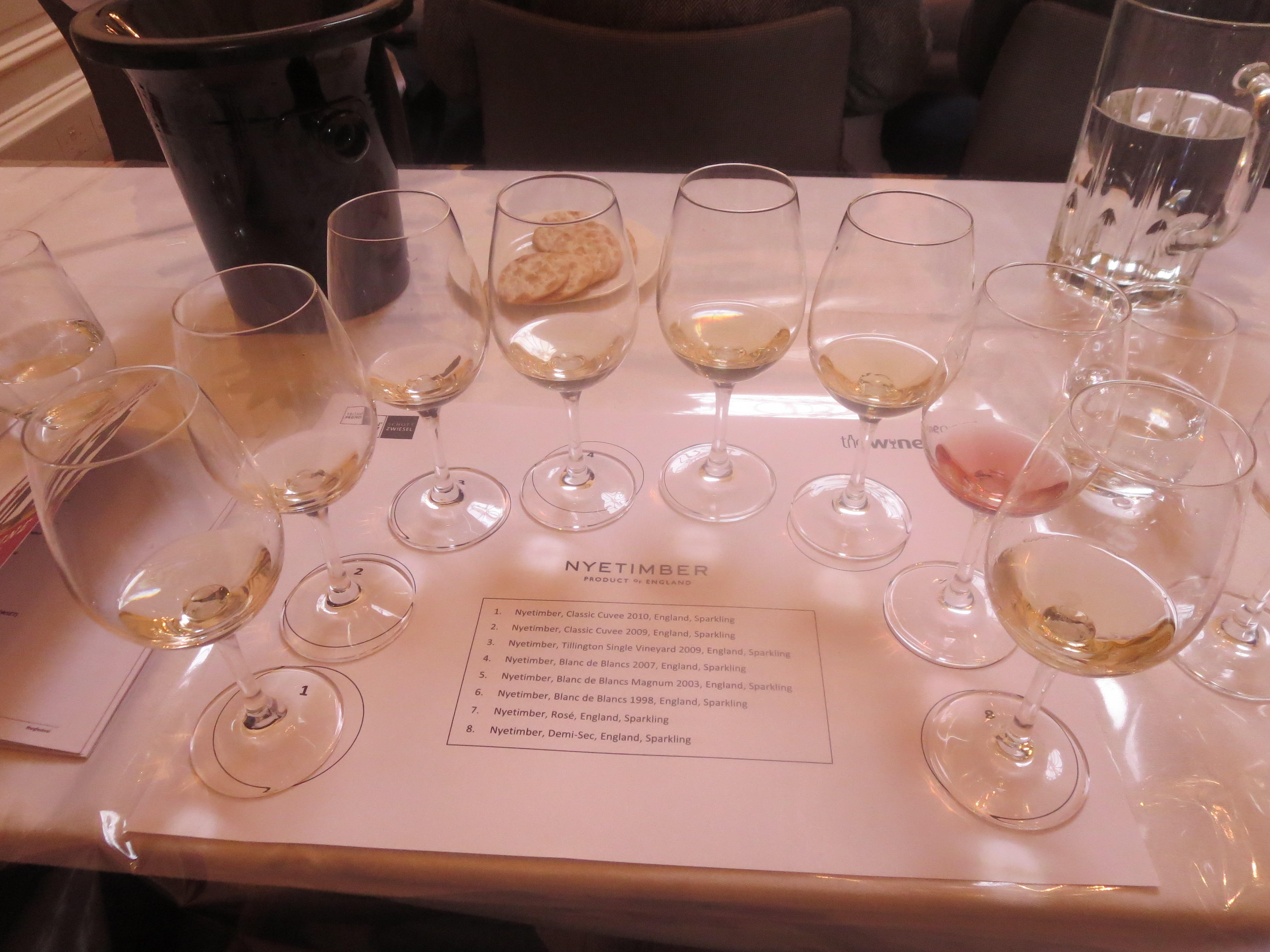
And so to the UK. There is an increasing buzz around UK wine, or rather English wine. Nyetimber was one of the pioneers of that interest and it has recently scored very highly in tastings of sparkling wine around the world, including in comparison with Champagne. I have tasted it a couple of times before but this was an excellent opportunity to taste the range with some older vintages included.
The Classic Cuvée was represented by 2010 and 2009, they are slightly different in nature, 2010 being Pinot Noir dominant and 2009 being Chardonnay dominant. I liked both though preferred the rounder toastier 2009. Both retail at around £29-30 so not cheap. We tasted three Blanc De Blancs, 2007, 2003 and 1998. That was a treat, to be given the opportunity to taste vertically but especially such old wines. I liked the 07, still fresh but perhaps a little too harsh for me. The 03 and 98 both carried very savoury, almost mushroom, aromas and flavours. The 03 settled in glass and filled out with some bready, autolytic notes. I did not like the 1998, just too savoury for me though many in the room chose it as their favourite wine of the tasting.
The Rosé NV was too neutral for me, again others chose it as their favourite so this is a personal opinion. It was very dark, we were told by the Nyetimber representative that the winemakers (husband and wife team Cherie Spriggs and Brad Greatrex) blend by tasting in black glasses to ensure quality of flavour rather than colour. The Demi-Sec (100% Chardonnay) with 44g of dosage was fresh with a little sweetness. Best of the lot for me was the Tillington Single Vineyard 2009. 79% Pinot Noir, it had real character, more fruit yet still clean and toasty after 3 years on lees. Very good, but sadly at £75 I won’t be rushing to buy it. I liked Nyetimber but confess to being a little underwhelmed in comparison with the hype and those prices!
Overall, a very good day. It was good to taste different wines from around the world rather than my usual Languedocs. The masterclasses were all very good and wines such as the Palo Cortado and Georgian wine were well worth the soaking given by the foul weather outside.
Being in the UK for the last two weeks and for the next few weeks I thought it was time to write regions other than the Languedoc Roussillon, though I shall be returning to my first wine love soon. Incidentally apologies to my friend David Crossley whose excellent blog‘s name I have pilfered for this post.
On Saturday I attended the Wine Gang Fair in the Assembly Rooms, Edinburgh and it was an opportunity to taste wines from around the world including a first for me with a wine from Turkey. I have long been a member of the winepages forum and its founder Tom Cannavan is one of the Wine Gang along with other respected wine writers.
The tasting combined a walk around tasting, with stands from various merchants, supermarkets and specialist importers, but also some specialist masterclasses. In previous years I had tasted some of the most memorable wines of my life including some wonderful Charles Heidsieck champagnes and a range of Gonzalez Byass Palmas sherries.
In the walk around tasting I particularly appreciated the sherries (again) and a few port wines too. There were some good table wines too and these were my highlights.
Torresilo, Cillar de Silos, 2011, Ribera Del Duero, Spain – a big red, lots of structure and power but balanced with lovely red fruit. Expensive though (£37).
Kydonista, Theodorakakos, 2014, Lakonia, Greece – lovely round, harmonious white, fruity and clean, named after quince apparently though I didn’t detect any in flavour (£12.50)
Most Wanted Albarino, 2014, Rias Baxas, Spain – I like Albarino wines from Galicia and this added some distinct peachy flavour to the clean, nutty dry nature of the grape. A good buy at £8 from the Co-op supermarket.
Carinena 3c, 2014, Grandes Vinos y Vinedos, Spain – Lovely red fruits and freshness, easy drinking but plenty of long lasting flavour from The Wine Society at £5.25! I noticed this was chosen in the Telegraph as an essential Christmas wine, so I am not alone in liking it.
Berry Bros & Rudd Grand Cru Champagne, Mailly, France – Lovely, real depth with toasty aromas and yeasty flavours, very Pinot character. Real complexity (£27)
Wine Society’s Champagne Brut, Gratien, France – well balanced, clean and dry with plenty of toasty, bready flavour, nice but not as good as the BB&R wine. (£28)
Talking to the representative from The Wine Society
A word of praise for Aldi, a supermarket whose wines were interesting and well priced. I enjoyed the Clare Valley Riesling, Sancerre, both 2014, and Chateauneuf Du Pape from La Père Papite 2013. In particular the own label Maynards 40 year old Tawny Port was well balanced, rich but dry, a little oak but lovely. £30 but for a 40 year old wine of such complexity that is a good price.
Sadly, the Languedoc was only represented by two wines both of which were awful and the Roussillon had no wines on show. It remains a mystery to me how my region is so poorly represented so often in the UK.
Good port came from Berry Bros & Rudd’s 20 year old Tawny, Quinta da Noval which was fresh, dry but carried dark fruits and richness, very long flavours and a treat. (£27). Equally good was Krohn’s Colheita 2001, part of a masterclass, which was dry, nutty balanced with a little fruitiness. This was aged in barrels for 13 years and not topped up as some evaporated leading to its oxidative style. Very nice . (£20)
Sherry was well represented though nothing of the standard of the beautiful Palmas wines tasted three years ago. Puerto Fino from Lustau was lovely, fresh and bone dry, perfect aperitif wine (£16.49). Vina AB Amontillado from Gonzalez Byass was even better but then I love Amontillado sherries. This starts life as Tio Pepe but then given extra age as the flor dies and becomes, darker coloured, nuttier and a lovely saltiness to refresh. (£13.50). Pedro’s Almacenista Selection Oloroso was very good, nutty and dry (£13.49). Even better in a similar style was Olorosa Solera 1842 VOS, Valdespino. Intense, nutty, rich and so long and refreshing, lovely wine though £39 sadly.
Best of all and probably my wine of the day was the Palo Cortado Solera, Cayetano del Pino. Nutty, round, fresh and full, this was really intense and beautifully balanced. Loved it and at £14.50 from The Wine Society this is well worth seeking out, you’d struggle to find a wine of this quality at such a price elsewhere.
I shall report on the Masterclasses in my next post, with notes on Nyetimber, Wynns and Cloudy Bay.
As a History graduate and teacher I have always believed that to understand the present we must understand our history. Whether it be politics, culture, sport or, indeed, wine the route to the present gives us the fuller picture. In wine terms I relish the stories of the winemakers and how they came to their place in producing the wines we appreciate, that route often explains their philosophy and their hopes for the wines. I often hear from them, as in Clos Fantine or Domaine Montesquiou, how the family history and its relationship with the land influences how they nurture their soils, vines and wines.
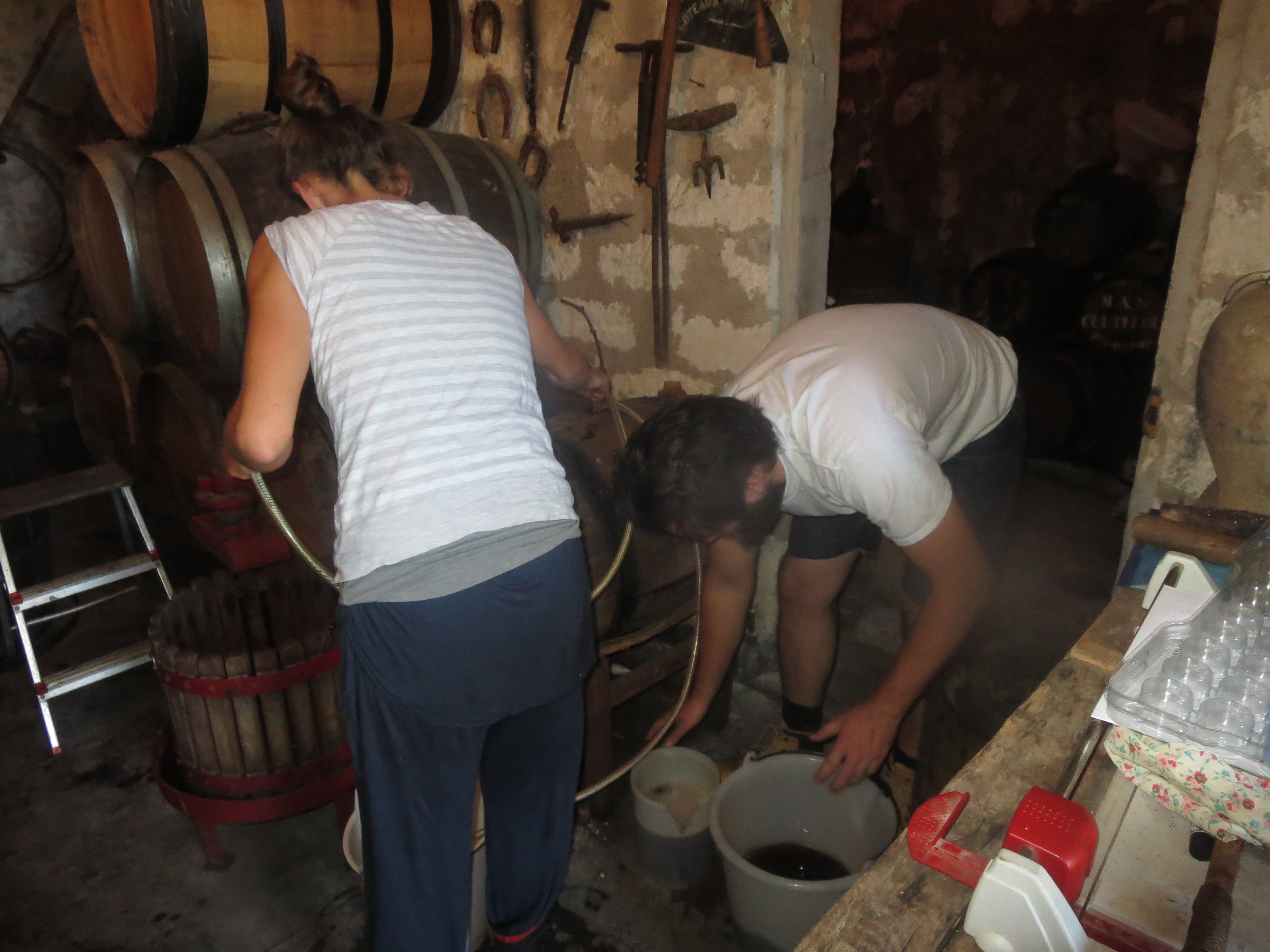
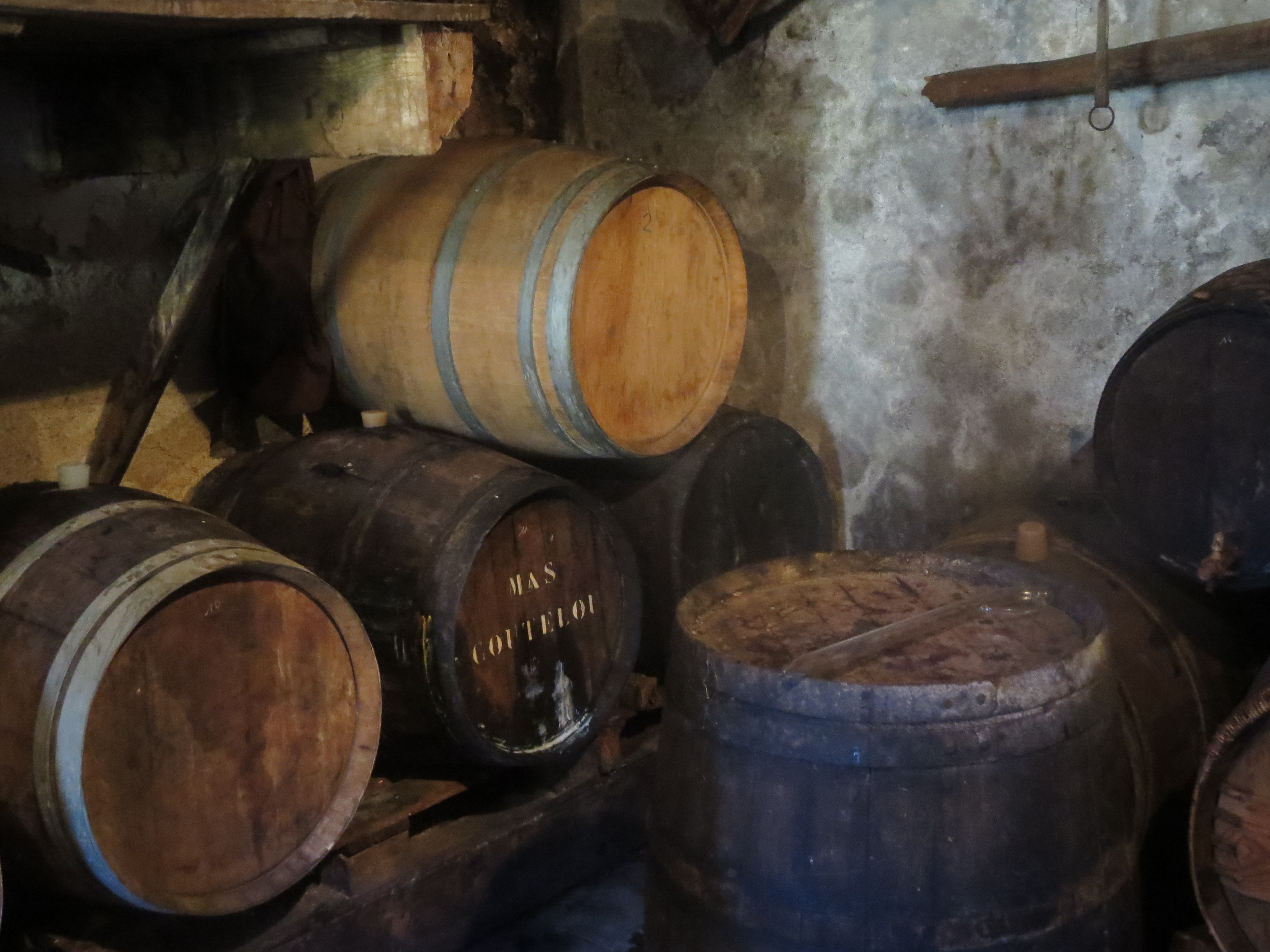
Naturally, spending so much time at Mas Coutelou I have come to appreciate the story of the domaine and its roots and traditions through to its present. Nowhere is that history more alive than in one of its most unusual features, the solera system.
I was talking to Rosemary George at the Mas Gabriel 10th anniversary dinner and I told her how a blog post she wrote first led me to Jeff’s door and, consequently, changed my story and journey to the Languedoc. Rosemary’s greatest memory of Mas Coutelou she said was of the solera system. It is certainly virtually unique in the region. After my initial tour of the vineyards and tasting with Jeff I was amazed by the discovery of a solera. Clearly it left an impact upon Rosemary too.
So, what is it? What is its own history?
Soleras are usually associated with sherry. The word means ‘on the ground’ in Spanish. Barrels are filled with wine and the oldest wine is used to fill bottles though some of the wine is left. It is refilled from the next oldest barrel and that in turn by the third oldest. As each is only partly emptied the barrel’s contents become a mix of vintages. Traditionally, the oldest barrel is in on the ground and filled from above, hence the name solera. That ground barrel in Mas Coutelou’s solera is over 200 years old! The barrels also lose some of their contents through evaporation. The larger barrels (around 225 litres) lose around 6% of their wine per year, smaller barrels can lose up to 15%! Hence the need to replenish the barrels for natural reasons not just because they have been emptied.
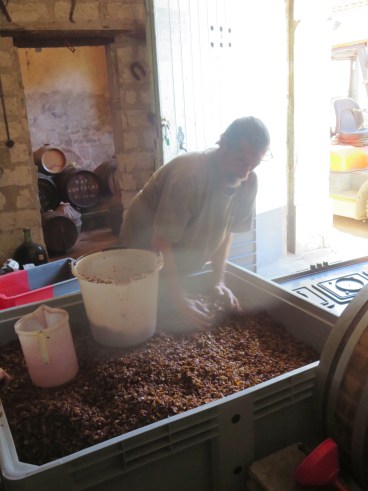
Michel removing must from muscat ready for the solera
The Coutelou system was started by Jeff’s great grandfather and has become a family tradition. Muscat and Grenache grapes are used to feed the solera each year. They can follow a route of being used for sweet or dry wines, they might be blended together or kept separately. Altogether there are 16 possible paths for the wines to take and Jeff must choose the most appropriate one based on his tasting experience.
The wines vary from the very dry to the very sweet and luscious. Some of the old Grenaches can be very like old amontillado sherries, lightly structured but packing power with long nutty, prune and raisin flavours which linger and fill your mouth. Others, especially the sweeter Muscats, are caramel, toffee and raisin in aroma and flavour and the wine clings to the glass with its viscosity. They are an utter delight and a special treat to savour slowly. Going from barrel to barrel in the two rooms where they lie there is an enormous range of wines, somehow Jeff keeps a record of them all in his head. As you taste them you are enjoying the results of decades of grapes from the lovingly tended vineyards, the work of generations of the family. This is tasting history.
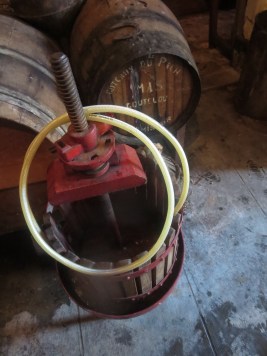
I love these wines, their complexity, aromas and flavours are captivating, making you smile, savour, sniff, speculate and sigh with pleasure. It is impossible to taste and to drink them without reflecting on the story of the wine and the people who made them. A sense of the past reinforced by the surroundings. The solera cellar contains all sorts of artefacts, equipment used in the vines and the cellars over the years as you can see above. It is a museum to great wines and to great people representing the history of the village and region too. The wines are that history in the glass, rich and rewarding.
Latour not Le Tour. It is a village in the Pyrénées-Orientales with an unusual profile in terms of winemaking as nearly all the vignerons make natural wine. La Bande de Latour is their open day and it was such a fun event last year that we decided to return again, the date was in the diary for a long time.
Unbelievably the event took place on the only bad day’s weather in the last 3 weeks, low cloud, mist and dampness prevailed though the event was far from spoiled and more than compensated for the weather. The vignerons of Latour invite others from around the Languedoc Roussillon and further afield, but there is a common bond of natural wine. In recent weeks there has been much discussion in the world of wine about whether natural wines should be certificated and what direction the wines should take. I intend to address these issues in the next articles but it was a good opportunity to see what lessons could be learned at such a gathering of producers.
The first thing to say is that there were wines which did not appeal and which seemed a little lacking. I believe that natural wines are moving on and that with more experience of not using sulphites, for example, winemakers are learning how to tackle the process of making clean, fresh and healthy wines with a minimum of faults despite not having the safety net of additives, interventionist winemaking etc. However, there were some winemakers present who, in my view, are either new to the approach, haven’t learned or have not moved on. I won’t name names here but would share my thoughts if anyone wants to get in touch.
However, I felt that the majority of wines were of at least good quality, with fruit, freshness, balance and complexity – all that you would want from any wine but certainly the features which make natural wines appeal to me. There were wines which really were top class and I put my money where my mouth is by buying some.
Top of the podium was undoubtedly Cyril Fhal of Clos Rouge Gorge. His vineyards are high in the hills, gobelet and exposed to the elements. Cyril is a master of Carignan and his wines are relatively expensive though not by comparison with the likes of Burgundy or Bordeaux, and his wines do bear comparison with top class wines. The Carignan was very good indeed, long, fresh, deep and balanced. However, it was the Blanc, made from Maccabeu which really captured my imagination, one of the best wines I have tasted in 2015. It starts zesty and fresh and then the oak adds a little roundness, coating the mouth with spicy notes but always clean and refreshing. Beautiful wine, brilliant winemaking. I happily bought both wines.
Outstanding
Other top performers from the village included Domaines Rivaton, Mathouans and Trbouley.
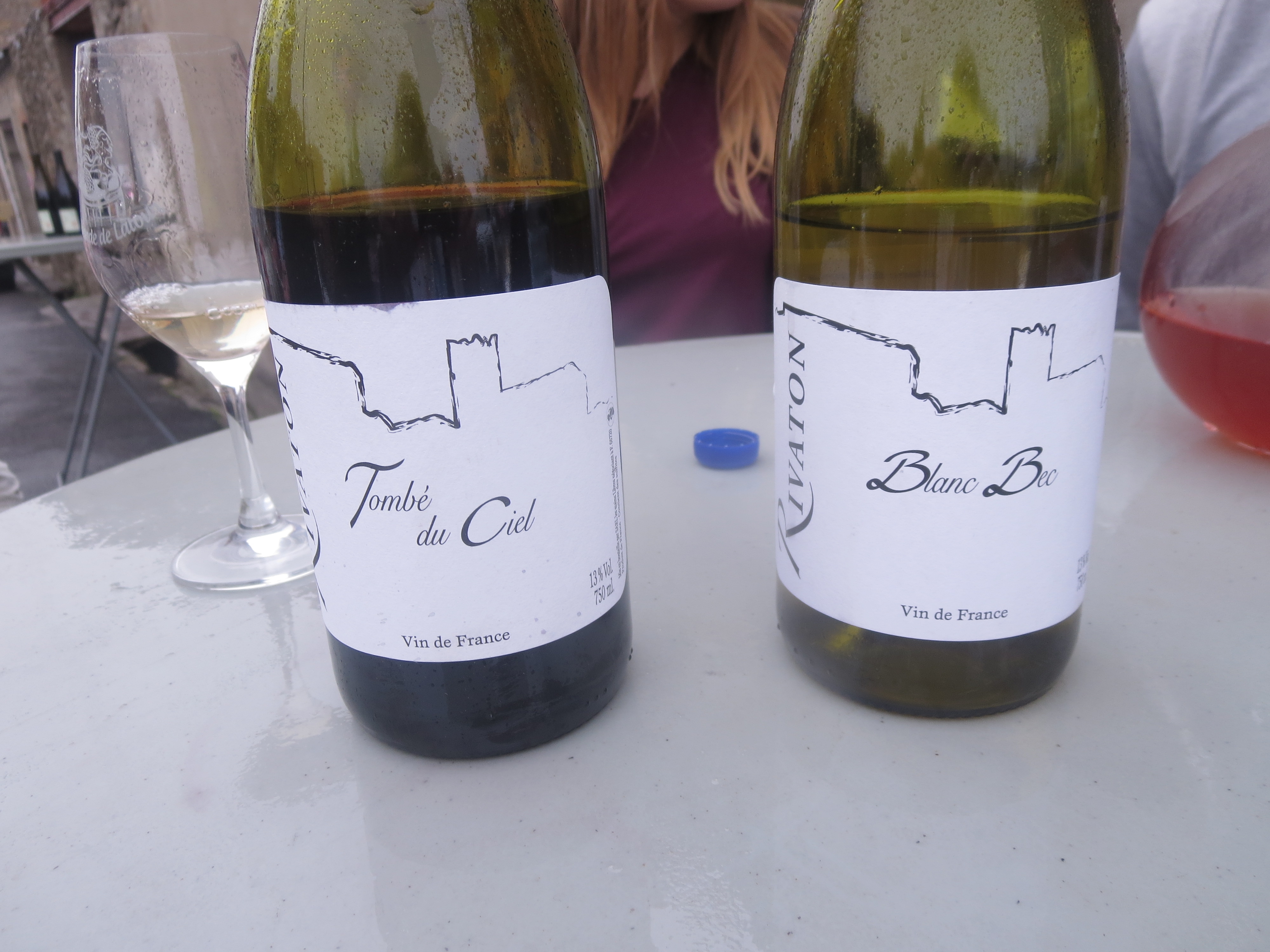
Frédéric Rivaton presented a very good white wine, Blanc Bec 2014 which was full flavoured, fresh and balanced the Carignan Blanc, Grenache Gris and Maccabeu beautifully. The rosé was mainly Grenache and the best of his wines today, lovely aromatics of red fruits matched by full, almost textured, flavours. Very good. I liked the red Gribouille too, showing a lot of depth and complexity. I liked Rivaton wines when I have tasted them before but they seemed to be much more complex and interesting today, more purchases.
I don’t remember tasting DomaineMathouans wines before, I certainly have no notes, and that is my loss. These wines were very well made with lots of fruit but also much more complexity behind the fruit. Light tasting but structured, easy to drink but with real depth and interest. The orange wine Mine De Rien 2014 made from Muscat Petits Grains had lovely muscat aromatics (plus a little reduction which disappeared in glass), but was dry, clean and not overly concentrated as some orange wines can be. Fresh and clean, very well made. Assureté is a blend of red grapes which are complanted in the vineyard and vinified together. Full, fruity and very good – my question is why on earth did I not buy some? My mistake. And again with Le Bon, Le Brut et Le Carignan which was aromatic, red fruits with deeper black fruits behinid, very complex but always fresh and balanced. Aline Hock is clearly a very talented winemaker, I intend to find out more about the domaine.
Renaud of Domaine Mathouans, a convincing advocate for the wines
Jean-Louis Tribouley‘s wines have always appealed to me. Today we only tasted the red wines, which was a shame as I love his Grenache Gris. They were all good wines, however, I have to single out Mani 2012 made from young vine Grenache, Syrah and Carignan which was sweet, ripe and very good. Another I wish I had bought.
My other favourite wines came from outside the area.
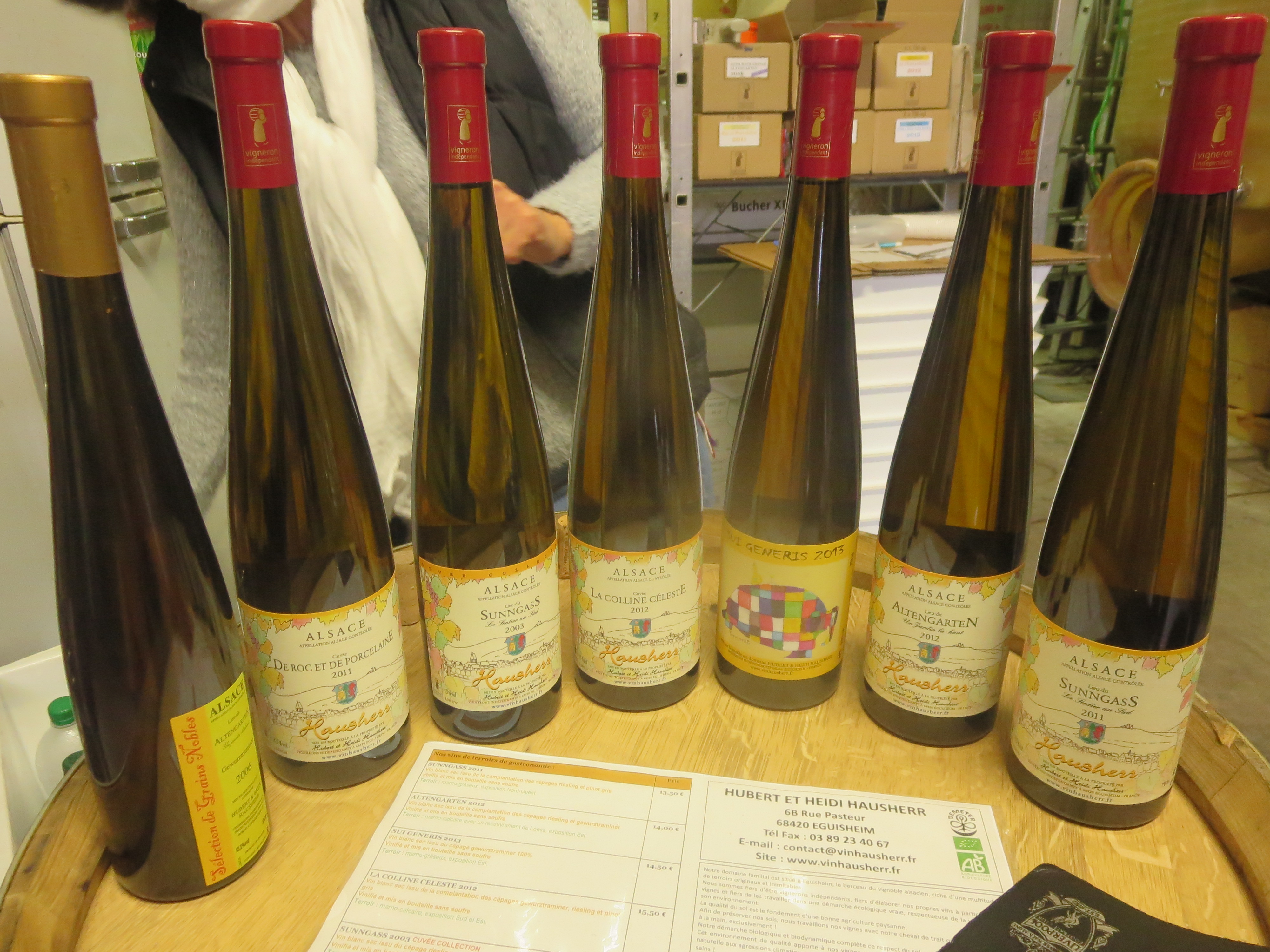
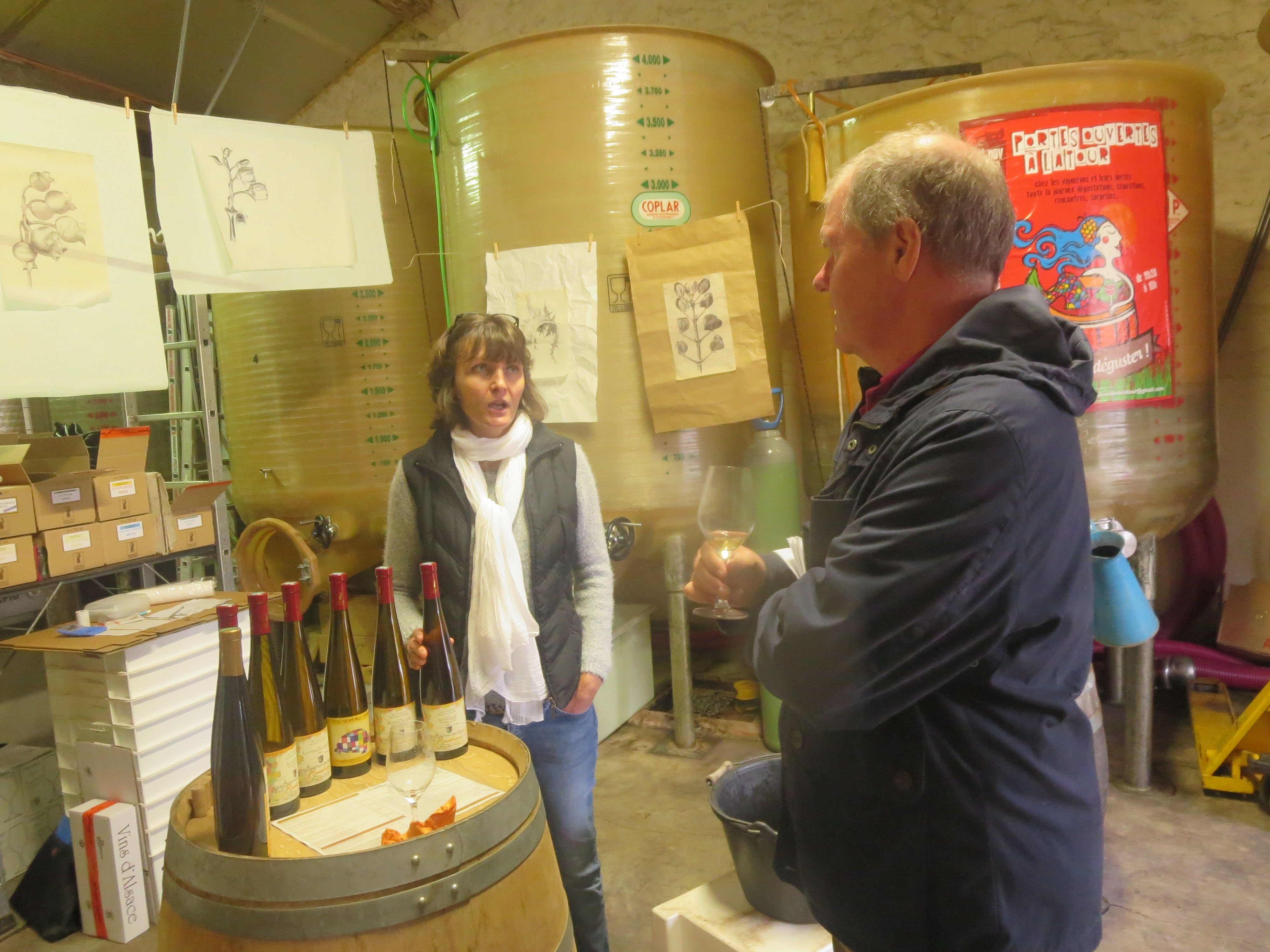
I was taken by the wines of Domaine Hausherr when I met them in Montpellier in January. Despite their long journey to Latour the wines were equally good today. Hausherr like to express their vineyards rather than single varieties as most Alsace producers do. Therefore, wines such as Altengarten are a blend, in this case Riesling and Gewurztraminer. They are wines with full, ripe aromatics hinting at sweetness but in fact they are very dry and expressive, really delicious. La Colline Celeste 2012 was my favourite of the dry wines and I also really liked Roc Et Porcelaine 2011 which was made from the same vineyard but with more residual sugar kept to add a touch of sweetness. Sungass 2003 was also very interesting, the hot summer of 12 years ago but the wine was fresh and dry, pure Riesling with petrolly notes.
Talking to Heidi Hausherr
L’Ostal is in Cahors, a small and youthful domaine run by Louis Pérot. The Malbec grape can be tough and often needs aging but Louis has made different styles of wine using, for example, carbonic maceration. There is still a classic Cahors, Plein Chant (2013 bigger than 2014) but I really enjoyed Anselme 2014 which was full, rich but velvety and very good. Similarly Le Tour (not Latour) was bigger than many of the wines but retained a freshness and fruit character. I was happy to buy both of these and enjoyed the other wines too. Particular thanks to Louis who replaced a bottle I broke on the way out, my fault and he didn’t need to, it was much appreciated.
I’d also like to add Axel Prufer of Temps Des Cerises to my recommendations. The Chardonnay Peur De Rouge 2013 was very good, this is a wine which is coming into its own and Axel confirmed it needs a year or two to do so. His red Fou du Roi 13 was also very good but the Chardonnay was a real treat.
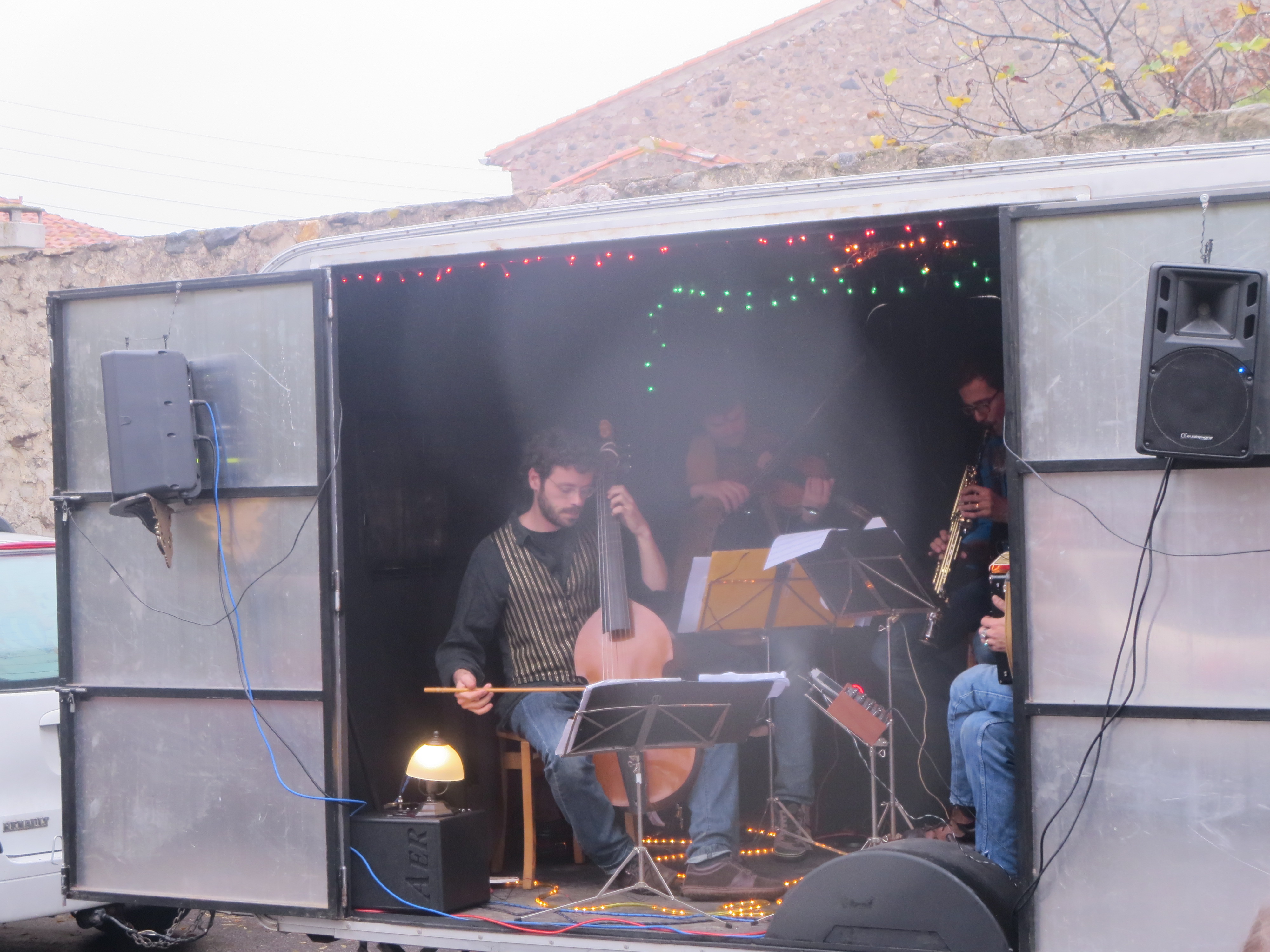
So a great day, lots of music, choices of food (including vegetarian!) and a good atmosphere despite the gloomy weather. There were my favourite wines, there were others too from Domaine Sabbat and the very promising new domaine of La Bancale.
Enjoyed talking to Bastien Baillet of La Bancale, a domaine to watch
I do think natural wines are moving on and improving still further and La Bande de Latour provided me with plenty of evidence to support me. As I said I shall be coming back to the whole natural wine debate soon.
 La Remise in Arles was a two day joy. In its own grounds, with excellent food and a range of excellent producers, including the Casa Pardet above and Jeff Coutelou, La Remise had a lively, friendly atmosphere. The inclusion of producers from Spain and Italy as well as various parts of France and the welcome addition of new, young producers provided a rich, enjoyable and rewarding experience.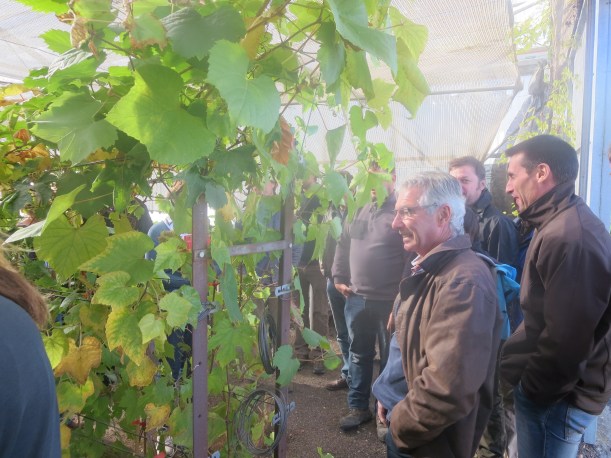








 More Sauvignon Blanc, Muscat and Grenache which are complanted in La Garrigue vineyard and made into a sparkling wine with a degree of sweetness, Bibonade is a lovely aperitif, my wife’s favourite!
 Well last night Iain, my brother in law, served up a Romanian red made from the Negru De Dragasani grape – I’d love to be able to say that I identified it immediately but as I’d never heard of it before! It was actually good, very spicy and refreshing.
 For you kind people who take the trouble to read my blog I wish you nothing but the very best; peace happiness and health. It has given me so much pleasure to hear from you and know that my love of wine, the Languedoc and learning are shared by you in the 106 countries from which you come. Thank you so much and a very happy Christmas.















 Top of the podium was undoubtedly Cyril Fhal of Clos Rouge Gorge. His vineyards are high in the hills, gobelet and exposed to the elements. Cyril is a master of Carignan and his wines are relatively expensive though not by comparison with the likes of Burgundy or Bordeaux, and his wines do bear comparison with top class wines. The Carignan was very good indeed, long, fresh, deep and balanced. However, it was the Blanc, made from Maccabeu which really captured my imagination, one of the best wines I have tasted in 2015. It starts zesty and fresh and then the oak adds a little roundness, coating the mouth with spicy notes but always clean and refreshing. Beautiful wine, brilliant winemaking. I happily bought both wines.




 amarchinthevines