3. Basket Press
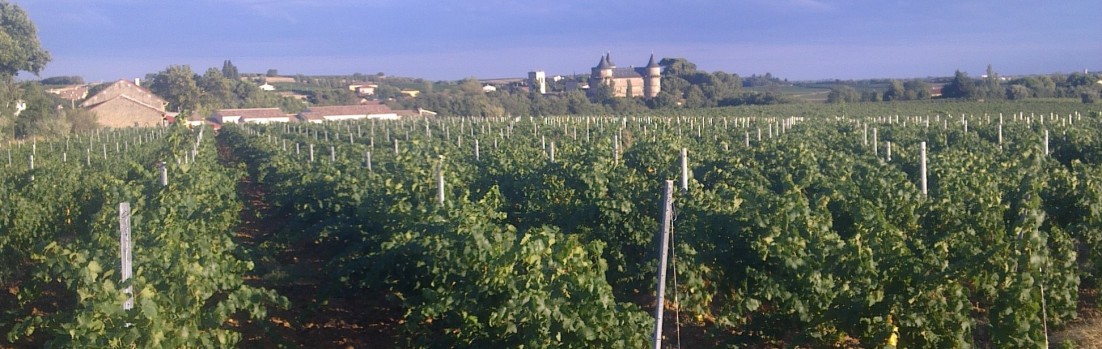
From the capital of England to the capital of Scotland for tasting number three. My very good friend David Crossley invited me up to share a tasting together courtesy of Basket Press, specialists in Central and Eastern European wines and ciders. The tasting took place at Spry on Haddington Place opposite the celebrated Valvona and Crolla and, on a sunny Spring morning, I met David outside. Together with a dozen or so wine professionals we were led through an impressive range of bottles by Jiří, whose knowledge and enthusiasm were inspiring. Thank you for sharing your expertise Jiří.
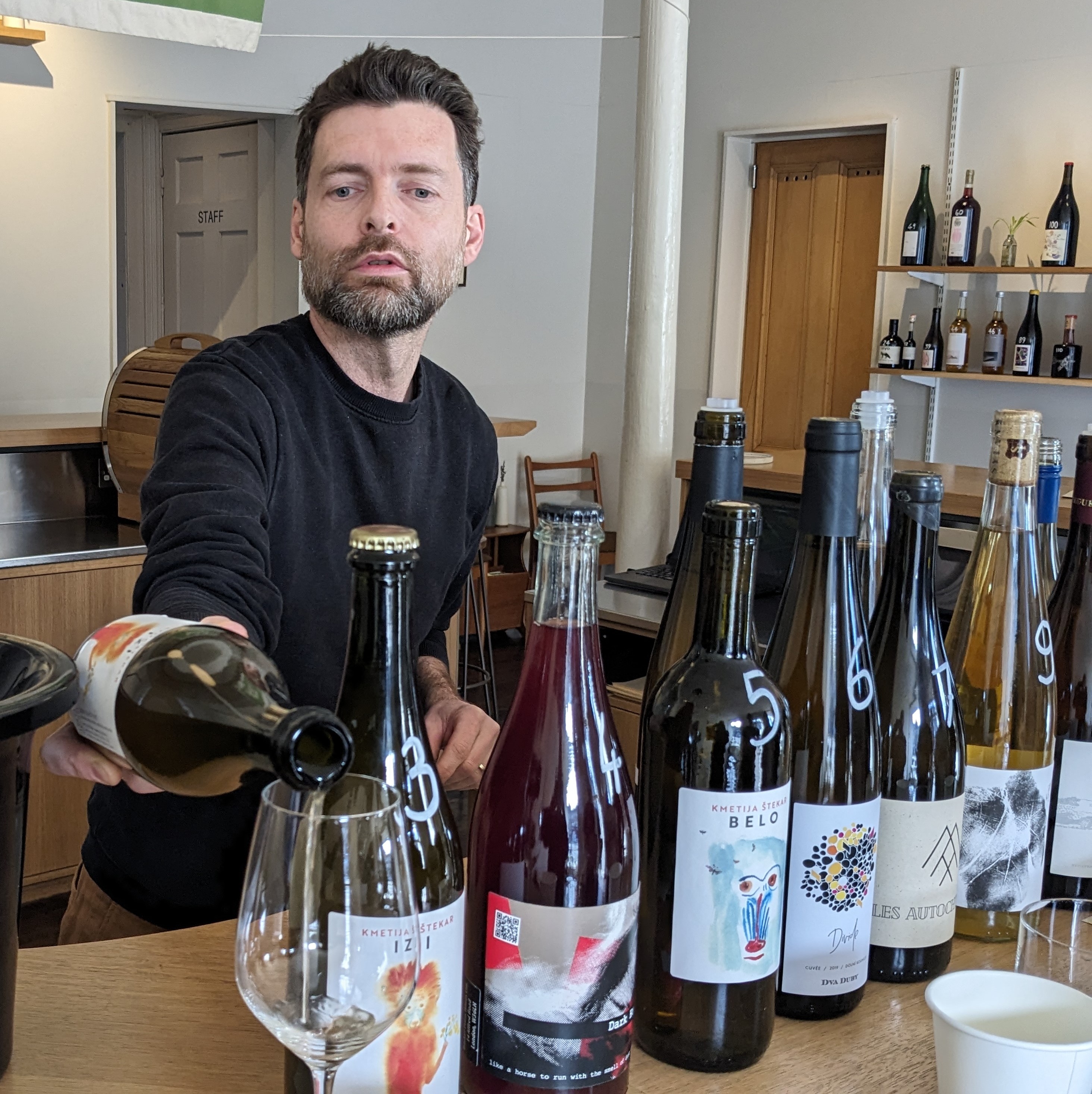
David has become something of an expert in the wines of central Europe and his excellent writing had inspired me to want to explore more for myself. I will be giving generalised impressions of this most enjoyable event and my favourite wines but I urge you to click on the following link to read David’s more thorough and knowledgeable analysis of the wines and drinks shared that morning.
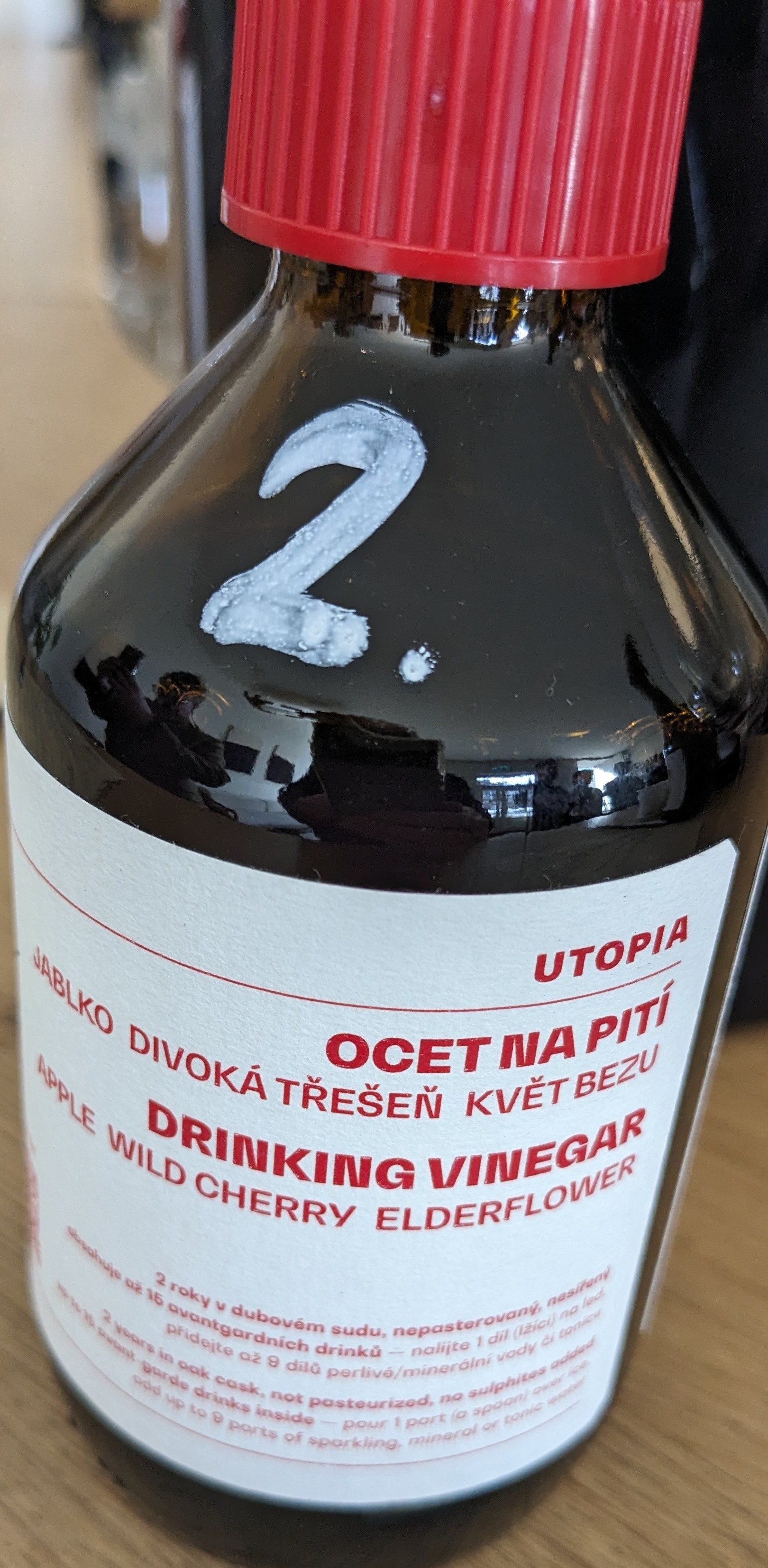
Let me start with the unusual, a drinking vinegar and a cider made from frozen apples, both new to me and both made in the Bohemian Highlands of Czechia by Utopia. The vinegar had some fruit, even with the trend for kimchi and pickles I doubt I’d drink it but it was very tasty for dressings etc. The cider was a revelation, the ice had removed water to leave more sweetness and there was a lovely, intense apple hit followed by a balancing streak of acidity, very nice.

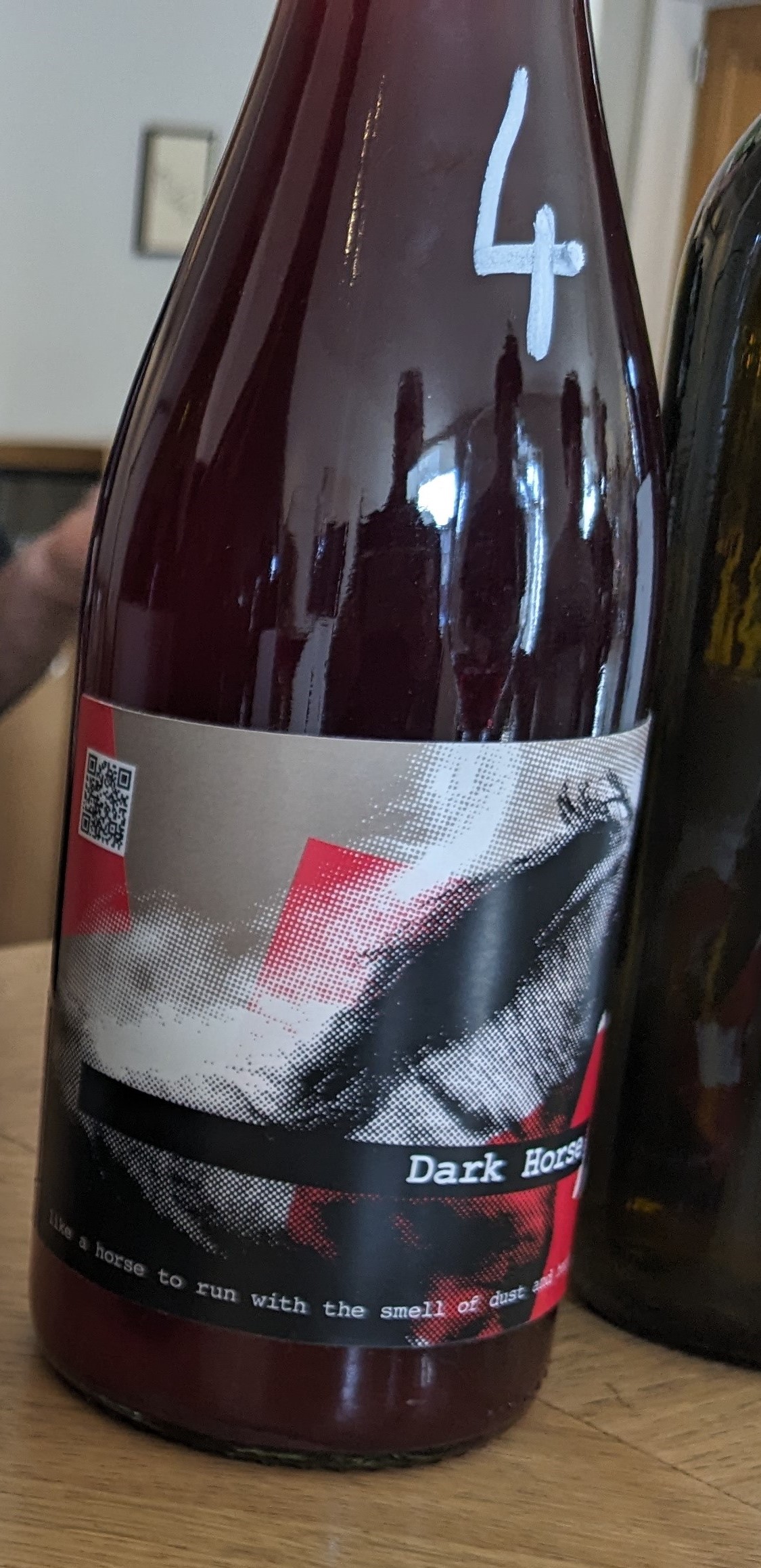
PetNats are starting to fall out of fashion at the moment but the two on show here were definitely proof that the style has a future. I enjoyed the Slovenian Izi 22 from Štekar but the star was undoubtedly Petr Koráb‘s Dark Horse Pet Nat 22 from South Moravia. Made from Traminer and Welschriesling kept on skins for a year and then blended with hybrid grape Hibernal and Blaufränkisch which gave it the bright, cherry red colour. It had bright aromas of red fruits and these carried into the flavour with a long, clean finish and a nice bitter twist on the finish. One of the best PetNats I can recall, a star wine.
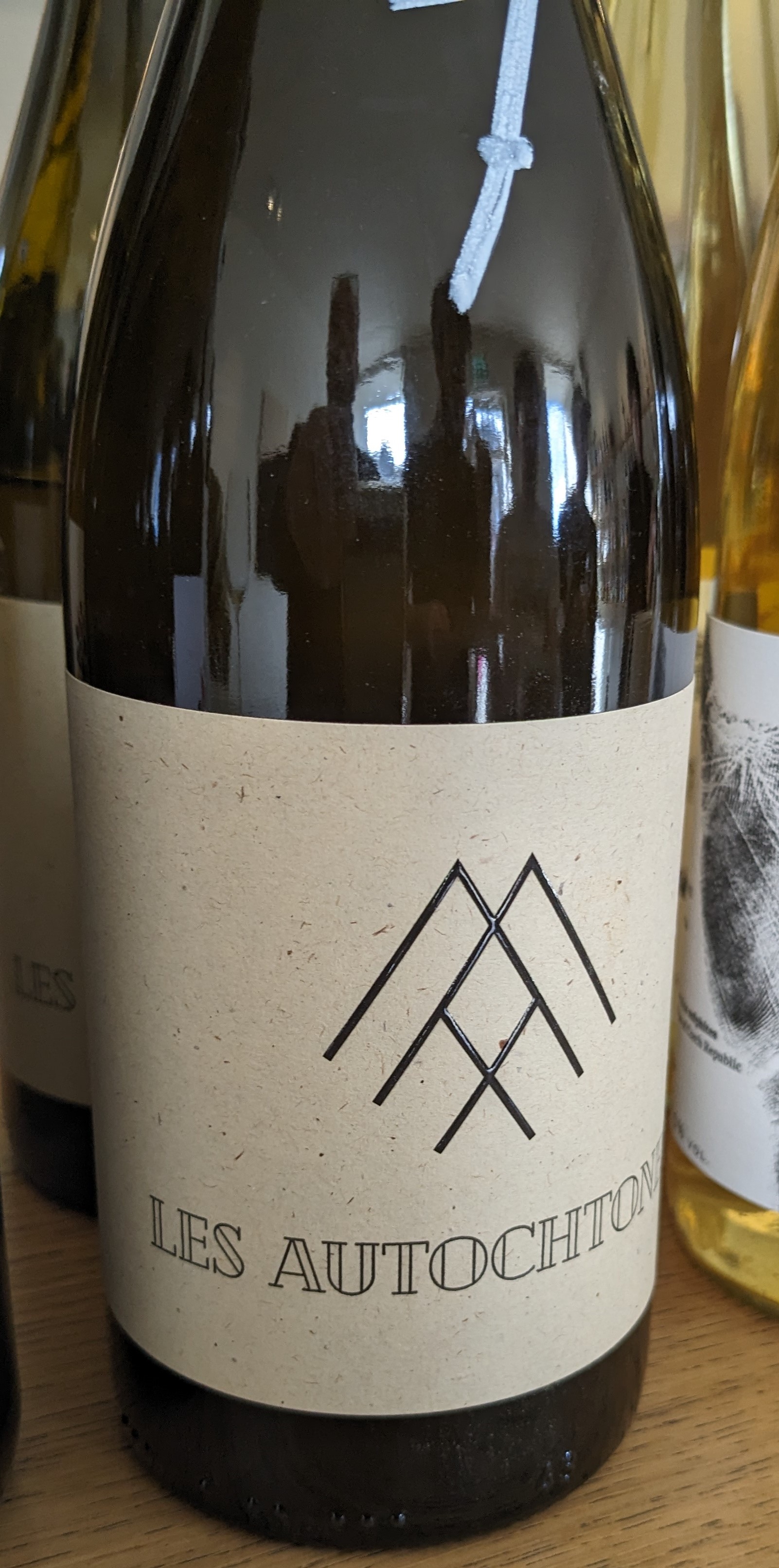

The whites were good, I liked the typicity of some of the wines such as the very good Silvaner from Max Sein, Les Autochtones 20, and Sauvignon Blanc 22 from Mira Nestarecová were both very good examples of those grapes but much more. The Silvaner is grown on limestone based on seashells and there was a freshness and purity of fruit along with a slight orange colour and texture from a short skin contact, best of both worlds. Mira proved she is an excellent winemaker in her own right, not just the wife of Milan Nestarec. Her Sauvignon Blanc was another with partial maceration but the varietal character was clear and refreshing.
The most interesting white for me was Dva Duby‘s Divide 19. Made from 30% Müller Thurgau with the rest from Frühroter Veltliner, a white grape with red/pink skins rather like Pinot Gris. This gave the wine a pinkish tinge and the wine had definite saline notes (influence of the volcanic soils?) and unusual white fruit flavours like bruised apples with some cherry. I wasn’t sure I loved it but it was unique. My favourite white wine was Zdeněk Vykoukal‘s Neuberger 21, like the Dva Duby from South Moravia. Neuberger is usually to be found in Austria and is noted for its susceptibility to botrytis because of its tight bunches. Indeed, this example had 30% botrytised grapes aged in acacia barrels for 12 months then steel for another 6 months after a full day on skins. Such daring winemaking paid off handsomely, the wine was clean with white fruits and then its golden colour was matched by a hint of honey sweetness and beeswax notes. It reminded me of a very good Chenin Blanc from the Loire but stands on its own. Lovely.


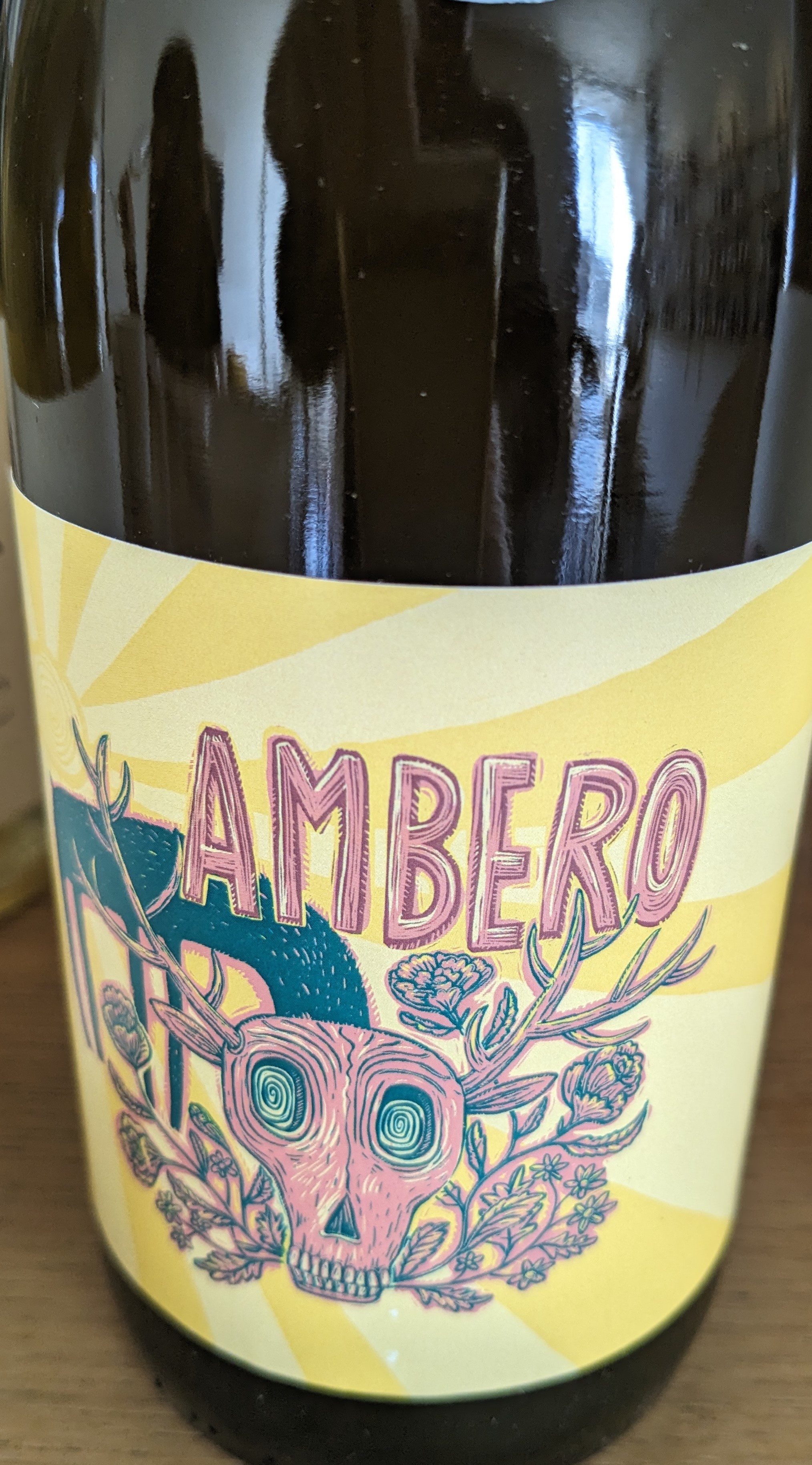
From the wines tasted it was clear that skin contact is a widespread practice in the region and skilfully done at that, adding good complexity to white wines. There were four orange / amber wines on show and my standout was again from Petr Koráb, Ambero 22 made from Welschriesling, Veltliner and Traminer aged in a ceramic vessel for a year and then blended with 30% Hibernal. The wine is deep amber colour and the skin contact added a grippy texture which boosted the lovely fresh citrus (David described it as clementine). The ceramic vessel means there is little oxygen contact and the wine stays vibrant and zesty.
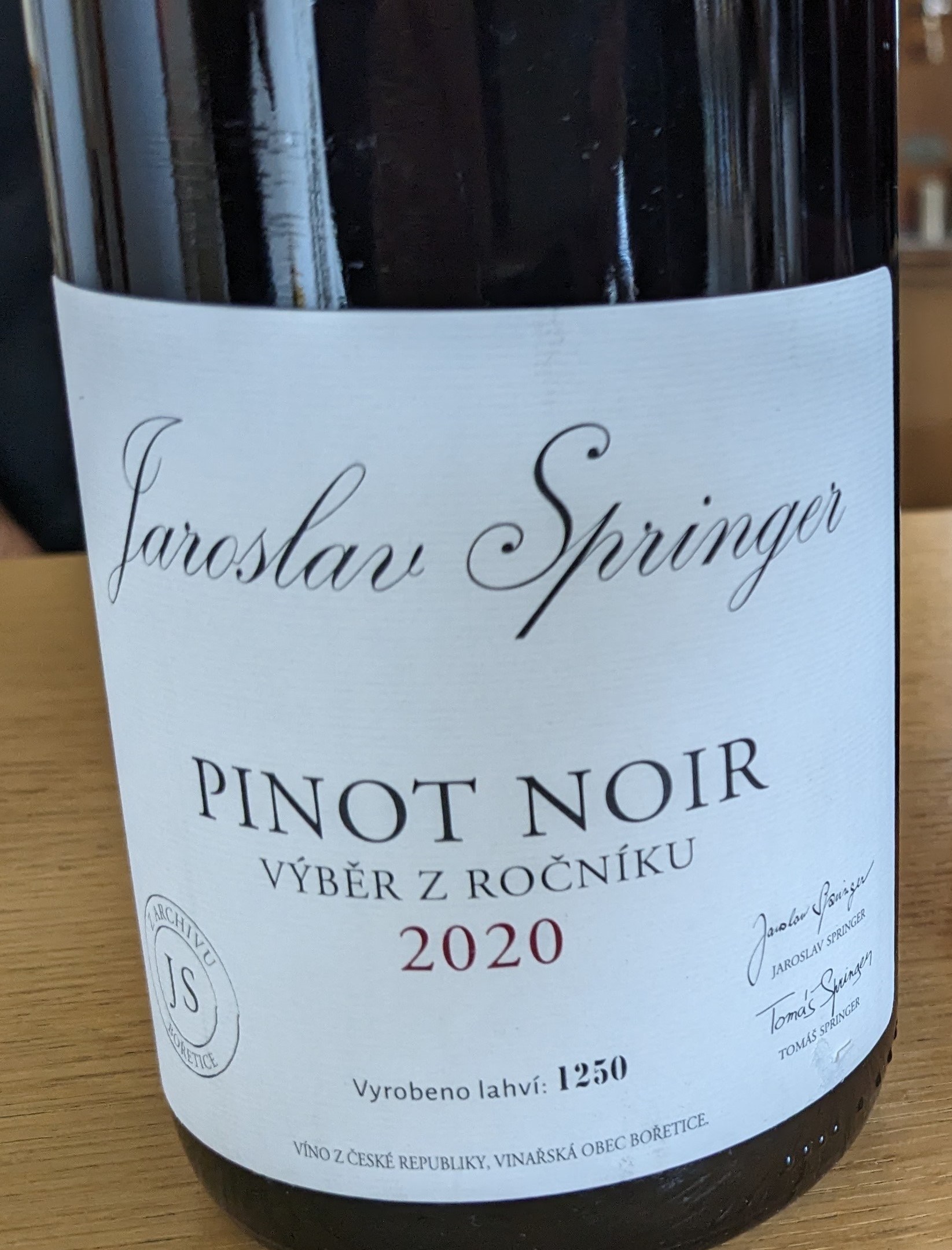
The best was still to come, the red wines. Pinot Noir showed up well with some pure examples notably from Jaroslav Springer and Mira Nestarecová again. As David notes Jiří stated that he thinks Springer is making the best Pinot Noir in the whole of central Europe not just Czechia. Pinot Noir Vintage Selection 20 had clear red fruit aromatics with strawberry flavours and good freshness, hard not to compare with very good Burgundy. Mira’s Pinot Noir was a bonus wine shown by Jiří, some carbonic maceration had extracted a bitter note but it was another very nice Pinot. Incidentally, her Cabernet Franc had green pepper and spice notes, another example of grape typicity.

photographing Jiří holding Mira’s
Pinot Noir
My favourite wine of the tasting was Zdeněk Vykoukal‘s Cabernet Moravia 21. This grape is a cross between Cabernet Franc and Zweigelt, both grapes giving freshness and that was the hallmark here. The colour was pure ruby and there were plummy aromas with deep red fruits and a toffee like finish, the slightest note of sweetness. Grown on limestone the grapes are aged in oak for 10 months and then steel for 6 more. It is precise winemaking delivering a bottle which drew appreciative remarks and noises all round.

My main takeaways from this excellent tasting:
- Interesting grapes – from classical interpretations of grapes such as Pinot Noir to hybrid and crossed breeding
- Pruning – Mira Nestarecová’s very good wines originate from unpruned vines, an emerging practice and one to follow
- Skin contact – commonly used, well practised and effective in adding complexity
- Vykoukal – my favourite white and red wines were made by this producer, I need to order some!
- Moravia – David has been highlighting this region for a long time, he was absolutely right. These were top quality wines featuring exciting and experimental winemaking.
Bravo Basket press for your work in bringing them to the UK.


April 3, 2024 at 5:18 pm
Kind words, Alan, but you bring a lot of extra knowledge, and your winemaking experience, to your notes. I’d like to think our pieces complement each other. Of course, I’m thrilled you liked the wines. It helps confirm my own enthusiasm for them.
LikeLiked by 1 person
April 3, 2024 at 7:15 pm
Thanks David, that’s a big compliment which I appreciate.
LikeLiked by 1 person