amarchinthevines

Learning about wine, vines and vignerons whilst living in the Languedoc


2 Comments

Sorry Pasteur, you were wrong

Version française 

Two years ago I wrote an article whose title was a quote by my historical hero Louis Pasteur, “Wine is the most healthful and most hygienic of beverages.” Well my recent visit to the Languedoc gave me cause to doubt that Pasteur was wrong, in at least half of his statement.

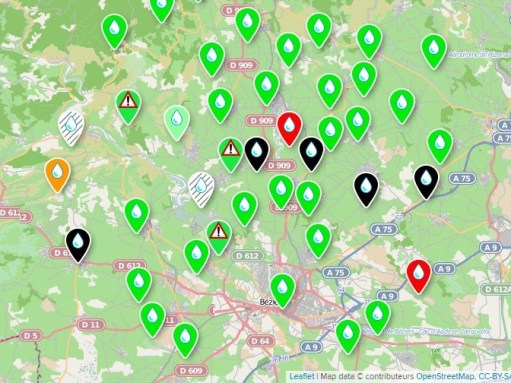
A friend (Chris) drew my attention to a website showing the quality of water in every commune throughout France. The results for the area of the Hérault centred around Puimisson, Puissalicon, Espondeilhan and Thézan-lès-Béziers showed that they along with other communes in the area have poor quality drinking water.
herault

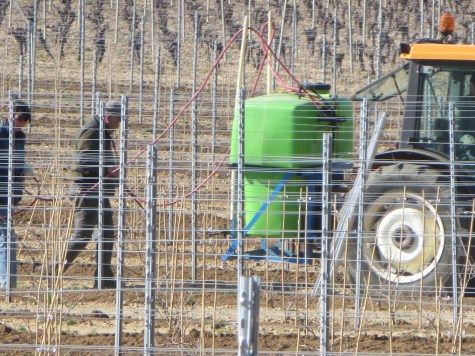
So why is that? Simply put it is agricultural pollutants and in this area what that means is pollutants from vineyards. In particular it means pesticides getting into the drinking water.

puimisson

The area is full of vineyards, mostly managed under a régime of chemical intervention. Weedkillers, herbicides, fertilisers are all used to ensure maximum yields as vignerons are paid by the quantity of grapes they produce, though they do have to respect the maximum yields permitted by, for example, AOP regulations. Unfortunately when it rains, and it often rains very hard in the Hérault, the chemicals are often washed from the vineyards onto the surrounding roads and into the drains and sewers.

I was talking to an Italian vigneron in January and he was telling me that, as an organic producer, he was shocked at the last vendanges. His lovely grapes were growing on vines which had already begun to shed their leaves or were changing colour as the energy of the plant had been channelled into the fruit rather than the leaves. He felt somewhat embarrassed as his neighbours’ vines were pristine, bright green and laden with grapes. That was the result of the chemicals and nitrates sprayed on to those vines, whereas his were treated only with organic tisanes.

p1010061

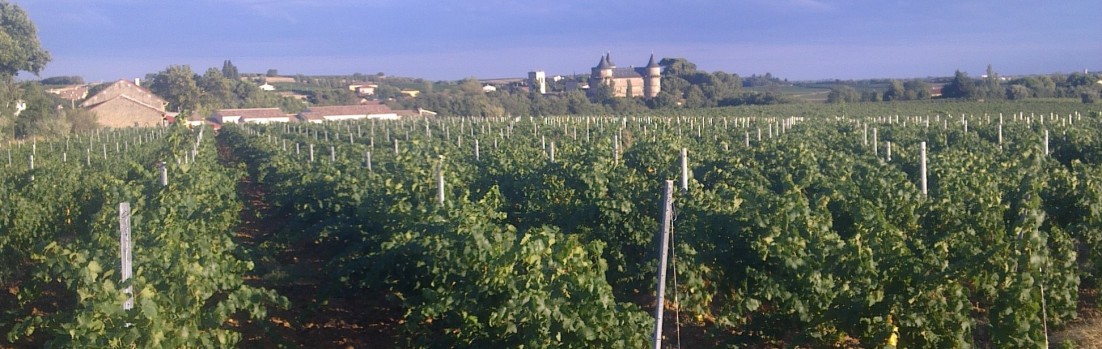
That is the same experience which I have observed in the area around Mas Coutelou. Jeff’s vineyards are surrounded in the main by conventionally tended vines. I remember him telling me as we stood in Rec D’Oulette (the Carignan vineyard) to look around at the bright green sea of vines with his own vines looking rather tired in comparison.

Well, the chemicals which make the greenery and heavy crops are polluting the water. The drinking water of the very place where the vignerons and their families live. When Pasteur spoke about wine being healthy and hygienic he was speaking at a time when most drinking water was polluted, even untreated. He was right, wine was healthier and cleaner than the water. And now, ironically, it is wine production which is making the water of ‘very bad quality’. Nevermind the 100+ additives which are legally allowed into wine, the wine is also a pollutant. That is why I challenge Pasteur’s claim.
img_0785

I am amazed that this report created so little reaction, surely the very water which nourishes the vines and slakes the thirst of wine producers should be be safe to drink? At what cost are we producing wine unless producers take more seriously the effects of their farming methods. And you wonder why I prefer to drink mainly organic and natural wines?

7 Comments

Is grass good for you? – February vines (Part 2!)

Version francaise

I wasn’t expecting to add anything to the previous post but on our walks around the area this week I have been struck by the amount of viticulteurs busy with a task that I had not included. So, as I hoped this blog would reflect what I saw rather than just theory I felt that I ought to add this post.

Biodiversité - un analyse démontre qu'il y a plus que 30 espèces de l'herbe dans un mètre carré

Soil in Jeff’s vineyard Peilhan with over 30 types of plant per square metre

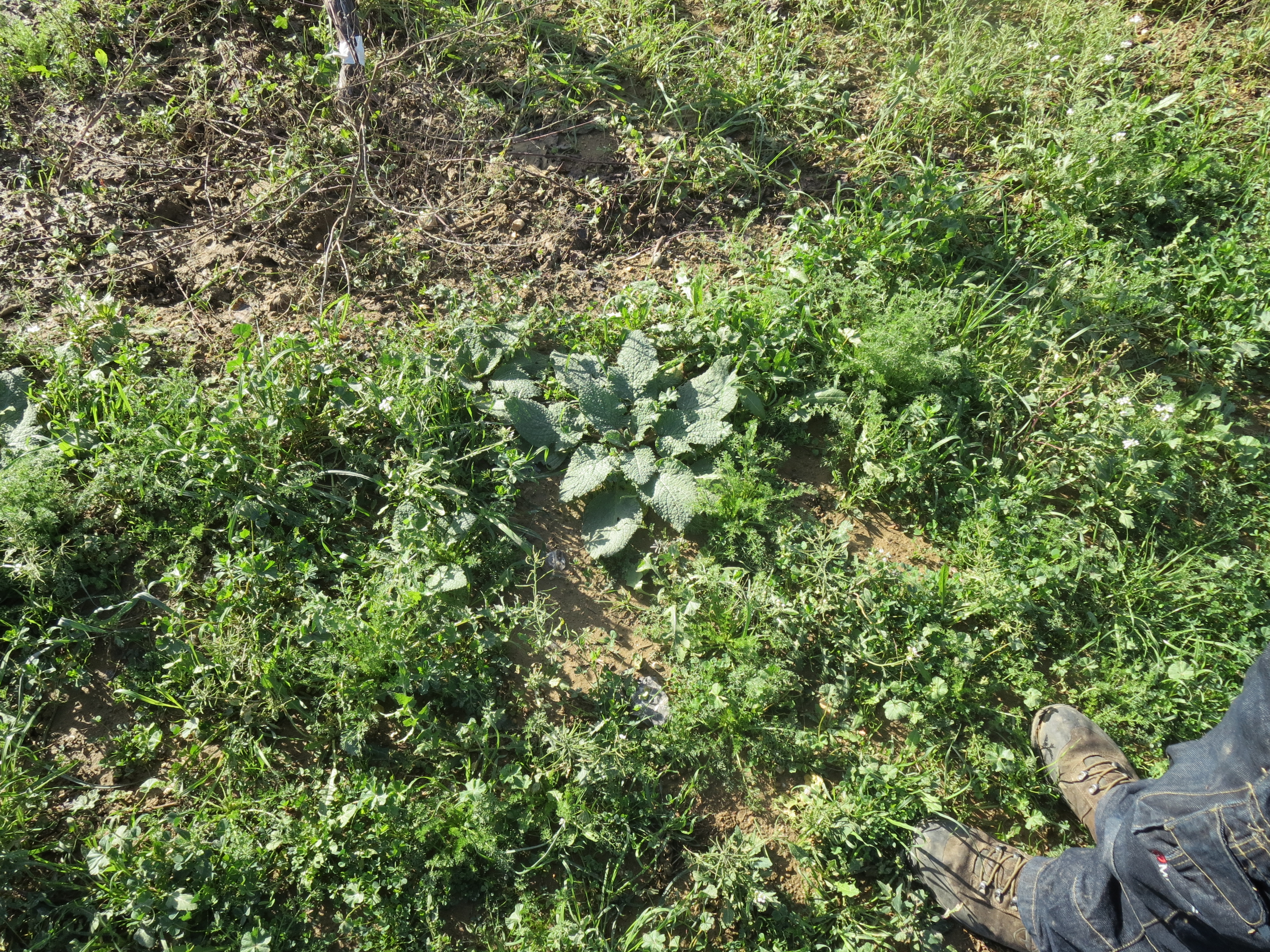
So what has been the extra February task, getting rid of grass and weeds (désherbement). A normal task for gardeners but a controversial one for viticulteurs. I have posted many photos over the last few months showing grass growing between vines, not least those of Mas Coutelou. Twenty years ago this was relatively rare but modern viticultural practice reflects concern for the environment and less use of weedkillers etc. It has also been shown that grass (plus other herbs and wild flowers) has benefits for the vineyard; controlling weeds, conserving water and conserving the soil itself by binding it to prevent erosion. The grass can also help to provide competition to the vines forcing them to push their roots deeper into the soil to search for water and nutrients.

IMG_0472

As spring seems to be with us already the grass will start to grow soon and viticulteurs want to control it so that it does not compete too much as the vines emerge from their dormancy. The amount of plant material a viticulteur would want will depend upon a number of factors such as the age of the vines as s/he would not want to hinder their growth and development. The nature of the vineyard too will affect the amount of grass you would allow. The viticulteur knows the vineyard and will make the decision as they see fit. Those who follow more reasoned approaches (my choice of words and my bias) do so carefully using strimmers to cut it down or pickaxes and hoes. Some will plough the soil so that the organic matter will provide a form of compost in the soil. I have asked a few winemakers I know and these are their methods. Manu Pageot, for example, will not start to weed until the soil has warmed up a little. Even then he will work by hand or using very light machinery so as not to compact the soil.

Jeff et Manu. ils étudient les herbes semées entre les vignes Cela va aider a garder de l'eau, renforcer la structure du sol et va attrayer les insectes

Jeff and Manu studying the grass Manu sowed between his vines


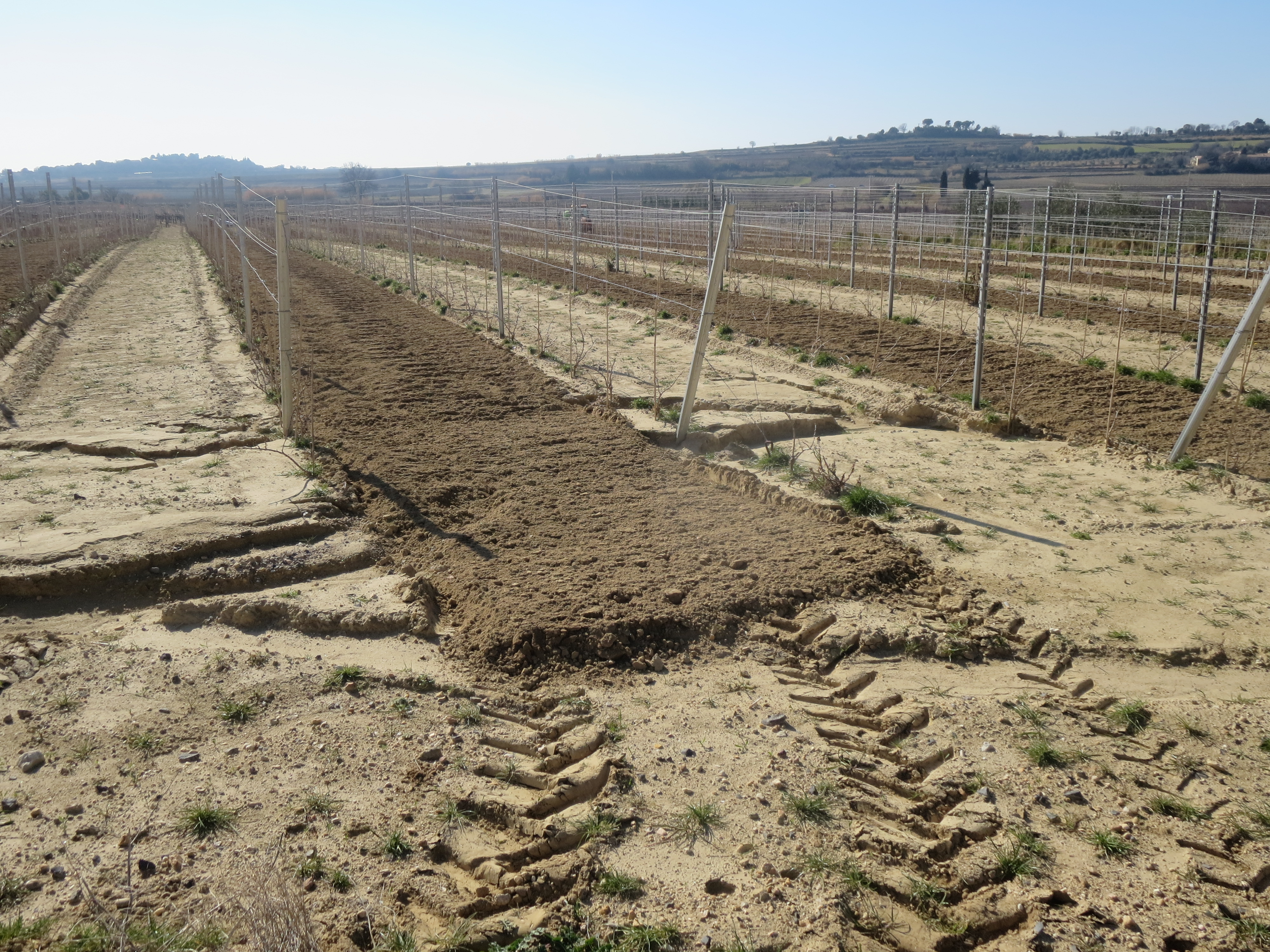
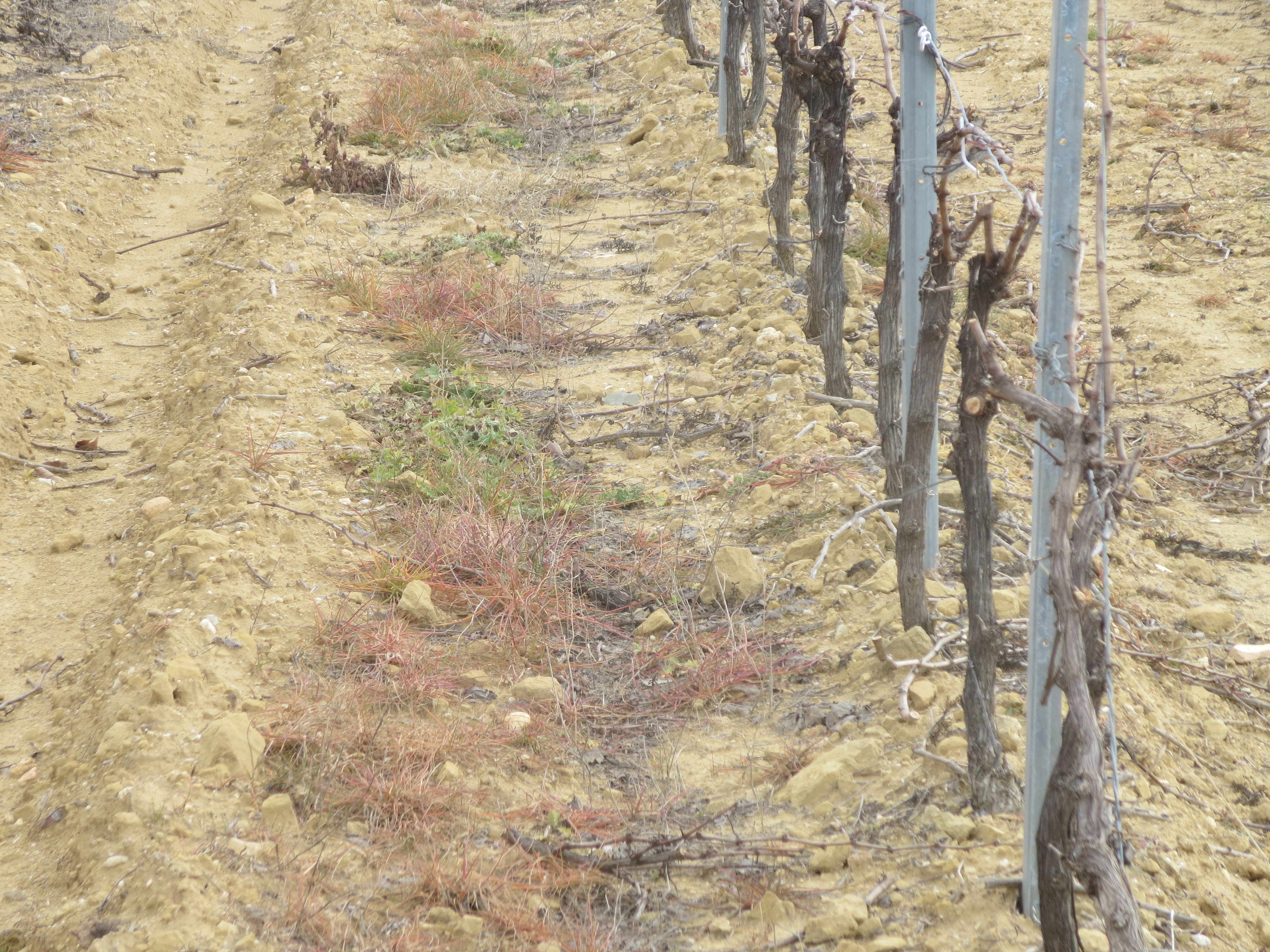
However, others take a more radical approach using chemicals. I took these photos on a recent walk around Alignan du Vent and Margon. Chemicals have been used to kill the growth and also a method of piling up soil to stop growth. I am not criticising these viticulteurs, they have to work as they see fit though clearly I am not personally sympathetic to their methods.

IMG_0786

Chemical spraying to kill off any plant life in a new vineyard


IMG_0784

Soil piled up to smother any growth. Note the compaction of the soil by the tractor

The photos below show a vineyard in November (top picture) and then below it you will see the row with the plants having been treated to kill them, changing colour as they die in the middle photo. If you look between the vines in the bottom photo you will see the grass turning to a straw colour.

IMG_0524

IMG_0795

IMG_0794

So to finish,a lovely memory of a more gentle approach to grass management!

Vachement, c'est Gobelet