amarchinthevines

Learning about wine, vines and vignerons whilst living in the Languedoc


5 Comments

The Coutelou ’24 and best wishes for ’25

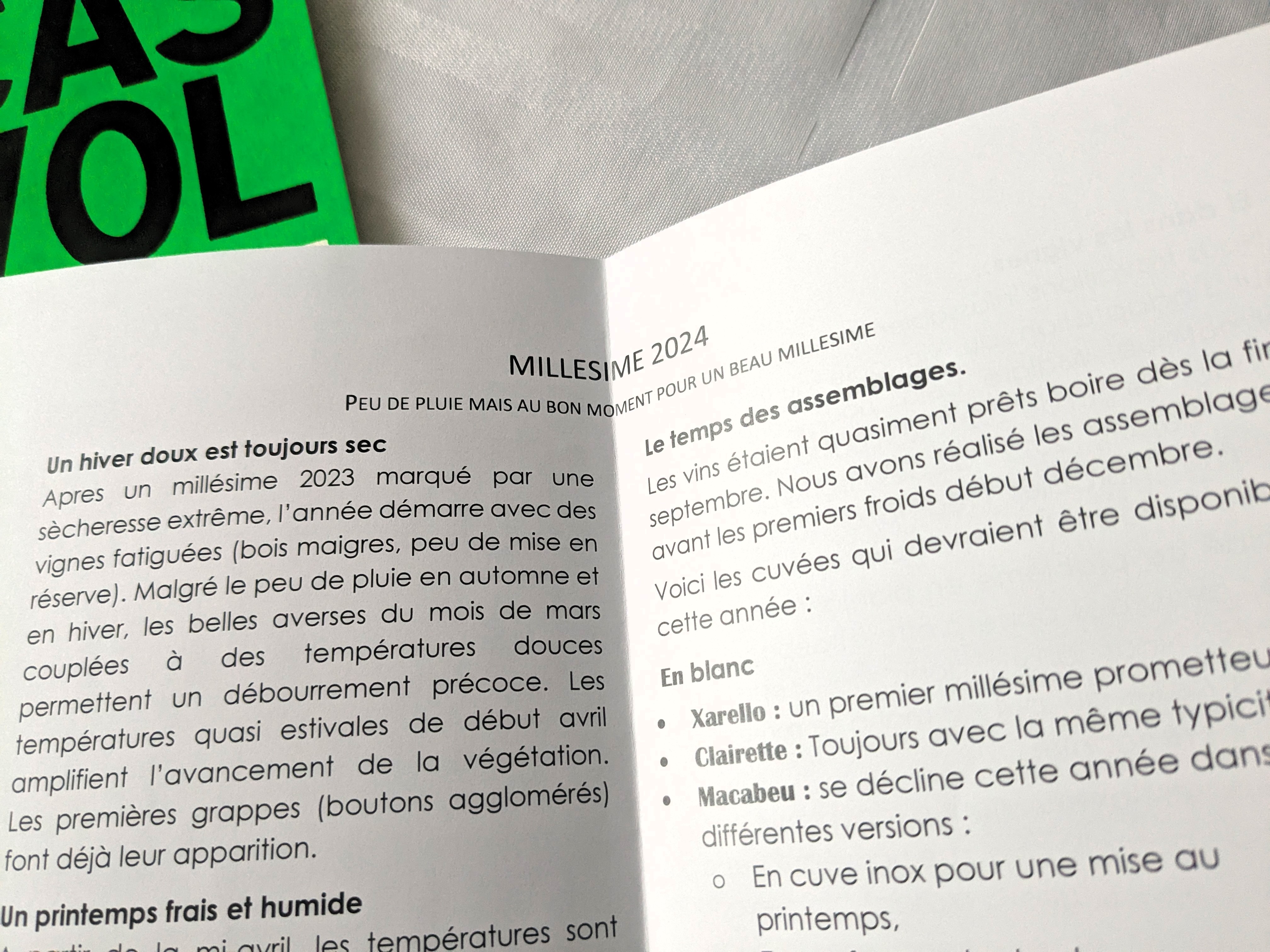
The start of each year brings Jeff Coutelou’s carte des voeux, with its satirical look at events in the world together with a summary of the previous year and the wines that will emerge from it. The poster this time features the chaotic political scene in France after last year’s elections and changes of government, neatly combining it with a call to restock with some of the best natural wines of the world, his of course.

2025 Carte des Voeux

Much of Jeff’s summary of 2024 focuses on the weather and complications which it has brought to winemaking in a region which is, seemingly, facing an intensifying crisis from worsening drought and relentless heat. Here is a précis of Jeff’s words.

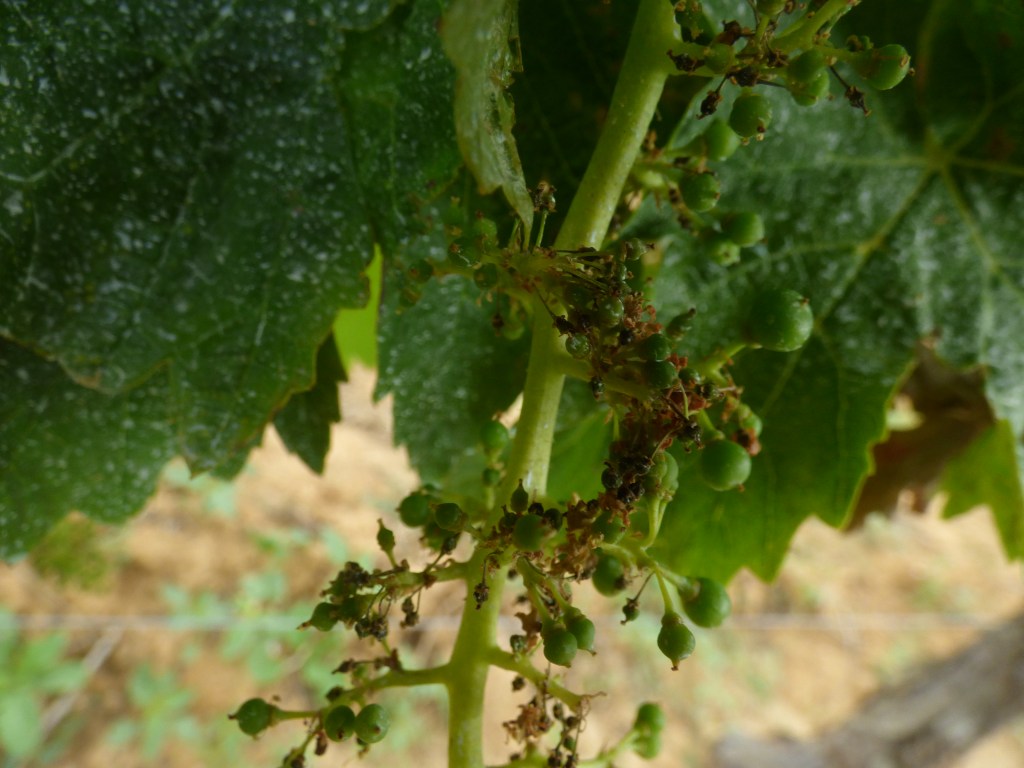
2023 left the vines much weakened by the extreme dry conditions, compounded by a lack of rain in the autumn and winter. However, March brought welcome heavy showers and they, together with mild temperatures, led to an earlier budding of the vines than normal. By early April bunches of little button-like grapes had appeared.

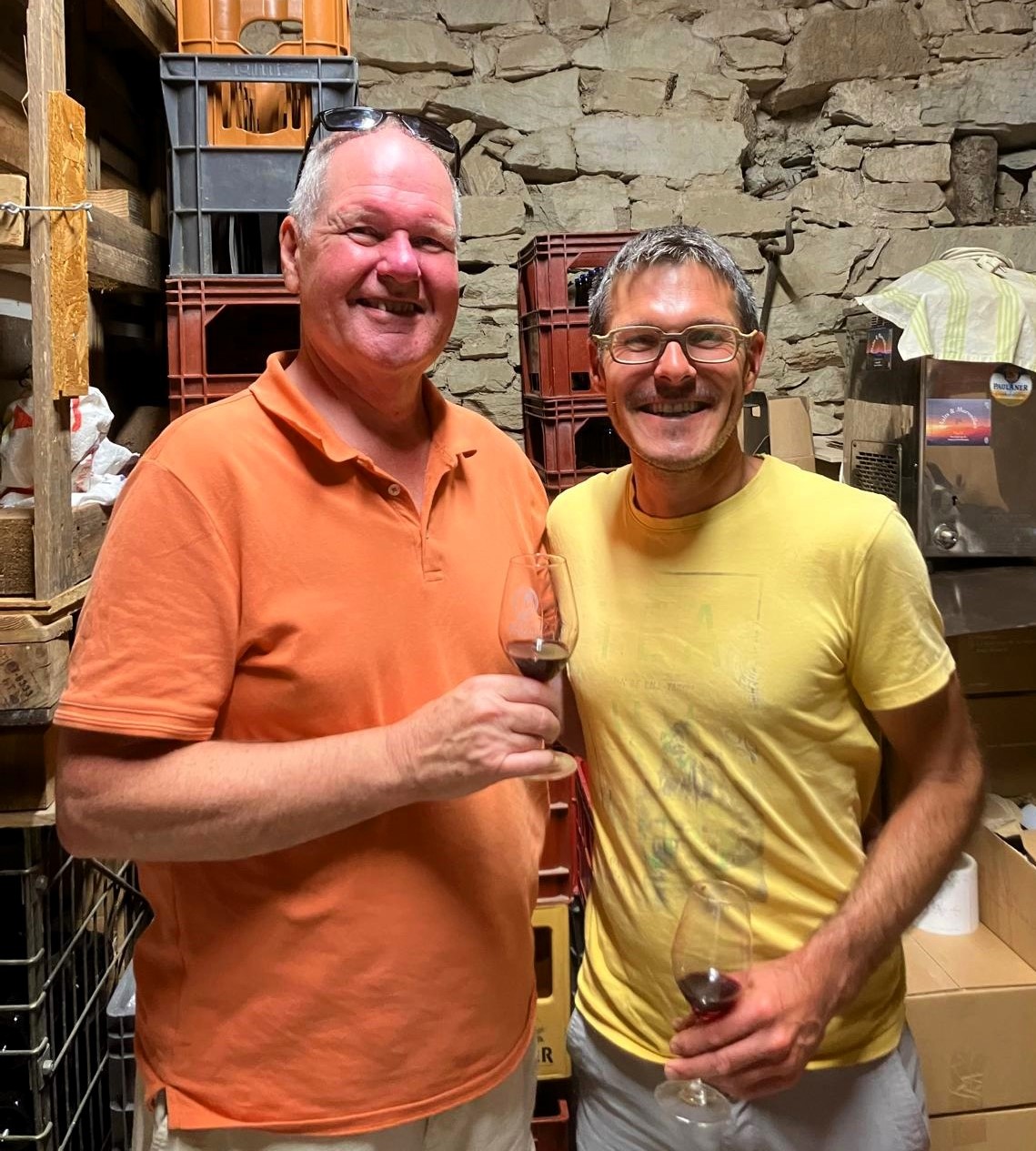
Mid April brought a cold snap which slowed the vines’ growth (I know only too well as that’s when I spent some time with Jeff!). The chill continued through May and flowering actually started a bit later than average in early June and around twelve days behind by the start of July.

Wrapped up warm in mid April
Early bunches of Xarel-lo, mid April

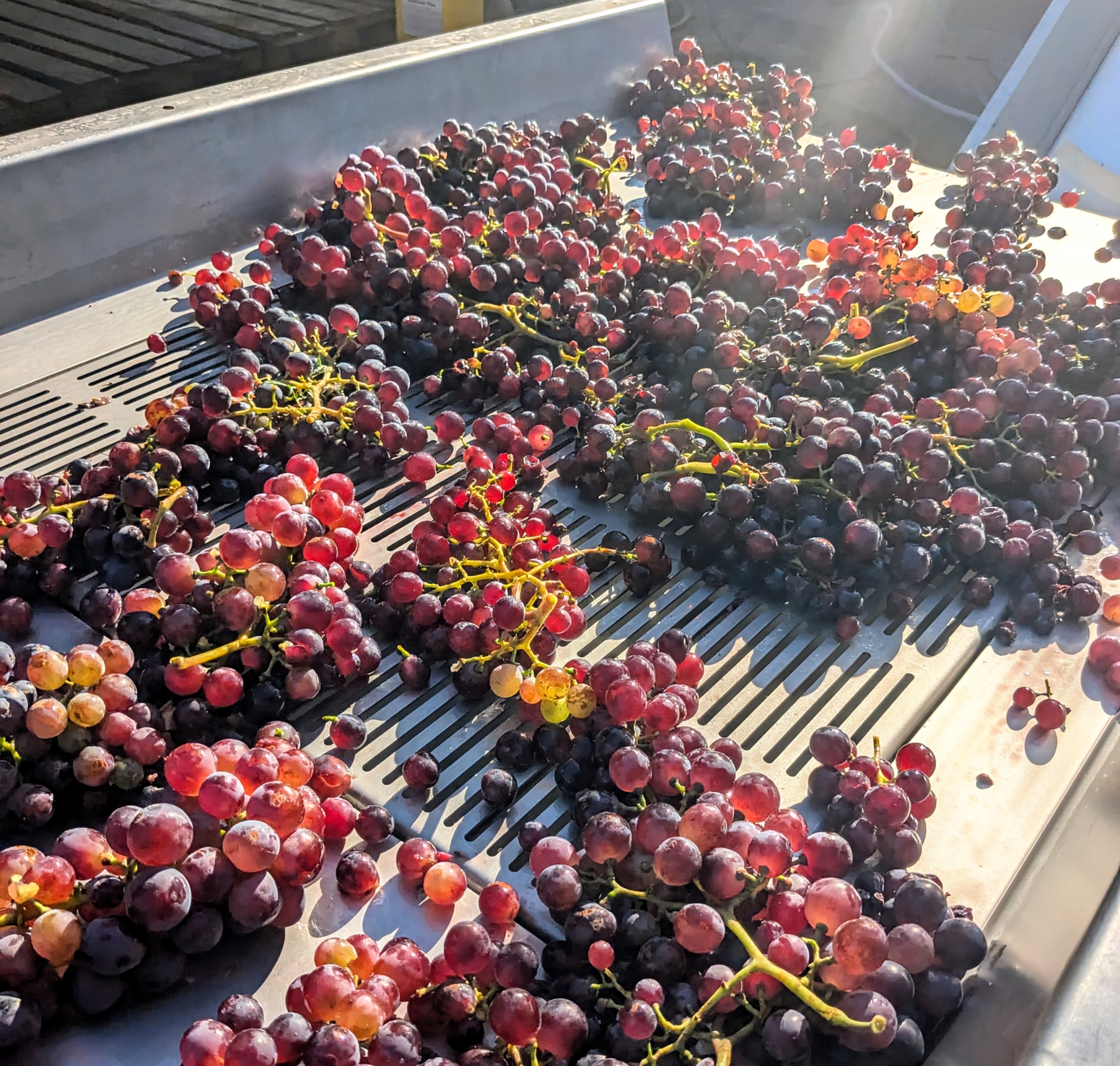
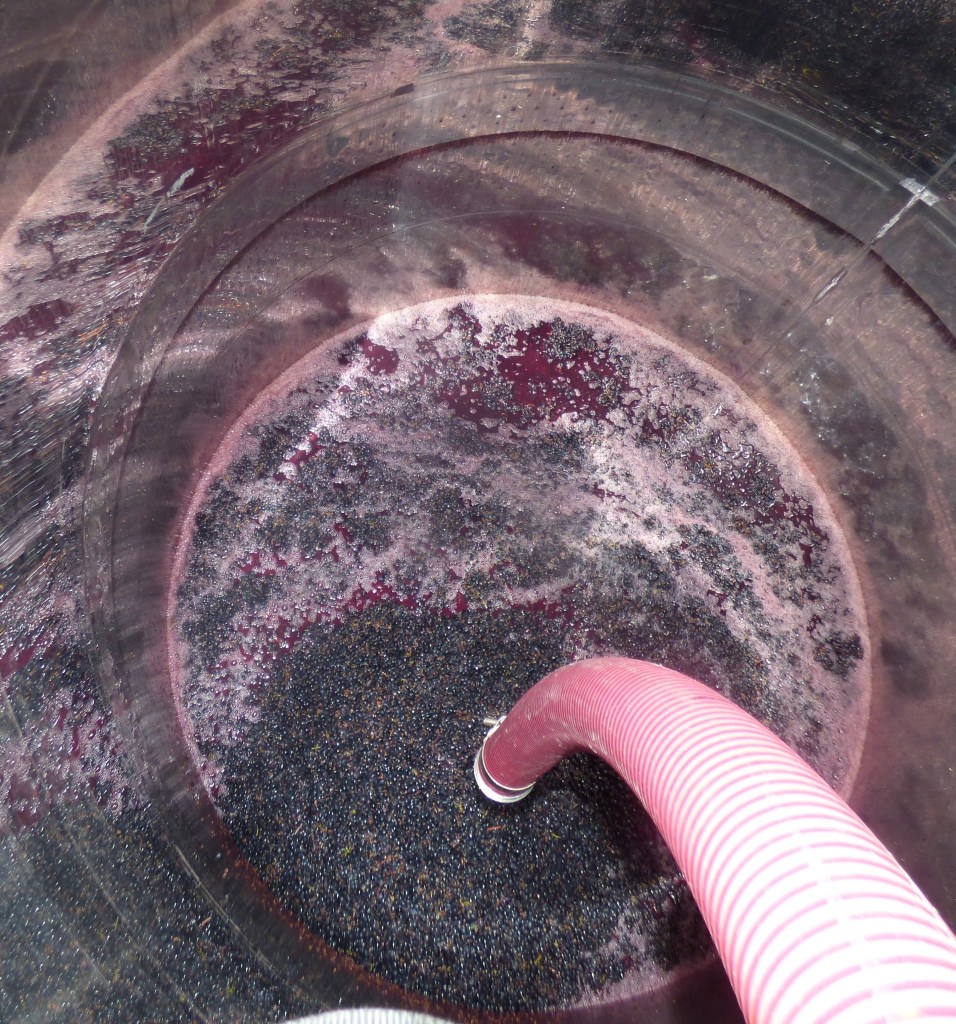
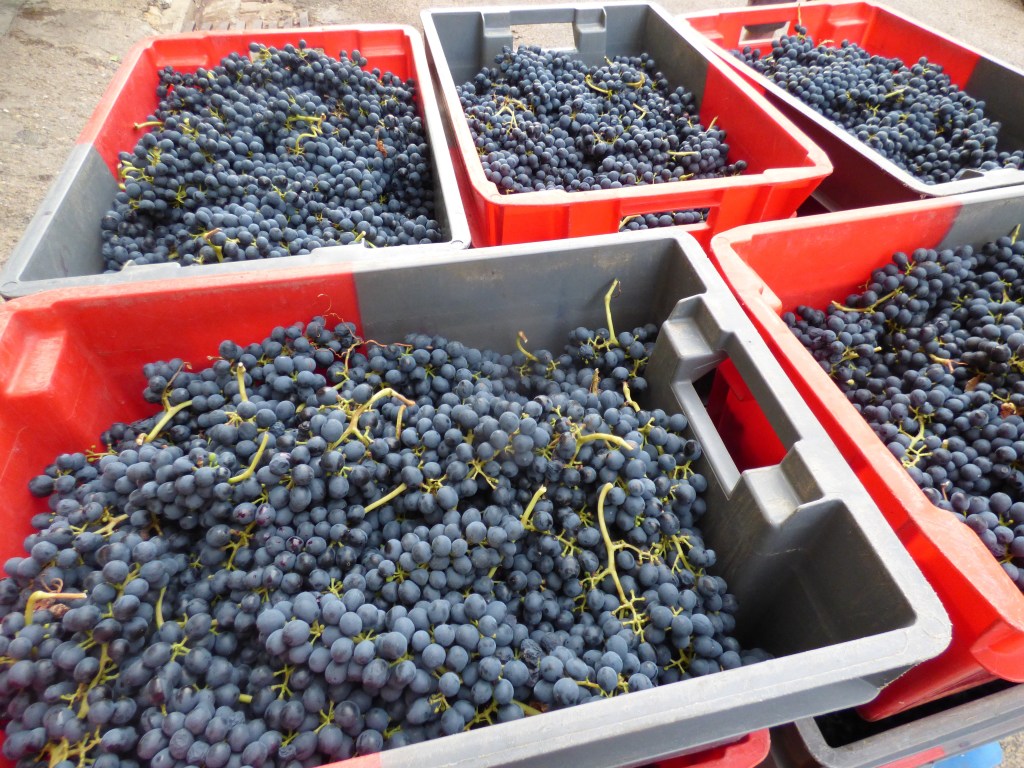
Summer brought only one real heatwave at the start of August, the good weather allowing ideal conditions for the grapes to mature, the red bunches changed colour (véraison) by early August, again a little later than recent vintages. Indeed the vendanges were almost ideal, beginning at the end of August and lasting around three weeks with cool nights and days which were warm but not too hot. The grapes ripened superbly, fermented easily leading to tanks full of balanced wines with alcohol levels to match. In Jeff’s words, “C’est un millésime presque parfait, marqué par la finesse et la fluidité”. (It was an almost perfect vintage, marked by finesse and fluidity).

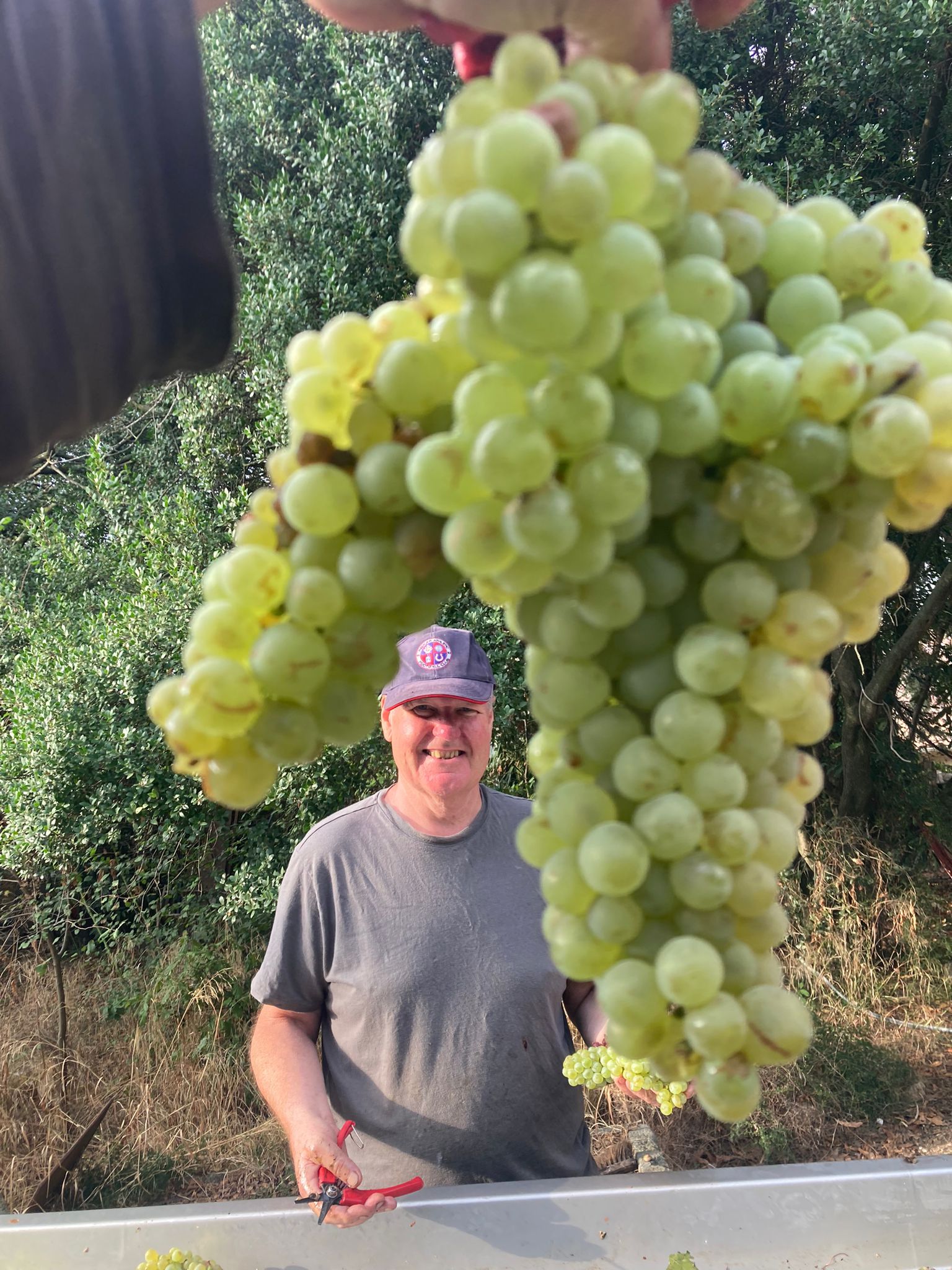
By the end of September the wines were just about ready to drink but they were left to rest until the beginning of December, before the cold weather, when blending (assemblage) began. So, what wines will be available from this top vintage?

Whites:

  • Xarel-lo – the first crop of my favourite grapes of the vintage
  • Clairette – very good version of a wine with lovely character in recent years
  • Macabeu – there will be three versions; steel tank for a Spring bottling, another from concrete egg and the third which was aged on skins in amphora
  • Grenache Gris – also aged on skins in amphora
  • Another cuvée which will be blended at a later date
Xarel-lo

Reds:

  • A glouglou – Mourvèdre, Cinsault and Muscat
  • Ploutelou – Aramon and Cinsault for one of the new favourites of recent years
  • 5SO – pure Cinsault
  • Vin Des Amis – Cinsault, Syrah and Grenache
  • Grenache Mise De Printemps – another favourite of recent years 100% light, fruity Grenache
  • Sauvé de la Citerne – Syrah, carignan and Mourvèdre
  • Classe – Syrah with a small addition of Morrastel ( a new blend for this Coutelou classic)
  • Rome – a complantation of my favourite vineyard, mostly Cinsault but some Grenache and Muscat
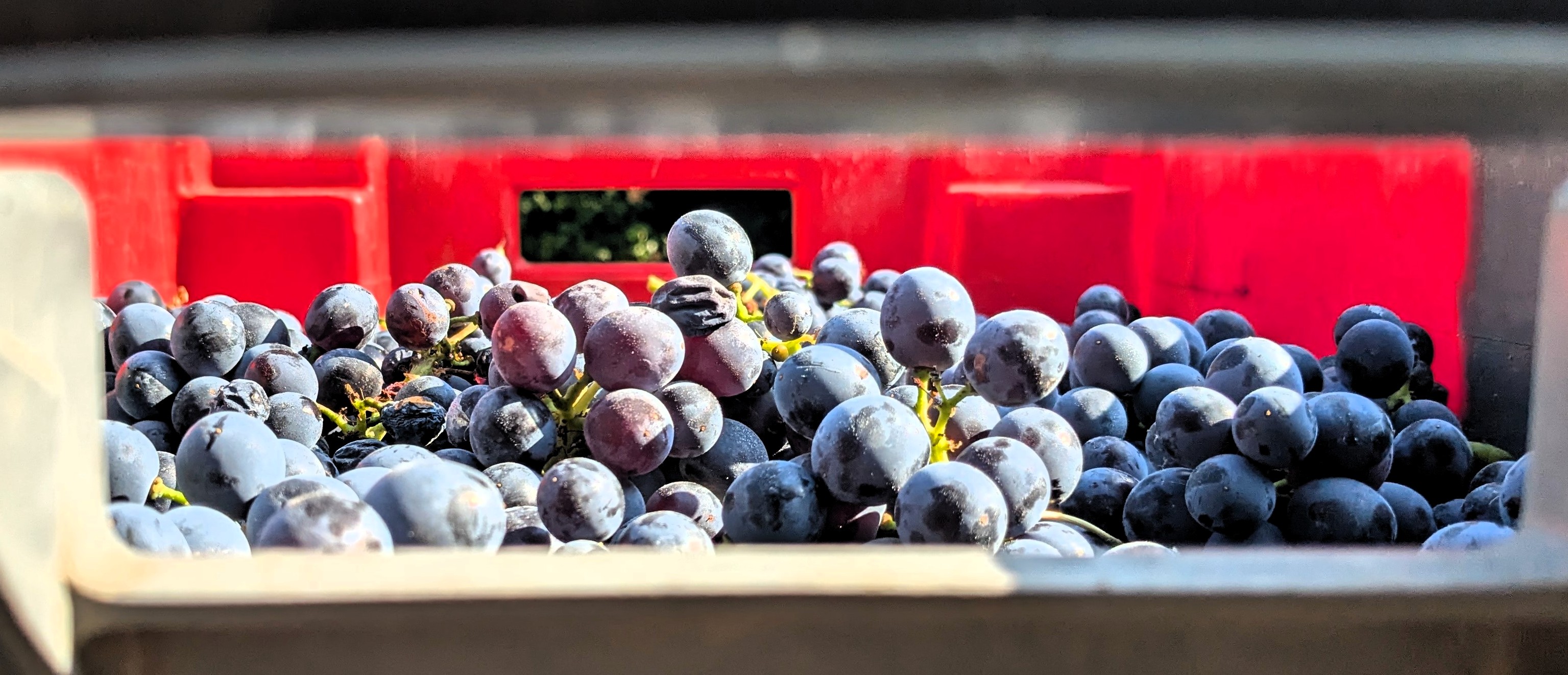
There will be an OW and Macaboeuf 2023 (Macabeu raised in egg) released in Spring of this year. Much to anticipate too with a Bibonade recently disgorged from 2023 grapes aged for 26 months and available to buy from Spring.

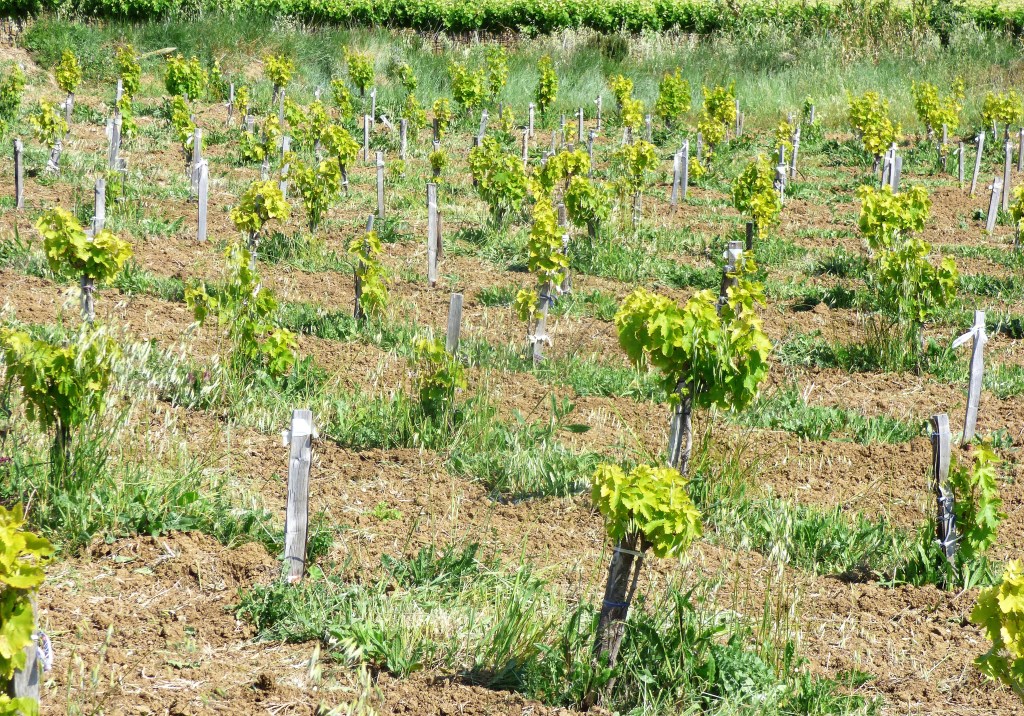
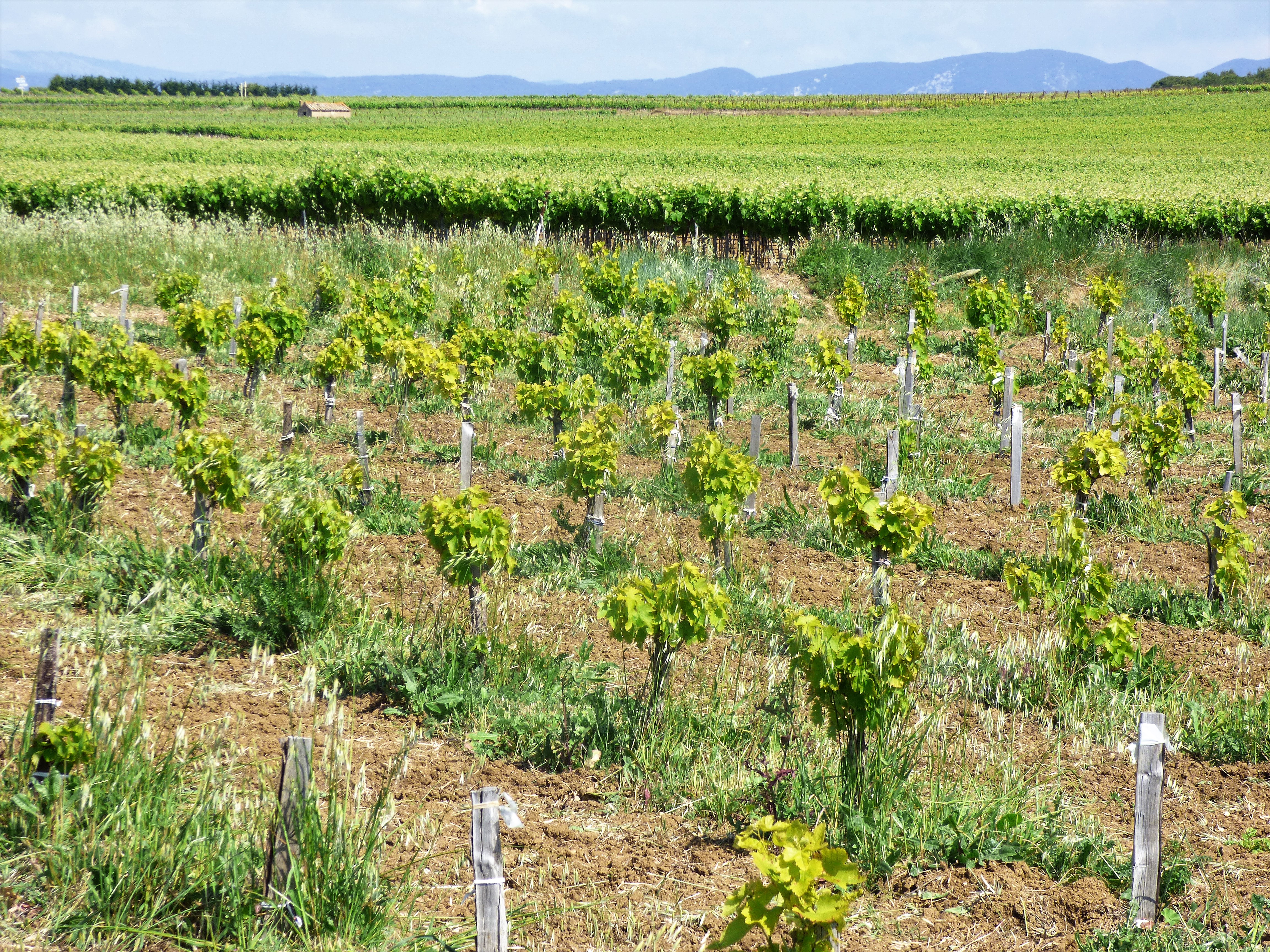
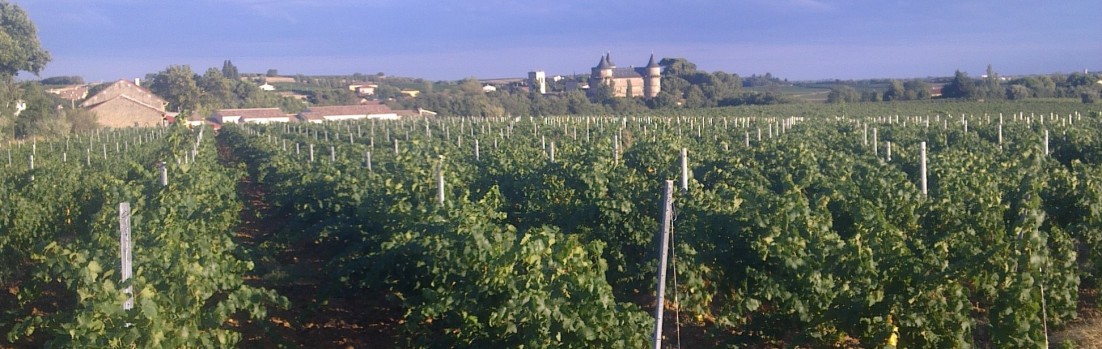
In the vines Jeff is all too aware of having to adapt his vineyards to cope with climate change / chaos. The frost of 2021, drought every year from 2022 have brought weakened vines, raised levels of vine mortality and low yields. To face this Jeff has planted root stock and grape varieties more adapted to the new reality. The big new parcel at Peilhan, for example, has been planted with grapes such as Malvasia de Sitges, Parellada and Llardoner. It looks in magnificent shape. Unfortunately in the same vineyard the hedge has been burned down for a third time. Watering and replanting will hopefully bring a renewal of life and a defeat of vandalism and stupidity.
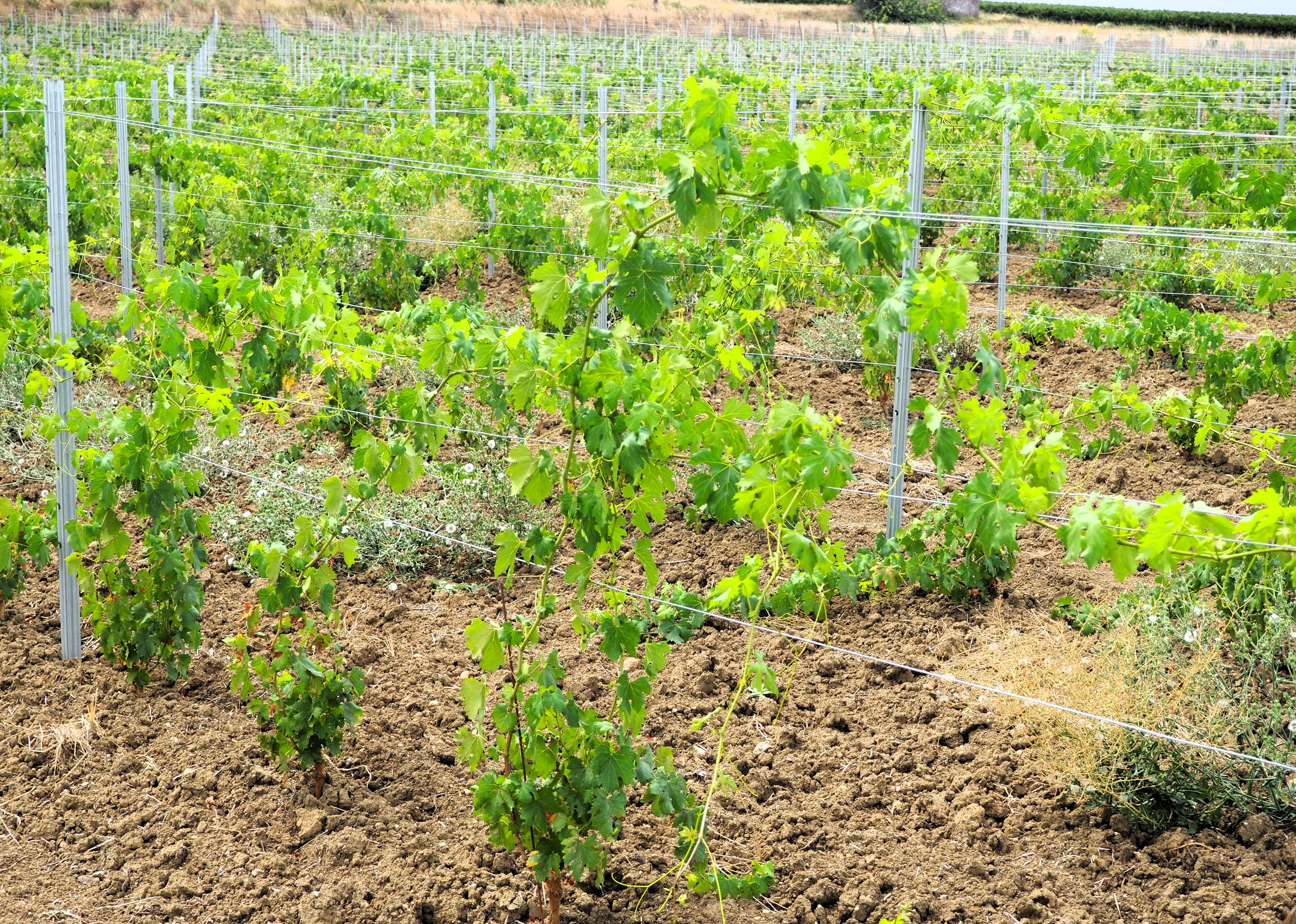
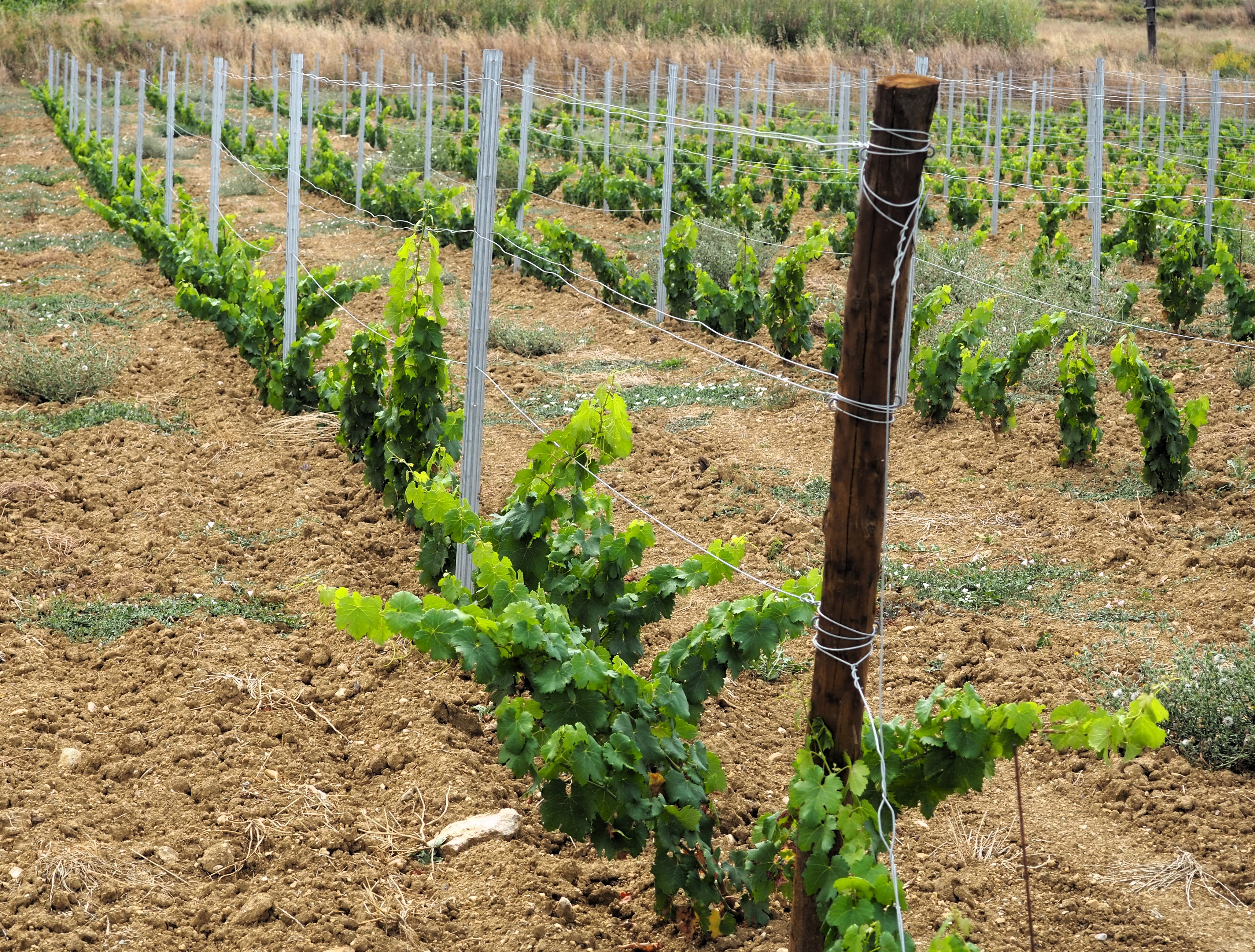
The new plantation of Peilhan

Covid, economic crisis, climate hazards, war, political uncertainty in France, America and the rest of Europe and a marked decline in wine consumption – these are all headwinds facing winemakers. Nonetheless Jeff sends his wishes for happiness, health, sharing and resilience to face the challenges of 2025.

Previous years’ posters


Leave a comment

Domaine du Partage, made for sharing

Wine should be about sharing. Pleasure, knowledge, thoughts, skill, friendship and passion to name but a few. Nearly all of my favourite wine moments have been shared with others, around a table, at a tasting, on special occasions. The name of Steeve Dejardin’s new wine venture is, therefore, well chosen and apposite. Not least because Steeve himself has always been one of the most generous people I have ever met. Back in 2015 he came to Jeff Coutelou’s cellar with a few bottles and cheeses from his native Jura and we enjoyed a great evening. We met a few times in similar circumstances at Jeff’s including a Saturday lunchtime where Jeff shared a few bottles of older wines including the legendary ‘Roberta’ and several vintages of La Vigne Haute.

Saturday sharing, 2018
The last case of 2021

Steeve decided a few years ago to change his lifestyle and become a winemaker. He came down to Jeff’s and spent over a year working alongside him, learning the ins and outs. He had already spent time with the excellent Michel Gahier in the Jura and after his time with Jeff returned to his home region to work at Domaine De La Loue amongst others. Eventually though he returned to the Languedoc and has started his venture in the Minervois.

The decision was taken to rent around 2.5ha of vines and part of a cellar in that region from Julien Audard and Laure Boussu who run Monts et Merveilles. They were making wines under that name and retain some vines but are starting to concentrate on brewing beer and their ecotourism business. The couple have been a great help to Steeve who is eternally grateful to them for the opportunity to fulfil his ambitions.

Camplong

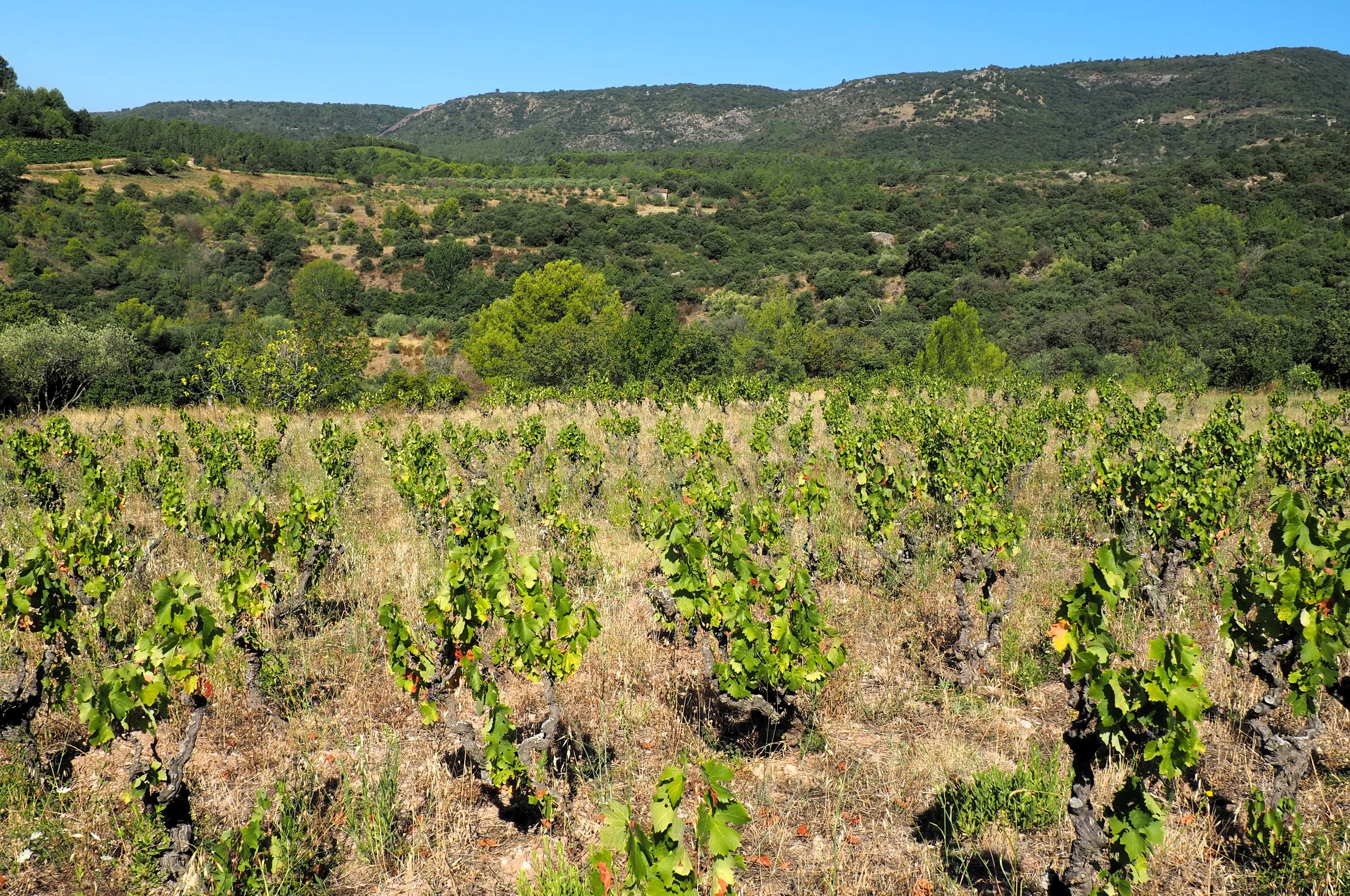
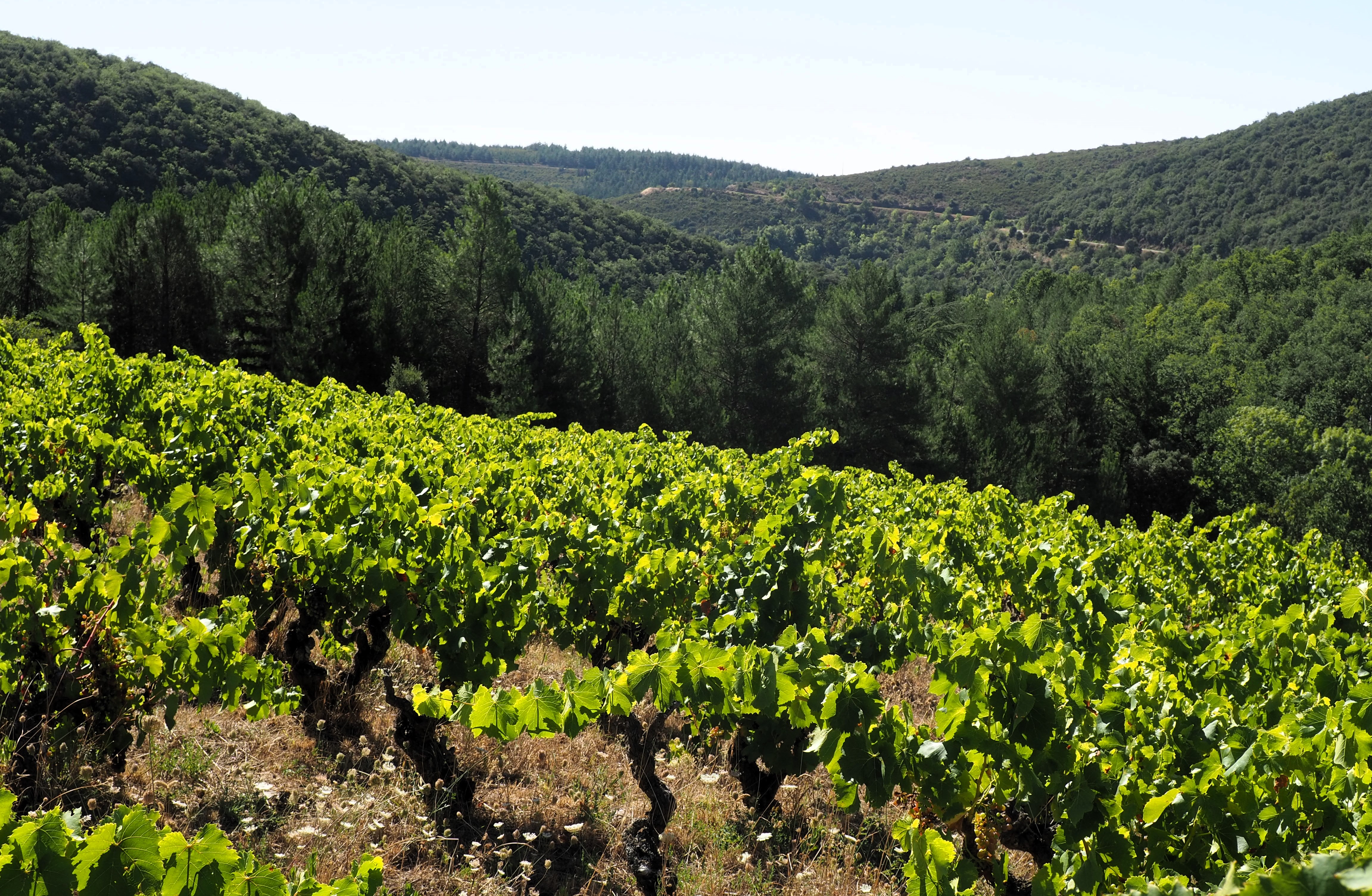
We visited on August 22nd reaching St Julien des Meulières in the Haut Minervois after a lovely drive through that area with its limestone scenery and beautifully clean air. In the plains we had passed early harvesting in the heavily herbicided vineyards, dust flying everywhere. The contrast up in the hills was marked, vineyards covered with plants of all kinds surrounded by forest. Unfortunately the bulk winemaking of the plains has given Minervois a moderate reputation, winemakers like Steeve face a challenge to change that image in order to sell their wines. And sell they should because, I’m happy to say in all honesty, that Steeve’s first wines are excellent. Yes I am biased towards my friend but I wouldn’t have written that sentence unless I meant it.

Carignan in Camplong

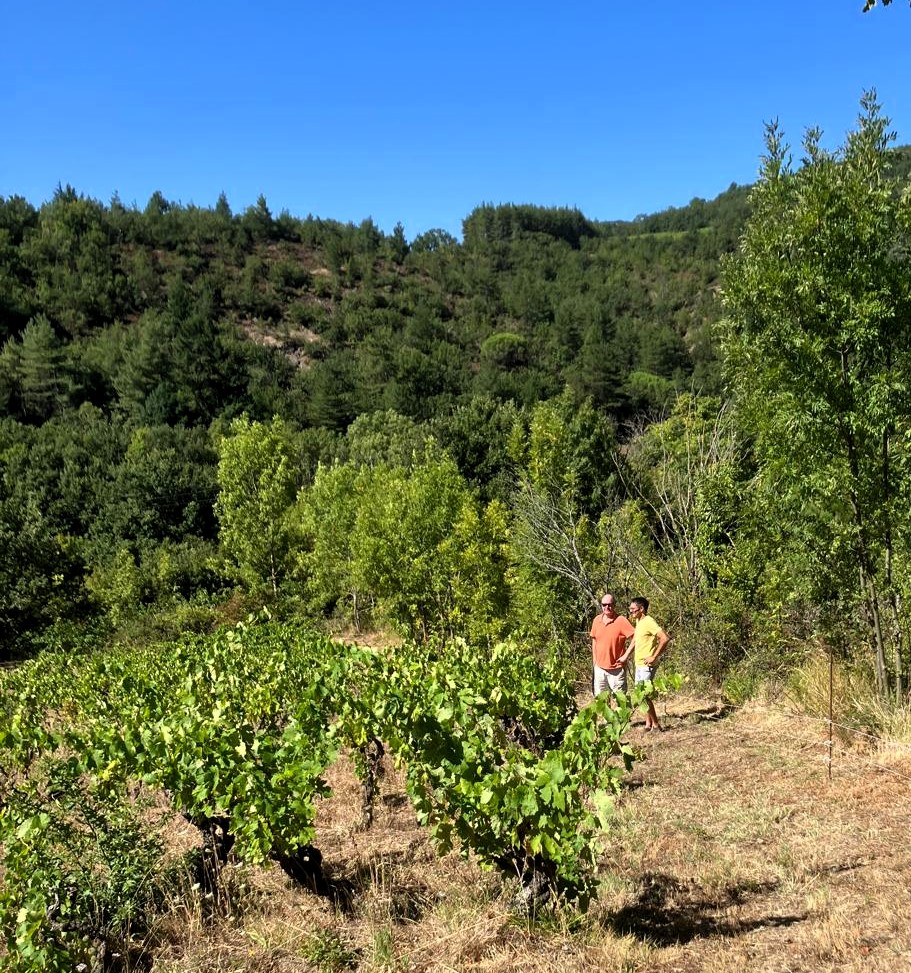
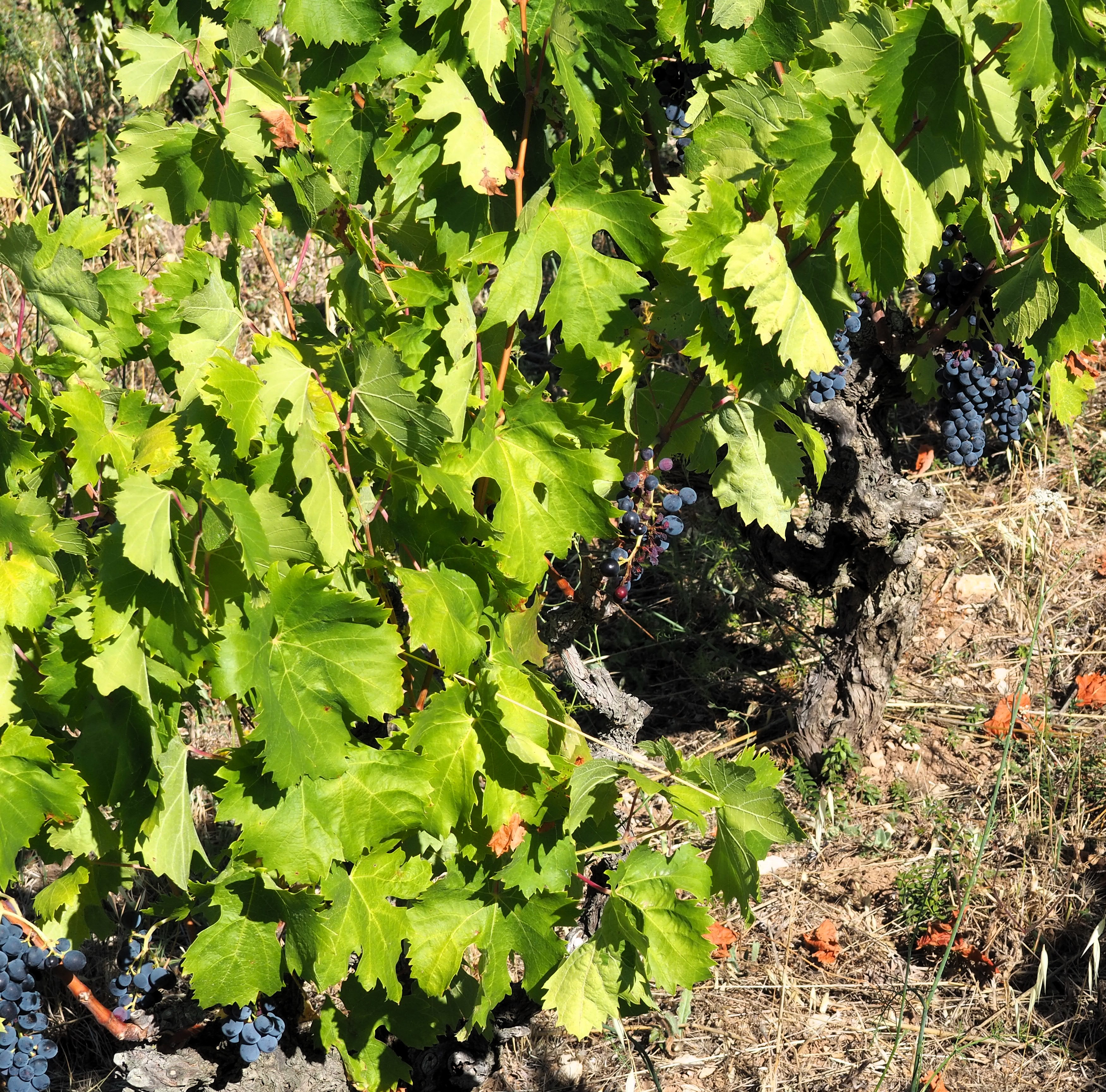
His two vineyards are a few miles apart and named after their nearby villages. We headed to Camplong first, around a hectare of vines divided mathematically and physically half and half between Carignan and Syrah. The Carignan vines are around 50-60 years old and in gobelet, free standing on a sloping hill. The top part of the vineyard is argilo-calcaire, limestone and clay, whilst the lower slope also has schist mixed in. That lower part has a few vines which have struggled and Steeve is working hard to improve the soils there using compost based on nettles. A fence separates the two parts with their different grapes, in the Syrah the vines are trained on wires.

Syrah, Camplong

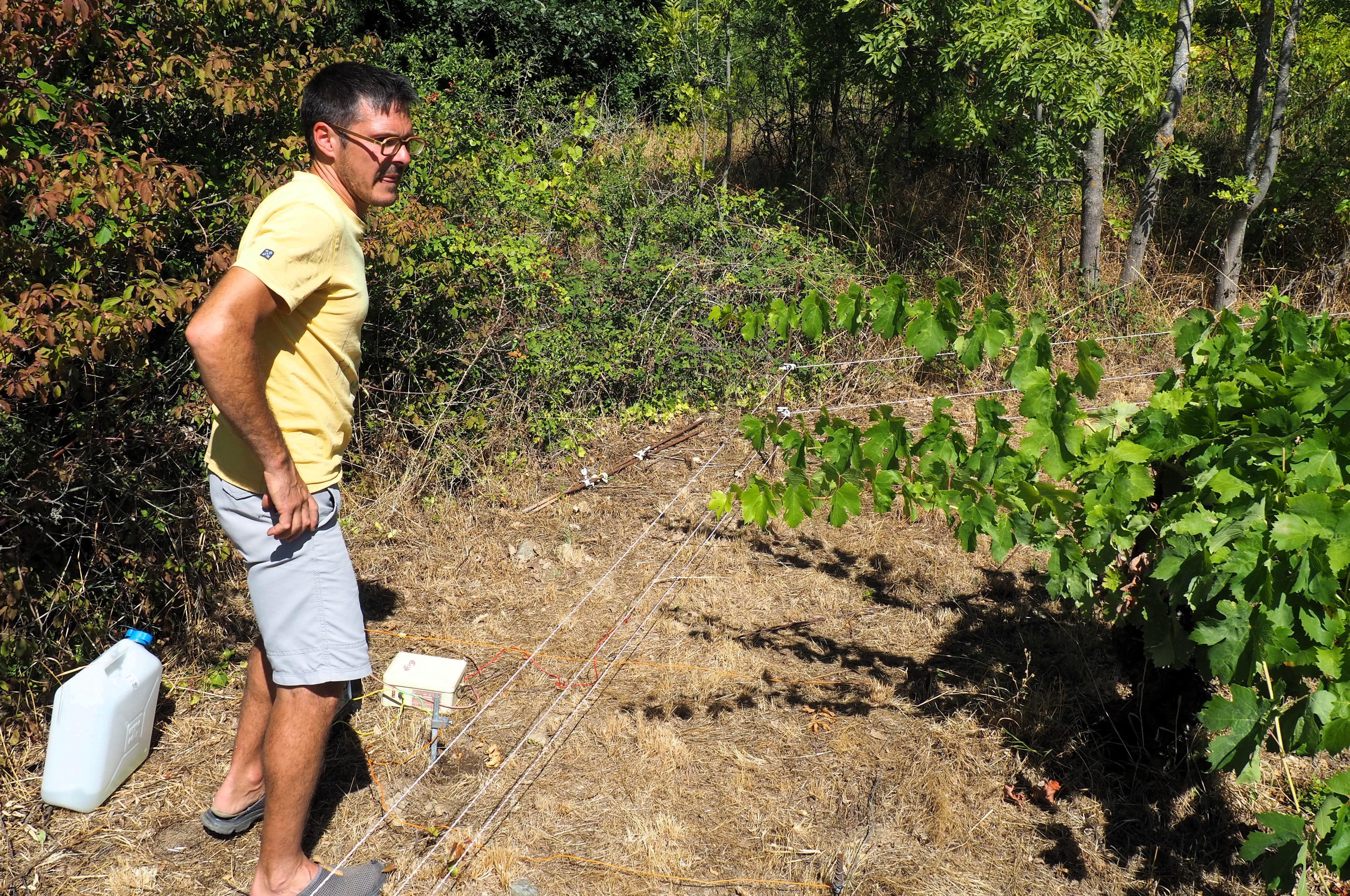
The other vineyard, Cassagnoles, is on the other side of Steeve’s home village and even higher in the hills. Just over a hectare of Carignan vines on a steep hillside greeted us. They are 60 years old and gobelet trained too. The vineyard is surrounded by a small electric fence because the forest has a lot of wild boar living in it. At Camplong there are no boar but badgers have been eating some of the bunches! Once again Steeve has found the lower parts of the parcel have needed more work to improve the soils, he’s used some manure but not too much and more nettle and organic composts. There are a few white grape vines such as Grenache Gris and Steeve is hoping to develop more white grapes.

Carignan, Cassagnoles with steep slope and electric defence

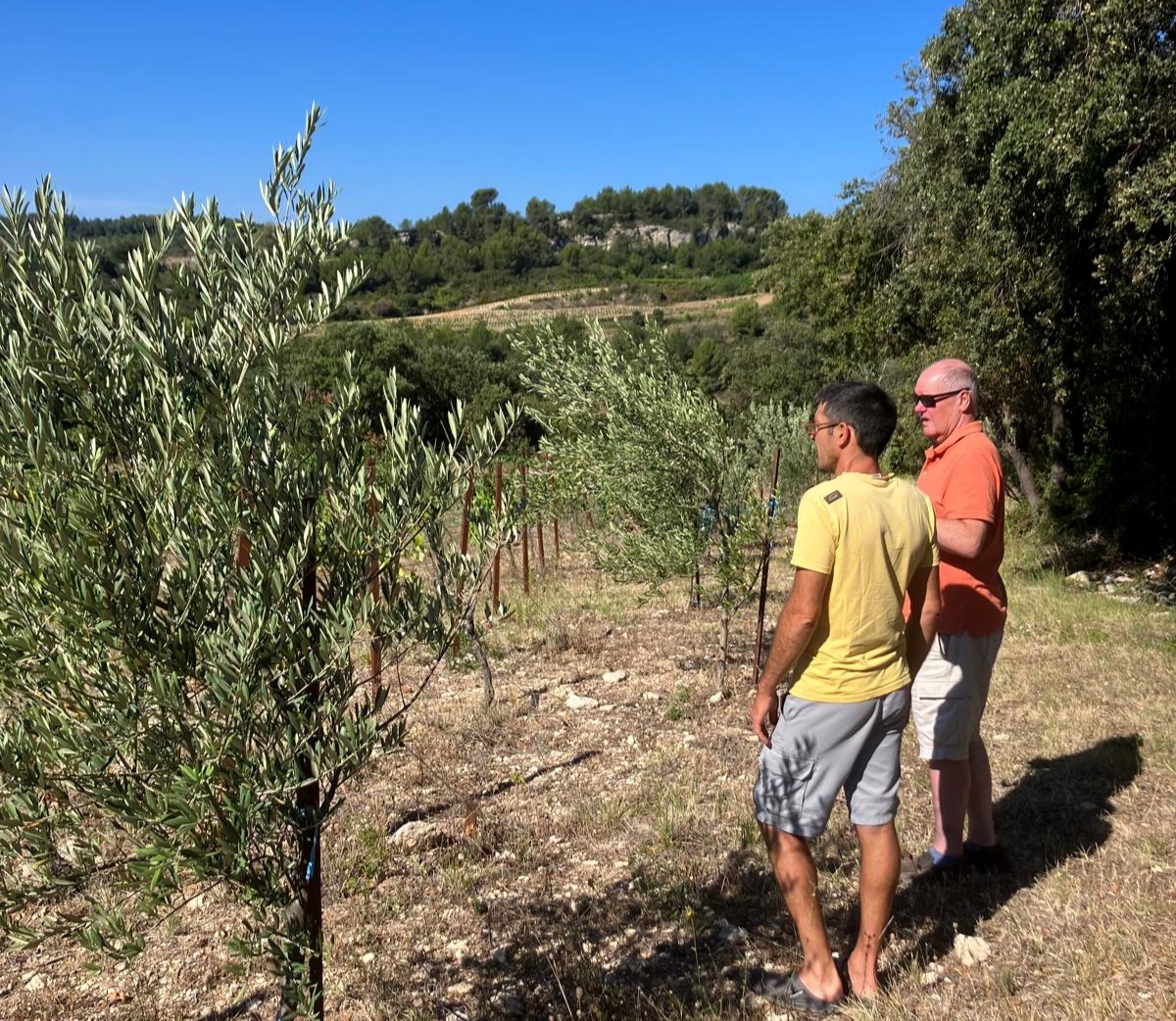
Both vineyards were a joy to visit, surrounded by lovely oak trees and countryside and views to lift the soul whilst working there.

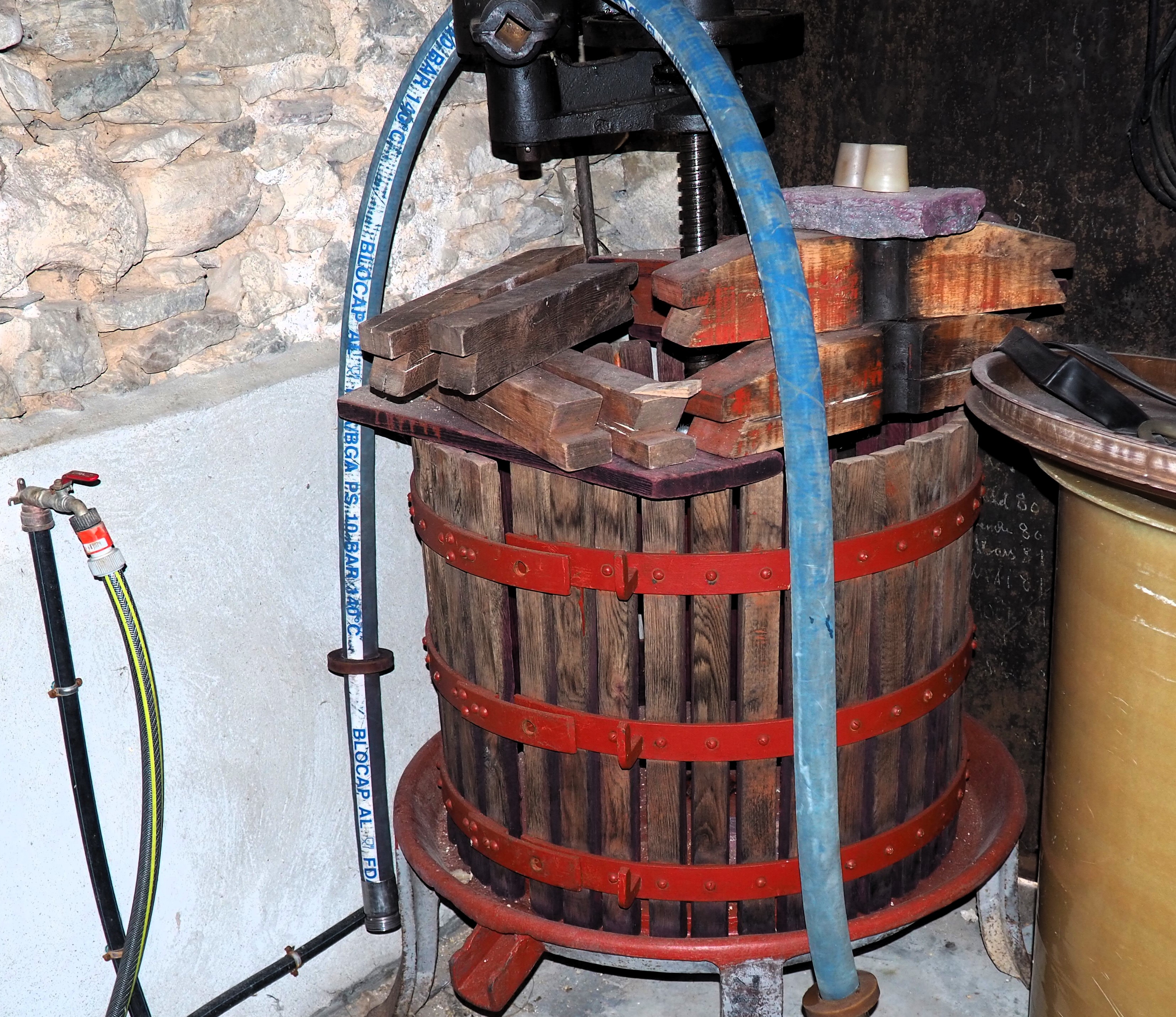
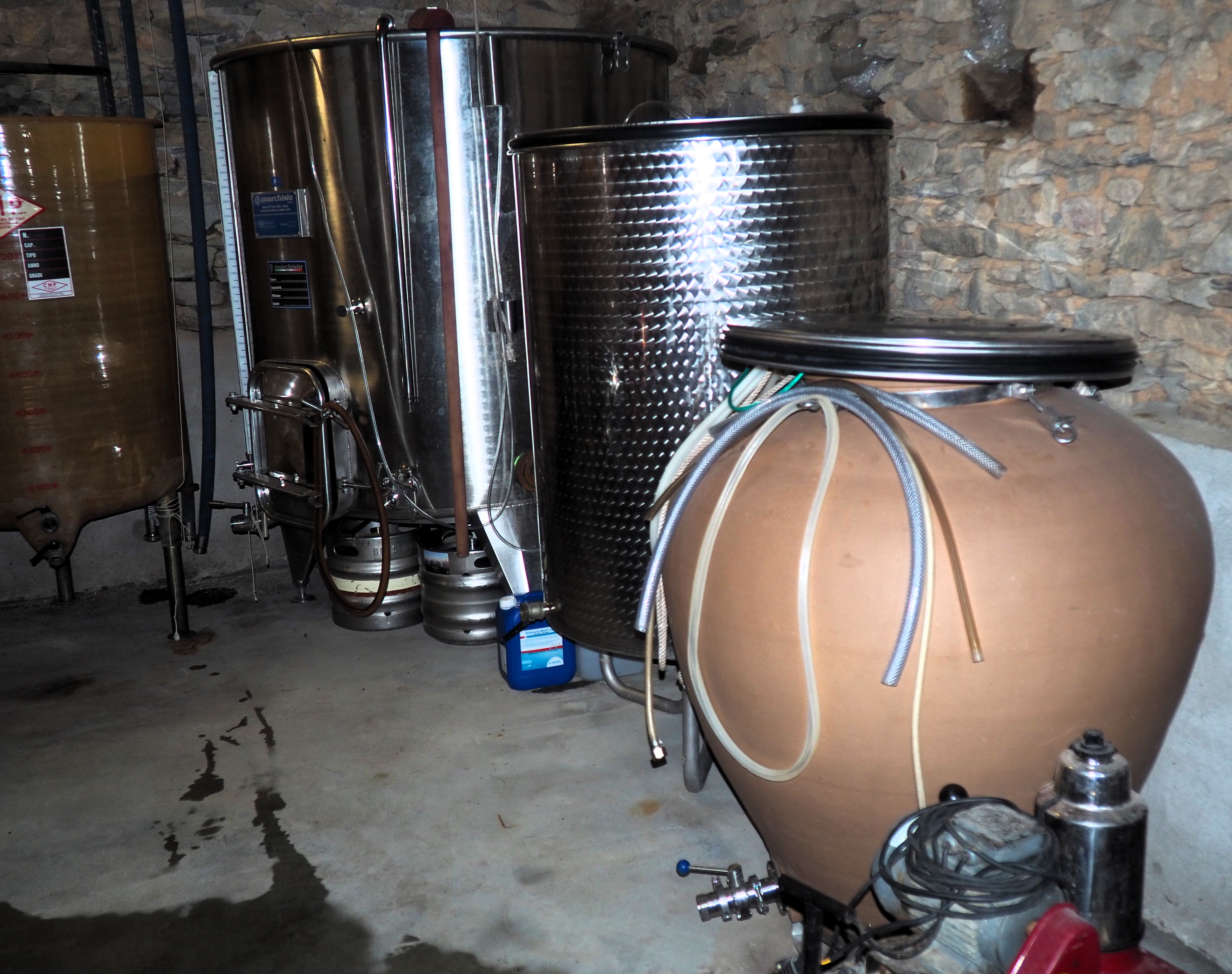
Winemaking is simple and natural, a small destemmer and basket press make up the equipment and the wines are fermented and aged in a variety of containers from stainless steel and fibre to a small concrete amphora shaped vessel. The Carignan from 2023 fermented easily and is bottles but the Syrah has stubbornly not completed fermentation with 25-30g of residual sugar remaining. One caviste, impressed by the Carignan, offered to buy all the Syrah even with its sugar but Steeve is confident it will complete, perhaps when the 2024 grapes are fermenting in other tanks. I have seen it happen before, where one tank seems to trigger others so, fingers crossed.

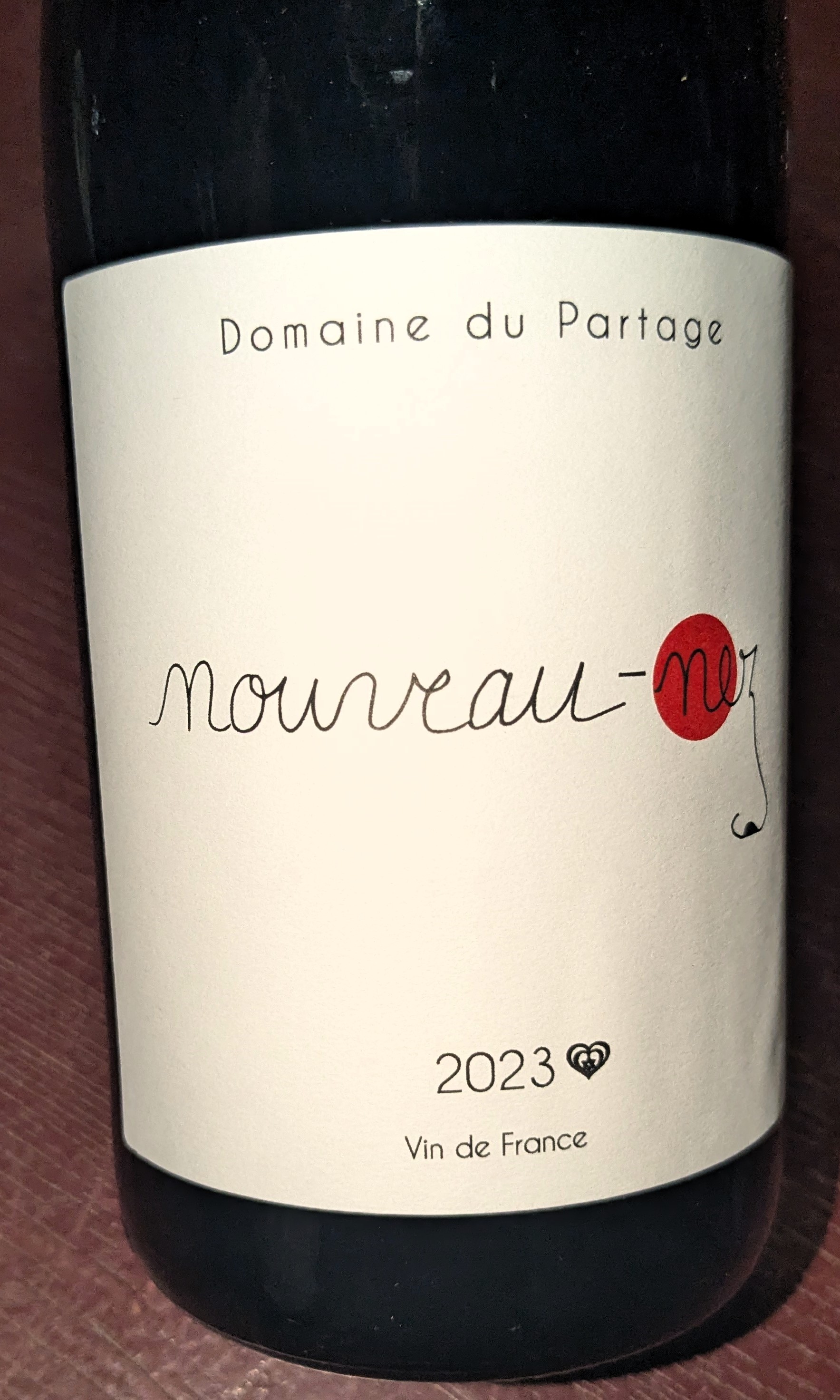
Steeve had generously been busy baking, a delicious tomato and goats’ cheese tart and blackberry clafoutis accompanied our wine tasting. His Carignan from Cassagnoles, bottled as Nouveau Nez, was excellent. Red and black fruit aromas and flavours abounded with real energy and freshness to the wine meaning that you were eager to try more. I kept the remainder of the bottle until the next day and it was still in prime form, suggesting that the wine would easily keep for a few years if you could resist its bright purple colour and fruitiness right now. For a first wine this was exceptional, it brought back memories of the first wines from L’Ostal Levant in Cahors at La remise salon in Arles in 2015. I know Steeve has a few bottles left but events such as ViniCircus have helped him to get his name out there to cavistes. I was delighted to hear that the excellent Picamandil in Puissalicon near to Jeff has some bottles.
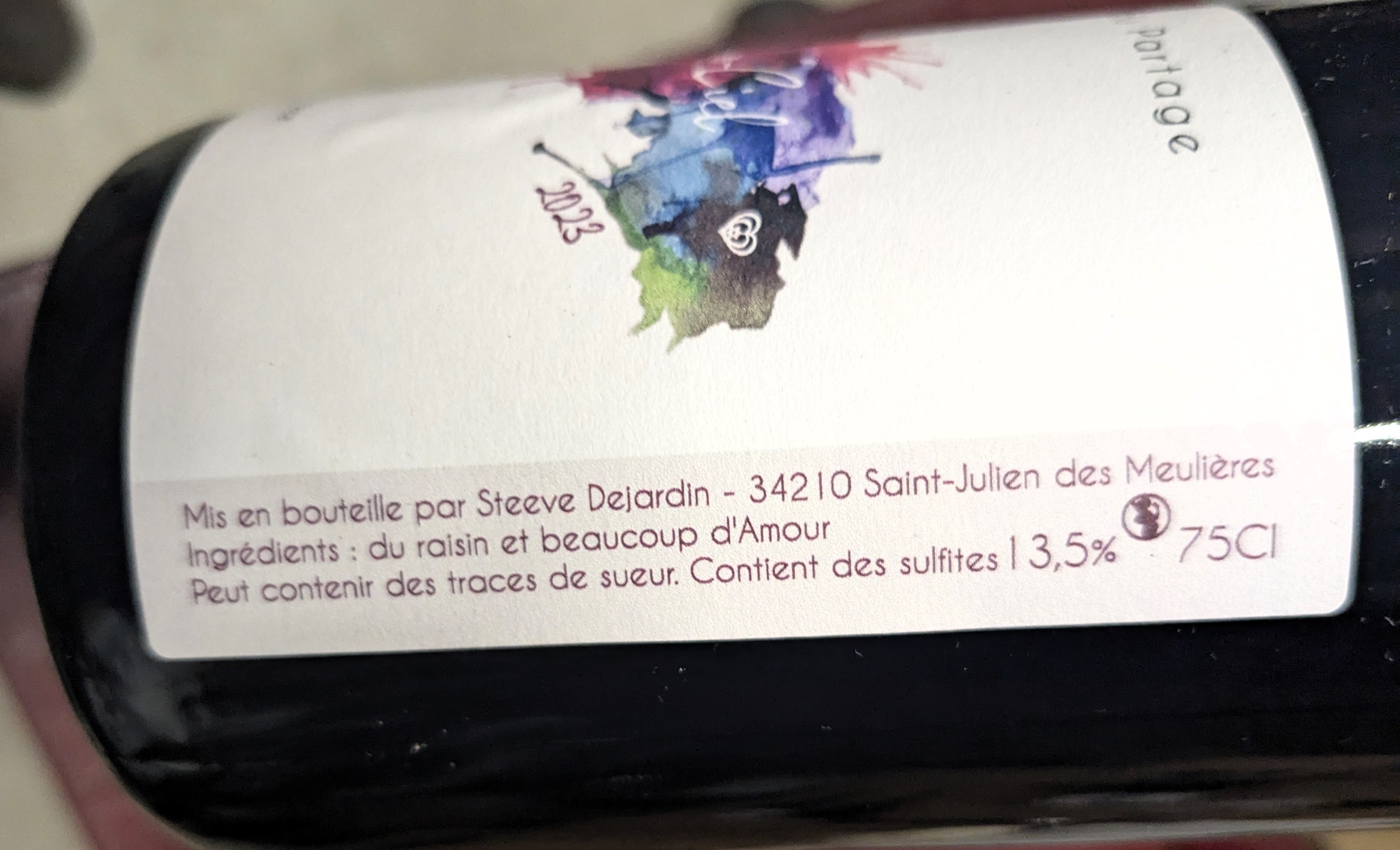
A nice touch of humour, ‘Might contain traces of sweat’

With the Syrah forcing a delay Steeve was happy to discover an organic producer in the area who was selling her Languedocian varieties to the local cave cooperative. He found the grapes in excellent condition, Aramon, Terret Noir and Gris to name just some. It reminded him of the Couleurs Réunies cuvée of Jeff with its vast array of local grapes and so, Steeve bought up the grapes to make a wine which he is calling Arc En Ciel. It was full of black and red fruit notes, upfront fruit but also some tannins for longer keeping. Very good indeed and those grapes deserved their own moment in the spotlight rather than being blended in with inferior grapes like the ones we saw in the plains.

Steeve had made a few bottles of Syrah given to him by Julien and Laure and he put it into bottles but also magnums to see how it developed. It too was very good, I promise. Very Syrah like, with upfront fruits but a nice backbone of tannin and acidity.

It was a real delight to visit Steeve, someone I admire so much and value as a friend, it was good to see that he and his son Martin are happy in their new environment making friends and contacts and becoming part of the community. The vineyards are lovely and Steeve will improve them with his care and passion for them. Meanwhile he has already shown his skills as a winemaker and when the new grapes are picked around the second week of September I am sure they will confirm that promise and Steeve will share more great wine with the world.


1 Comment

2021, vintage views

Vintage Chart by The Wine Society

When I first became interested in wine vintages were one of the mysteries which intrigued and infuriated in equal measure. Back in the 80s and 90s Bordeaux and Burgundy ruled the world of wine (plus ca change) and anyone wanting to buy such wines looked at vintage reports, vintage charts and vintage prices to research which wines to seek out. A 1989 or 1990 Bordeaux (my first venture into en primeur purchases) was superior to a 1987 or 1994 simply because of the weather in those years. Things have changed.

Climate change is an obvious cause, it is a rare year now where grapes don’t ripen in cool conditions. Indeed we are in a situation where Bordeaux now allows different grapes, such as this blog’s favourite Castets, to temper the (over)ripe Cabernet and Merlot. Burgundy producers worry about the future of Pinot Noir in their region, a grape which now thrives in cooler Alsace and Germany for example.

Better winemaking and vineyard care are the other major reasons why wines tend to be more consistent year on year. Science, technology and the education of new generations of winemakers mean that vines are given cover crops, different canopy systems, grapes are fermented cooler or longer or on skins more than they used to be. Winemakers through skill (and maybe some artifice) are able to smooth out those vintage chart curves, very few years would now be as scorned as those 87s.

For Jeff Coutelou in the hot Languedoc you’d assume that vintages weren’t that important either. There is hot sunshine every year, grapes ripen ready for harvesting by early September. But there subtle differences, sometimes less subtle. 2017 had a big outbreak of mildew, 2019 saw temperatures reach 45c (I remember it well). Those 2019 grapes were actually harvested in prime condition, the best of any of the seven vintages I have helped with, as good as any Jeff can recall. There was little sorting to do. Yet, those grapes proved difficult in the cellar, fermentations slowed and got stuck, not all but many. The fermentations were not completed until the temperatures picked up again in the Spring of 2020. Was that a product of the overheating of the previous summer?

Outstanding Grenache in La Garrigue this year

Every year is different. Similar problems arise due to climate and disease, drought, mildew, oidium, ver de la grappe. The scale of those issues varies though and in different vineyards. The Grenache of La Garrigue was badly hit in 2020 and produced tiny yields. This year when most vineyards suffered that Grenache was beautiful and abundant. Such vagaries are what keeps a vigneron on her/his toes. What quantities of wine will there be from each vineyard? Will there be some outstanding grapes that should be used for a special cuvée? What might be blended to provide the wine for popular cuvées such as Classe or Le Vin Des Amis? With twenty tanks full of fermenting grapes Jeff must juggle figures, analyses, tastings in order to decide what to do with those wines.

Decisions, decisions

2021 was undoubtedly a vintage which reflects most the circumstances of the year, in my opinion more than any of those seven I have witnessed. It was shaped by the frost of April 12th. That single night wreaked havoc upon the vineyards, throughout France yes, certainly for Jeff. Havoc all the worse in that it was unexpected, there was no warning that it would hit the area. 50-70% of potential fruit was wiped out in those few hours, hitting the vines as they flowered and began to bud. From there on 2021 was a year of catch up. Yes the vines, some of them anyway, produced secondary bunches but nothing like the quality and quantity of what was lost. The vines though were weakened by that night, a situation compounded by ongoing drought. Jeff told me that there was only one significant rainfall in Puimisson from the previous October through to the end of summer. This is a perennial issue in the Languedoc now, climate change in action. The consequence of frost and drought was vines pushing energy towards survival rather than fruit and that when summer’s heat and humidity combined to produce oidium (powdery mildew) the vines had little resistance.

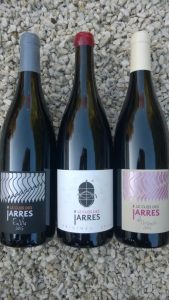
Doom and gloom. And yet there was that Grenache. And most of the fruit was decent quality and fermented well (though with delayed malolactic fermentation in some cases). And the resulting wines taste very well after those fermentations. Jeff will make good wines. He will have to juggle those figures again and no doubt produce different final wines to the norm, there isn’t the quantity to make all the usual bottles. Indeed I can report that Jeff bought in some grapes to bulk out his own this year. Carignan and Syrah were brought back from the Minervois thanks to Vivien Hemelsdael of Le Clos Des Jarres, an excellent producer of natural wines himself. That area was relatively untouched by the frost and Vivien kindly agreed to provide grapes to his friend. Matteo, Steeve, Louis and Jeff went to pick those grapes and were enthusiastic about them, especially the Carignan. Incidentally I can honestly recommend seeking out the Clos Des Jarres wines.

2021 will certainly be a year that Jeff recalls with little fondness. Personally I was delighted to be back there after missing out in 2020. Moreover it was an excellent team to work with, I thoroughly enjoyed being a part of it. The white wines which I tasted from tank just before I left Puimisson are in fine fettle, Jeff assures me that the reds are too. Perhaps vintage is less important to wines these days, but do remember unfortunately there won’t be much of them from Jeff Coutelou. There were new aspects of winemaking in 2021 though and I shall be reporting on how Jeff is looking to the future as well as getting the best out of this year. 2021’s wines were certainly a reflection of the difficult year, maybe vintage does matter after all.

The team, by Manu


Leave a comment

Vendanges Coutelou 21 – First Act

En francais

Jeff with a hefty bunch of Cinsault

The rather gloomy nature of my last post might have made you think that we’re all doomed and no good wine will emerge from the Coutelou vats this year. Of course, that is not the case, there are still 50% of the grapes and Jeff can conjure up magical wines from just about any grape juice. So, let’s be positive and report on what is happening here with the 2021 vendanges.

Jeff has assembled a big team of assistants, as he told me it’s rather ironic that should be the case in this vintage. Firstly there’s Matteo, from Rome, who has been in Puimisson with Jeff since January. He helped to prune the vines this year, together with Englishman Matt who I sadly did not get to meet. Matteo, therefore, knows the vines and vineyards well and leads the team equallly well. Steeve is a friend who has visited Jeff many times and done harvest before with us. From the Jura region, Steeve has decided to change career and is spending the next few months with Jeff to learn more about his new vocation. Gilles, an ebullient and cheerful local man, has been working with Jeff for some time, happy amongst the vines after having his own vineyards for many years. Louis is from Narbonne, did harvest here last year and has returned. He is hard working, cheerful and speaks excellent English.  Boris is another local who comes every year to help with vendanges, a lovely guy who works with nature conservation in his full time job.

We are also fortunate to have Jeff’s sister Catherine helping with picking and looking after us as well as her daughter Flora Rey. You will have seen photos from this talented artist on my blog before as shse has been recording the story of the vines and domaine through her photography and film. I urge you to have a look at this film which Flora put together showing the harvesting of Sainte Suzanne Syrah with music composed by Catherine. Consider subscribing to the Youtube site Vins et Spiritueux Coutelou for more great videos about events in Puimisson.

As I mentioned previously the first stage of the vendanges was to focus on Syrah, most affected by frost. Sainte Suzanne, the young vines of Segrairals and my beloved Syrah from La Garrigue were picked on August 30th and 31st. One third of the normal yield and quite concentrated, Jeff will have to consider how to use it in blending.

The glass on the far side contains Syrah from Ste. Suzanne, very good it was too.

I joined the team on September 1st appropriately in Rome vineyard, my favourite. We collected the Cinsault, Grenaches of three colours and some Muscat before heading to the last few bunches of the La Garrigue Syrah and then on to the complanation of 20+ grape varieties, known now as Flower Power, more correctly as Font D’Oulette. That the few of us picked those three vineyards in one morning is not good news. In the afternoon the Moroccan team went to Segrairals and collected some of the Cinsault grapes of the younger vines. These were full and generous and will add much needed bulk to the grapes from the morning. The Cinsault filled the tank though much of that is pulp and the quantity will fall as the juice emerges.

On September 2nd Jeff wanted some fresh white grapes to make into the PetNat (sparkling), Bobonade. Muscat, Macabeu and Grenache Gris from Peilhan were in good condition and then we moved to the new plantation at the bottom of Sainte Suzanne. These were newly planted when I saw them last but they have grown quickly. The young vines managed to twist themselves round the wires of the trellising so it wasn’t the easiest to pick but the Clairette and Macabeu were fresh and acidic, just what is needed for sparkling wine. They were sent direct to press.

And that brought the first act to a close. Pressing followed the next couple of days but picking resumed on Tuesday September 7th. So, until shortly after then, there will be an intermission.

Icare, the real boss


Leave a comment

Vendanges Coutelou 21 – setting the scene

En francais

Picture from The Express Tribune, Lahore

Most readers will already know that this has been a difficult year for winemakers across France and Germany amongst others. Here in France a series of frosts in April damaged vines in regions from the Jura to Provence. When I spoke to Jeff Coutelou on April 11th he was reassured that Puimisson had avoided such calamity, but then disaster struck. On April 12th the frost, unforeseen by forecasters, struck many parcels with temperatures sinking to -7˚C. The Languedoc is no stranger to frosts even if not as vulnerable as other regions but this was sharp and the timing was disastrous. Vines had begun budding and flowering in the previous couple of weeks and the young growth was dried to a crisp by the cold. Jeff predicted that yields might be down as much as 70%.

Photo of a frost hit vine in 2015 from my blog

The vines fought back a little through Spring and Summer, secondary bunches forming but they cannot replace the original growth properly, being smaller and of lesser quality. However, the frost was also part of an ongoing problem with lack of water. Jeff told me that there had been little rain since the end of vendanges 2020, with just one sustained period of rainfall this year. Vines, weakened by drought and frost, become susceptible to other problems too. Every summer downy mildew and oidium (powdery mildew) are present and they found easy targets in 2021.

Ironically, after my first tour of the vineyards this year, it was the Grenache of La Garrigue which stood out as being the best with healthy foliage and beautiful, good sized bunches of grapes. Ironically because last year that was the parcel worst hit by mildew, nature was giving back a little this year in compensation. La Garrigue is also the home of the Syrah which makes my favourite wine, La Vigne Haute. Unfortunately those vines had been damaged this year and were looking sorry for themselves. Syrah does seem to have been particularly badly affected. The first days of this year’s harvest concentrated on Syrah from Sainte Suzanne, Segrairals and, then, La Garrigue. Yields were one third of last year.

In the last 5-6 years Jeff has replanted many vineyards, some of which had been fallow for some years. The fruit of these young vines can be used this year to help produce wines such as the PetNat, Bibonade, that will boost production a little. The estimate is now that there will be just under 50% of a normal year. So, the scene is set. I wish I had a prettier picture to paint, it is the least promising of the seven vintages I have witnessed here. Let us hope for a twist in the tale.


Leave a comment

Coutelou, old and new

In the course of the year I drink many different wines from all over the world but there can be little doubt that the mainstay is the range of Jeff Coutelou. Partly this is due to loyalty and payment for work done but it is also because, well, I do think they are special wines. Last week, by chance, I opened two bottles from the early to later stages of Jeff’s career in winemaking. They tell a story.

Sud 2001 was part of a case of wine I bought at auction earlier this year. I had thought the wines were all Ouest about which I wrote here. I obviously didn’t look closely enough at the bottles as it turned out some were Sud. Where Ouest is made from Cabernet Sauvignon and Merlot, Sud is based on the more traditionally Languedoc grapes of Carignan, Grenache and Syrah. I honestly only noticed that this was Sud when I tasted the wine, markedly different to Ouest.

Being 2001 the wine had a similar appearance to Ouest, a brick red colour. Aromas began to tell a different story with a more open, fruity profile than Ouest. Sure enough on drinking there was less of the earthy Cabernet flavour and more pruny, black fruits with more richness than the more austere Bordeaux style of Ouest. It was excellent and still full of life, I shall hang on to my remaining bottle to see how it develops further. Really enjoyable. A little research found that, like Ouest, Jancis Robinson was a fan of Sud, describing it as ‘stunning value’ at £14.95 in 2011. She wasn’t wrong.

Carignan vines in Rec D’Oulette

Sud and Ouest were amongst the first wines which Jeff made after taking over the domaine from his father, Jean Claude. That they live so long and contain such pleasure was a sign of things to come. I always drink Coutelou wines youngish but tuck away bottles too so that I can track their development. The overt fruitiness, a hallmark of Jeff’s wines, tends to ease back a little with more complexity and depth emerging. Cuvées such as La Vigne Haute, Flambadou, 7,Rue De La Pompe and L’Oubliée all benefit from time but I find that even bottles such as Le Vin Des Amis and Classe are worth hiding away from temptation for a couple of years. Temptation often does win though.

Some of the wines are meant to be drunk early however, for example 5SO, Tete A Claques and Grenache Mise De Printemps. The latter has been one of my favourites in recent years, light and fruity like a pleasurable Beaujolais. One of the new additions to the range in recent years is Couleurs Réunies. I wrote about this wine here. Reading reviews of this wine the words, juicy, fruit and rich are repeated time and again. Again, they aren’t wrong. It is a joy bringer. The fact that it is made from the field blend of Flower Power’s vineyard Font D’Oulette together with additions of Carignan and the rare Castets from Peilhan is a unique selling point of the wine. The grapes are from every colour (as the name suggests), rare and more familiar varieties which together make a truly enjoyable wine. I believe Jeff has made it again.

From first to later wines the signature fruitiness, drinkability and sheer pleasure of the wines are present. The use of more traditional Languedoc grapes has become more important to Jeff with time, climate change has also confirmed to him that biodiversity and the use of grapes more resistant to heat and later maturing are essential for the future of quality in the region. These two wines show the skills of Jeff and how his wines can age well or be drunk at any stage. And that’s why Coutelou wines will always be a mainstay of the wines I drink and enjoy most.


Leave a comment

Vendanges 2020 – Part 2

En francais

All photos by Flora Rey, you can find more of her work on Facebook

I had a chat with Jeff on Saturday to check on progress and plans for this week. Heavy rain (30mm) that day meant that harvesting would be a little more difficult on Monday as the cars and vans would not be able to get into the vineyards. However, that has been the only significant blip in this year’s vendanges (perhaps me not being there has brought good luck!). There has been little disease despite an outbreak of mildew back in June but Jeff was able to get on top of that before it became significant. Happily, he repeated that the grapes are in excellent condition.

Icare awaits his master

The other good news is that quantity is also good, which should mean more wine available for everyone. Remember that many of the 2019 cuvées are not yet released due to slow fermentations delaying the whole process of winemaking. Therefore, I would think it is likely that many of the 2020s will be held back too. Overall, though there will be plenty of Coutelou wines in the next couple of years. The rain of Saturday will also boost quantities a little more in grapes such as Grenache and Carignan which were the later ones to be picked. The Grenache is rich so the rain will help to make it more balanced as well as providing higher yields, it was a well-timed break in the weather.

Boris in early morning Peilhan

The only other issue, and one I had heard was an issue in other areas of the Languedoc, was vers de la grappe, the moth larvae which is hatched in the grapes and can spoil bunches as grape juice flows onto the bunch. Fortunately, the problem is not on a large scale though Jeff wanted to get a move on in finishing the harvest as the moths are now adult and will lay eggs if the grapes are still on the vine.

As most grapes are now picked, the hard work shifts to the cellar and the making of the wine, pressing, remontage, pigeage. Decisions about which grapes go into which tank, which might be mixed together and in what type of container, the cement or stainless steel tanks, amphora or barrel. The 3D puzzle in Jeff’s head, and spreadsheet, gets complicated.

Flower Power, the complantation of Font D’Oulette vineyard, continues to provide meagre returns, 8 cases this year after similar yields in the last two vintages. These young vines will take some years to properly mature and produce more fruit. The grapes were mixed with Syrah from Segrairals which was picked early. That combination was pressed on Saturday and will make a good, juicy, light wine.

The Cinsault of Rome was good but the whites (Muscats, Grenaches Blanc and Gris) of the higher part of the vineyard yielded little though that was partly due to some locals having helped themselves to some bunches probably as eating grapes. The few cases brought back were mixed with Macabeu and Grenache Gris from Peilhan and put into one of the amphorae.

The other amphora will be used for the various blanc and gris grapes (Carignan, Grenache etc) also from Peilhan.

Meanwhile the grapes picked have started to ferment well. Jeff is especially pleased with the Syrahs and the good news, for me at least, is that La Vigne Haute could well be made from La Garrigue. So, lots of positive news from Puimisson, the team is clearly working well and we can enjoy these excellent photographs to glimpse what is happening there.

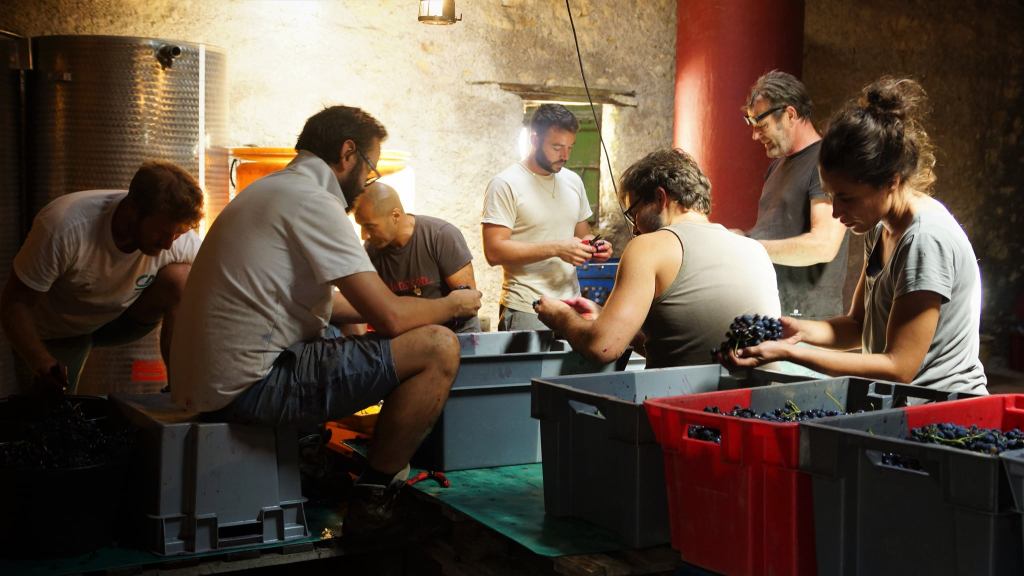
I love this photo showing the team sorting the grapes together, a true image of vendanges teamwork


2 Comments

Vendanges 2020

En francais

Jeff with an early case

I may not be there in person but I certainly am in Puimisson in spirit. Jeff has kept me up to date however and his niece Flora has taken some lovely photos and allowed me to share them. So what has been happening with the Coutelou harvest.

Before they began Jeff reported to me that the grapes were ‘magnifiques’, high praise indeed from a viticulteur, a group who are infamously pessimistic. The promise of 2020 producing something exceptional would be very in keeping, a year when nothing ordinary happens. The grapes ripened early however, problematically, at much the same rate across varieties. This means that there has been a need to get the grapes in as quickly as possible.

Normally, certain varieties ripen earlier than others and so it is easy to organise picking and plan it across the weeks of harvest. When they ripen simultaneously there is pressure to get them in before they become too mature and over ripe.

Fortunately, all has gone well so far. The white grapes were picked first, as usual, and came in with good acidity and around 13,5% alcohol. There was talk of bubbles being made, not an annual event.

Segrairals and Sainte Suzanne followed with Grenache and Syrah to the fore, the two grapes which provide the foundation of many of the Coutelou cuvées, Ste. Suzanne for example being the traditional home of Le Vin des Amis. A successful harvest with those two grapes means a successful harvest overall and relief for Jeff.

La Garrigue was picked on Wednesday 26th and Flora took some great photos of the picking of its Syrah, home of La Vigne Haute in good years. Regular readers know that this is my favourite wine of all so fingers crossed that this Syrah is up to standard, if not perfect it is used for other cuvées. Rome was harvested on Thursday and that gave me a pang of regret and disappointment, I miss my favourite vineyard.

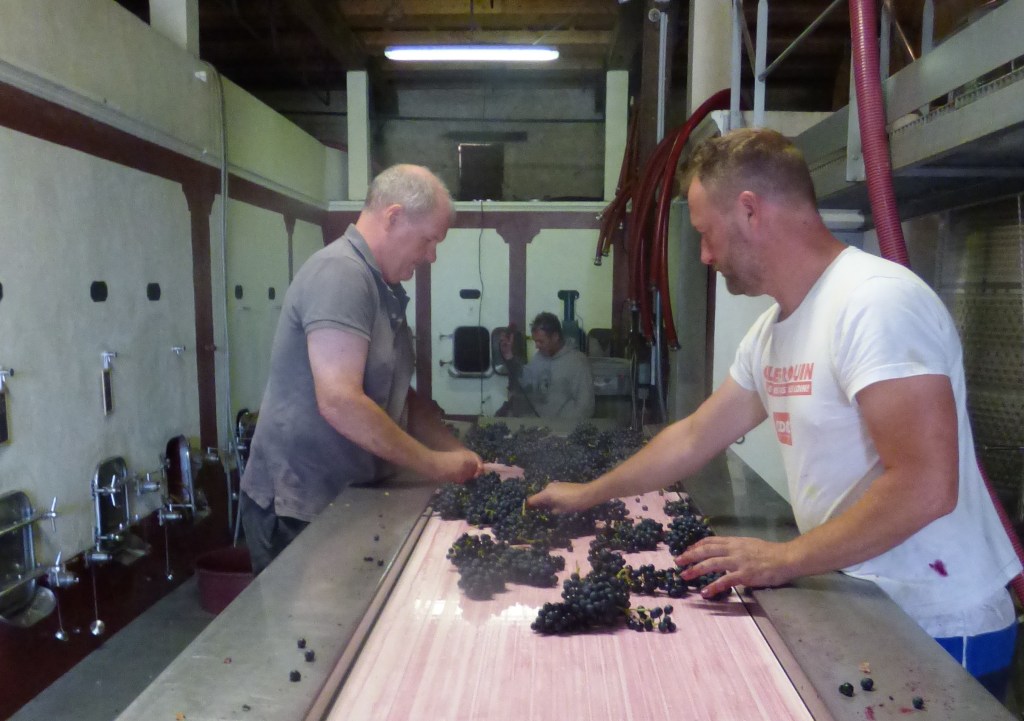
With a new team working in the vines and in the cellar Jeff along with the regular team of Moroccan pickers things have moved along quickly. The new machine to help to sort the grapes has worked very well and saved time as well as being very accurate and efficient. Flora’s photos suggest at least some whole berry fermentations, the carbonic maceration technique which often makes fresh, fruity wine.

So far so good. Fingers crossed for what remains, some of the later varieties such as Carignan and Mourvedre. Something good may come out of this wretched year after all.

Top photo and videos from Jeff and the team.

All other photos by Flora Rey


Leave a comment

Go Ouest

A few weeks ago I had a reply to one of the blog posts asking me if I had noticed that there were some Coutelou wines for sale in an online auction. I have never taken part in one before so it was news to me and I put in bids for the 3 lots which were for seven bottles of Ouest 2001 and three bottles of 7, Rue De La Pompe 2010. To my surprise, despite some competition I won all three lots and was happy to receive my bottles from Taversham’s though UPS managed to break one bottle of Rue De La Pompe en route.

I have had Ouest a few times in the past few years always at Jeff’s as I have never had any of my own before. One of the privileges of spending so much time alongside Jeff is that he shares so many bottles, from other producers as well as his own. I have learned a lot as a result. There are a few cuvées of Coutelou wines which are almost mythical, Roberta, the solera and Ouest is another.

The wine is 50% Merlot, 35% Cabernet Sauvignon and 15% Syrah. The Merlot and Cabernet were from vines planted by Jeff’s father Jean Claude in the 1990s (99 and 98 respectively) because those were the grapes in demand at that time. The Cabernet was part of the biggest vineyard Segrairals but has since been scrubbed up by Jeff to be replaced by more local and unusual grape varieties as is the case in so many of the vineyards now. The Syrah in here also came from Segrairals.

The Merlot remains for the time being in its own parcel, Le Colombié, quite a way from the other vineyards. It is a parcel Jeff has had under review, we shall see what he decides.

Back in 2011 Jancis Robinson described Ouest 2001 as having “amazing intensity and subtlety, and only 12.5% alcohol” and recommended it heartily as did some of her readers on her forum. So, almost ten years later would the wine still provide such pleasure? I opened the first bottle with a little trepidation especially as the cork began to crumble. Fortunately the lower half remained intact and the wine was decanted comfortably. It was still red but with a brick or brown edge. Aromas showed a surprising red fruit profile, amazingly youthful and fresh, followed by an earthy, damp leaves smell. The flavour was still intense and subtle, black olive and black fruits along with liquorice and spices.

This was a triumph, not just because it had survived so well but because it was still a very enjoyable, complex wine pleasing both the palate and the intellect. Go Ouest indeed!


1 Comment

Harvest 2019 – Girl

En francais

One of the idiosyncrasies of the French language is the allocation of nouns as masculine or feminine. Tables are feminine, pencils masculine, word endings which are usually masculine have exceptions and vice versa. It’s a minefield for English speaking people.

Grape varieties are also given a gender, but the vast majority are masculine. Of the major grape varieties only one is feminine, la Syrah. My favourite wine of Jeff Coutelou is 100% Syrah, La Vigne Haute. The grapes come from La Garrigue vineyard on a slope facing north to avoid the hottest direct sunshine.

La Vigne Haute is only made in special years, in other vintages the grapes go into other cuvées. How the 2019 La Garrigue Syrah turns out is yet to be determined but they were harvested on Friday September 6th, Day 6 of the vendanges. The good news is that there was more of the wine than last year, when all the vineyards were hit by mildew. Tasting the juice the following day (pre fermentation) it has an amazing depth of red fruit but also a complexity which might be described as minerality. Of course, the wine will be very different after fermentation but this juice has something special about it.

The following day brought more Syrah into the cellar. This time from Segrairals, the largest of the Coutelou vineyards. Again the bunches came in firm and healthy. Syrah usually has small berries and, in this drought year, that is certainly the case. However the grapes are very healthy, no sign of rot or disease. The Segrairals juice had an overwhelming raspberry fruit flavour, not the more serious notes of La Garrigue but very good in its own right.

The Syrah of Segrairals, after destemming and juice in a glass whilst being sorted by Alain

As one of the five major red grapes of Languedoc Syrah is a crucial part of so many of its best wines. It is an expressive grape, try some of the great Syrahs from the Ardèche for example, to find a huge range of flavours and quality. It makes up around one third of the Coutelou production so the lovely fruit of those two days is a relief and also highly promising that, despite the drought, some great wines will emerge in 2019.

La Vigne Haute grapes and juice!

Day 6 Day 7