Not a busy time on the wine front but the first tasting of the year for me is approaching and I have been busy reading about the world of wine, drinking some good bottles and I’m about to become a viticulteur. In the North East of England, so don’t expect to find anything on the shelves of your local merchant. (More on that micro venture soon).
Jeff reports that all is well so far in the Languedoc. As with all my winemaking friends in the region pruning has been the principal activity. They have had some cold weather which helps the vines to rest and prepare themselves for the seasons ahead and, hopefully, kills off some diseases and bugs. He has been busy bottling, racking and blending as his Instagram and Youtube channels affirm. Meanwhile in the Adelaide Hills James Madden of Scintilla Wines tells me that vendanges is under way, slowly at first due to great heat. The cycle of viticulture shown across the world.
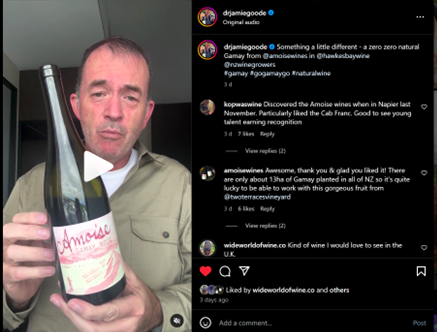
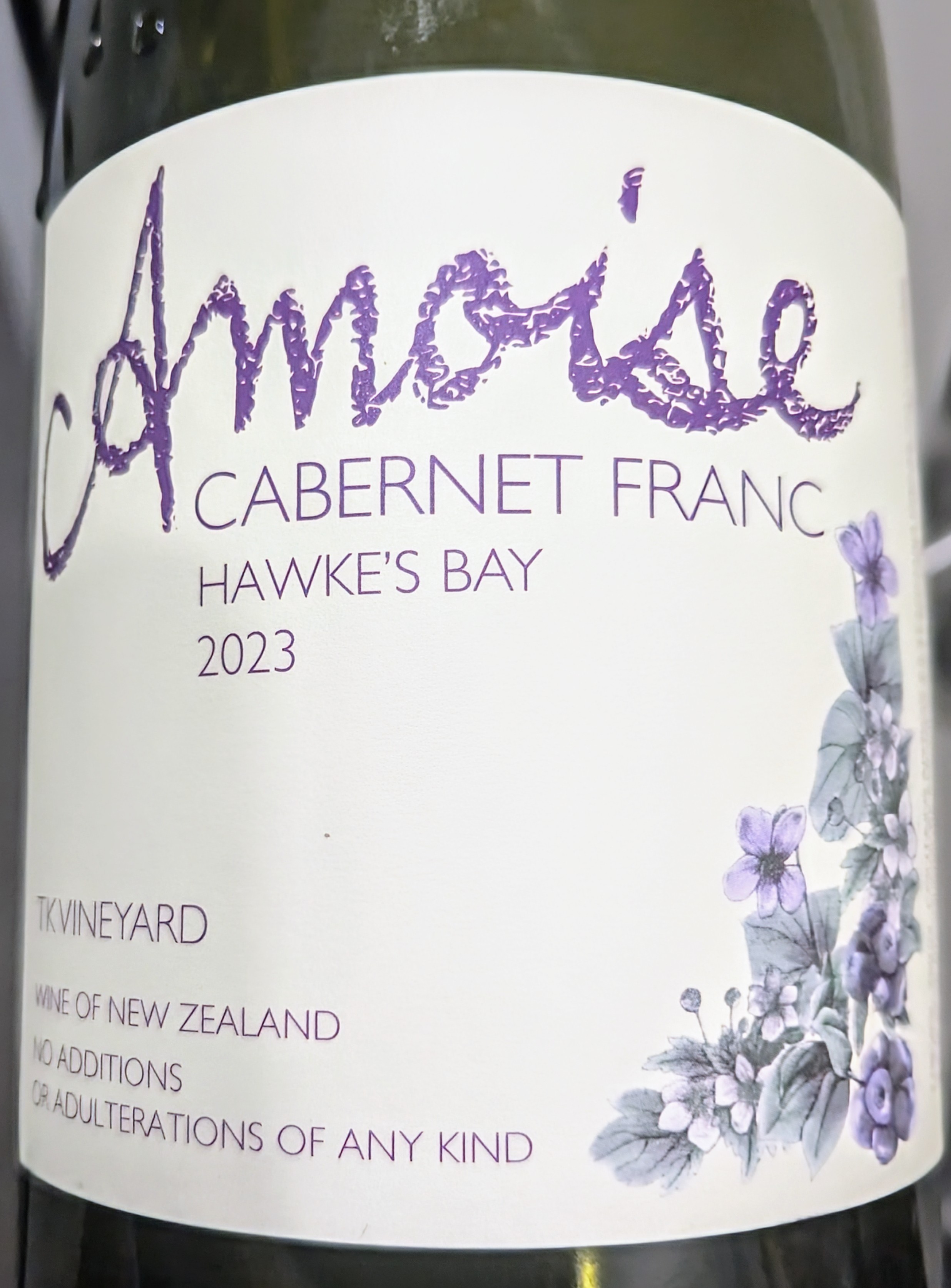
It was a real pleasure to see Jamie Goode posting about Amoise Wines who I highlighted on my visit to New Zealand last November and chose as one of my favourite wines of the year. It is good to see a young winemaker quickly earning such acclaim. I do hope that they are soon imported into the UK.
A couple of articles have grabbed my attention and I thought worth passing on. The first was from South African Winemag.co.za, written by Dariusz Galasiński. I think it includes a number of salient points about wine appreciation and the wider public based on an experience in a restaurant. He argues convincingly that while wine enthusiasts are captivated by details of vineyard and cellar practices, the average consumer sees them as mere background noise, adding little or nothing to their enjoyment of wine. Instead, Galasiński suggests, “Wine in a restaurant is not about technicalities, it is about stories.”
I think he makes a valid case. When I meet with winemakers, at their cellar or at a tasting, I am fascinated by the technical information, and how they approach the task of making the best wine possible from their grapes. However, I am aware that I am a wine snob and, with experience of working in the vines and more than ten harvests, I have an insight and interest not shared by most. Even then I love to hear their own story and that of the bottles they make, why they make it and its character. It brings the wine to life and personalises it, I have a connection between it and the winemaker which I will recall when I drink it later.
When I have led tastings I do pass on details of the wines, the grape varieties and some winemaking notes which make the wine interesting. I have tried to add some narrative of the vigneron and wine but, after reading Galasiński’s article I think I need to relate even more of the story.
The second article was by my friend Aaron Ayscough on his blog / website Not Drinking Poison. Aaron runs an occasional series called Droplets in which he comments about various events, articles and happenings from the world of wine. It’s fair to say that Aaron takes no prisoners with his views, he is a purist regarding natural wine and how it should be made and that he can upset other wine commentators as a consequence. In the most recent article Aaron wrote about the fall in sales of wine in general and natural wine in particular. The latest manifestation was some poor attendances at recent salons in the Loire. The reaction on Instagram and Bluesky was swift, with traditional commentators, such as a couple of older male Masters of Wine, seizing the opportunity to express their biases and generalizations about natural wine.

Though I don’t always agree with Aaron and so consider some of his views extreme I did feel the criticism was way over the top. Natural wine sales are stalled but then so are wine sales and per capita consumption in general. It is not a sign of people rejecting natural wines more a commentary on the world economy and the growth of an anti-alcohol lobby. There are more and more natural producers around the world, competition which impacts on some producers’ sales. Salons are a barometer of interest and sales but I do believe that Aaron is correct, there are just so many salons now that it is impossible for cavistes to attend them all. Even the winter Loire salons saw new events cropping up into what is a packed period of time. I do agree that consumers want wines to be drinkable and enjoyable and that faulty wines should not be available but, then, I have opened many a faulty bottle of conventional wine over the years. I had hoped such sniping was a thing of the past and that the benefits of the natural movement were clear, many conventional producers have cut back on sulfites and additives for example.
One interesting quote in the Droplets article was from American buyer Joshua Eubank of Percy Selections, “I’m still a believer in wine salon culture,” he says. “But I had a finite number of days to be away from my family and chose to prioritize one-on-one time with our growers.”
That ties in nicely with the Galasiński article. Knowing the winemaker and their story is the way forward to combat the pressure on sales. I hope that articles on this site about Jeff, James, Steeve and others are part of that storytelling. And that there will be more to come.

 amarchinthevines