Having expressed some disappointment in the majority of New Zealand wines I tried whilst in the country it is time to redress the balance and highlight some excellent bottles.
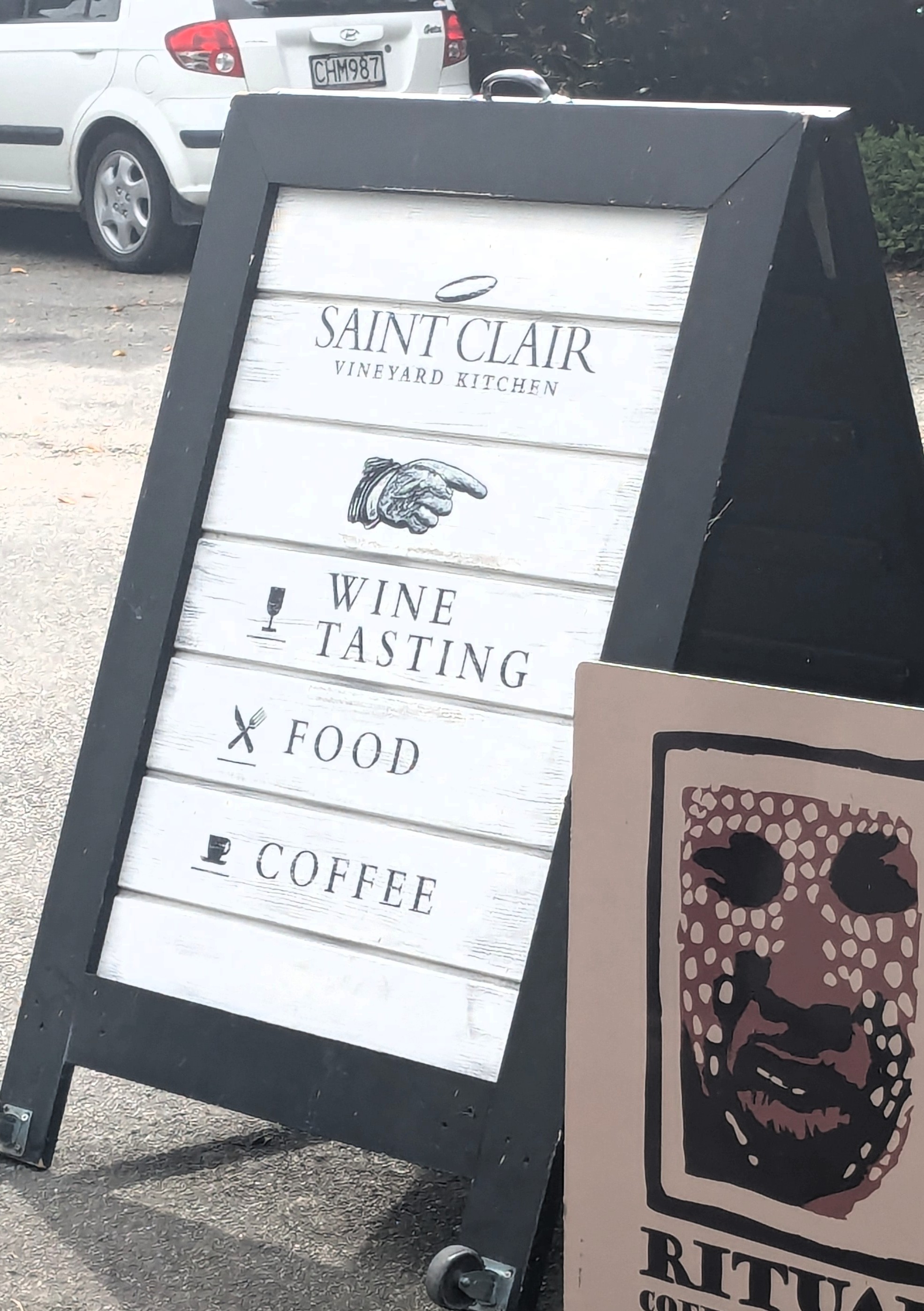
‘Savvies’ (the local term for Sauvignon Blanc wines) dominate the line up and are what we most associate with New Zealand. I tasted dozens of examples; from the Marlborough fruit style, to oaked, orange and natural. My criticism was about how many producers simply aim to copy the classic Marlborough style. I enjoy these wines as much as anyone, some of my favourite examples from this trip were Astrolabe, Cloudy Bay (of course), Framingham, Greywacke, Saint Clair, Te Whare Ra. Best of all was the Hunter’s Sauvignon Blanc 2024, more restrained than most with good concentration and layers of flavour including mid-palate – altogether adding up to a clear identity and character. Hunter’s was one of the first NZ estates I bought from so it was good to see they are still going strong. The common factor of all of these wines was that they had concentration, character and developed in the glass. That’s what other producers should be trying to achieve not a one dimensional fruit hit.
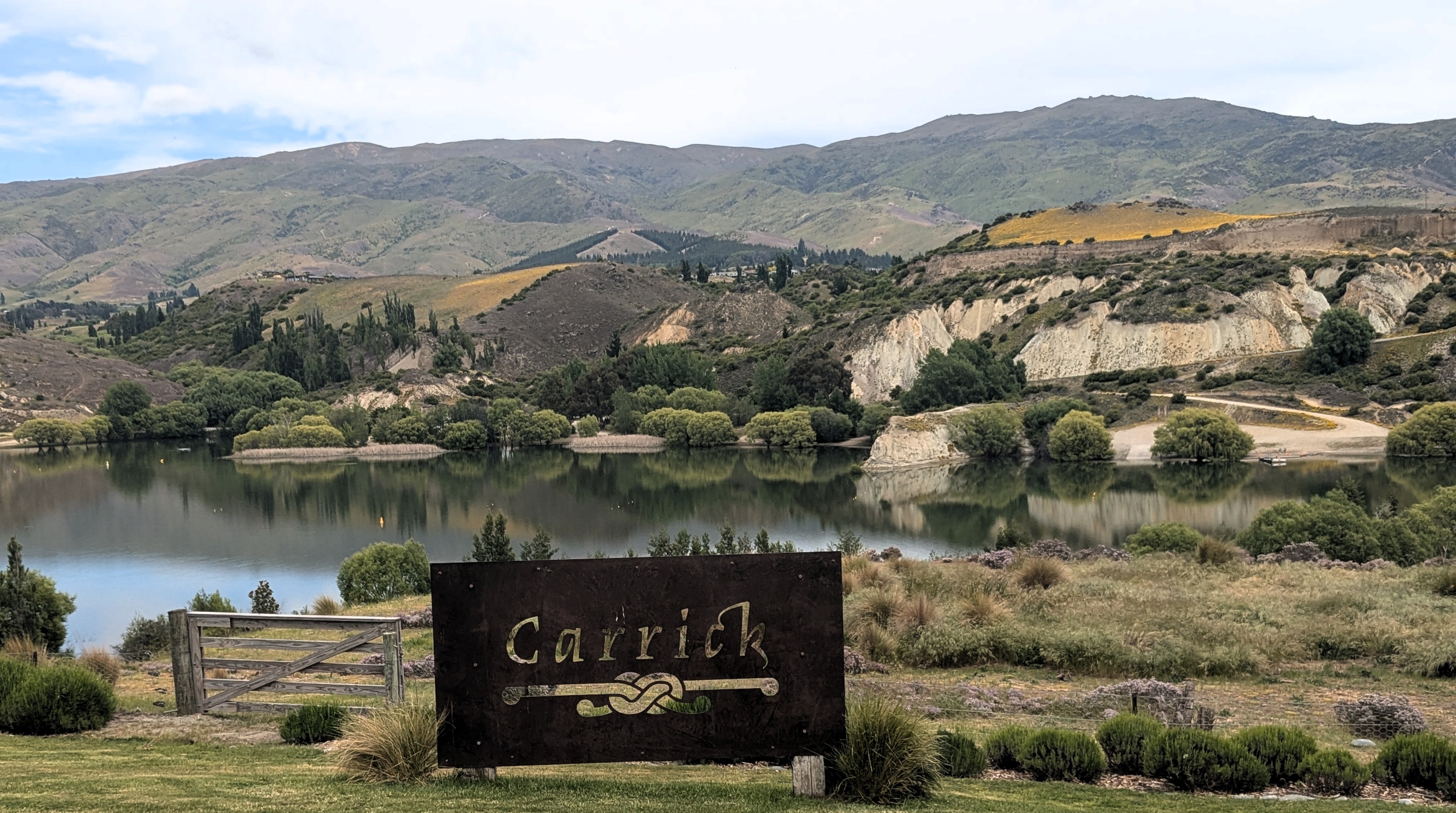
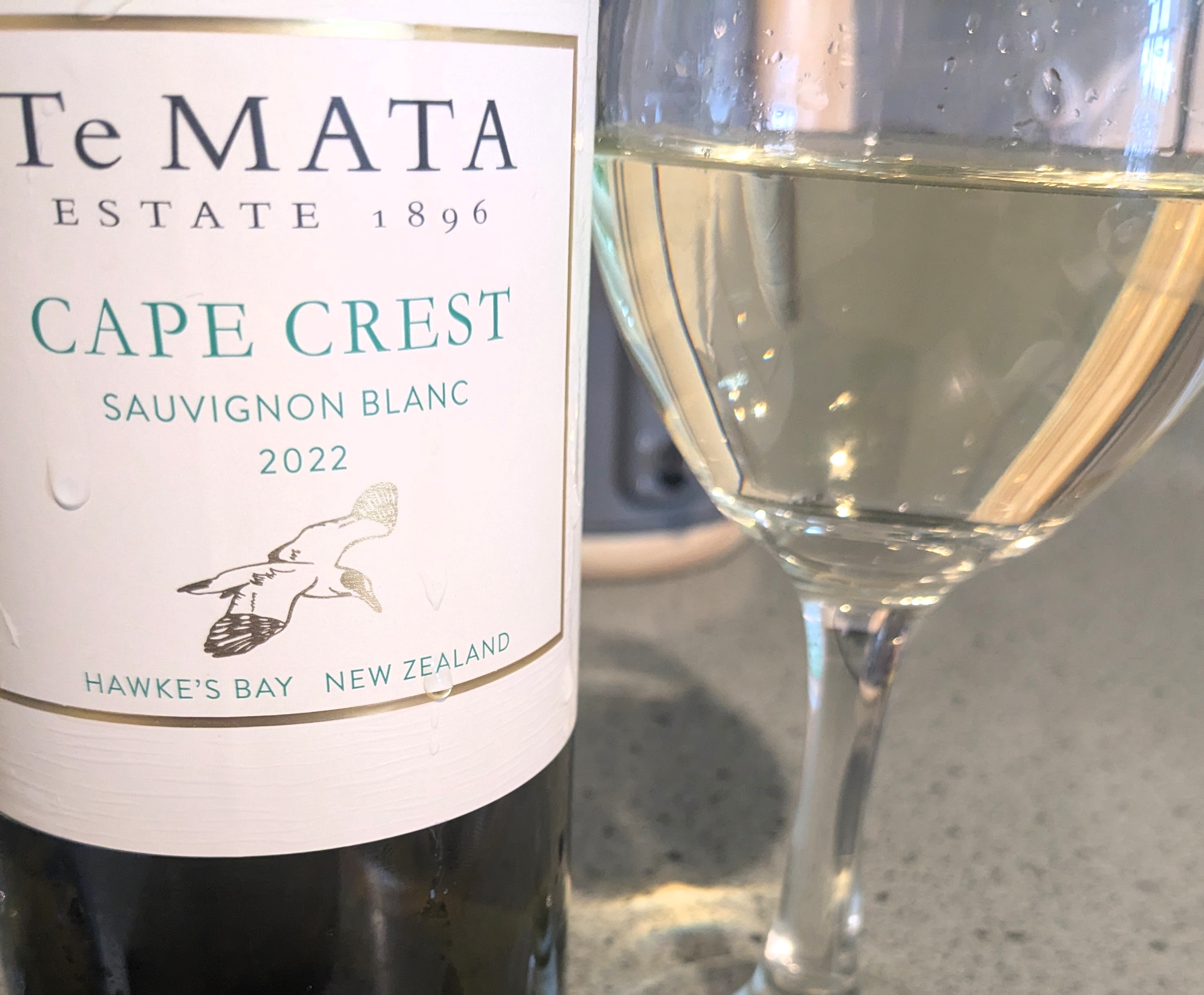
I have always had mixed feelings about oaked Savvies, feeling that oak would take away the grape’s main appeal, the tropical fruit notes. So, it was a pleasant surprise to find some very good examples of this fumé style. The best was undoubtedly Cloudy Bay’s Te Koko 23. I have had some of the previous bottles and not been convinced but this was really well made, the oak more subdued and genuinely supporting fruit whilst maintaining acidity and freshness. I also enjoyed Otago’s Carrick Estate Sauvignon Blanc 22 which was lightly oaked, barely noticeable but adding a little complexity to a good wine. Finally, Te Mata, better known for its Hawke’s Bay reds like Coleraine. I thought it too managed the oak very well, featuring the Savvie notes but with added complexity in its Cape Crest 22.

Other white grape fared less well overall. Chardonnays tended to be made with a lot of oak and that is not a style which appeals to me. Maybe this is down to the youth of NZ winemaking, I got the impression a lot of producers want to ape the Old World classics and forget to highlight their main strength, the clean fruit. Two bottles bucked that trend. Felton Road (Otago) made two of my favourite wines from the trip including the Bannockburn Chardonnay 22, a wine which carried weight, fruit and freshness, extremely well made. Brookfields in Hawke’s Bay was the other Chardonnay success, its Bergman 24 shows good concentration and gentle wood influence.
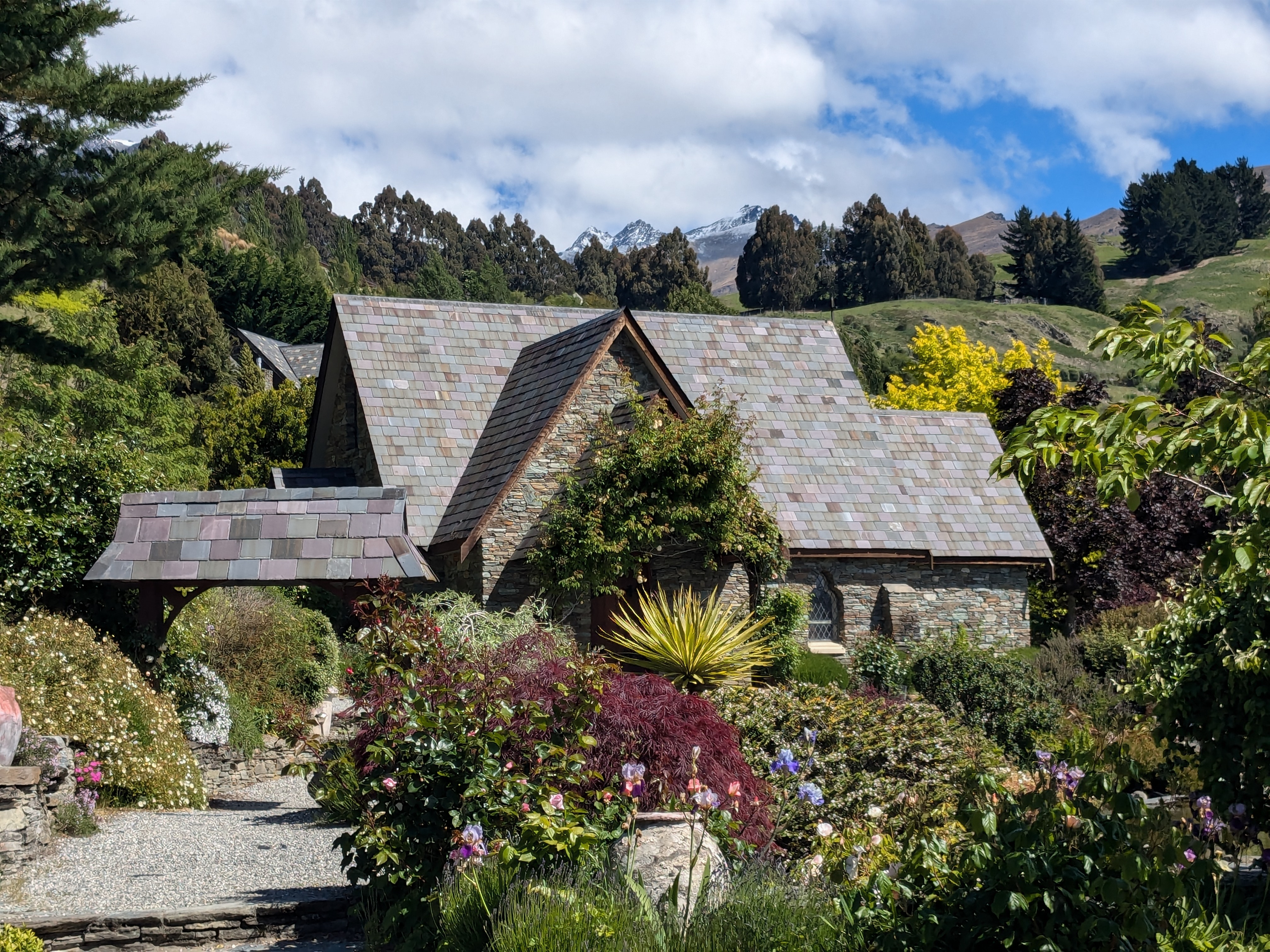

Pinot Gris has found a niche in New Zealand. Like the Chardonnays I enjoyed some more than others. Brookfields again starred, its Robertson 24 full of white fruits and a pleasant sweetness reflecting a hot vintage in 2023, very much like an Alsace Pinot Gris. I also recommend Otago’s Stoneridge Estate Nockie’s Palette Pinot Gris 23 made in a much drier style with appley fruit and clean, spicey notes. (The estate itself is one of the most beautiful wineries I have ever visited). I also rated highly another white made by Felton Road, its Dry Riesling 23 with appealing savoury notes, limey and lingering. Felton Road is a winery I would love to have visited. Finally a lovely wine from Burn Cottage, also in Central Otago. Riesling again but blended with Gruner Veltliner and delivering lovely citrus freshness and balanced fruit in its 2020 version.


White wine makes up 83% of New Zealand’s overall production, it’s what I tend to think of when I look to the country. As I said last time it was a red wine, the aforementioned Te Mata Coleraine, which convinced me that NZ could produce great reds. This trip convinced me of that fact.
Our first stay was in the Hawke’s Bay region because I had heard great things about its reds especially the Gimblett Gravels area. As its name suggests the gravel soils are what makes this area special, the heat being retained in the gravel rocks which heat up the vineyards in early spring and retain heat during the nights. Add in the influence of the sea nearby and this area can ripen red grape varieties more than expected.


Some of the best reds I had during the trip were from the region with Syrah to the fore. Saint Clair’s Syrah Gimblett Gravels 21, for example, offered smooth, easy drinking with classic notes of spice and red fruits, a lovely wine. Church Road Estate has been winning a lot of praise and rewards recently and its Grand Reserve Syrah 21 showed why with concentrated fruit and spice, powerful but drinkable and ageability. Mission Estate’s Syrah Gimblett Gravels 21 was just as good. I was convinced, Hawke’s Bay is making really good red wines. I also enjoyed an unusual variety from Church Road, Marzemino 2019 with earthy dark fruits and a lot of character. Marzemino is a variety usually found in the Alto Adige in Italy and this bottle showed how experimentation could really boost New Zealand’s wine range.

My favourite red from Hawke’s Bay though was from a grape which has featured many times in my wine year, Cabernet Franc. Moreover, it was from a new, natural wine producer, Amoise, the work of Amy Farnsworth. I bought a couple of bottles from the excellent Napier wine bar, Matisse. The orange wine was nice but the Cabernet Franc 23 was excellent. Raspberry fruits, long lasting and fresh – outstanding wine from such a new producer.
Surprisingly, Pinot Noir is the second most planted variety after Sauvignon Blanc with 13% of NZ vines. South Island is the home of Pinot Noir in New Zealand though, especially Central Otago. This was my second visit and I was even more convinced that this is a great wine region. A lot of New World Pinot Noir tries to imitate Burgundy and I find many to be too oaky, just as I did with NZ Chardonnay. Alternatively many producers go for ripe, sweet fruits which I find tiring to drink. I experienced both of these on the trip but an increasing number of really well made wines balancing fruit, acidity and complexity.
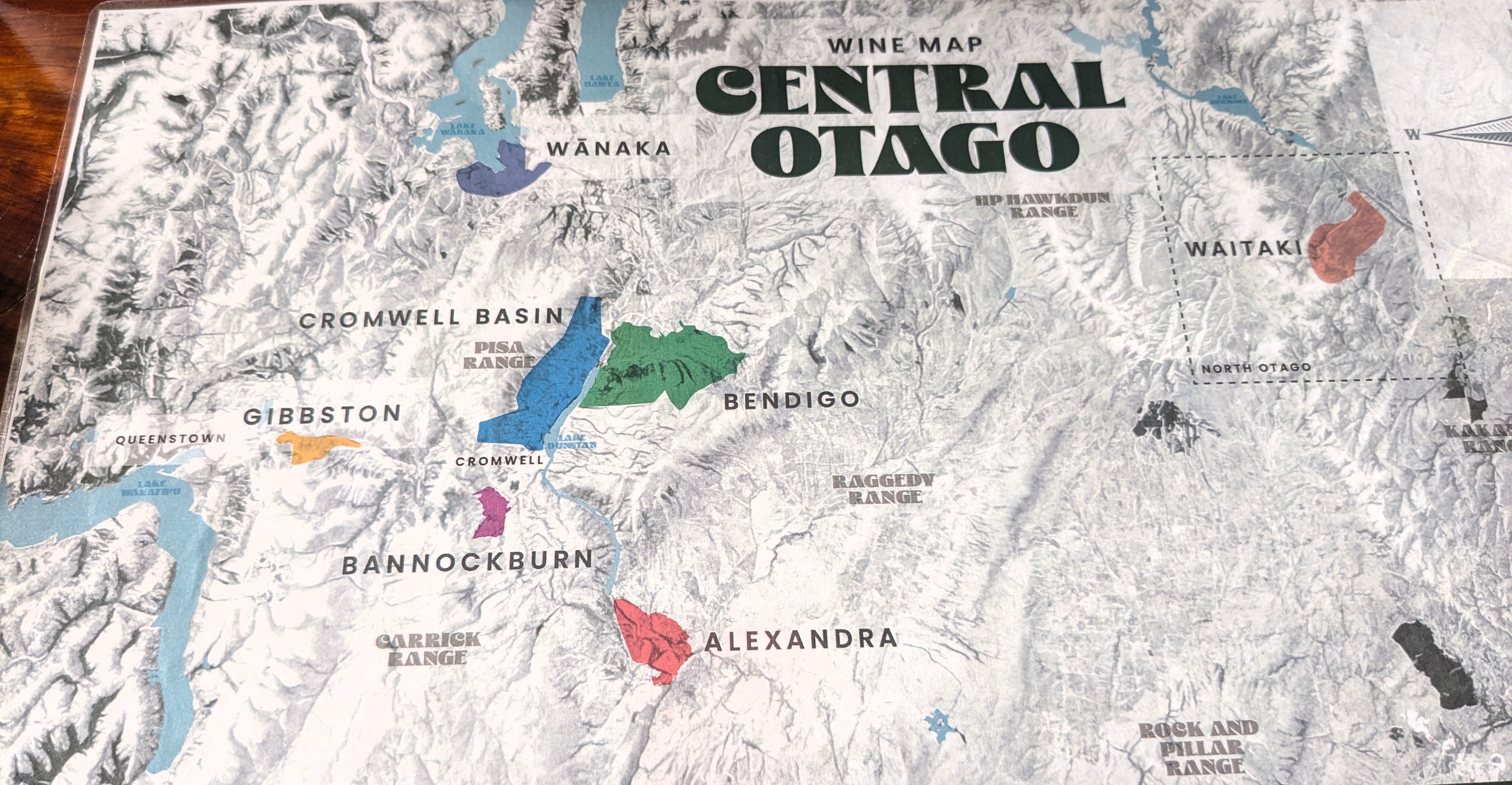
My favourite examples revolved around the story of Alan Brady, an Irishman who settled in Otago and ignored advice that Pinot Noir wouldn’t grow well in the area. His Gibbston Valley winery brought in local born Grant Taylor, a successful winemaker in Napa, California. Taylor soon made great Pinots for many estates in the region including Mt. Difficulty, Carrick and Felton Road. He then moved to Valli and famously achieved the award of World’s Best Pinot Noir at the International Wine Challenge in London (he has now won this award four times). I liked the Valli Pinot Noirs a lot, very Burgundian with good fruit but lovely balance. Valli is now the work of Jen Parr and it was no coincidence that one of my favourite red wines was the Pinot Noir 19 from Stoneridge’s Nockie’s Palette, made by her too. And then I enjoyed a flight of Pinots with dinner one evening and star of the show was Wild Earth 19, made by… Jen Parr. Clearly the Brady/Taylor/Parr connection has paid off.


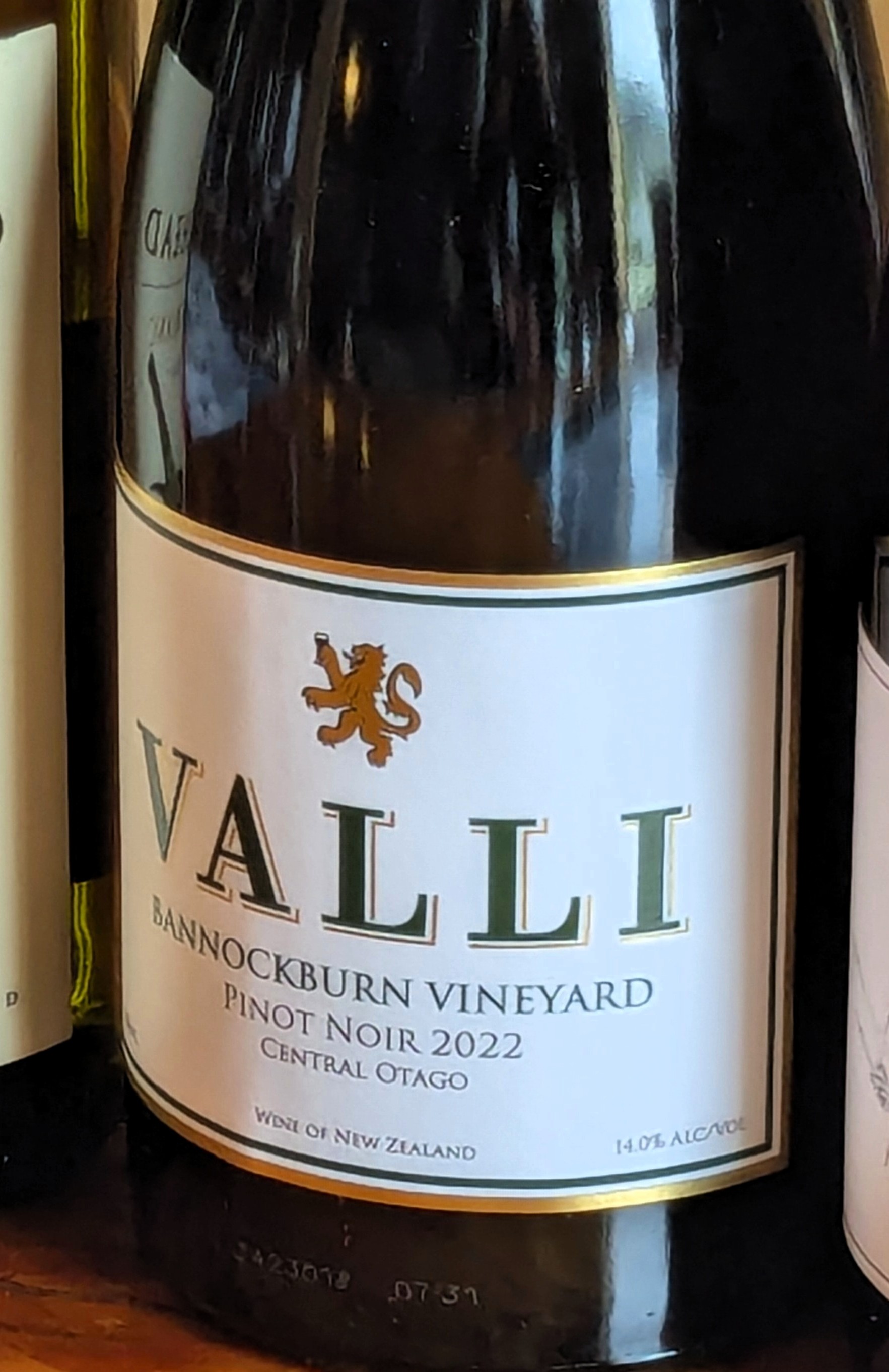
However, it was a visit to Kinross winery that brought my favourite examples of red Otago wines. They run a wine club which has the rights to other wines and they made me want to join!! Valli’s Bannockburn Pinot Noir 21 was very aromatic and the red fruit notes carried into the flavours with good acidity and tannins.
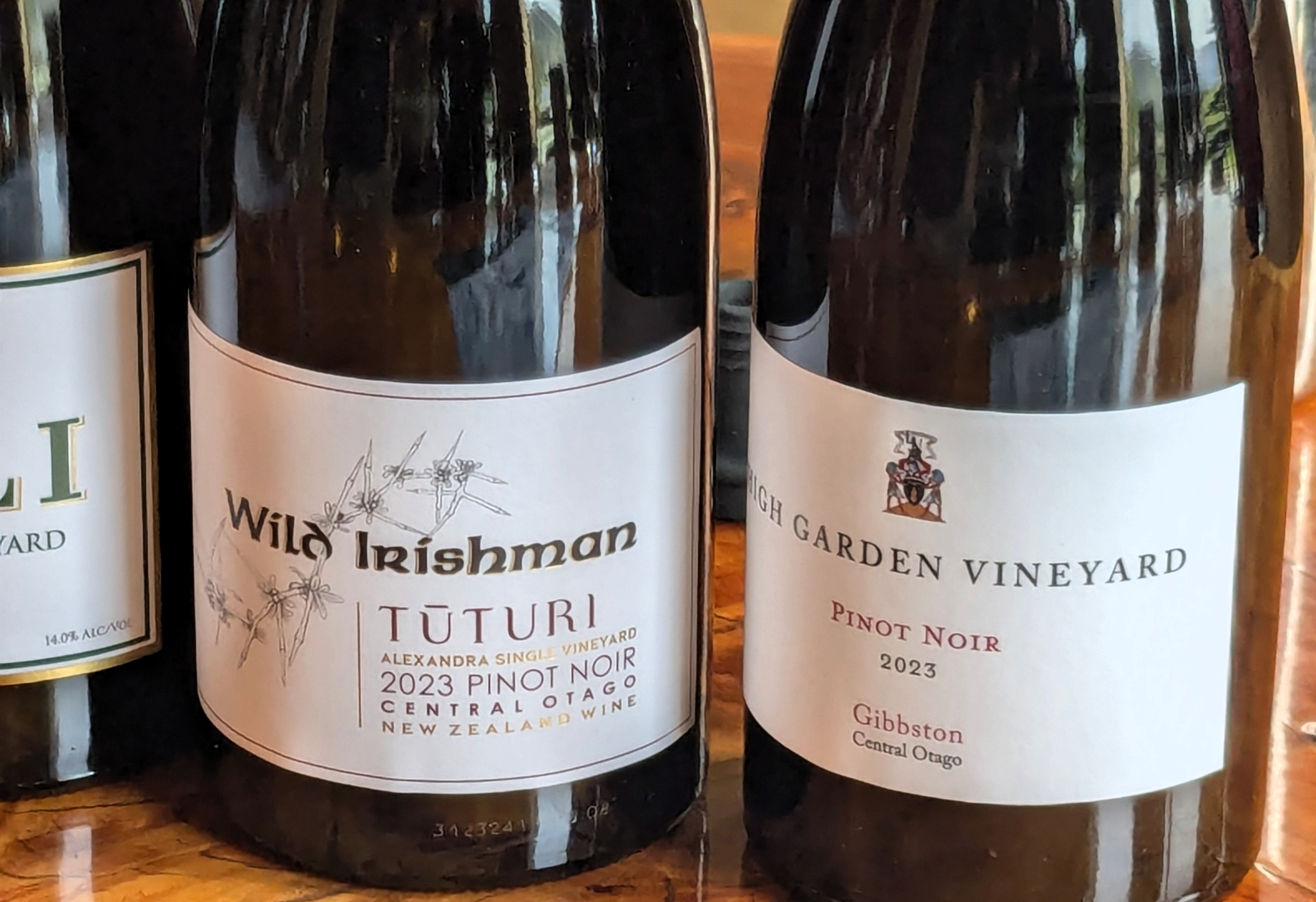
This was followed by Alan Brady’s Wild Irishman Tuturi 23 made in a relatively new area of Otago, the Alexandra Valley. This was aromatic but more serious, it needs time. The colour was an attractive red rose and the flavours were spicy with plummy fruits and ripe tannins. It will be lovely in two or three years but is already very good. Best of all though was High Garden Vineyard 23. This is the winery established by Master of Wine Robin Tedder and is dedicated to producing single vineyard wines of character. High Garden vineyard is on a hillside which gives the vines ninety minutes more sunshine than vines on the plains despite being only sixty metres higher. The wine is still closed and youthful but there were powerful fruit and spice aromas and deep flavours of red and dark fruits. It was a truly excellent wine, made by …. yes, Jane Parr, what a star!
There were other good wines but I hope that I have already convinced you that New Zealand is producing great wines and, as the vines mature and the winemakers gain confidence to experiment, the wines will only get better. Give them a go.


 amarchinthevines