
On Friday November 3rd I led a wine tasting at a local community centre to raise funds for the centre itself. I decided to focus on grape varieties, mainly because it is a topic that I find fascinating but also because I would like people to try different wines. In the UK 65% of the white wines which are purchased are from just three grape varieties, Pinot Grigio, Chardonnay and Sauvignon Blanc. There are 10,000 wine grape varieties in the world but 40% of wines come from just ten.
In recent years Marks and Spencer introduced a range called ‘Found’ highlighting more unusual varieties and I welcomed that step in this article. Waitrose followed suit with their ‘Loved and Found’ range and I focused this tasting with eight wines from these two ranges. All of the wines are priced at a maximum of £10, most were £8.99 and 25% discounts are currently available at Waitrose.
Why am I so passionate about promoting different grapes? Firstly because of diversity, the figures above show a narrow choice for consumers. Winemakers like to experiment, Jeff Coutelou for example has planted over 50 varieties in his vineyards and part of his motivation is simply his own curiosity as to how different grapes will grow in different terroir and what wines will be produced. He stripped out the Cabernet Sauvignon and Merlot and replaced them with the likes of Servant, Clairette Musquée and Terret Noir.
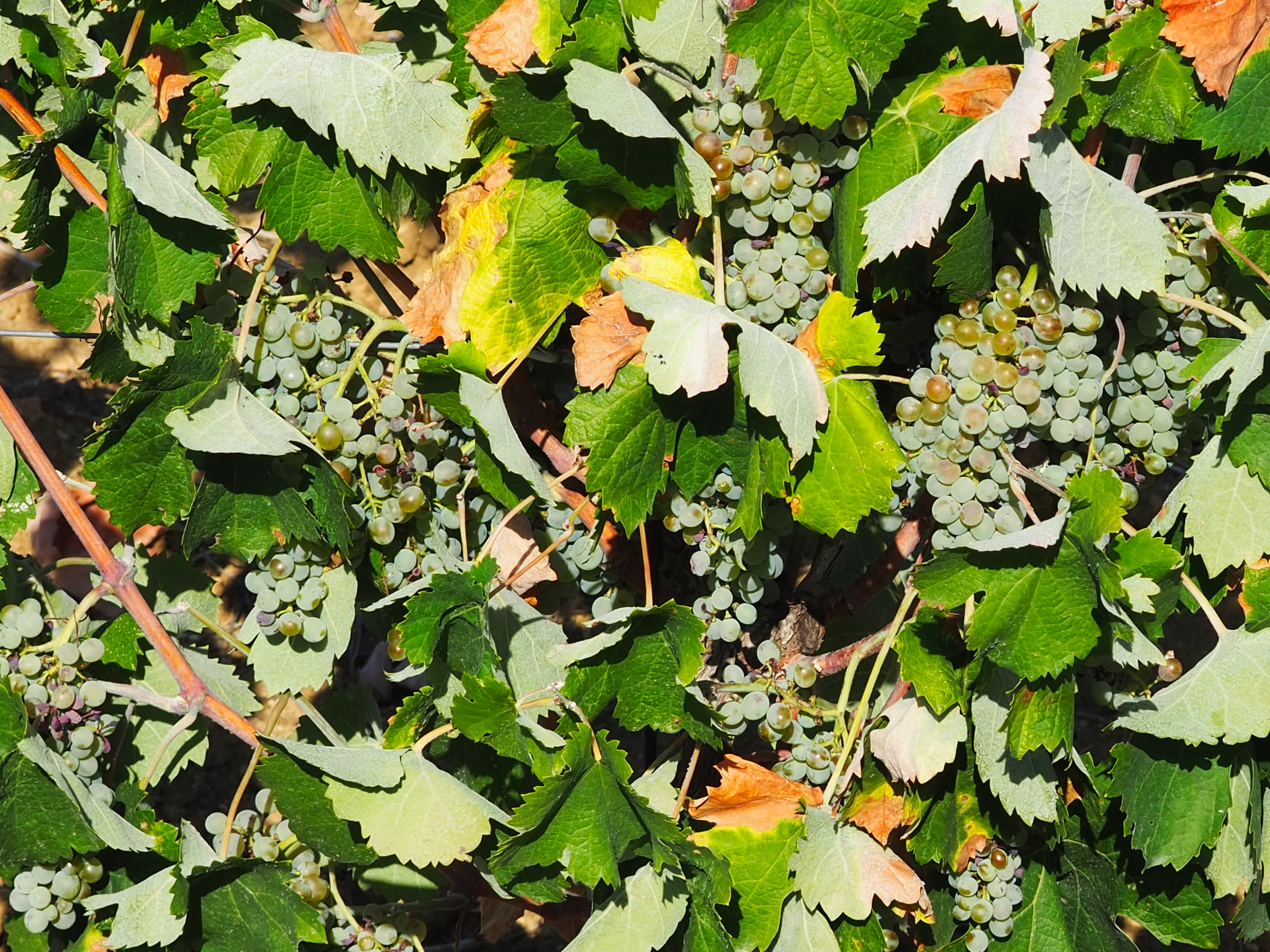
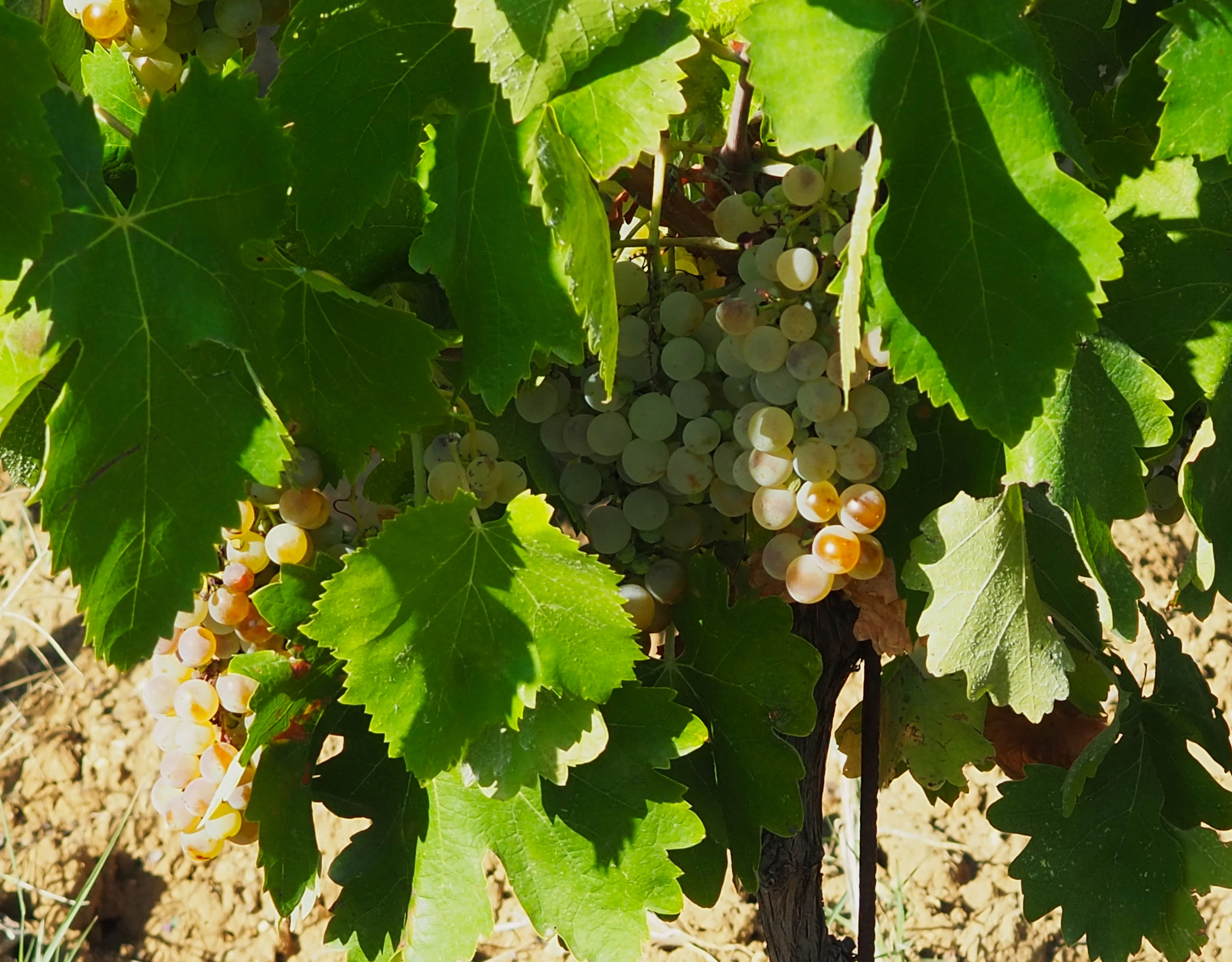
Widespread plantings of the same grape can encourage the spread of disease, variety makes that spread more difficult. Finally, climate chaos is clearly changing terroir, for example with earlier budding and subsequent frost risk, with drought conditions such as we experienced in the Languedoc this year leading to us completing harvest by September 1st, a date which was often the start of harvest in the past. As I pointed out Spanish origin grapes such as Macabeu and Grenache handled the heat and drought much better than French grapes like Clairette and Syrah. New plantings of the Catalan grape Xarel-lo show that winemakers such as Jeff are preparing for a more unsettled future in their vineyards.
I opted for eight grapes which together make up less than 0.8% of worldwide wine grape planting. They came from Spain, Portugal, France, Italy, Georgia, Germany and Hungary. My notes and research are shown below.


White wines
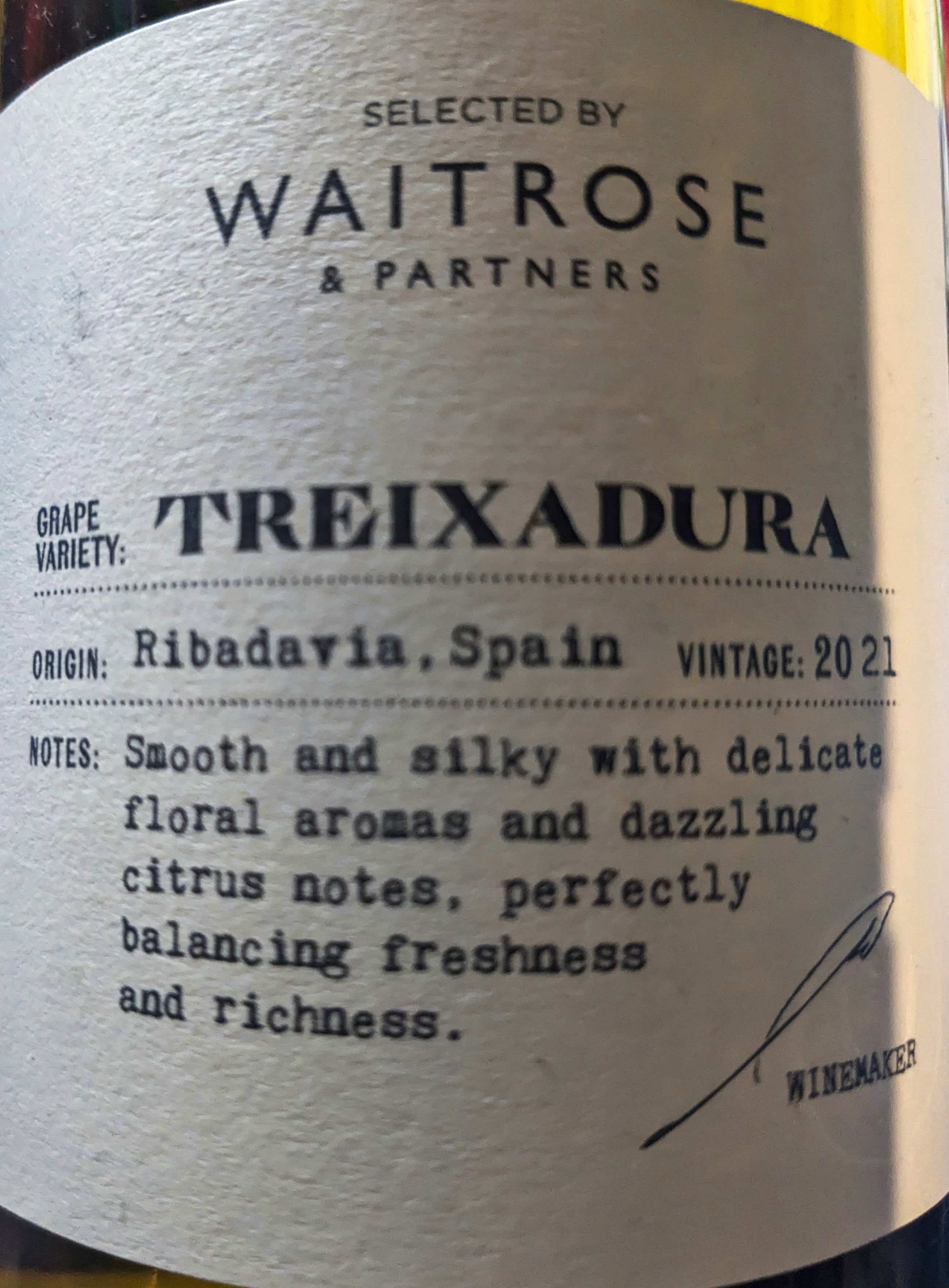
Treixadura – £8.99 Waitrose
Made in Galicia by Via Barrosa named after the Roman road from Galicia to Rome. The grape is also grown in the Vinho Verde region in northern Portugal.
Difficult to grow, buds late and ripens slowly so vulnerable to disease. Prefers valley slopes. Usually a blending grape as it adds body and freshness.
Tasting notes – faint citrussy notes, fresh green apple. Food wine
Loin D’Oeil – £8.99 Waitrose
Known as Len de l’Elh in the local Gaillac slang. NE of Toulose a typical regional wine area with its own grapes, eg Mauzac, Braucol, Fer Servadou and Negrette. The name means far from the eye or bud because of the long pedoncle or stalks.
Buds early (frost risk) but ripens early which means it can be left on vine for longer and make sweet dessert wines. This wine is made by Jean Noel Barrau, a highly rated producer working for the Rabastens co-op.
Tasting notes – Tangy, juicy, pink grapefruit and nectarine. Some weight from fermentation on lees which add texture.
Weissburgunder – £9.50 M&S
The most widely planted grape of my selection, known as Pinot Blanc in France. Good example of climate chaos and improved winemaking helping to make a grape better.
Mutation of Pinot Noir, indeed there are often white grapes in the middle of PN vines, a cane can be wholly white. Prefers deep soils, buds early. Made in Pfalz, 2nd largest German viticultural region, bordering Alsace. 4% of its vines are PB. Made by a former M&S wine buyer, Gerd Stepp.
Tasting notes – creamy, textured from lees contact. Pears, quince and wet stones, fresh palate cleansing
Furmint – £8 M&S
Hungarian grape famed for Tokay wines from the region east of Budapest. This from a 500 year old winery Chateau Dereszla renovated by Champagne maker Piper Heideseck.
Name means wheat gold. Offspring of Gouais grape which also parented Gamay, Riesling and Chardonnay. Buds early, ripens late so rosk of frost and mildew but the late ripening and thick skins encourage sweetness, Tokay was the most famous sweet wine in 18th and 19th centuries. Thick skins mean less juice and more concentration. 8.6g/l of residual sugar so off dry
Tasting notes – aromatic, floral, juicy pear, apple and citrus. Winemaker Bai Istvan says best suited to seafood such as the local fisherman’s soup. Telegraph critic Victoria Moore says orange peel, apricot
Red wines


Trincadeira – £8.99 Waitrose
Needs hot, dry conditions, this is from Alentejo in Portugal, east of Lisbon. Made by Joao Portugal Ramos.
Very thin skins make it a difficult grape as they will split easily and vulnerable to insects so rot is a danger. It is used in the Douro valley for making port too where known as Tinta Amarela, which means yellow grape! Pick too soon and herbaceous, too late and it is jammy so picking date is crucial. Another problem is the overproduction of foliage so costs a lot to keep trimming it back so it is being ripped out.
Tasting notes – Ripe, blackberry, oak notes too.
NB – no wine capsule saves half a ton of packaging
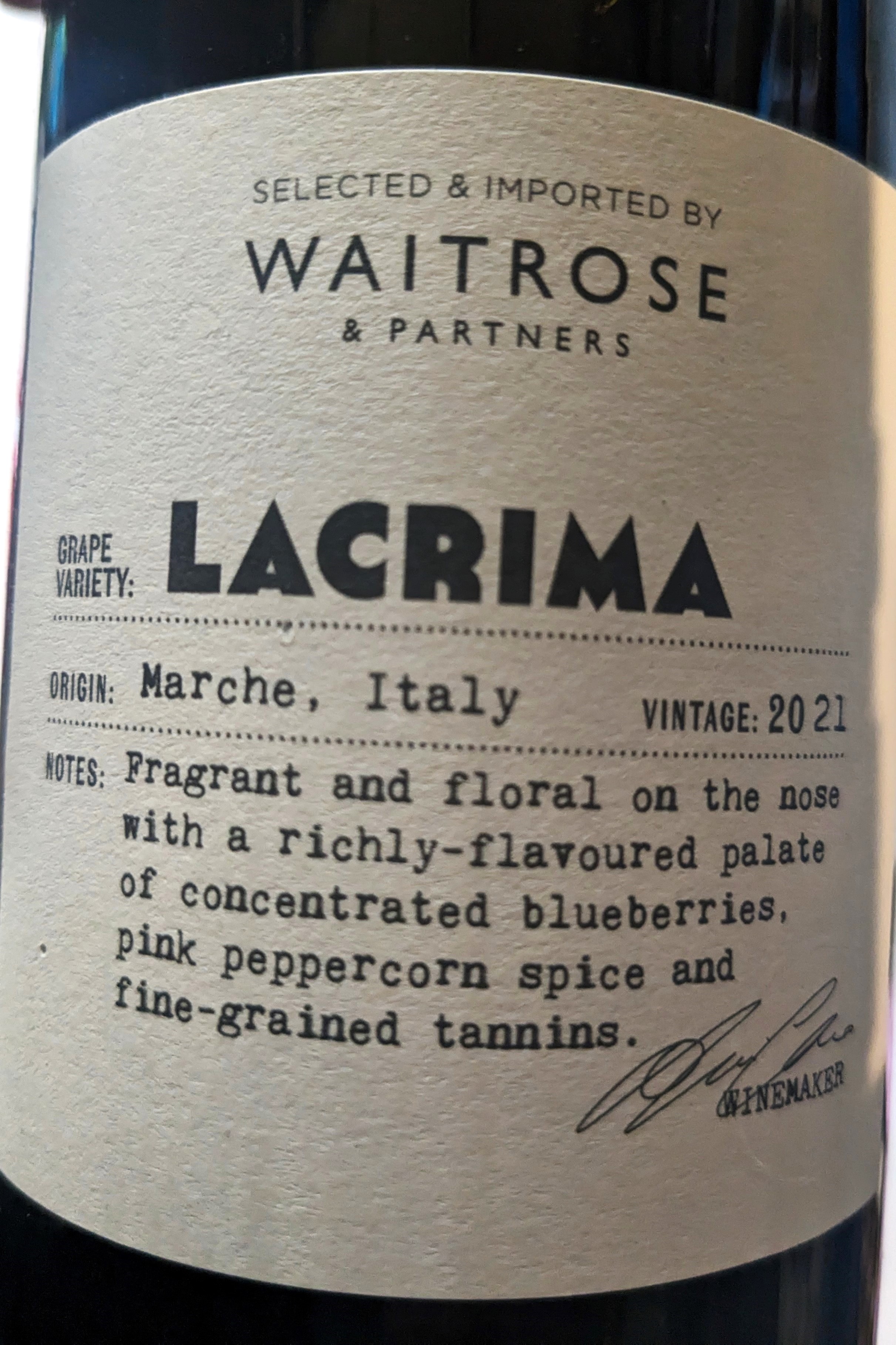
Lacrima – £8.99 Waitrose
Full name Lacrima di Morro d’Alba (the tears of the Moors from Alba). Why tears? Some say shape of bunches, others that the thin skins split easily so teardrops of juice emerge.
Dark skinned, gives colour. Only 6hectares left in 2003 but resurgence so now 250ha, almost exclusively in the eastern Italian Marche region. This one from organic producer in Ancona.
Tasting notes – aromatic, rose petal and Turkish Delight according to Matthew Jukes. Blackberry, cherry, refreshing finish. Can be chilled. Raspberry, spice notes.
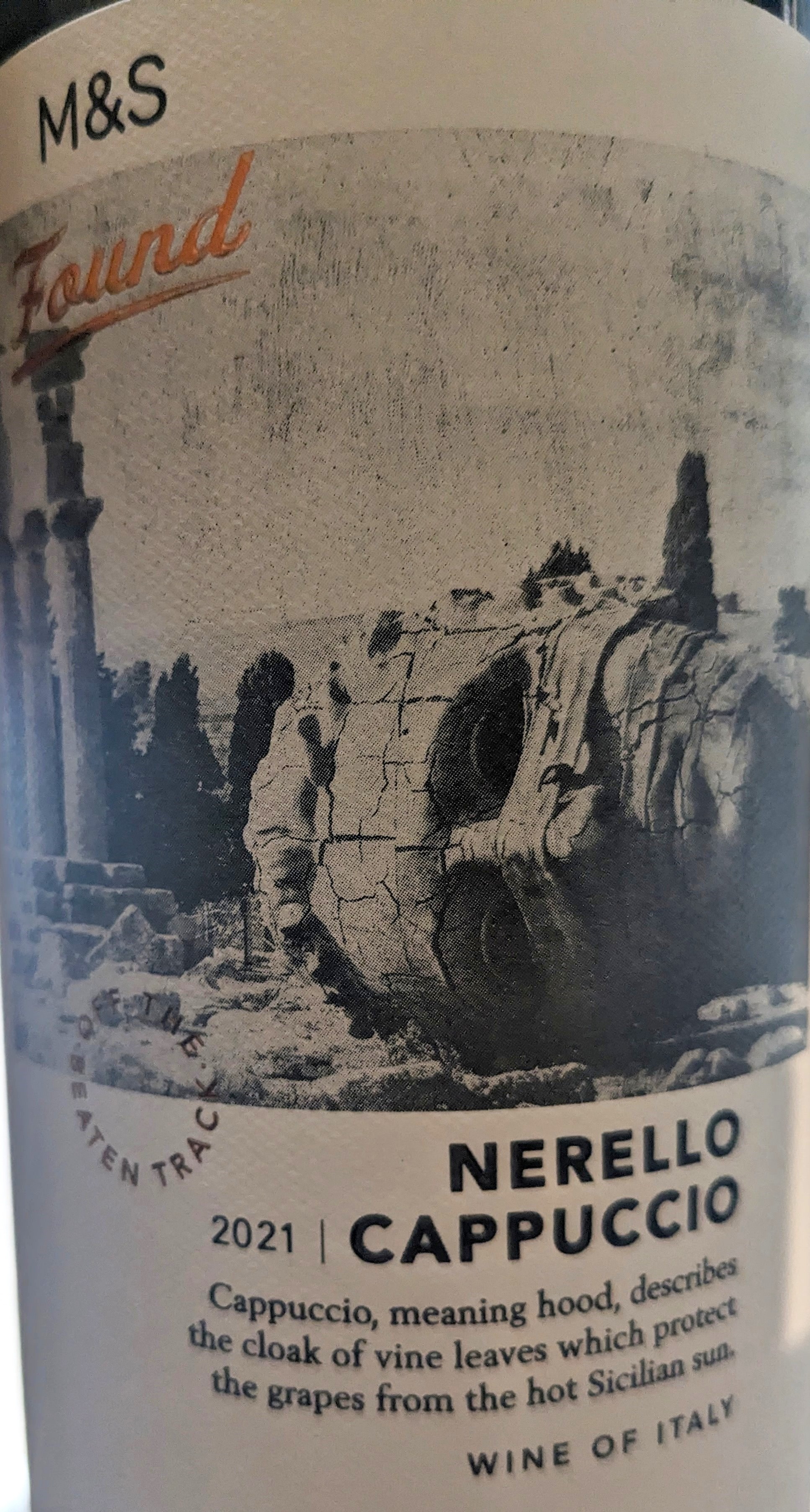
Nerello Cappucio – £7 M&S
Made from slopes of Mount Etna by famous company Settesoli and first pure version on sale in UK.
Nerello genetically linked to Sangiovese. Two forms Mascalese and Cappucio, usually blended. Cappucio is lighter of the two. Name means hooded as the grapes grow into the canopy and protected from direct sun. Lighter structure than Mascalese, sometimes made into rose. But dark skins add colour to blends even though soft tannins.
Tasting notes – Cherry jam , floral, flinty minerality. Low acidity so not a wine to keep. Raisiny port notes, liquorice and cocoa. Good for pizza and caponata.
Saperavi – £10 M&S
Georgia – with Armenia one of the crucibles of winemaking. The other was the Levant and that’s the one now thought to have sent grapes to western Europe.
Name means ‘dye’ in Georgian and this is a rare teinturier grape, it produces red juice.
The key red grape from Georgia, others include Rkatsiteli. Georgia has 500 indigenous varieties. Made in Kakheti province east of Tbilisi. Matured in oak rather than qvevri unlike M&S orange wine. Buds early but this is a grape resistant to frost, mildew, oidium and even grapeworm. Hence being planted around world eg NE of USA.
Thick skins, dark colours, big tannins and high alcohol / acidity – it will age and soften. Reflects terroir so can be freshened up by growing at altitude but this one is from valley slopes so mid range.
Tasting notes – Ripe cherry, blackberry, soft pluminess, vanilla from oak.
On the night the Nerello Cappuccio didn’t show particularly well, the tannins felt rather harsh and it certainly wasn’t the light, juicy red that I expected. The Treixadura was very fresh and good for food, I liked the others and had made the Weissburgunder my favourite in the article I quoted from 2021. Most people in the hall liked the Furmint best, and least popular was the Loin D’Oeil which was my own favourite! Of the reds I love the Lacrima, it is deep with lovely fruit but the most popular seemed to be the Saperavi which was very good but needs more time or opening / decanting. It was encouraging to see the reaction to Saperavi and even more to hear people say they would be heading to these two supermarkets to explore the ranges for themselves. I wish I had been on commission!.
A very good evening which raised £1000 for the community centre itself. It was flattering to hear that it sold out without really going on sale and to be asked to go back again for a third tasting. Well done to everyone there, to these two supermarkets for seeking out interesting wines at keen prices. Let’s support those winemakers, proud of their local grapes and keen to diversify.


 amarchinthevines