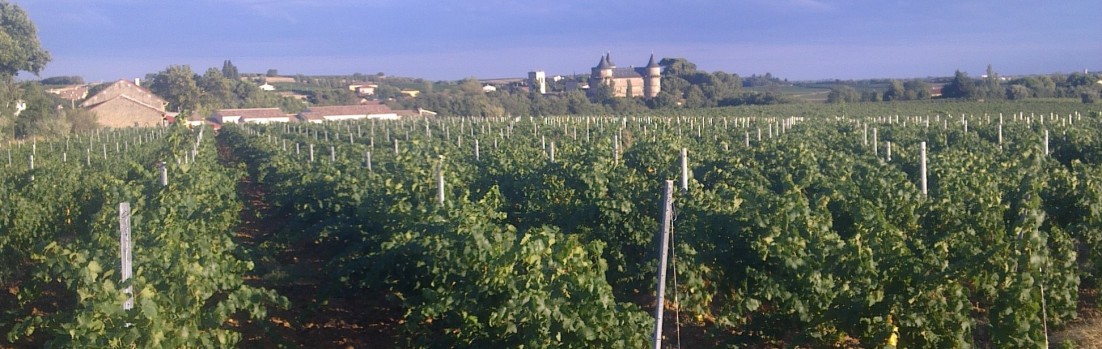
As it’s been ten years of vendanges with Jeff Coutelou I was thinking about how my role has changed. In 2014, my first harvest, I found myself in a confusion of relentless activity with a background of heavily accented Occitan French coming from different directions of the cellar or vines. Jeff, Carole, Tina and others helped me learn about what was happening. I wanted to help but was aware that I just needed to keep out of the way a lot of the time. I did learn, however, to sort grapes from case into the destemmer and to operate the basket press. Even to distinguish a grau from a saut.


2014
With each year I understood more and more what was going on and became confident of helping rather than just being there. I worked alongside Jeff for three years and spent time getting to know the vines, cellars and most of what goes with winemaking.
By 2017 I could deal confidently with just about any of the jobs which needed to be done. 2020’s covid enforced break and my turning 61 meant that by 2021 I was physically less capable and bigger teams of helpers meant that I didn’t need to do the heavy lifting, especially in the cellar. What I could do though was sorting / tri. Jeff has taught me so much about vines, wines and nature. I can readily recognise diseases on grapes, problems with bunches and so on. So, my role at harvest time has fixed on that ability as well as helping out with other jobs, like picking, when needed.
Fortunately, 2023 saw very few real issues for us to tackle as the grapes arrived at the cellar. The drought meant that downy mildew never really started, it requires more moisture in the soils to take hold. Oidium (powdery mildew) starts later in the season and the thunderstorm of June 29th brought a tiny amount to one or two parcels but much less than most years. Even ver de la grappe seemed to be reduced despite the threat from the cryptoblabes which I have written about before. Snails, however, were everywhere as they climbed the vines to the grapes looking for moisture in the parched vineyards. Dried leaves are inevitable in the cases but, again, there were more than usual as vines had shed leaves early in order to give all available energy to the fruit, their means of reproduction.
Snails and leaves do not require huge skill to sort out from the grapes on the table. (We only had a sorting table after 2016). However, on September 1st, the last day of picking, there were a couple of issues to sort through and I wanted to explain how you tackle them. The video was made whilst grapes were still coming in so it’s not the best quality, apologies.
How could you tell if you needed to cut out some of the bunch?
Visual clues first, some of the bunches looked a little wet, juice had escaped, a sign of something in the bunch damaging it. Next, touch. If the bunch felt firm then it was likely ok though I would still break open some of the bunches to confirm that all was well. If the bunch felt squishy then it definitely needed closer examination. Finally, smell. Was there a vinegary odour which would indicate the worms had eaten some grapes and juice had flowed inside the bunch causing rot and harmful bacteria to flourish? Fortunately, the latter was not the case at all but there was some careful sorting nonetheless to ensure only good grapes went into tank. If it means rejecting whole bunches even then it has to be done.
Doing this at speed with several tonnes of grapes arriving in a day involves practice and experience to do well. It’s just one, small link of the chain of making wine but Jeff and all good winemakers insist upon careful sorting to avoid, as much as possible, threats to the health of the wine. This may well be my final full vendanges, they have all been memorable for the people I have met, the wines I have contributed towards and the insights into viticulture and nature which Jeff has given me. When I arrived in 2014 I had no idea that I’d still be making great wine ten years later.


 amarchinthevines