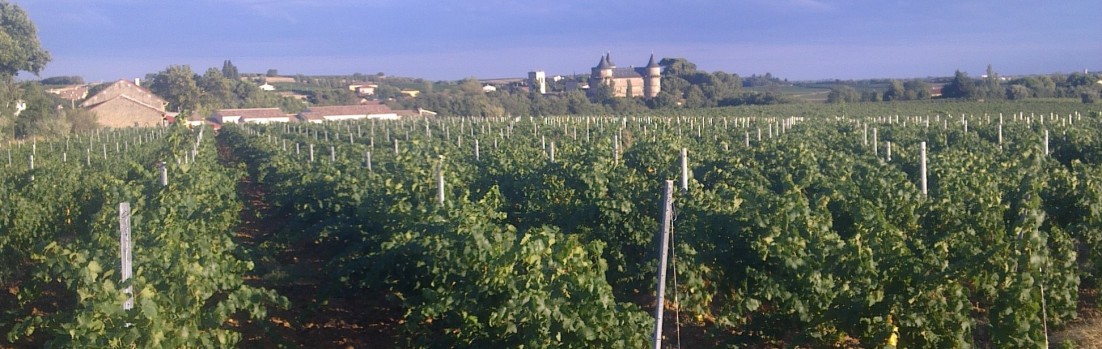

An extreme year for weather brought an unusual harvest to Puimisson. Starting on August 21st, finished by September 1st, at least a week earlier than usual. I checked my notes from the last ten years and in 2020 the finish was on the 8th with other years going on until the 21st and 22nd of September.

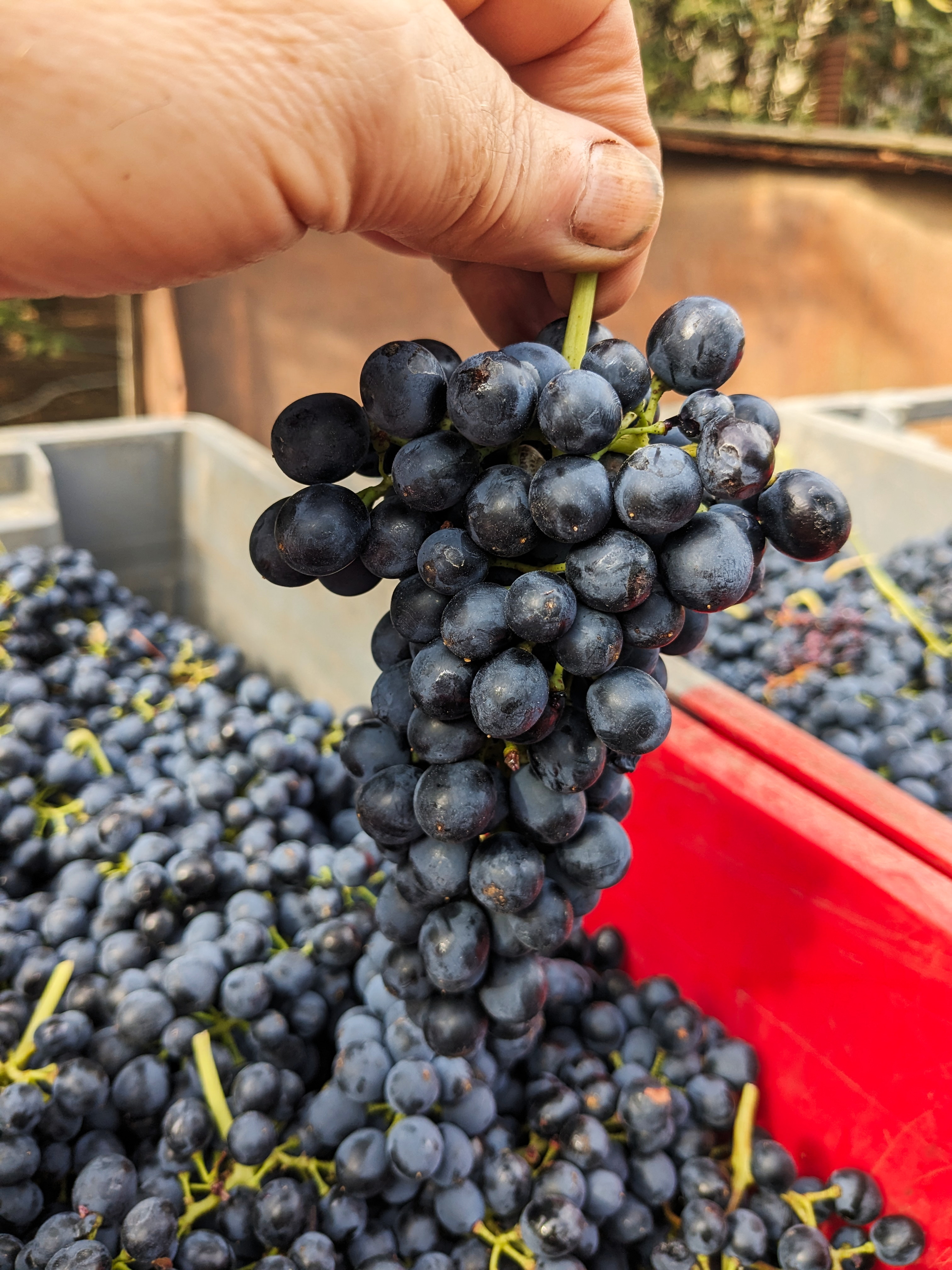
The drought of late 2022 and 2023 was certainly the biggest influence on this year’s vendanges. It meant having to pick some grapes early to relieve vines which were literally diverting their last reserves into grapes as part of the reproductive cycle of the plant albeit at risk to their own health and future. It meant that Syrah, one of the cornerstones of Jeff’s vineyards, struggled badly, the grapes were small, the skins and flesh containing far less juice than normal.
It meant altered patterns of microbial nitrogen production in the soils. Studies suggest that the nitrogen stays in the topsoils rather than getting into subsoils where vine roots extend. Lack of nitrogen in the grape must can bring problems for fermentations as it is needed to feed the yeasts carrying them out. If there is not enough nitrogen the fermentation can become stuck leaving it vulnerable to harmful bacteria and volatility.
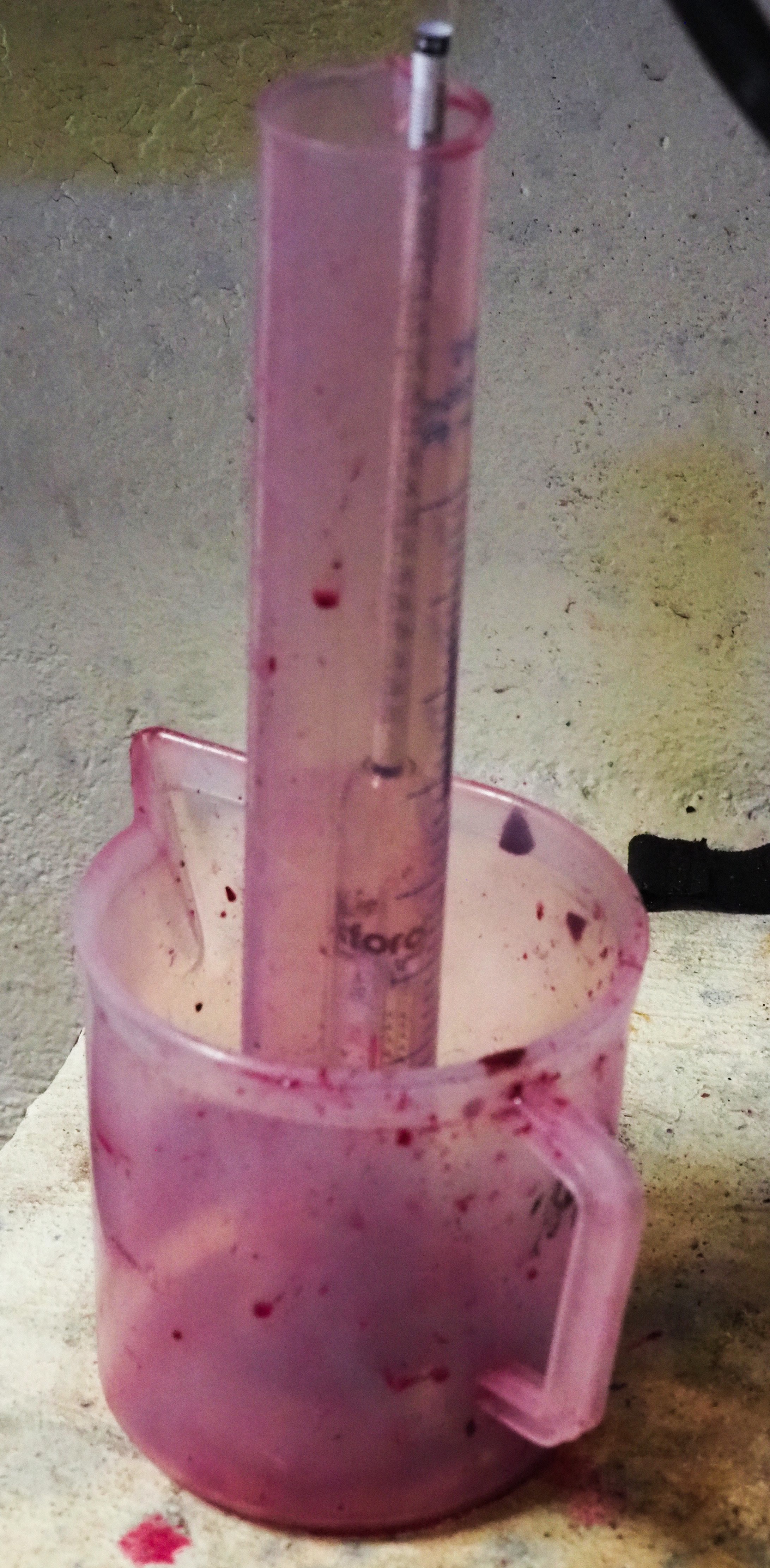
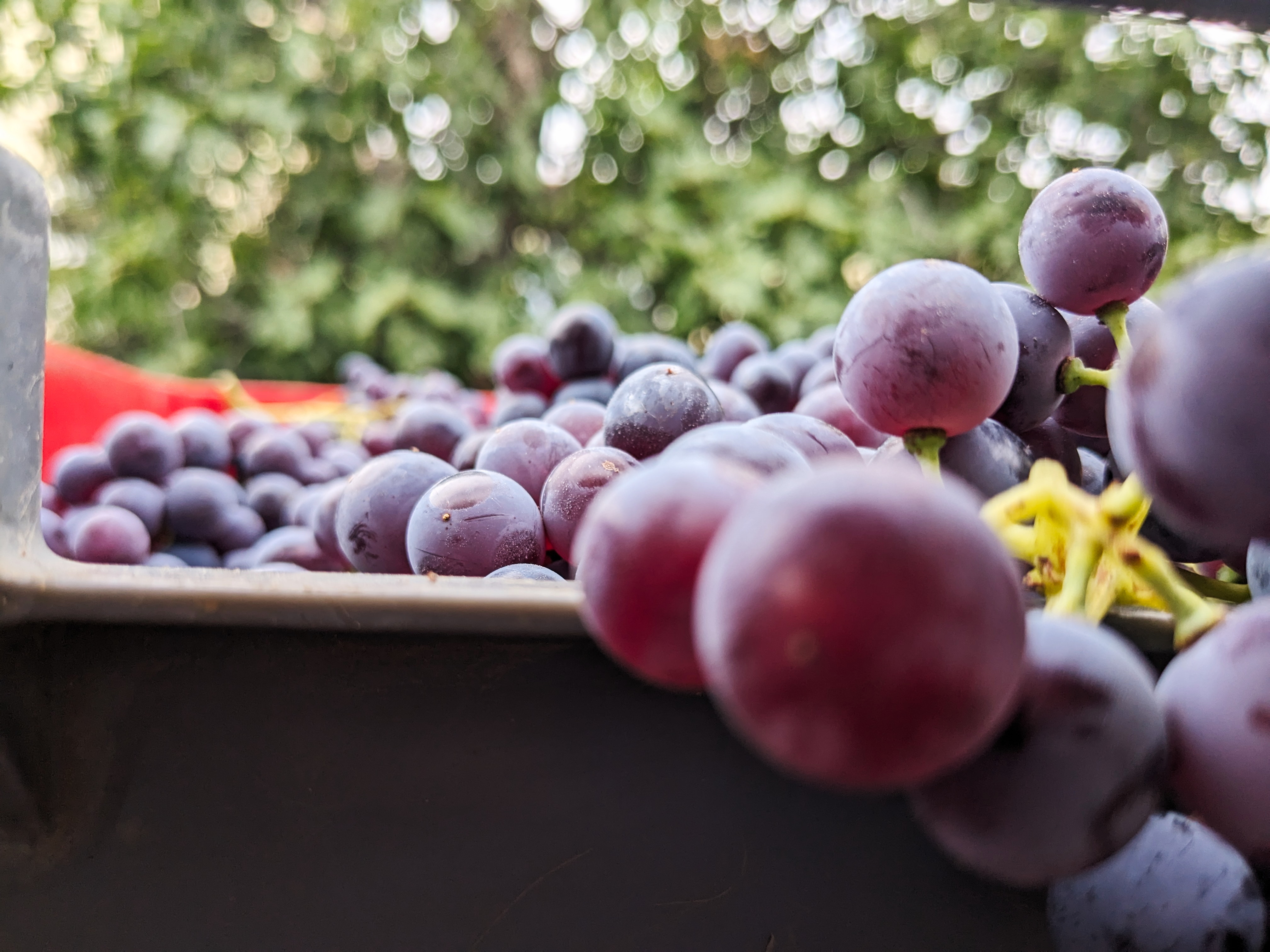
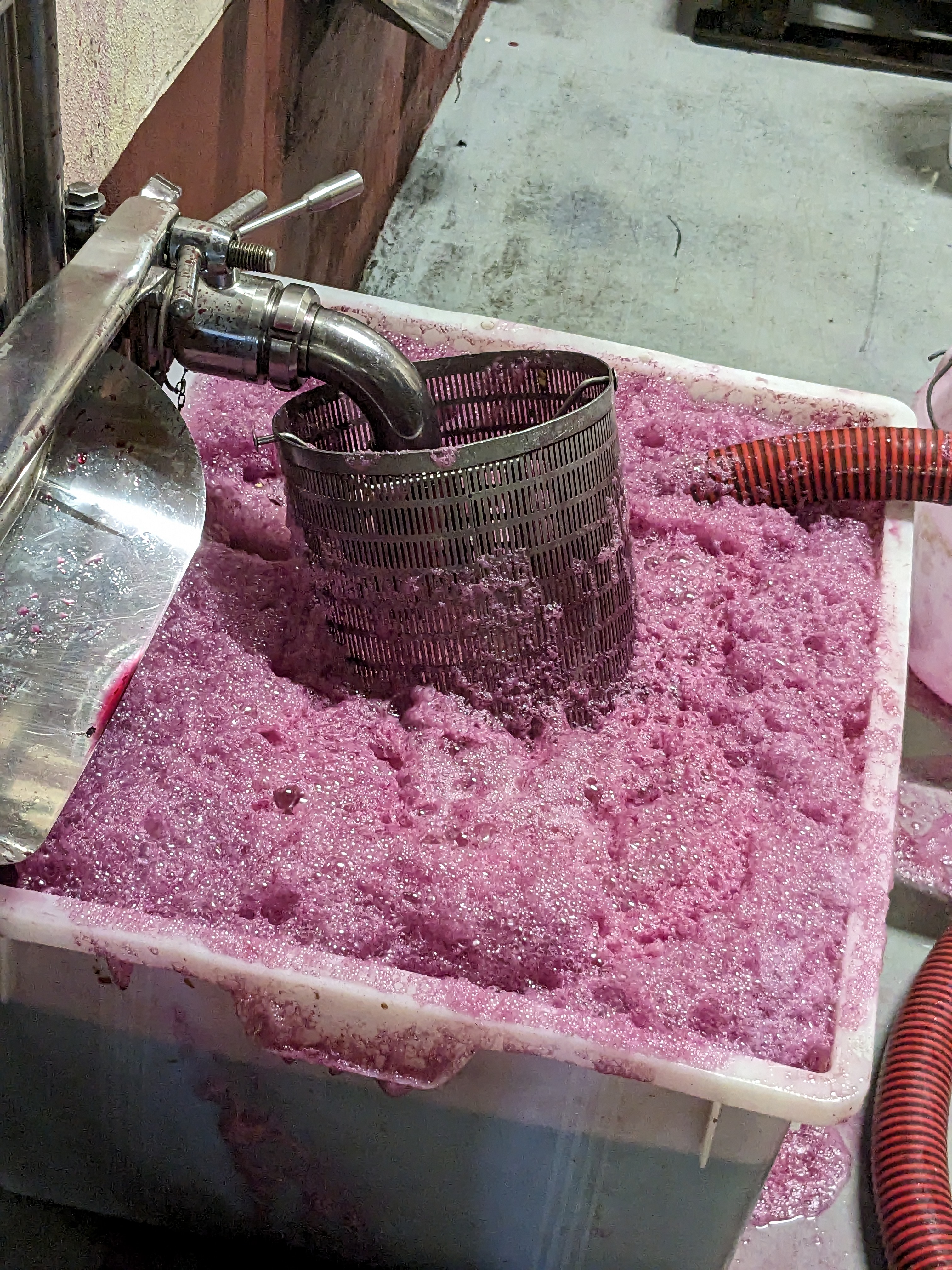
I know that scenario was causing Jeff a lot of stress and he has had to manage the various tanks carefully to ensure that some grapes with more nitrogen e.g. Grenache, were used to boost those not so rich. Fortunately, he is a very experienced and skilled winemaker, the analyses show that fermentations are now moving, slowly but surely. A wine writer said to me this year that Jeff’s greatest talent is turning grapes from quite unpromising land into something very good, he adds value to the wines by his understanding and handling of the grapes. I think this year will prove that to be a very astute observation.
Vendanges 2023 was also very speedy, the picking team often larger than the usual dozen. The last day when we harvested Muscat, Mourvedre and Carignan was quite an achievement. The one positive side of the drought was the lack of disease so that there was little real trouble in sorting grapes at the cellar, otherwise it would have been impossible to get through so many in one day. The early pick may have helped too. The cryptoblabe/honeydew moth which is ravaging its way across the Mediterranean likes to eat ripe, sugar rich grapes. Perhaps, and it’s only a guess from me, the early harvest meant they never really got to work in damaging the bunches.
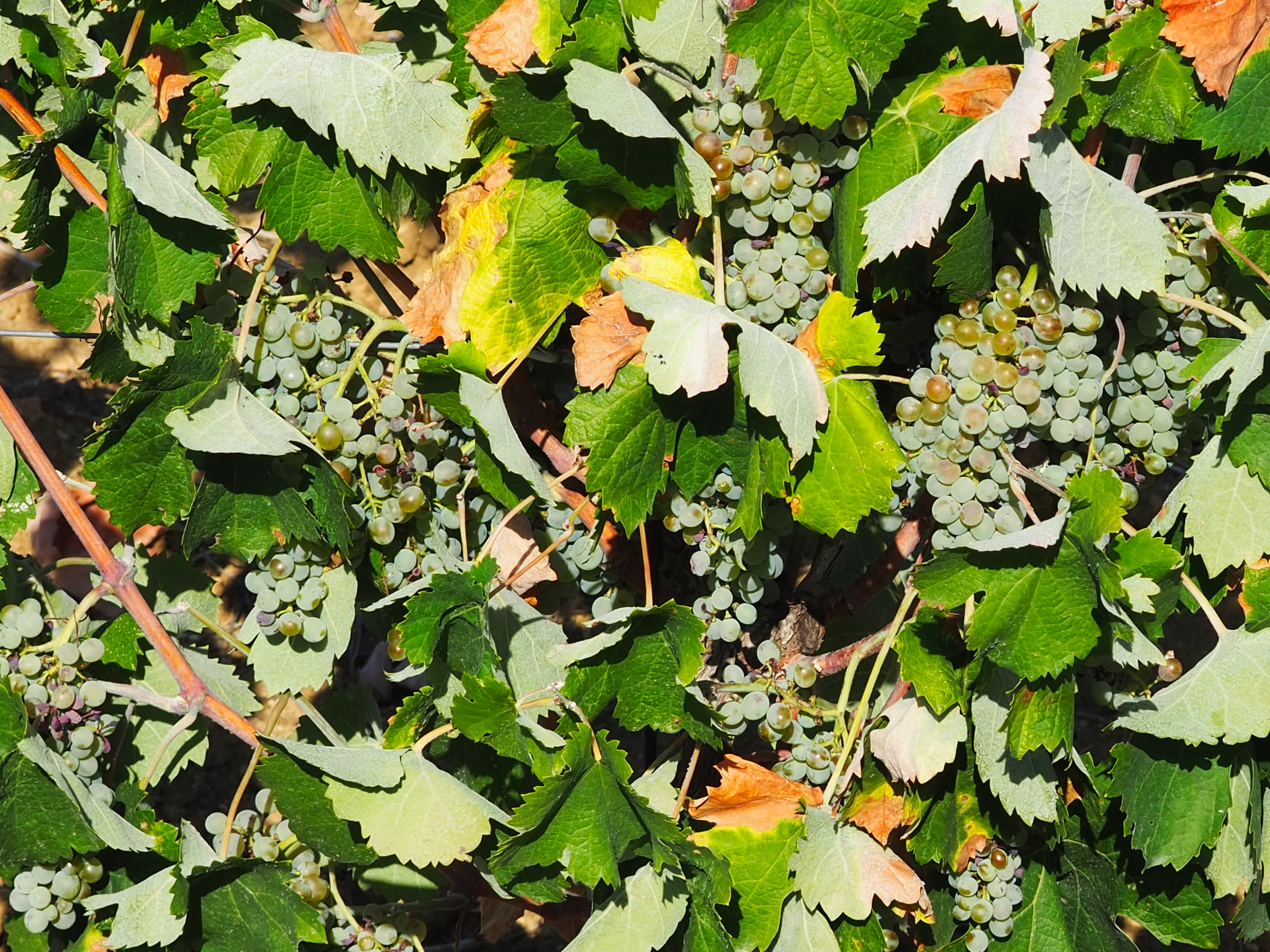
Whilst I’m throwing out unproven theories, I mentioned grape varieties and their response to drought and heat in an earlier post. Sainte Suzanne has plantings of Syrah next to Grenache and Macabeu next to Clairette, the latter a much younger plantation. The Syrah and Clairette, which is a local grape, both struggled this year at the of the village most affected by drought. The Grenache and Macabeu (aka Viura) fared much better in coping with adverse conditions. They have their origins in Spain and I posed the question to Jeff as to whether they were, therefore, more at home with warming temperatures. He was noncommittal to be fair. Interestingly he has planted a parcel of Catalan grape Xarel-lo in Peilhan, will that reinforce my theory? Time will tell as vintages become warmer.

I mentioned in one post that we had filled a 100 hectolitre tank with grapes one day. I’m sure Jeff would love it if that was all wine. I should have added that as much as 30% of that tank is made up of skins, pulp and pips which, even after a second pressing, won’t be making wine. However, better a full tank than low yielding years like 2021.
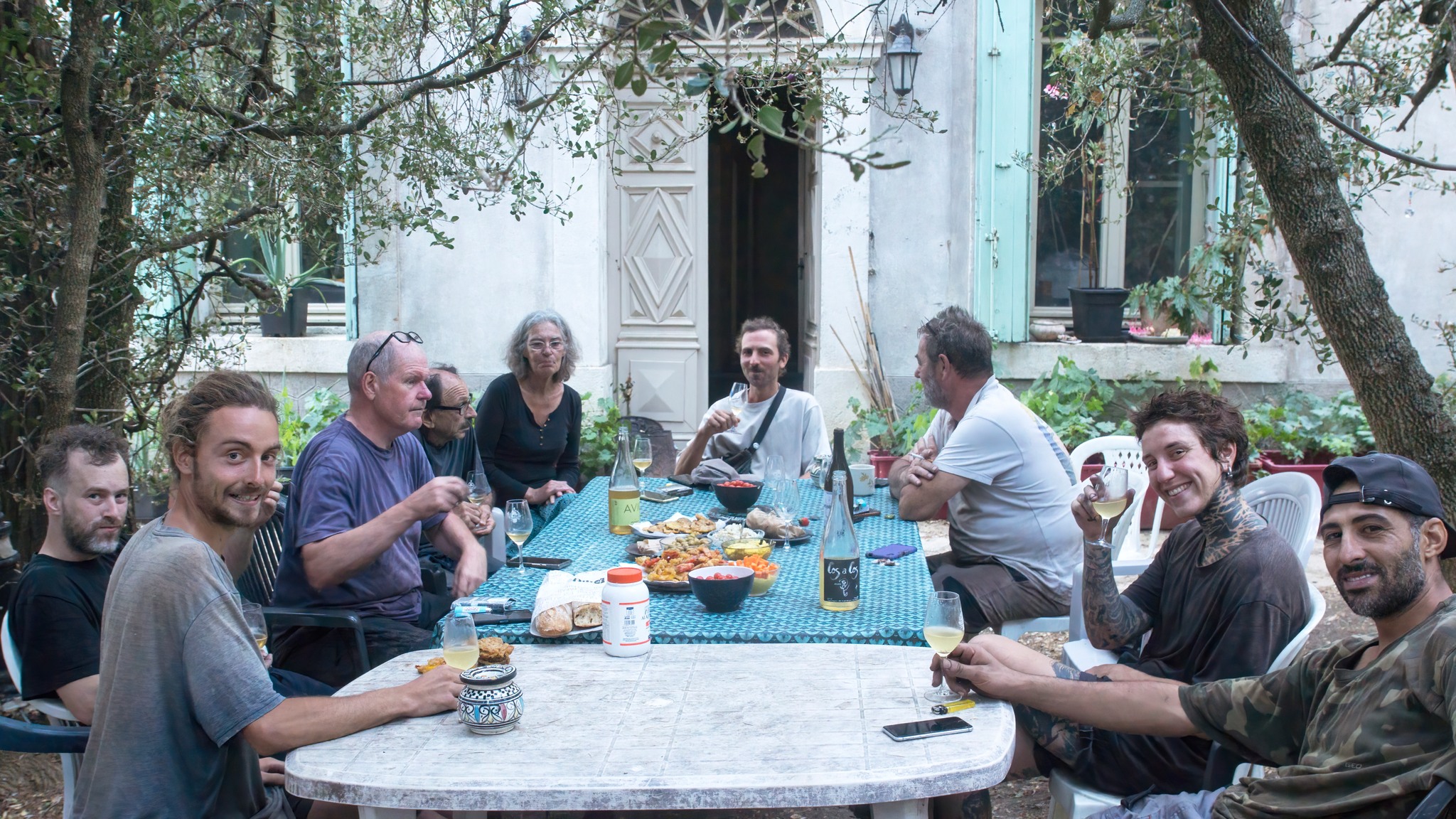
As ever, one of the joys of vendanges is the team I spend time with. Jeff himself, his sister Cathérine and niece Flora, Gilles, Ines, Boris, Mouss, Vincent and Andrew, thank you, it was fun despite the stresses of a difficult year.

 amarchinthevines
September 12, 2023 at 7:30 pm
A good read, Alan. One of these days (years) once we are free of comittments, we’ll join you and the team, to help out with the harvest.
LikeLike