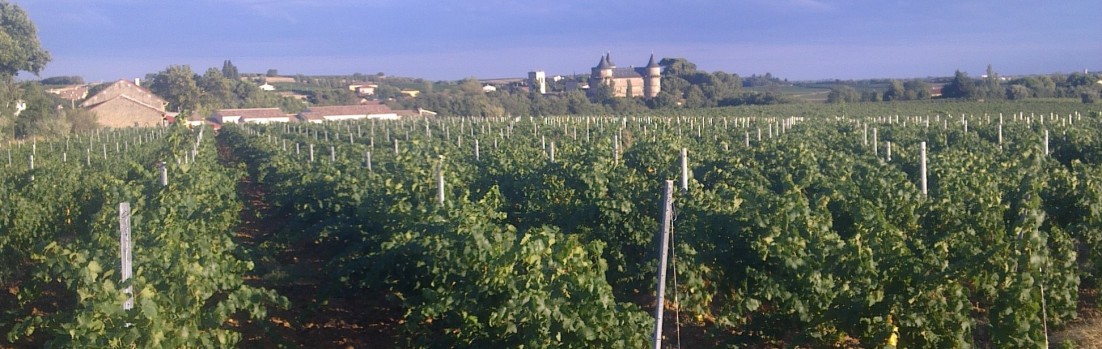
After an eight-month absence, I was back in the vineyards, and the first task, and pleasure, was to assess any changes that had taken place. Based here from 2014 to 2017, I had witnessed all of Jeff Coutelou’s vineyard and cellar developments. Though he keeps me updated, there is nothing quite like experiencing everything in person. On June 20th, I embarked on a tour of the vines myself, followed by a more enlightening one with Jeff a week later. As always, his expertise extends beyond vines and encompasses all aspects of horticulture. I will delve further into that in my next update. Stay tuned!
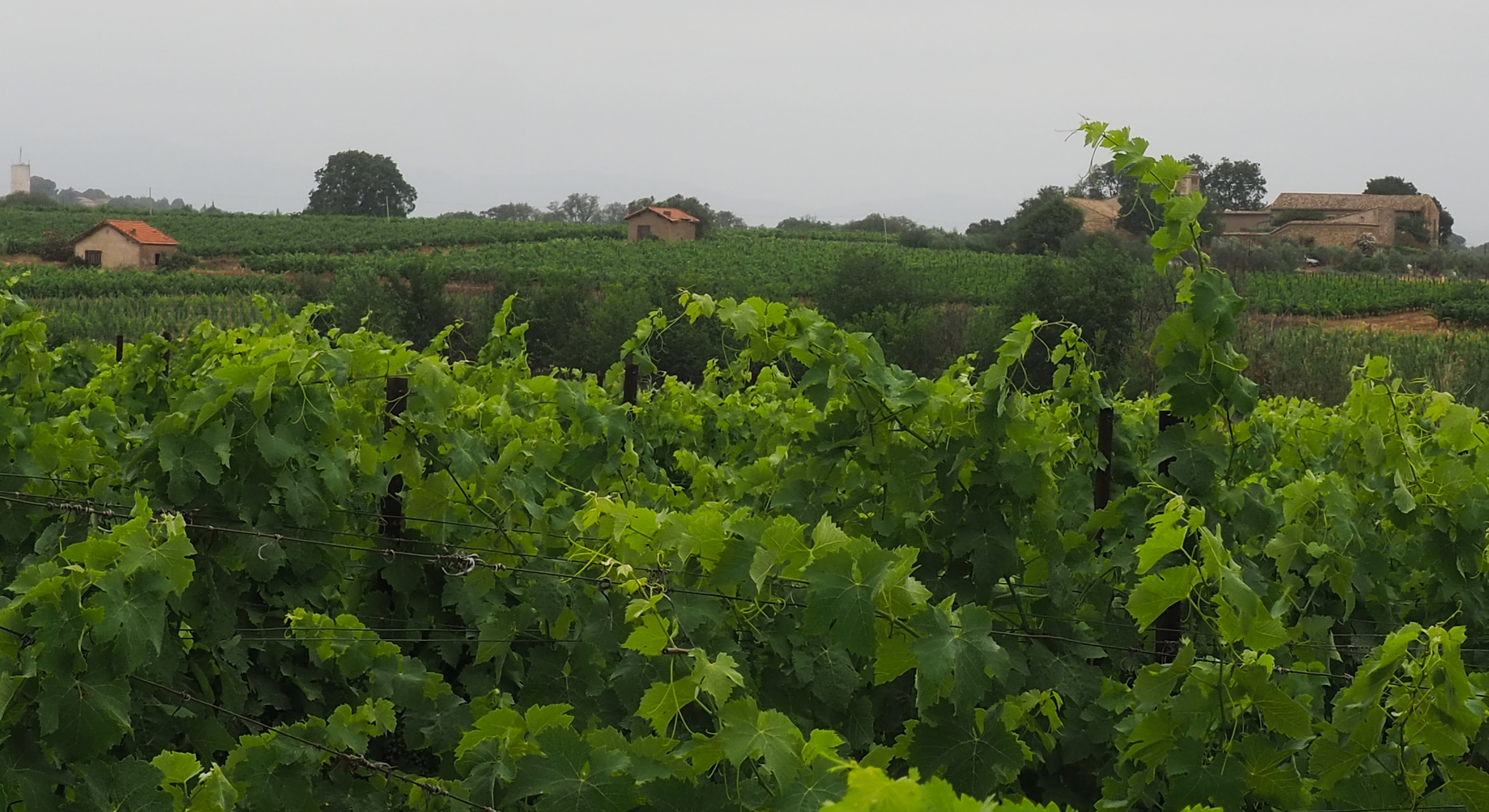
My first tour took place on a grey, cooler day, but unfortunately, there was no rain. The region has been experiencing paltry amounts of rainfall since last October. Even when other areas in the region received some rain, the plains, where Jeff’s vineyards are located, remained dry. Despite the lack of rain, the vines surprisingly looked in good condition, largely due to the dry period having a beneficial impact on disease prevention. During my visit, I noticed that Jeff and Gilles had been diligently raking the ground, incorporating the plant growth into the soil to use it as compost. This practice is crucial for maintaining the vineyard’s health and fertility.

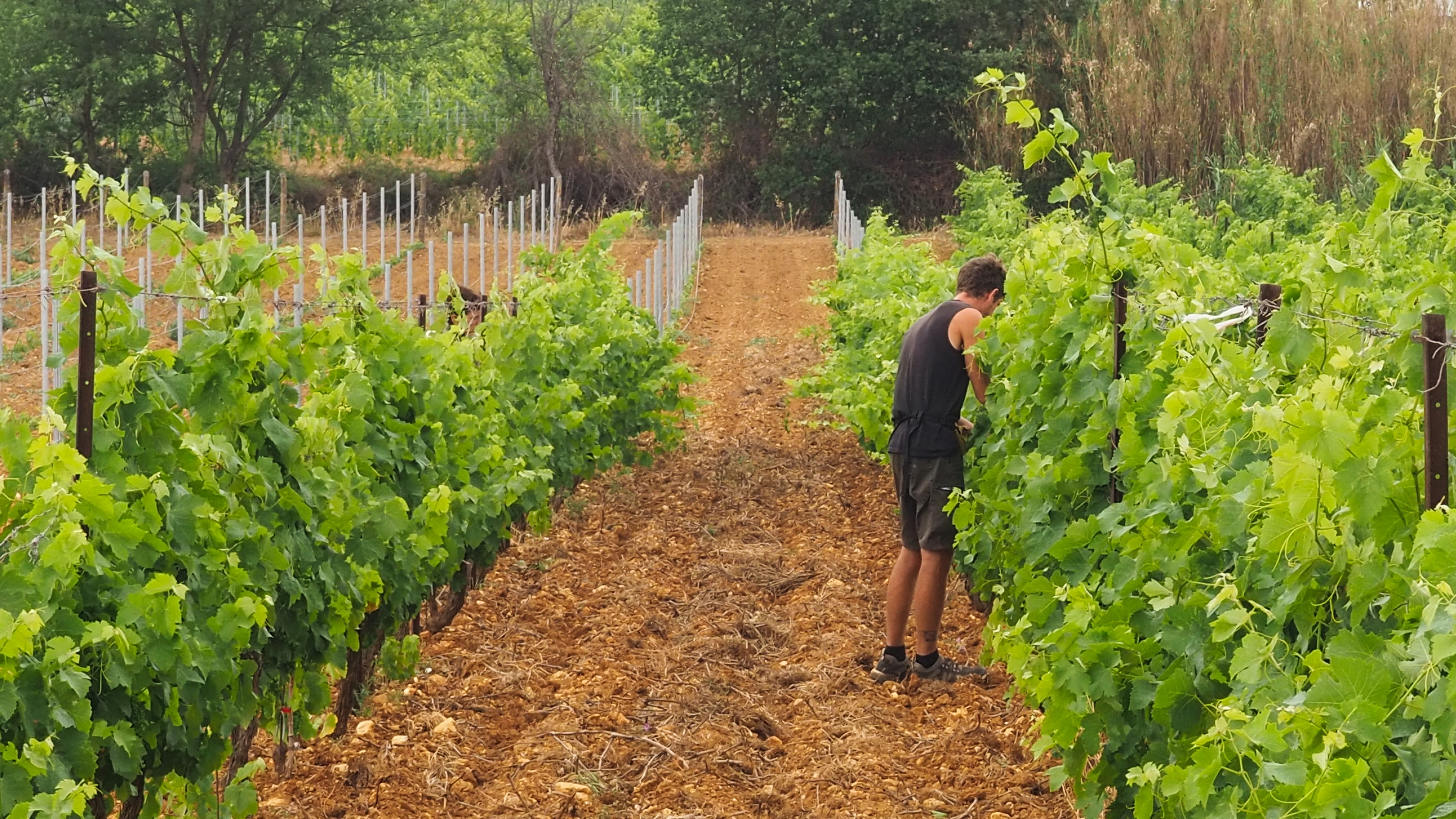
During my visit, I observed that most vines displayed full foliage. Ines and Jérôme were busy in La Garrigue, meticulously tying up the vines onto the wire trellises, a practice known as “pallisage.” A week later, Jeff explained to me the purpose behind his technique of knotting the tops of the vines together.
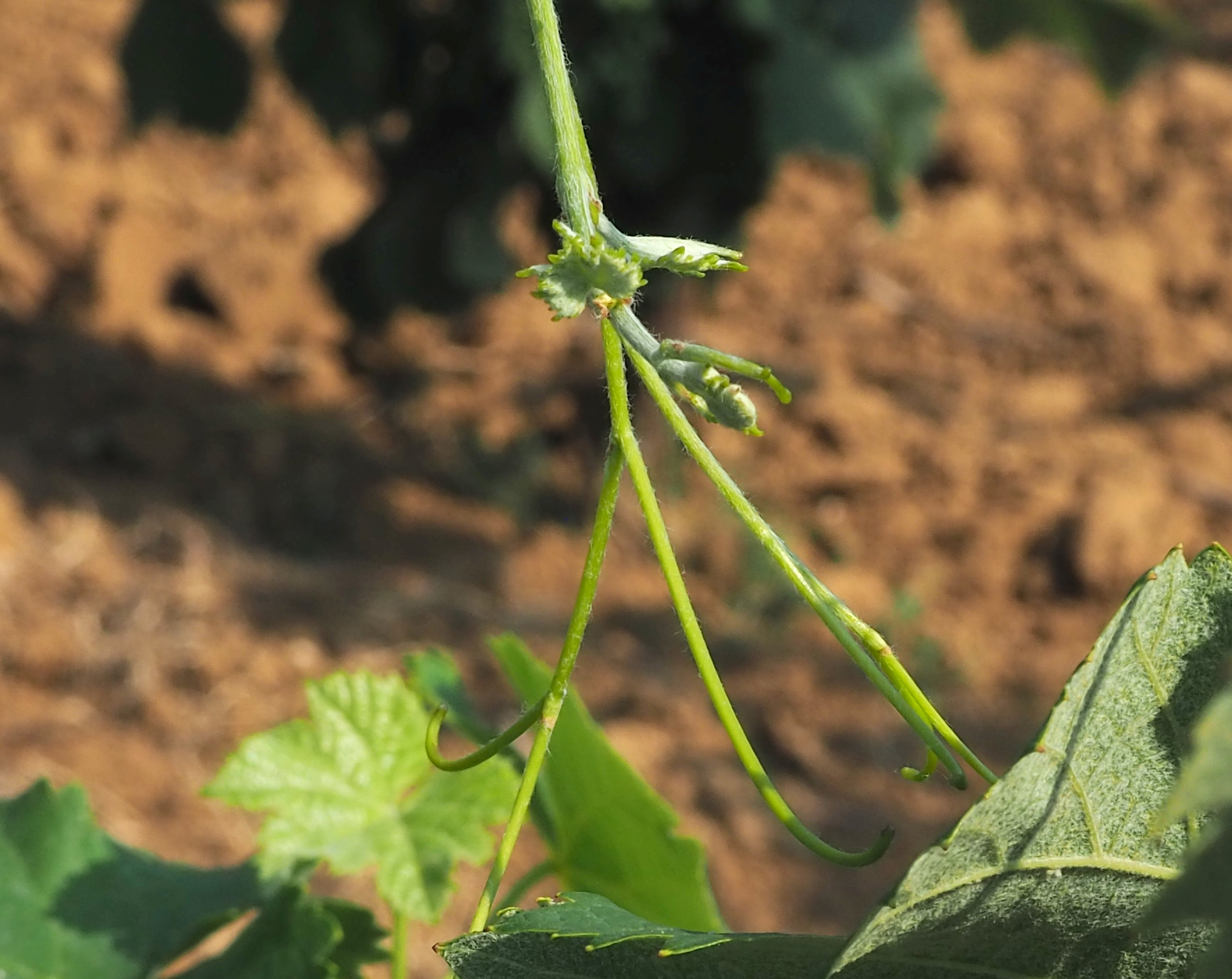
Vines have a remarkable ability to produce leaf buds in abundance. Being climbing plants, they continuously grow and extend their branches. However, by tying them together, Jeff aims to restrict the further expansion of foliage and overall size. This strategy encourages the vines to channel their energy more into fruit production. By diverting their resources away from excessive foliage growth, the vines are encouraged to focus on developing healthier and more robust fruits, ultimately leading to improved grape quality and yield. It’s an essential method in vineyard management to strike the right balance between vegetative growth and fruit production.

The recently planted vineyards were thriving, benefiting from irrigation. Since these young vines are not yet producing fruit for wine, they require proper nurturing to establish strong root systems and healthy growth. Jeff ensures they receive adequate water through irrigation to support their early development.
Some people wonder why, despite being in a time of drought, Jeff opposes the idea of irrigating his older vines. The reason behind this decision primarily lies in his principles as a natural winemaker. He firmly believes in minimal intervention and allowing the vines to express themselves as much as possible.
While it is true that viticulteurs do engage in various vineyard practices, including planting, pruning, trellising, and spraying, Jeff’s approach leans towards allowing the vines to thrive in their natural environment. He is cautious about introducing elements from outside the region through irrigation sourced from the Rhone river, which would alter the purity of the wine’s terroir expression.
Instead, the water used for the young vines comes from Jeff’s own well and other local sources. By using water that is specific to the area, he ensures that the vines maintain a pure connection with their terroir, reflecting the unique characteristics of the land in the wine they eventually produce. This dedication to preserving the essence of terroir in his natural wines distinguishes Jeff’s winemaking philosophy and practices from those of conventional viticulteurs.


Nonetheless, the overall condition of the vines was impressive notably Flower Power (Font D’Oulette), looked more vibrant and healthy than ever before. Over the past eight years or so, the vines in this vineyard have become well-established and significantly more productive. The efforts and care put into nurturing them have certainly paid off.
The Xarel-lo parcel which was planted just last year, is also thriving remarkably well. These young vines are showing robust growth and are on track to start producing grapes next year. These grapes will likely be utilized for blending purposes in early years, adding to the complexity and character of the wines.
Adjacent to the Xarel-lo plantation is a small reservoir that Jeff created last year. Despite the prevailing drought, the reservoir has managed to retain a good amount of water, thanks to its steep sides. This reservoir has become a habitat for a diverse range of animals, as evidenced by the tracks left behind. During my visit, I even had the pleasure of observing a kestrel soaring in the vicinity of the reservoir, attentively eyeing its prey among the small creatures drawn to the water source.
The ecosystem and balance that Jeff fosters within his vineyard are a testament to his commitment to sustainable and thoughtful viticulture practices. By creating these natural reservoirs and allowing wildlife to thrive, he not only preserves the biodiversity of the area but also contributes to the overall health and resilience of his vineyard ecosystem.

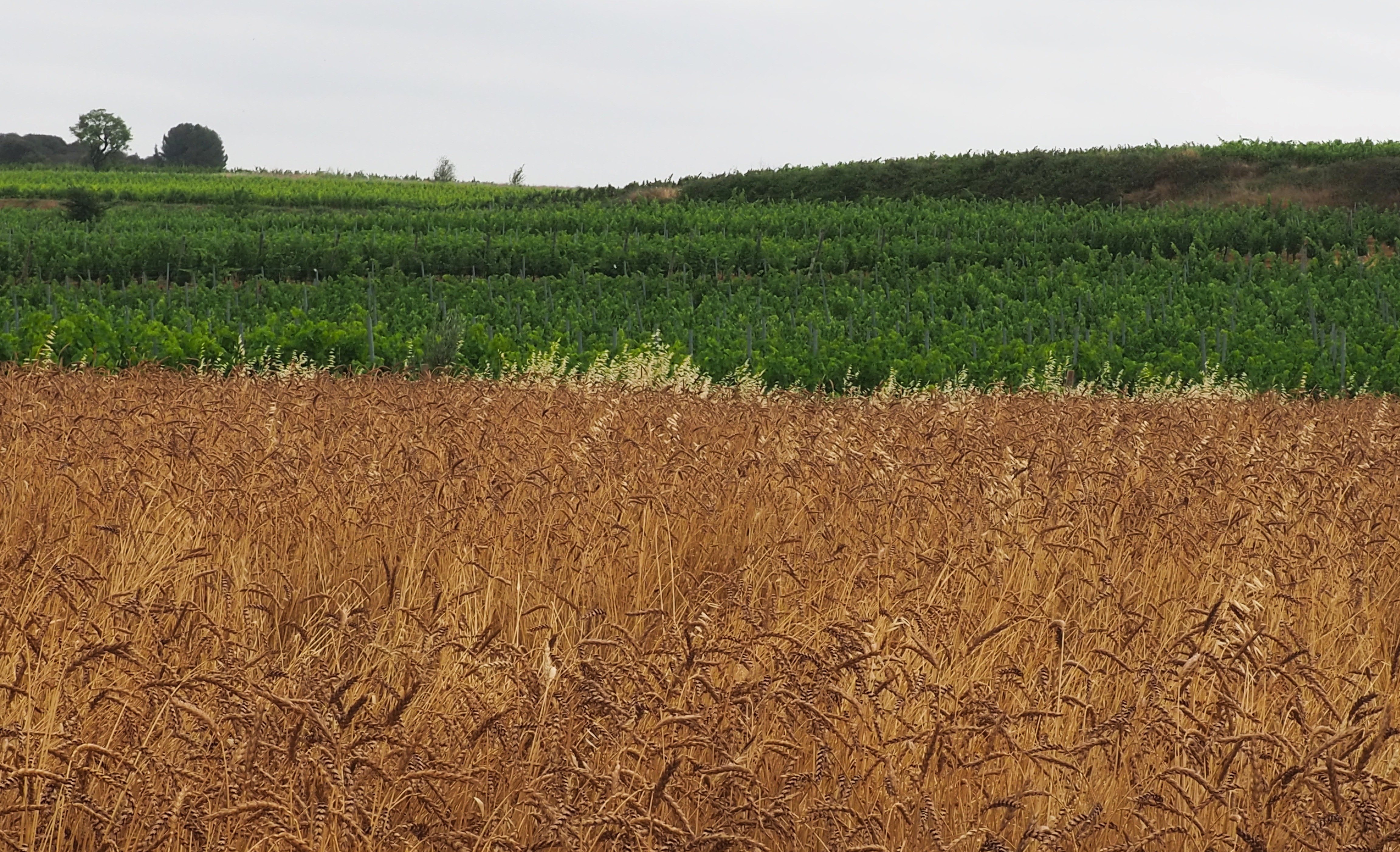
The field of red wheat was now ripe and ready for harvest. Jeff had decided to leave this land free of vines to give it time towards its conversion to organic production. The harvested wheat will be sent to a local miller, and the flour will be used by a nearby village baker. This sustainable approach not only supports local businesses but also promotes ecological practices.
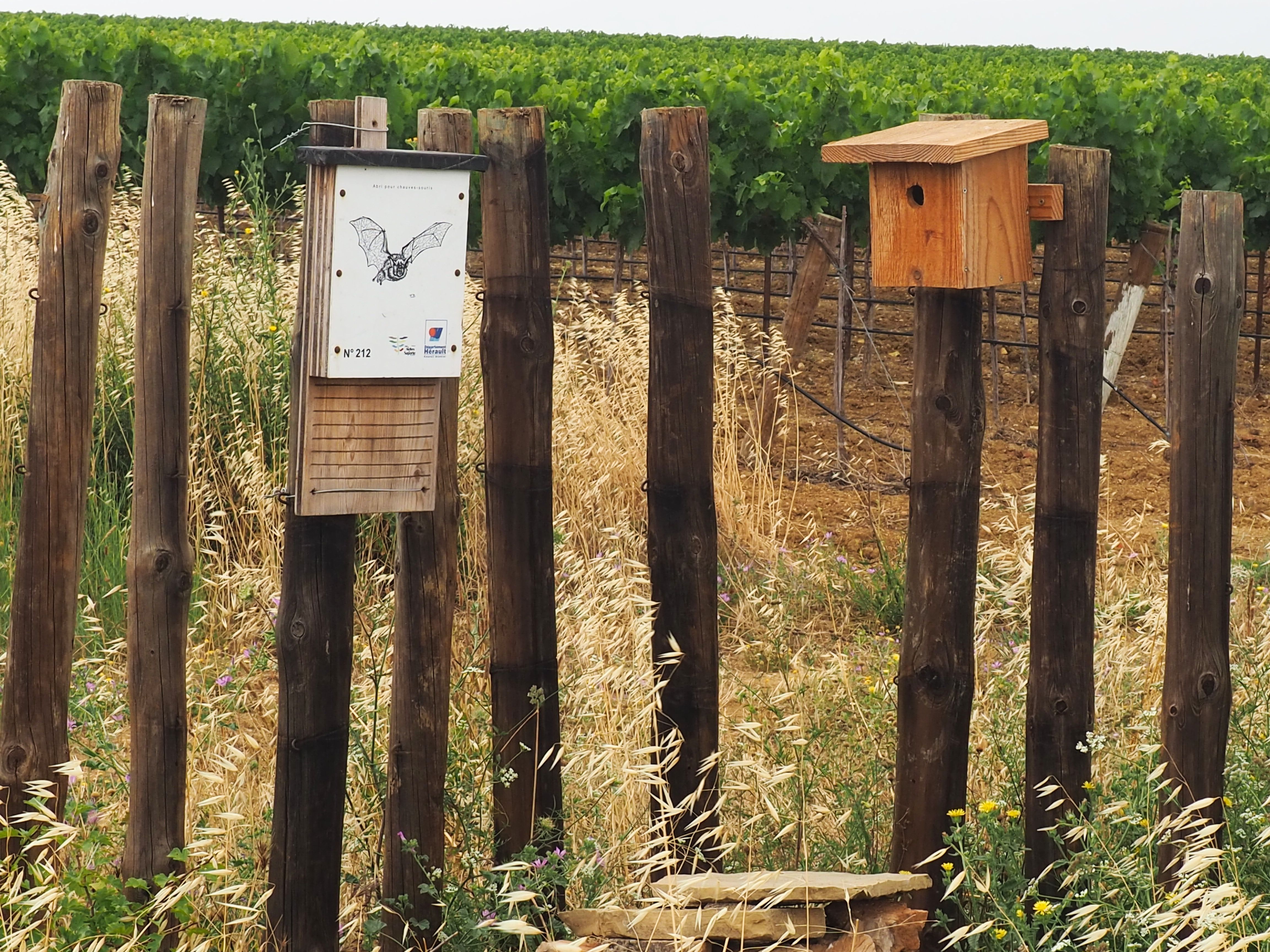
Furthermore, in one corner of the wheat field, Jeff has created a new area specifically designated for bats. By providing these nocturnal creatures with a safe shelter, he invites them to take up residence on his property. Bats are incredibly beneficial as natural pest controllers. They play a vital role in maintaining ecological balance by preying on insects and pests, including the moths responsible for ver de la grappe without the need for chemical intervention. Jeff’s commitment to biodiversity and ecological balance is evident in every aspect of his vineyard management.
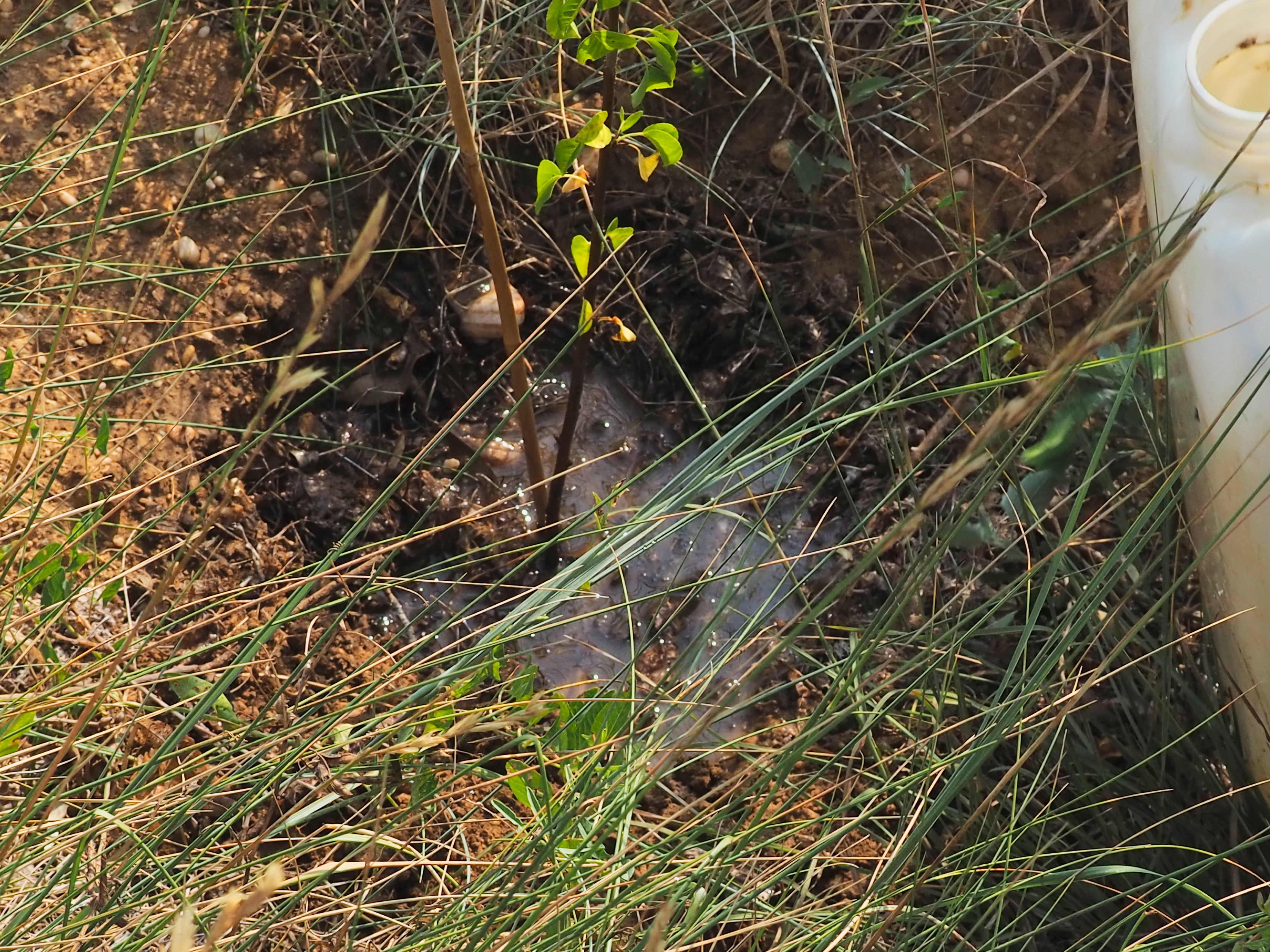

Despite facing vandalism in the past, Jeff remains unwavering in his belief of the importance of planting trees and shrubs around his vineyards. In addition to olive trees, he has introduced various fruit and nut trees as well. During our tour on the 27th, I noticed a collection of large water containers in the back of Jeff’s Jeep. These containers play a crucial role in irrigating the young trees, ensuring their survival in the challenging conditions of heat and drought.
To give these young trees the best chance to thrive, copious amounts of well water were added to the soil. To minimize water loss through evaporation, the soil was then covered with additional layers of soil and compost. This careful approach to irrigation reflects Jeff’s commitment to preserving water resources and using them efficiently.

Beyond their aesthetic value, the trees and shrubs serve multiple purposes within the vineyard ecosystem. They contribute to biodiversity by providing habitats and food sources for various fauna and flora. Some of the vegetation also acts as a protective shield, offering shelter to the vineyards and preventing run-off from neighboring vineyards.
Jeff’s dedication to planting trees is deeply moving, especially knowing that these trees will mature long after he has retired and passed on. Yet, he is devoted to the idea of creating a positive impact on the land’s ecology in both the short and long term. By investing in the health of the ecosystem, Jeff demonstrates a profound sense of stewardship and a desire to leave a sustainable and thriving legacy for future generations to appreciate and benefit from.

 amarchinthevines