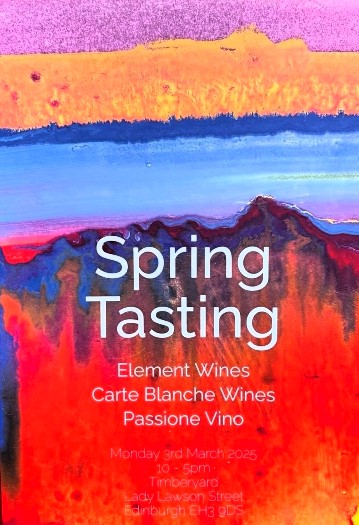
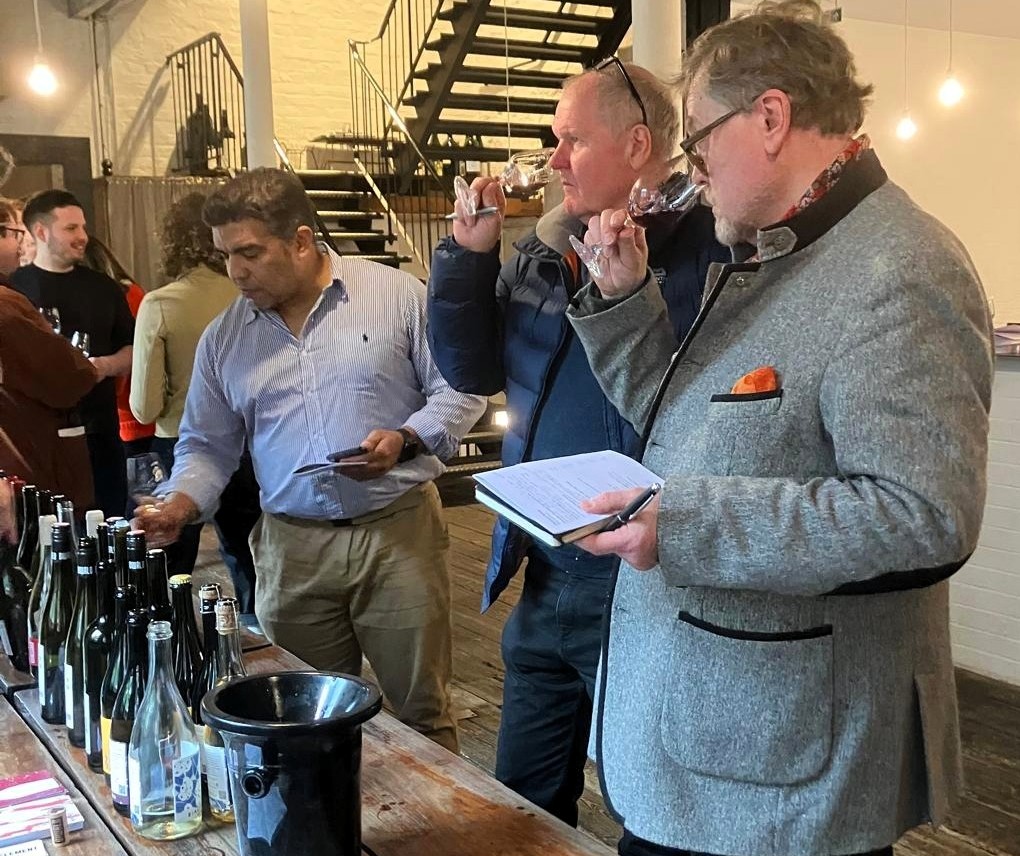
According to Chinese philosophy there are five elements which form Qi or life energy and explain natural rhythms of health and well being. Spring is represented by the wood element with new growth and healthy livers. Therefore, how appropriate for my first wine event of the year to be organised by Element Wines with support from Carte Blanche and Passione Vino. It took place in Edinburgh on March 3rd at Montrose restaurant and proved to be well organised with lots of space and lots of very interesting wines from these three companies and a few of their growers.
It is always a pleasure to meet up with my friend and fellow blogger, David Crossley and he has written three excellent reports on the event with detailed notes and information about many of the wines. I strongly recommend the reports even though I have deliberately waited to read them until after I had prepared this article so as not to be influenced by his choices. I decided to highlight my favourites from the tasting rather than write such an exhaustive analysis.
Things I didn’t expect.
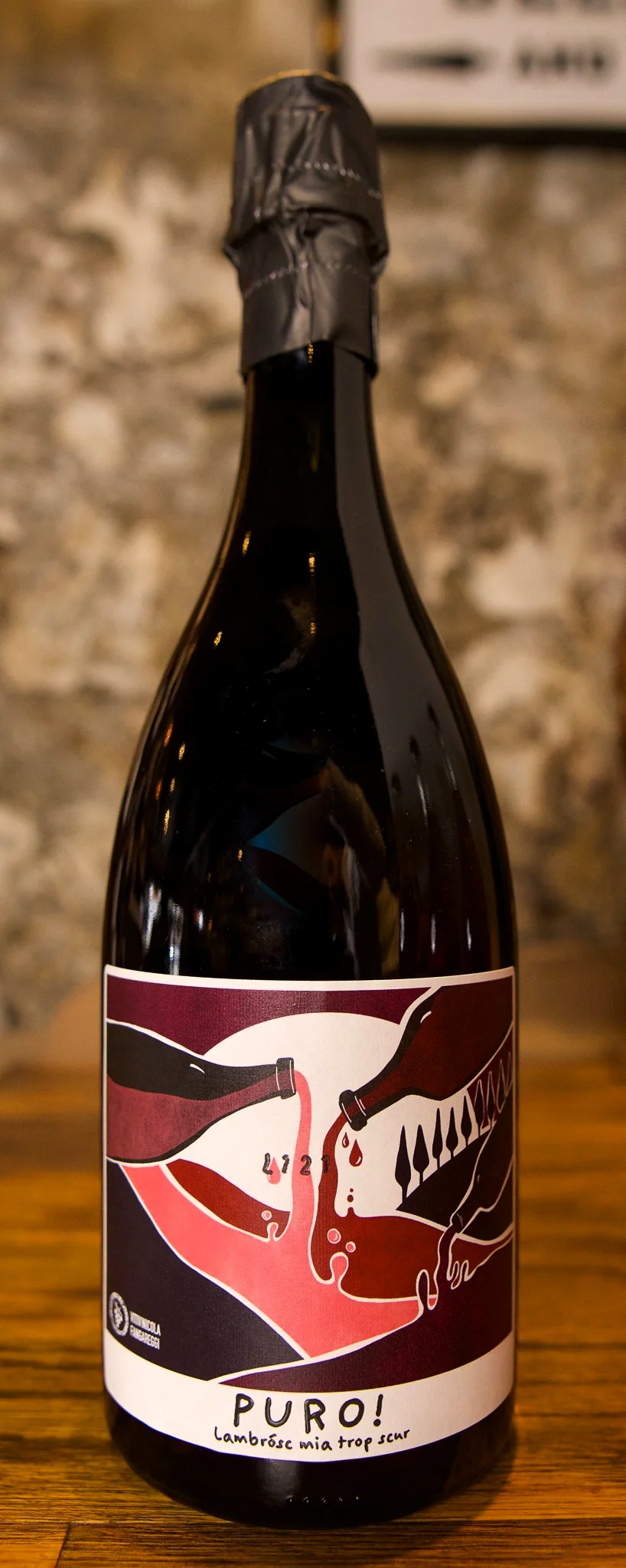
- One of my favourite wines was a Lambrusco, the butt of so many jokes and disparaging remarks over the years. Happily a number of younger producers in the region are working to restore the reputation of Lambrusco wines. Made from the Salamino grape Puro 23 is the produce of Vitivinicola Fangareggi formed only in 2005 and run by a young man, Matteo, born and raised in the middle of the vineyards he now farms, converting them to organic viticulture since 2021. Bright red, bursting with fruit but clean and dry, Puro would be very easily consumed with a pleasingly low 11% alcohol. A perfect aperitif. (EW)

- My favourite wine of the day came from English grapes vinified in Wales. It should not have been a surprise because I have raved about the winemaker David Morris since first meeting him six years ago when he was making very good wines at Ancre Hill in Monmouthshire. I took some of his wines for Jeff Coutelou to taste and he praised them too. These days David has his own production called Mountain People Wine, still in Monmouthshire where he is revitalising vineyards with biodynamics including one from his former employer. From his own Parva vineyard I loved the wine listed in the catalogue as Rosé 23 but labelled in Welsh as Gwin Poble y Mynydd Rhosyn 23 made from a field blend of fourteen grapes, It had bright aromatic red fruit and was concentrated for a rosé but very clean with lively and lovely cherry and red fruit flavours. However, the wine I loved most was This Ain’t Macon 23, made under the Cowboys Don’t Have Curls label, from Chardonnay grown in Somerset. TAM was outstanding and I have since bought some bottles. Apple and white fruits burst out but there is a complexity from ageing in barrel with traces of oxidation. Weight and concentration yet there is lightness and drinkability. TAM immediately reminded me of top Jura Chardonnay and I was amused to see David make that same comparison. I repeat, David is a gifted winemaker. (EW)

- The other top highlight was a sweet wine, Buccia Nera Vin Santo 20 from Tuscany’s Arezzo region. Vin Santo has become expensive and too many are far too sweet so that I would take some persuasion to spend that money on a bottle. However, this was a revelation. Made from Trebbiano and Malvasia grapes dried for four months, it had aromas and flavours of dried fruits such as figs and apricots but had good acidity and freshness. Very well balanced. (PV)
More expected.
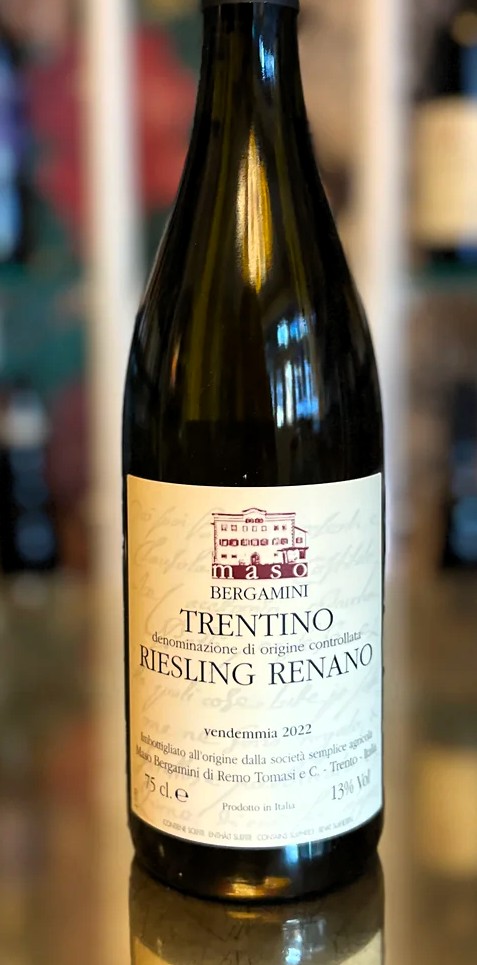
- Riesling wins. Possibly my favourite grape of all because of its flexibility and flavours Riesling was a highlight on a number of tables. Element Wines were showing Weingut Diwald’s Riesling Fuchsentanz 23 which was classic Austrian wine with limey notes and a refreshing bitter notes. Carte Blanche had an Alsace version, Camille Braun’s Riesling Pfignstberg 21 from a very warm area of the region in the south. The winemaking is biodynamic and designed to highlight freshness and this Grand Cru had piercing acidity (in a good way), clean white fruits and a long time ahead of it if allowed. (The domaine’s Edelzwicker was also very good). Best of all though was on the Passione Vino table, Maso Bergamini Riesling Renano 22 from the north of Trentino. Grown at 550m of altitude, bringing freshness, this combines dry grapes with some harvested later to blend in some sweetness. The aromatics were lifted yellow fruits and these continued into the flavours which lingered long. Really lovely wine, possible my second favourite of the day.


- The white wine trend continues. As well as the wines listed already the white wines stood out for me at the event. Element had two very nice Vinho Verde wines from Adega 100 Igual. I liked the red version very much but the white Sem Igual Branco 21 was the star, made from Arinto and Azal grapes and delivering the fresh, citrus notes you want from a Vinho Verde. The name means ‘without equal’ which is maybe an overstatement but this natural wine really was on form. Carte Blanche had Jose Antonio Garcia’s Palomino Corullon 21 which had great concentration of yellow fruit with texture from a few days of maceration. Only one barrel is made from Palomino in a vineyard shared in the Bierzo region with the celebrated Alvaro Palacios. Very expensive but I could see why.


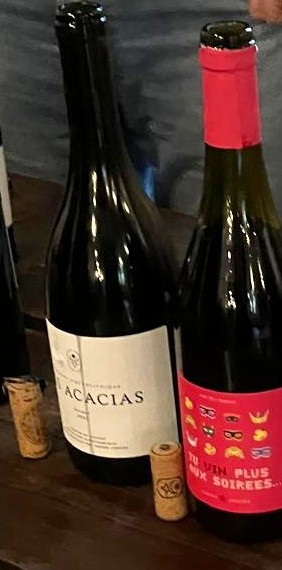
- There were some good red wines on show too of course. Mas Del Périé (Fabien Jouves) is one of the stars of Cahors and his Les Acacias 21 showed depth and fruit worthy of its prized vineyard. (CB). I really enjoyed Sergio Genuardi’s Salgemma 22, a pure Nero D’Avola grown at high altitude in Sicily nicely balanced with fresh, dark fruits. (PV).

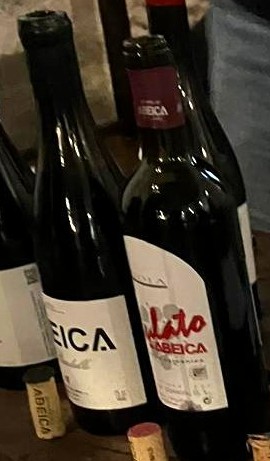
- Most enjoyable of the reds for me was Abeica’s El Bardallo 22. A blend of red and white grapes, mostly Tempranillo and Viura (this is the Rioja region!) the wine is very aromatic with blueberry notes and has lightness of body but full flavours, spicy and smooth. Interestingly the best red was from exactly the same area José Gil’s Bardallo 23. Unlike Abeica’s the emphasis is on red grapes, 95% Tempranillo with just 5% of Viura. It is deep, concentrated yet fresh and already showing dark and red fruits though time will be its friend. I’ve never been a Rioja fan but these last two wines from Carte Blanche would convert me.

Thanks to everyone who organised the tasting, it was really enjoyable and the proportion of hits was very high, I could have included many more wines. Renewed and refreshed as the Chinese said.

 amarchinthevines