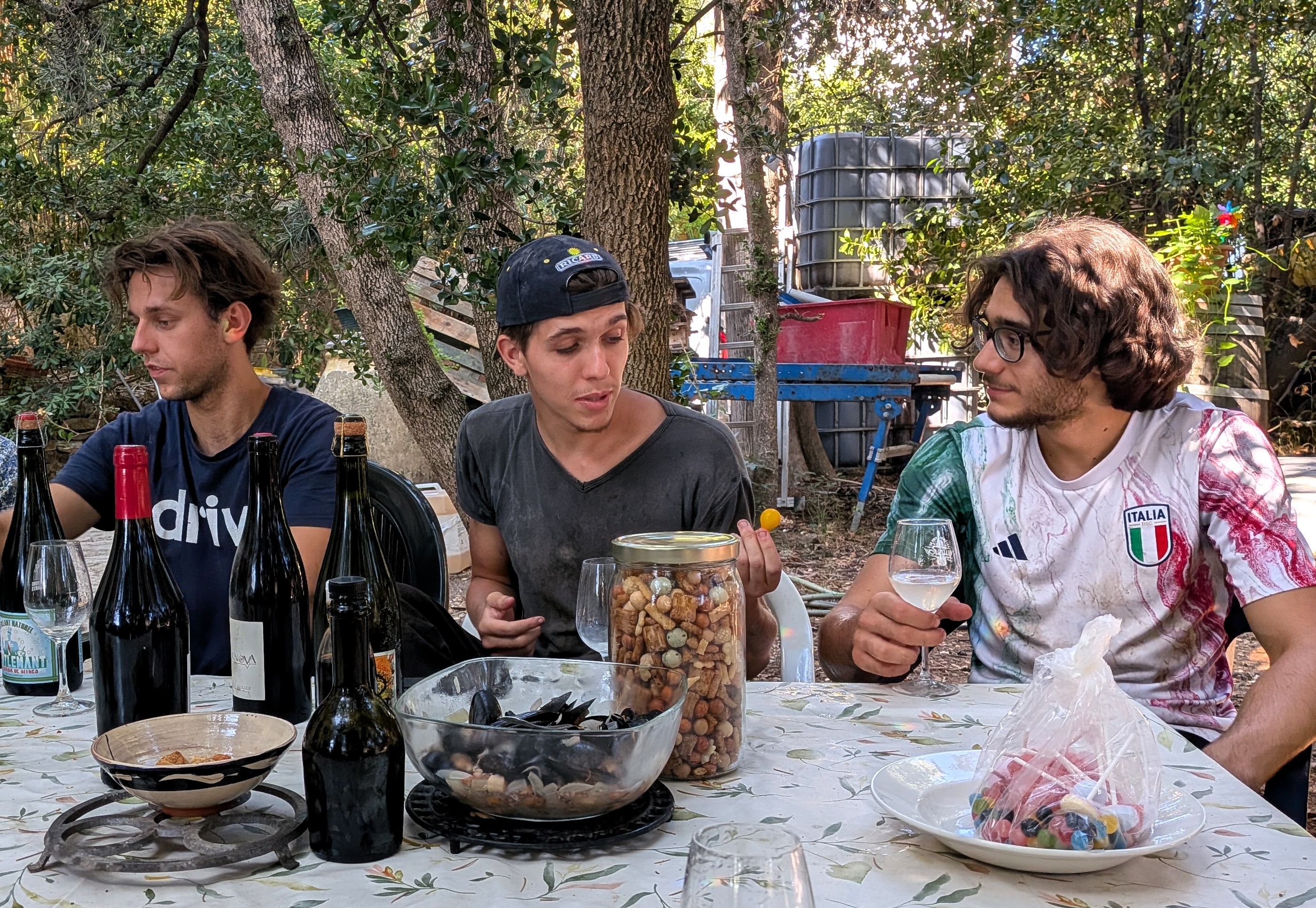
When Jeff and I sat down to lunch in Magalas on September 15th we chatted about all things Mas Coutelou and, especially, the changes which I have witnessed over the 12 years when I have been a regular; working, helping, visiting. Our discussion ranged over those changes, topics such as old vines, climate change and the essentials of winemaking. I recorded that conversation, here is my synopsis.
We started by talking about Jeff’s history at the domaine. He is the 5th generation to be working here and there is an excellent interview with Jeff on France 3 in which he covers some of that early history. We started with the years 2004-7 when Jeff was working in Paris, teaching about wine at the École Hôtelière, whilst travelling back to Puimisson most weekends to help his father. What I did not know was that in those years the winery was losing a lot of money. The wine was sold mainly direct from the concrete tanks in containers (vracs) to locals, people passing by or restaurants and bars. Another year of such losses would have been unsustainable.
Jeff took the incredibly brave decision to make a career change, move back to the village and work full time on Mas Coutelou. He grubbed up 6 hectares of vines, started to sell the wines in bottle rather than vrac and began the gentle transition to natural winemaking. Fortunately for us the financial situation improved even though 2007 brought the financial crisis.
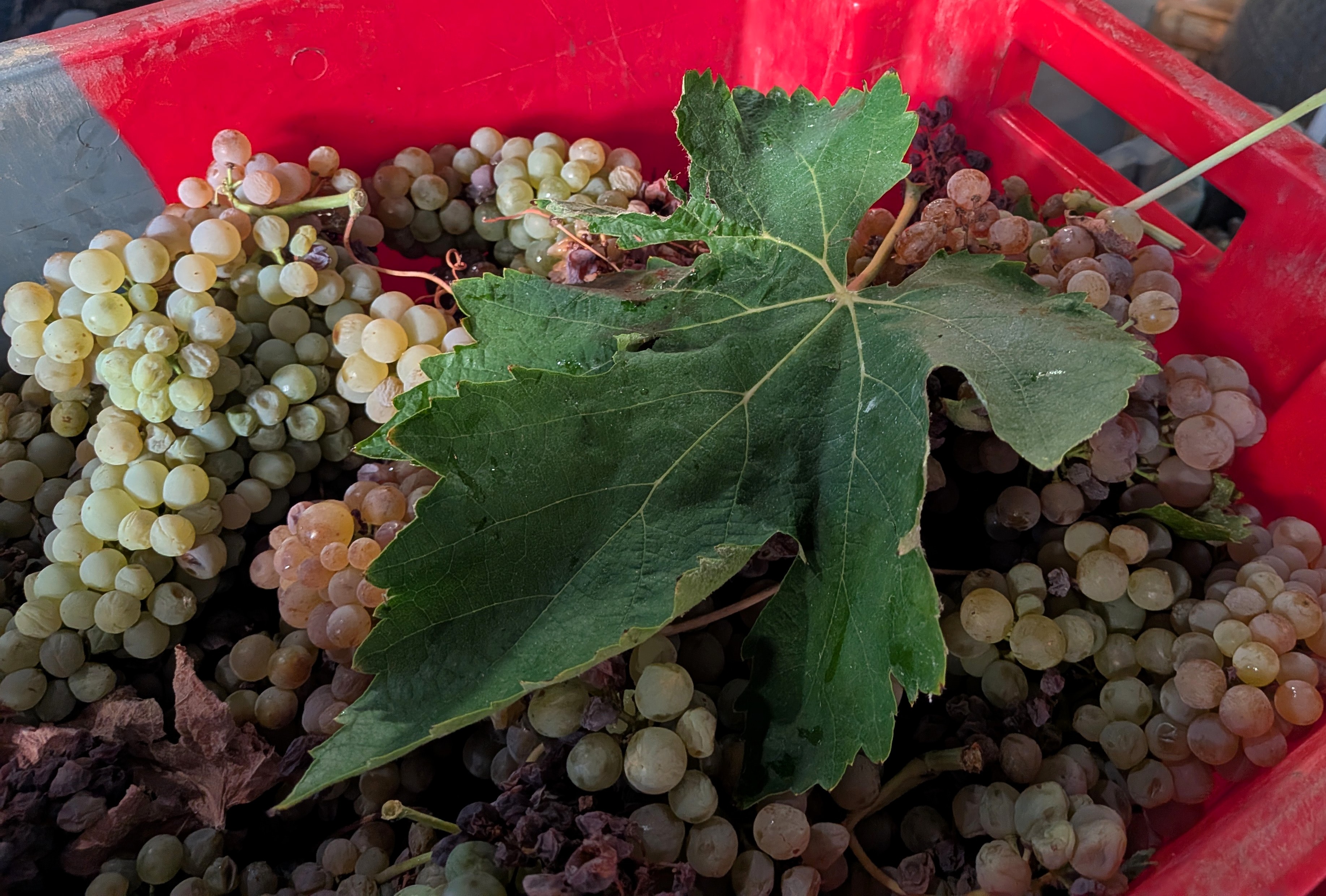
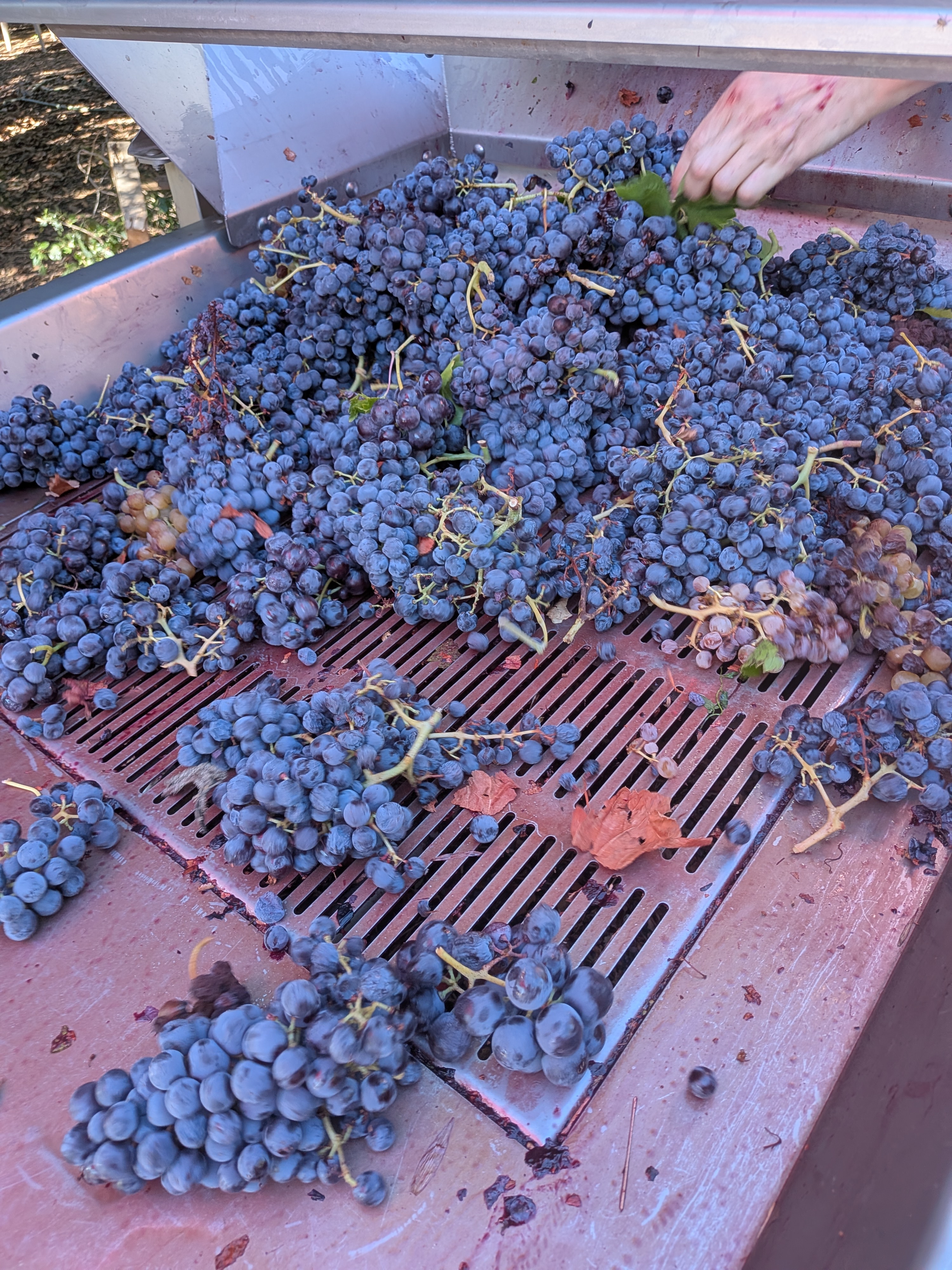
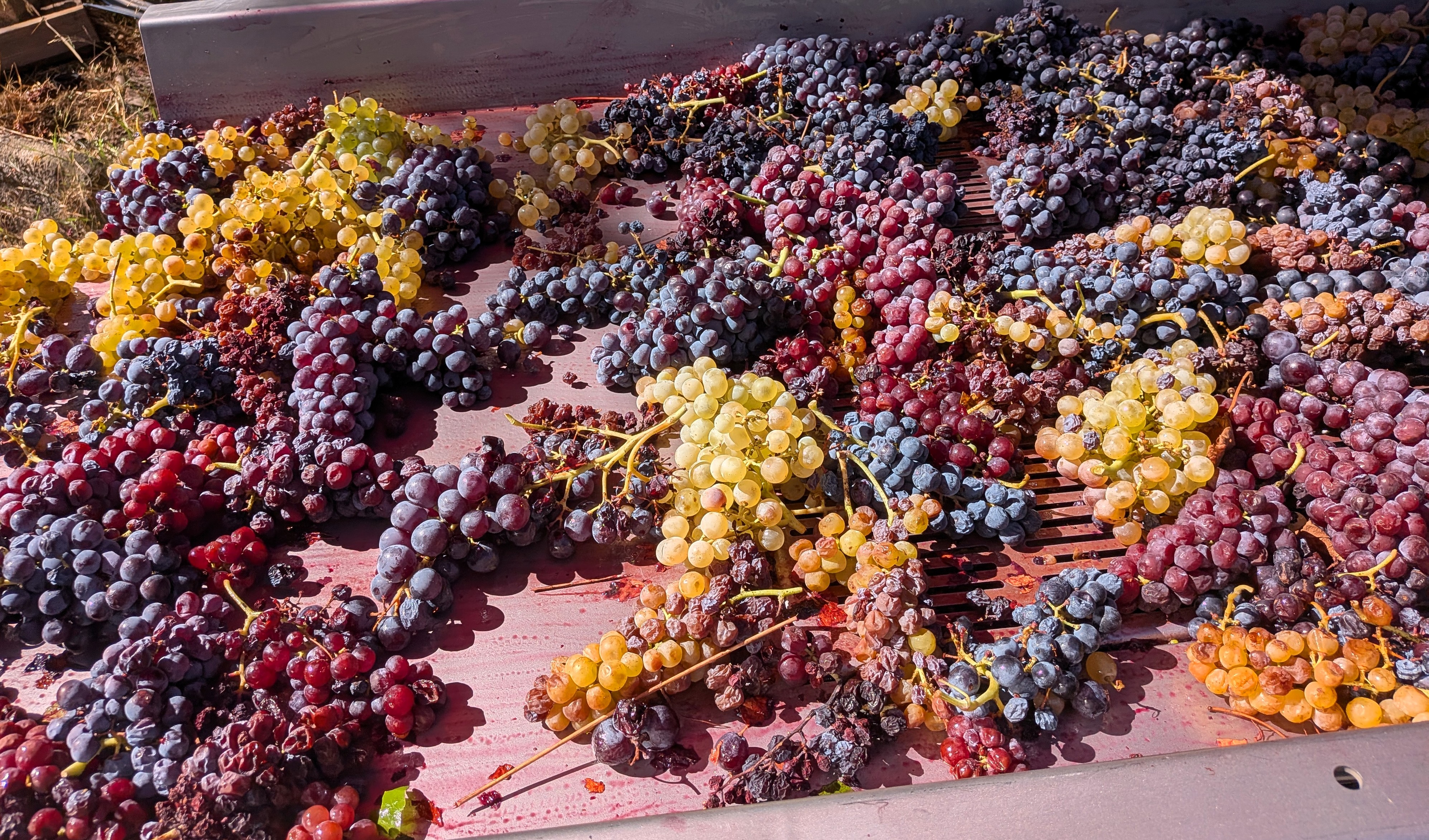
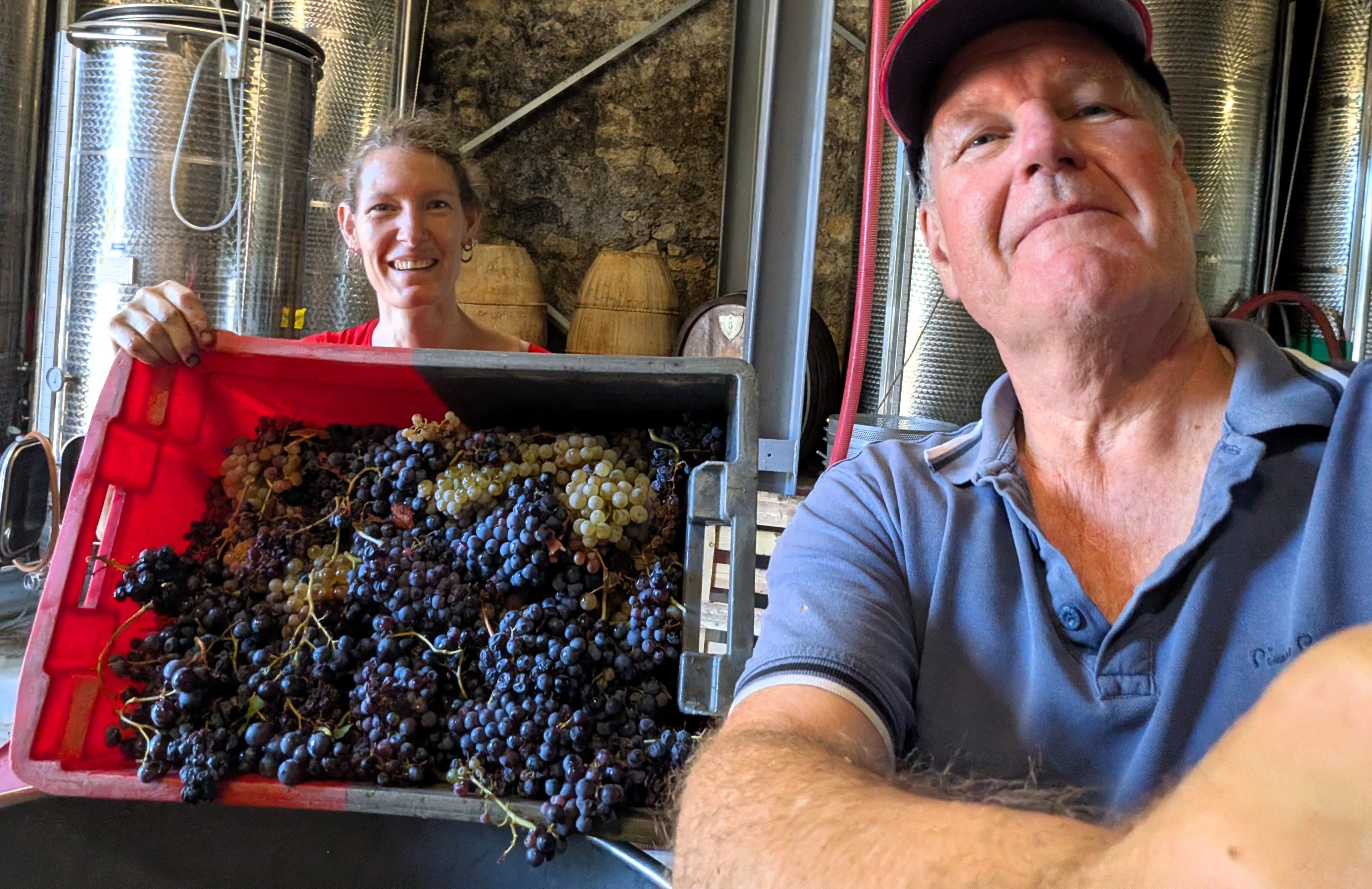
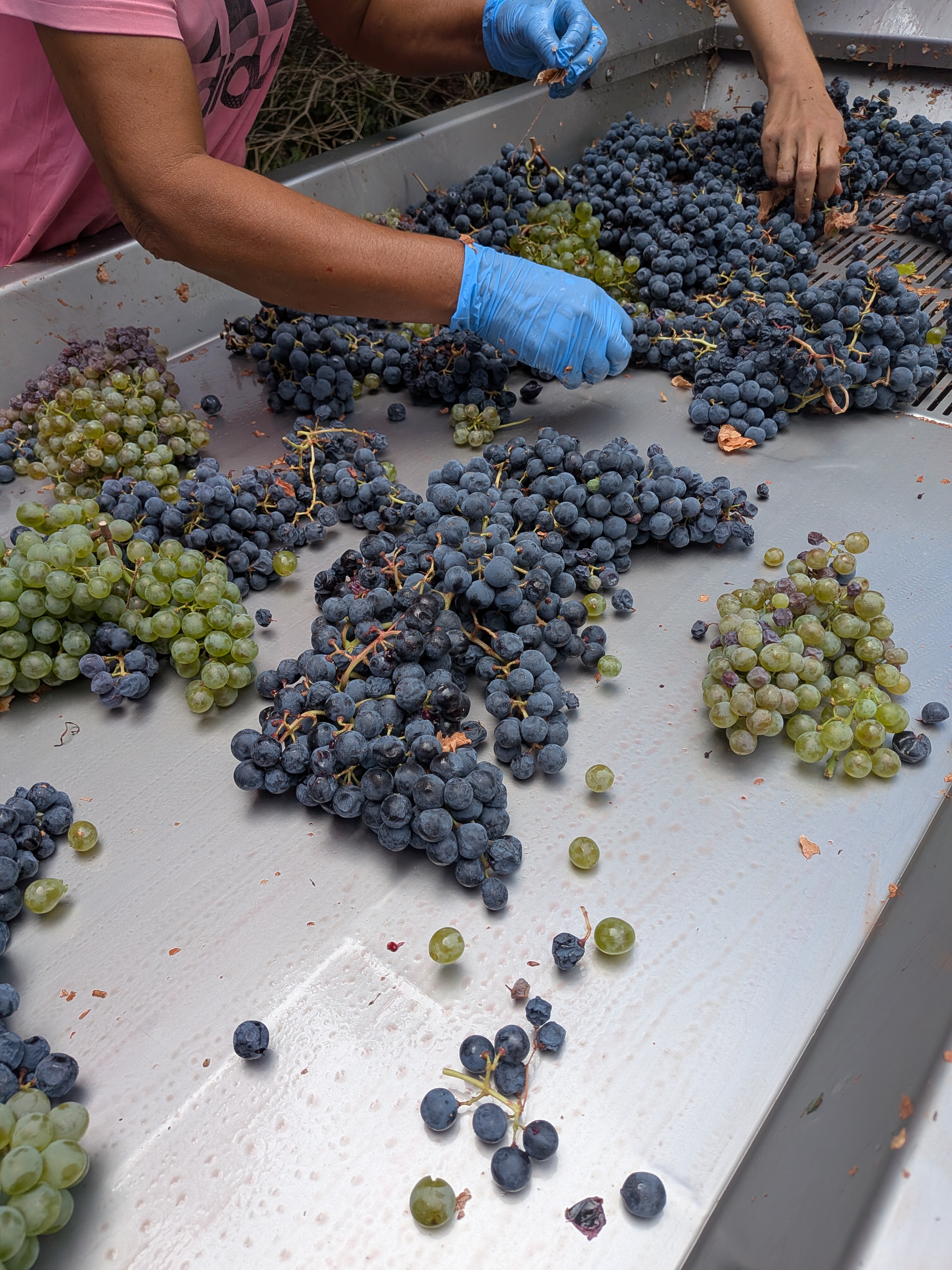
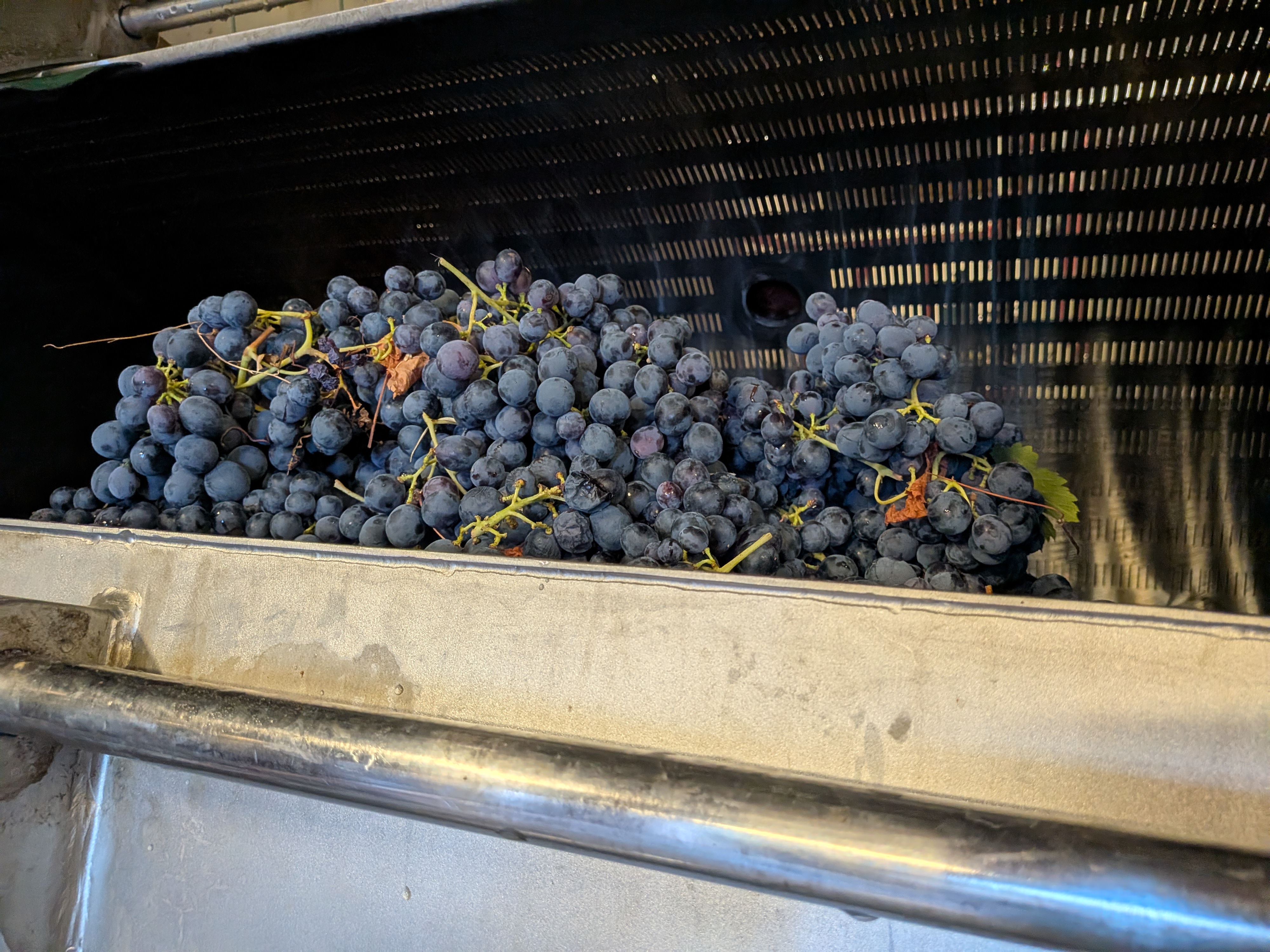
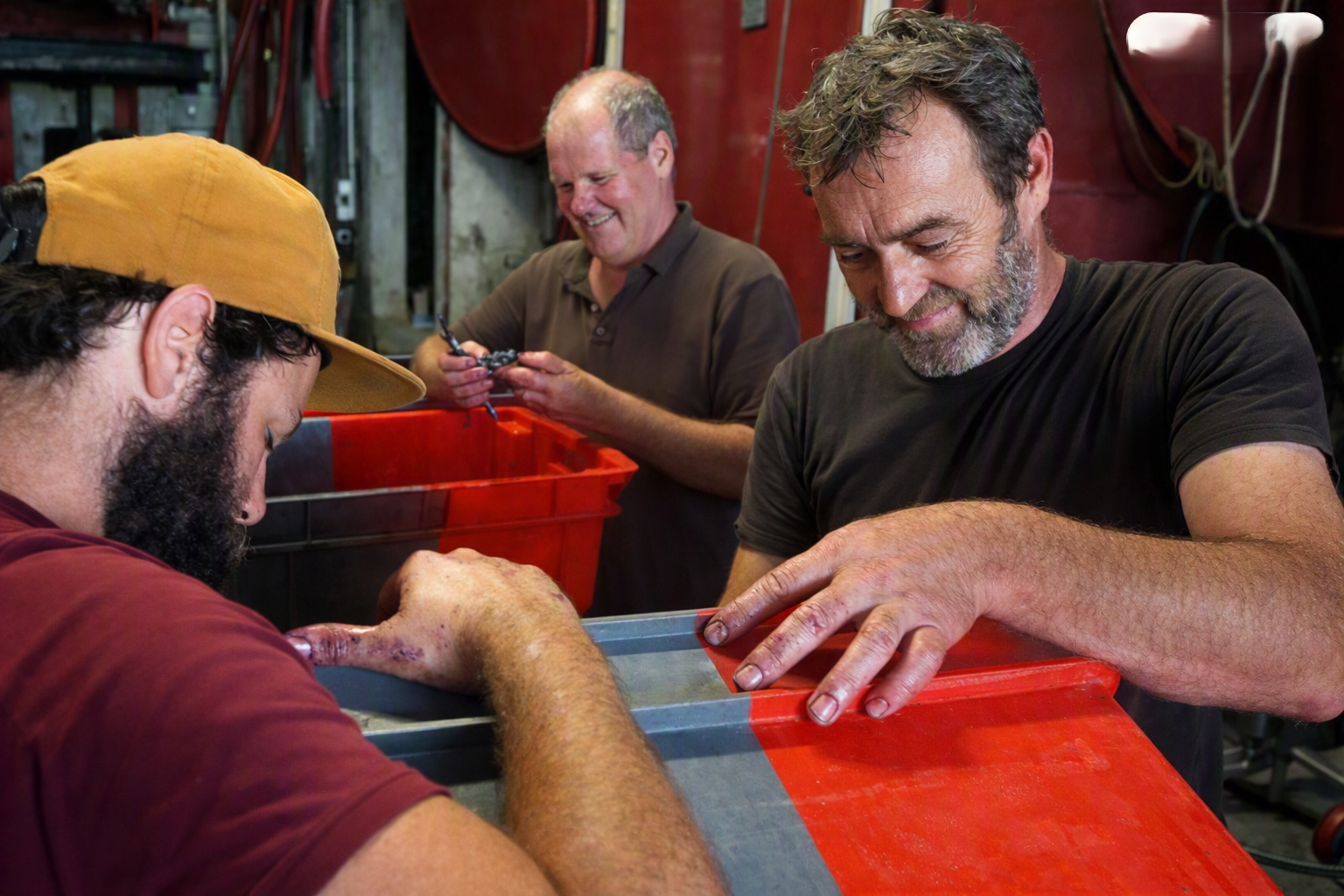
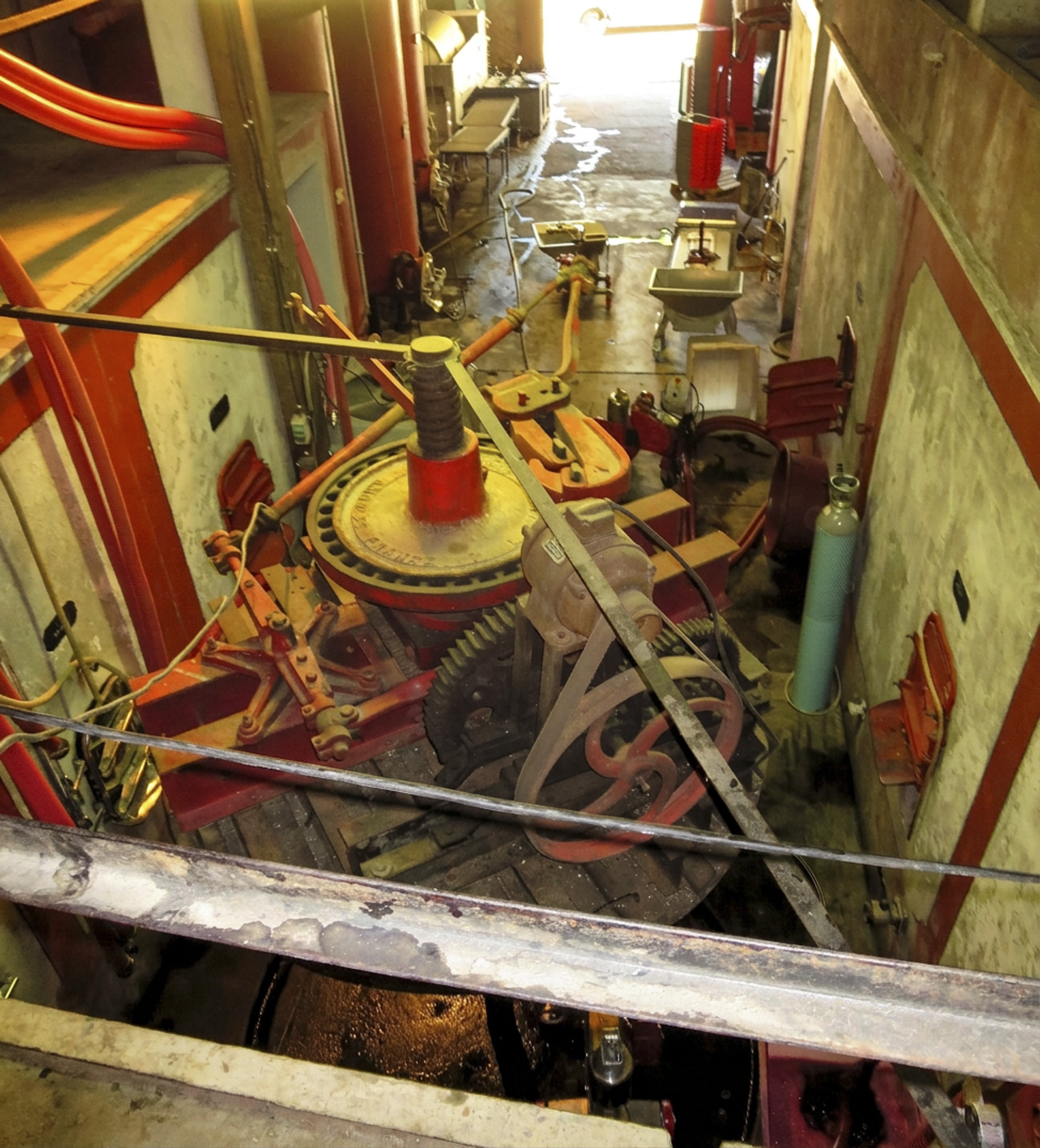
The first stage of improving the wines, and the winery in general, was to update the machinery and cellar. In 2012 winemaking equipment began to move forward, grapes were sorted by the case at the new érafloir (destemmer) shown in the top photo of this article. Sales were starting to take off.
2012 was actually a problematic vintage with stop start growth leading to uneven maturity of the grapes. 2014 (my first harvest) was a successful year, followed by the dream vintage of 2015 with excellent quality and quantity. 2016 was too hot, 2017 started badly but turned out OK. Those were the years where I was pretty much full time at the domaine.
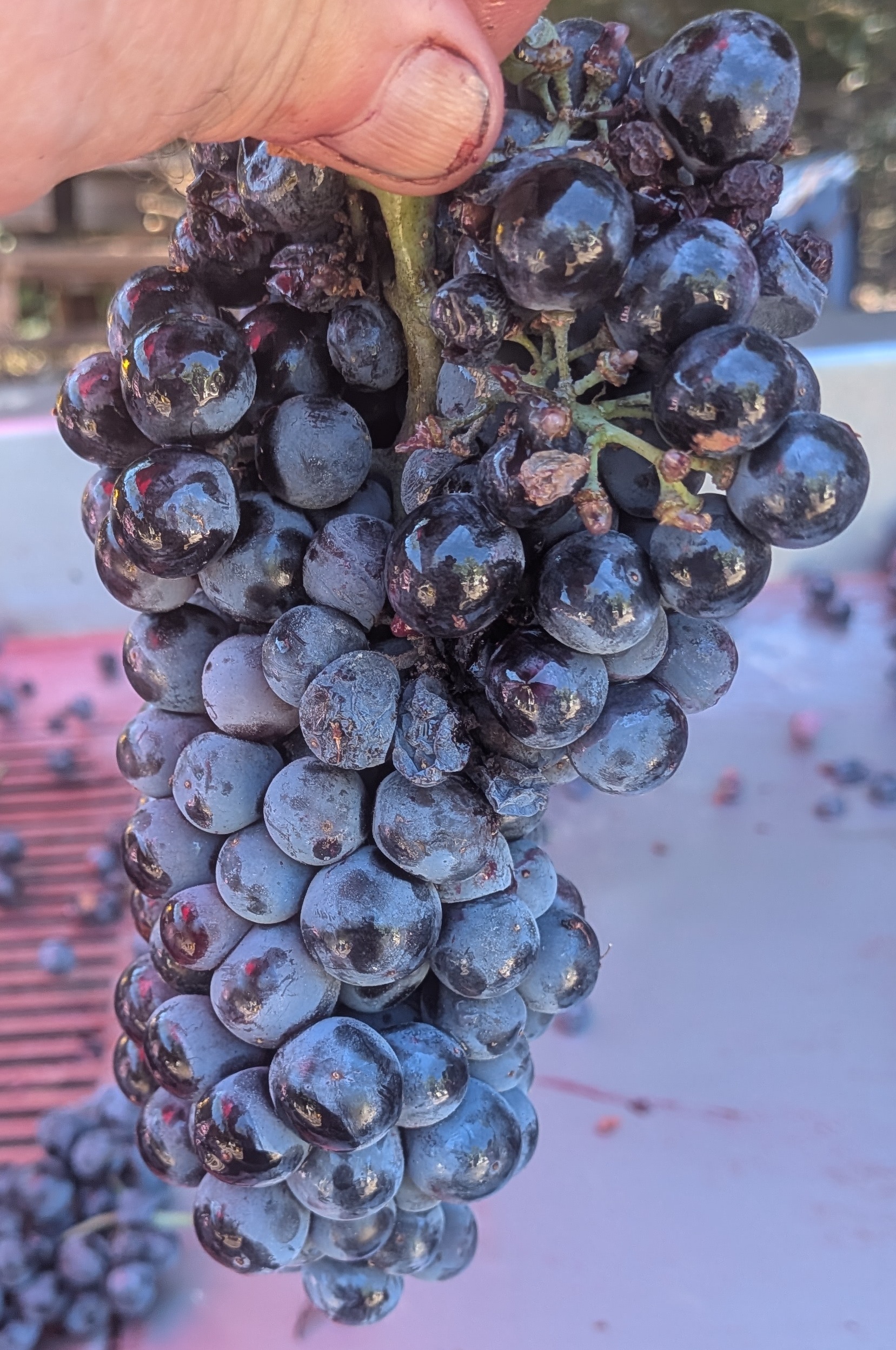
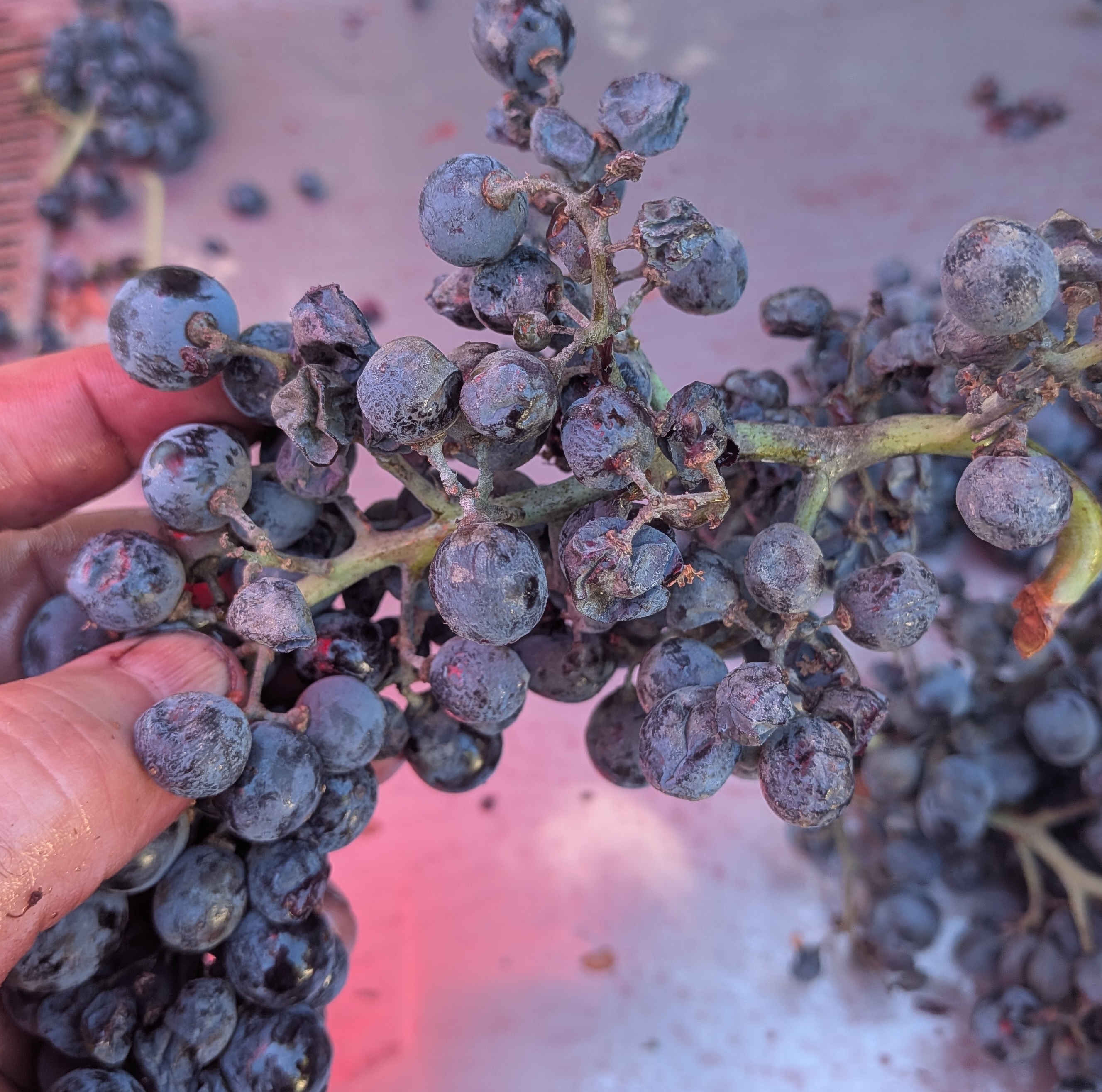
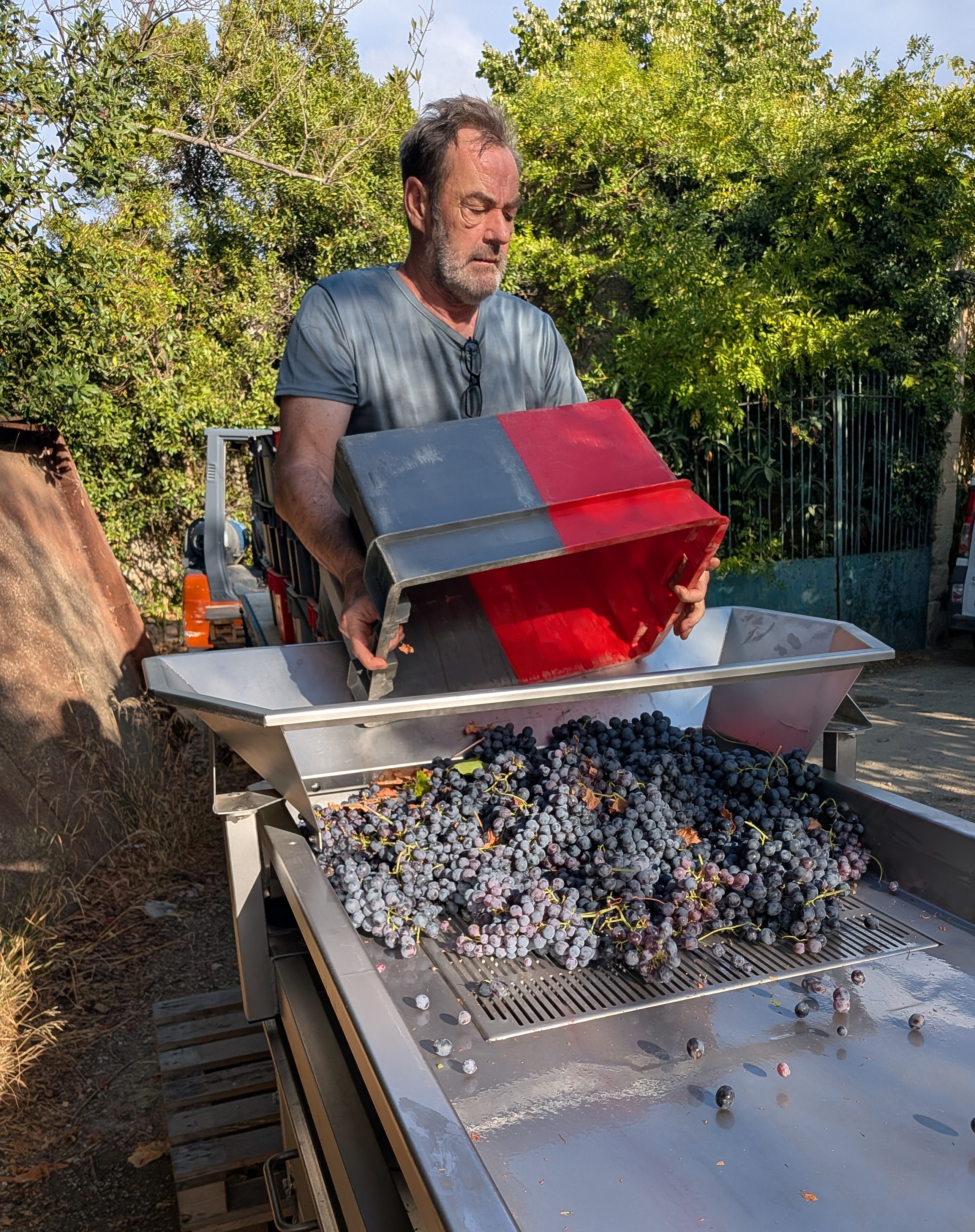
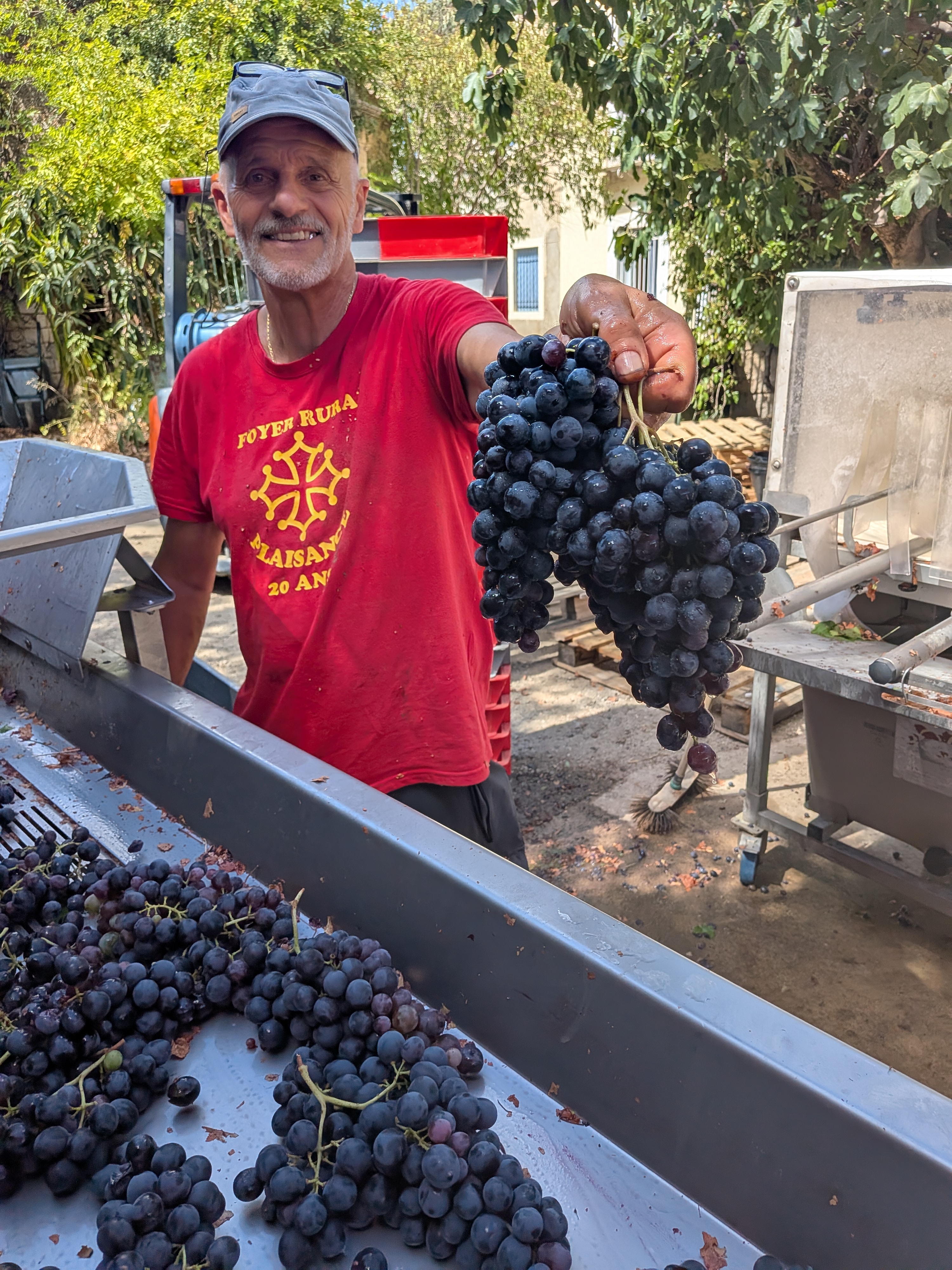
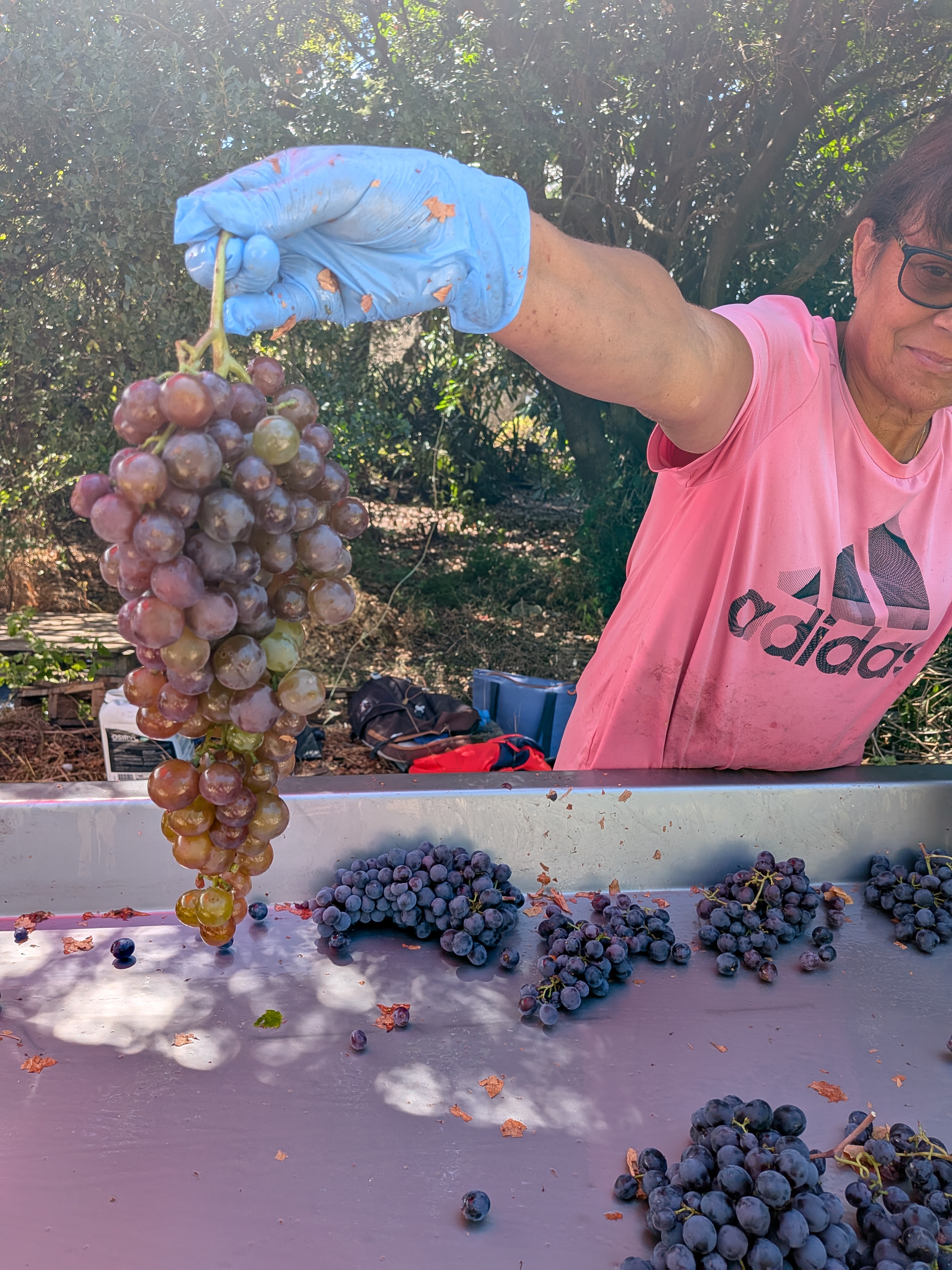
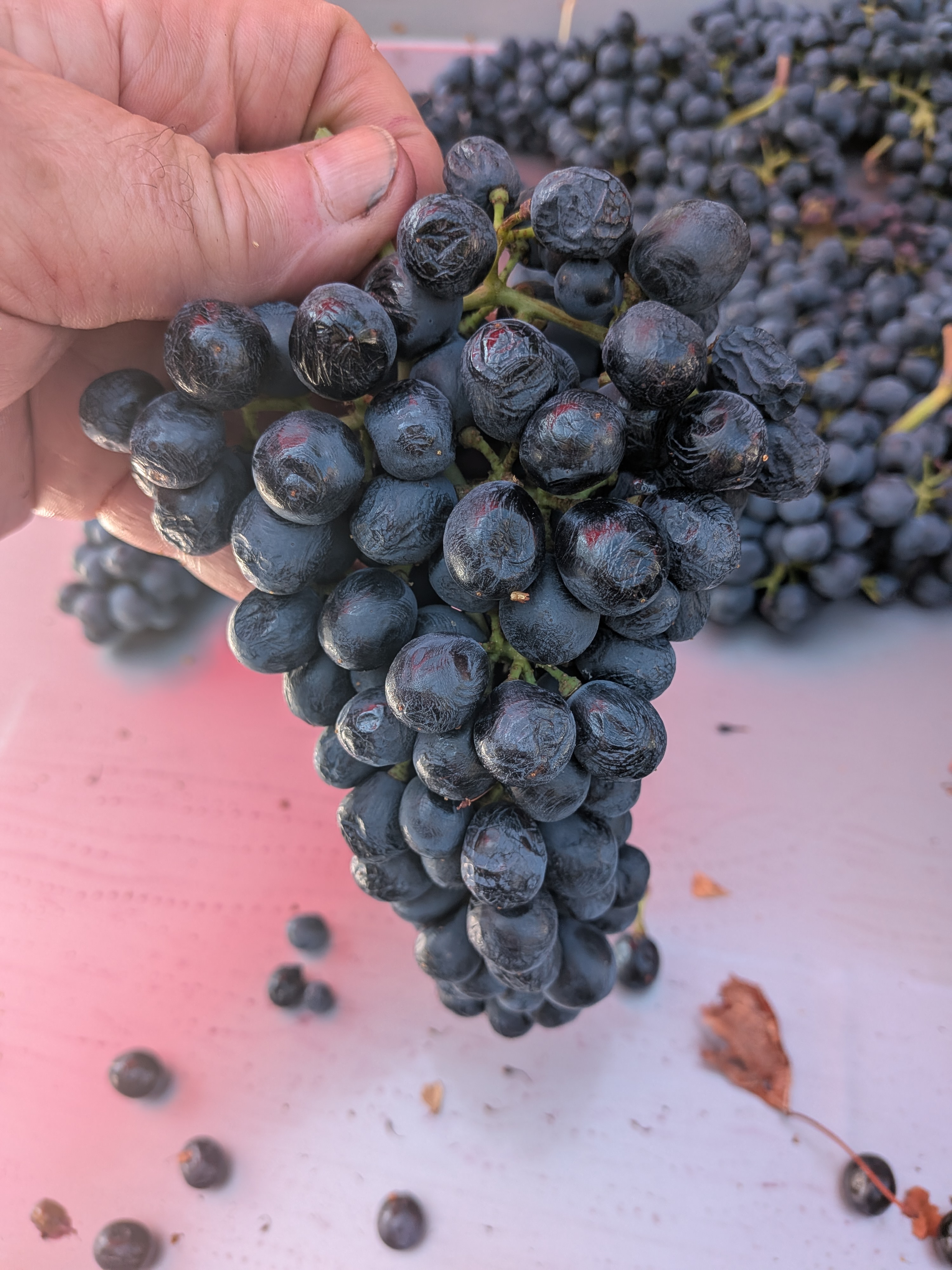
2018 brought a horrible attack of mildew which devastated grape volumes. Mildew also meant that pickers at harvest had to spend far too much time sorting the bunches in the vineyard. As a result Jeff decided to invest in machinery to improve the harvest process, a sorting table (table de tri) and the cube which is the machine where the grapes are sorted even further, destemmed and sent to tank. Therefore, pickers had their job and other workers (usually including myself) would do the sorting and processing. Quicker, more through quality control which Jeff has no hesitation in saying has improved the quality of wine and efficiency of vendanges.
Covid year went ok in the end (not for me as I wasn’t allowed to be there), 2021 was fine, 2022 very good. And then drought years have arrived, 2023 and 2024 in particular but 25 and 26 to some extent. This is the issue which has exercised Jeff’s mind for the last ten years, how to deal with increasing temperatures in a very hot region and how to deal with drought.
Stage two was all about the grapes themselves. Jean – Claude (Jeff’s father) had planted Merlot and Cabernet Sauvignon, in demand in the early part of the century, but Jeff didn’t like either and grubbed them up before 2014. He had to anticipate market demand and climate change and his instinct was to move more production to white and lighter red wines.
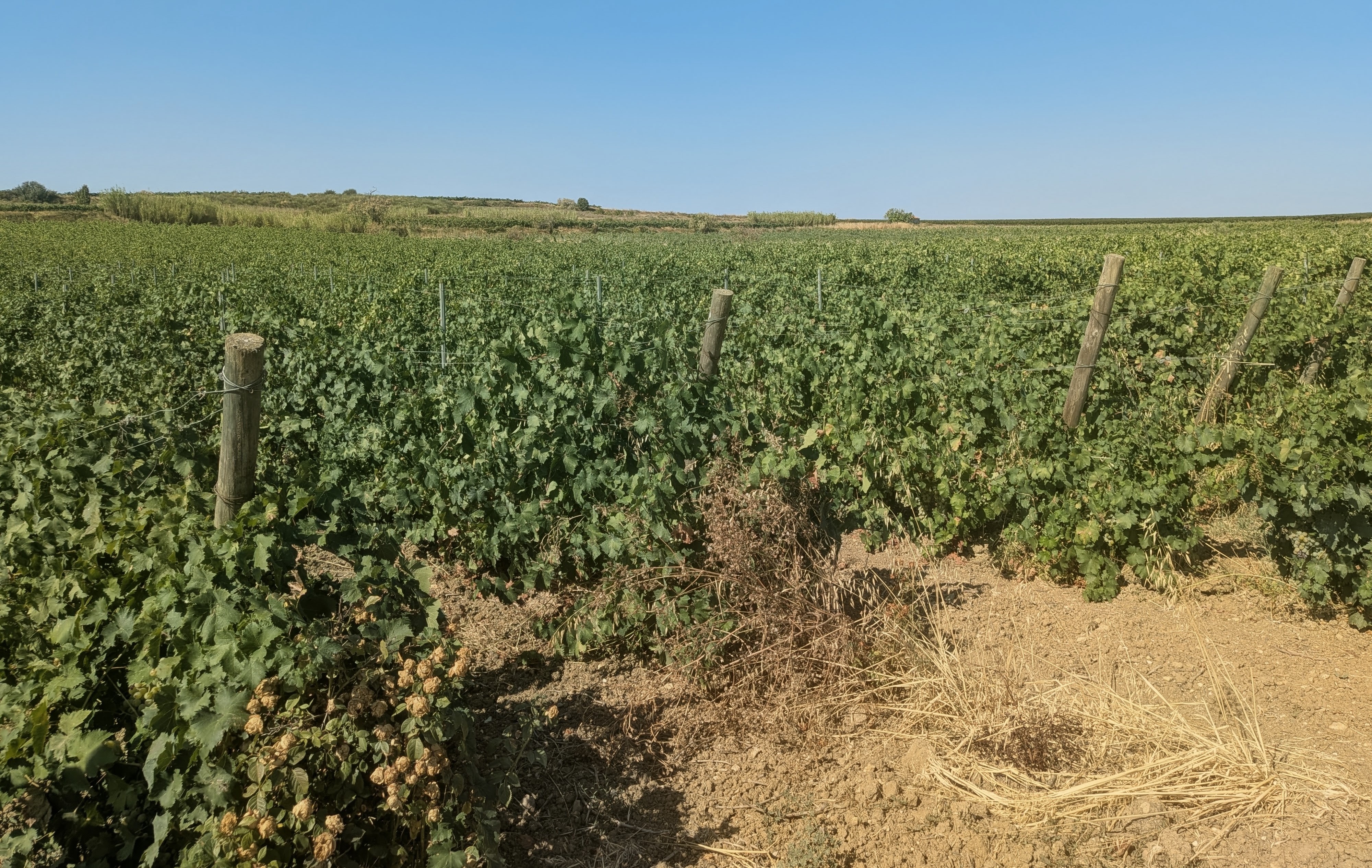
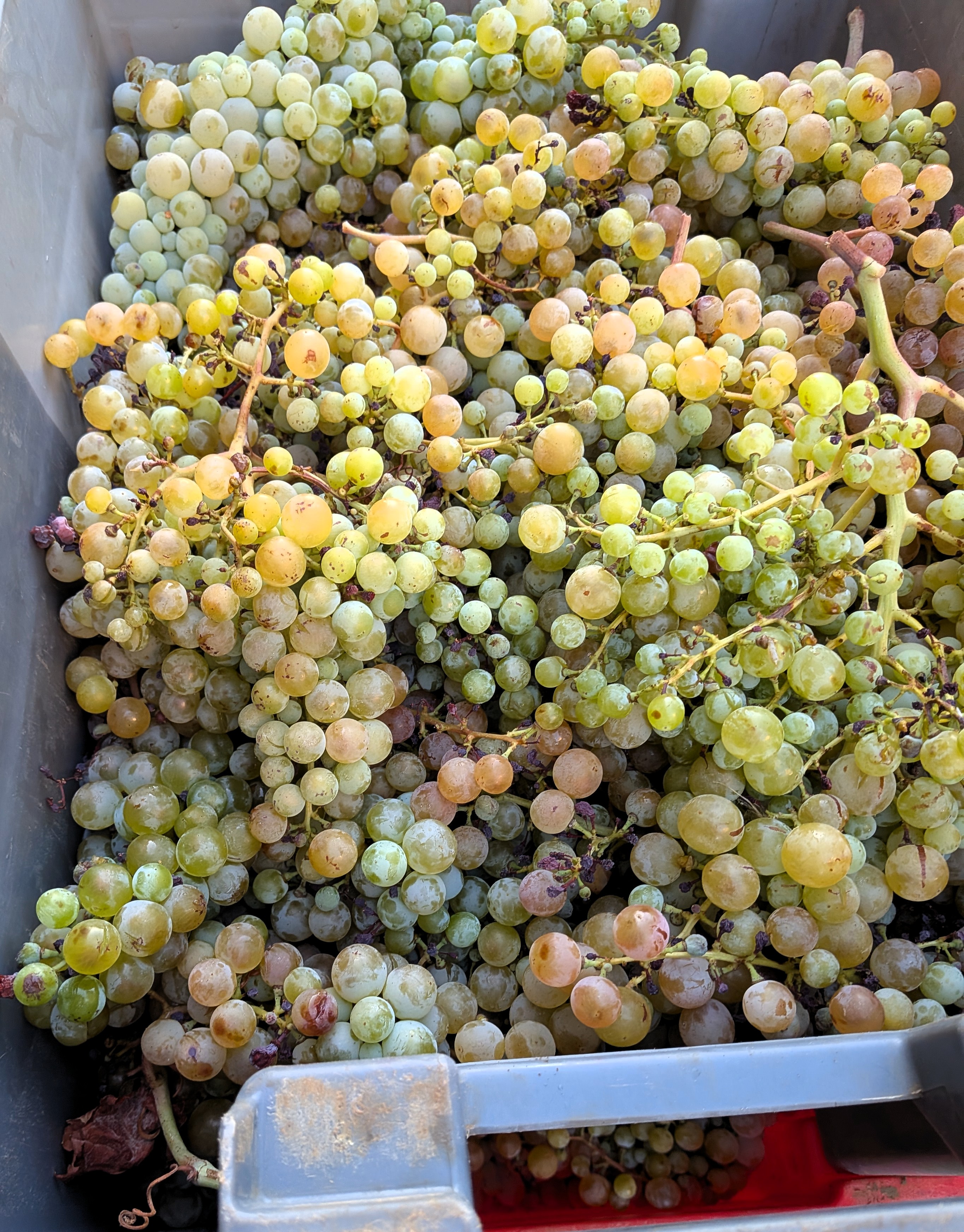
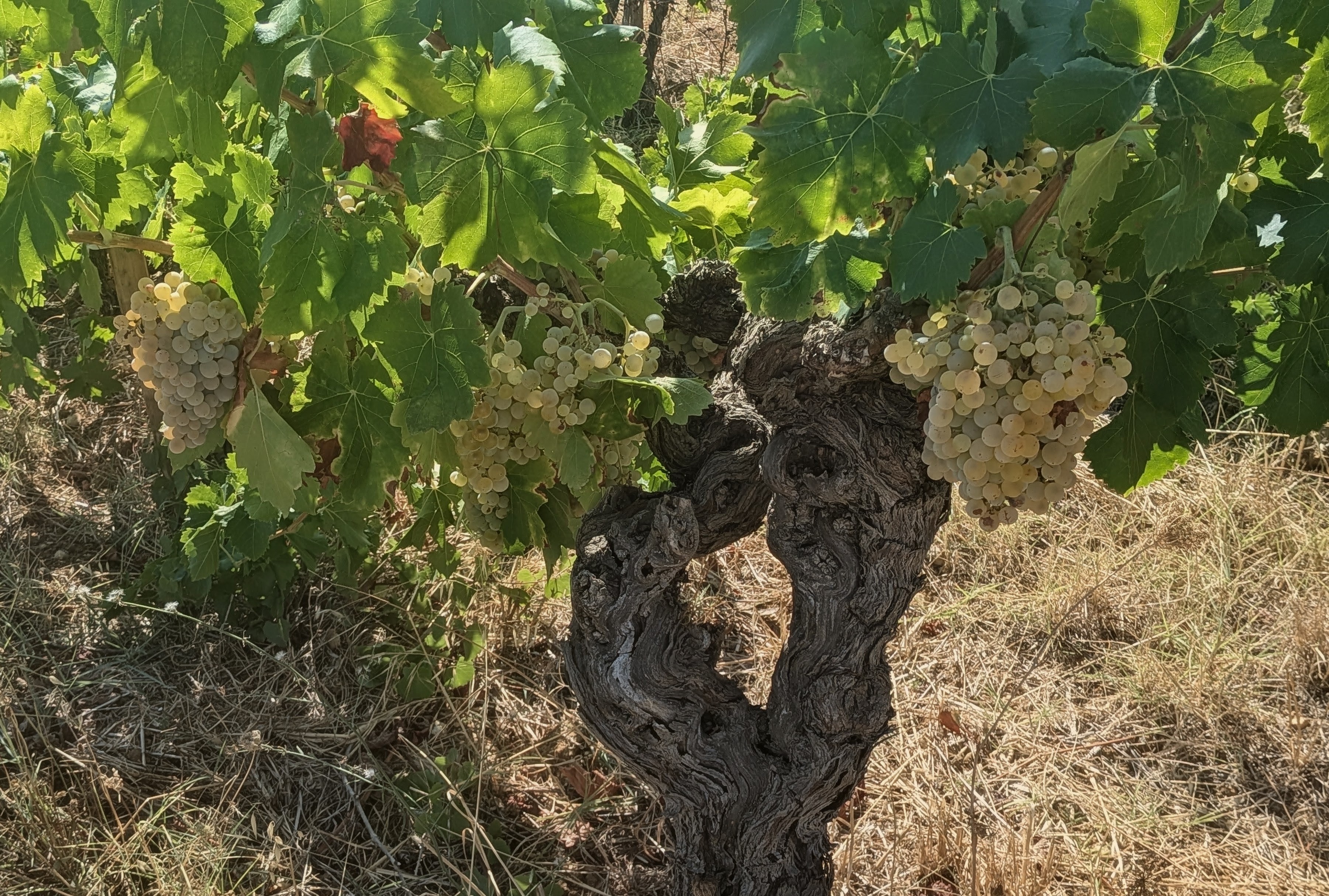
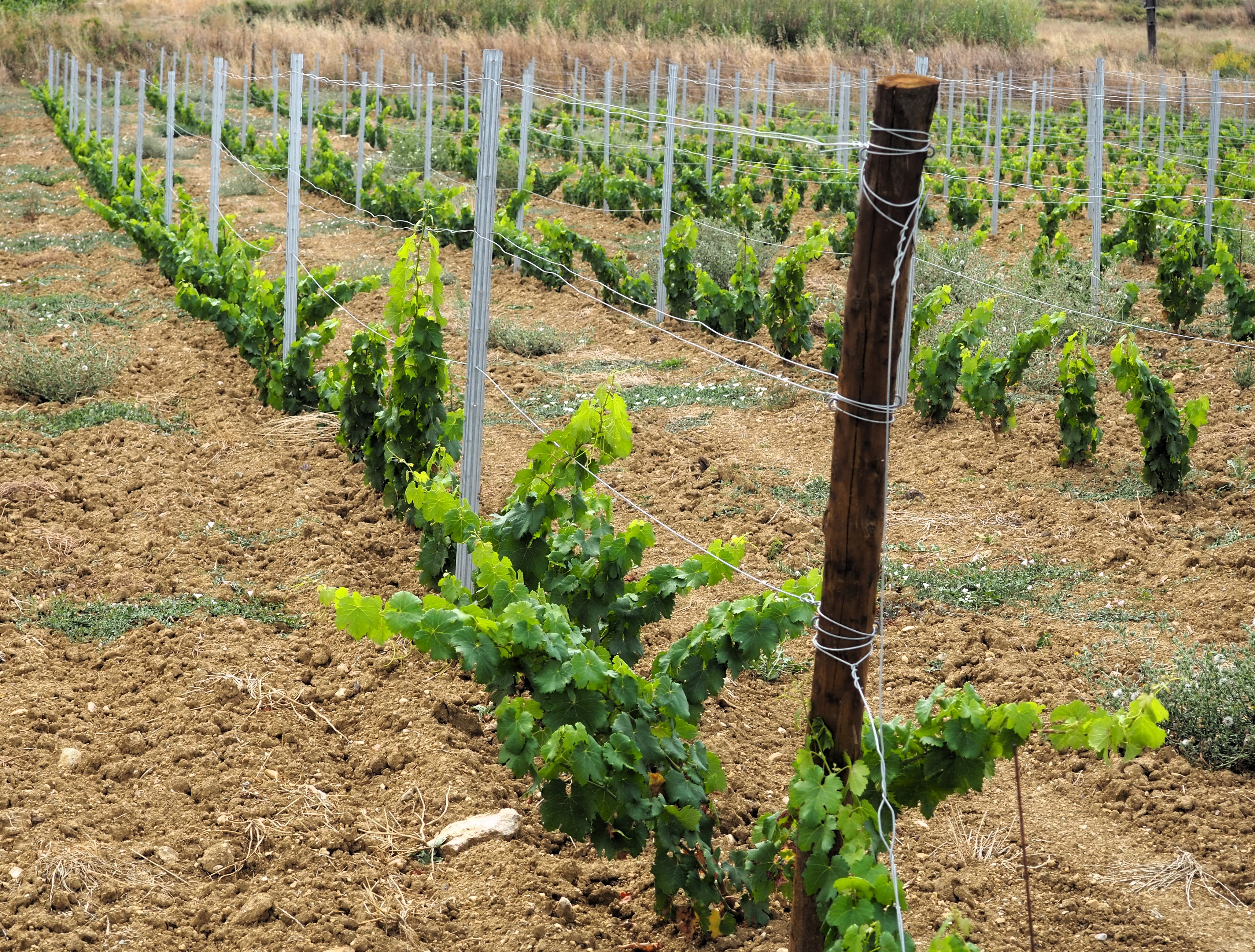
New planting in Peilhan of grapes such as the Parellada (right) harvested for the first year
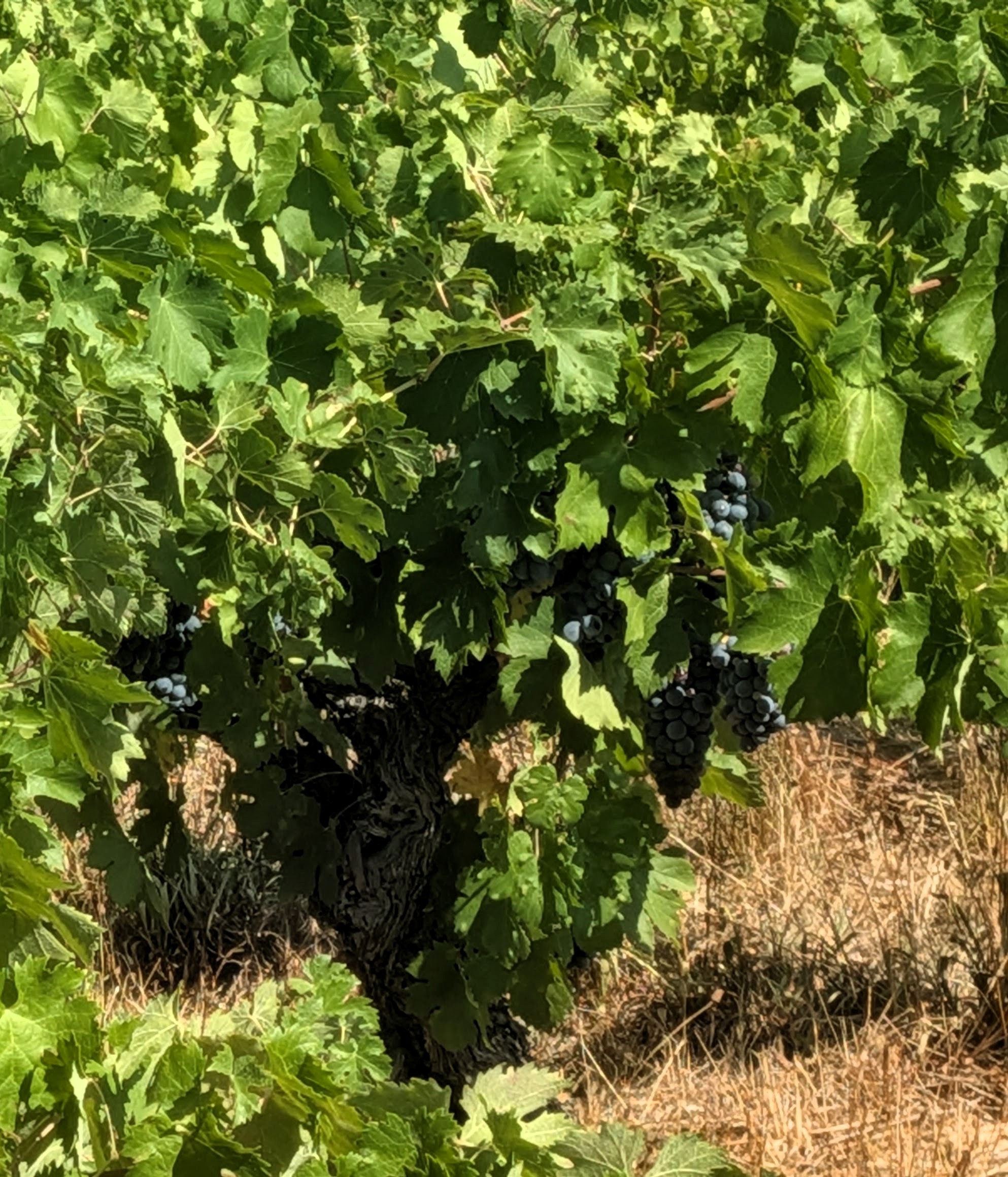
Jeff had always studied older varieties such as Castets, Morastel, Piquepoul Noir and researching many varieties he decided that he needed grapes with lower alcohol and acidity (such as Aramon and Cinsault, traditional Languedoc varities too) and also some bitterness (Clairette). Seven hectares of the domaine’s thirteen were replanted from 2019 to 2026. The white and light red grapes also had the benefit of maturing earlier so making fermentation less problematic. Ten years ago there were ten varieties now there are thirty two!
The 2023 drought brought a surprise to Jeff. Traditional thinking is that old vines cope better with heat and drought but the 25 year old Mourvèdre vines of Segrairals suffered badly, more than 30% of them were lost. Old vines have strong roots but Jeff thinks they can’t cope with heat stress as well as younger ones. He is also not yet convinced by hybrid varieties based on widespread tasting.
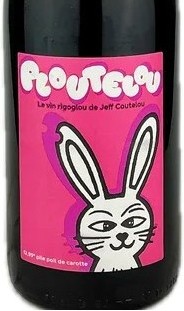
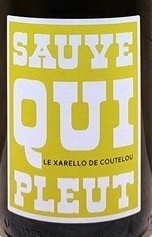
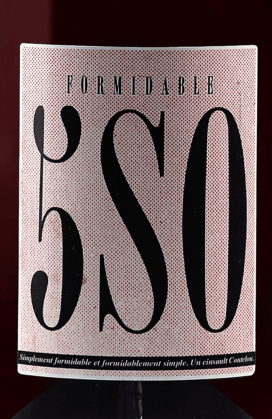
The wines from Aramon, Xarel-lo and Cinsault
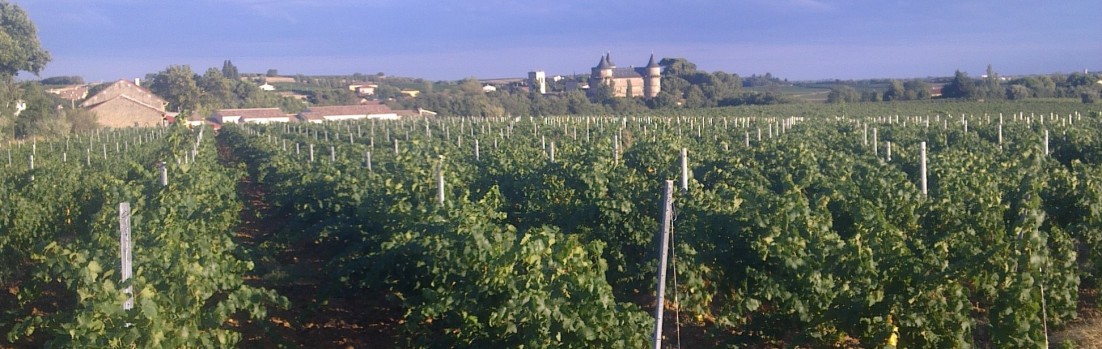
90% of the vineyards have been replanted in twenty years. Planning for the future remains in the forefront of Jeff’s mind. Grapes suited to heat such as Bourboulenc and Xarel-lo have been planted, the latter has blossomed already. The traditional Carignan had begun to produce less and less good wine, often affected by Brett and volatile acidity which appeared after bottling when it’s too late to fix. So, it has been grubbed up, there’s no room for sentimentality.
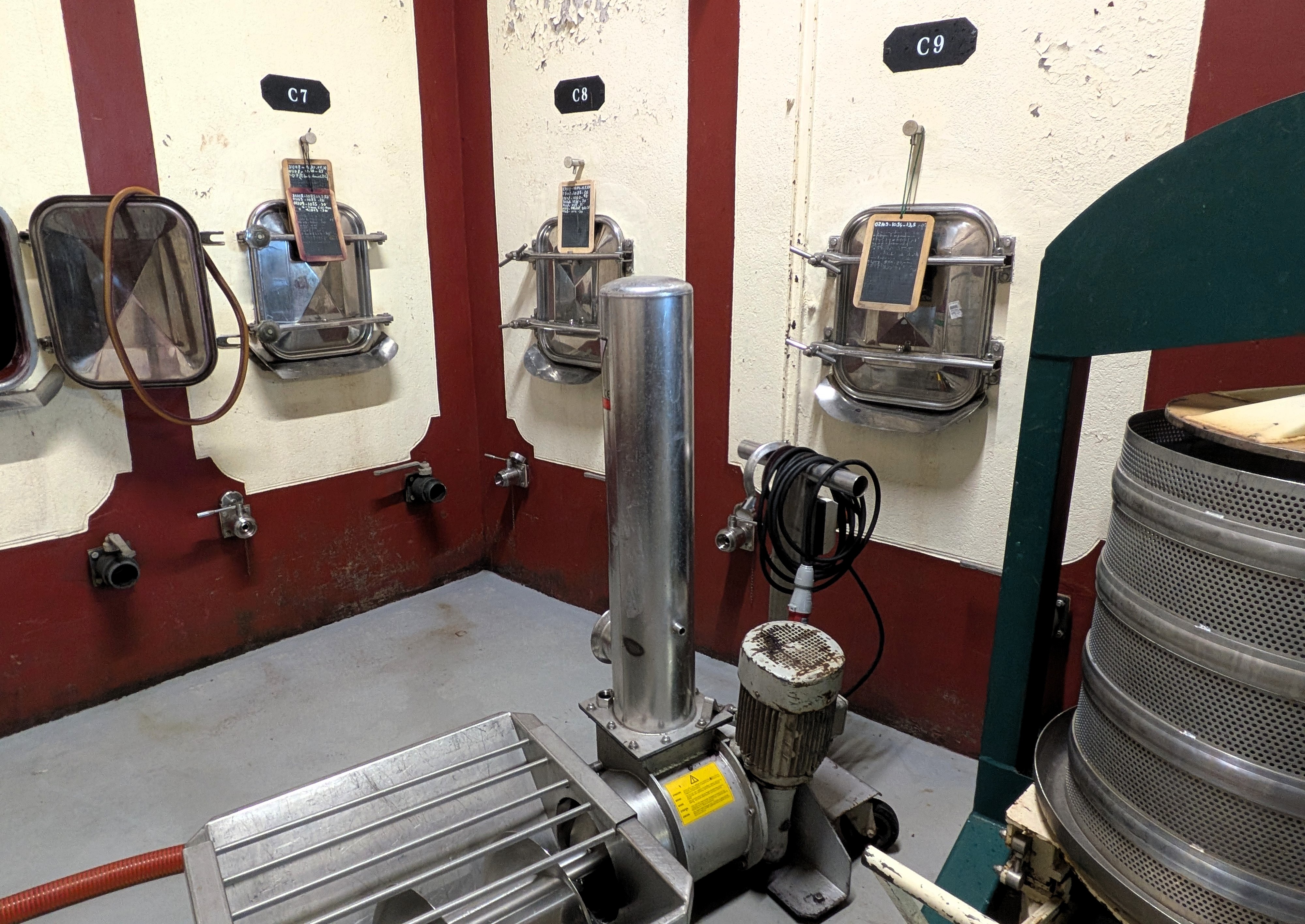
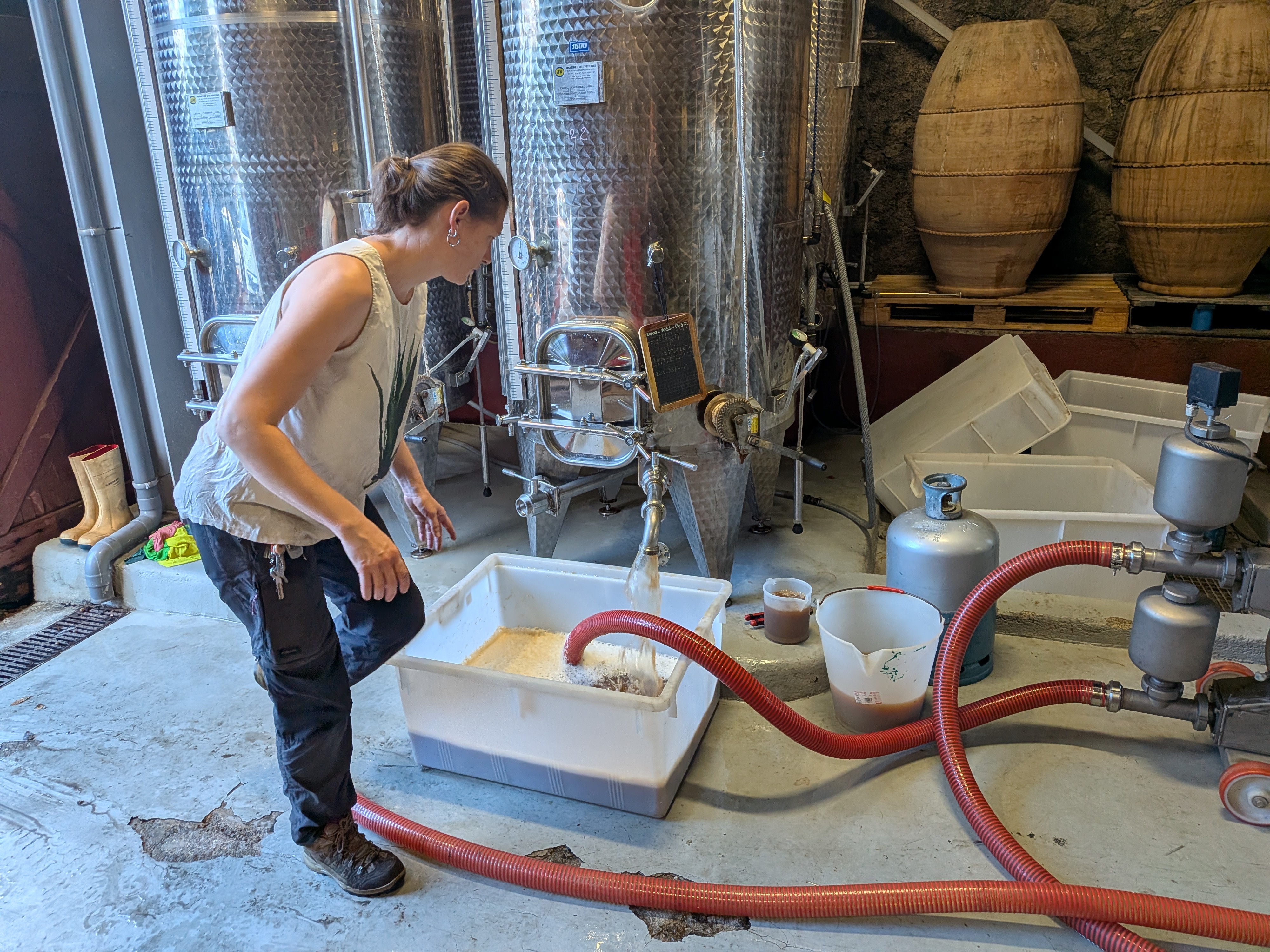
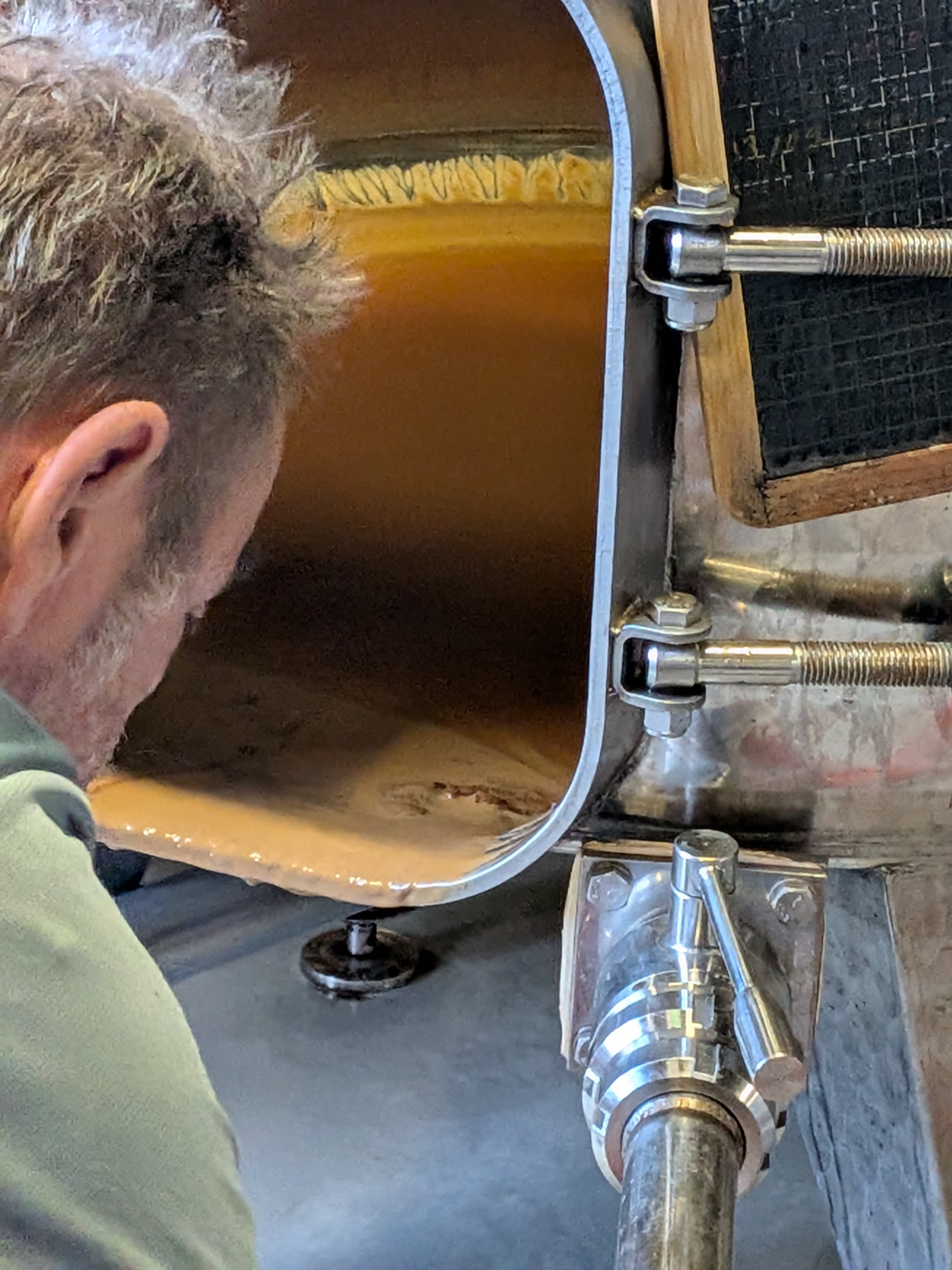
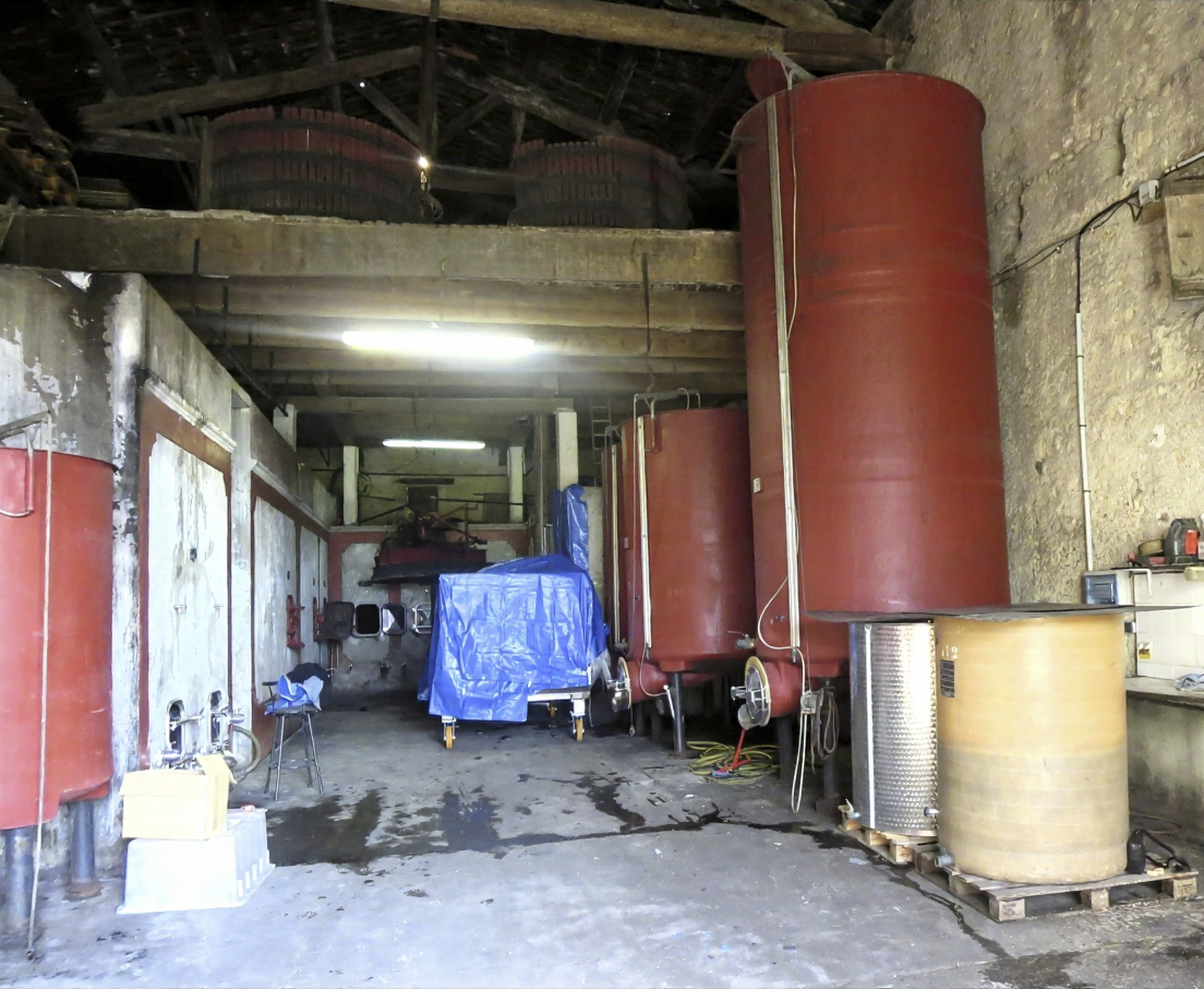
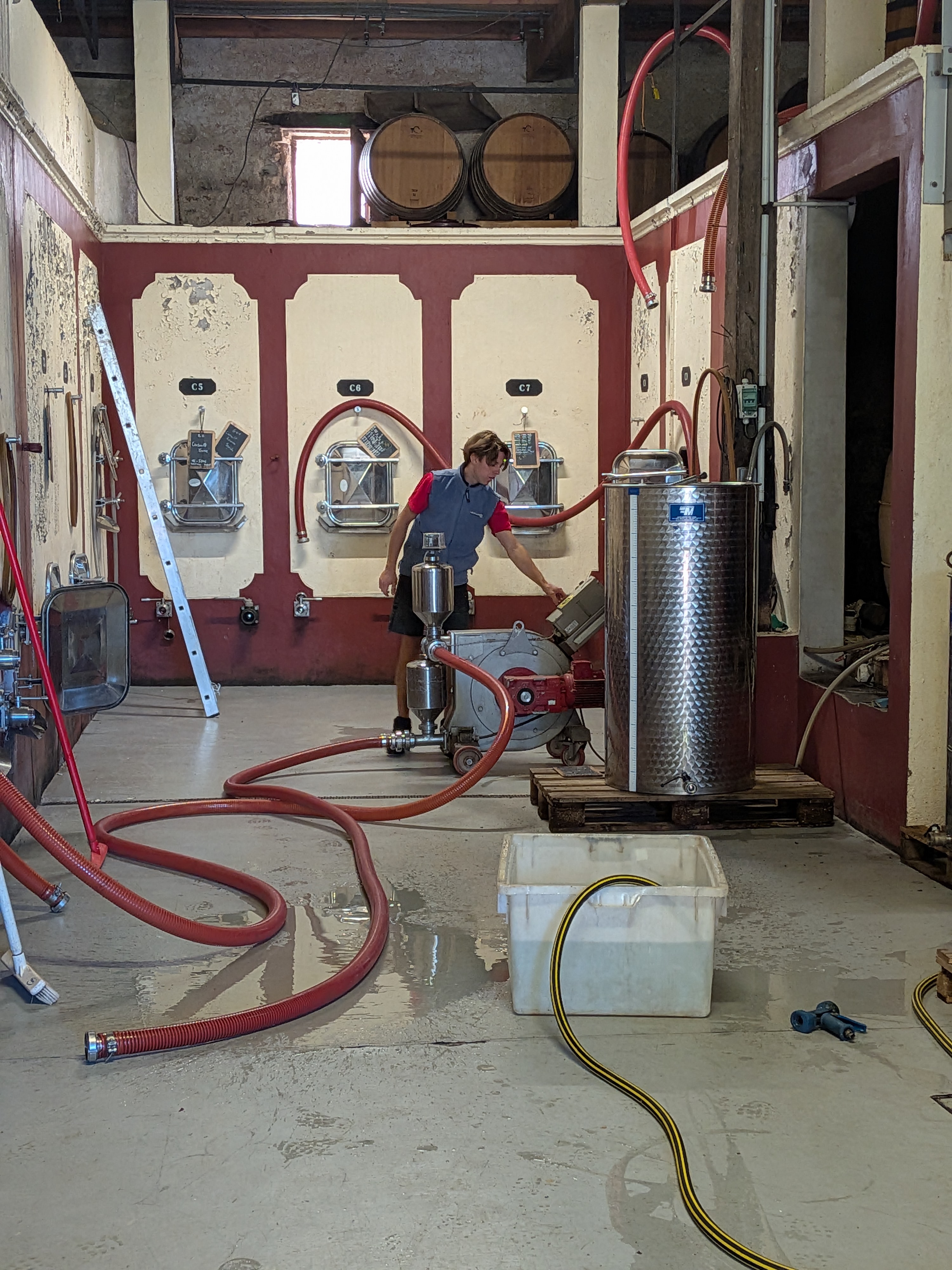
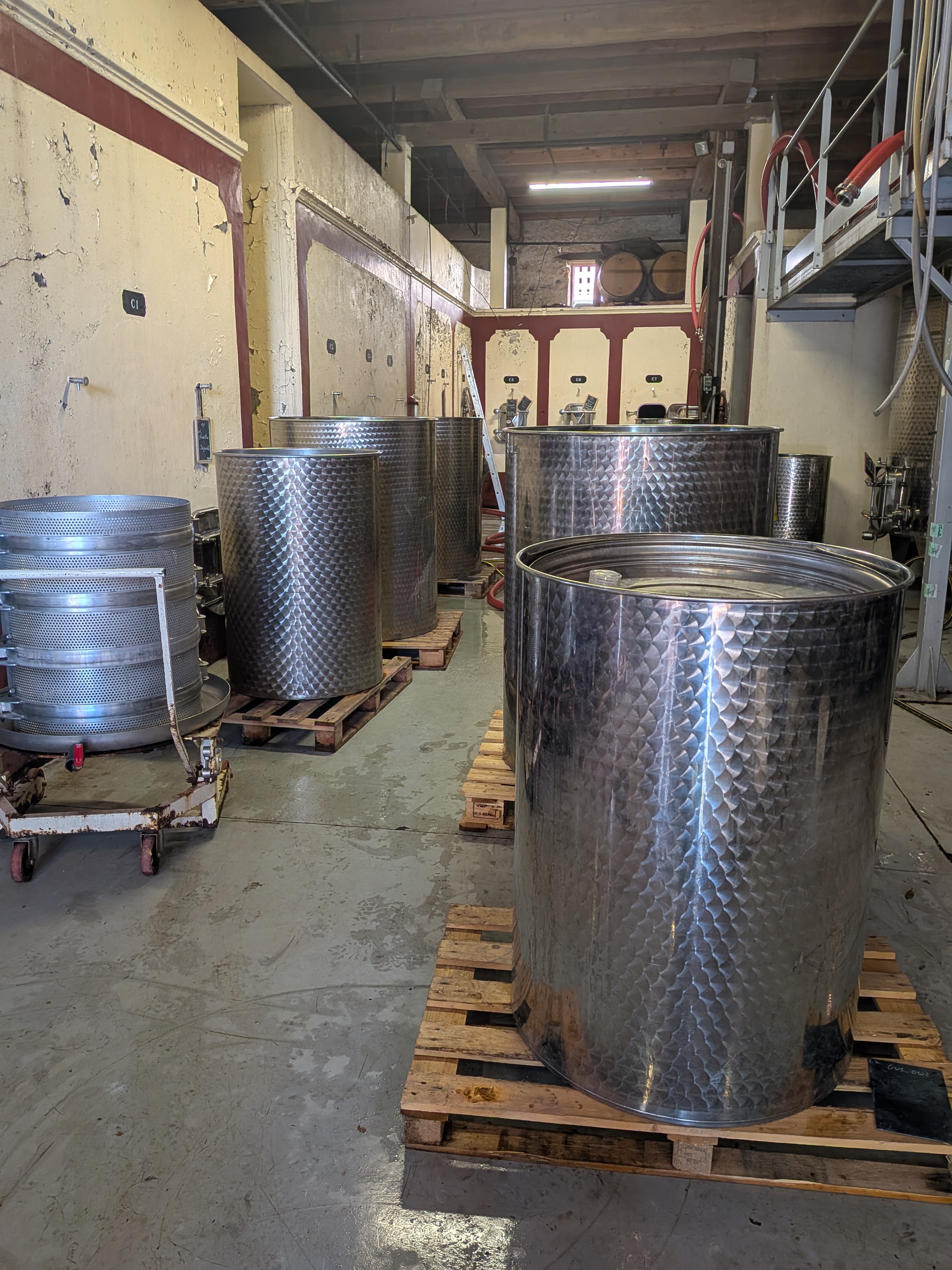
Stage three was about the cellar itself. In 2012 there were 12 concrete tanks, including one which held 110hl, and a number of fibre glass tanks for fermentation. From 2013 -17 it was completely transformed, the concrete tanks remained but were divided up to offer more opportunities for precise, smaller scale winemaking. Stainless steel tanks replaced the fibre glass, they can offer more control of temperature for example. The old stone floor was covered, easier for cleaning and moving around. The huge, unused old press which took up lots of space was removed. The roof was lifted and a mezzanine built in, offering easier access to the tanks, storage space and an office. The pictures above show these changes.
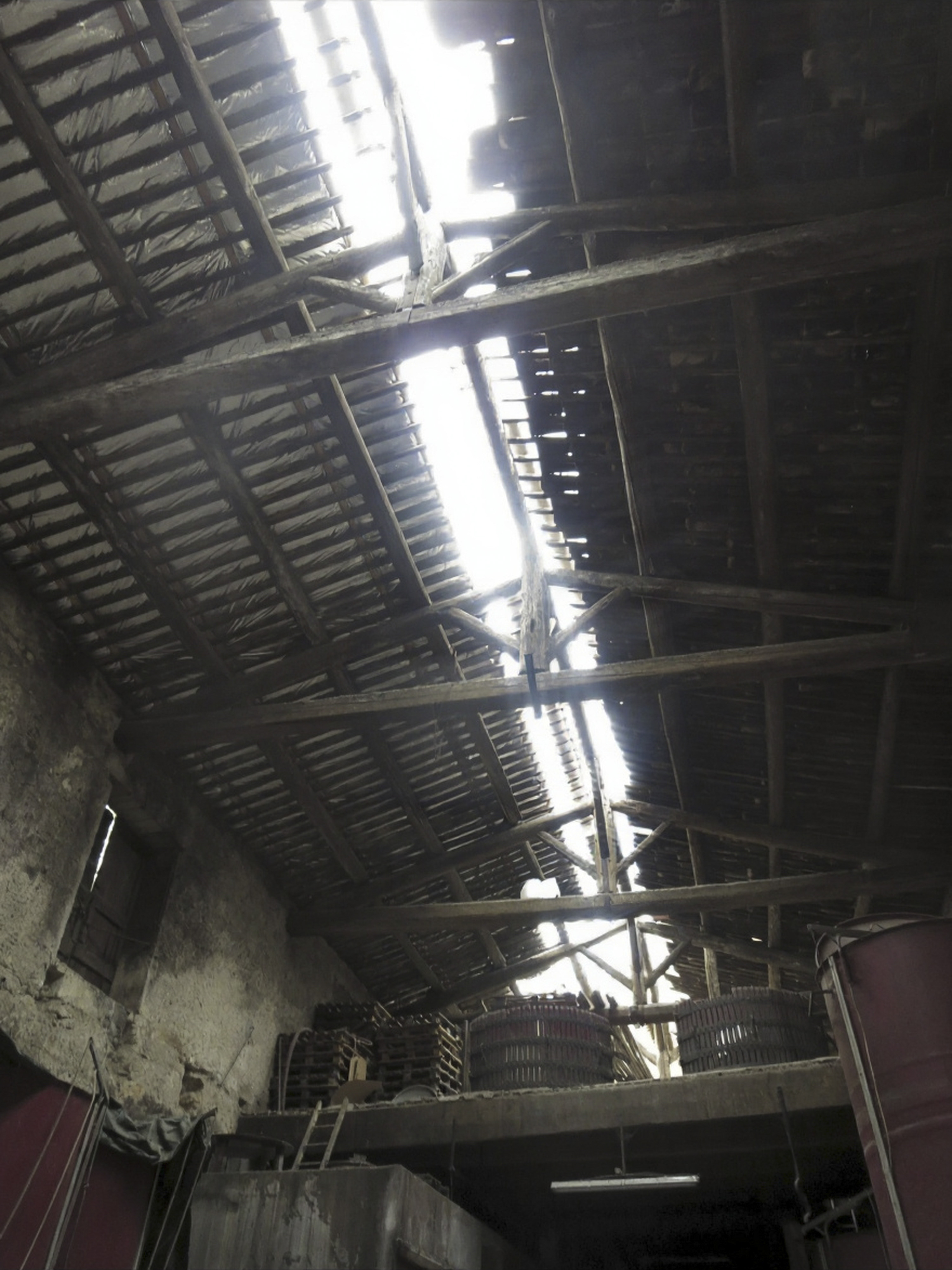
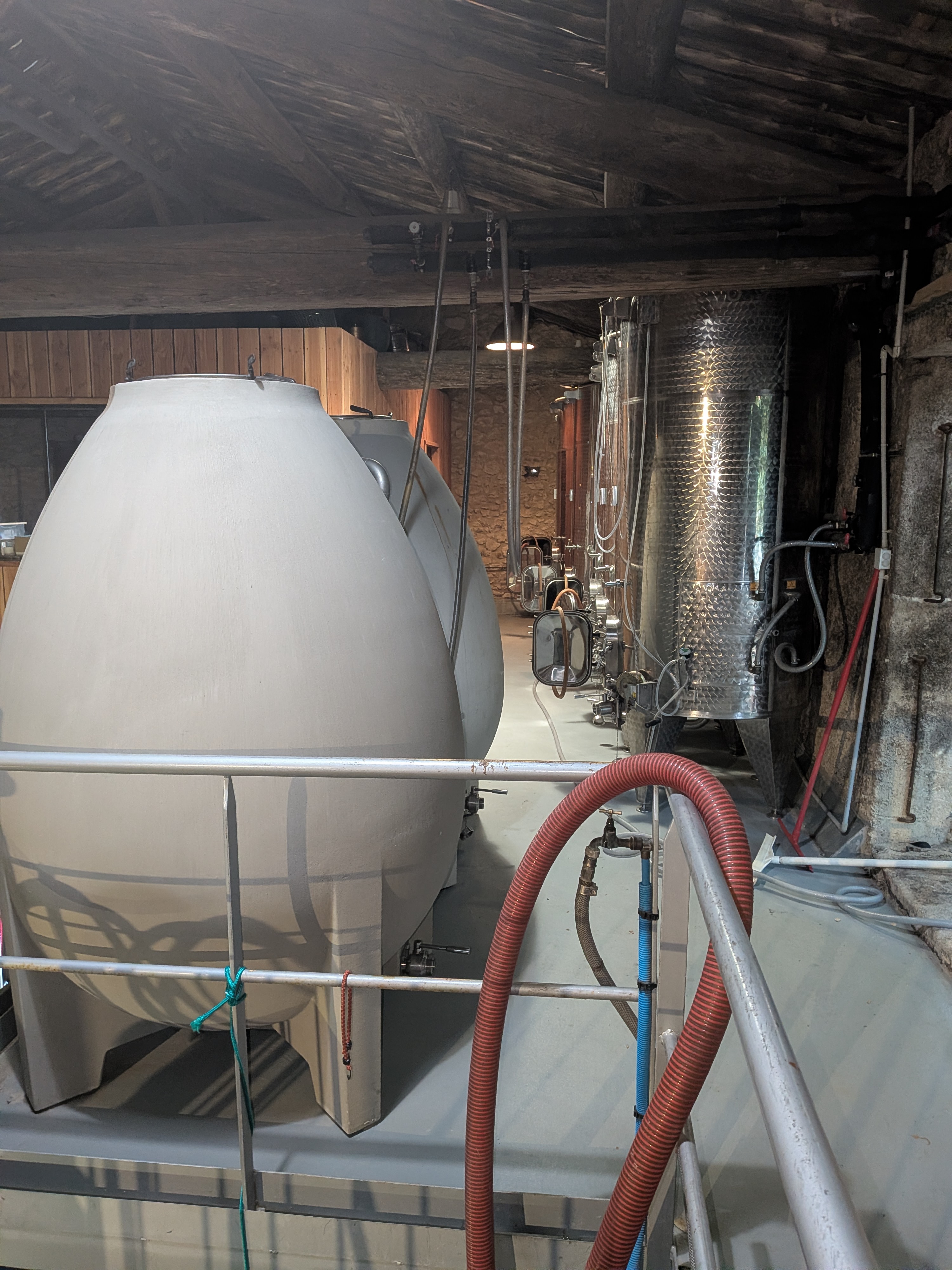
The cellar roof being lifter to install the mezzanine now holding concrete eggs, steel tanks.
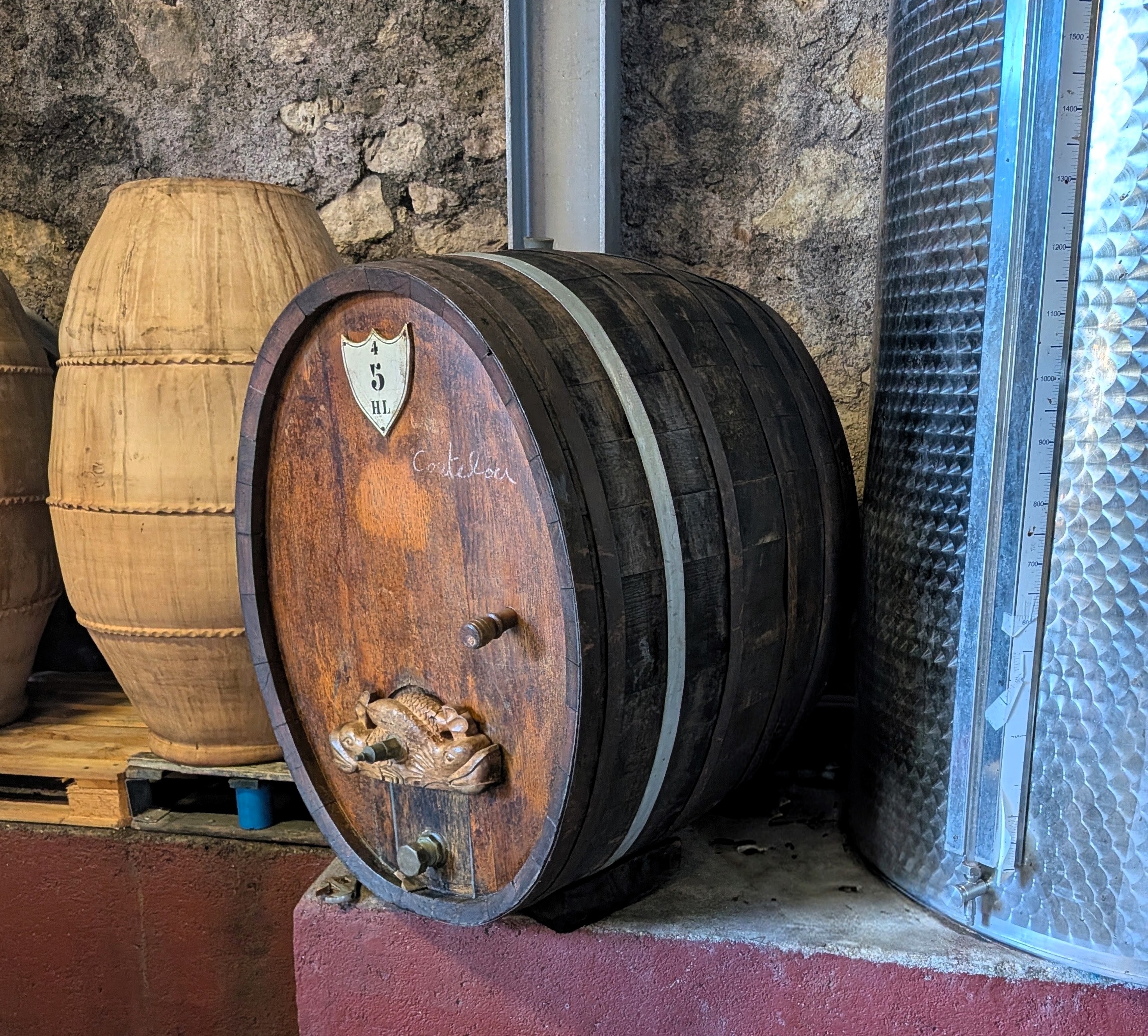
New types of container arrived. Jeff tried lots of wines from amphorae and, for his taste, many gave off earthy, clay notes. However, he found an excellent Spanish wine, researched the origin of the amphora and bought two. They take a lot of effort to prepare but the results are worth it.
The range of barrels was also reviewed. Jeff knows they can produce special results, tasting a Coutelou 2016 Macabeu in New York this Spring he was delighted by how mineral and fresh it tasted. He is now researching barriques which have been previously used for spirits such as cognac though not for the mineral, dry whites which he prefers. The foudre mentioned in the last article is another alternative for him to use as he feels appropriate.
Tasting wines from elsewhere also influenced Jeff to buy concrete eggs. The shape of the egg means that the wine inside is in perpetual motion and suspension and he thinks they work particularly well with more reductive varieties such as Macabeu. After 6-8 months the wines are ready to bottle but the shock of going from a large egg to a bottle means that Jeff leaves them in storage for a year or more to settle down.
He has also researched making wine in glass but the space they need and the risk of breakages means that he hasn’t ventured there yet.
Looking ahead Jeff continues to be most worried about climate change. It was 35c on the day we chatted in mid September, no respite from the long, hot summer. The diary of his great great grandfather (see the video above) showed that harvests are now a whole month ahead of a century ago. Those earlier vendanges mean warmer grapes and increased risk of bacterial problems like Brett developing. The early cold days of autumn used to help stabilise the wines, now those days hardly ever arrive. So, with the 3 stages described above, he hopes to have done everything he can to cope. Adapt and be resilient!
Finally I asked Jeff about a saying he told me back in 2014 at my first harvest. A great wine demands three things, grapes, work and love. With all that he has done in the years since then Jeff Coutelou has certainly put in the work, has done everything possible to produce beautiful, balanced grapes. And with the love he shows his vines, wines, the people who work with him and customers he deserves the rewards for all that devotion.
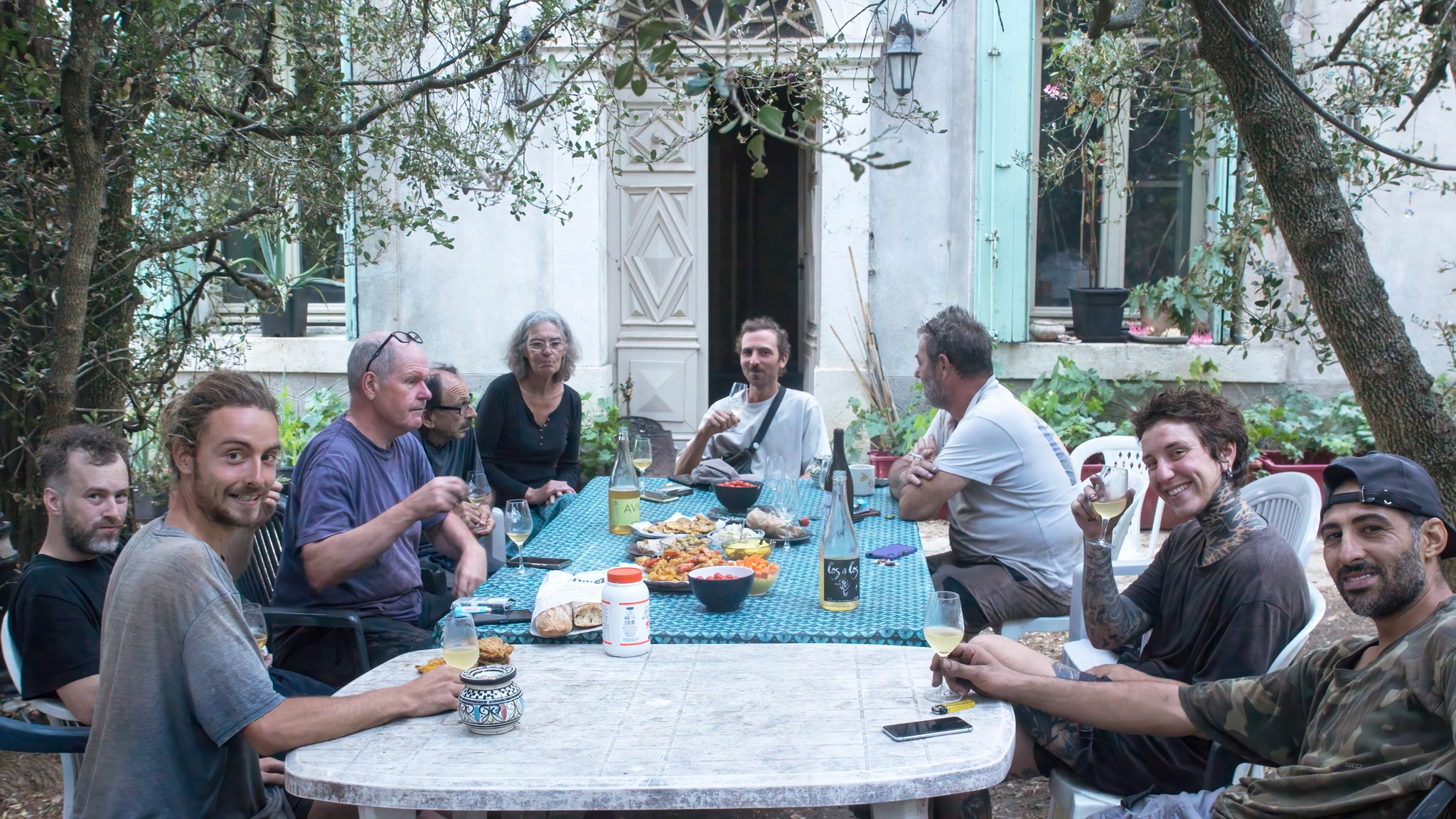
I hope you have enjoyed reading about our conversation, some of the views and opinions might have surprised you as they did me, for example about old vines. The overall message though is that whilst we look back with pride and enjoyment we look forward too, preparing for the future, trying to give nature every chance to prosper.