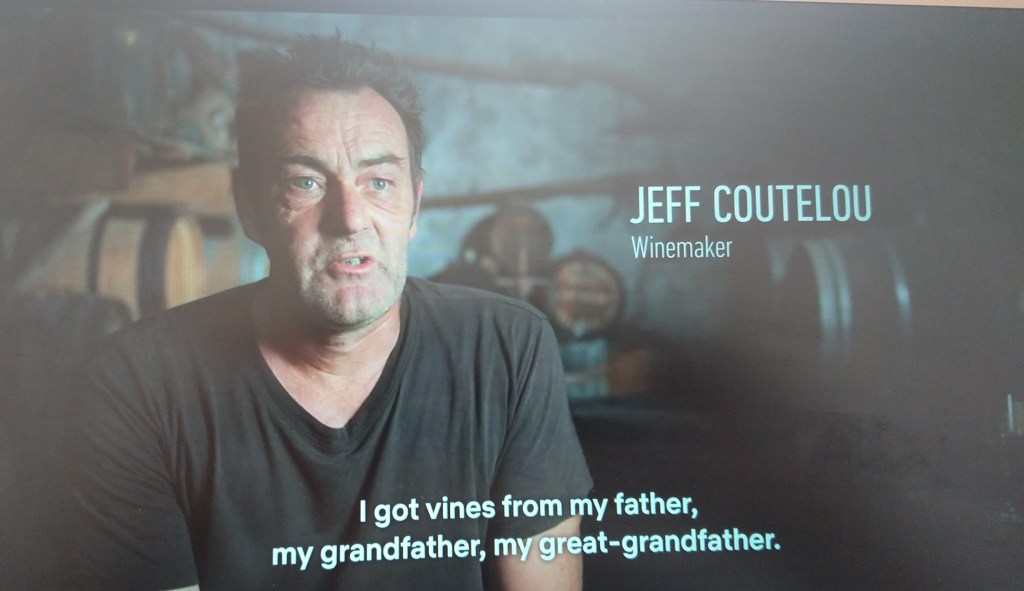
Three posts to celebrate the great wines I have enjoyed in 2019 which I would recommend without hesitation. Obviously I could include lots of Jeff Coutelou’s wines but I will restrict myself to just one, I shall keep that choice for the last of the posts.

I shall start with red wines and a classic region. Bordeaux and Burgundy are still the benchmarks for world wines, steeped in tradition. However, Chateau Le Puy is in the Cotes De Francs, east of Pomerol and Saint Emilion, not one of the higher regarded regions. Being right bank Merlot is the dominant grape and my choice of wine is an example of that. Barthélémy 2016 showed great fruit as well as classic Bordeaux weight and depth boosted by the 15% of Cabernet Sauvignon. Where this wine differs from classic Bordeaux is that this long established biodynamic domaine used no sulphites.


To Italy, more specifically Gambellara between Verona and Vicenza. Angiolino Maule was one of the pioneers of natural winemakers in Italy and his La Biancara domaine is now run by his three sons. I met Alessandro and his partner Emma Bentley in London and loved their wines but one stood out to me. This was what I wrote at the time, “Star of the show for me was So San 2016, made from Tocai Rosso grapes, the local name for Grenache. Aged in barrel for 15 months this was a big wine with lovely fruit up front backed by ripe tannins which will surely allow the wine to age for many years. It was perfectly balanced, a terrific wine from one of my favourite grapes.”. Congratulations to them too on their first child in 2019.


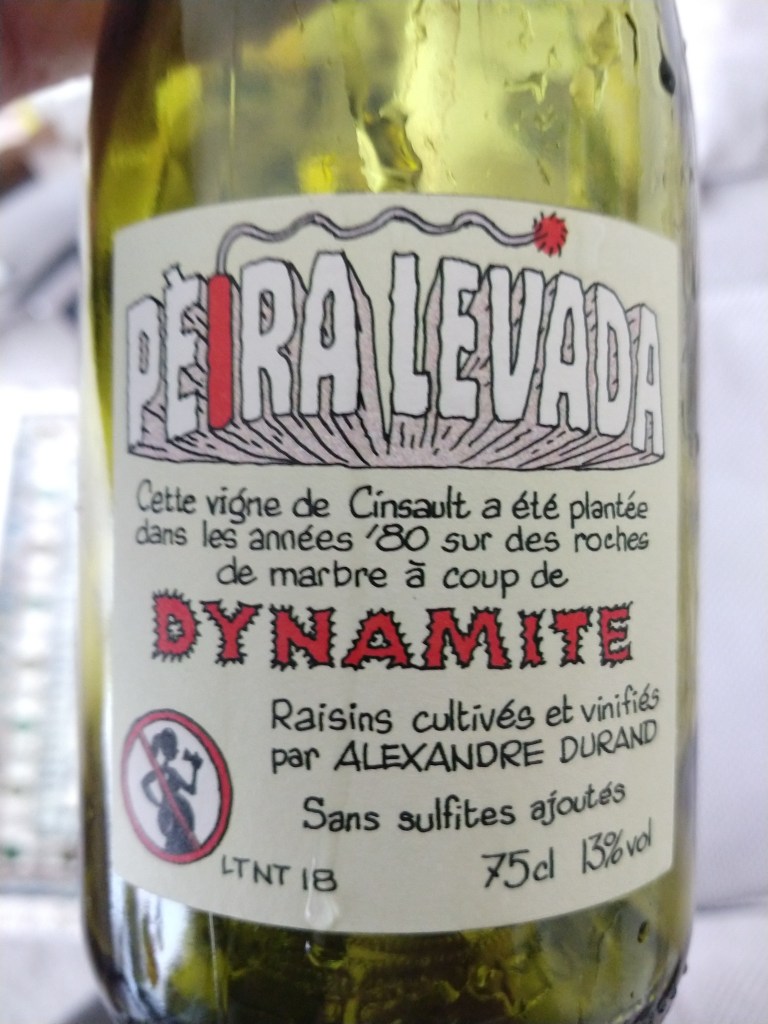
Around the world again, this time to South Africa whose wines are starting to make a big impact. Testalonga is the domaine of Craig Hawkins and I have had their wines before but the 2018s really were a breakthrough. Chin Up is a Cinsault wine and this example was full of lovely fruit with a nice fresh acidity and light tannins. Very pleasurable and very drinkable. On similar lines was Dynamite 2018 from Peira Levada the domaine of Alexandre Durand in Faugeres. Pure Cinsault too but this time grown in soils with an unusually high percentage of marble. I loved this, a wine to simply enjoy but also with a serious side. Definitely the year of Cinsault for me.

Staying in the Languedoc, Gregory White is based in Aspiran, one of a number of very good producers there. His White Is Rouge 2017 was my favourite red wine this year for sheer pleasure. A blend of Grenache and Syrah the wine is fruity with a lovely aroma of blueberries and strawberries too. There is a depth with hints of liquorice and more red fruits. Just lovely.

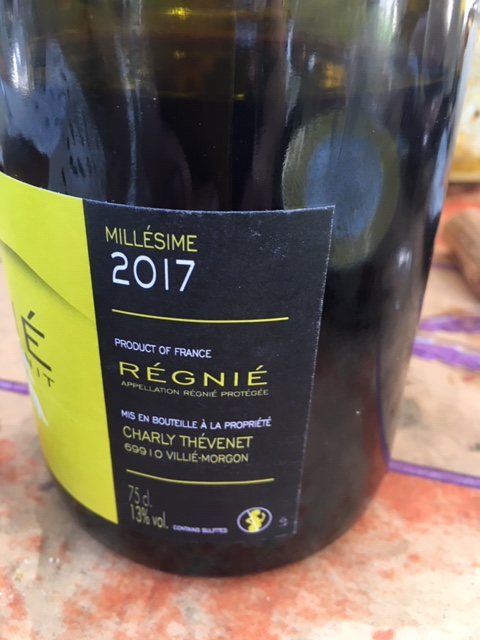
One more light red which carries more weight than might be expected. Gamay from Beaujolais is famous for its light, fruity juice. The region is a hotbed of natural winemaking and one such is Charly Thévenet, son of one of the original Gang Of Four producers Jean-Paul Thévenet. His Régnié Grain et Granit 2017 was classic Beaujolais, fun but with a serious side, good tannins and well structured.
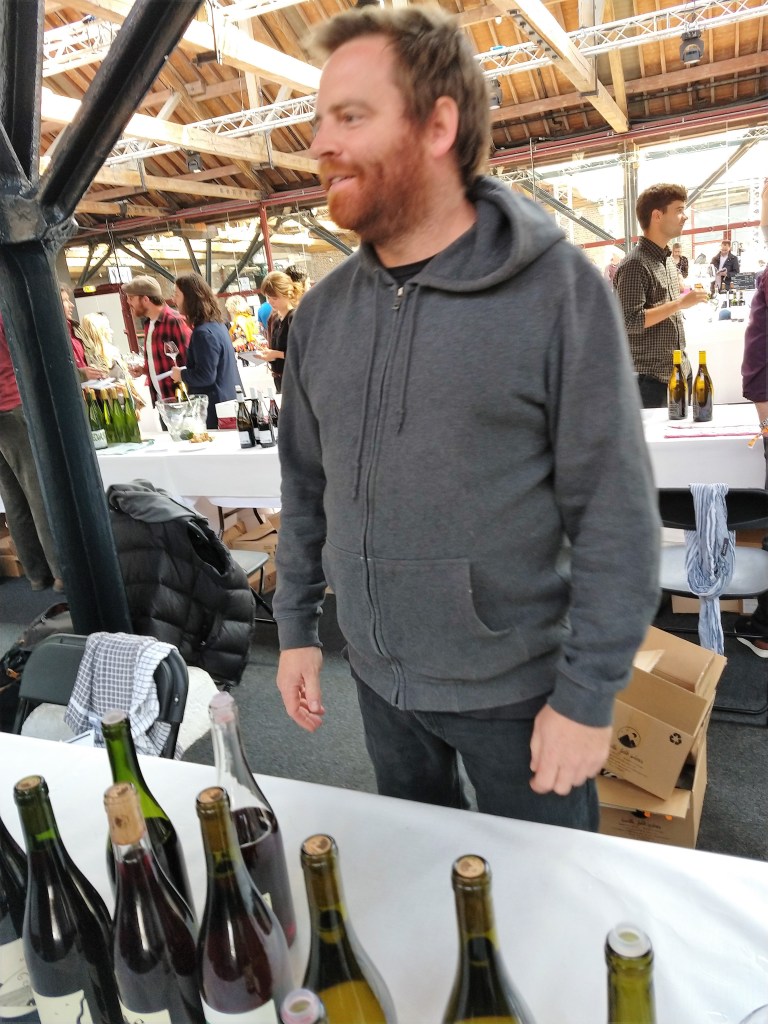
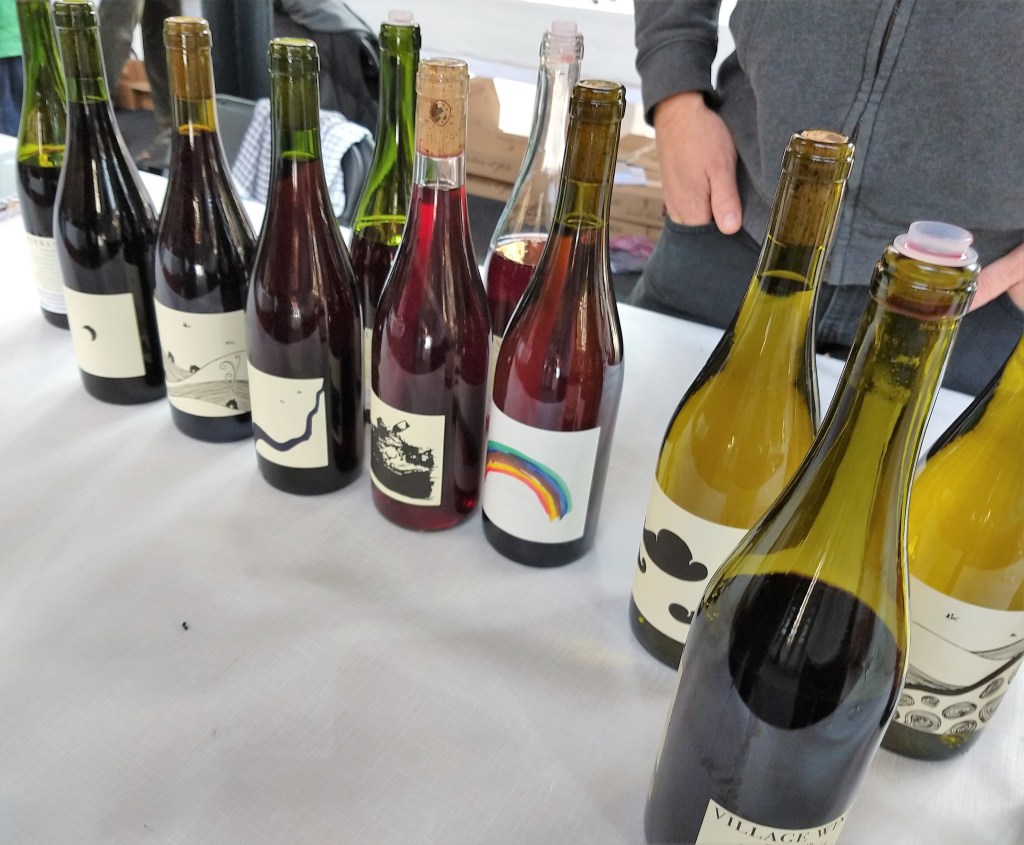
I shall finish with a wine from the Adelaide Hills. I first encountered Gentle Folk’s 2018 Village Pinot Noir when I visited Gareth Bolton’s domaine in the Hills and this very wine was newly harvested and fermenting away. This Spring I tasted the wine in London and was hugely impressed. Pinot Noir is my favourite red grape and this showed that Aussie producers can rival any in making the most of it. You will have noticed that I like red wines with a serious, contemplative side but also with pleasing fruit to make the wine enjoyable. The best Pinots have red and black fruit flavours, lots of rich aroma but also have tannins and a minerality. Gareth’s wine is all that is good about Pinot Noir.
Next time, on to the white wines.